Gabbiano 3.0

1 Michelin Star
Our verdict
Positioned at Marina di Grosseto's tourist port, Gabbiano 3.0 offers 180-degree views across the Tyrrhenian to Elba, Giglio, and Montecristo, with a kitchen that places Maremman seafood and garden-grown produce at the centre of two structured tasting menus. Chef Alessandro Rossi's creative format sits at the €€€ tier, making it one of the more considered dining options along this stretch of the Tuscan coast.

Pearl is the En Primeur Club membership app — saves, bookings, and concierge access live there. Same editors, same standards.
- Address
- Porto turistico 11, Marina di Grosseto, 58100, Italy
- Phone
- +39 0564 337812
- Website
- ilgabbianotrepuntozero.it
- Directions
- Get directions
- Booking
- Book on the venue's website
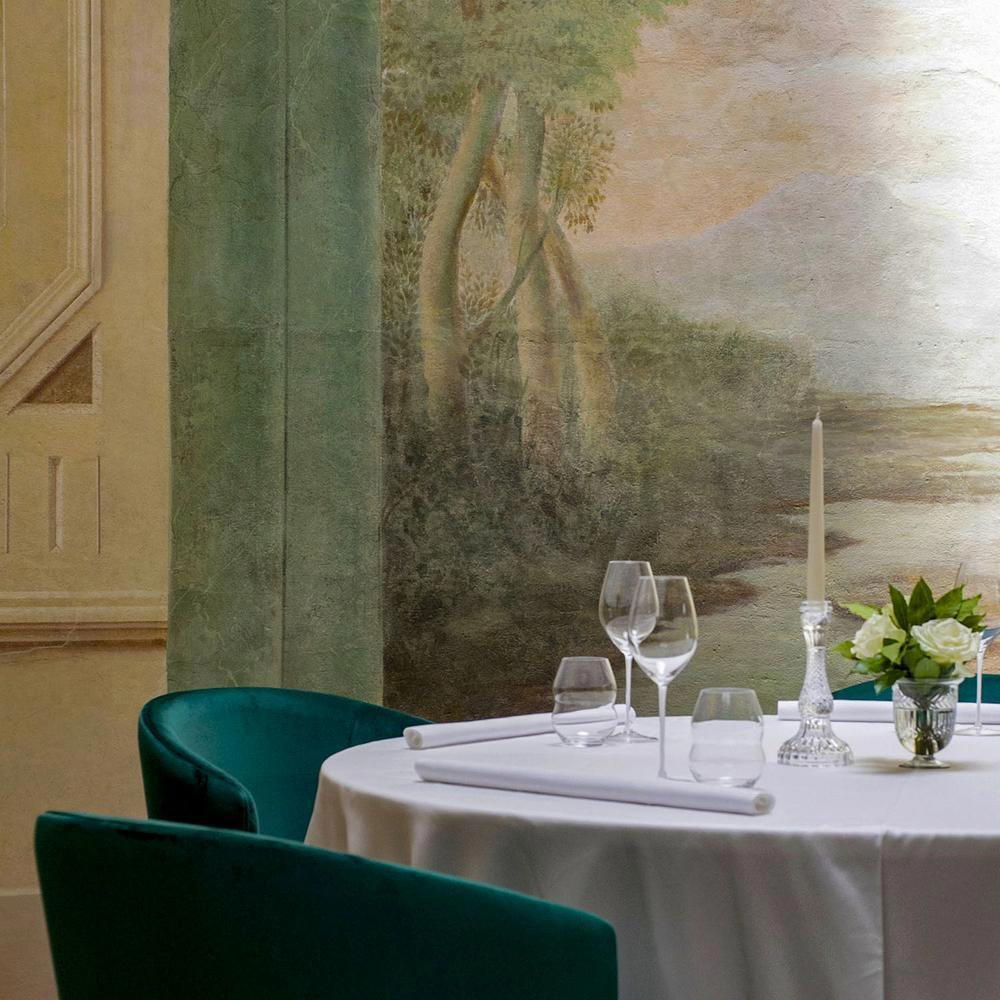
Where the Maremma Coast Meets the Plate
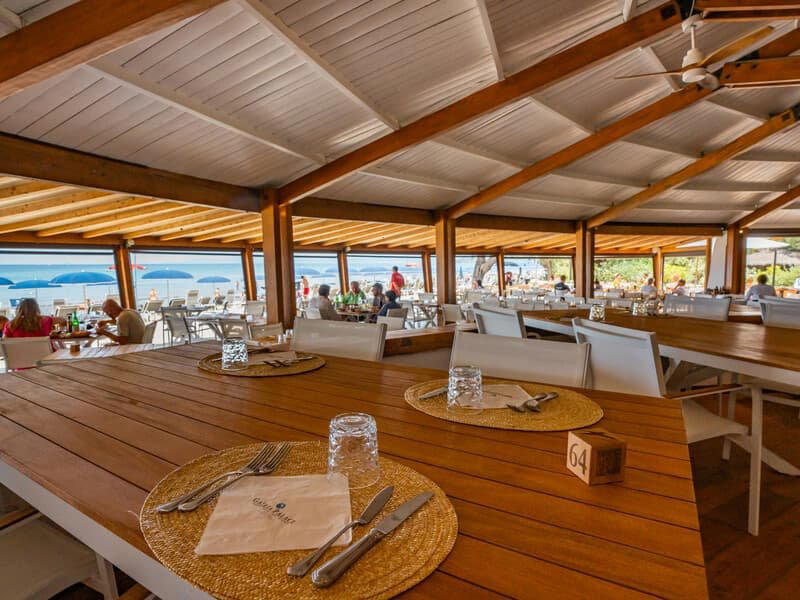
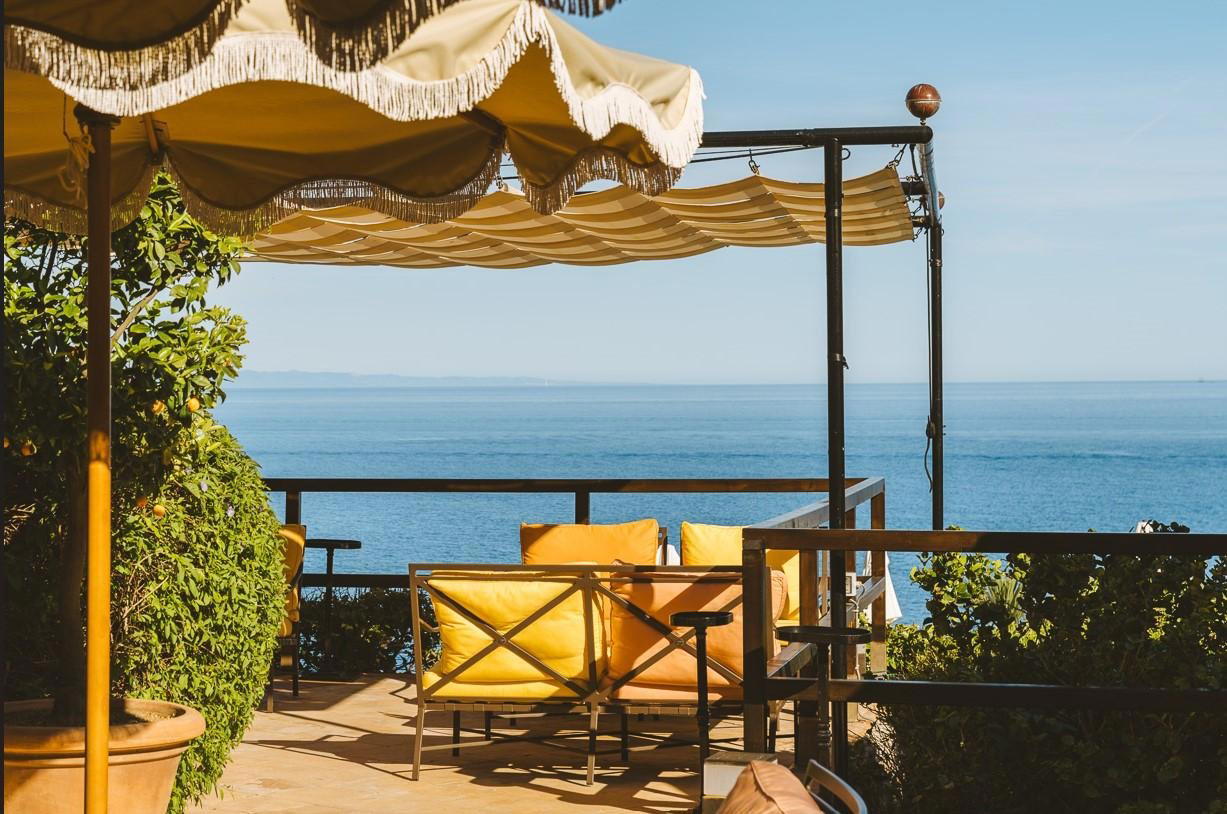
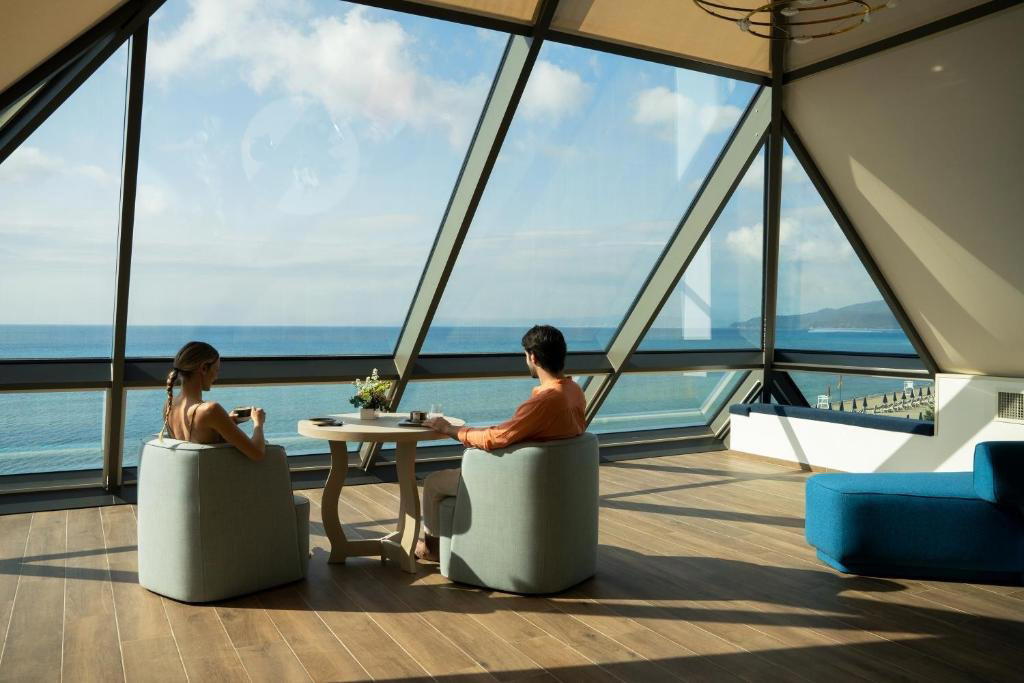
Stand at the edge of Marina di Grosseto's tourist port as the light drops over the Tyrrhenian and the outline of Punta Ala sharpens against the horizon. That is the view that greets diners approaching Gabbiano 3.0, a timber-framed room with 180-degree sightlines stretching from the moored boats in the foreground to the silhouettes of Elba, Giglio, and Montecristo in the distance. On clear evenings, the promontory of Argentario closes the western frame. The setting is not incidental to the restaurant's identity — it is the organizing principle around which the menu's logic makes sense.
Marina di Grosseto sits at the southern edge of the Maremma, a stretch of Tuscan coastline that occupies a quieter register than the better-known Cinque Terre or the Amalfi circuit. Dining here operates without the tourist volume that shapes expectations further north or south, which means kitchens can price and program for a local and regional clientele that knows the ingredient calendar. Gabbiano 3.0 fits that pattern, operating at the €€€ tier, a bracket that in this part of Tuscany signals serious intent without the full ceremony of Italy's three-Michelin-starred tier — venues like Dal Pescatore in Runate, Osteria Francescana in Modena, or Le Calandre in Rubano, which occupy a different price tier and a different kind of culinary conversation entirely.
What the Kitchen Grows and What the Sea Provides
The creative category covers a wide spectrum in Italian fine dining, from the hyper-technical laboratories of Milan to the territory-driven cooking that defines much of Tuscany's better restaurants. At Gabbiano 3.0, the creative framing is grounded in sourcing rather than technique for its own sake. The restaurant draws produce from its own kitchen garden, which positions its vegetable and herb components differently from kitchens that source from wholesale distributors. In coastal Tuscany, where the land behind the dunes transitions quickly into agricultural Maremma, a kitchen garden is not a marketing gesture, it is a practical link to the agrarian character of the region.
Fish anchors the menu, as geography and tradition would dictate. The Tyrrhenian off this coast yields the workhorse species of central Italian seafood cooking: cephalopods, bream, sea bass, and the shellfish that follow seasonal patterns through the year. The presence of a kitchen garden alongside the seafood focus reflects a dual identity that is common in the stronger Tuscan coastal kitchens: the sea provides protein, the hinterland provides everything else. Meat options and vegetables appear alongside the fish-forward dishes, giving the menu enough range to accommodate the table that arrives with mixed preferences. For a sense of what this kind of ingredient-driven coastal creativity looks like at a higher technical tier, Uliassi in Senigallia and Quattro Passi in Marina del Cantone offer useful reference points on Italy's other coastlines.
Two Menus, One Format, Some Flexibility
Alessandro Rossi runs a kitchen structured around two tasting menus, both of which can be navigated à la carte. That dual-format approach is a pragmatic response to the coastal dining context: tasting menus signal ambition and allow the kitchen to sequence sourcing-driven dishes with intention, while à la carte availability keeps the room accessible to diners who arrive for a view and a single plate rather than a full progression. It is a format that respects both the creative program and the practical reality of a tourist port location, where not every table is prepared for a two-hour commitment.
The timber interior reads as a considered complement to the setting rather than a decorative statement, warm materials that reference the fishing heritage of the port without replicating it literally. The 180-degree panorama means that most seats engage with the view, and the restaurant's orientation toward sunset makes the early part of the dinner service the most visually charged. Bookings for that window are the most contested, particularly through the summer months when the Maremma coast draws visitors from across Tuscany and beyond.
When to Go and How to Plan
Gabbiano 3.0 operates Tuesday through Monday on an evening-only schedule, running from 7:30 PM to 9:30 PM most nights, with a slightly tighter close on Fridays at 9:00 PM. Sunday adds a lunch service from 12:30 PM to 2:30 PM, which is worth noting for visitors who want the view in afternoon light. Wednesday is the weekly closure. The service window is tight by northern European standards, a 7:30 PM open and 9:30 PM last seating means arriving with the intention of eating rather than lingering over aperitivi. Reservations in advance are advisable through the summer season; the port location and the sunset orientation make this a destination rather than a walk-in on a busy July evening.
For the wider picture on dining in the area, our full Marina di Grosseto restaurants guide covers the range of options across price tiers. Those staying overnight can reference our Marina di Grosseto hotels guide, and the bars guide, wineries guide, and experiences guide complete the local picture. For those using Marina di Grosseto as a base for broader Tuscan fine dining, the regional creative tier includes Enoteca Pinchiorri in Florence and Piazza Duomo in Alba, both operating at a considerably higher price point and with Michelin credentials that set a different kind of expectation. For creative cooking in an international context, Alléno Paris au Pavillon Ledoyen and Arpège in Paris represent the category at its most technically intensive. Closer to the Italian fine dining circuit, Reale in Castel di Sangro, Enrico Bartolini in Milan, Atelier Moessmer Norbert Niederkofler in Brunico, and Casa Perbellini 12 Apostoli in Verona each represent the creative category in different regional registers and at higher price tiers.
Frequently asked questions
Does Gabbiano 3.0 work for a family meal?
The format can accommodate families, particularly on Sunday when Gabbiano 3.0 offers both a lunch service (12:30 PM–2:30 PM) and an evening sitting. Alessandro Rossi structures the menu around two tasting formats that can also be ordered à la carte, which gives groups with different appetites more flexibility than a strict set-menu kitchen would allow. Fish dominates, but meat and vegetable options are also on the menu.
Is Gabbiano 3.0 better for a quiet night or a lively one?
The setting points toward a quieter, more considered evening: a harbourside position at Porto turistico 11 with 180-degree views across to Punta Ala, Elba, Giglio, and Montecristo, and a timber interior. The kitchen runs a creative tasting format, and evening sittings close by 9:30 PM most nights, which shapes the pace. This is not a late-night venue.
What awards or recognition does Gabbiano 3.0 have?
Gabbiano 3.0 has received recognition including: Overlooking the dock, this restaurant boasts a timber decor and 180° views of the sea and Punta Ala, the islands of Elba, Giglio and Montecristo, and the Argentario – a delightful panorama which is even more spectacular at sunset. At the he….
What's the must-try dish at Gabbiano 3.0?
Specific dish details are not published in advance, which is typical for creative tasting menus that shift with season and supply. What is documented is that fish anchors both tasting menus, with produce drawn from the restaurant's own kitchen garden. Ordering from the tasting menu rather than à la carte gives the fullest picture of what Alessandro Rossi's kitchen is currently working with.
| Venue | Cuisine | Price | Awards | Notes |
|---|---|---|---|---|
| Gabbiano 3.0This venue — the venue you are viewing | Modern Italian Seafood Fine Dining | $150–200 | 1 Michelin Star | Not listed |
| Atelier Moessmer Norbert Niederkofler | Italian, Creative | Not listed | Michelin 3 Star | Not listed |
| Dal Pescatore | Italian, Italian Contemporary | Not listed | Michelin 3 Star | Not listed |
| Enoteca Pinchiorri | Contemporary Italian Fine Dining | $200–300 | 3 Michelin Stars · World's 50 Best #32 | Italian - French, Italian Contemporary |
| Enrico Bartolini | Creative | Not listed | Michelin 3 Star | Not listed |
| Osteria Francescana | Avant-Garde Italian Contemporary | $300–500 | 3 Michelin Stars · World's 50 Best #1 | Progressive Italian, Creative |
Recognition history
Dated appearances from independent guides and award organizations, with the underlying list record or original source where available.
Michelin 1 Star
Michelin
Full recognition history (3 entries)
Michelin 1 Star
Michelin
Michelin 1 Star
Michelin
Continue exploring
More in Marina di Grosseto
Restaurants in Marina di Grosseto
Browse all →
Bars in Marina di Grosseto
Browse all →
Hotels in Marina di Grosseto
Browse all →
Details
- Elegant
- Intimate
- Scenic
- Sophisticated
- Date Night
- Special Occasion
- Waterfront
- Open Kitchen
- Extensive Wine List
- Local Sourcing
- Waterfront
- Tasting Menu
- A La Carte
- Vegetarian Friendly
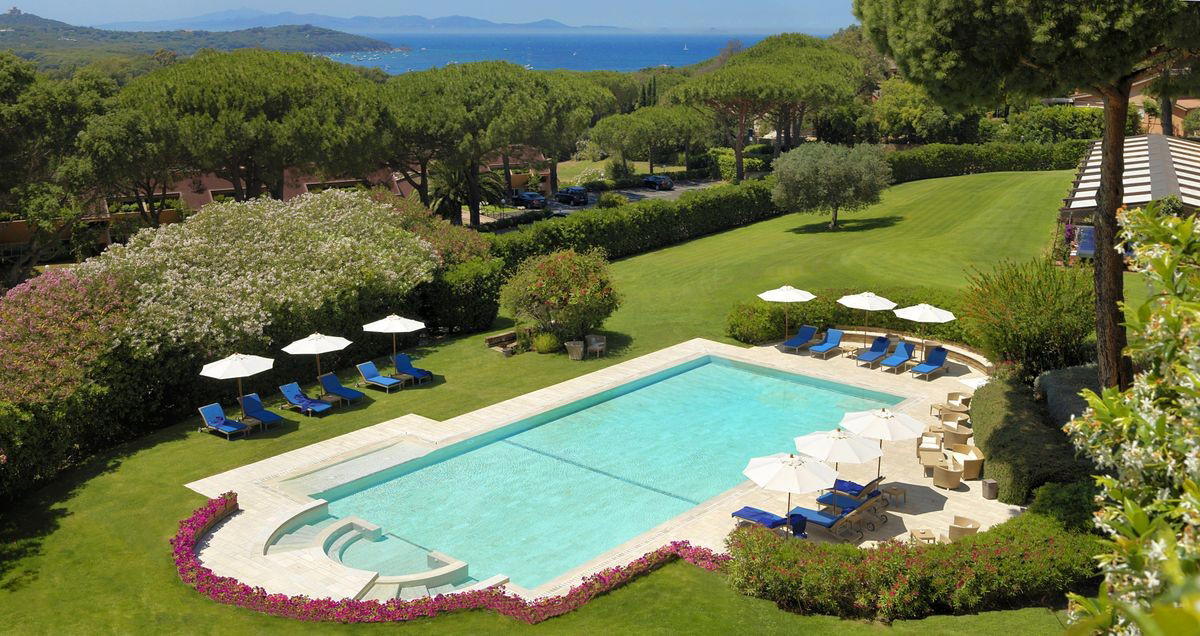
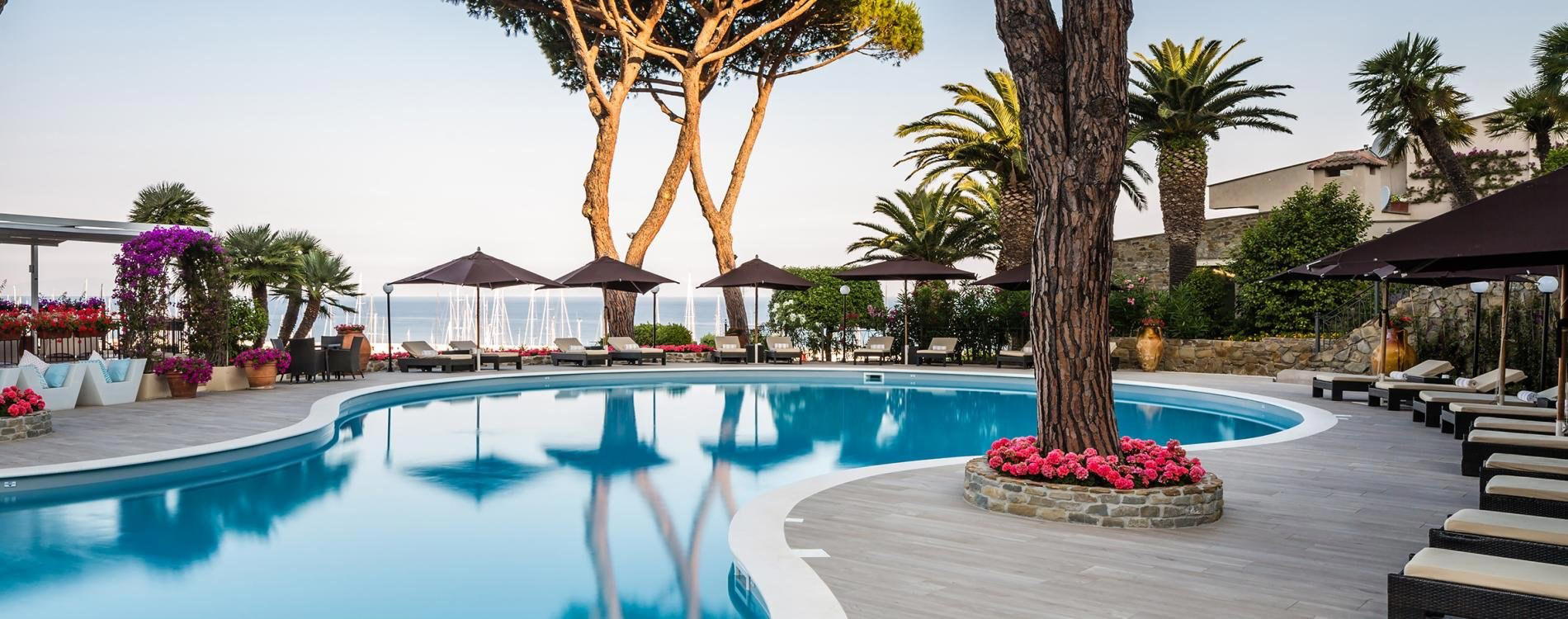
Timber-clad interior with warm coastal elegance, quiet craftsmanship, and dramatic sunset views over the Tyrrhenian Sea.