
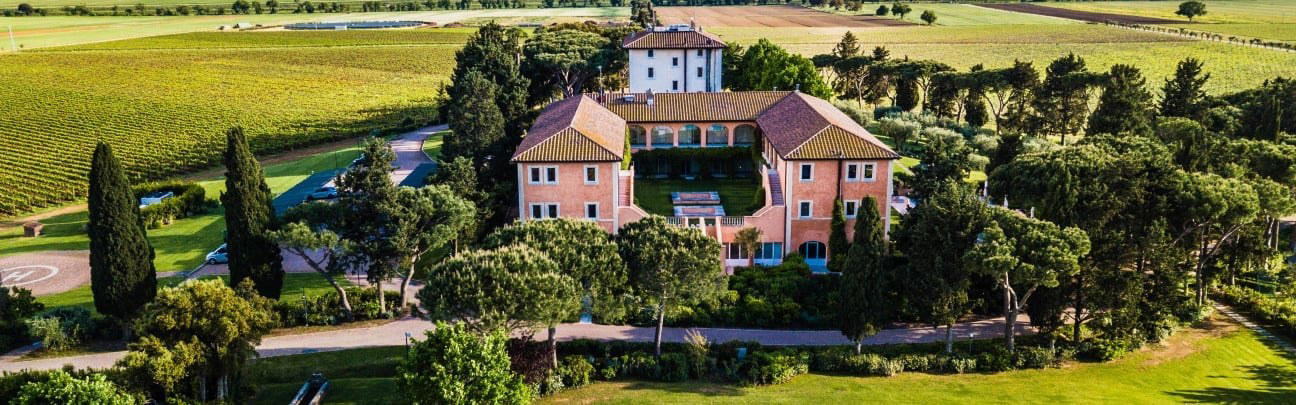
A Leading Hotels of the World member positioned on the Tyrrhenian coast at Punta Ala, Cala Beach Resort occupies one of Tuscany's most purposefully low-key coastal addresses. The property sits within the protected promontory that keeps Punta Ala deliberately sparse and seasonally concentrated, placing it among a small tier of Italian seaside resorts that trade visibility for seclusion.
Pearl is the En Primeur Club membership app — saves, bookings, and concierge access live there. Same editors, same standards.
- Address
- Via della Dogana, 58043 Punta Ala GR
- Phone
- +39 0564 080127
- Website
- calabeachresort.com
- Directions
- Get directions
 Saves & bookings on Pearl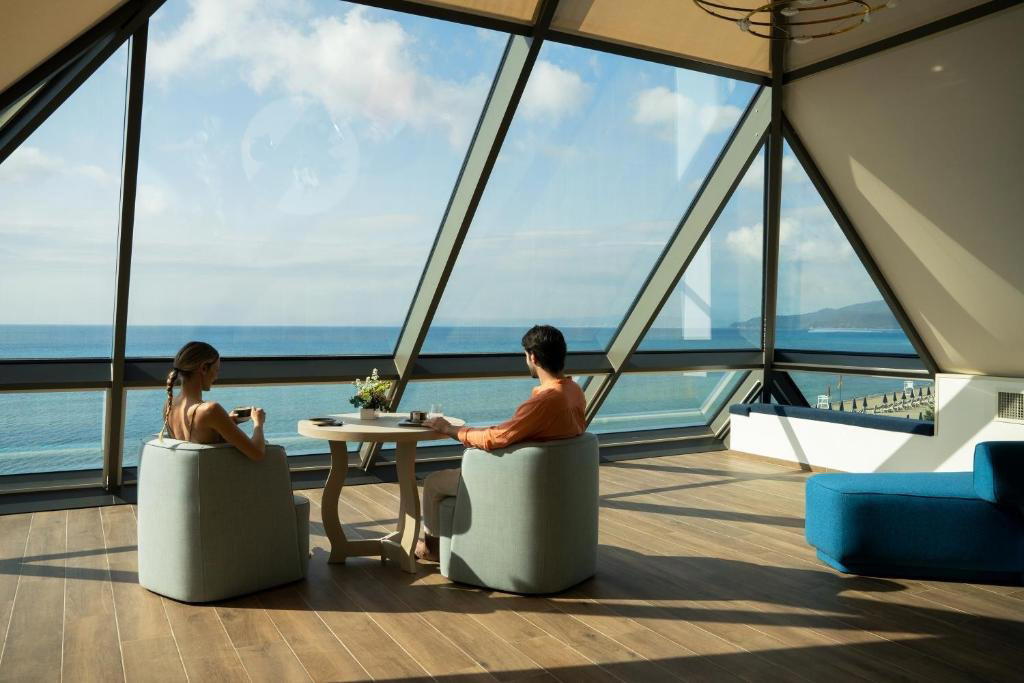
Where the Maremma Meets the Sea
Punta Ala is not a town in any conventional sense. The promontory on the southern Tuscan coast was developed as a private resort enclave in the mid-twentieth century, and that original intention has never fully dissolved. There are no thoroughfares dense with souvenir shops, no beachside sprawl. What remains is a marina, a golf course, pine forest running to the cliff edge, and a small number of properties that serve a guest population that largely returns year after year. Into that context, Cala Beach Resort fits as a deliberate participant rather than an outlier. It holds membership in Leading Hotels of the World.
That Leading Hotels of the World credential matters here as context. Cala Beach Resort belongs to that category of Italian coastal hotel that positions itself through place rather than programme.
The Physical Logic of Punta Ala
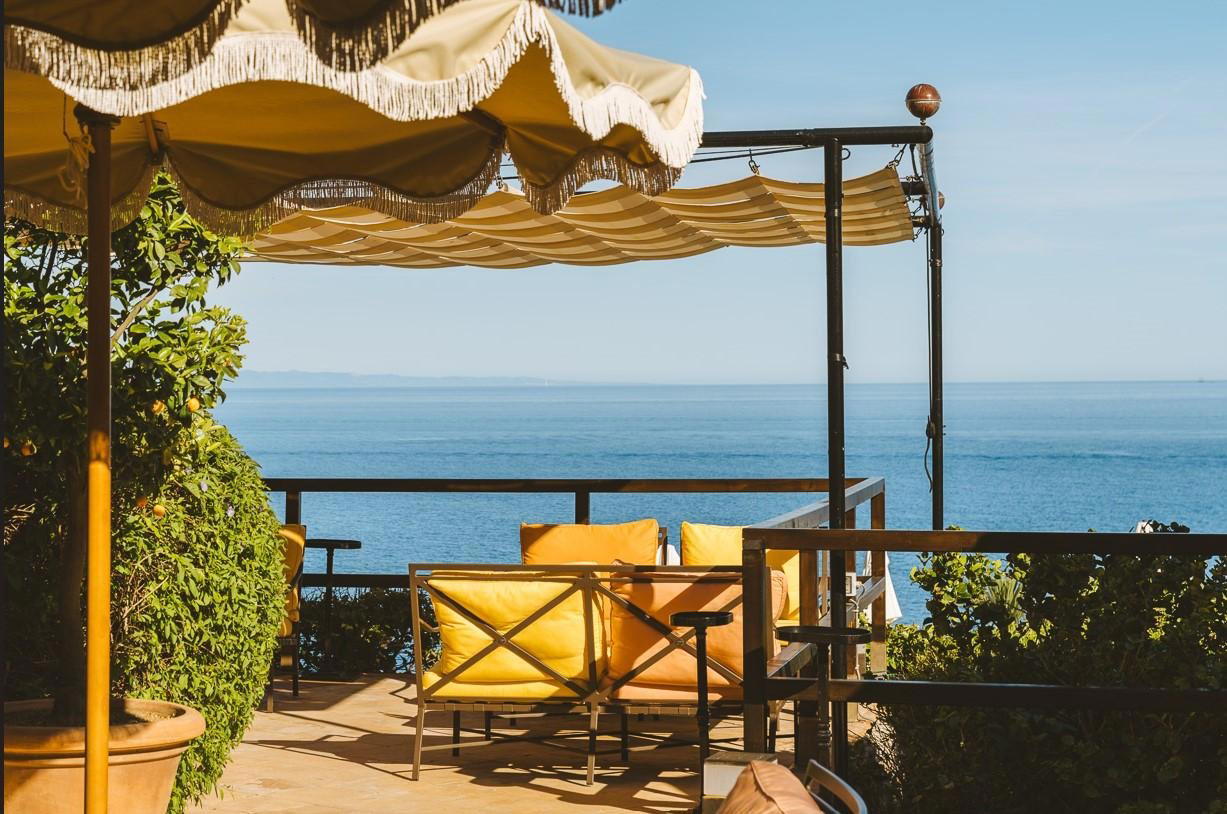
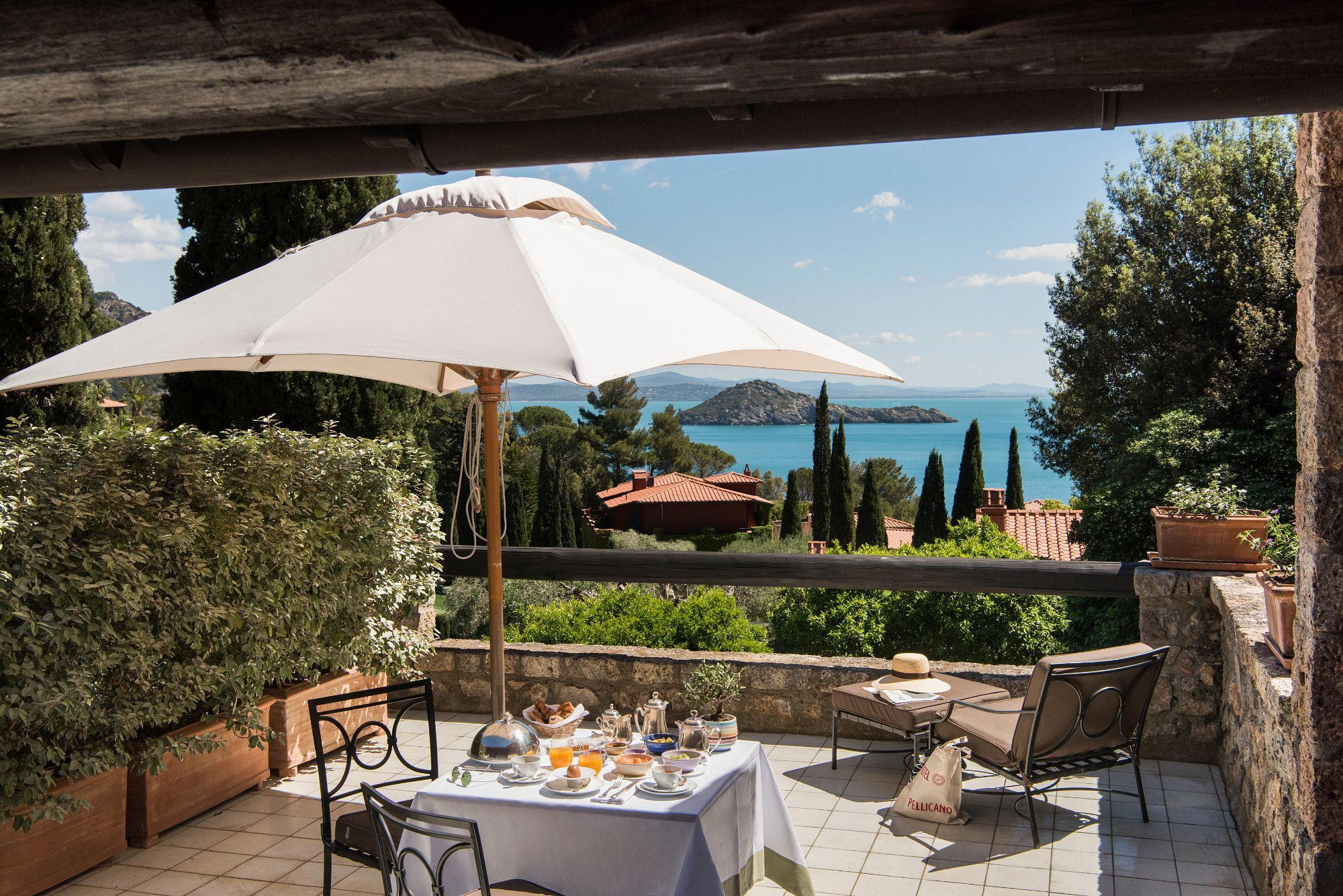
Understanding Cala Beach Resort requires understanding the geography that produced it. The Punta Ala promontory sits roughly midway along the Maremma coast, facing the Tyrrhenian Sea with Elba and Giglio visible on clear days. The terrain is hilly, forested with Aleppo pine, and the coastline alternates between sandy coves and rocky outcroppings. This is not the Amalfi drama of vertical cliffs and coloured houses, nor the Riviera geometry of town cascading to beach. The Maremma version is quieter, denser with vegetation, more horizontal in its visual register.
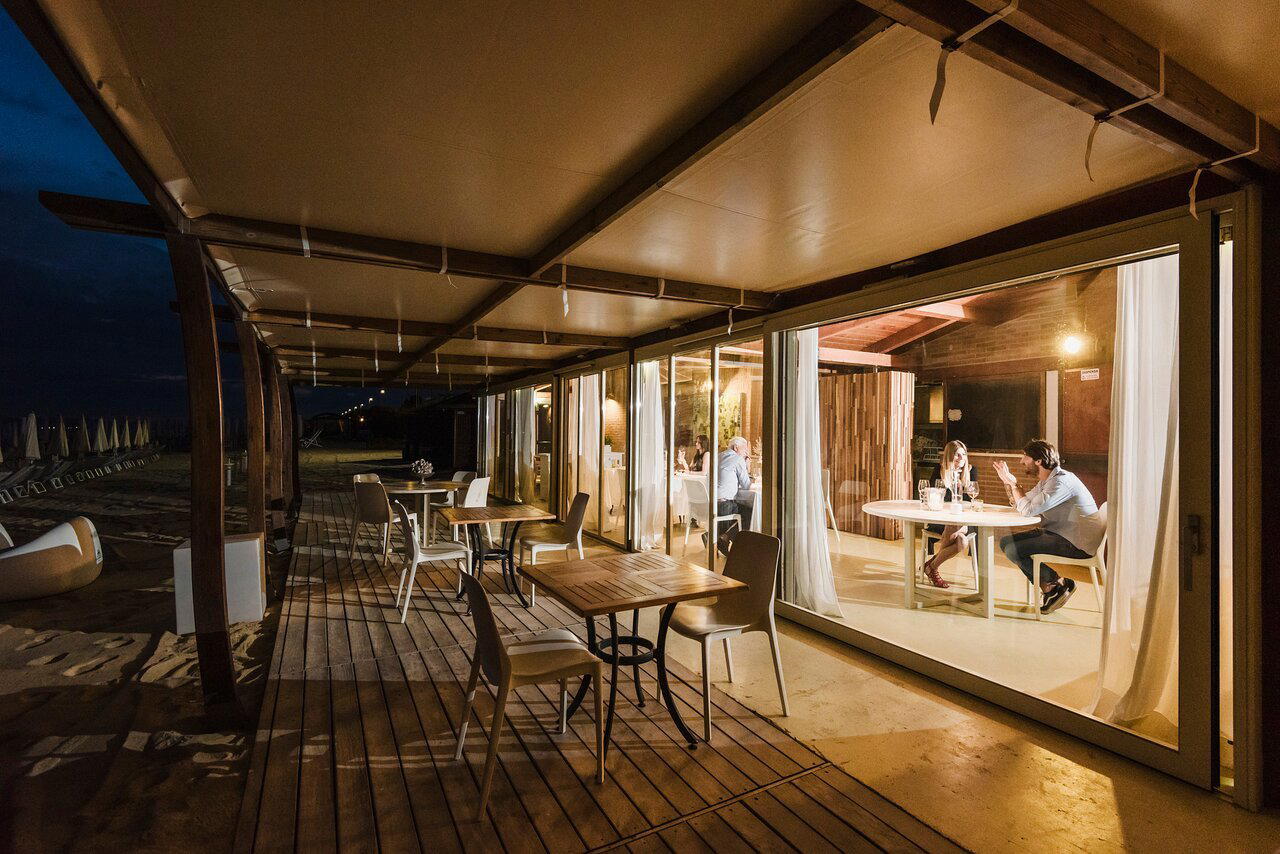
That physical character shapes what a resort in this location can be. Properties at Punta Ala tend to read low against the treeline rather than asserting themselves against a hillside. The architecture that works here is one that defers to the pine canopy, that uses materials echoing the sandy, salt-weathered palette of the coast, and that organises guest movement toward the water's edge as a primary spatial logic. The hotel's address on Via della Dogana places it at the coastal fringe of this enclave, where the site's relationship to the beach rather than to any village centre is the dominant organisational fact.
Compare this spatial approach with what Italian coastal luxury looks like at other addresses. Borgo Santandrea on the Amalfi Coast works with sheer verticality, terracing down a cliffside. Il San Pietro di Positano uses the cliff as its structural armature. Punta Ala offers none of that geological theatre, which means design here must work horizontally, through sequence, materiality, and proximity to the water rather than height above it.
Seclusion as Architectural Argument
A recurring feature of the Leading Hotels of the World properties that perform well in low-density resort contexts is the deliberate calibration of scale. Over-built coastal hotels tend to lose the spatial quality that justifies their position. The properties that sustain their reputation across decades in places like the Maremma, the Aeolian Islands, or the Sardinian interior tend to be those that accepted a constraint on capacity early. The rationale is simple: a beach resort whose guest count overwhelms its cove loses the cove as an amenity.
Across the Italian coastal tier, this tension between commercial scale and experiential quality is where properties differentiate most sharply. JK Place Capri holds a small room count that keeps the terrace from becoming a crowd scene. Passalacqua on Lake Como operates on a similar logic of capped capacity enabling spatial quality. The Leading Hotels of the World framework does not mandate room counts, but properties that carry the membership in coastal Italy generally sit in a tier where the ratio of guest to usable space is part of the value proposition.
Placing Punta Ala in Tuscany's Broader Hotel Map
Tuscany's premium accommodation offer spans a wide geography and several distinct typologies. The vineyard estate model, exemplified by Rosewood Castiglion Del Bosco in Montalcino or Borgo San Felice in Castelnuovo Berardenga, places the guest inside working wine country. The hill-town palazzo model, visible at Castelfalfi in Montaione, organises itself around medieval structure and Chianti landscape. The coastal model at Punta Ala is distinct from both: it is not about vineyards or stone towers but about a particular quality of light off the Tyrrhenian, about pine-shaded access to a quiet beach, and about the enclave character of a promontory that was built to stay small.
Guests choosing between these Tuscan sub-categories are making genuinely different decisions about what they want from a week in the region. The hotel answers a specific brief: sea access, summer rhythm, relative quiet, and the assurance that comes with a Leading Hotels of the World membership in a location that has resisted overdevelopment along much of the Italian Riviera to the north.
For those cross-referencing against other Italian coastal properties in adjacent categories, Bellevue Syrene 1820 in Sorrento and Borgo Egnazia in Savelletri di Fasano occupy parallel positions in their respective regions, each using a named coastal address to serve a similar traveller. The Maremma, however, offers a quieter register than either the Gulf of Naples or the Adriatic heel of Italy.
Planning Your Stay
Punta Ala operates on a strong seasonal rhythm. The summer months from June through August concentrate the majority of visitor activity, with the marina active, the beach busy, and the resort in its fullest operational mode. Shoulder season, particularly May and September, offers the same geography with materially fewer guests and often more consistent service ratios. Reaching Punta Ala by car from Florence takes approximately two hours along the Via Aurelia and then inland roads; the nearest train station is Follonica, from which a taxi or transfer is required for the final stretch to the promontory. Guests arriving from further afield most commonly route through Pisa or Florence airports. Booking directly through the property is the standard approach.
Comparable Spots, Quickly
Comparable venues nearby, for context on price, style, and recognition.
| Venue | Cuisine | Price | Awards | Notes |
|---|---|---|---|---|
| Cala Beach ResortThis venue — the venue you are viewing | luxury boutique beach resort | $$$$ | 5-Star | Not listed |
| Gallia Palace Beach - Golf - Spa - Resort | Traditional Tuscan resort immersed in pine forests with modern luxury updates | $$$$ | 5-Star | Punta Ala |
| Excelsior Pesaro | 5-star boutique hotel with whispered charm and nautical references | $$$$ | 5-Star | Lungomare Nazario Sauro |
| Palazzo Tirso Cagliari - MGallery | Historic Art Nouveau palazzo with contemporary luxury renovations | $$$$ | 5-Star | harborfront |
| Abi d'Oru Beach Hotel&Spa | Historic beach resort with hexagonal pavilions and Mediterranean gardens | $$$$ | 5-Star | Porto Rotondo |
| Hotel Première Abano | Luxury 5-star thermal spa resort in a renovated Art Nouveau building surrounded by a large private park. | $$$$ | 5-Star | Not listed |
Recognition history
Dated appearances from independent guides and award organizations, with the underlying list record or original source where available.
Leading Hotels of World Member
Leading Hotels of World
Continue exploring
More in Punta Ala
Hotels in Punta Ala
Browse all →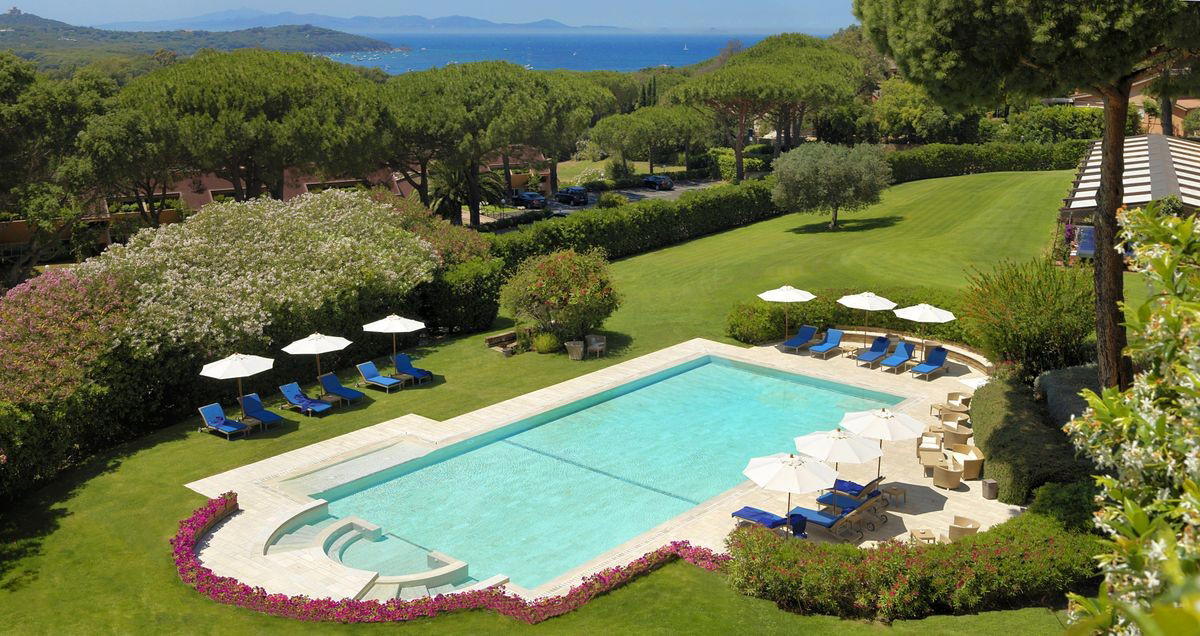
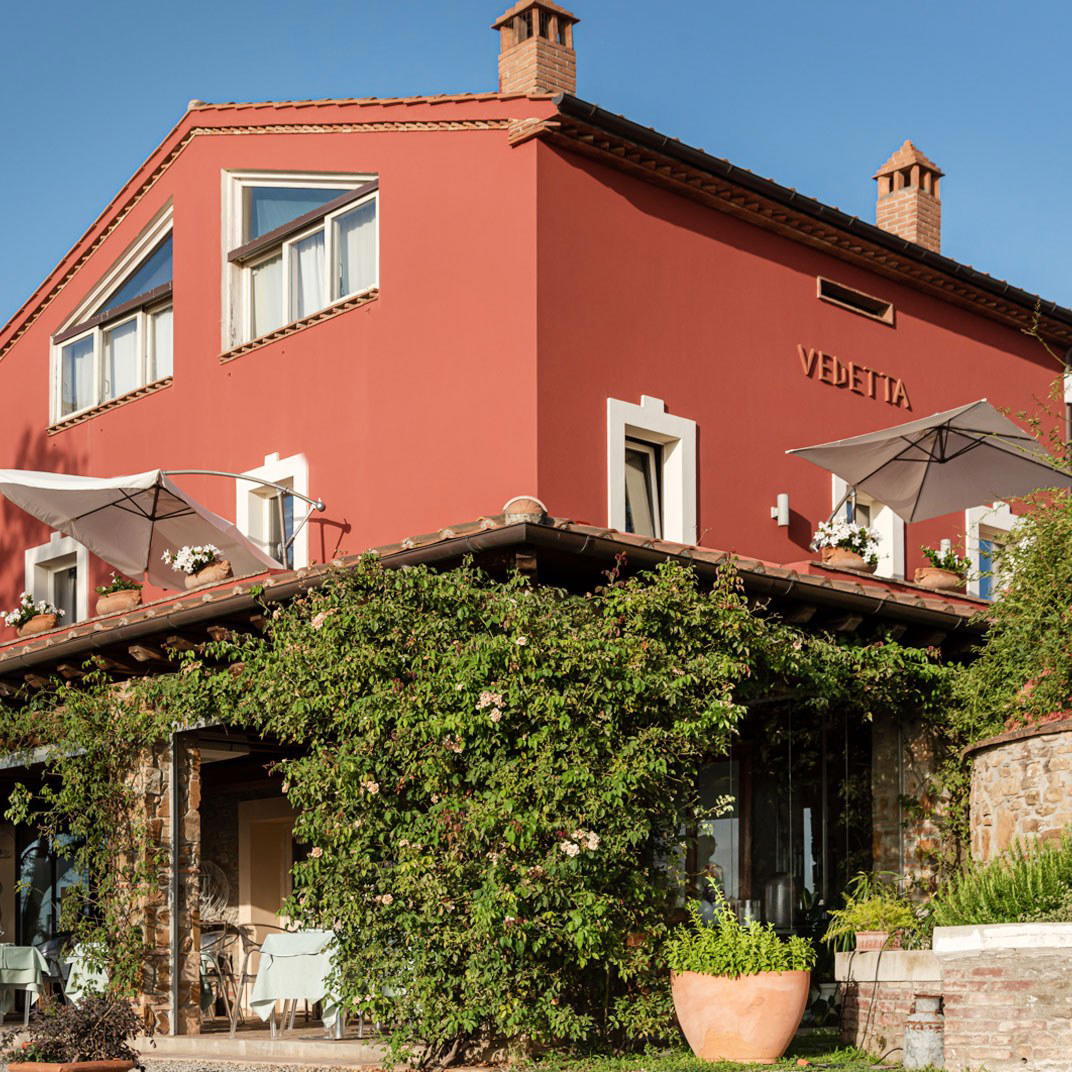
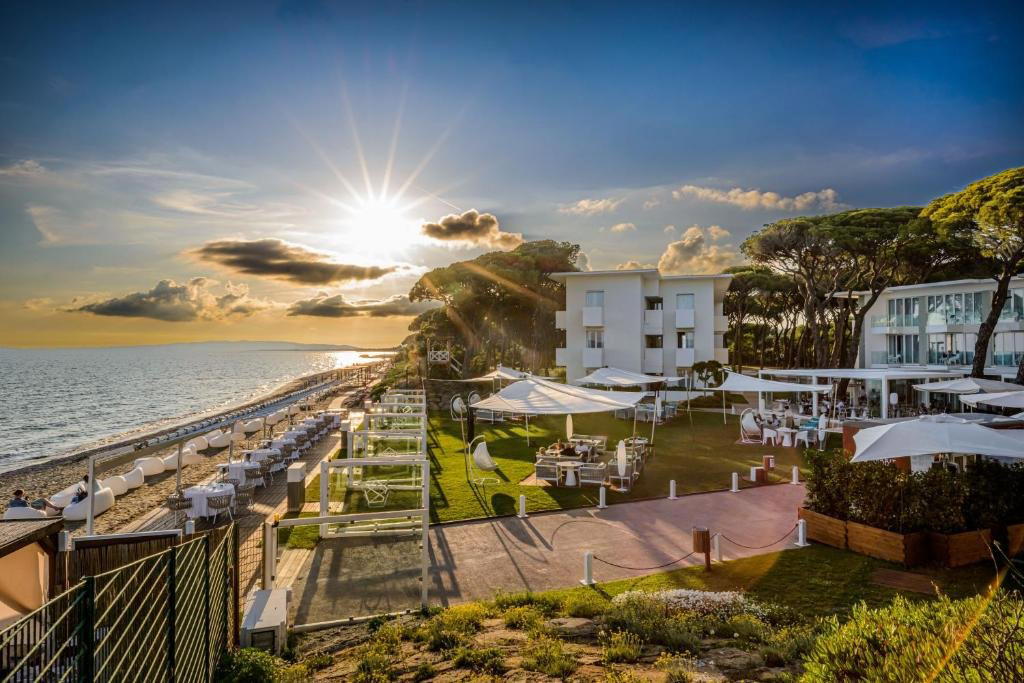
Bars in Punta Ala
Browse all →
Restaurants in Punta Ala
Browse all →

At a Glance
- Elegant
- Sophisticated
- Scenic
- Modern
- Romantic Getaway
- Family Vacation
- Weekend Escape
- Beachfront
- Pool
- Spa
- Fitness Center
- Restaurant
- Room Service
- Concierge
- Beach Access
- Tennis
- Golf Course
- Waterfront
- Pool
- Spa
- Fitness Center
- Restaurant
- Room Service
- Concierge
- Beach Access
- Tennis
- Golf Course
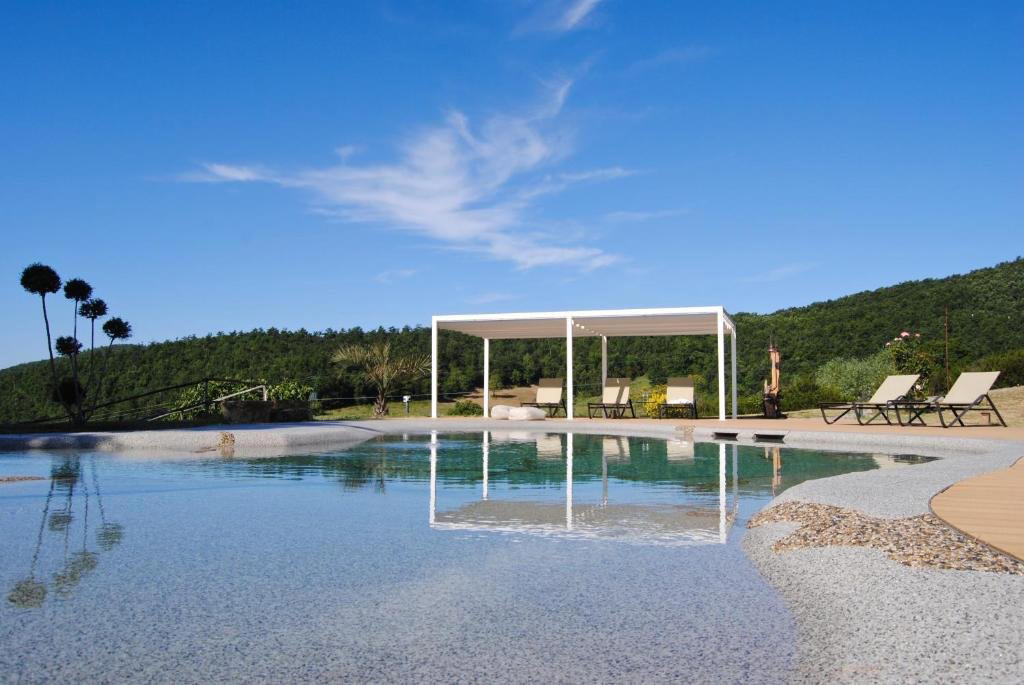
Luminous and sophisticated with fresh contemporary styling, offering total relaxation in a quiet natural setting between pinewoods and the sea.