

Tabelog Bronze #503
Our verdict
VENTINOVE places regional Italian cooking in rural Gunma rather than a metropolitan dining district, which changes the read of the meal: wood fire, wine and sake sit against Kawaba’s agricultural setting. The restaurant carries Tabelog Award 2026 Bronze recognition and a 2025 Tabelog 100 Italian EAST selection, placing it in Japan’s serious Italian conversation without the usual Tokyo framing.

Pearl is the En Primeur Club membership app — saves, bookings, and concierge access live there. Same editors, same standards.
- Address
- 2593-1 Yachi, Kawaba, Tone District, Gunma 378-0101, Japan
- Hours
- Mon–Tue 3–9 PMWed–Thu ClosedFri–Sun 3–9 PM
- Website
- 29ventinove.com
- Directions
- Get directions
- Booking
- Book on TableCheck
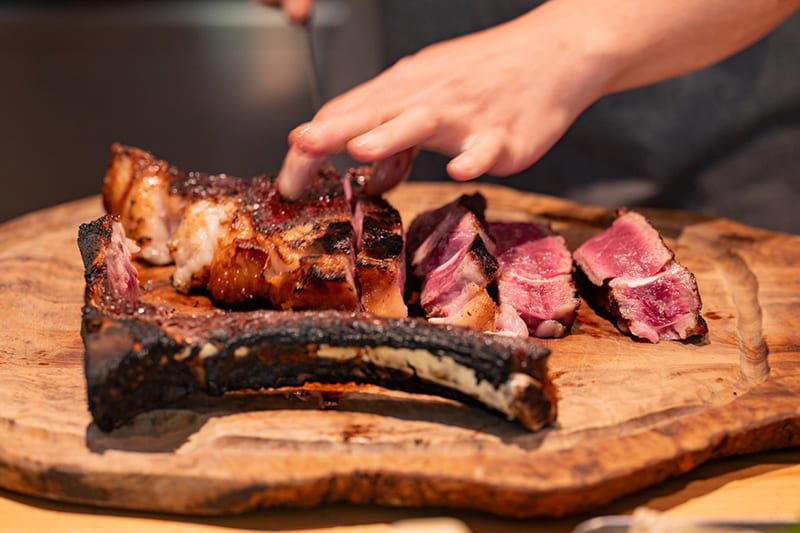
Italian cooking in Kawaba means reading the room before the menu. This is not polished Tokyo Italian, where regional references pass through luxury districts and counter-service precision. In Gunma, the context is agricultural and slower: fields, mountains, sake culture and village rhythm rather than a restaurant row. VENTINOVE moves Italian food from city theatre into a grounded regional conversation.
Japan’s Italian scene has long been stronger than many visitors expect. The country absorbed pasta, espresso and trattoria culture decades ago, then built its own high-end Italian language: disciplined sourcing, small-room service, wine lists often beside sake, and menus borrowing from Italy without pretending to be there. Kawaba sharpens that translation. Italian cooking here is less Roman carbonara nostalgia, Tuscan steak signalling or Neapolitan pizza orthodoxy than fire-led technique meeting a mountain prefecture with its own produce and drinking habits.
Italian cooking outside the Tokyo orbit
The useful comparison is Tokyo Italian versus regional Japanese Italian, not Italy versus Japan. In Tokyo, serious Italian rooms often compete on chef pedigree, imported ingredients and dense wine-cellar language. Outside the capital, stronger restaurants need place to do more work. VENTINOVE, a Tabelog Award 2026 Bronze winner and 2025 Tabelog 100 Italian EAST selection, sits in the smaller category of destination Italian restaurants whose recognition draws diners beyond the obvious urban circuit.
Regional identity matters because Italian cuisine is not one cuisine. Roman cooking leans toward pasta discipline and offal tradition; Tuscan cooking foregrounds grill, beans, bread and olive oil; Neapolitan cooking is tied to pizza, tomato, seafood and heat; Milanese cooking carries butter, rice and northern richness. A wood-fired Italian restaurant in Gunma naturally reads closer to central and northern Italian grammar, flame, grain, meat, dairy and wine, than to a coastal southern template. The kitchen need not imitate Tuscany or Piedmont; the Italian frame structures local conditions rather than covering them.
The drink positioning is telling. Serious Italian restaurants in Japan can treat wine as the only serious pairing language or allow sake into the conversation without reducing the meal to fusion shorthand. VENTINOVE lists both wine and sake, placing it in the more Japan-specific lane. For diners used to European regional orthodoxy, this is one of the category’s more interesting traits: Italian technique holds while drinking culture adapts to the country around it.
Recognition, price and the destination-dining equation
Tabelog’s Bronze tier and Italian EAST 100 selection place the restaurant within Japan’s dining hierarchy rather than an imported awards map. Current recognition carries a 3.91 score, with dinner pricing listed at JPY 15,000 to JPY 19,999 and review-based spending commonly higher. That puts the meal above casual trattoria territory and below the most expensive urban tasting-menu bracket, a middle-high tier where execution must justify travel as much as appetite.
Kawaba changes the value calculation. In Tokyo, the same spend competes with hundreds of serious rooms, from counter sushi to French tasting menus and polished Italian dining in Ginza, Aoyama or Ebisu. In rural Gunma, the question is whether the restaurant can anchor a trip rather than fill a slot. For someone already moving through the Tone District or building a food-led Gunma itinerary, the award signal and reservation-only format make it a clear anchor. For someone coming from Tokyo only for dinner, planning burden becomes part of the cost.
Among comparison Italian restaurants such as Fogliolina della Porta Fortuna, DA PEPI, Don Bravo, canade and Il Pregio, the relevant distinction is setting rather than cuisine label. Several Japanese Italian rooms use regional Italy as technical vocabulary; fewer ask the diner to leave the metropolitan dining grid entirely. VENTINOVE’s advantage is that room, price point and recognition point the same way: destination Italian with rural specificity, not a city restaurant transplanted into the countryside.
How to plan the meal without treating Kawaba as an afterthought
The practical side matters because this is not spontaneous. The restaurant operates by reservation only, accepts bookings up to two months ahead and posts availability through pinned Instagram updates. Service has a limited weekly rhythm, with midweek closures, so Kawaba should be planned into a wider day, not left to the last minute. Access is more realistic by taxi from regional rail points, while parking makes driving cleaner for many domestic travellers.
The house-restaurant format, private room availability for eight and wheelchair access broaden the use beyond a couple’s dinner, though the price tier keeps it special-occasion. Payment is practical by Japanese rural standards: credit cards and QR code payments are accepted, while electronic money is not. The absence of a listed dress code should not be read as casualness; at this tier of Japanese dining, restrained clothing is safest.
For travellers mapping Kawaba beyond one meal, the restaurant fits better inside a compact regional itinerary than as an isolated pin. Start with our full Kawaba restaurants guide, then build the stay through our full Kawaba hotels guide, our full Kawaba bars guide, our full Kawaba wineries guide and our full Kawaba experiences guide. The broader Japan dining map is useful for contrast: compare regional specialization at -Grilled beef Sukiyaki- KAMAKURA TANUKIAN 鎌倉 たぬき庵 in Kamakura, casual urban fire cooking at . 鮪と炭火焼き うお炭 秋葉原店 in Tokyo, city café culture at .cafe in Osaka, contemporary local dining at .know in Kumamoto, Vietnamese cooking at (Shoku) Vietnam in Kawasaki, curry specialization at [Curry Senmon Ten] Maruyama Kyoju. in Sapporo, Kyoto minimalism at [ki:] in Kyoto, beef-focused dining at #肉といえば松田 奈良本店 in Kashihara, burgers at 1/3 HAMBURGER FACTORY in Kanazawa, Yokohama dining at 1000 in Yokohama, mountain casualness at 1000mヒュッテ 1000m Hut in Kutchan, American Italian-adjacent comfort at 112 Eatery, Italian in Minneapolis and luxury Italian formality at 8 1/2 Otto e Mezzo Bombana (Hong Kong), Italian in Hong Kong.
The editorial case for VENTINOVE is strongest when the meal is understood as regional Italian thinking translated through Gunma, not a checklist of Italian classics. The awards matter, but the setting gives them meaning. Kawaba turns the restaurant into a study in how far Japan’s Italian scene extends beyond the capital, and how convincingly it can speak in a local accent.
Frequently asked questions
Is VENTINOVE suitable for children?
Those details are not published. Its price range is JPY 15,000–JPY 19,999, so it sits closer to destination dining than casual family lunch. Check the venue's official channels for the latest details.
What kind of setting is VENTINOVE?
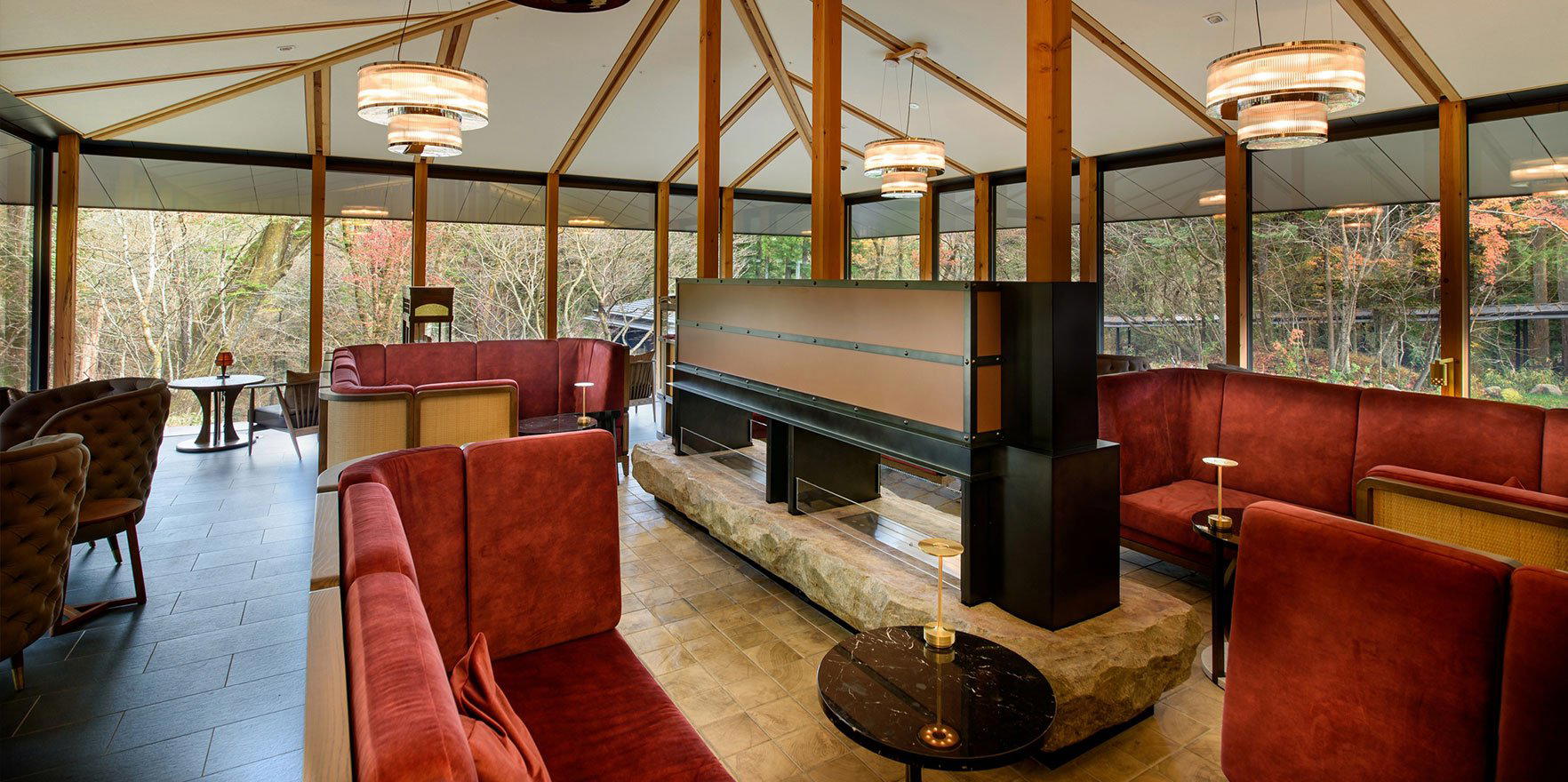
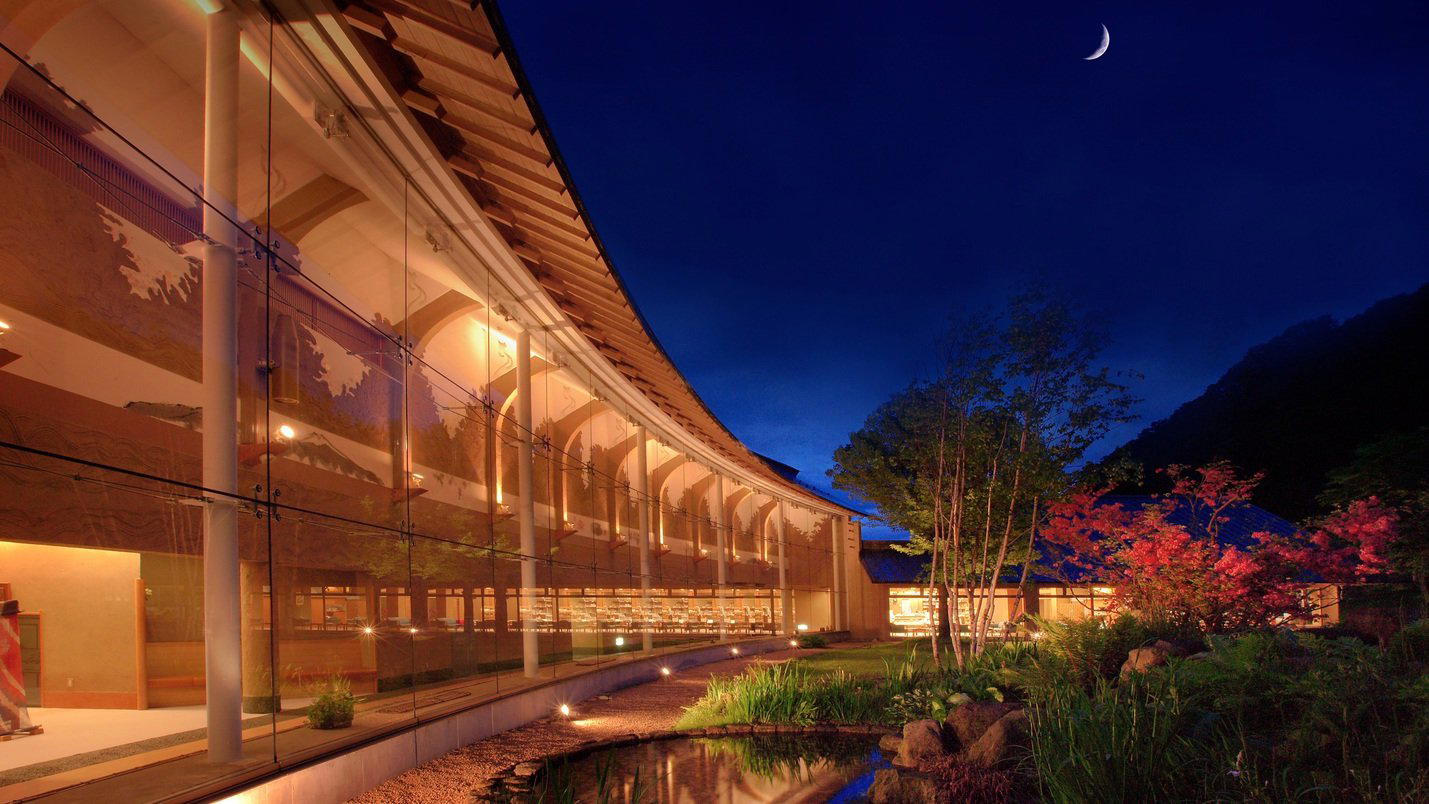
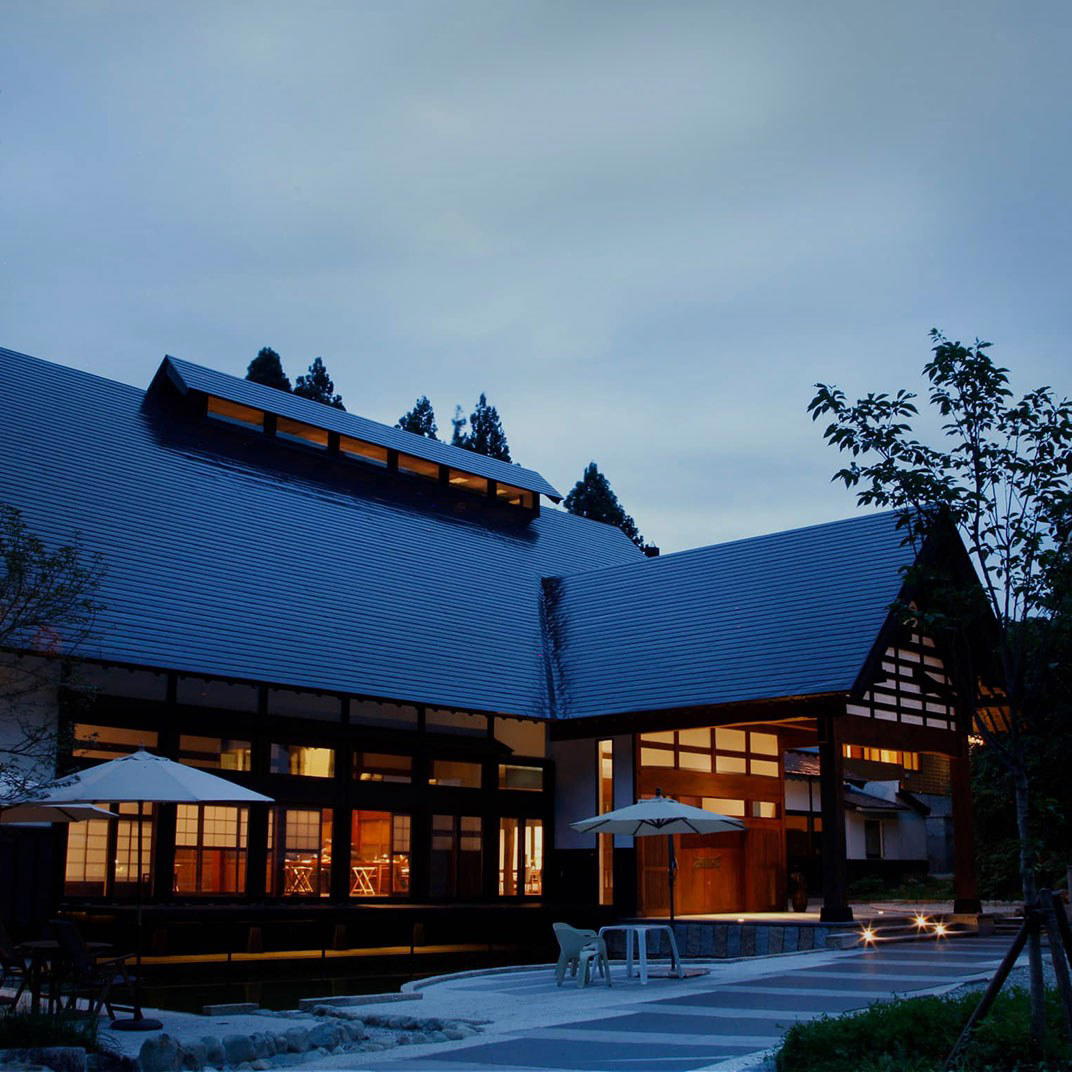
VENTINOVE is described as a house restaurant with a beautiful view in Kawaba, Gunma, and the facilities include stylish space, spacious seating, and wheelchair access. It also has parking and private rooms available, which suits a quieter Italian meal outside the city.
What should I expect cuisine-wise at VENTINOVE?
VENTINOVE serves Italian cuisine.
What should I budget for a meal at VENTINOVE?
Pricing at VENTINOVE is listed as JPY 15,000 - JPY 19,999.
Quick Comparison
Comparable venues nearby, for context on price, style, and recognition.
| Venue | Cuisine | Price | Awards | Notes |
|---|---|---|---|---|
| VENTINOVEThis venue — the venue you are viewing | Italian Wood-Fired Cuisine | $100–150 | Tabelog Bronze #503 | Not listed |
| レガーロ | Modern Italian with Japanese Seasonal Influences | $200–300 | Michelin Plate · Tabelog 100 #94 | Shibuya |
| Chanfe Tokyo | Modern Italian with Japanese Influences | $50–100 | Not listed | Taitō |
| Mesebaba | Italian | Not listed | Not listed | Kōtō |
| Partenope Ebisu | Authentic Neapolitan Pizza | Not listed | Tabelog 100 #62 | Ebisu |
| ALTEZZA | Hokkaido Italian with Tableside BBQ | Not listed | Not listed | Tomamu, Shimukappu-mura, Yufutsu-gun |
Recognition history
Dated appearances from independent guides and award organizations, with the underlying list record or original source where available.
Tabelog Bronze #503
Tabelog
The Japan Times Destination Restaurants Destination Restaurants Selection #2
The Japan Times Destination Restaurants
Full recognition history (3 entries)
Tabelog 100 #78 · No. 78
Tabelog · Tabelog 100 - Italian - EAST - 2025
Details
- Rustic
- Scenic
- Cozy
- Elegant
- Special Occasion
- Local Sourcing
- Mountain
Current opening hours
- Monday
- 3–9 PM
- Tuesday
- 3–9 PM
- Wednesday
- Closed
- Thursday
- Closed
- Friday
- 3–9 PM
- Saturday
- 3–9 PM
- Sunday
- 3–9 PM
Hours can change for holidays and private events. Last verified .
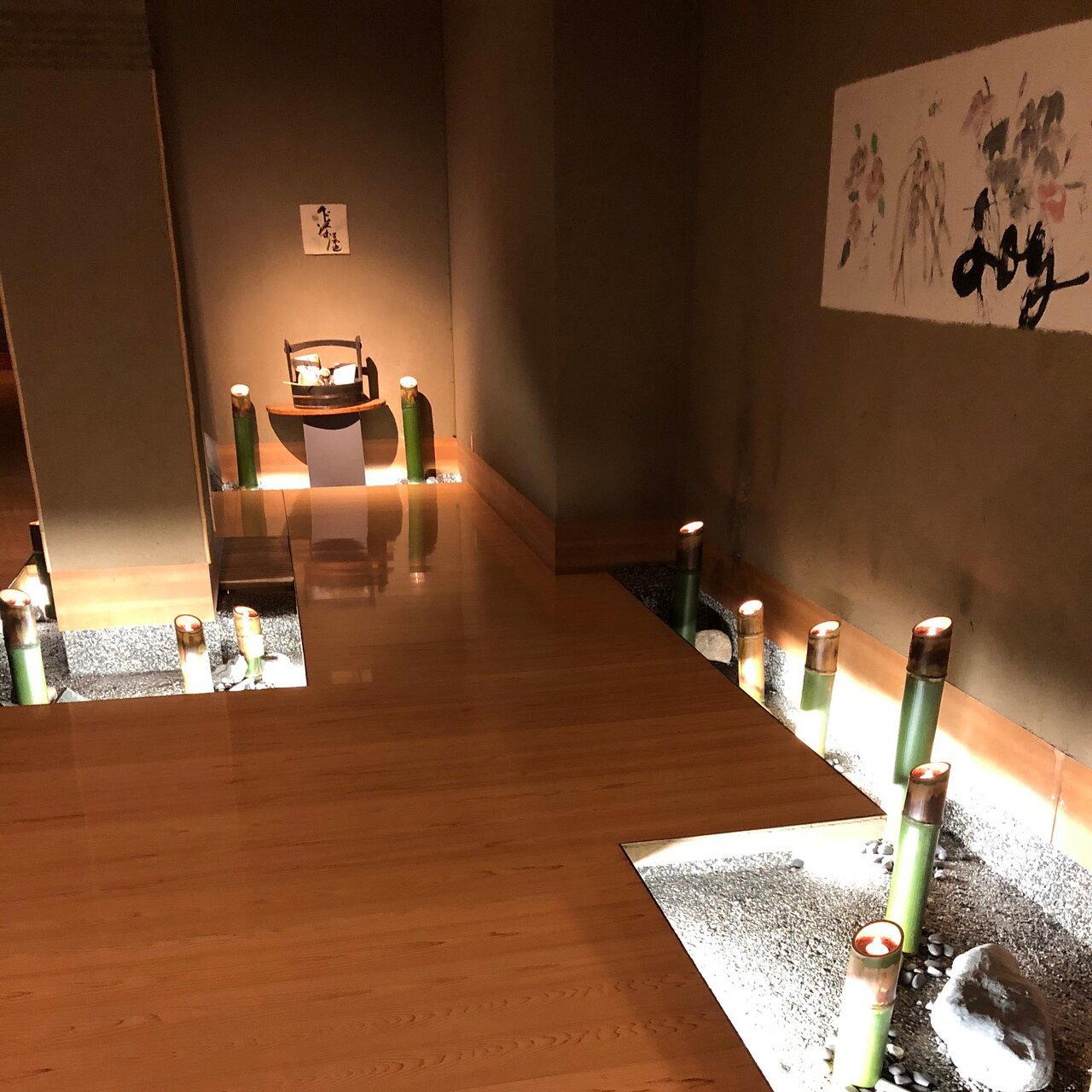
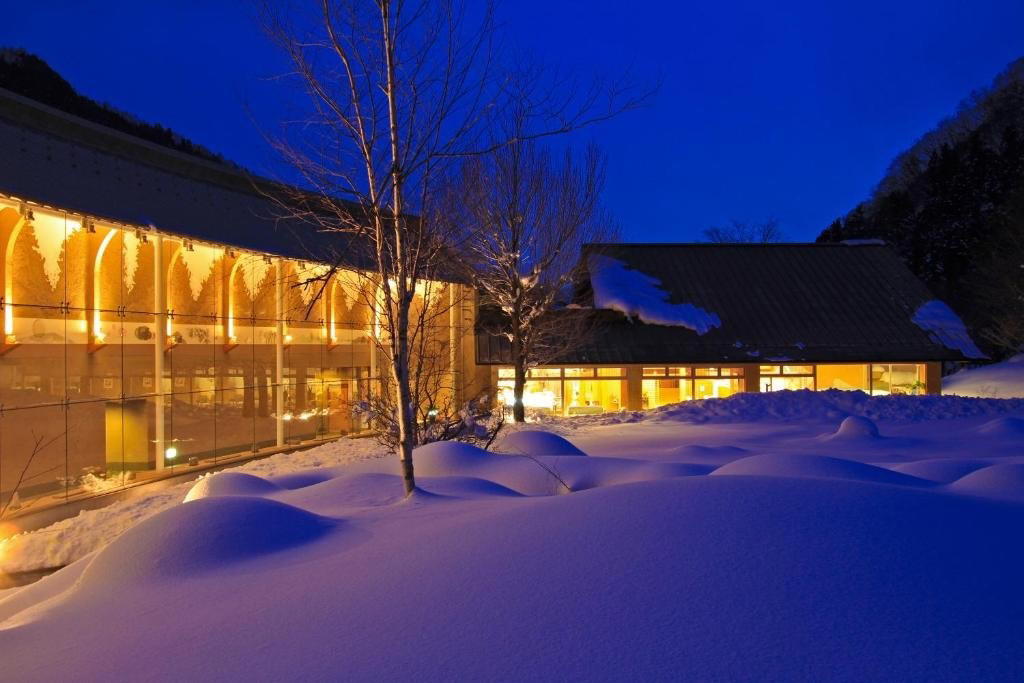
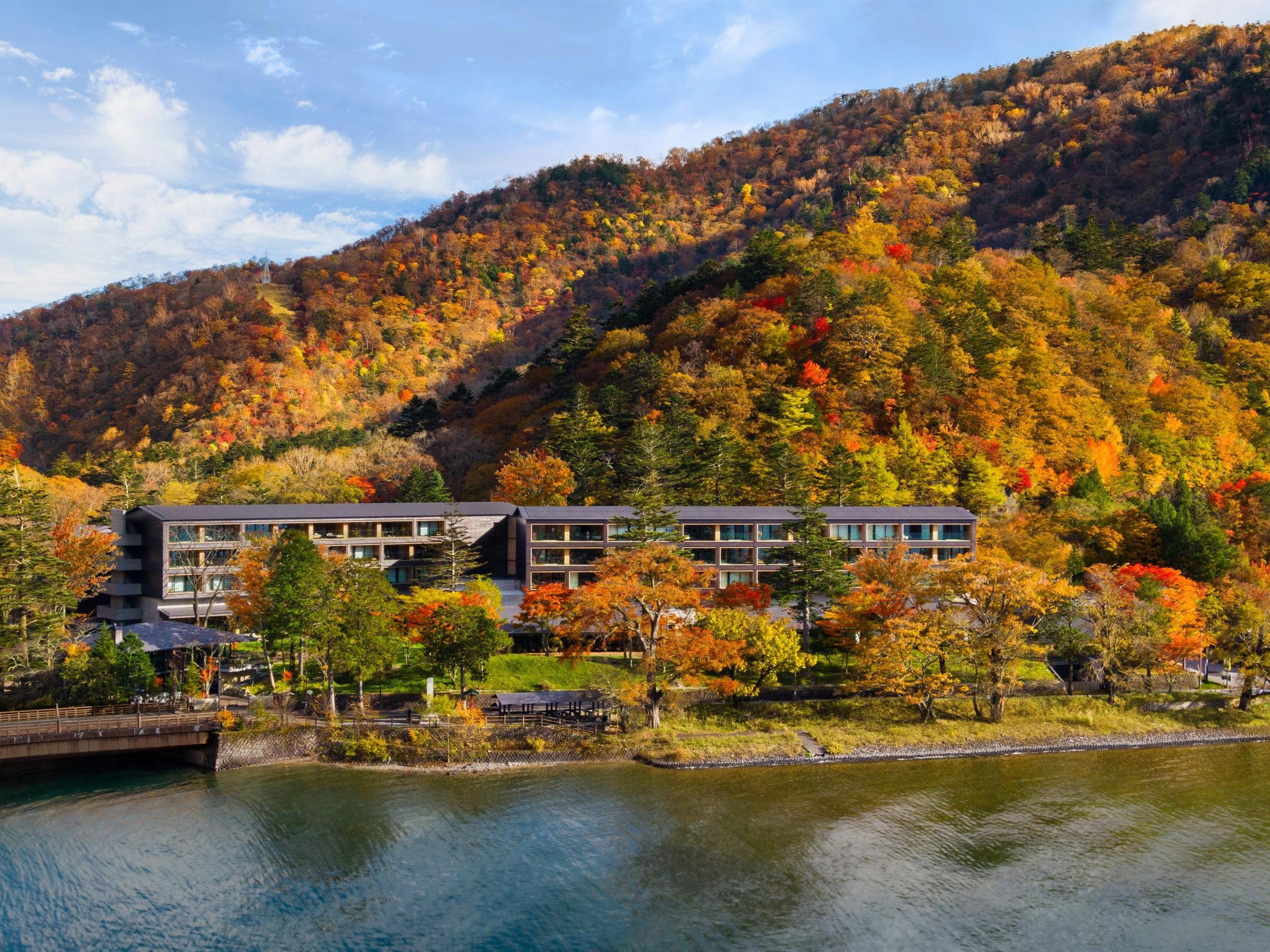
Spacious dining room with floor-to-ceiling windows framing mountain scenery, sleek modern architecture in a sylvan setting.