
Preferred Hotels L.V.X. Collection
Bernini Palace Hotel occupies a historic palazzo on Piazza di Santa Croce, placing guests within walking distance of Florence's most concentrated cluster of Renaissance monuments. With 74 rooms, the property sits in the mid-scale palazzo tier, where architectural heritage does most of the work that newer design hotels achieve through concept. A considered base for travellers who prioritise position and period fabric over resort-scale amenity.

Pearl is the En Primeur Club membership app, where members save venues, book tables and use the concierge.
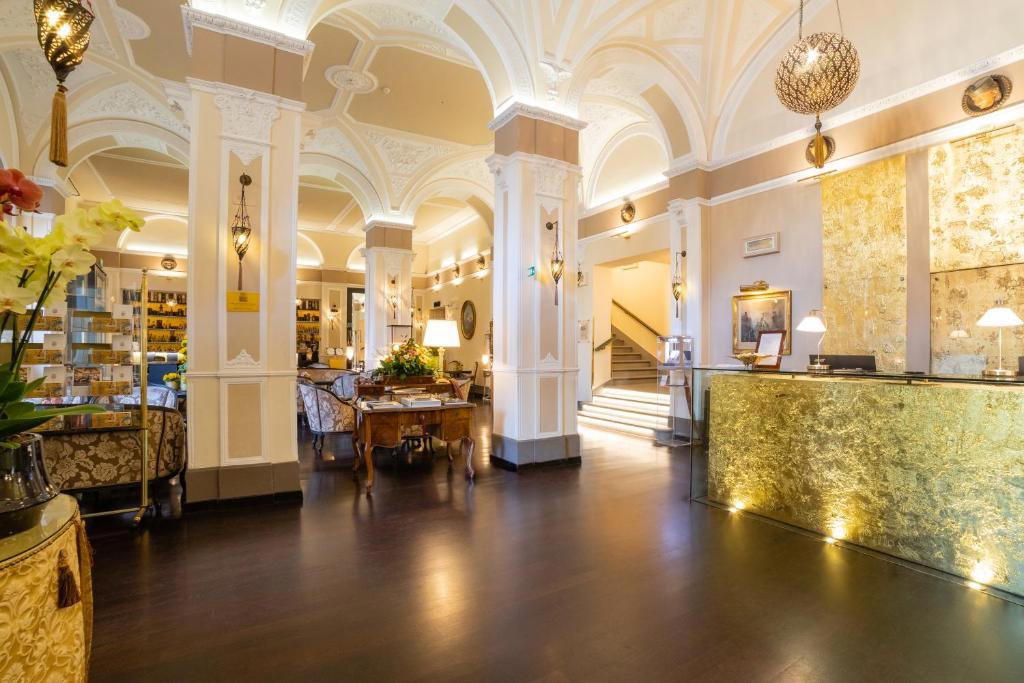
A Palazzo Address in Florence's Historic Core
Florence's centro storico hotels split into two broad camps: the large-footprint luxury properties clustered around Piazza della Repubblica and the Arno, and the smaller palazzo conversions that trade on address and architectural fabric rather than amenity depth. Bernini Palace Hotel belongs to the second category, occupying a historic building on Piazza di Santa Firenze, a square that sits within a short walk of the Uffizi, the Bargello, and the Basilica di Santa Croce. In a city where proximity to the Renaissance is measured in minutes of walking, that position carries real weight.
The street-level approach tells you something immediately about how Florence uses its historic stock. Buildings that were merchant palazzi or civic institutions in the fifteenth and sixteenth centuries now absorb hotels, law courts, and cultural institutions with minimal exterior modification. The facade of Bernini Palace reads as part of that continuum, stone-fronted and proportioned to a pre-modern urban scale. Inside, the transition from street to lobby carries the particular quality that characterises genuine palazzo conversions: ceilings higher than the room proportions seem to demand, light that enters at angles shaped by courtyard geometry rather than modern window planning.
Position and the Florentine Supply Chain
Florence's hospitality market has tightened considerably over the past decade. Demand from cultural tourism runs year-round, with peaks in spring and autumn when both the city's monuments and the surrounding Tuscan countryside draw the heaviest traffic. Properties in the historic centre, particularly those within the UNESCO-protected perimeter, cannot expand their footprints, which means the 74-room count at Bernini Palace is a structural feature of the building rather than a deliberate boutique positioning decision. That constraint shapes the guest experience: the property operates at a scale where staffing ratios matter more than the number of facilities offered.
The competitive set for a property of this size and position in Florence is instructive. At the upper end, the Four Seasons Hotel Firenze and Palazzo Portinari Salviati Residenza D'Epoca offer fully restored historic properties with restaurant programs, spa facilities, and garden access that justify their price positioning. At the design-led end, Hotel Calimala and Hotel Lungarno make considered architectural choices that earn editorial attention independent of their location. Bernini Palace sits between these reference points: not a full-service luxury property, but positioned in the historic centre rather than on the periphery where land is cheaper and architecture more malleable. For travellers whose primary requirement is a central Florentine address with authentic period fabric, this is a rational choice in a market where centrality and authenticity rarely come cheaply.
The City as Infrastructure
One thing that distinguishes Florence from other Italian cities of comparable cultural weight is that the sights, the food markets, and the leading restaurants are genuinely walkable from a compact central zone. A guest at Bernini Palace can reach the Mercato Centrale on foot, which means access to the city's most concentrated display of Tuscan agricultural produce: the aged pecorino from Pienza, the lardo di Colonnata from the Apuane quarry towns, the porcini and truffles that Tuscan foragers bring to market from late summer through autumn. This matters because the ingredient sourcing traditions of the city are not abstract: they are visible and accessible in a way that rewards guests who engage with them directly.
Florence's trattoria culture, still functioning in recognisable form despite decades of tourist pressure, is built around those same supply chains. The bistecca alla Fiorentina that appears on menus across the city traces back to Chianina cattle raised in the Val di Chiana south of the city. The ribollita and pappa al pomodoro that define cucina povera Toscana are studies in what happens when frugal peasant cooking meets a region with exceptional raw materials. None of this is unique to the immediate neighbourhood of Bernini Palace, but the proximity to Sant'Ambrogio market, to the trattorias of the Oltrarno just across the Ponte Vecchio, and to the wine bars of the centro storico means that guests are within striking distance of the city's most ingredient-literate food culture.
For broader guidance on where to eat and drink around the property, our full Florence restaurants guide maps the city's dining by neighbourhood and type.
Florence in the Italian Hotel Context
Italy's premium hotel market has diversified significantly in recent years, with properties across different regions competing for a traveller who might otherwise anchor their itinerary in a single city. Venice draws those seeking water-level palazzo drama, exemplified by the Aman Venice. The Amalfi coast offers clifftop properties like Borgo Santandrea and Il San Pietro di Positano. The Tuscan countryside competes through estate-based properties such as Rosewood Castiglion Del Bosco in the Montalcino wine country and Castello di Reschio in Umbria.
Florence-based properties hold a different brief. They serve travellers for whom the city itself, its museums, its architecture, its food culture, is the primary draw, and the hotel functions primarily as a base and a retreat. Within Florence, the full-service luxury tier is well represented: Villa Cora on the Oltrarno hillside, Villa La Massa along the Arno outside the city, and Ad Astra and Brunelleschi Hotel within the centre. Bernini Palace operates at a scale and price point that positions it below the full-service luxury properties and above the city's more generic hotel stock, occupying a mid-tier palazzo category that Florence, with its extraordinary built heritage, supplies in reasonable depth.
For travellers building a broader Italian itinerary, properties such as Portrait Milano in Milan, Bulgari Hotel Roma in Rome, and Passalacqua on Lake Como represent the category leaders in their respective cities, useful reference points when calibrating what Italian hospitality at the upper end actually delivers.
Planning a Stay
Piazza di Santa Firenze is accessible on foot from Santa Maria Novella rail station in under twenty minutes, and from the city's taxi ranks without significant difficulty. Florence does not permit private vehicles in much of the centro storico, so guests arriving by car will need to use one of the designated parking areas on the periphery before proceeding on foot or by taxi. The property's 74 rooms mean that booking lead times during the peak spring and autumn seasons warrant attention. Shoulder months, particularly November and February, offer a different version of the city: fewer crowds in the Uffizi, the seasonal Tuscan market produce in its autumn and winter iteration, and a more local rhythm to the streets around Santa Croce.
What It’s Closest To
Comparable venues nearby, for context on price, style, and recognition.
| Venue | Cuisine | Price | Awards | Notes |
|---|---|---|---|---|
| Bernini Palace HotelThis venue (the venue you are viewing) | Historic Florentine palazzo with classical architecture, string-course cornices, and wooden shutters; modernized interiors preserving period charm with antiques and contemporary amenities. | $300–500 | Preferred Hotels L.V.X. Collection | Not listed |
| The Excelsior, a Luxury Collection Hotel, Florence | Historic Florentine palazzo reimagined as a contemporary luxury retreat, blending Renaissance architectural heritage with modern sophistication and refined Italian design. | $300–500 | Michelin Selected · Virtuoso Luxury Hotel Partner | San Frediano |
| Porta Rossa Hotel Firenze, Colbert Collection | Historic luxury hotel in a restored landmark building | $750–1,000 | Not listed | Centro Storico |
| Portrait Firenze | Ferragamo family-owned luxury boutique hotel embodying 1950s Florentine glamour and haute couture heritage with discreet, intimate service. | $750–1,000 | Michelin Selected · La Liste Top Hotels | Santo Spirito |
| The James Suite Hotel Firenze 1564 | 16th-century Renaissance palazzo with modern luxury restyling | $750–1,000 | 1 Michelin Key · Small Luxury Hotels of the World Member | San Niccolo |
| Palazzo Vecchietti | 16th-century historic palace with residential-style suites | $500–750 | Michelin Selected · Small Luxury Hotels of the World Member | Santo Spirito |
Recognition history
Dated appearances from independent guides and award organizations, with the underlying list record or original source where available.
Preferred Hotels L.V.X. Collection
Preferred Hotels
Continue exploring
More in Florence
Hotels in Florence
All hotels in Florence →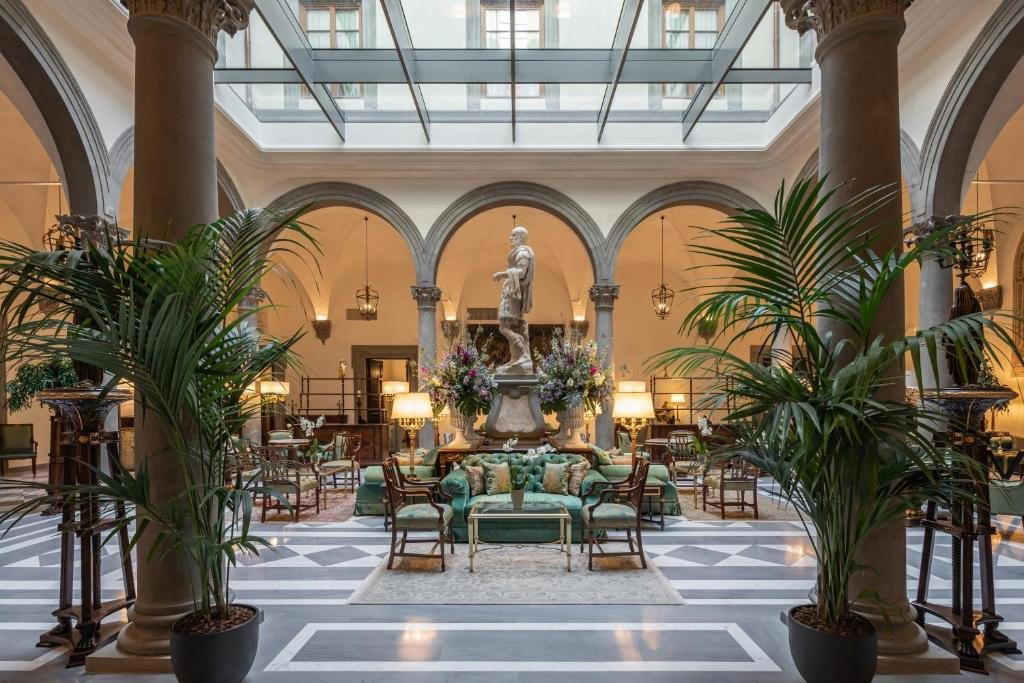
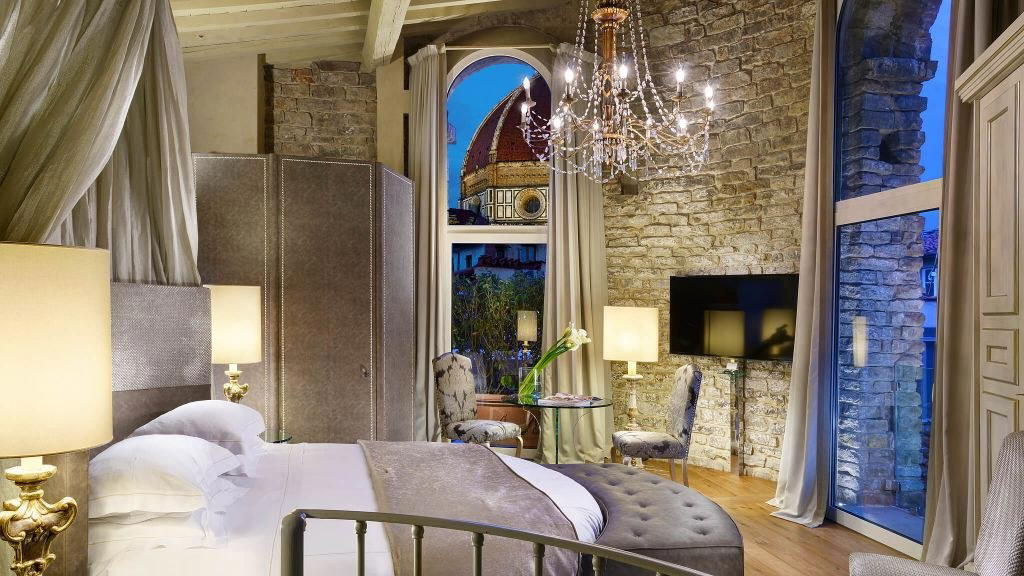
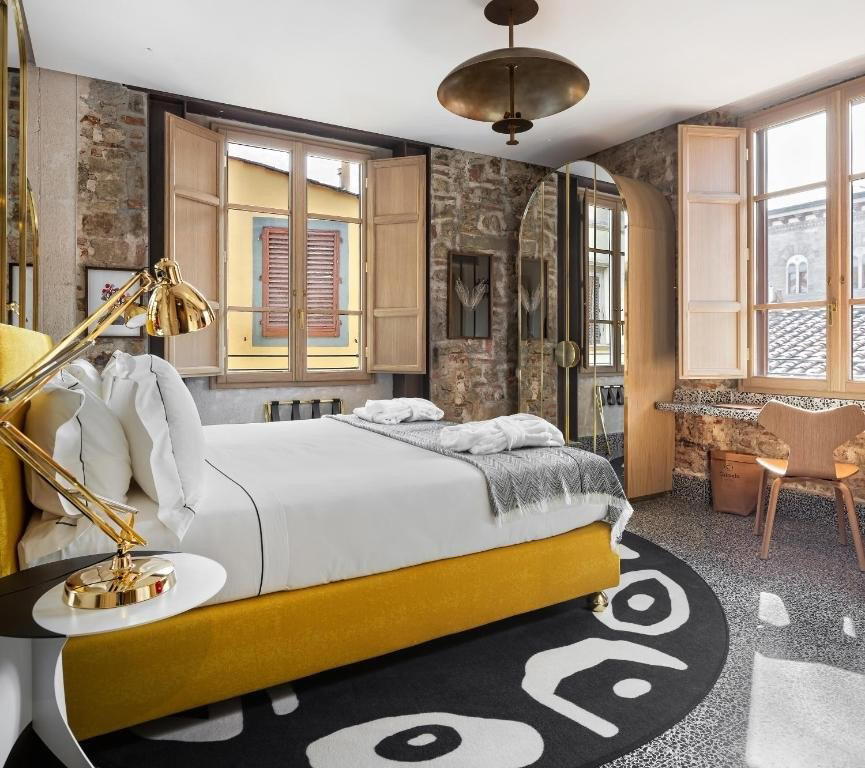
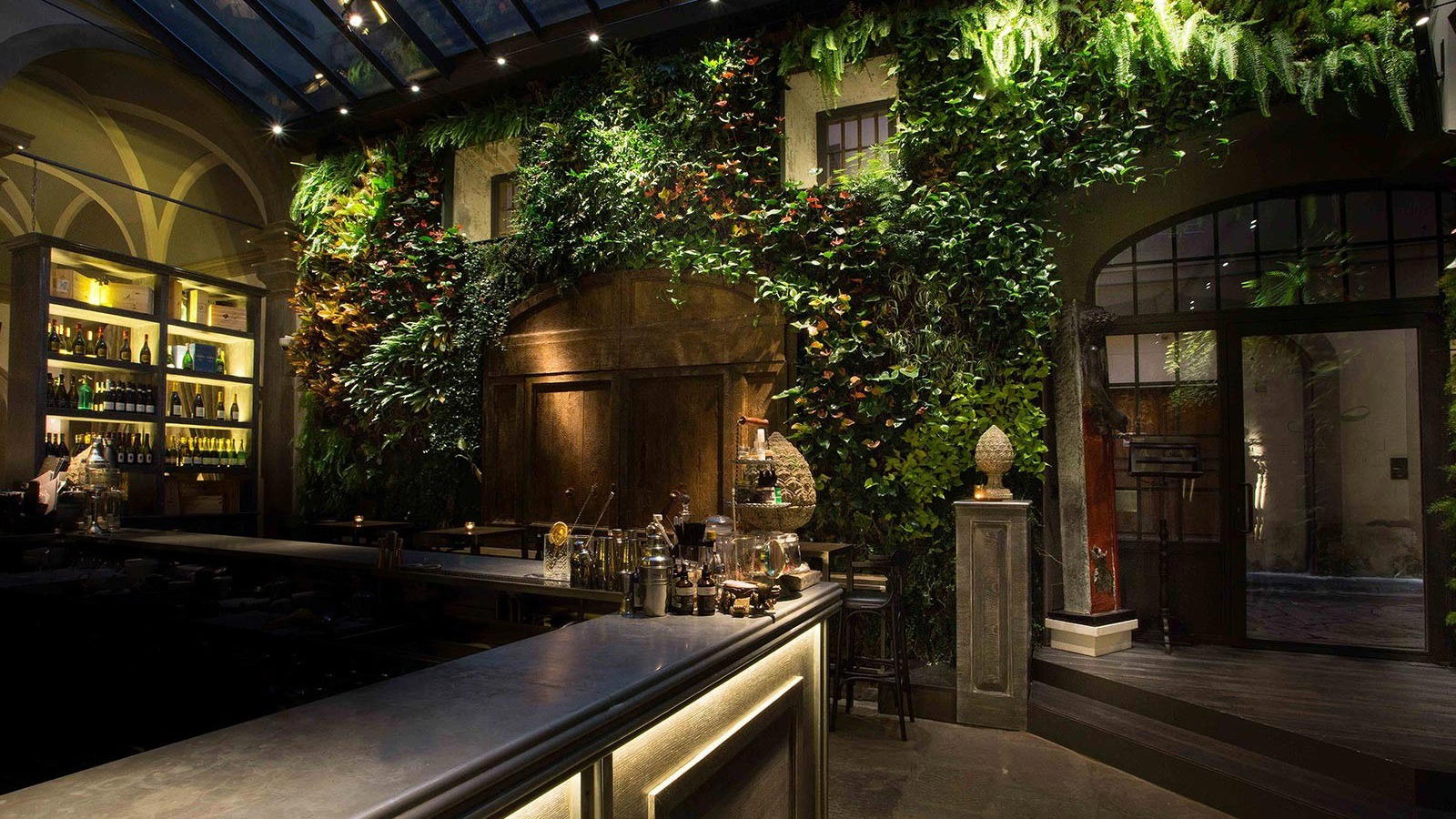
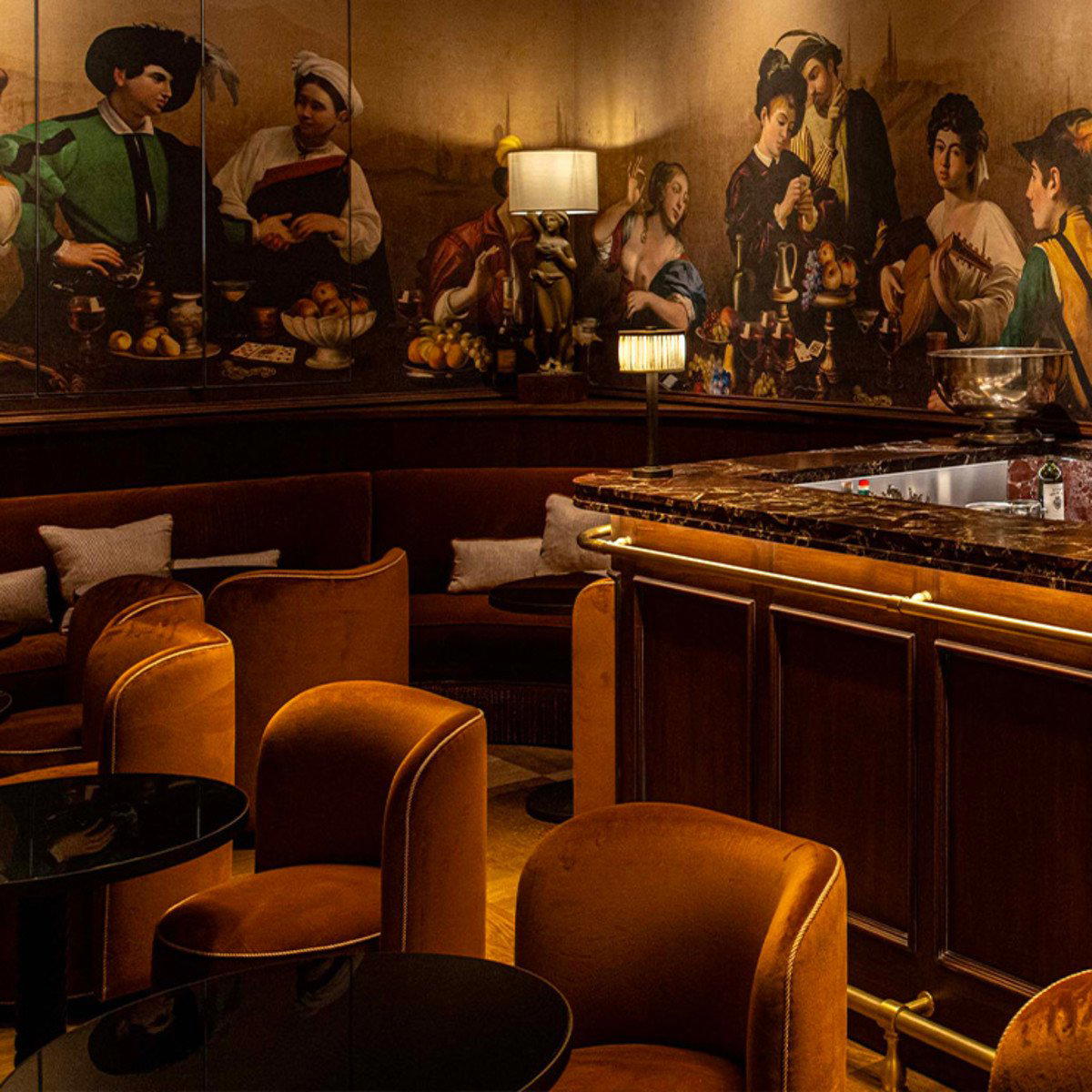
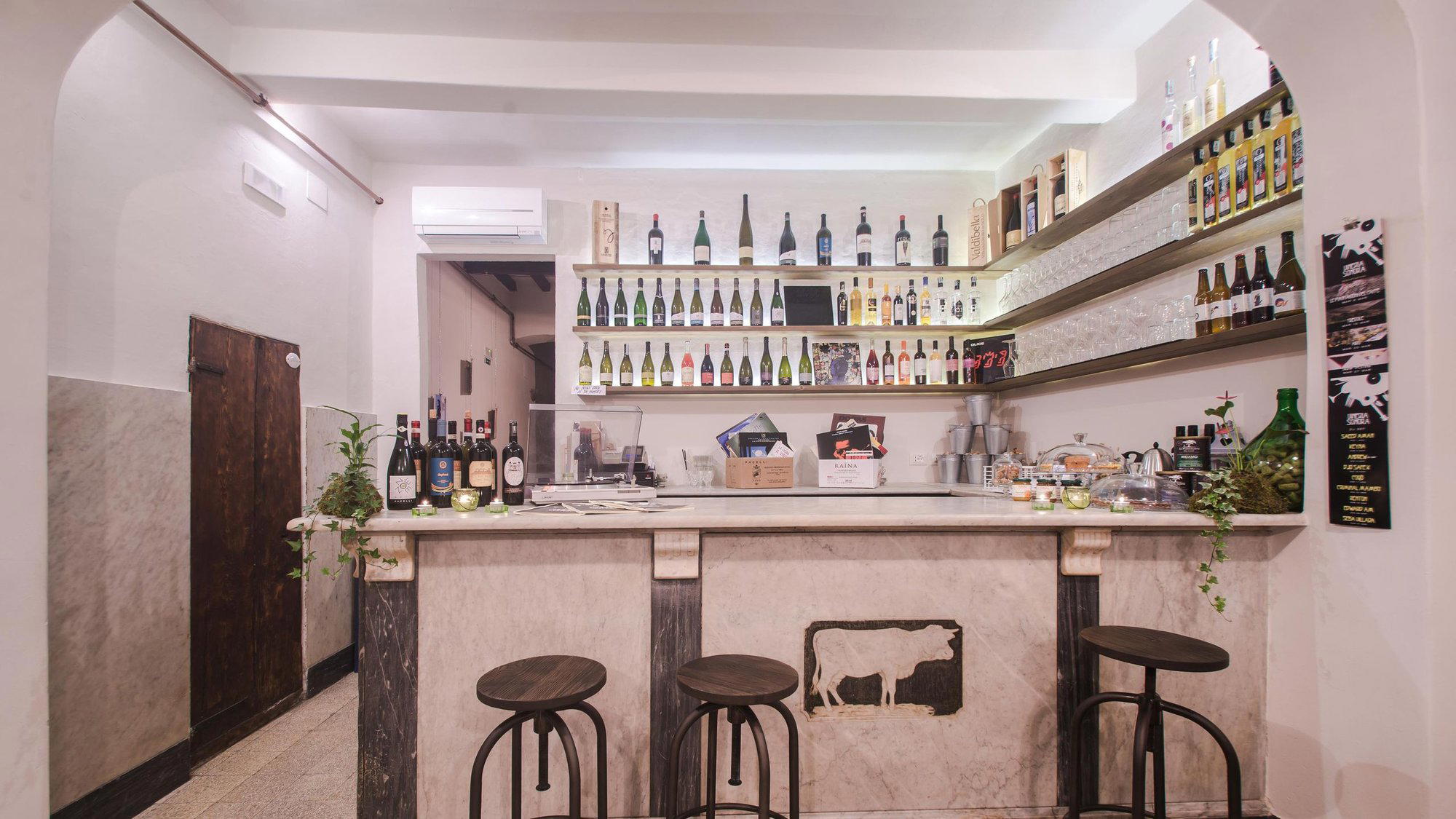
Bars in Florence
All bars in Florence →
Restaurants in Florence
All restaurants in Florence →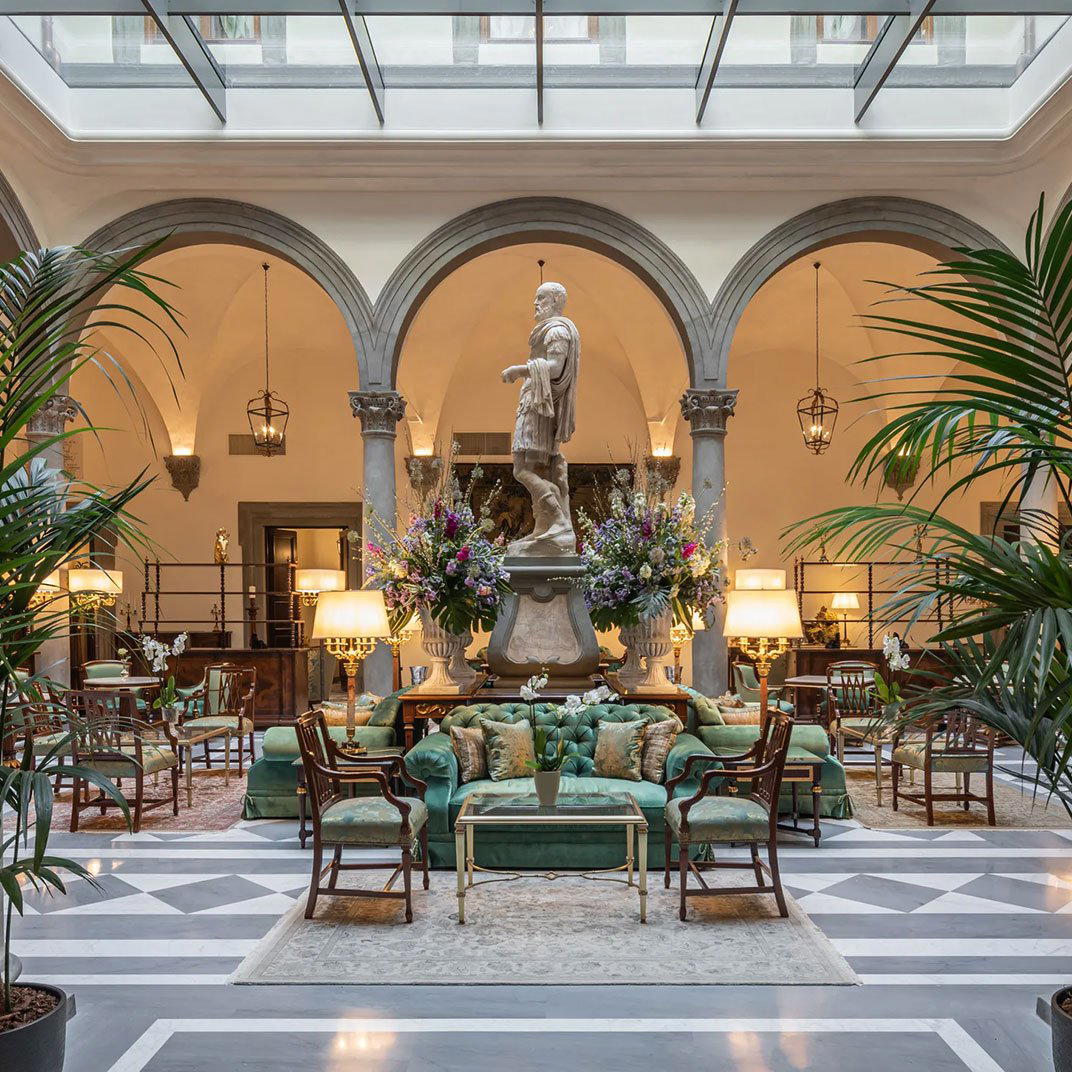

Details
- Elegant
- Romantic
- Classic
- Sophisticated
- Intimate
- Honeymoon
- Romantic Getaway
- Anniversary
- Weekend Escape
- Historic Building
- Terrace
- Rooftop Pool
- Wi Fi
- Restaurant
- Bar
- Room Service
- Concierge
- Business Center
- Valet Parking
- Bicycle Rental
- Massage
- Airport Transfer
- Street Scene
- Wheelchair Accessible
- Elevator
- Accessible Restroom
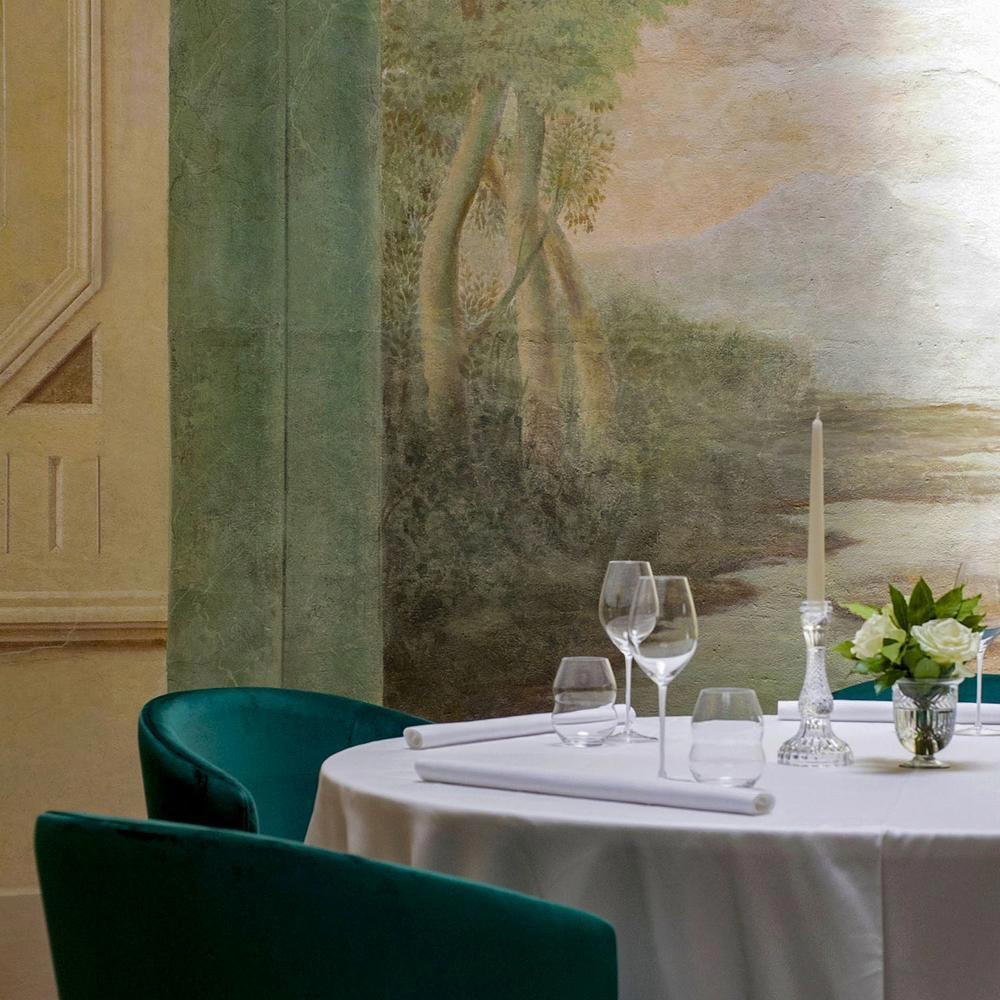
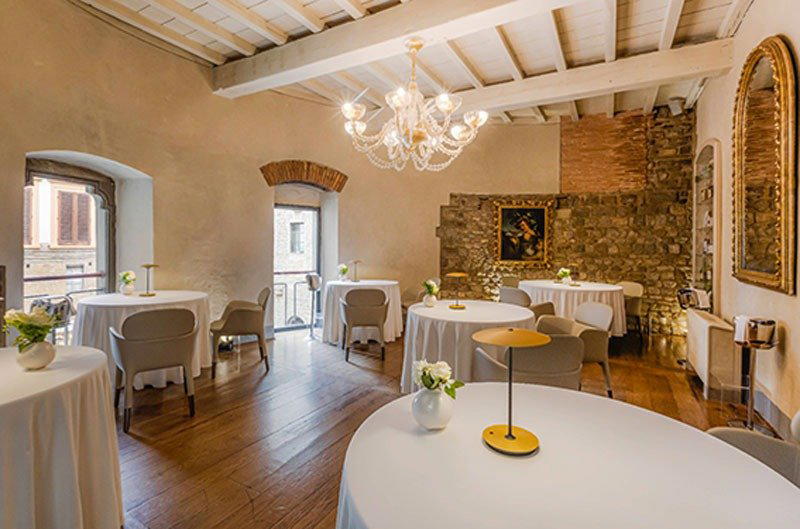
Charming and historically atmospheric with frescoed ceilings, warm Tuscan-inspired décor, and refined elegance; guests describe it as living the history of Florence with attentive, caring service.