
Alila Wuzhen occupies a rare position among Michelin Selected hotels in China's Yangtze Delta: a property built into the canal-town fabric of Wuzhen rather than imposed upon it. The architecture works with the waterway geometry and grey-tile vernacular of one of Jiangnan's most carefully preserved water towns, making it a considered alternative to the major-brand luxury hotels clustered around Hangzhou and Shanghai.
Pearl is the En Primeur Club membership app — saves, bookings, and concierge access live there. Same editors, same standards.
- Address
- No. 939, Ziye East Road, Wuzhen Township, Tongxiang, Zhejiang, China, 314501
- Phone
- +86 573 8871 2222
- Website
- alilahotels.com
- Directions
- Get directions
 Saves & bookings on Pearl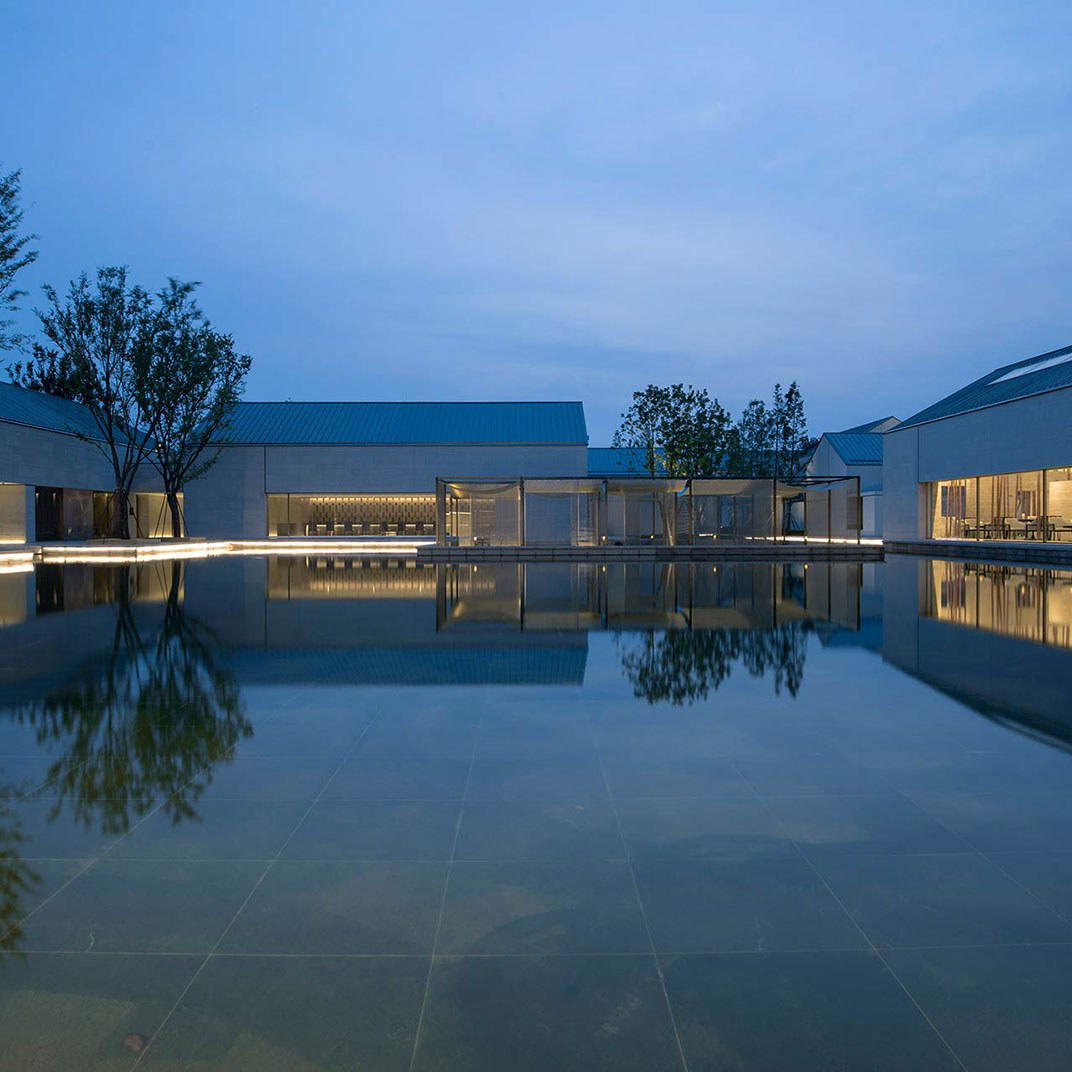
Water Town Architecture and the Logic of Restraint
There is a version of Chinese luxury hospitality that arrives as spectacle, the soaring atria of urban towers like the JW Marriott Hotel Shanghai at Tomorrow Square, the grand corridor pomp of Mandarin Oriental Qianmen in Beijing. Alila Wuzhen represents something structurally different. The property sits inside Wuzhen's West Scenic Area, a township in Tongxiang, Zhejiang, where the planning framework has been unusually strict about preserving the Jiangnan water-town aesthetic: grey clay-tile roofs, white-washed walls, timber frames, and the narrow canal channels that made these towns the commercial arteries of imperial China. A hotel here cannot announce itself with a glass curtain wall or a porte-cochère. It has to work within the grid.
That constraint is, paradoxically, what gives the property its architectural identity. The Alila brand, which has built its regional reputation on design-led properties that respond to local material culture, found in Wuzhen a context that demanded exactly that sensibility. The result is a property where the boundary between the preserved townscape and the hotel grounds requires a second look to locate, which is either the point or the limitation, depending on what you are looking for in a stay.
The Jiangnan Water-Town Context
Wuzhen's West Scenic Area is a managed heritage zone rather than a living working town, a distinction that matters for how you read the surroundings. The canal-side lanes, stone bridges, and wooden storefronts have been stabilised and curated since the late 1990s, attracting around five to six million visitors annually in pre-pandemic years and establishing the town as among the more-visited heritage sites in the Yangtze Delta. The World Theatre Festival, held annually in Wuzhen, brings international performance companies to open-air stages along the waterways each autumn, which means the property's peak cultural calendar aligns with late October and early November.
This context places Alila Wuzhen in a different competitive conversation than, say, Hangzhou Muh Shoou Xixi Hotel in Hangzhou or The Hanyu Garden Reserve Suzhou. Those properties operate in city-adjacent wetland and classical garden settings respectively. Wuzhen's managed heritage zone creates a more controlled experiential envelope, which amplifies the importance of the hotel's own design quality, there is less natural landscape variation to fall back on. The architecture carries more of the experiential weight.
Design Within Constraints
The Alila brand's approach across its China portfolio has been to treat local building vocabulary as a starting point rather than a decorative layer. At Wuzhen, this means the structural language of the rooms and public spaces tracks the surrounding townscape closely: timber detailing, stone flooring, proportions calibrated to the human scale of canal-town buildings rather than the double-height grandeur of urban luxury. Natural light arrives through courtyard configurations and latticed screens rather than through panoramic glazing, which suits the overcast, diffused light characteristic of Jiangnan winters and rainy seasons.
This approach has earned the property recognition in the 2025 Michelin Selected Hotels list, a designation that acknowledges quality and character without the starred tier that applies to the Michelin hotel collection's leading cohort. Within China's Michelin hotel selections, that positioning places Alila Wuzhen alongside properties that prioritise design coherence and locational specificity over the full-service amenity breadth of international chain hotels. For comparison, the Ritz-Carlton Xi'an and Conrad Xiamen operate in a different register, urban flagships with conference infrastructure and multi-outlet F&B; programmes. Alila Wuzhen's scale and setting put it closer to the boutique heritage tier represented by properties like Yihe Mansions in Nanjing.
How It Sits in the Broader China Design-Hotel Conversation
China's design-led hotel sector has grown considerably since the early 2010s, with a clear split between internationally branded properties that import a global aesthetic and independent or regional-brand properties that treat local material culture as the primary design source. Alila sits in the latter category by brand mandate, but Wuzhen adds a layer of complexity: the heritage zone is itself a curated environment, which means the hotel is responding to a preserved version of Jiangnan vernacular rather than the organic built fabric you would find in, say, a working Yunnan village. Properties like Hylla Vintage Hotel in Lijiang or the Songtsam Linka Retreat in Lhasa operate in contexts where the surrounding culture is still actively inhabited. Wuzhen is more theatrical, which changes the nature of what immersion means here.
That observation is not a criticism so much as a calibration. Guests who arrive expecting a gateway to an undiscovered corner of rural China will find a well-managed heritage precinct with a well-designed hotel at its centre. Guests who arrive knowing that Wuzhen is a considered cultural destination, the theatre festival, the canal-side evening atmosphere, the proximity to Hangzhou and Suzhou, will find the property a considered base for that itinerary.
Planning and Access
Tongxiang sits on the Shanghai-Hangzhou high-speed rail corridor, putting the town roughly 40 minutes from Hangzhou East and under 90 minutes from Shanghai Hongqiao by train, with local connections to Wuzhen township from Tongxiang station. This access profile makes the property viable for a two- or three-night extension from either city rather than a standalone destination. The World Theatre Festival window in late October draws considerable advance booking interest; guests targeting that period should plan well ahead. Standard shoulder-season windows in spring (March to early May) and post-summer (September) offer the Jiangnan light and climate at their most favourable without the festival-period demand.
Travellers building a wider Yangtze Delta itinerary might also consider how the hotel pairs with stays at The Hanyu Garden Reserve Suzhou or Hangzhou Muh Shoou Xixi Hotel, both of which occupy the same design-attentive, heritage-adjacent tier in neighbouring cities.
Those building a longer China circuit that includes properties further afield might look at InterContinental Chongqing Raffles City for a contrasting urban-scale experience, or at Tian Ranju Inn in Tian Tou Zhai for a smaller-scale rural counterpart. Further west, Songtsam Meili Lodge and The ArcadiaPlace at Lugu Lake represent the more remote end of China's design-heritage hospitality spectrum. For international comparisons in the design-led, heritage-context category, Badrutt's Palace Hotel in St. Moritz and Hôtel de Paris Monte-Carlo illustrate how heritage-setting hotels operate at the upper end of their respective regional tiers.
A Quick Peer Check
Comparable venues nearby, for context on price, style, and recognition.
| Venue | Cuisine | Price | Awards | Notes |
|---|---|---|---|---|
| Alila WuzhenThis venue — the venue you are viewing | Modern luxury resort inspired by historic water town architecture | $$$$ | 5-Star | Not listed |
| W Changsha | Futuristic luxury hotel inspired by stars and galaxy | $$$$ | 5-Star | Yuhua District |
| InterContinental Tianjin Yujiapu Hotel & Residences | international luxury landmark hotel | $$$$ | 5-Star | Yujiapu Financial District |
| voco Hangzhou Binjiang Minghao | Modern design hotel with Art Deco architecture and thoughtful, unstuffy charm. | $$$$ | 5-Star | Binjiang District |
| W Shanghai | Futuristic luxury towers fusing Shanghai's past, present, and future. | $$$$ | 5-Star | North Bund |
| W Xiamen | Trendy luxury hotel fusing local Fujian culture with high-energy W Hotels design. | $$$$ | 5-Star | East Business District |
Recognition history
Dated appearances from independent guides and award organizations, with the underlying list record or original source where available.
Michelin Selected
Michelin
At a Glance
- Quiet
- Modern
- Scenic
- Elegant
- Sophisticated
- Romantic Getaway
- Weekend Escape
- Wellness Retreat
- Business Trip
- Group Retreat
- Waterfront
- Garden
- Design Destination
- Panoramic View
- Wi Fi
- Pool
- Spa
- Fitness Center
- Concierge
- Room Service
- Indoor Pool
- Outdoor Pool
- Waterfront
- Garden
- Wi Fi
- Pool
- Spa
- Fitness Center
- Concierge
- Room Service
- Indoor Pool
- Outdoor Pool
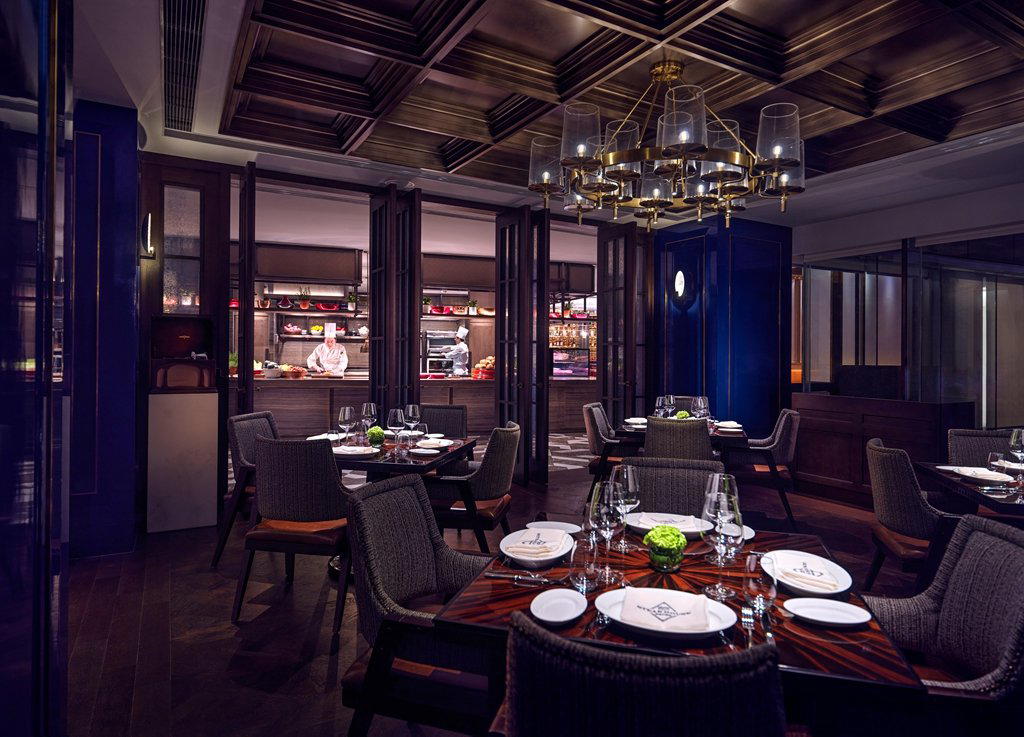
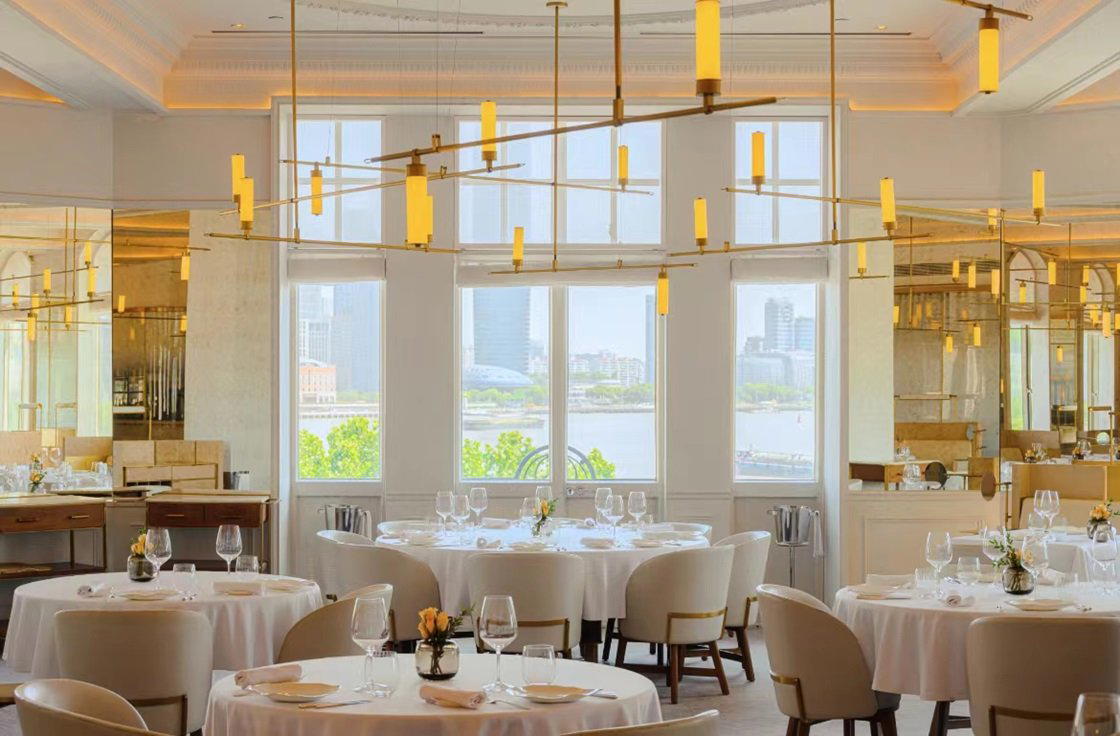
Quiet, serene, and highly design-forward, with minimalist lighting, reflective water features, and a calm village-like atmosphere.