Regency Club

Star Wine List
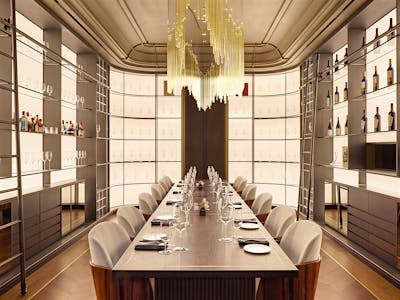
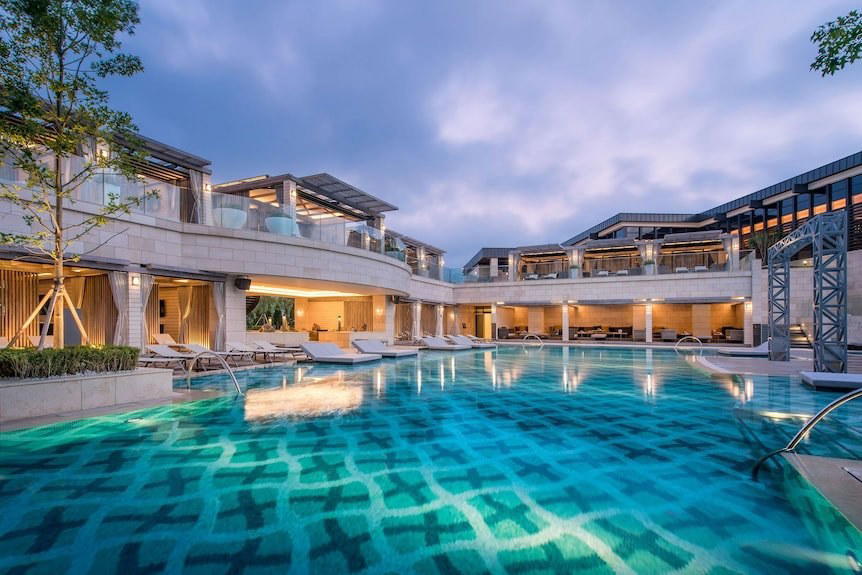
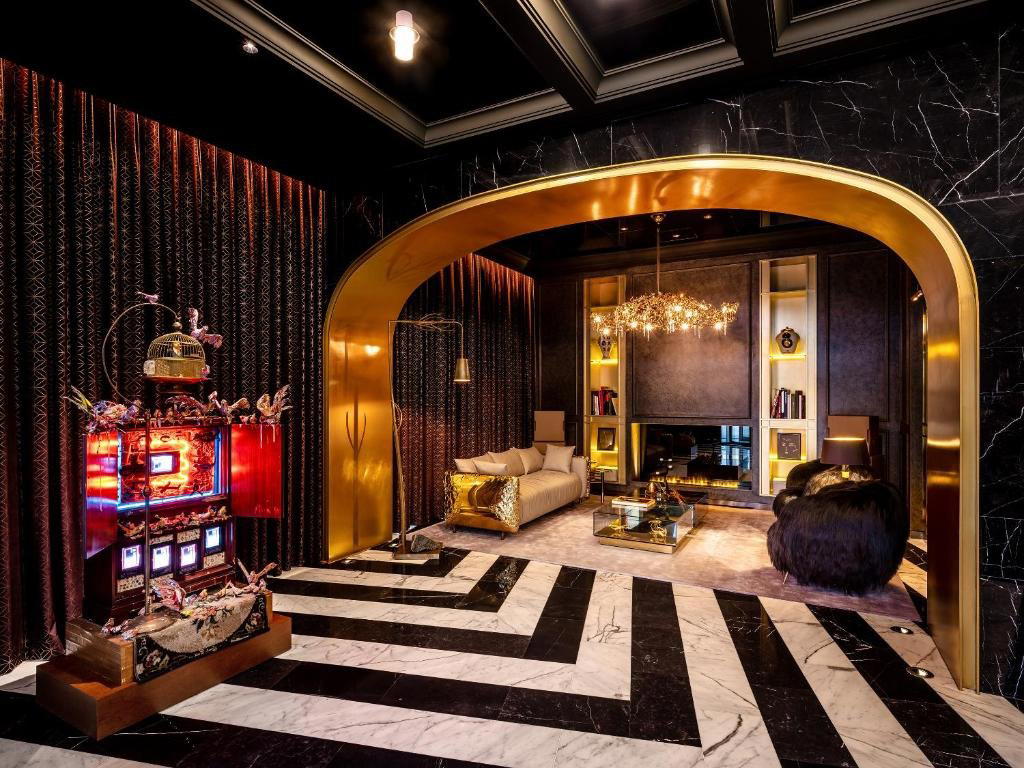
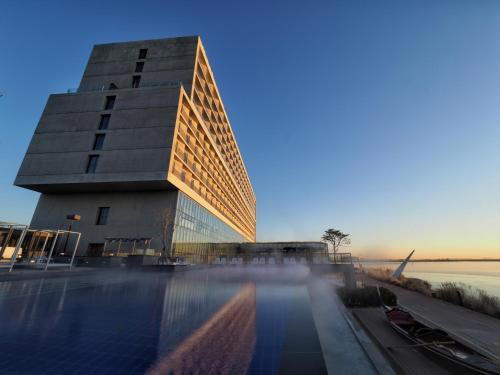
The Regency Club in Incheon occupies the intersection of executive-lounge hospitality and serious wine programming, earning Star Wine List recognition in 2026. As a destination for transit travellers and Incheon-based professionals alike, it represents a tier of airport-adjacent hospitality that takes its beverage offer more seriously than the category average. Light dining accompanies a wine-forward drinks programme in a setting calibrated for the unhurried guest.

Pearl is the En Primeur Club membership app, where members save venues, book tables and use the concierge.
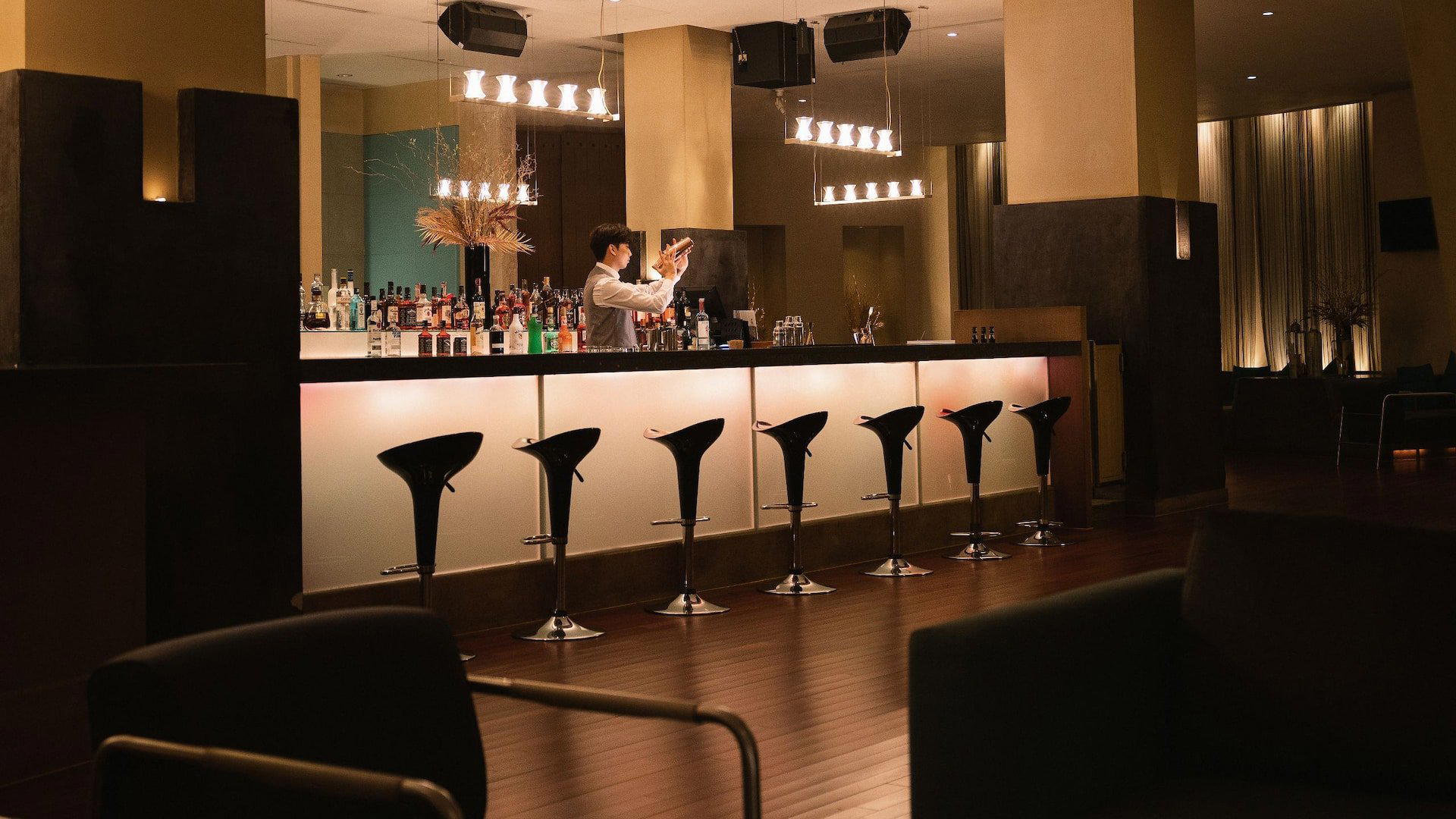
Where Airport-Adjacent Hospitality Takes Wine Seriously
Most executive lounges in major transit hubs treat the drinks programme as an afterthought, a shelf of recognisable labels that signals adequacy rather than intent. The Regency Club in Incheon sits outside that convention. For a lounge operating in one of the world's highest-traffic transit environments, that distinction carries weight.
Incheon International Airport functions less as a gateway and more as a destination in itself, a hub through which a significant portion of long-haul Asia-Pacific traffic passes. The hospitality infrastructure built around it reflects that reality. Premium lounge concepts here compete on a different axis than their counterparts in smaller regional airports: the guest may have hours to spend rather than minutes, and the expectation of a considered beverage offer is correspondingly higher. The Regency Club's wine recognition signals that it has positioned itself within the more serious end of that spectrum.
The Drinks Programme: What the Star Wine List Award Implies
Star Wine List, the global wine media platform that evaluates lists across restaurants, hotels, and hospitality venues, issues awards based on selection depth, producer diversity, and the quality of curation rather than sheer size. A 2026 recognition for the Regency Club places it in a cohort that includes dedicated wine bars and fine-dining establishments, a meaningful signal for a lounge format that could otherwise rely on volume and brand familiarity alone.
Executive lounge wine programmes that earn this kind of external validation tend to share certain characteristics: a move away from purely commercial-tier producers, attention to regional diversity within a list, and an effort to match the food offer to the wine rather than treating the two as separate concerns. The light dining format at the Regency Club is designed within that logic, where small plates and lounge-appropriate food become a frame for the drinks rather than a distraction from them. For travellers who have spent time at recognised wine bars elsewhere in Korea, including Climat in Busan or venues operating in Seoul's more developed cocktail and wine circuits, the standard implied by that award should read as credible.
Incheon's Hospitality Position Within the Korean Premium Scene
Seoul absorbs most of the critical attention directed at Korean food and drink culture, and with good reason: the concentration of acclaimed bars, from the technically precise programmes found in Cheongdam to the more experimental venues emerging across the city, gives the capital a density that Incheon cannot match. Alice Cheongdam in Seoul and the broader network of recognised Korean cocktail venues operate within a scene that has grown rapidly in international standing over the past decade. Incheon, by contrast, functions primarily as a transit and commercial city, and its premium hospitality is shaped accordingly: the audience is mobile, international, and time-constrained in a way that Seoul's dining public is not.
That context makes the Regency Club's award more pointed. Recognition in a lounge environment, where the temptation is always toward safe and scalable, requires a deliberate choice to invest in list quality. Venues across Korea's secondary cities and distinct hospitality contexts, including Anjuga in Ansan Si and Seuwichi in Heungdeok, have built credible programmes outside the Seoul gravity, and the Regency Club's 2026 credential places it within that broader pattern of quality dispersing across the Korean hospitality map.
For a broader view of where the Regency Club fits within Incheon's food and drink offer, our full Incheon restaurants guide maps the city's dining character in more detail.
Peer Comparisons: What a Wine-Recognised Lounge Looks Like Globally
The executive lounge format has been refined by a handful of hotel and airport operators globally, and the wine programme is usually where that elevation shows first. In hospitality markets with mature wine cultures, the gap between a generic lounge list and a curated one is visible almost immediately: producer names, vintage years, and the presence of regions beyond the obvious commercial tier are the tell. The Regency Club's Star Wine List recognition places it in that refined cohort for the Korean market, which tends to be more Champagne- and prestige-label-oriented at the premium end of lounge hospitality.
For comparison, internationally recognised bar programmes that have built reputations on deliberate curation include Kumiko in Chicago, where the drinks list is built with the precision of a tasting menu, and Jewel of the South in New Orleans, which draws on deep historical reference to construct its programme. The Regency Club operates in a different format and serves a different guest profile, but the underlying principle, that a drinks list should reflect genuine curation rather than default commercial choices, connects them. Travellers who seek out Bar Leather Apron in Honolulu, Julep in Houston, or Superbueno in New York City for programme quality will find the same orientation at work in Incheon, expressed through a lounge lens.
Within Incheon itself, the Swell Lounge offers a comparable light-hospitality format with coffee, tea, cocktails, and snacks, and provides an alternative reference point for the kind of considered casual drink experience available in the city. The two venues together suggest that Incheon's premium lounge segment is broader than the airport's transit reputation might imply. Similarly, Muyongdam in Jeju Si demonstrates how Korean island and non-Seoul contexts are developing their own credible wine and drinks identities, a regional pattern the Regency Club fits within.
Planning Your Visit
The Regency Club's lounge format means it operates within access parameters tied to its host property rather than as a walk-in public venue, so confirming eligibility or booking in advance through the relevant hotel or facility channel is the practical first step. Given the 2026 Star Wine List award, guests specifically seeking the wine programme should treat that credential as a guide to timing: lounge wine programmes of this standard are typically at their leading during quieter service windows when staff can engage properly with the list. For transit travellers passing through Incheon, the airport's efficient connectivity means the Regency Club can function as a genuine rest point between long-haul segments rather than a rushed stop. Those coming specifically from Seoul for a day visit should factor in approximately an hour's travel from central Seoul to Incheon, making it a deliberate half-day proposition rather than a casual detour.
Comparable Venues
Comparable venues nearby, for context on price, style, and recognition.
| Venue | Cuisine | Price | Awards | Notes |
|---|---|---|---|---|
| Regency ClubThis venue (the venue you are viewing) | hotel_bar | Not listed | Star Wine List | Not listed |
| Swell Lounge | lounge | Not listed | Star Wine List | Jung-gu |
| Bar Big Lights | wine_bar | $30–50 | Star Wine List | 한남동 |
| Salon du Bouquet | wine_bar | Not listed | Star Wine List | 압구정동 |
Recognition history
Dated appearances from independent guides and award organizations, with the underlying list record or original source where available.
Star Wine List
Star Wine List
Continue exploring
More in Incheon
Bars in Incheon
All bars in Incheon →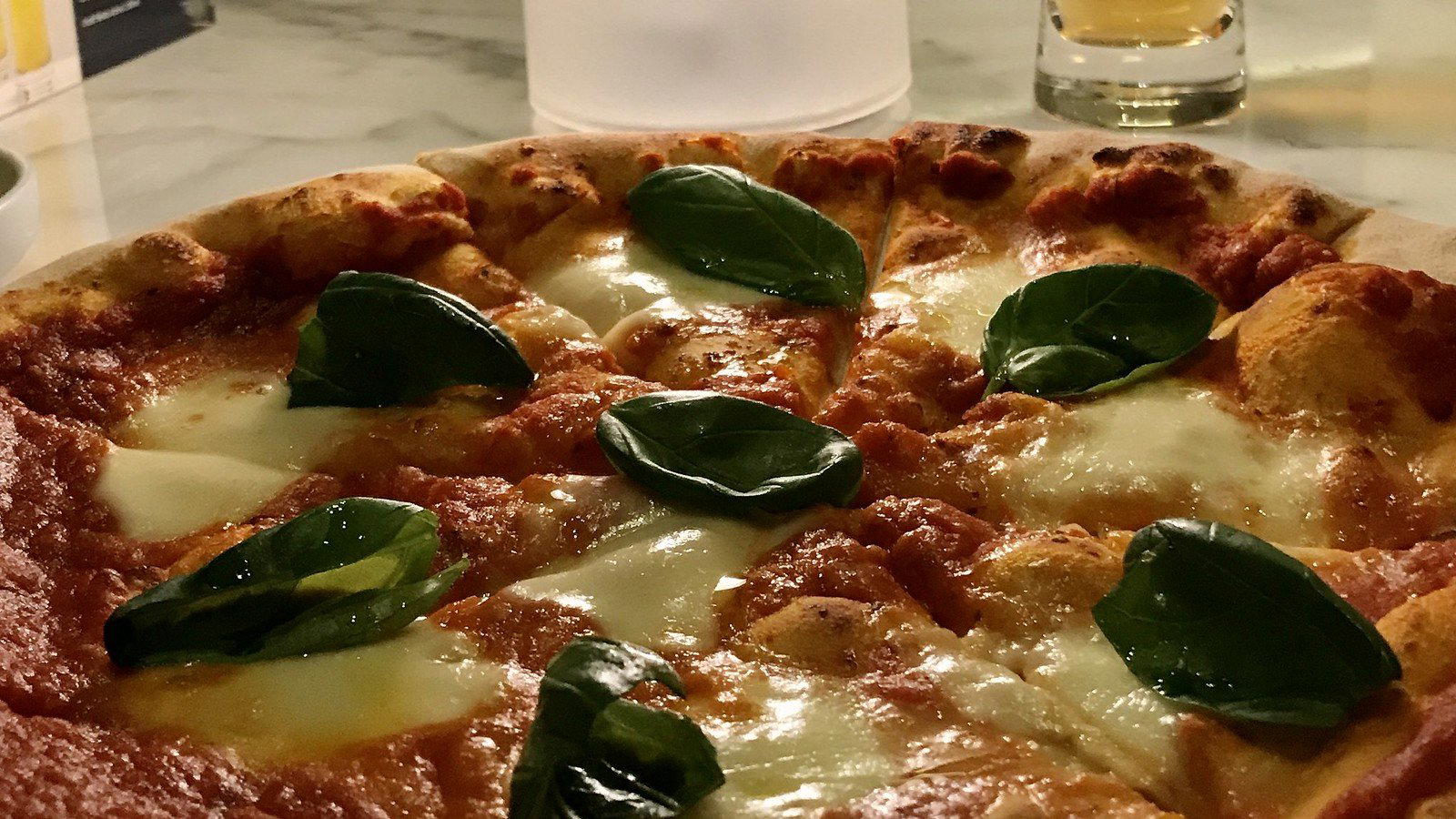
Restaurants in Incheon
All restaurants in Incheon →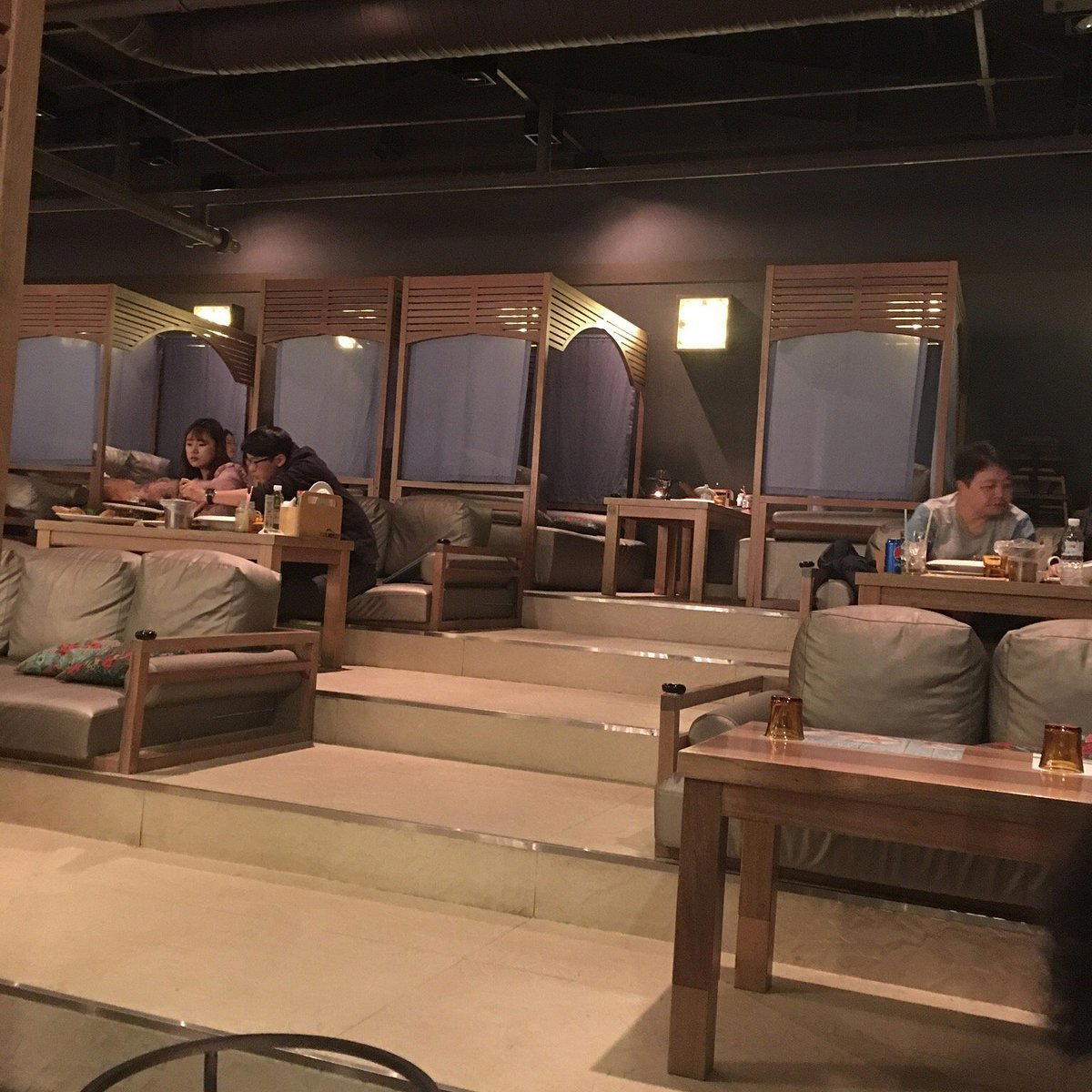
Details
- Elegant
- Sophisticated
- After Work
- Celebration
- Hotel Bar
- Lounge Seating
- Classic Cocktails
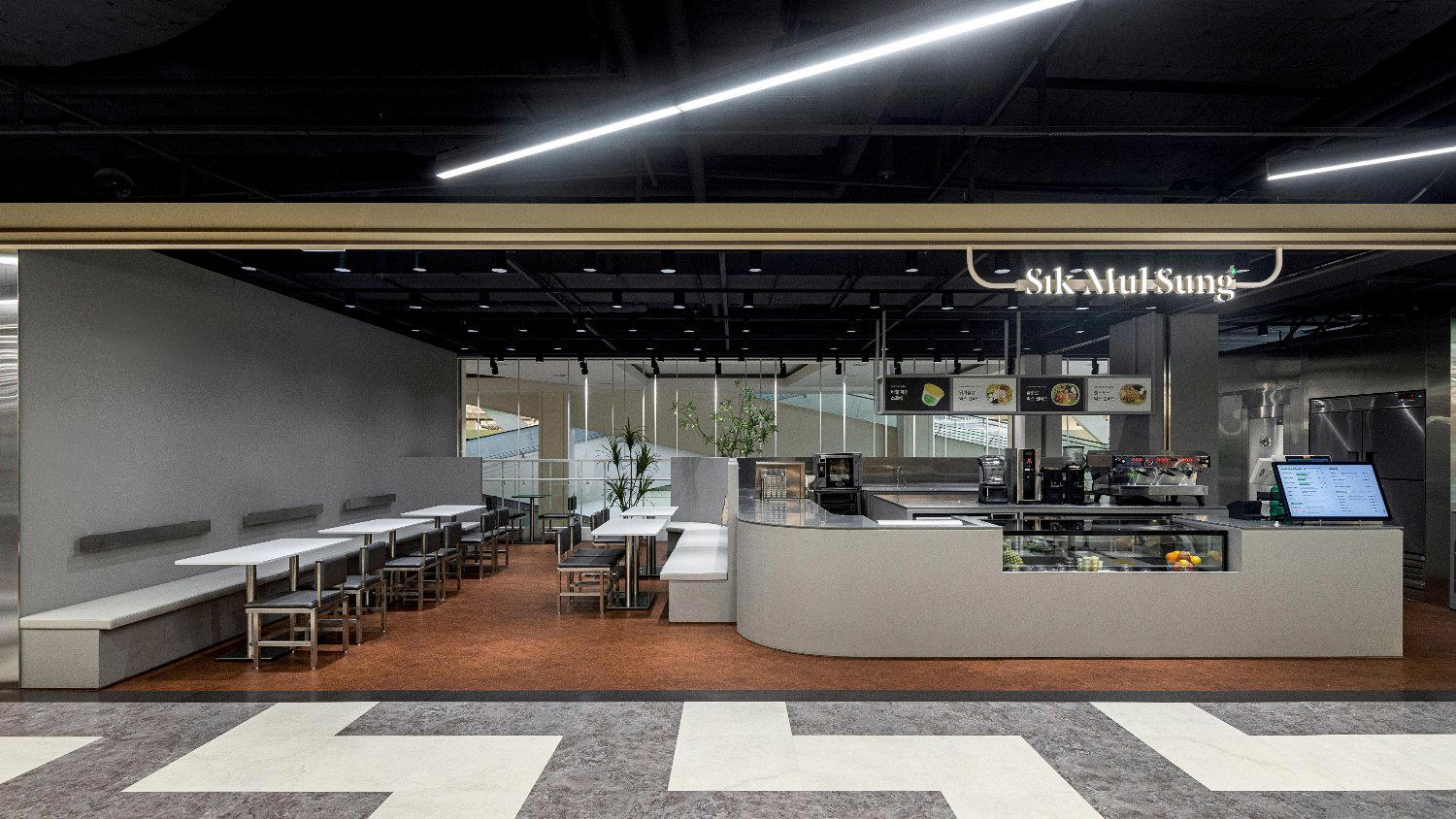
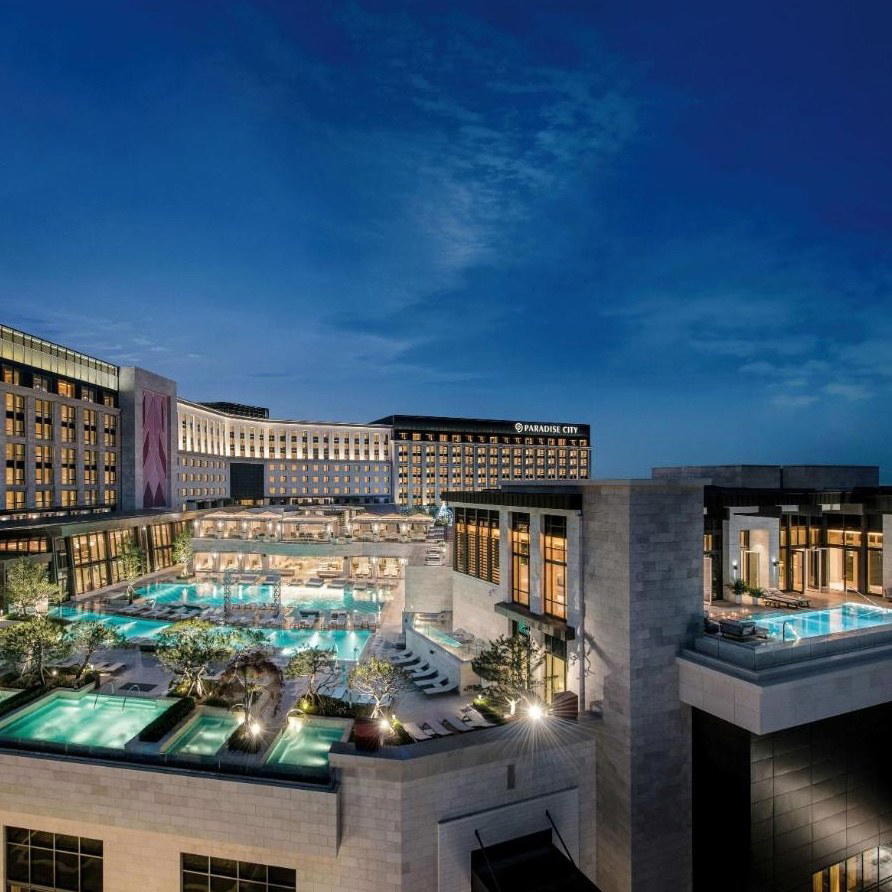
Elegant and modern with attentive service, though some describe the lounge areas as slightly cold and sterile.