Itaewon-dong
Itaewon-dong in Seoul's Yongsan District has long served as the city's most internationally porous drinking neighbourhood, where craft cocktail bars, imported spirits programmes, and cross-cultural hospitality traditions sit within walking distance of each other. The area attracts bartenders trained across Seoul, Tokyo, and beyond, and the bar scene here runs from early-evening aperitivo formats to late-night long-drink programmes that few other Seoul districts can match.
Pearl is the En Primeur Club membership app — saves, bookings, and concierge access live there. Same editors, same standards.
- Address
- Yongsan District, Seoul, South Korea
- Directions
- Get directions
 Saves & bookings on Pearl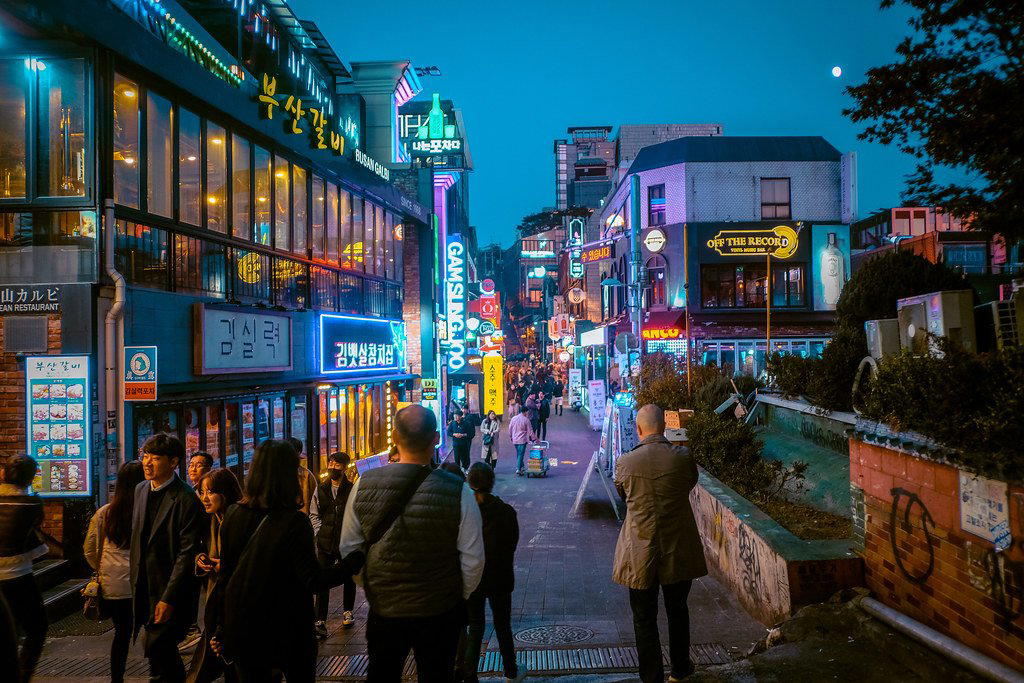
Where Seoul's Bar Culture Opened Up First
The approach to Itaewon-dong from Itaewon station tells you something about how this neighbourhood has always operated: the street widens quickly into a corridor of competing registers, military surplus shops giving way to natural wine importers, then cocktail bars with handwritten menus in three languages. Before Seongsu became Seoul's design-led nightlife district and before Gangnam's hotel bars consolidated their spending power, Itaewon was where the city's drinking culture first absorbed outside influence. That history still shapes what you find here: a bar scene comfortable with foreignness in a way that most Seoul neighbourhoods are not, and a bartender cohort that has, over two decades, developed craft credentials that travel beyond the city.
That cross-cultural permeability matters when you read the cocktail menus. Where Gangnam bars like Charles H built their identity around curated American and European reference points delivered in a hotel format, and where Cheongdam bars like Alice Cheongdam leaned into fantasy and narrative spectacle, Itaewon's bars have tended to work from a more restless, less codified position: absorbing influences, testing them against local ingredients, and moving on before any single format could calcify into a brand proposition.
The Bartender's Position in This Neighbourhood
Seoul's cocktail bartenders broadly divide between those who trained inside formal hotel programmes and those who came up through independent bar environments. Itaewon-dong has historically produced more of the latter. The neighbourhood's permeable character meant that bartenders working here in the 2010s were handling unusually diverse customer bases, from long-term expat residents to Korean tourists from other districts drawn by the area's reputation, to international visitors whose reference points spanned New York, London, and Tokyo. Serving that range without defaulting to a single house style pushed the technical level of the bartending. Speed, language, and format flexibility became as important as precise dilution.
That training ground produced a generation of practitioners whose hospitality approach sits somewhere between the Japanese service model, with its studied attentiveness and minimal interruption, and a more conversational Western register. You can observe the same synthesis at Bar D. Still and Bar Cham, both of which developed their identity partly in dialogue with what Itaewon's bar culture had already established. The craft that moved through Itaewon in that period has also seeded bars further afield: the measured, technically literate hospitality that characterises Bar Leather Apron in Honolulu and the ingredient-focused precision visible at Jewel of the South in New Orleans reflects a global bartending conversation that Itaewon's practitioners have participated in rather than observed from the margins.
What the Drinks Programme Reflects
Across Itaewon's bar stretch, spirits programmes tend to favour depth over showmanship. Korean spirits including soju in its premium artisan forms and makgeolli derivatives appear alongside whisky collections that skew Japanese and Scotch single malt. The cocktail making has moved through several phases: early Western classics reproduction, then molecular-influenced technique borrowed from the Japanese bar world, then a more considered return to longer, lower-ABV formats that suit Seoul's extended drinking culture. That arc is visible in bars operating across the wider region, from Muyongdam in Jeju Si to Climat in Busan, suggesting that what Itaewon developed as a local style has become a reference point for Korean craft bartending more broadly.
The ingredient sourcing has become more sophisticated over the same period. Bars in the neighbourhood now work with seasonal Korean produce, fermented bases from traditional food producers, and house-made infusions that engage with Korean culinary tradition rather than simply illustrating it. This is a meaningful distinction. The earlier Itaewon approach to Korean ingredients was often decorative, a gochugaru-washed spirit or a yuzu foam signalling local colour without structural integration. The more recent programmes build around those ingredients as primary flavour architecture, which changes the drinking experience substantially.
Neighbourhood Rhythm and When to Arrive
Itaewon operates on a later schedule than most Seoul business districts. The bar blocks run from Itaewon-ro through the side streets toward Haebangchon, and foot traffic builds after nine in the evening on weekends. Weekday evenings are quieter and, for anyone seeking table or counter access at the higher-end programmes, considerably more practical. The neighbourhood is a short taxi ride from Gangnam or accessible via the Itaewon station on Line 6, which makes it easy to position within a broader Seoul evening that begins with dinner elsewhere. That convenience has reinforced Itaewon's role as a second or third stop rather than a destination for a single-venue night, which in turn shapes the format of what bars here offer: fewer fixed tasting menus, more responsive à la carte and by-the-glass structures that absorb guests arriving at different points in the evening.
Comparable in some respects to the independently-minded bar scenes developing at Seuwichi in Heungdeok, Anjuga in Ansan Si, and Regency Club in Incheon, Itaewon represents the Seoul version of a bar culture that values practitioner expertise and hospitality warmth over production value and Instagram legibility. The bars that have lasted here did so by sustaining quality of craft and service through market shifts that closed flashier competitors.
Planning Your Visit
Itaewon-dong sits within Yongsan District and is reachable via Line 6 at Itaewon station, with the bar concentration within comfortable walking distance of the exit. Spending levels across the neighbourhood's serious cocktail bars run broadly in line with comparable programmes in Tokyo's back-bar circuit and comfortably below equivalent West End London pricing.
The Quick Read
Comparable venues nearby, for context on price, style, and recognition.
| Venue | Cuisine | Price | Notes |
|---|---|---|---|
| Itaewon-dongThis venue — the venue you are viewing | 이태원동, lounge | $$ | Not listed |
| Mutin | Not listed | $$ | 이태원동, wine_bar |
| Ring Seoul | 이태원동, Bar | $$ | Not listed |
| 684 Itaewon-dong | Not listed | $$ | Hoehyeon-dong, cocktail_bar |
| PIZZERIA D'BUZZA | Not listed | $$ | 이태원동, beer_bar |
| Pyeong Hwa | Not listed | $$ | 문래동, cocktail_bar |
Continue exploring
More in Seoul
Restaurants in Seoul
Browse all →
At a Glance
- Lively
- Trendy
- Energetic
- Modern
- After Work
- Late Night
- Group Outing
- Casual Hangout
- Celebration
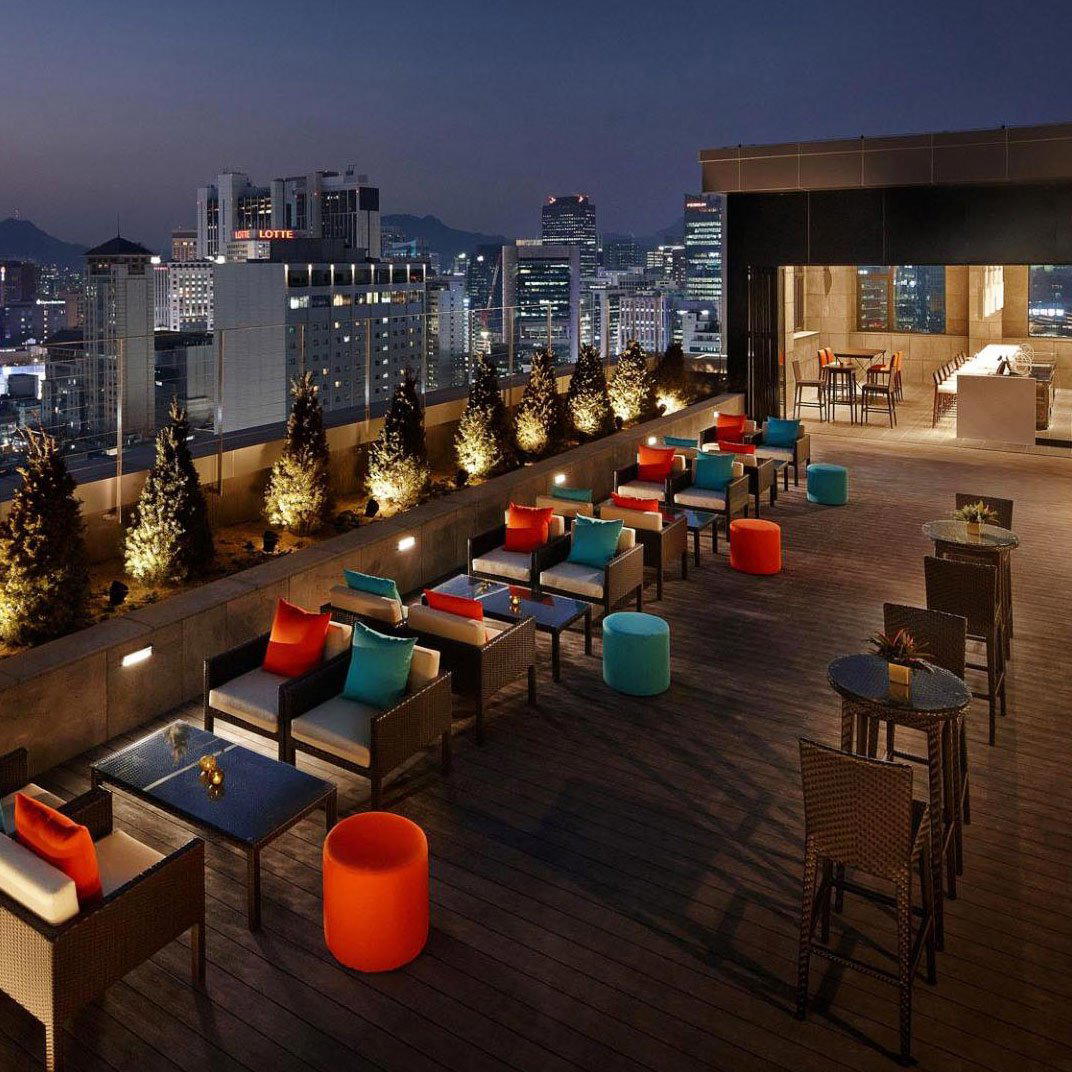
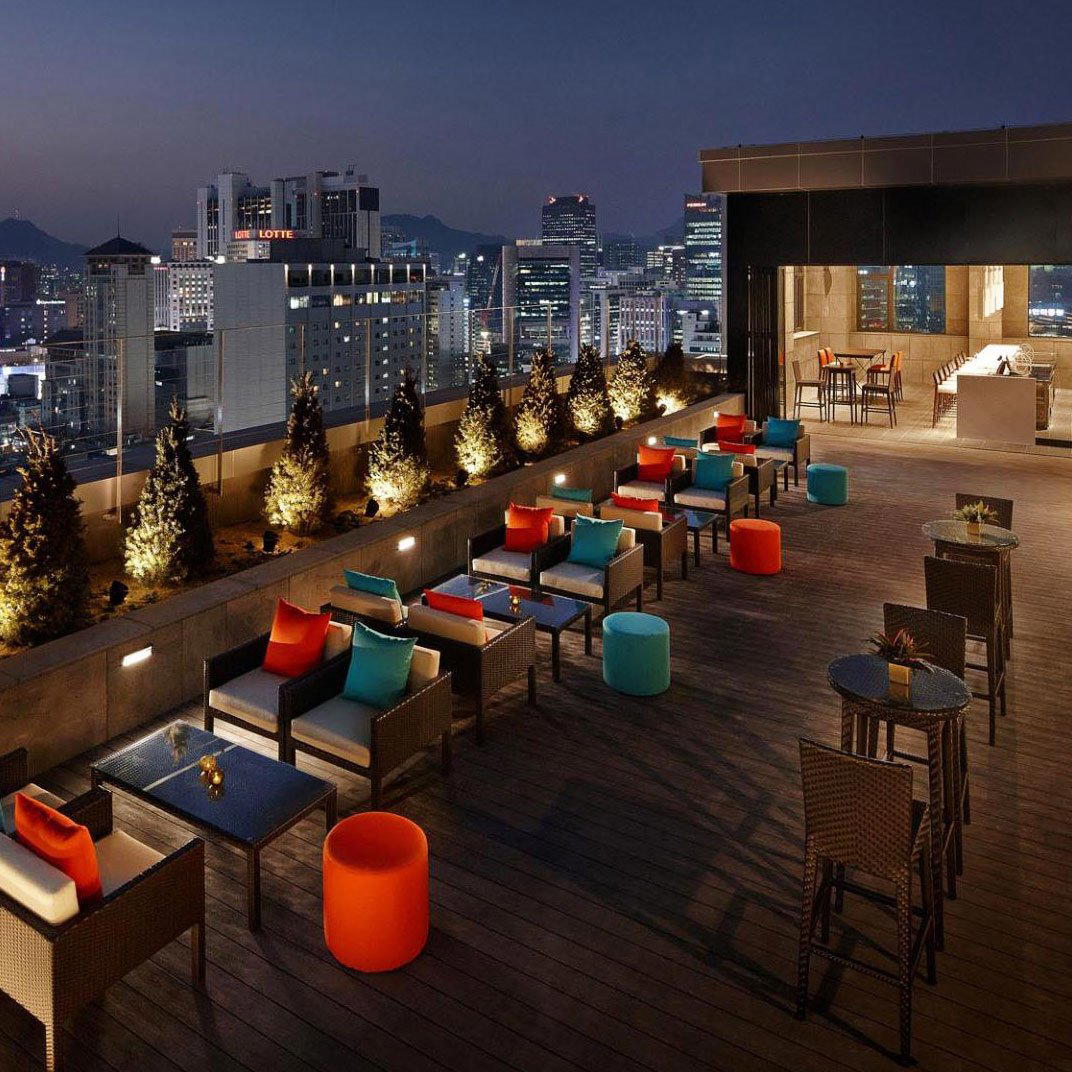
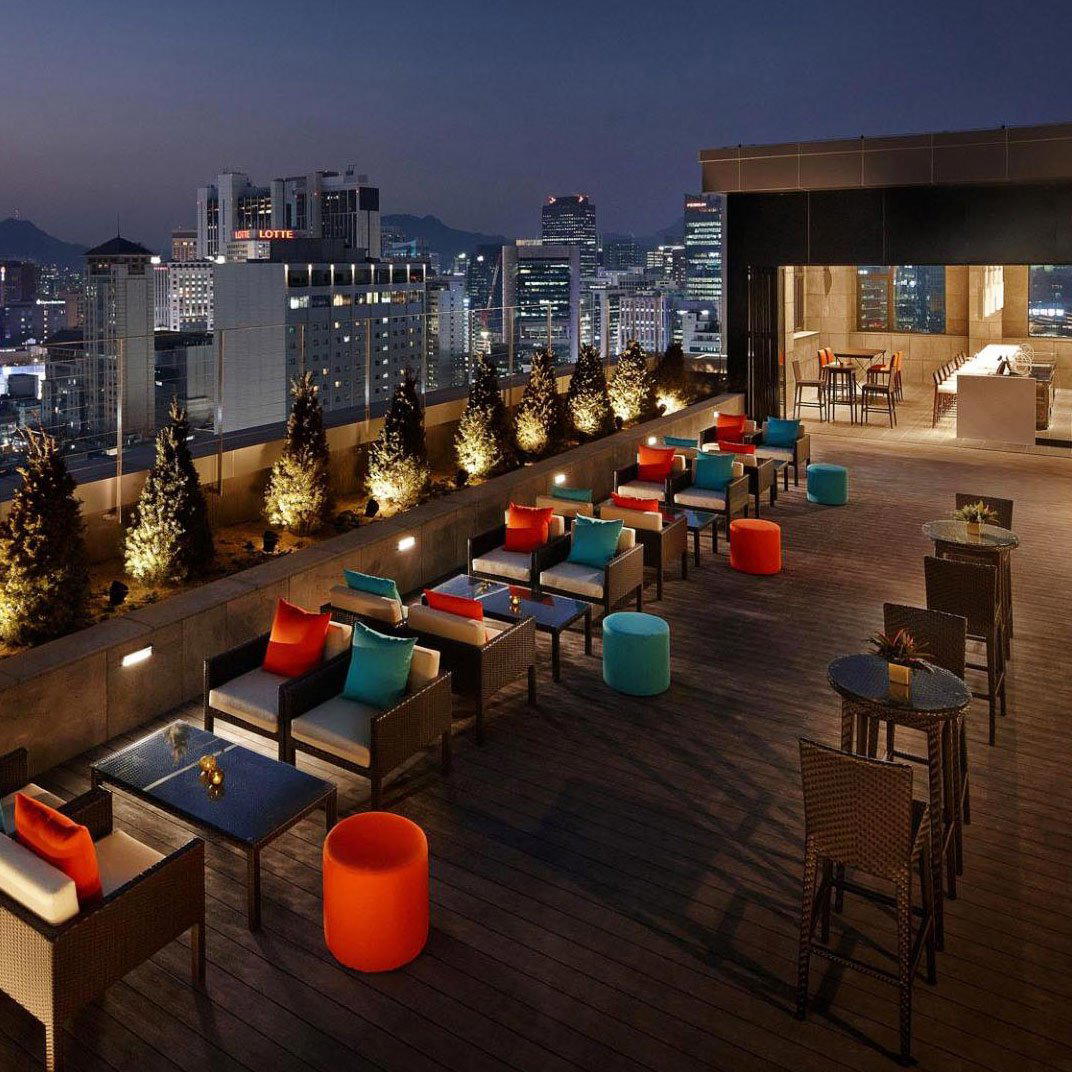
- Rooftop
- Live Music
- Panoramic View
- Design Destination
- Standing Room
- Seated Bar
- Lounge Seating
- Outdoor Terrace
- Booth Seating
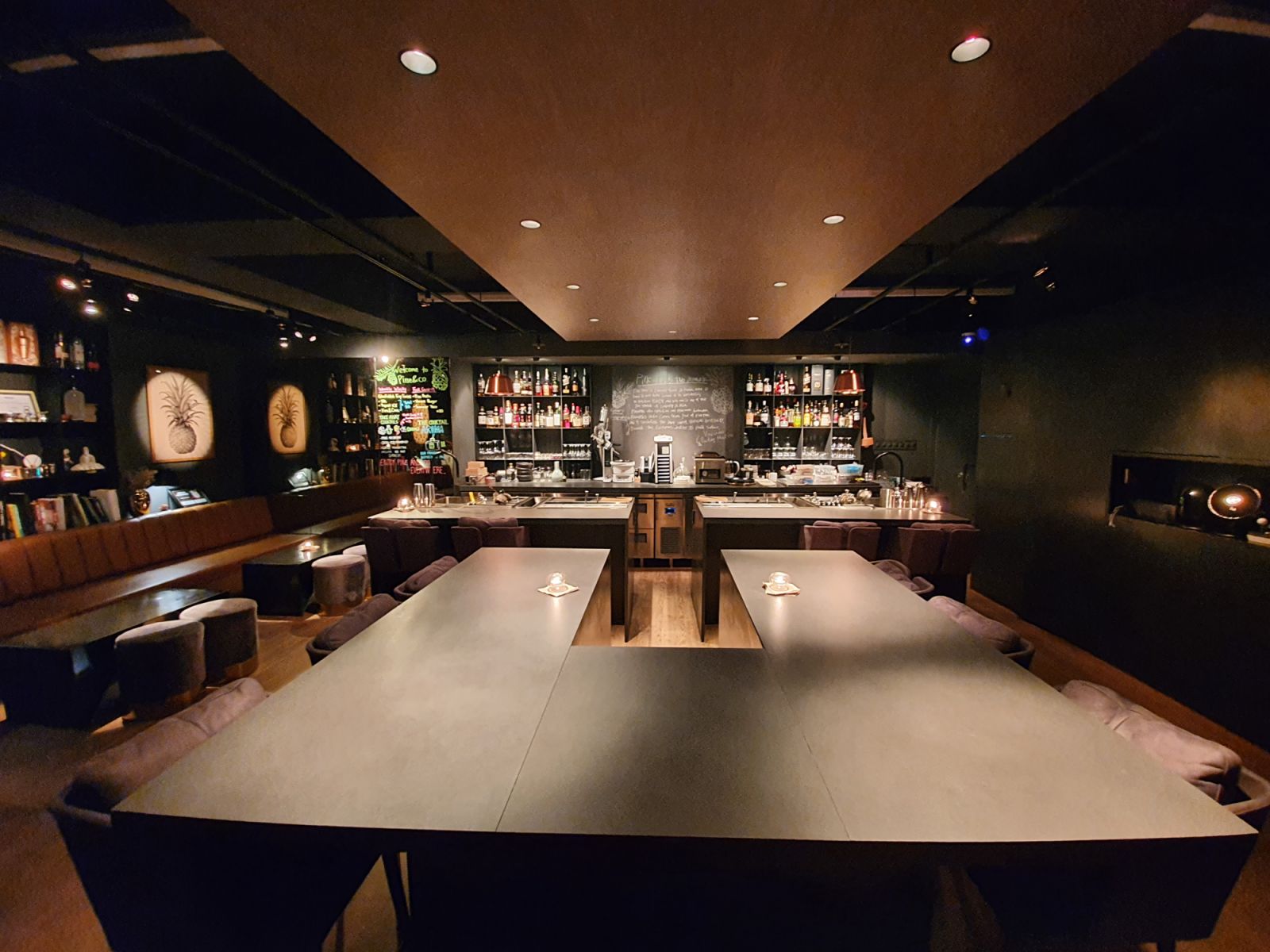
- Craft Cocktails
- Craft Beer
- Whiskey
- Bottle Service
- Classic Cocktails
- Skyline
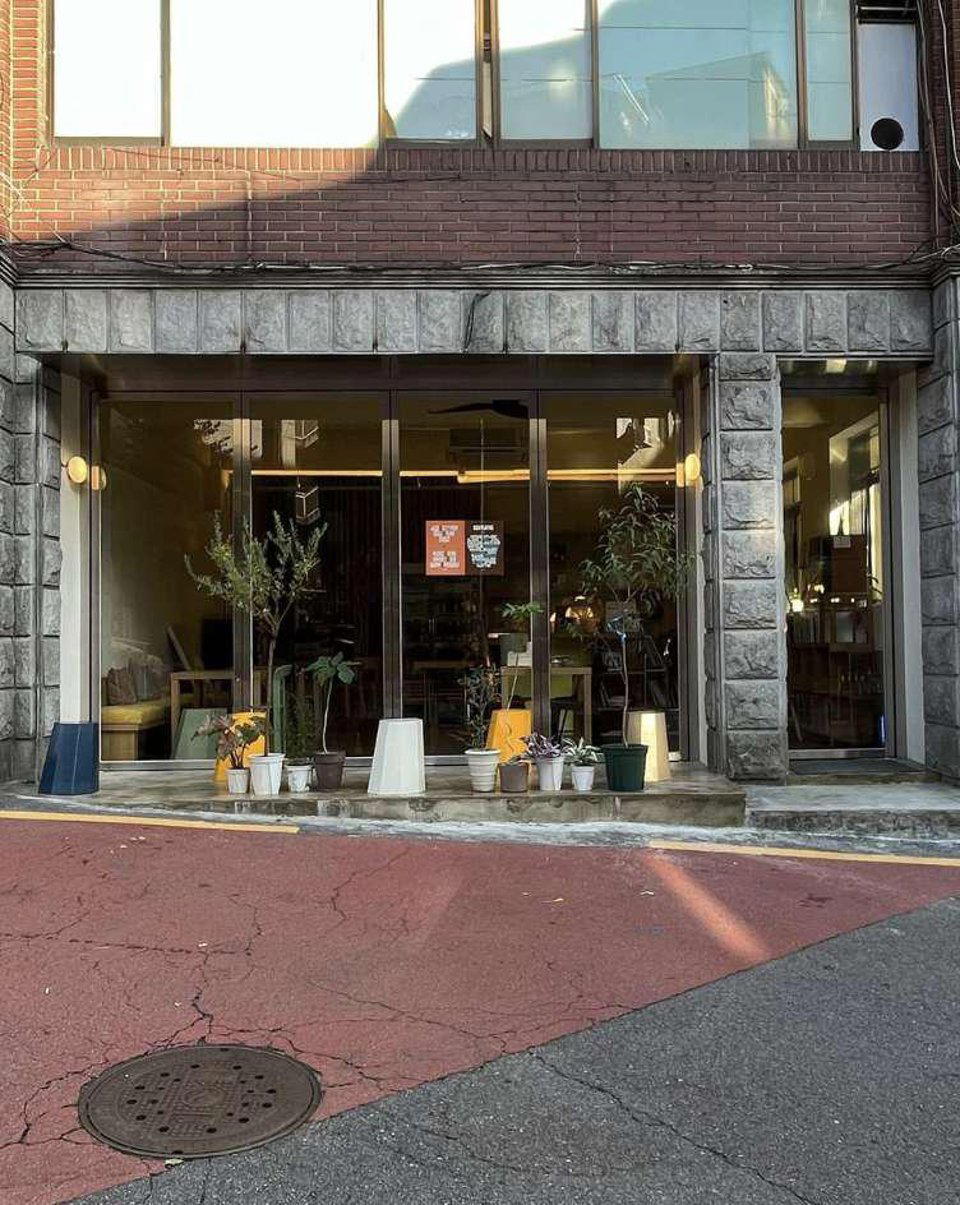
- Street Scene
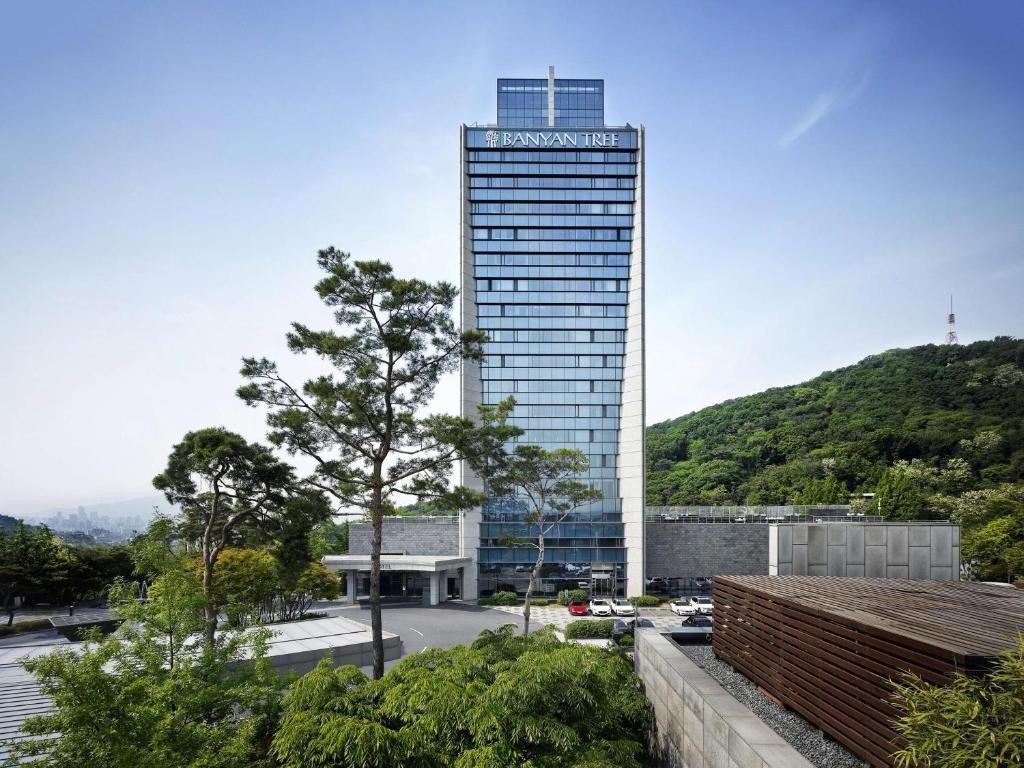
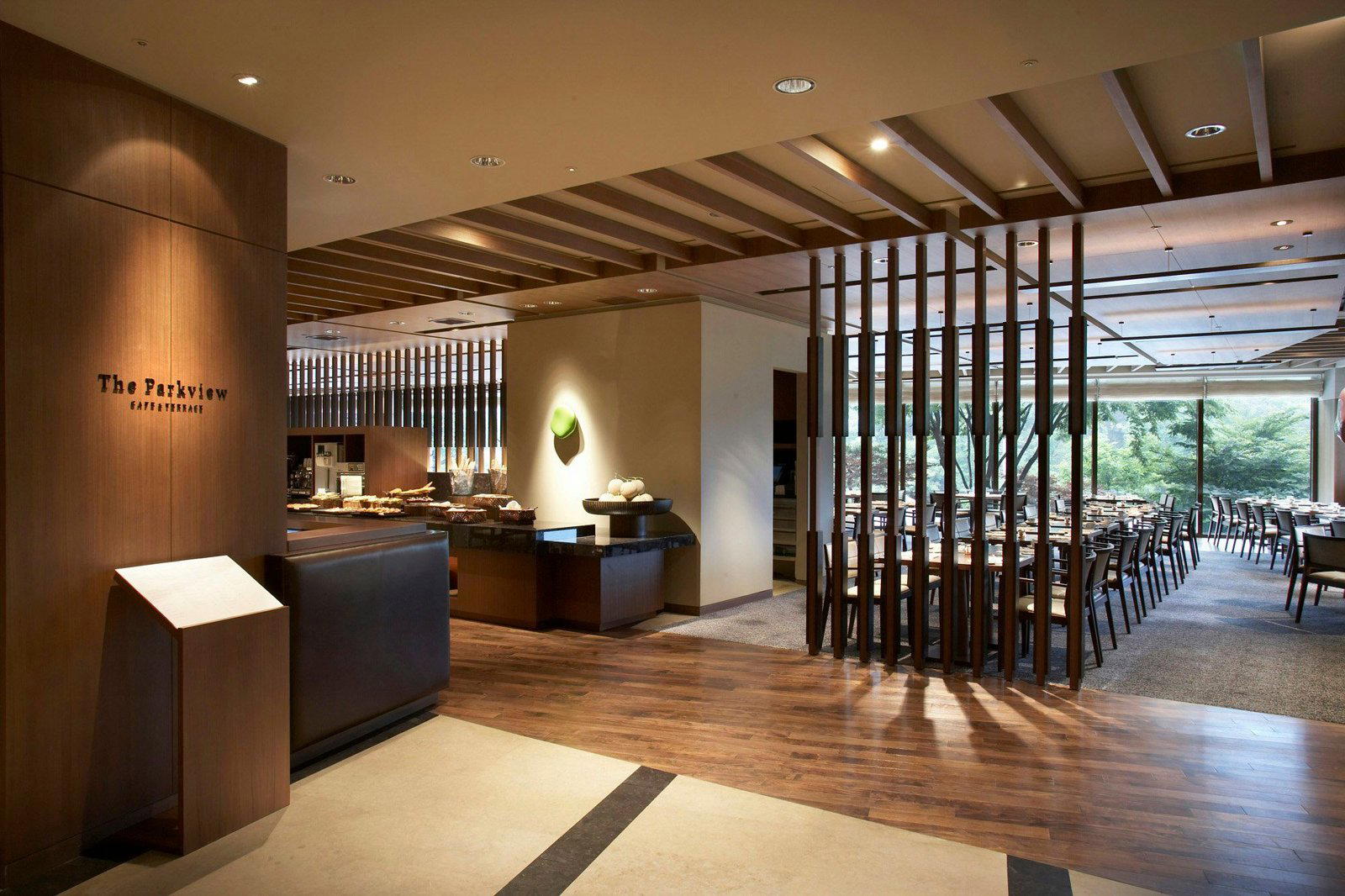
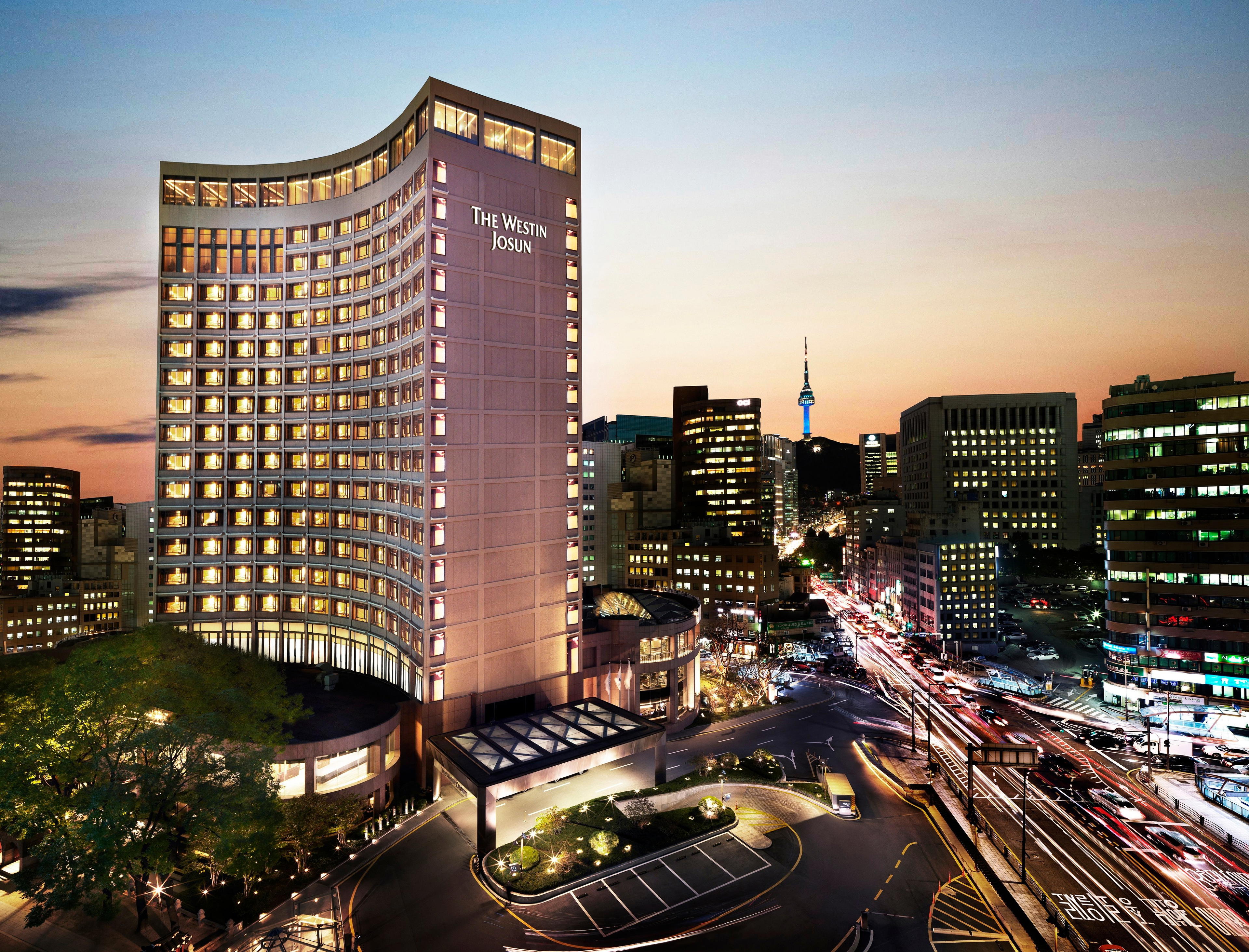
Lively, cosmopolitan atmosphere with neon-lit spaces, DJ sets, and a mix of indoor and outdoor seating; ranges from intimate cocktail bars to high-energy dance venues.