53 Nonhyeon-ro 153-gil
Located in Gangnam's Nonhyeon-ro corridor, this address sits inside one of Seoul's most concentrated pockets of serious drinking culture, where the bar scene has shifted decisively toward technique-driven programmes and careful sourcing. The street itself functions as a shorthand for a certain kind of after-dark credibility in the city's south side, drawing a clientele that treats cocktails as a category worth thinking about.

Pearl is the En Primeur Club membership app — saves, bookings, and concierge access live there. Same editors, same standards.
A Street That Signals Something
In Seoul's Gangnam District, a bar's address does a lot of work before you've touched a glass. Nonhyeon-ro and its side streets have become a reliable shorthand for a particular tier of the city's drinking culture: not the high-volume Apgujeong bottle-service circuit, and not the Itaewon strip that serves passing foot traffic, but something more considered. The bars that cluster in this corridor tend to operate with smaller seat counts, tighter menus, and a seriousness about what goes into the shaker. 53 Nonhyeon-ro 153-gil sits in that pocket, in a neighbourhood where the competitive pressure from nearby programmes keeps standards high by default.
Seoul's cocktail scene has undergone a structural shift over the past decade. What was once a city associated primarily with soju and beer halls now sustains a genuinely competitive craft bar tier, with Korean bartenders earning recognition at Asia's 50 Best Bars and placing on international judging panels. The city's leading programmes have moved past Western mimicry into something more distinctly their own, incorporating Korean distillates, fermented ingredients, seasonal produce, and techniques borrowed from the country's long fermentation traditions. The Nonhyeon-ro area is where much of that evolution is visible in concentrated form.
The Cocktail Programme in Context
The editorial angle that matters most for any bar in this neighbourhood is the cocktail programme itself, because that is what separates the serious addresses from the scenically pleasant ones. In a city where Charles H has set a high baseline for classic technique and Alice Cheongdam has pushed the theatricality dial considerably further, the middle ground is occupied by bars that have had to define their own axis. Bar Cham and Bar D.
The broader trend in Seoul's craft cocktail tier is away from imported spirits as status markers and toward a more locally grounded identity. Bartenders are working with makgeolli, doenjang, omija, and yuzu alongside the standard repertoire of whisky and gin, and the results read as genuinely Korean rather than globally generic. This shift mirrors what happened in Tokyo's bar scene roughly a decade earlier, when Japanese bartenders moved from meticulous reproduction of European classics to something that expressed place. Seoul is in the middle of that same transition, and the Nonhyeon-ro corridor is where much of the creative pressure is being applied.
Gangnam as a Drinking District
Understanding where 53 Nonhyeon-ro 153-gil sits requires understanding what Gangnam actually means as a drinking destination. The district's reputation is partly built on wealth and partly on density: the concentration of disposable income in this part of the city has historically supported businesses that would struggle to survive in less affluent areas, including bars that price their programmes above casual-drinking thresholds. That economic reality has a useful side effect. Bartenders who set up in Gangnam are working for a clientele that has already decided to spend money on a drink, which means the conversation is about quality rather than value. The bar programmes that succeed here do so by being genuinely compelling, not by being the cheapest option within walking distance.
For context on how Seoul's bar culture extends beyond the capital, programmes like Climat in Busan and Muyongdam in Jeju Si suggest that serious cocktail culture in South Korea is no longer a Seoul-only phenomenon. The national scene has depth. But Seoul, and Gangnam specifically, remains the highest-pressure competitive environment, which is where reputations in this industry are made and tested.
What to Know Before You Go
Booking practices in this part of Seoul vary considerably by venue. Some of the area's most serious bars operate on reservation-only models, particularly for prime evening slots on weekends, while others maintain walk-in capacity but see genuine queue pressure from around 9pm. For a neighbourhood address in the Nonhyeon-ro corridor, arriving before 8pm on a weekday is the most reliable way to guarantee a seat without advance planning. Weekend visits without a reservation are a speculative exercise in most of the area's better-regarded spots.
The broader Seoul bar scene covered in our full Seoul restaurants guide extends the context considerably, with neighbourhood-by-neighbourhood breakdowns that position Gangnam against Itaewon, Euljiro, and the Hannam-dong corridor. For travellers building a Seoul drinking itinerary, the Nonhyeon-ro area makes most sense as a later-evening destination after dinner, given the neighbourhood's dining options and the tendency of these bars to hit their stride after 9pm. Programmes at this tier are generally designed for deliberate drinking rather than quick rounds, so allocating two to three hours per venue is reasonable.
For those comparing Seoul's bar culture to other Asian drinking cities or even to the US programmes that have influenced Korean bartenders, references like Bar Leather Apron in Honolulu and Jewel of the South in New Orleans offer a useful transatlantic and transpacific baseline. The technical ambition in Seoul's top tier is genuinely comparable to those programmes, even if the ingredient vocabulary is distinctly different.
Within South Korea, Anjuga in Ansan Si, Regency Club in Incheon, and Seuwichi in Heungdeok indicate how the craft bar format has distributed itself across the country's secondary cities. The Nonhyeon-ro address in Gangnam still operates in the densest competitive environment of any of those markets.
Side-by-Side Snapshot
| Venue | Price | Awards |
|---|---|---|
| 53 Nonhyeon-ro 153-gilThis venue — the venue you are viewing | $10–20 | Not listed |
| Alice Cheongdam | $20–30 | World's 50 Best #13 · Top 500 Bars Best Bars #156 |
| Bar Cham | $10–20 | World's 50 Best #33 · Top 500 Bars Best Bars #147 |
| Bar D. Still | $10–20 | World's 50 Best #44 |
Continue exploring
More in Seoul
Bars in Seoul
All bars in Seoul →

Restaurants in Seoul
All restaurants in Seoul →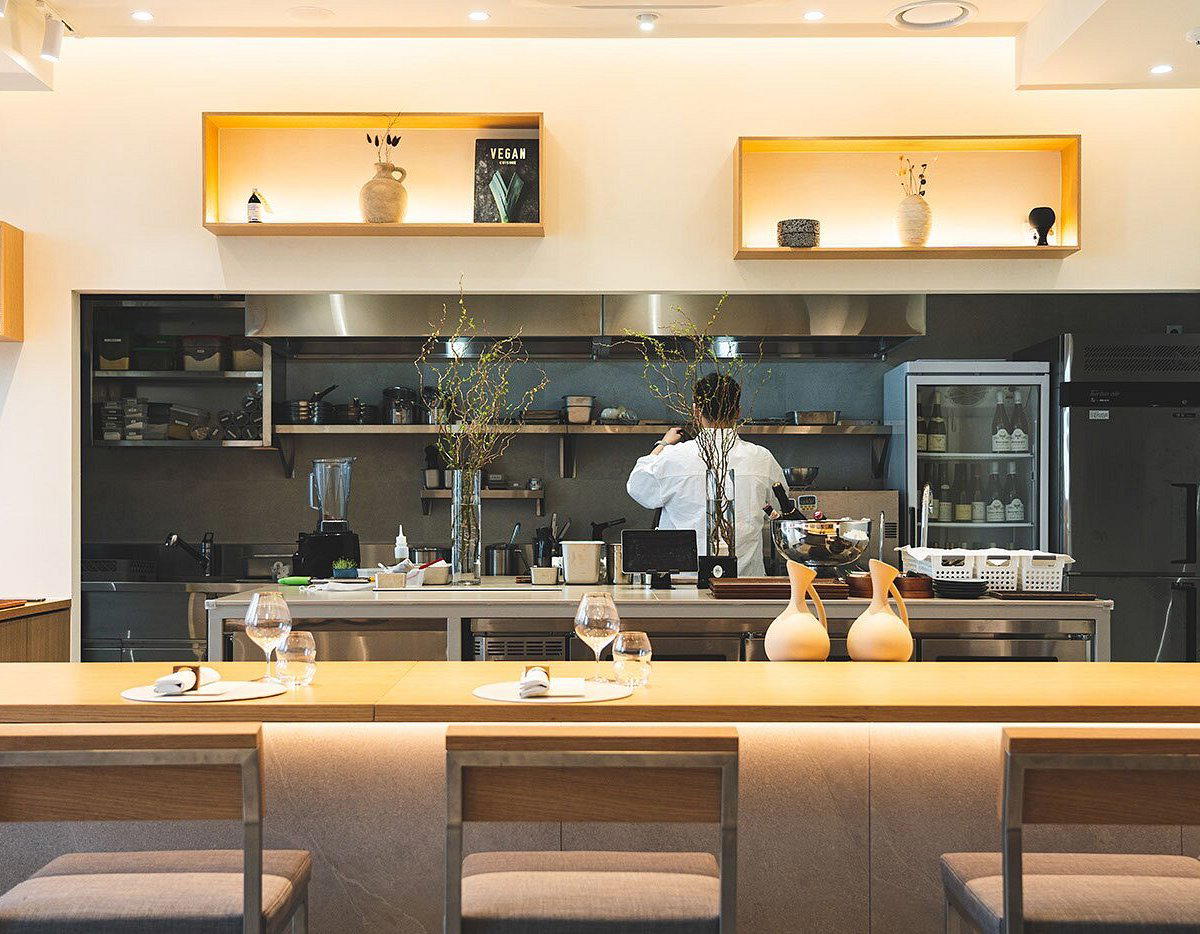
Details
- Modern
- Trendy
- Minimalist
- Casual Hangout
- Solo
- Design Destination
- Seated Bar
- Standing Room
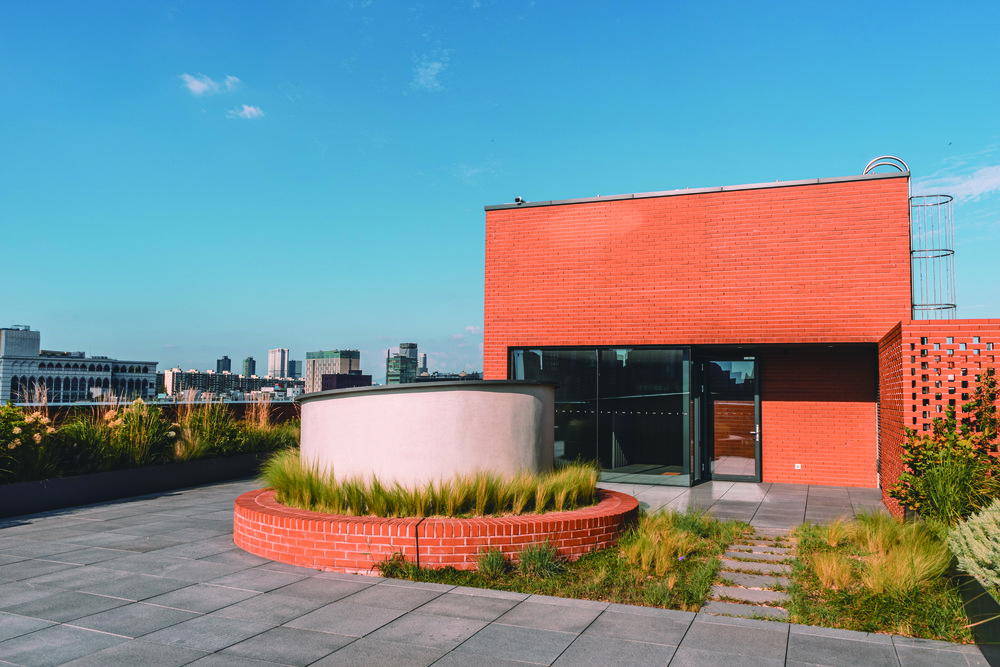
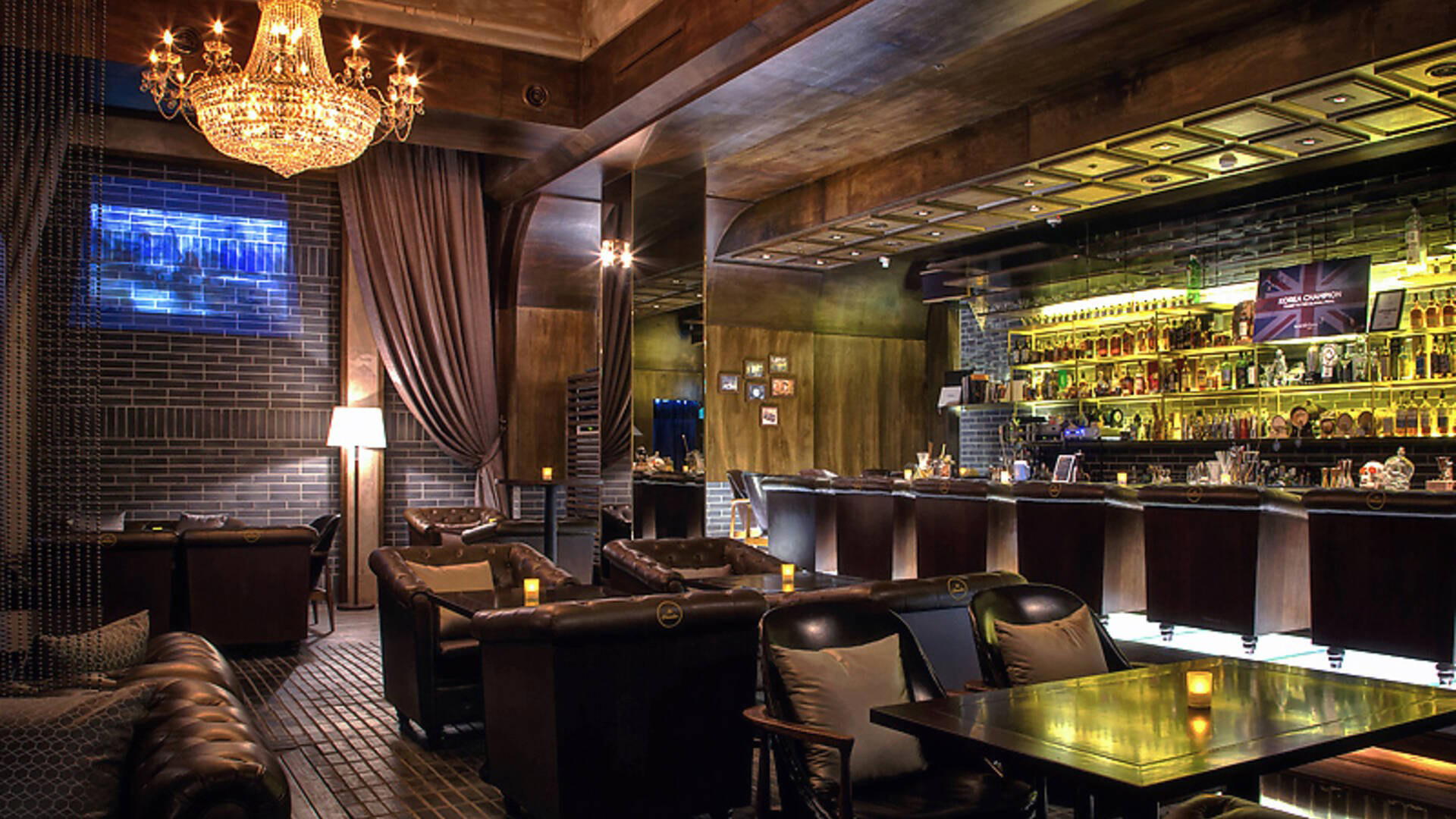
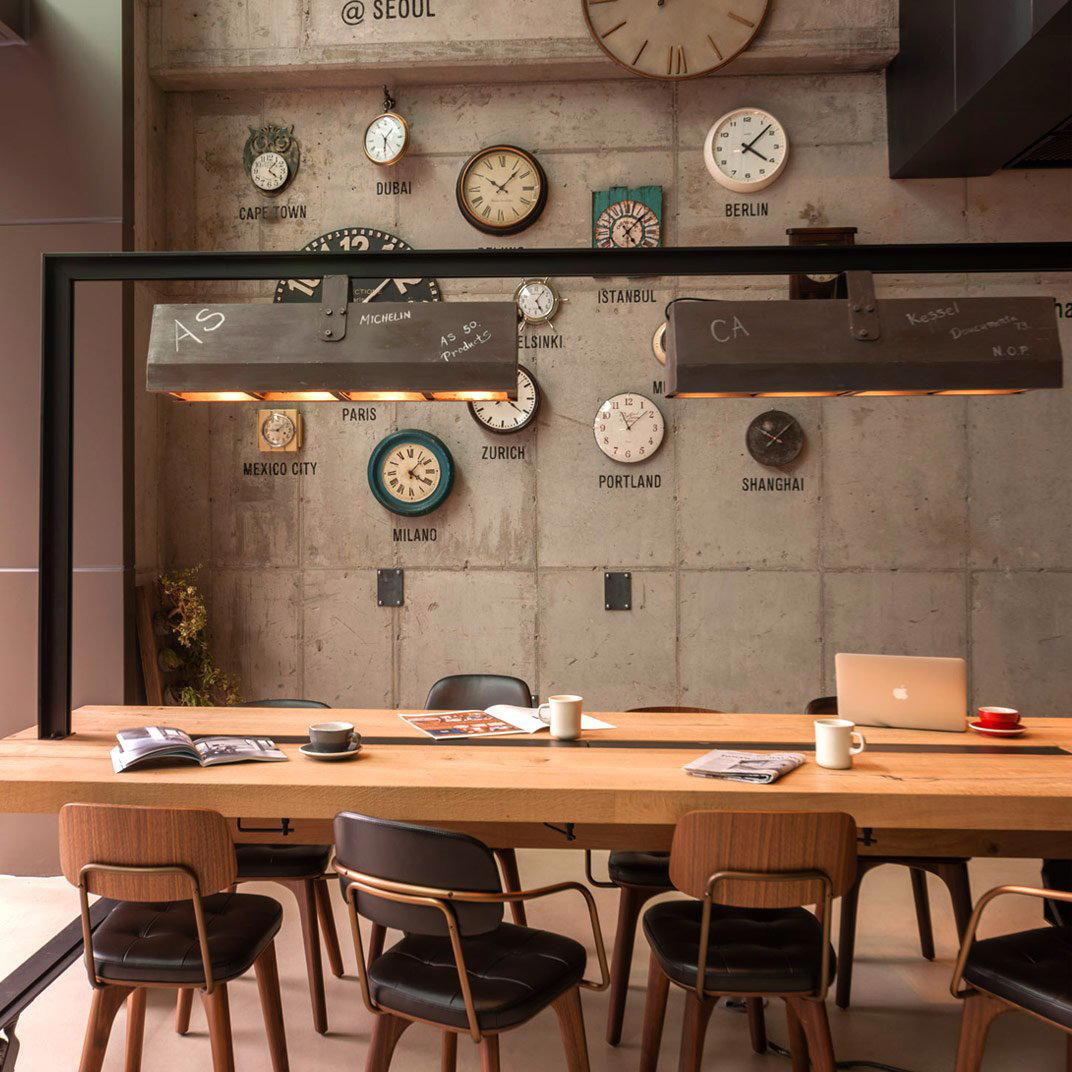
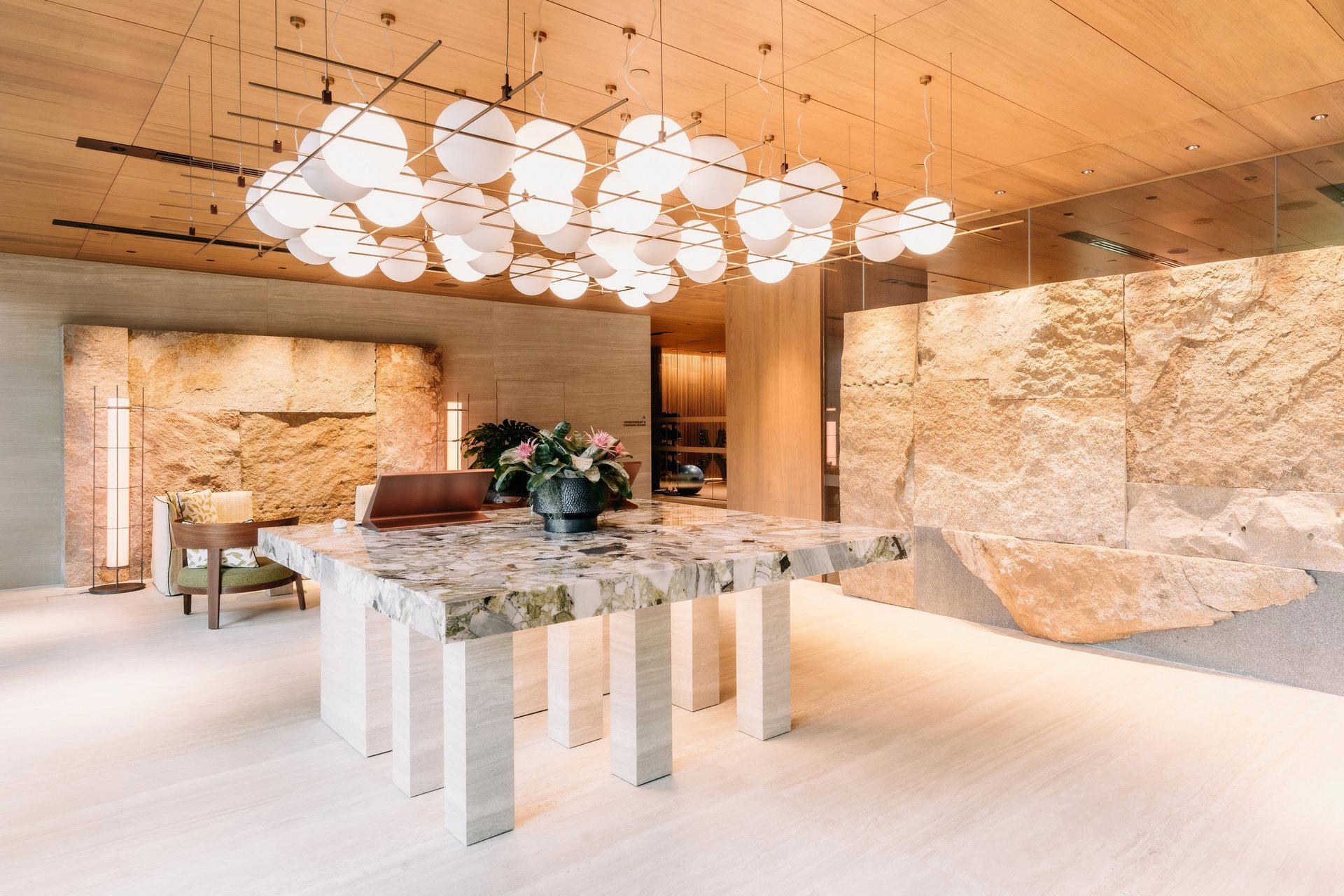
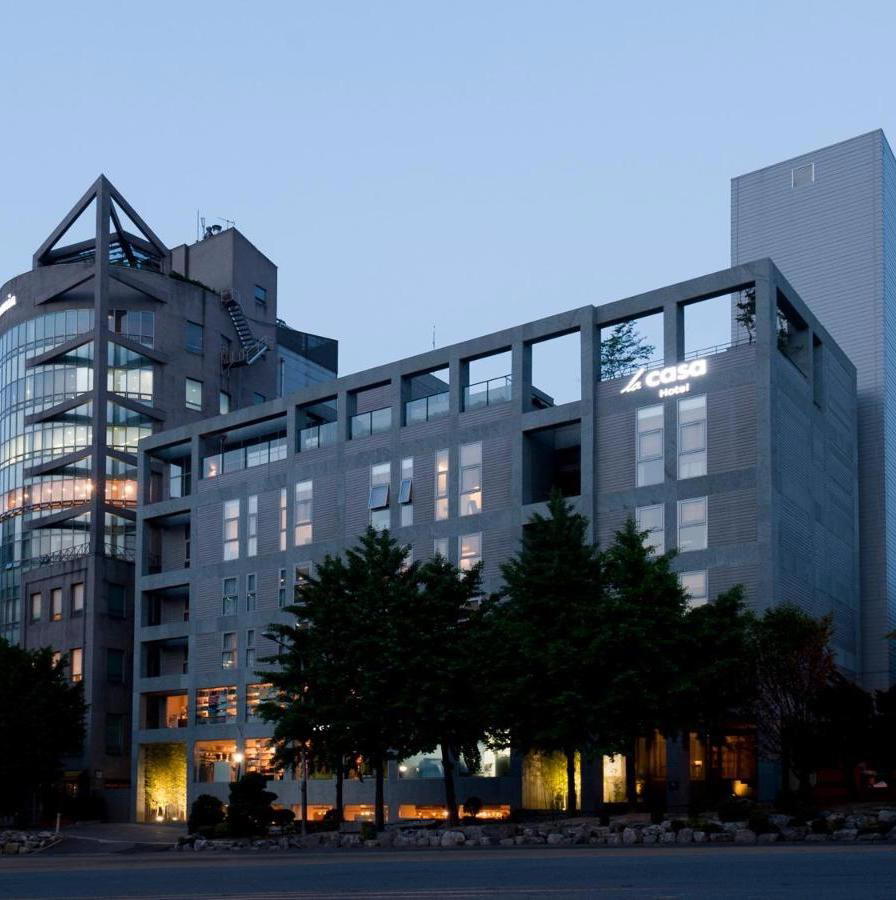
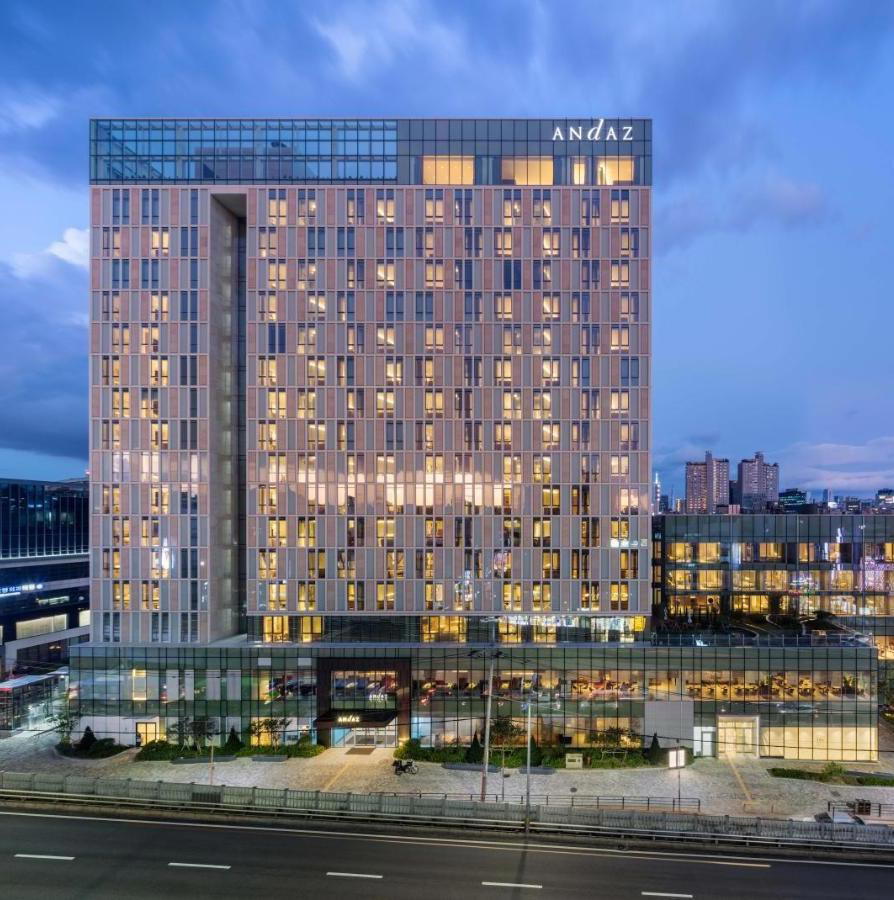
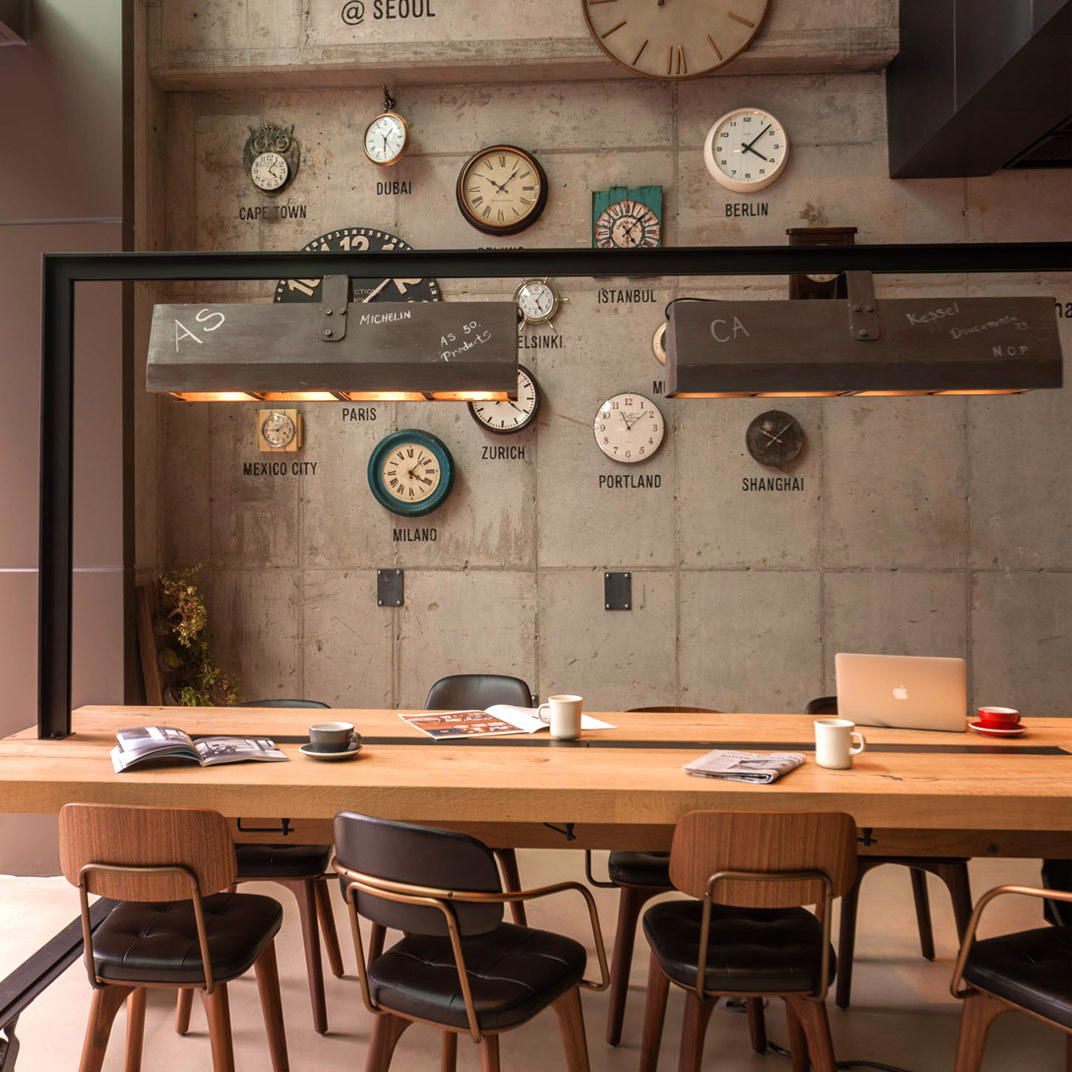
Sophisticated and contemporary with red brick architecture and minimalist design aesthetic; busy atmosphere on weekdays and weekends.