Franklin Bar & Restaurant occupies a converted space on Argyle Street in Hobart's CBD, operating at the intersection of serious drinking and considered food in a city that has developed one of Australia's more compelling bar scenes over the past decade. The address draws a crowd that treats the bar program with the same attention usually reserved for the wine list.
Argyle Street After Dark: How Hobart Learned to Drink Seriously
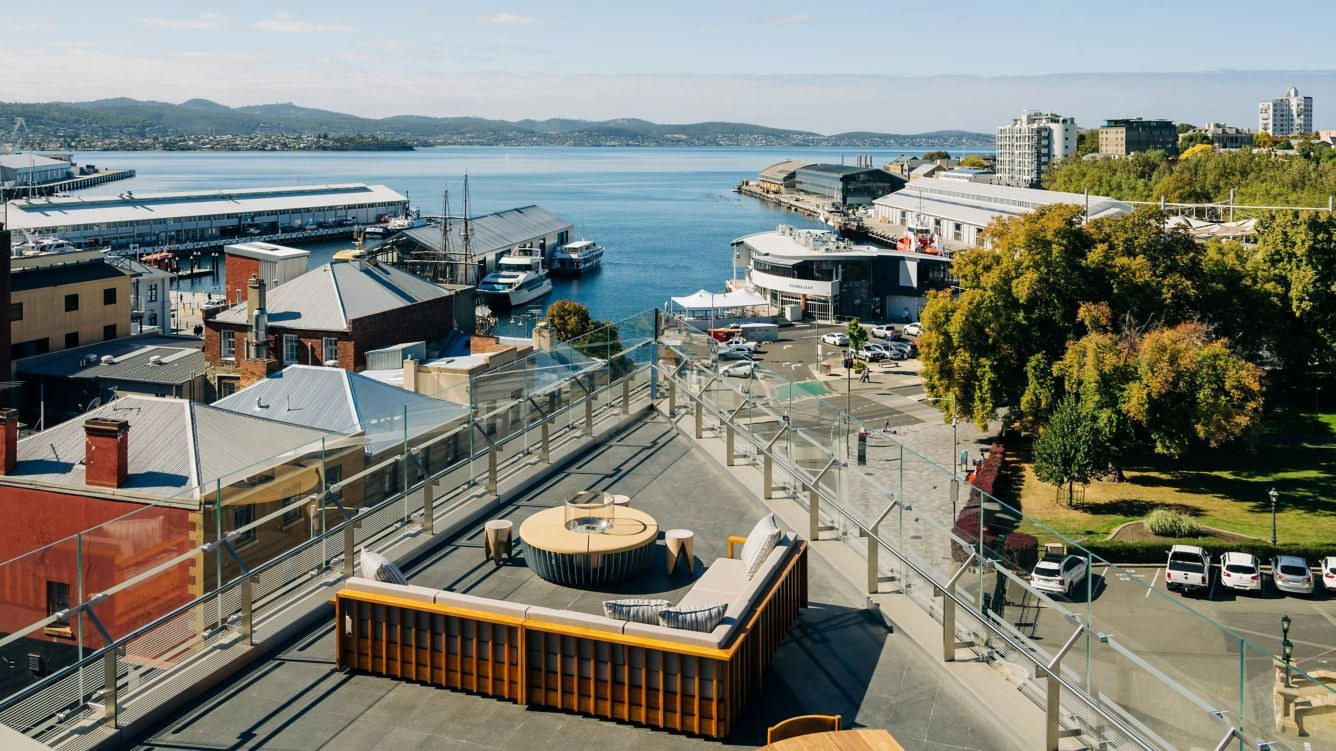
Hobart's bar scene did not arrive fully formed. Through most of the 2000s, the city's drinking culture lagged behind its food reputation, which had been building quietly around produce quality and proximity to some of the country's most distinctive agricultural and maritime supply chains. What changed the equation was a slow accumulation of operators who treated the bar as a primary discipline rather than an afterthought to the dining room. Franklin Bar & Restaurant, at 30 Argyle Street, sits inside that shift. The address is central Hobart, close enough to the waterfront to catch the cold air off the Derwent but far enough inland that the room has its own character rather than borrowing from the harbour's obvious drama.
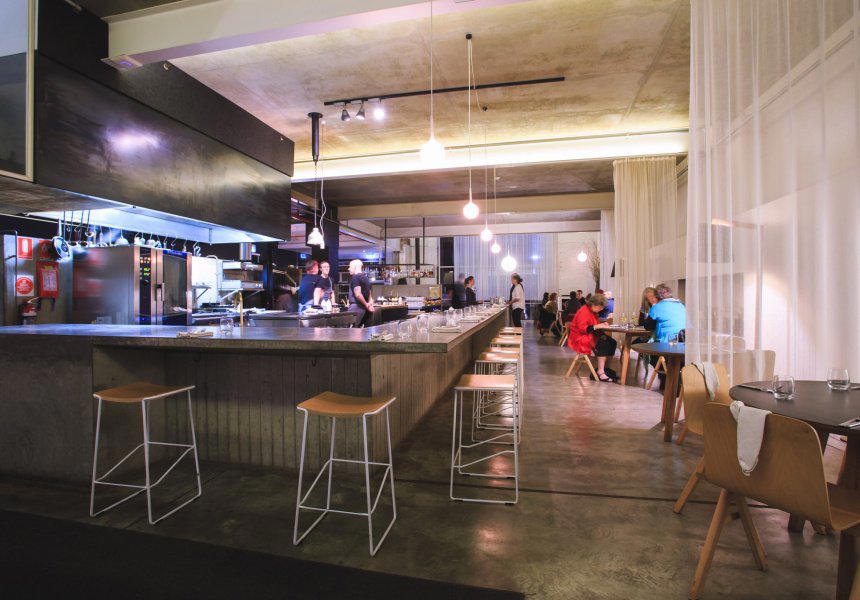
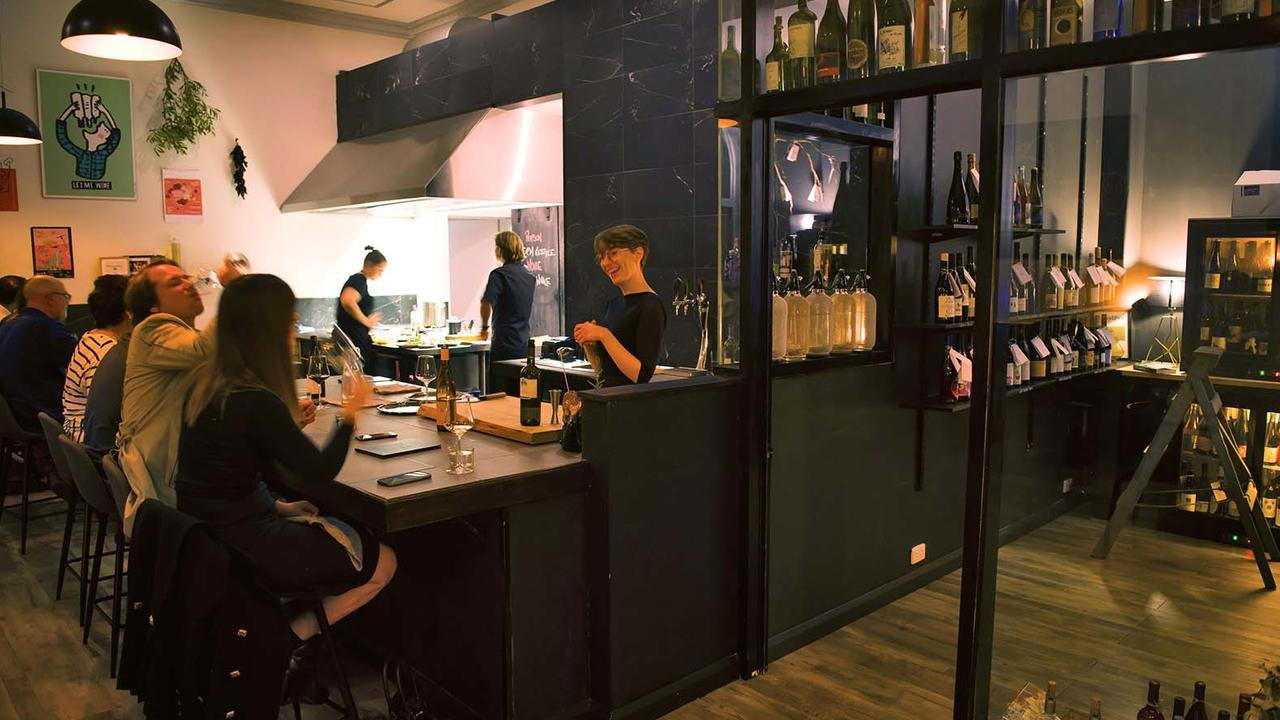
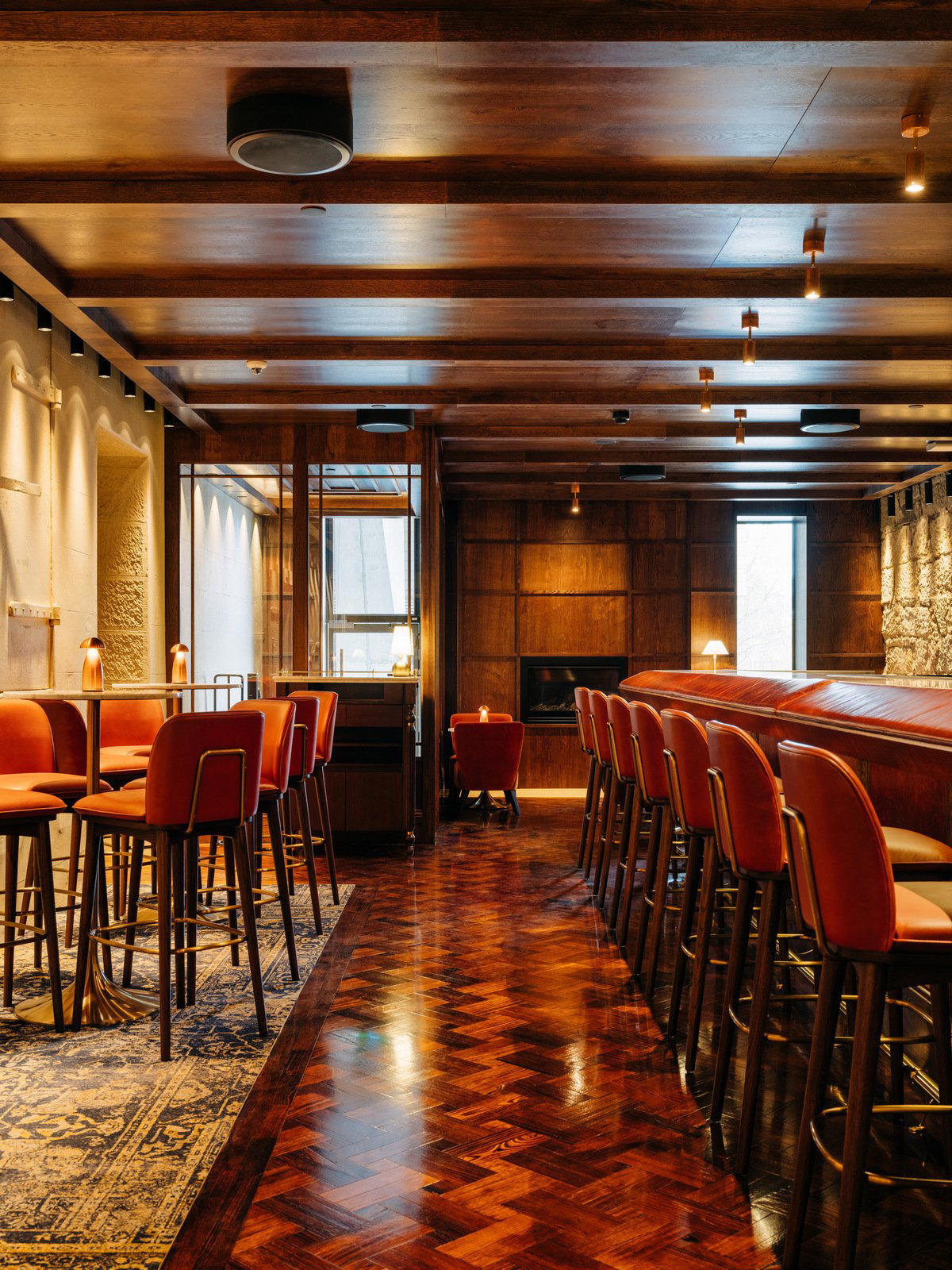
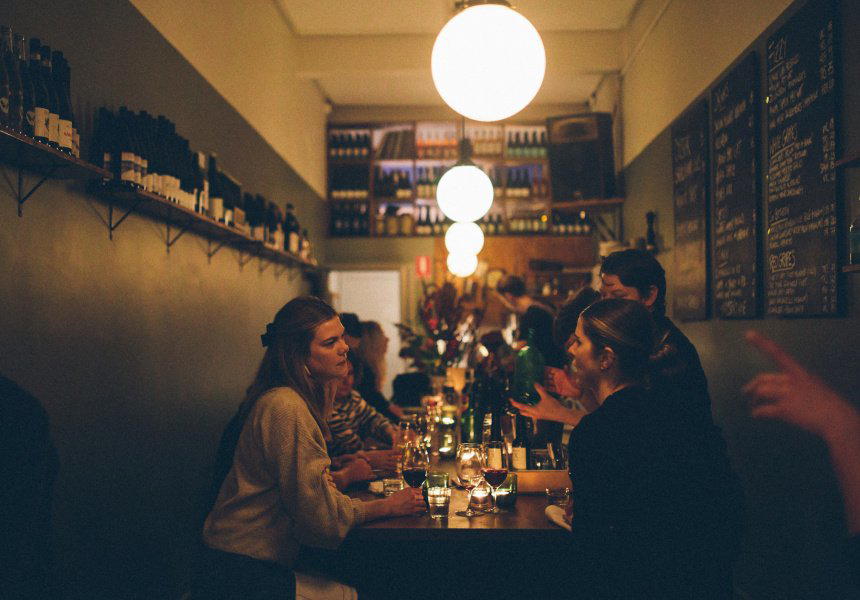
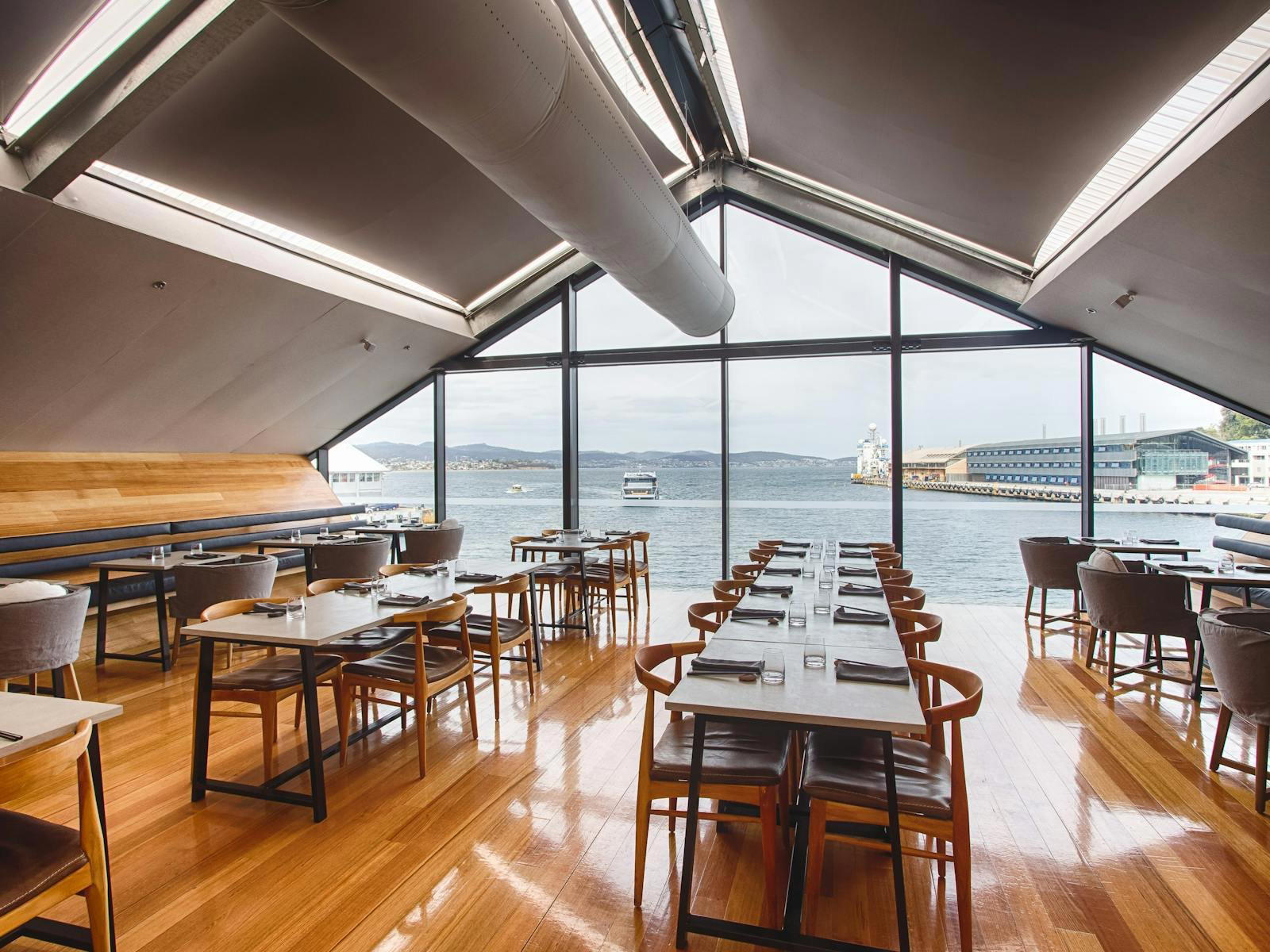
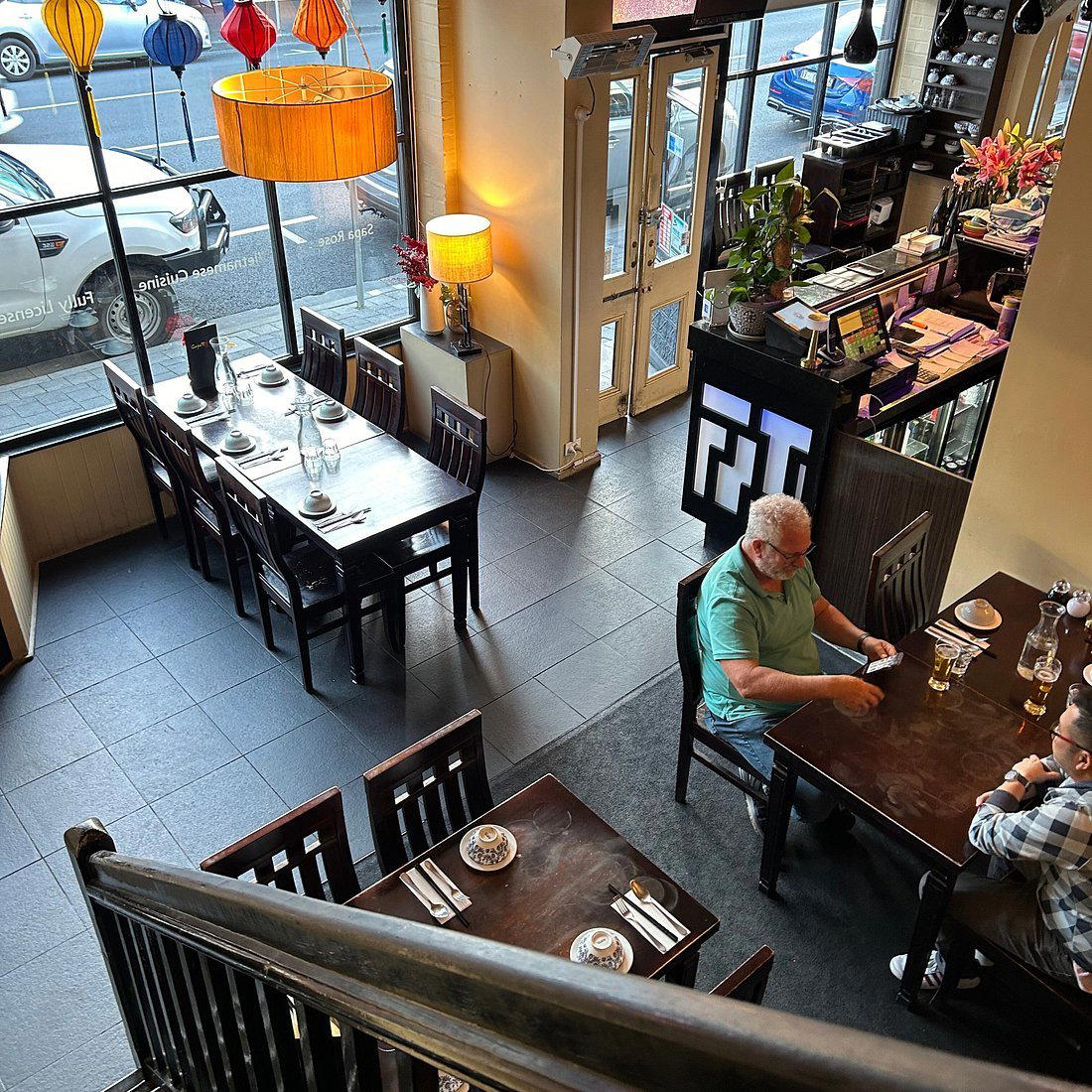
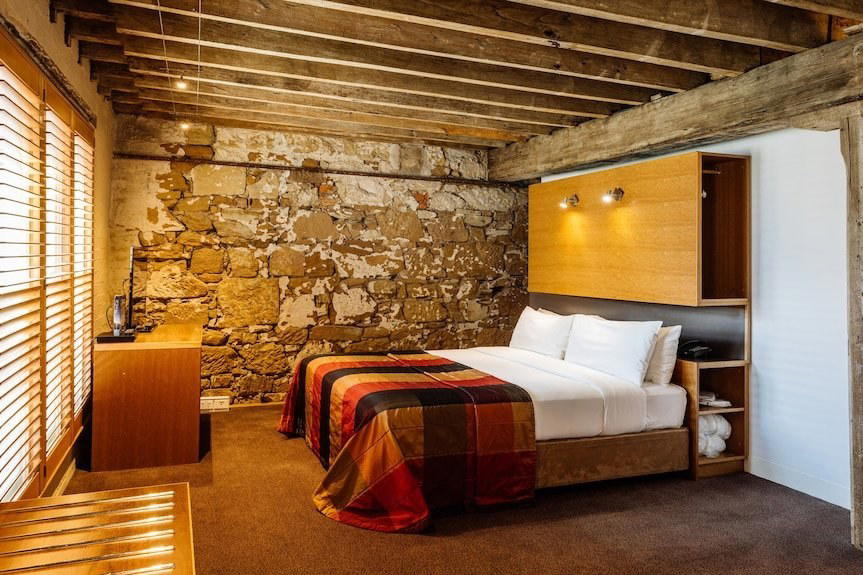
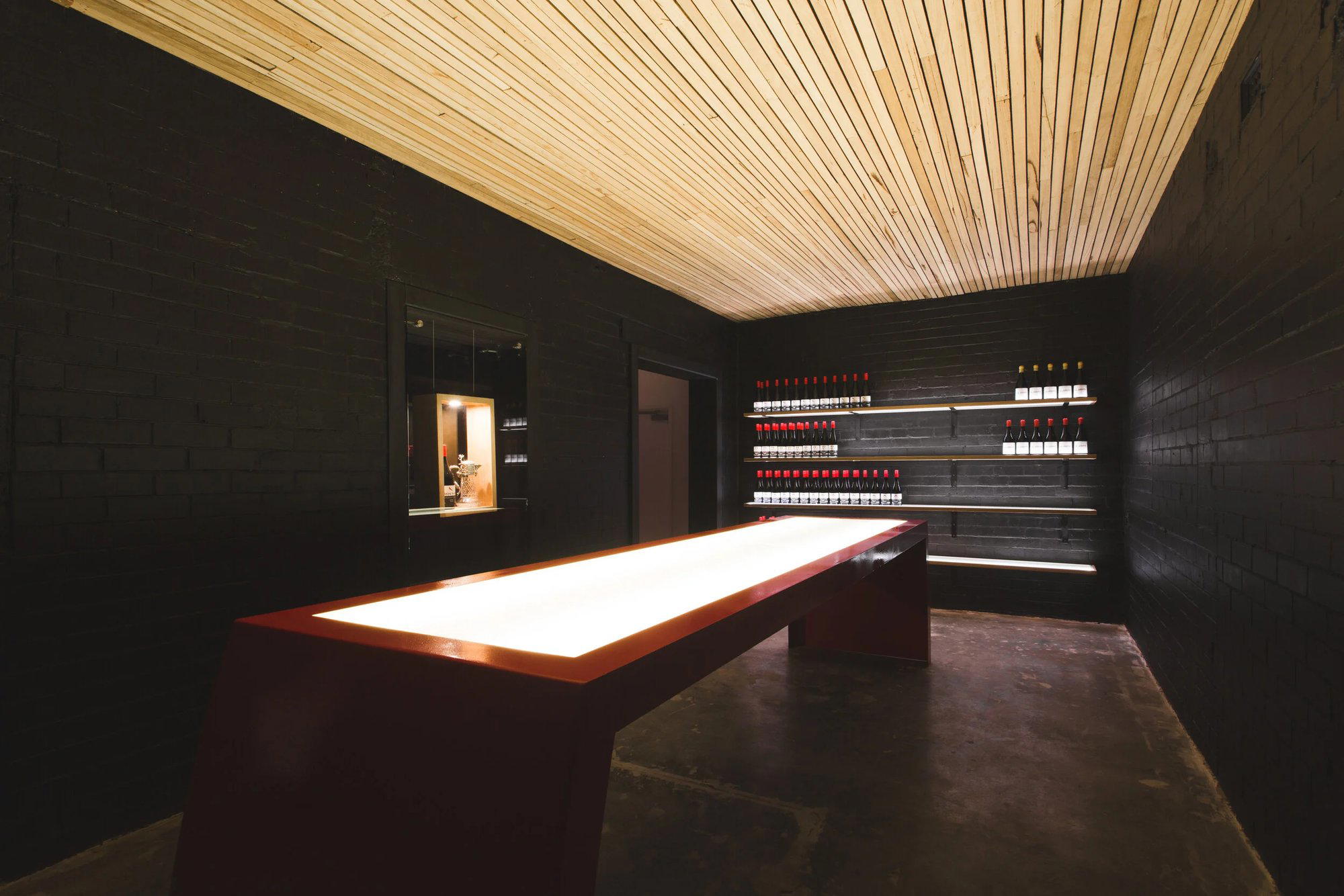
The physical environment at Franklin reflects a broader tendency in Hobart's better venues: materials are raw or lightly finished, the lighting works hard to create warmth without sentimentality, and the acoustic register sits low enough for conversation. This is not the kind of bar that uses volume or spectacle to generate atmosphere.
The Room and What It Does to You
In cities where bars have moved through cycles of speakeasy theatre, Nordic minimalism, and maximalist tropical, Hobart has largely skipped the trend-chasing and arrived at something more considered. Franklin's design language belongs to that local pragmatism. Stone, timber, and aged metal surfaces absorb light rather than reflect it. Seating arrangements encourage the kind of lateral socialising that makes a bar feel alive at ten on a Wednesday rather than only on a Saturday when a crowd does the work for you.
The bar counter itself functions as the room's editorial statement. Counter seating in this format, where the drinker faces the working space directly, has become the preferred configuration for bars in Australia that want the program to be legible rather than hidden. You see the technique, the tools, and the deliberation. It is a format that 1806 in Melbourne and Cantina OK! in Sydney have each deployed to different ends, and which Franklin uses to position the bar program as the room's central argument.
Bar Program in Context
Tasmania's spirits production has grown considerably since the early 2010s, when a handful of distilleries began drawing on the island's water quality and grain supply to produce whiskies and gins that now hold international recognition. Bars in Hobart that engage seriously with this local production have a depth of regional product unavailable to their mainland counterparts. The question for any Hobart bar operating at this level is how to balance local provenance with technical ambition, since celebrating regional spirits does not automatically produce interesting drinks.
Franklin's position in this conversation is consistent with the bar's broader approach: the program reads as composed rather than promotional. The cocktail list at venues like this one in Hobart tends to reference classical structure while using local ingredients as the variable that distinguishes it from what you would find at Bowery Bar in Brisbane or Fratelli Paradiso in Potts Point. The result is a list that rewards attention without demanding expertise from every drinker who sits down.
Among Hobart's active bar addresses, Franklin occupies a middle register in terms of formality: more considered than New Sydney Hotel, which operates with a deliberate pub energy, but without the narrower specialist focus that defines Mary Mary. That positioning is useful. Franklin can hold a table through an entire evening, moving from pre-dinner drinks through a meal and into a later round, which is a more demanding brief than a venue that only needs to do one thing well.
The Food Side of the Brief
Bar-restaurant hybrids in Australia have a variable record. The format works when the kitchen disciplines itself to a tight, ingredient-led menu that complements drinking rather than competing with it for the diner's attention. It fails when the kitchen tries to run a full restaurant program from a bar footprint, producing food that arrives too slowly and a wine list that doesn't match the cocktail program's ambition. Franklin's format, as understood from its position within Hobart's dining conversation, lands in the former category. The food here is evidence for the bar's broader argument rather than a parallel program fighting for primacy.
Hobart's supply chain advantages are well-documented in the Australian food press: the city sits within reach of the Huon Valley, the D'Entrecasteaux Channel, and farm networks that supply some of the country's most discussed restaurants. Venues on Argyle Street and the surrounding CBD blocks have access to the same raw material. What differentiates them is editorial judgement about what to do with it. For further context on how Franklin fits within the wider Hobart dining and drinking scene, our full Hobart restaurants guide maps the city's key addresses by category and character.
Planning Your Visit
Franklin is located at 30 Argyle Street in Hobart's central district, within walking distance of Salamanca Place and the waterfront. For Hobart's bar tier, walk-ins are often possible midweek, though weekend evenings at addresses with this level of recognition tend to fill. Checking the venue's current booking method directly is advisable for Friday and Saturday sittings. The dual bar-restaurant format means the room turns at different rhythms depending on whether you're anchoring a table for dinner or sitting at the counter for drinks, so arrival timing matters. Visitors comparing bar programs across Australian cities will find useful reference points at La Cache à Vín in Spring Hill, Blu Bar on 36 in The Rocks, and Bar Leather Apron in Honolulu for a sense of how the format plays across different markets.
What It’s Closest To
| Venue | Cuisine | Price | Awards |
|---|---|---|---|
| Franklin Bar & RestaurantThis venue (the venue you are viewing) | This venue | Not listed | Not listed |
| Sonny | Not listed | $30–50 | Star Wine List |
| Mary Mary | Not listed | $30–50 | Not listed |
| Dier Makr | Not listed | $100–150 | Not listed |
| Institut Polaire | Not listed | $50–100 | Not listed |
| New Sydney Hotel | Not listed | $20–30 | Not listed |

Continue exploring
More in Hobart
Bars in Hobart
All bars in Hobart →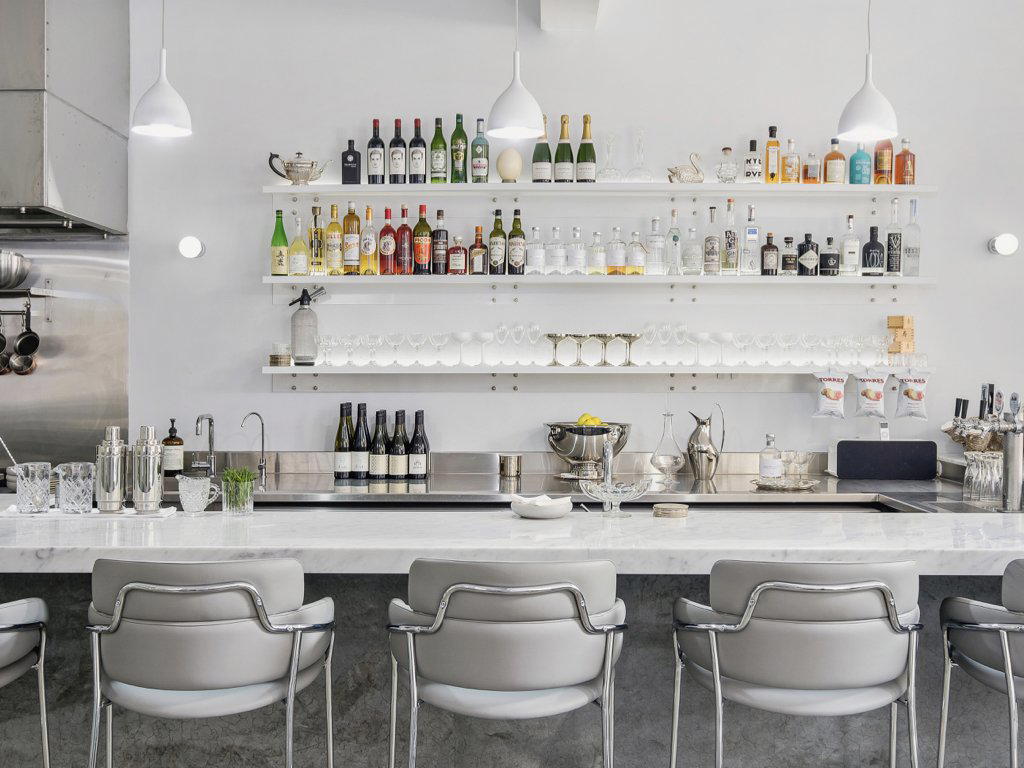
Restaurants in Hobart
All restaurants in Hobart →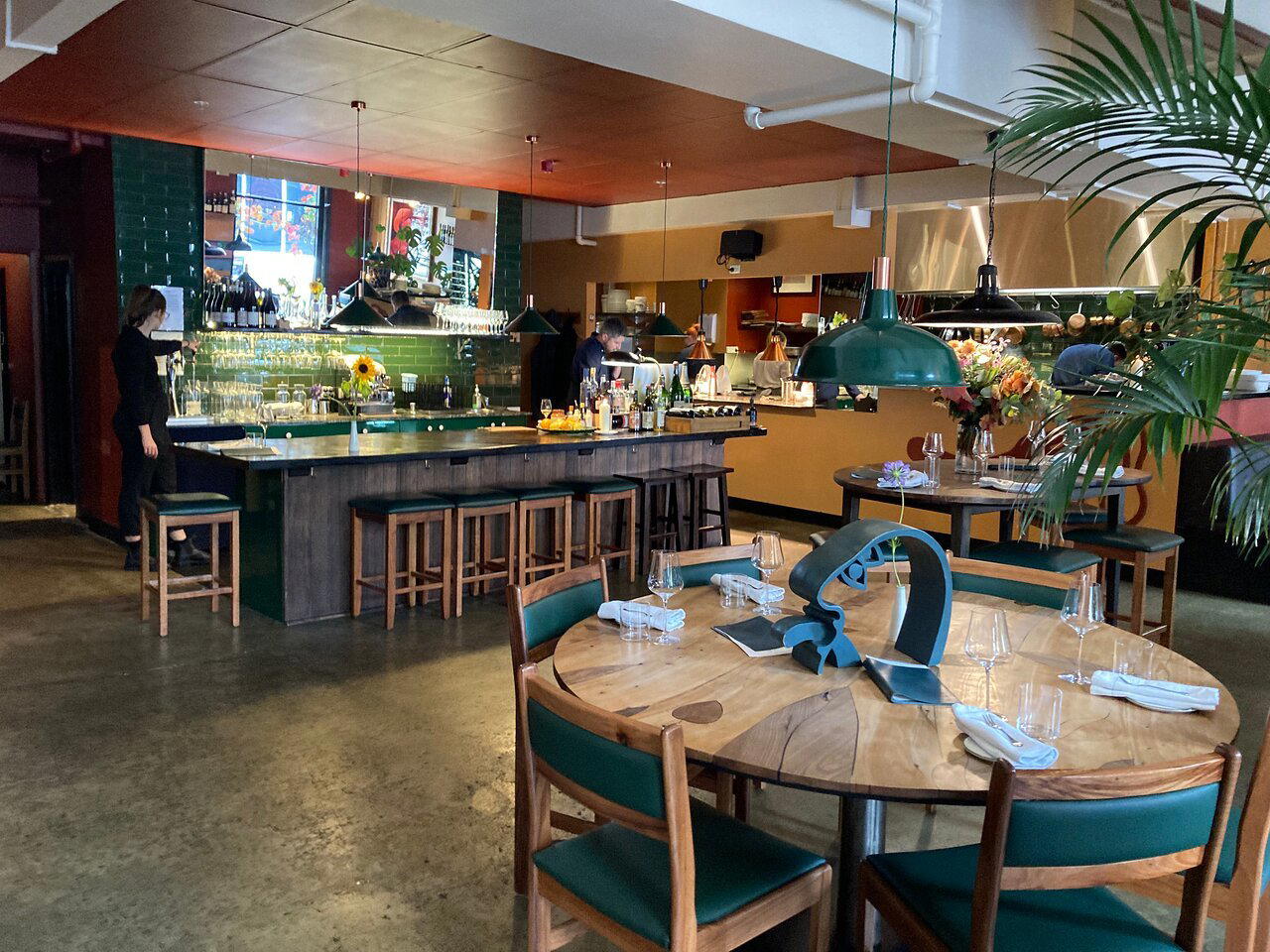
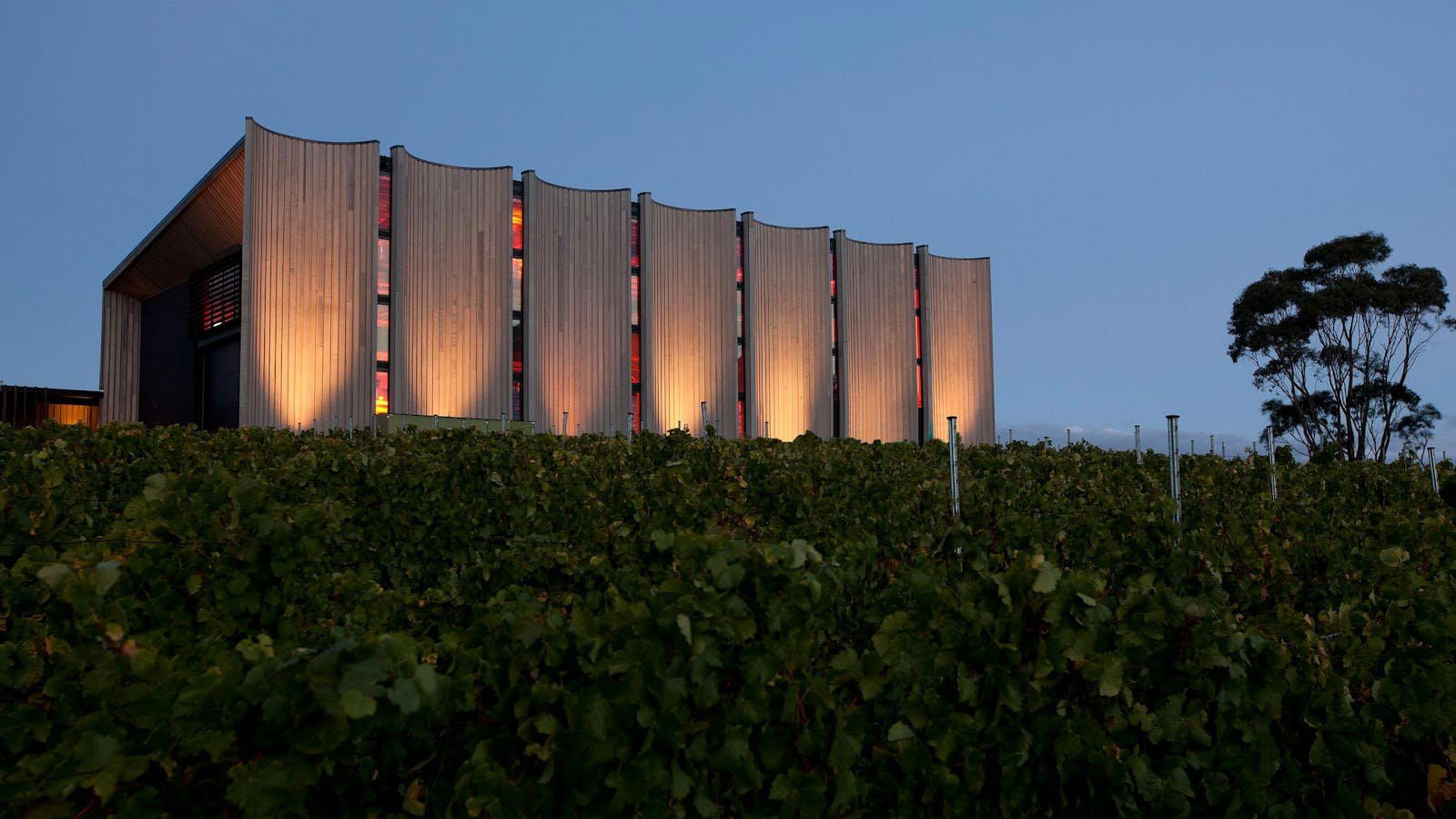
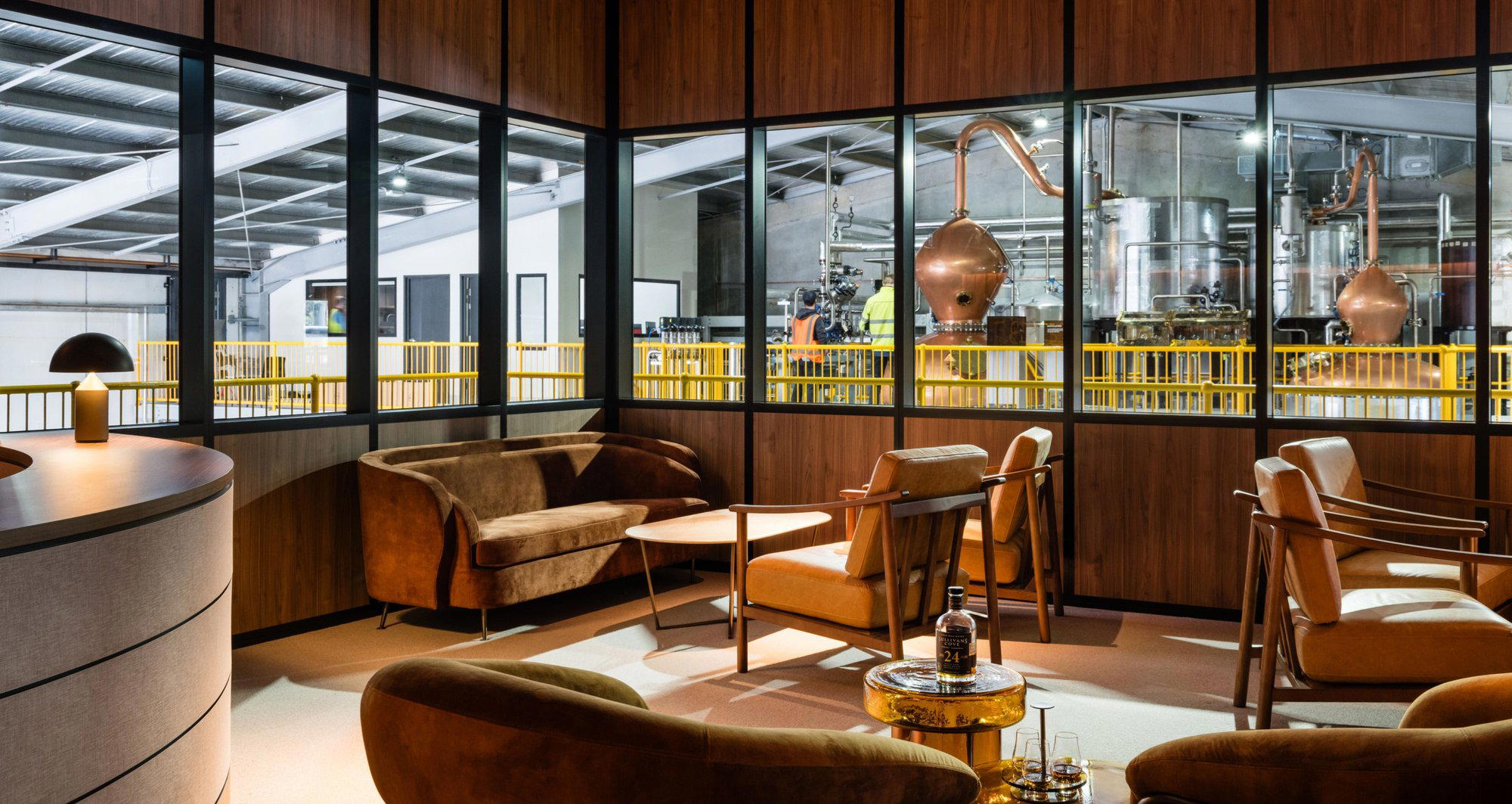
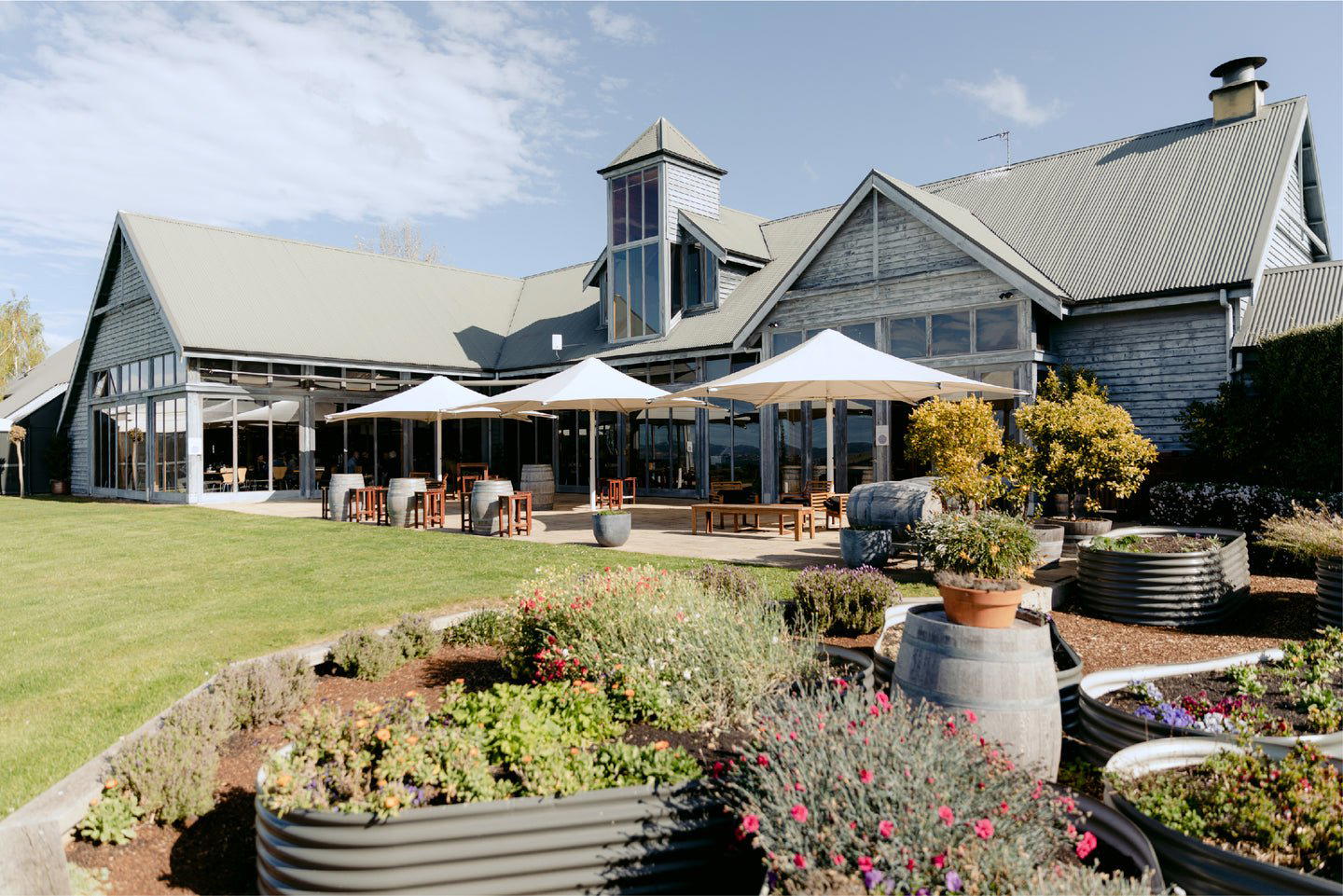
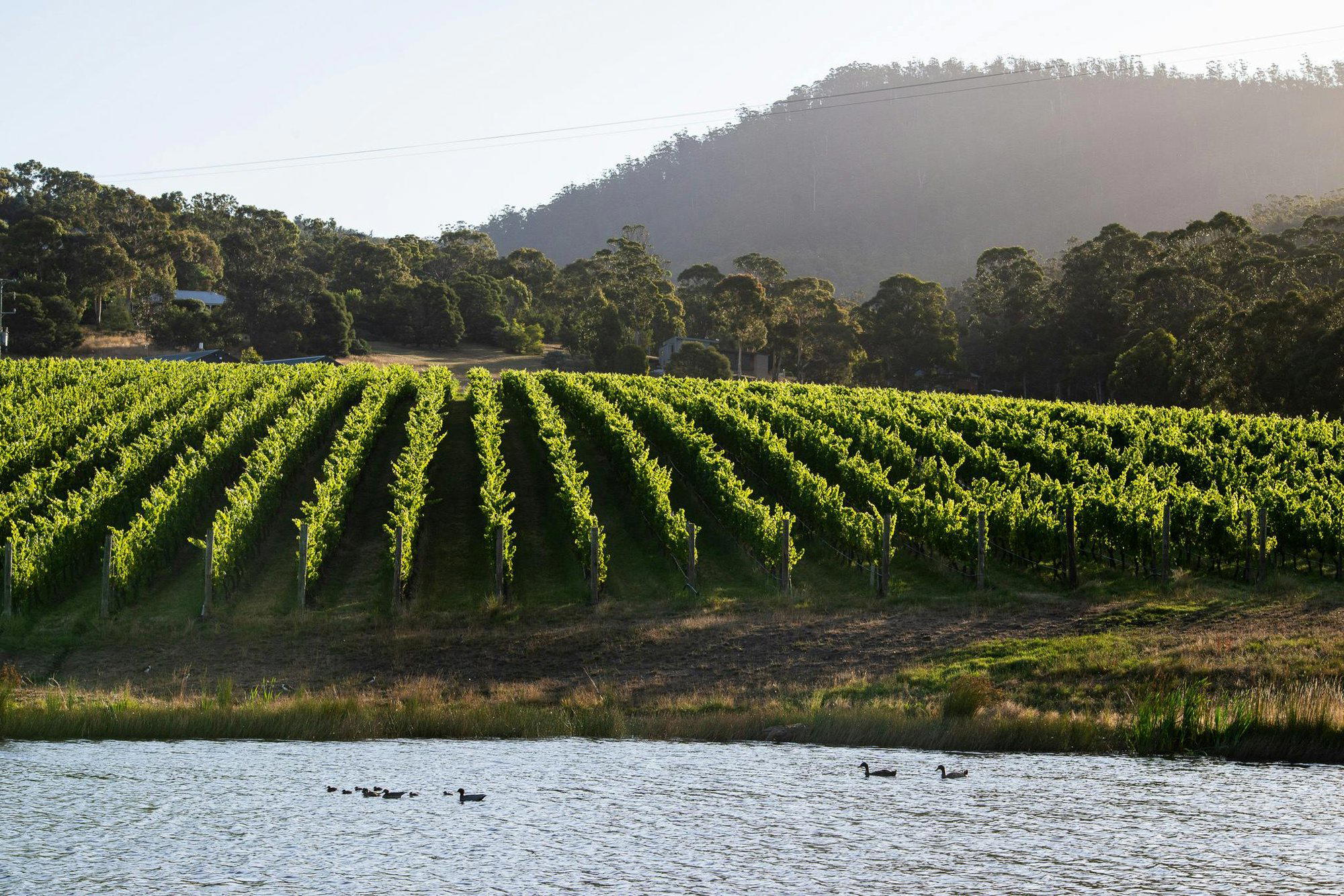
Franklin Bar & Restaurant
The drinks
- Natural wine
- Craft cocktails
Signature drinks: Tommy Margarita.
Details
- Rustic
- Cozy
- Lively
- Date Night
- Group Outing
- Casual Hangout
- Waterfront
- Seated Bar
- Outdoor Terrace
- Natural Wine
- Craft Cocktails
- Waterfront
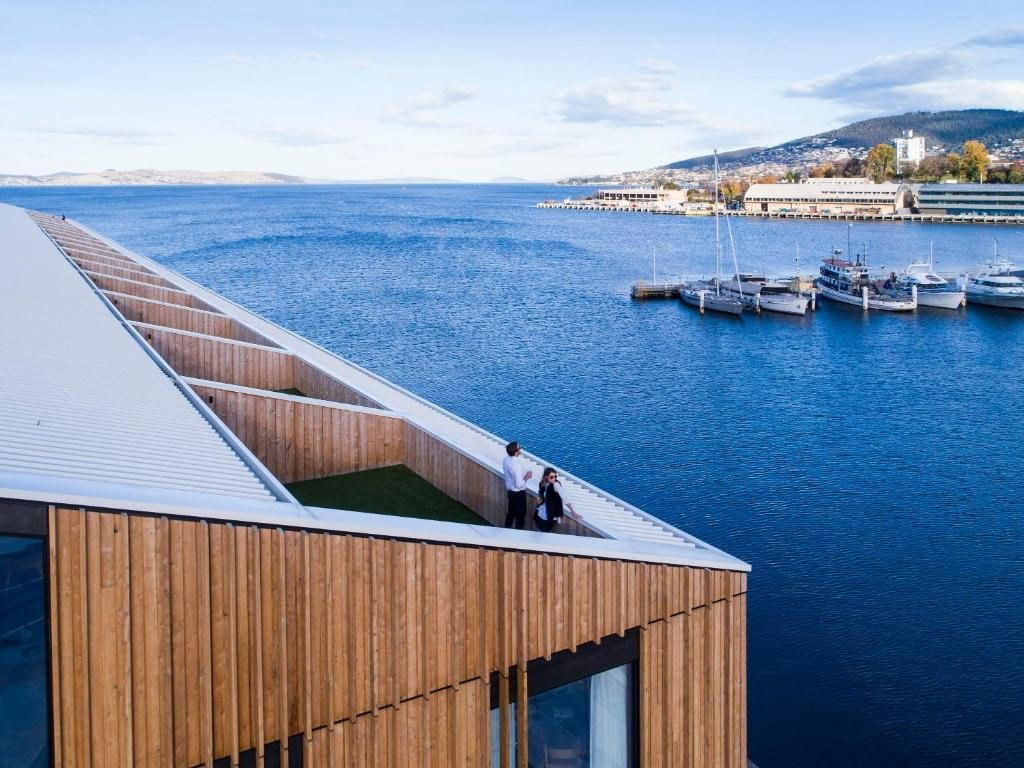
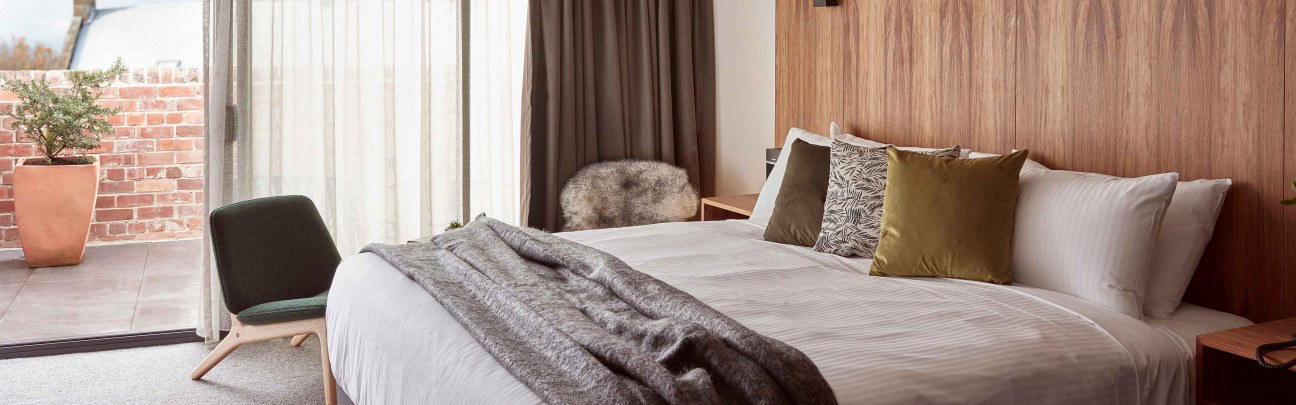
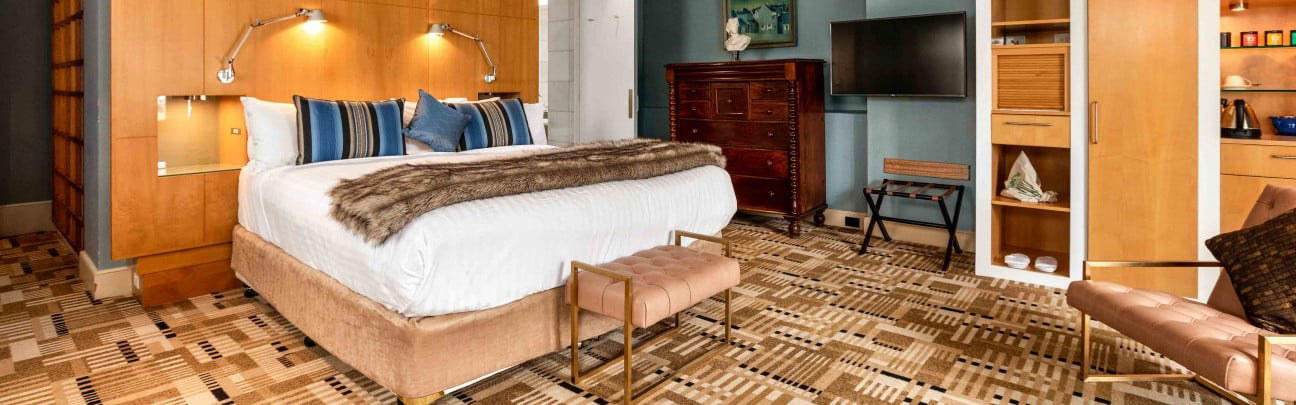
Inviting contemporary space with rich lighting, wooden elements, and nautical theme overlooking the harbor.