Cafe Belgique
Cafe Belgique occupies a narrow brown café on Gravenstraat, two minutes from Dam Square, and pulls a crowd that knows its Belgian beer list rather than its postcode. The selection runs well beyond the usual Leffe and Hoegaarden shortcuts, leaning toward abbey ales and seasonal specials that reward regular visits. It sits in the older, less polished tier of Amsterdam's bar scene — unpretentious, consistent, and worth finding.
Pearl is the En Primeur Club membership app — saves, bookings, and concierge access live there. Same editors, same standards.
- Address
- Gravenstraat 2, 1012 NM Amsterdam, Netherlands
- Phone
- +31 20 625 1974
- Website
- cafebelgique.nl
- Directions
- Get directions
 Saves & bookings on Pearl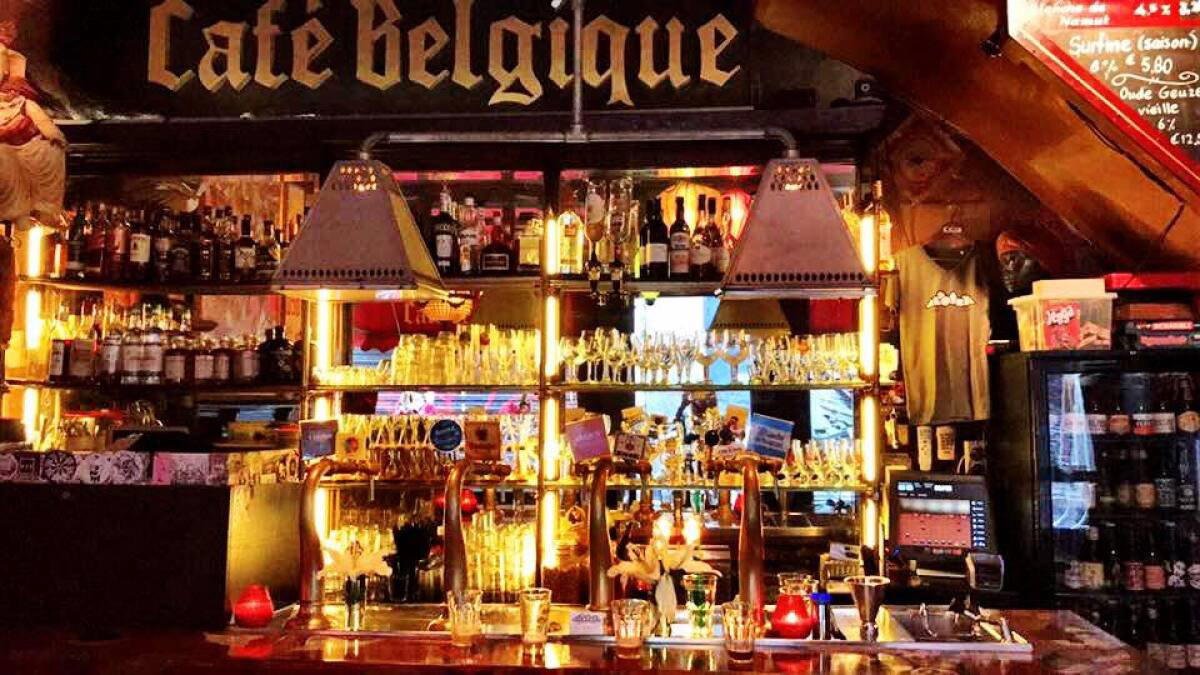
The Brown Café Tradition and Where Cafe Belgique Sits Within It
Amsterdam's brown cafés — bruine kroegen — have a specific grammar: dark wood, low ceilings, a tolerance for long evenings, and a bar staff that treats pacing as a skill. The form dates to the 17th century and survives in pockets of the city that have resisted the turn toward cocktail theatrics and curated wine lists. Gravenstraat 2, a narrow street running off Nieuwezijds Voorburgwal near Dam Square, is one of those pockets. Cafe Belgique operates in that tradition while tilting it toward Belgian brewing culture, which gives it a distinct position inside the older end of Amsterdam's bar spectrum.
That distinction matters in a city where the Belgian beer category has largely been flattened into a handful of recognisable tap lines. The bars that take the category seriously, stocking abbey ales, farmhouse styles, and seasonal releases from smaller producers, occupy a smaller tier, and Cafe Belgique belongs there. It is not the kind of place that announces itself with a sign you can read from a distance. The entrance is small, the interior continues the compressed proportions of the building, and the experience rewards knowing why you came rather than stumbling in off Damrak.
The Room and What It Communicates
The physical environment at Cafe Belgique does the editorial work that most bars try to achieve with branding. The ceiling is low, the timber has the patina that comes from age rather than design intent, and the light levels sit at the level where conversation becomes the default activity. These are the conditions that define the bruine kroeg form at its most functional: a room built for staying, not for spectating.
For a visitor arriving from the direction of Dam Square, a five-minute walk at most, the shift in register is immediate. The tourist infrastructure of the central city gives way quickly on Gravenstraat, and Cafe Belgique sits close enough to the centre to be convenient while feeling genuinely local in character. That positioning, close to the city's most visited square but operating at a different frequency entirely, is part of what defines the experience.
Belgian Beer as a Serious Category
Belgium produces more distinct beer styles per square kilometre than almost any other country in the world, and its abbey brewing tradition, Trappist and otherwise, represents one of the few remaining cases where monastic production methods have direct commercial descendants. The country's farmhouse ales (saison and bière de garde) and its strong golden and dark ales each carry specific technical profiles that diverge sharply from the lager-centred defaults of most European bar lists.
In Amsterdam, the gap between bars that acknowledge Belgian beer and bars that actually programme it thoughtfully is wider than it should be in a city with this level of drinking culture. Cafe Belgique operates on the programming side of that gap. If you arrive expecting a cocktail operation or a wine-led list, you are in the wrong room; if you arrive knowing what a well-kept Westmalle Tripel or a seasonal gueuze tastes like on draught, you are in the right one.
How the Bar Fits Amsterdam's Broader Drinking Scene
Amsterdam's bar scene has developed along several distinct lines in recent years. The cocktail end of the market has produced genuinely serious operations: Door 74 runs a reservation-led programme that competes with international bar lists, while Tales & Spirits has built a reputation for technically grounded, spirits-focused work. At the more casual, community-oriented end, Amsterdam Roest occupies a different register entirely, outdoor, seasonal, event-driven. And for daytime drinking culture, Bakers & Roasters covers the brunch and coffee end of the spectrum.
Cafe Belgique does not compete with any of these directly. It belongs to a category that runs parallel to the cocktail renaissance: the specialist beer bar with a fixed identity and a repeat-visitor model. That model tends to produce a different kind of staff-to-guest relationship, one built on familiarity with the list rather than on performance or theatre. The team dynamic at a bar like this is less about front-of-house choreography and more about quiet, confident product knowledge: knowing which beer to recommend for the weather, the time of day, or the mood. That kind of service is harder to see than a tableside preparation or a garnish ritual, but it is no less skilled.
Planning Your Visit
Cafe Belgique is located at Gravenstraat 2, 1012 NM Amsterdam, a short walk from Dam Square and within easy reach of the main tram lines that serve the city centre. For visitors already exploring Amsterdam's bar circuit, it pairs logically with the cocktail-focused venues nearby, as a shift in register rather than a like-for-like comparison. For those travelling more widely in the Netherlands, the Dutch bar and café scene extends well beyond Amsterdam: Florin Utrecht in Utrecht and Brasserie Lalou in Delft represent the café and brasserie tradition in other Dutch cities, while Bowie in The Hague and Café Barolo in Eindhoven extend the picture further. Further afield, Espressobar Kopi Soesoe in Rotterdam shows how the Netherlands handles the coffee-bar format with its own distinct character.
For a fuller sense of where Cafe Belgique sits within Amsterdam's drinking and dining scene, the full Amsterdam guide maps the city's options across categories and price points. For those with a broader appetite for travel, Boode Foodbar in Bathmen and Bar Leather Apron in Honolulu offer points of comparison across very different hospitality contexts.
No booking infrastructure is available for Cafe Belgique, which aligns with the walk-in model typical of the bruine kroeg format. Capacity is limited by the building's proportions, so evenings and weekend afternoons are the periods most likely to test the room. Arriving in the late afternoon on a weekday offers the leading conditions for unhurried drinking and conversation with the bar team about what is currently on the list.
Cost and Credentials
| Venue | Price |
|---|---|
| Cafe BelgiqueThis venue — the venue you are viewing | This venue |
| Door 74 | World's 50 Best |
| Tales & Spirits | World's 50 Best |
Continue exploring
More in Amsterdam
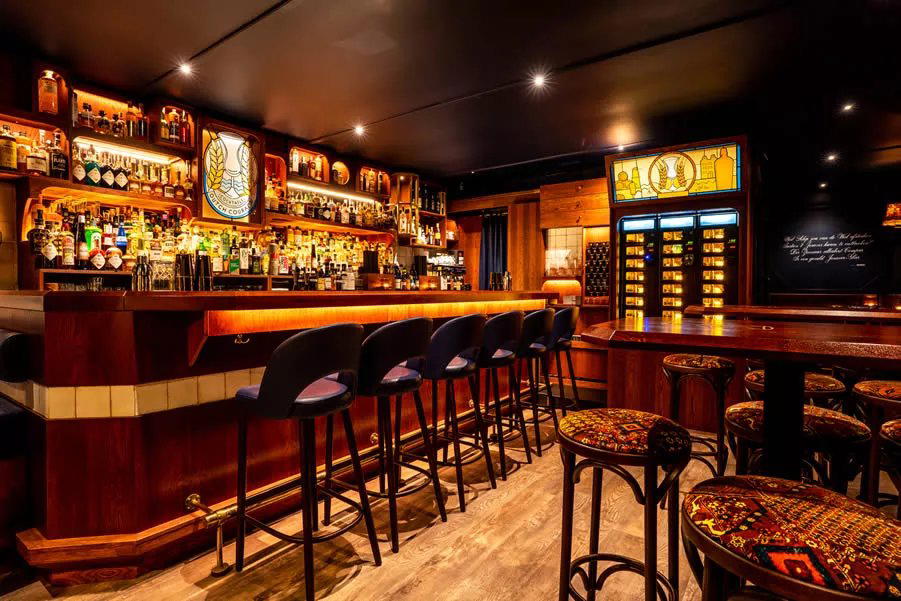
Bars in Amsterdam
Browse all →
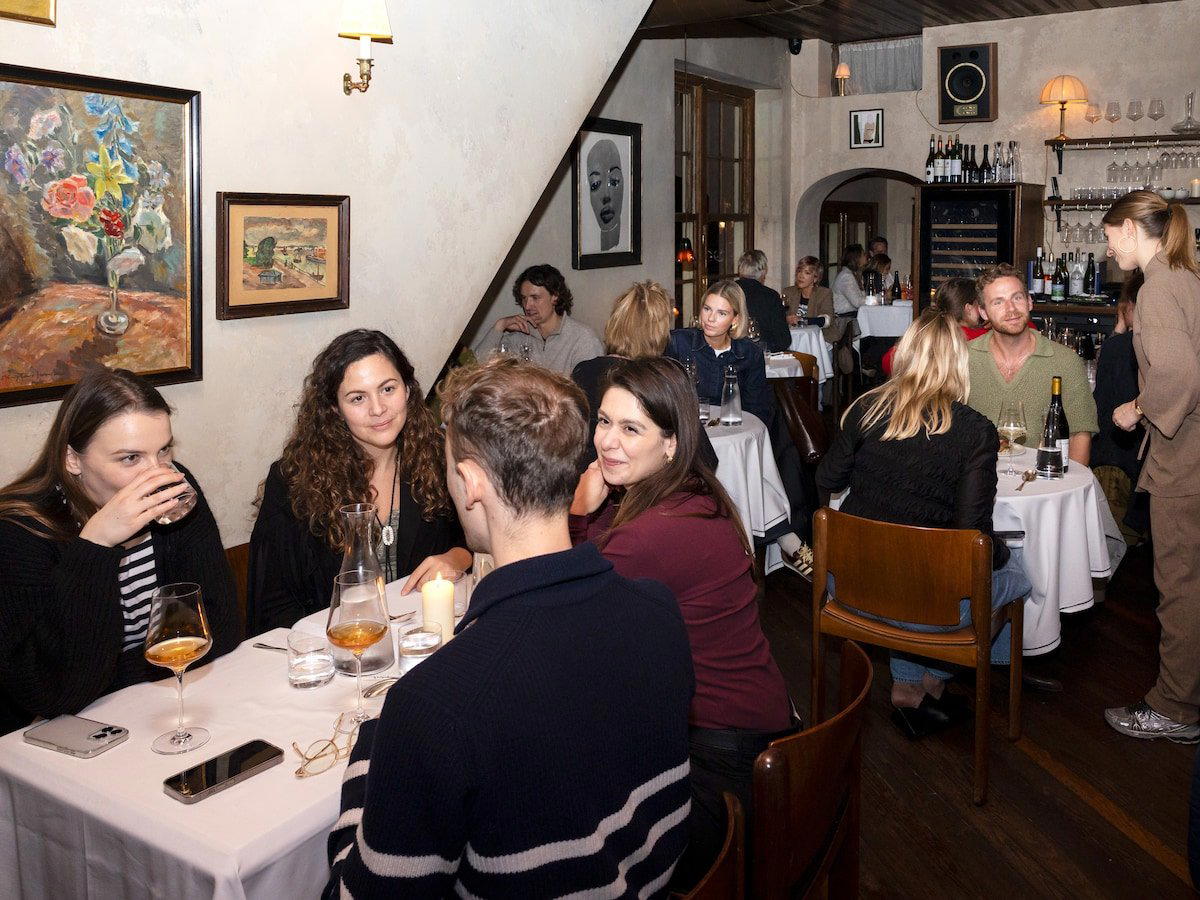
Restaurants in Amsterdam
Browse all →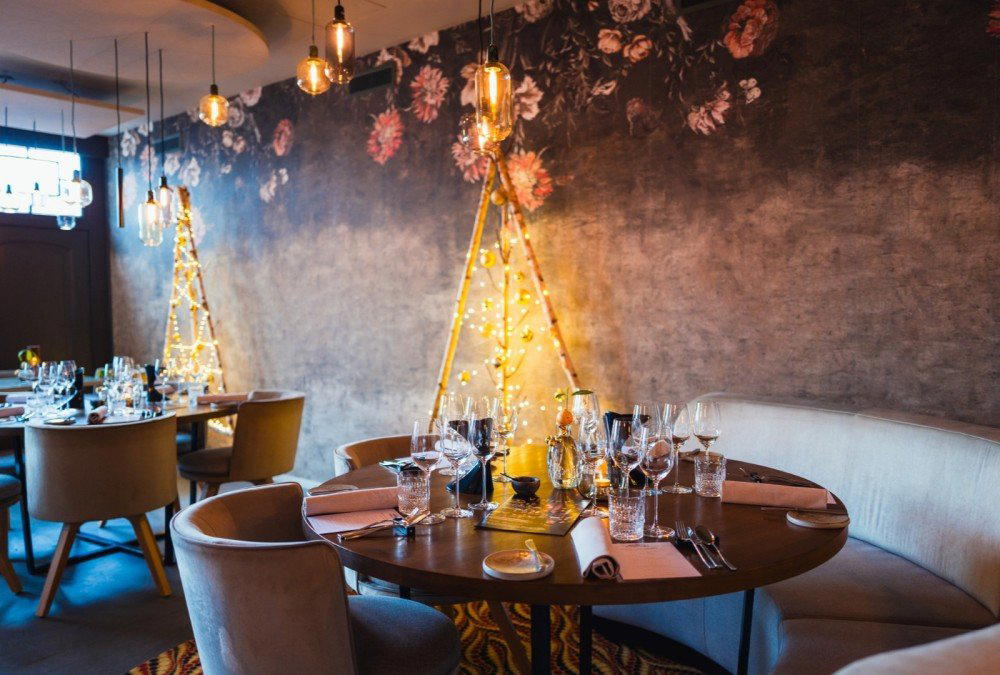
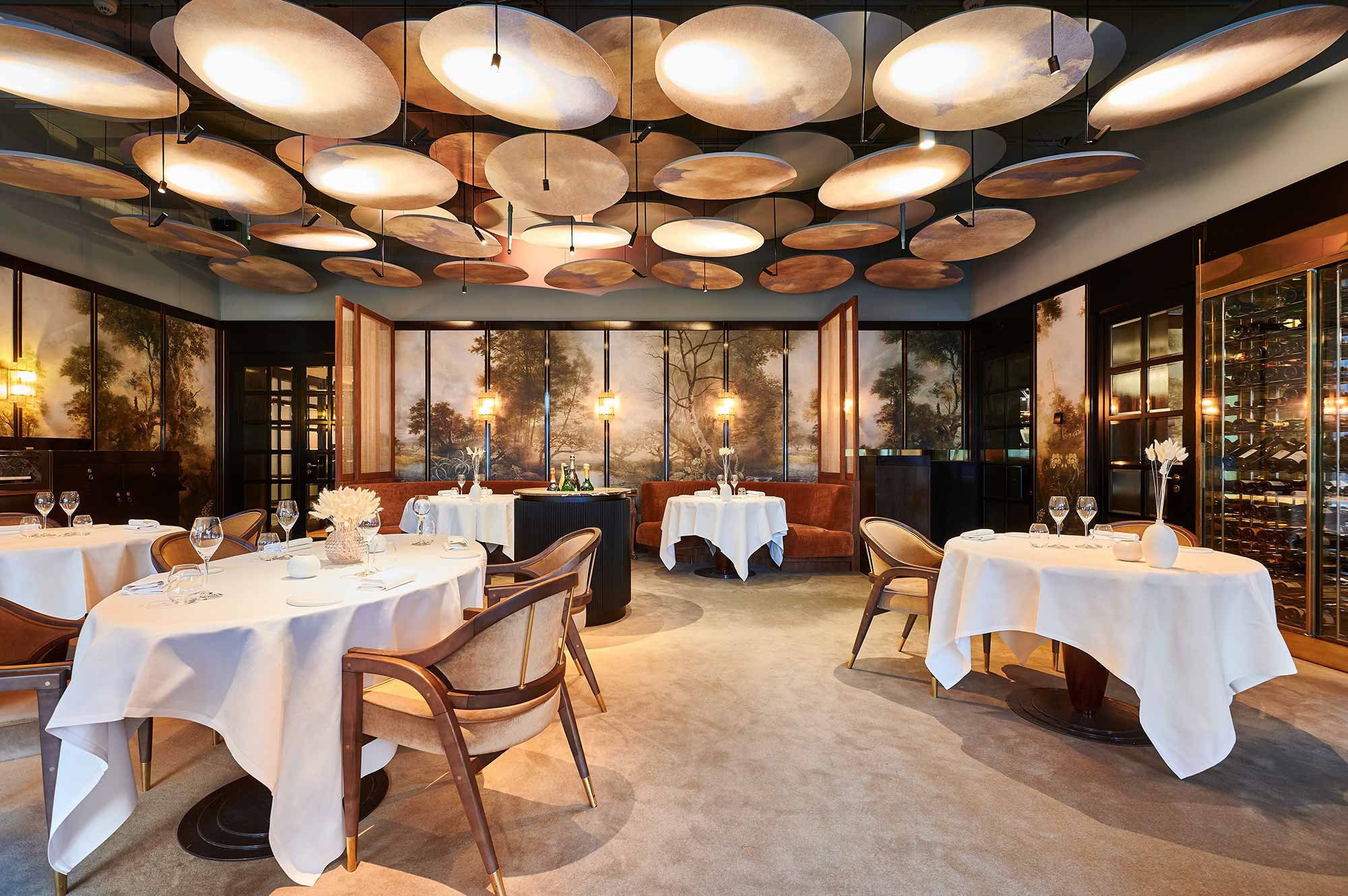
Hotels in Amsterdam
Browse all →
Wineries in Amsterdam
Browse all →
At a Glance
- Cozy
- Rustic
- Intimate
- Bohemian
- Casual Hangout
- After Work
- Solo
- Standalone
- Counter Only
- Standing Room
- Seated Bar
- Craft Beer
- Craft Cocktails
Current opening hours
- Monday
- 4 PM–1 AM
- Tuesday
- 4 PM–1 AM
- Wednesday
- 4 PM–1 AM
- Thursday
- 4 PM–1 AM
- Friday
- 1 PM–2 AM
- Saturday
- 1 PM–2 AM
- Sunday
- 3 PM–1 AM
Hours can change for holidays and private events. Last verified .
Know Before You Go
- Getting there
- Gravenstraat 2, 1012 NM Amsterdam, Netherlands