The Papeneiland
One of Amsterdam's most storied brown cafes, The Papeneiland occupies a corner position on Prinsengracht that has anchored the Jordaan's drinking culture for generations. The tiled interior, Dutch gin list, and canal-facing windows place it firmly within the city's tradition of neighbourhood-level hospitality — unhurried, unadorned, and worth the detour.
Pearl is the En Primeur Club membership app — saves, bookings, and concierge access live there. Same editors, same standards.
- Address
- Prinsengracht 2, 1015 DV Amsterdam, Netherlands
- Phone
- +31 20 624 1989
- Website
- papeneiland.nl
- Directions
- Get directions
 Saves & bookings on Pearl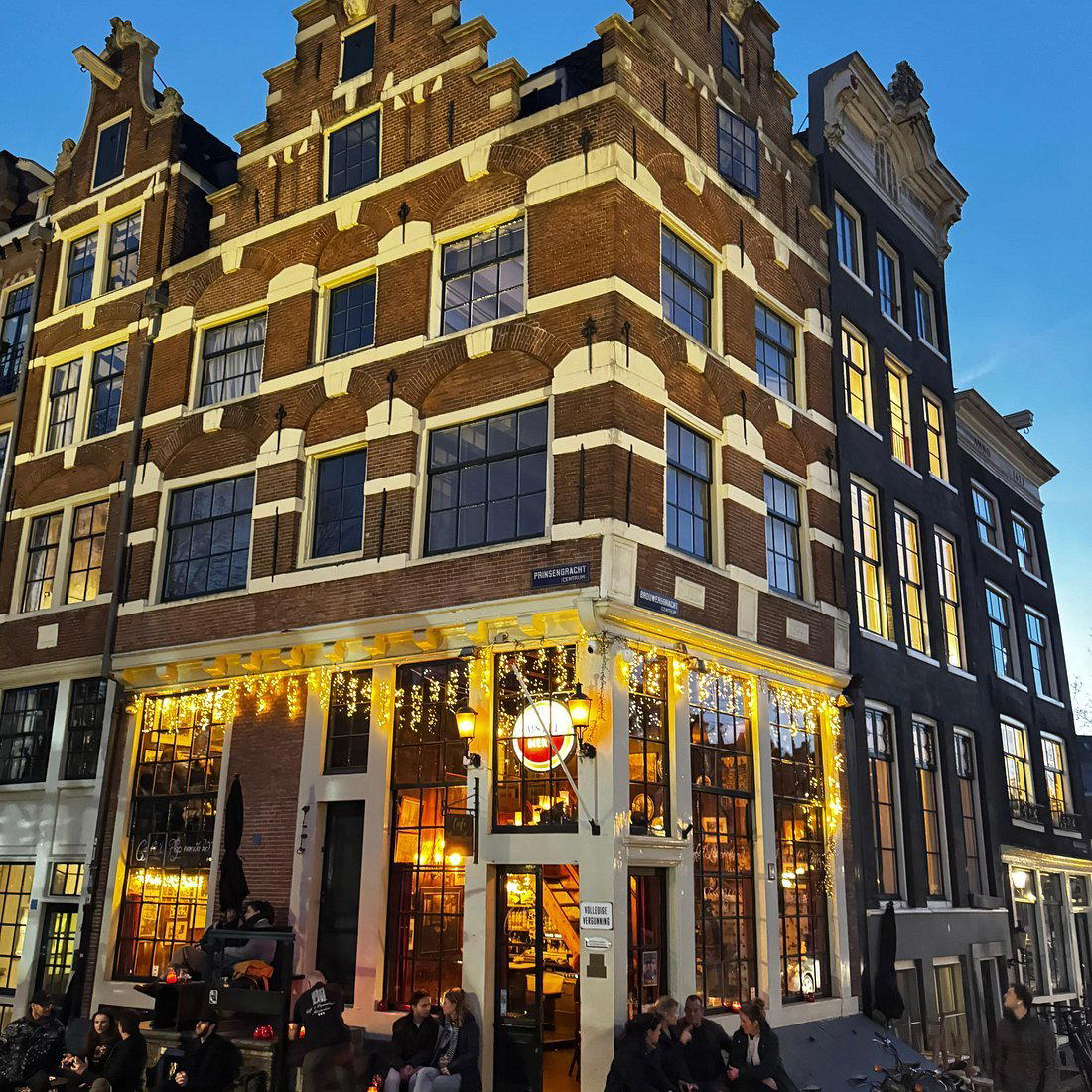
A Corner of the Jordaan That Time Has Argued With, and Lost
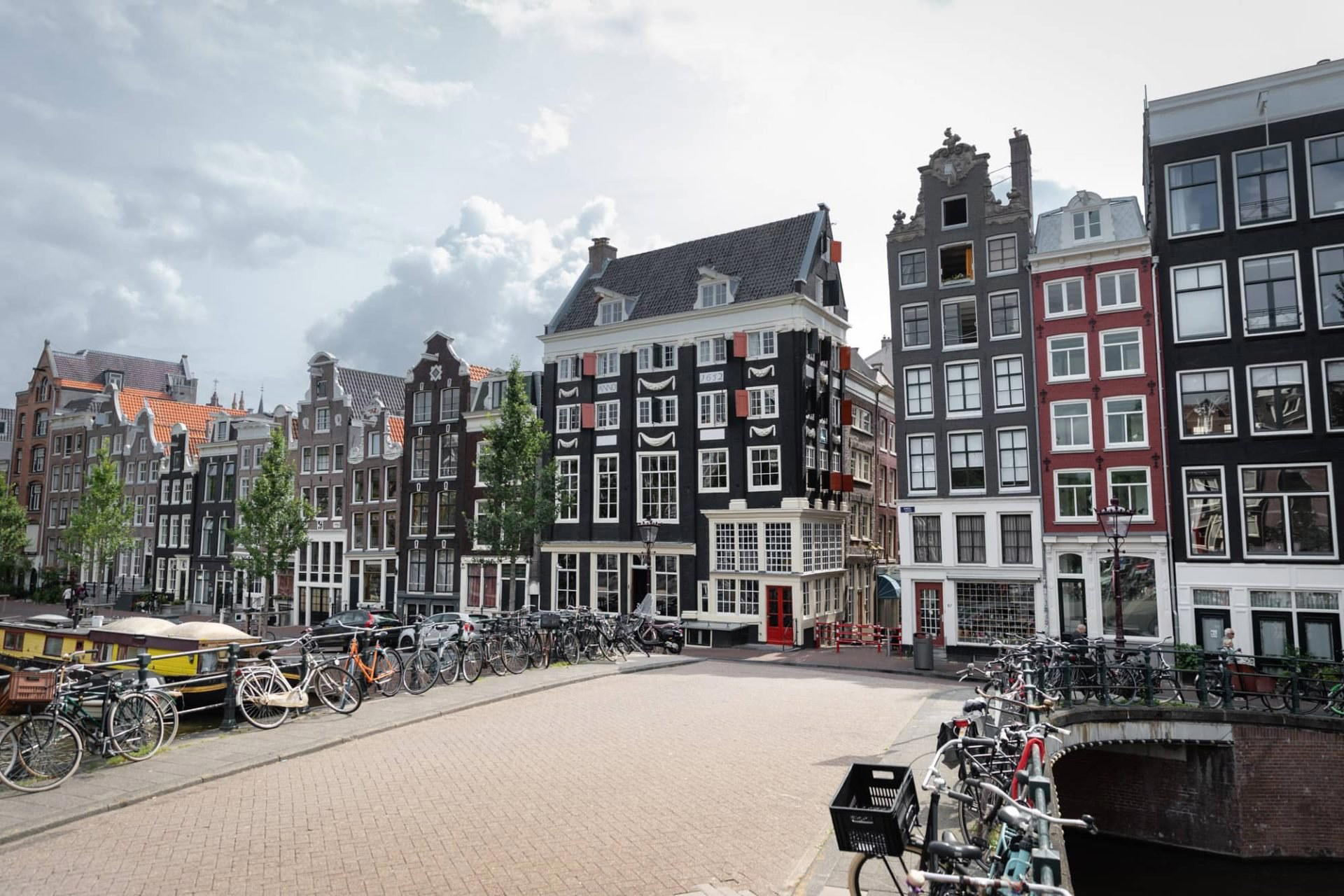
Approach Prinsengracht from the north and The Papeneiland announces itself by position before it does by signage: a corner building at the junction of canal and side street, its facade the kind of faded-brick amber that Amsterdam's Jordaan district seems to produce as a natural material. There is no queue-management rope, no ambient DJ, no doorman. The entrance is what it has always been — a low door, a step down, and the immediate warmth of a room that has not been dramatically redesigned to signal its own age. The age is simply there.
Brown cafes, or bruine kroegen, are one of the more legible categories in Dutch hospitality: dim interiors, tobacco-stained ceilings (historically, at least), a beer tap and a genever bottle, and the implicit understanding that the hours you spend here are yours to use as you see fit. Within that category, The Papeneiland sits at the heritage end, where the interior itself functions as the primary credential. The tiled Delft-style panels on the walls, the old wooden bar, and the canal windows are not decorative choices made by a recent owner reaching for authenticity. They are the building's accumulated record.
What You Drink Here and Why It Matters
Dutch drinking culture in a traditional bruine kroeg moves along a fairly fixed axis: jenever (Dutch gin, served in a small tulip glass, poured to the brim so you must lean in for the first sip), cold draft beer (typically lager), and the occasional kopstoot — a beer and jenever combination that functions as the local equivalent of a boilermaker. These are not cocktail venues. The bar at The Papeneiland does not operate as a technique-forward program in the way that Amsterdam's more contemporary cocktail addresses do.
That distinction matters when you are deciding where to spend an evening in the Jordaan. Amsterdam's cocktail scene has developed considerably over the past decade. Door 74 operates a serious reservation-based program that brought international attention to the city's technical bar culture. Tales & Spirits occupies a similar tier, where house-made ingredients and structured menus define the offer. Those venues are doing something categorically different from The Papeneiland, and the comparison is instructive rather than competitive: one tradition is about craft elaboration, the other is about cultural continuity.
At The Papeneiland, the recommendation that circulates most consistently is the jenever, served straight in the traditional manner. Older Dutch distilleries produce oude jenever, the maltier, more grain-forward style, and a bruine kroeg of this standing is the appropriate setting in which to encounter it. This is not a drink to order as a novelty. It is the drink the building was designed around.
The Arc of an Afternoon or Evening Here
The editorial angle of a tasting progression applies differently to a brown cafe than it does to a tasting-menu restaurant, but the arc is still present. It begins at the door, with the sensory shift from canal air to interior warmth. It continues with the first drink, which in this setting functions as an orientation, you are reading the room, watching who is there, and deciding how long you intend to stay. The middle of the visit is the conversation, or the book, or the observation of the street through the canal windows. The end is another round, or not, and a walk along the water.
This is not a stripped-down experience by accident. The bruine kroeg tradition is premised on the idea that a drinking establishment should remove the pressure of spectacle and replace it with duration. You are not meant to consume and exit. The pacing is the offer. In that sense, The Papeneiland is functioning exactly as the category intends, and the Jordaan setting amplifies this. The neighbourhood's residential density and relative quiet compared to the Red Light District or Leidseplein make it a plausible place to spend two or three hours without the feeling of missing something more urgent.
Where It Sits in Amsterdam's Wider Drinking Ecology
Amsterdam's bar scene in 2024 splits across several distinct registers. The canal-belt heritage venues like The Papeneiland carry institutional weight but are not driving the international press attention that newer, format-forward bars attract. The craft beer movement has produced venues such as [Amsterdam Roest](), which occupies a different demographic and aesthetic register entirely. The specialty coffee and all-day cafe tier, represented by places like [Bakers & Roasters](), has pulled younger visitors away from the afternoon brown cafe ritual.
Within the Netherlands more broadly, the bar culture fragments further by city. Florin Utrecht operates in Utrecht's historic center with its own heritage positioning. Brasserie Lalou in Delft and Bowie in The Hague each represent how different Dutch cities are handling the intersection of heritage venue culture and contemporary hospitality expectations. Café Barolo in Eindhoven and Boode Foodbar in Bathmen show how even smaller Dutch cities maintain serious local drinking institutions. Further afield, [Espressobar Kopi Soesoe]() in Rotterdam demonstrates the degree to which Dutch cafe culture extends beyond the Amsterdam frame.
The Papeneiland does not need to compete with any of these. Its position is secured by duration rather than novelty. The building at Prinsengracht 2 has been operating in some form as a drinking establishment for long enough that it has outlasted entire waves of what people thought cafes should look and feel like. That is its primary credential, and it is not a fabricated one.
Planning Your Visit
The Papeneiland sits at Prinsengracht 2, at the northern edge of the Jordaan, a short walk from the Anne Frank House and reachable on foot from most central Amsterdam accommodation in under twenty minutes. It is accessible by tram along the canal belt, and the Jordaan is a neighbourhood where you will almost certainly arrive having already walked past several reasons to stop. Timing matters: afternoons on weekdays are the quietest, and the canal light through the front windows in the late afternoon is one of the more underrated atmospheric details in Amsterdam's interior drinking scene. Weekends bring heavier foot traffic from tourists who have found the venue through the same heritage channels that make it worth visiting. There are no reservations, you arrive and you find a seat, or you wait briefly at the bar.
For the wider Amsterdam context, including how The Papeneiland connects to the city's restaurants and other drinking venues, see our full Amsterdam restaurants guide. For those extending a Dutch trip further, Bar Leather Apron in Honolulu offers an interesting international counterpoint, a precision cocktail bar at the opposite end of the formality and geography spectrum from the Jordaan's brown cafe tradition.
Cuisine and Recognition
A quick peer reference to anchor this venue in its category.
| Venue | Awards |
|---|---|
| The PapeneilandThis venue — the venue you are viewing | Not listed |
| Door 74 | World's 50 Best |
| Tales & Spirits | World's 50 Best |
Continue exploring
More in Amsterdam
Bars in Amsterdam
Browse all →
Restaurants in Amsterdam
Browse all →
Hotels in Amsterdam
Browse all →
Wineries in Amsterdam
Browse all →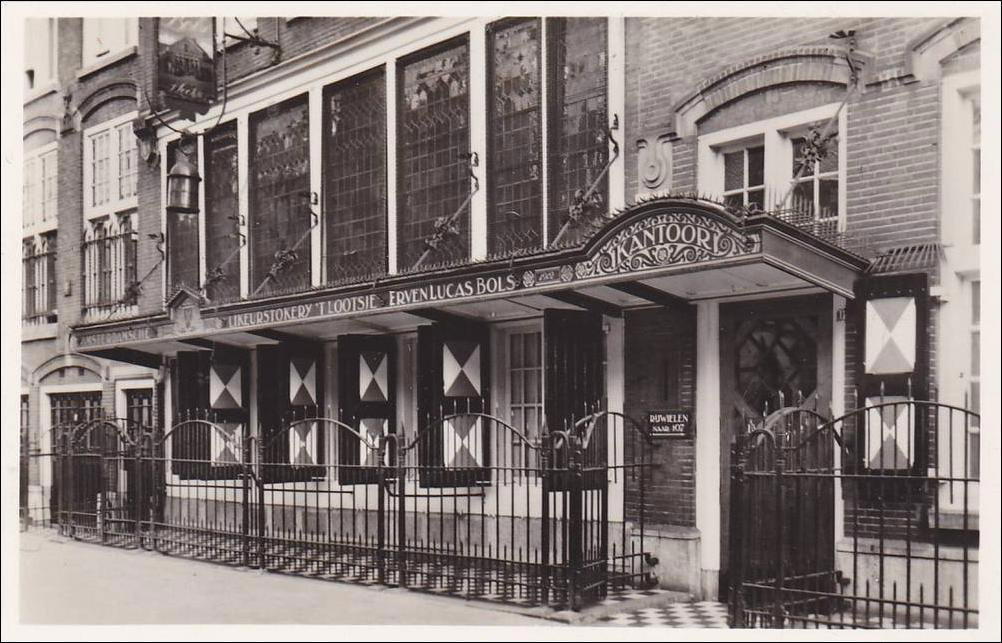
At a Glance
- Cozy
- Classic
- Well Known
- Quiet
- Rustic
- Casual Hangout
- Group Outing
- After Work
- Historic Building
- Waterfront
- Standalone
- Seated Bar
- Lounge Seating
- Outdoor Terrace
- Craft Beer
- Classic Cocktails
- Waterfront
- Street Scene
Current opening hours
- Monday
- 10 AM–1 AM
- Tuesday
- 10 AM–1 AM
- Wednesday
- 10 AM–1 AM
- Thursday
- 10 AM–1 AM
- Friday
- 10 AM–3 AM
- Saturday
- 10 AM–3 AM
- Sunday
- 12 PM–1 AM
Hours can change for holidays and private events. Last verified .
Warm, atmospheric interior with wood-paneled walls, leaded glass windows, and Delft tiles creating a timeless 17th-century ambiance; no background music allows for quiet conversation.
Know Before You Go
- Getting there
- Prinsengracht 2, 1015 DV Amsterdam, Netherlands