Café Heuvel B.V.
A canal-side café on Prinsengracht, Café Heuvel occupies a stretch of Amsterdam's waterway where brown café culture and neighbourhood drinking have defined the street for generations. The address places it within easy reach of the Jordaan's informal dining corridor, making it a reference point for understanding how Amsterdam's everyday hospitality tradition operates alongside the city's more polished bar scene.
Pearl is the En Primeur Club membership app — saves, bookings, and concierge access live there. Same editors, same standards.
- Address
- Prinsengracht 568, 1017 KR Amsterdam, Netherlands
- Phone
- +31 20 622 6354
- Website
- cafeheuvel.nl
- Directions
- Get directions
 Saves & bookings on Pearl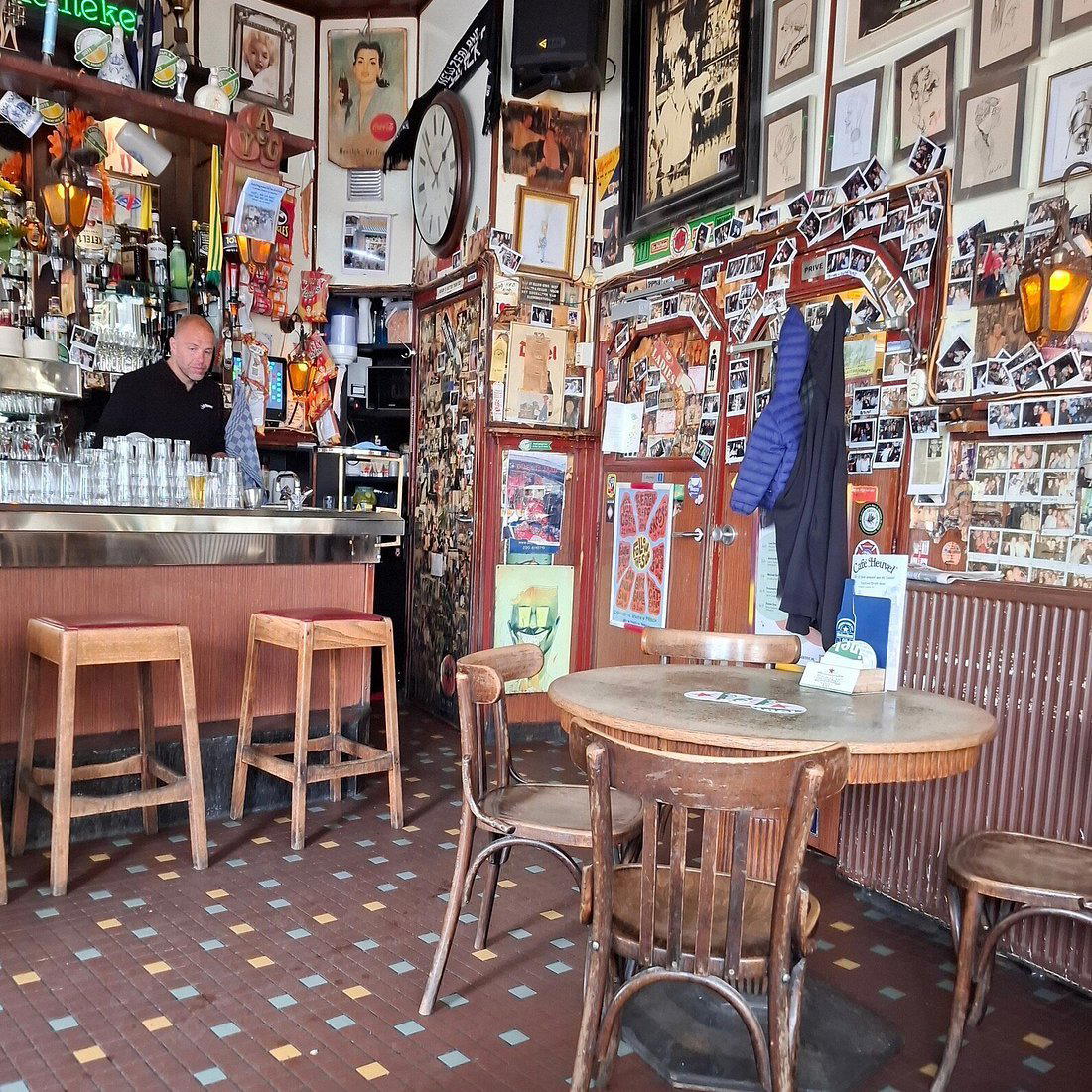
A Canal-Side Address on the Prinsengracht
The Prinsengracht is one of Amsterdam's working canals in the truest sense: broad enough for barges, lined with narrow-fronted houses that have been repurposed over centuries from merchant warehouses into residences, studios, and neighbourhood cafes. Café Heuvel sits at number 568, on a stretch of the canal that draws more locals than tourists, where the rhythm of the street is set by cyclists, delivery boats, and residents picking up coffee on their way through the Jordaan fringe. Approaching along the canal, the geometry of Amsterdam's historic centre does most of the work: the canal's reflection, the stepped gables, the particular quality of northern light on water. These are not decorations for the experience; they are the experience, and any cafe at this address inherits them by default.
The Prinsengracht Cafe Tradition
Amsterdam's brown cafe culture, the bruine kroeg, is one of the more durable hospitality formats in Northern Europe. These are not designed spaces in the contemporary sense; they accumulate character through use, through worn wooden surfaces, through the smell of coffee and, in the older establishments, tobacco absorbed into the walls over decades. The Prinsengracht corridor has supported this kind of neighbourhood cafe for a long time, and Café Heuvel occupies a position in that tradition. The canal ring's residential density means the clientele for a cafe at this address skews heavily local, with the kinds of regulars who determine a place's actual character rather than its aspirational one.
Within Amsterdam's broader cafe and bar scene, the Prinsengracht addresses occupy a different competitive space from the high-concept cocktail programs operating further east. Venues like Door 74 and Tales & Spirits have built international reputations on technical cocktail menus and structured formats. A neighbourhood cafe on the Prinsengracht is answering a different question: not what can be done with a cocktail, but what a local drinking and coffee culture actually looks like when it is not performing for an audience.
Sustainability and the Neighbourhood Cafe Format
The sustainability conversation in Amsterdam's hospitality sector has moved well beyond token gestures. The city's cafe culture, particularly in residential canal-side districts, is shaped by proximity: suppliers are local, waste is visible, and the communities these venues serve are the same ones affected by sourcing decisions. For a canal-side address on the Prinsengracht, the logic of ethical sourcing is partly structural. The canal itself is a reminder that urban ecosystems are not abstract; the water quality, the barge traffic, the fish in the canal are all connected to how businesses on the canal's edge operate.
Across Amsterdam, the cafes and bars that have built durable neighbourhood reputations tend to share a common approach: shorter supply chains, less waste, and formats that do not require the kind of high-volume throughput that drives corner-cutting. The bruine kroeg format, with its emphasis on modest portions, quality coffee, and beer served properly rather than quickly, is inherently low-waste compared to high-turnover tourist-facing formats. A place like Amsterdam Roest has demonstrated that sustainability framing and neighbourhood credibility can coexist with scale. Smaller Prinsengracht cafes operate with different economics but the same underlying logic: the community you serve is the one you are accountable to.
The broader Netherlands hospitality scene has been moving in this direction with some speed. Bakers & Roasters built its reputation partly on sourcing transparency and a format that respects ingredients rather than overwhelming them. In Rotterdam, Espressobar Kopi Soesoe has shown that a coffee-led format with clear provenance can anchor a neighbourhood identity. These are not outliers; they represent a shift in what Dutch hospitality audiences expect from neighbourhood venues.
Amsterdam's Cafe Scene in Wider Dutch Context
Comparing Amsterdam's canal-side cafe culture to its counterparts elsewhere in the Netherlands reveals how much the city's physical structure shapes its hospitality character. Utrecht's Florin Utrecht operates in a canal city with a comparable historic centre, and the overlap in atmosphere is real, but Amsterdam's density and the specific character of its western canals produce a different kind of regulars culture. In smaller cities like Delft, venues such as Brasserie Lalou occupy a neighbourhood anchor role that a Prinsengracht cafe would recognise, even if the scale differs. Eindhoven's Café Barolo and The Hague's Bowie each demonstrate that the Dutch hospitality scene beyond Amsterdam has developed its own neighbourhood cafe vocabulary, one that is less tourist-inflected and often more focused on local sourcing and community function. Boode Foodbar in Bathmen takes this logic furthest, operating in a rural context where supply chain transparency is not a marketing position but a practical necessity.
For context on how Amsterdam's neighbourhood venues compare internationally, the conversation occasionally extends to cities with comparably strong neighbourhood bar cultures. Bar Leather Apron in Honolulu represents a very different hospitality tradition, but shares the emphasis on deliberate, community-rooted format over volume and spectacle. The contrast is instructive: what looks like restraint in one context is simply good practice in another.
Planning Your Visit
Café Heuvel is at Prinsengracht 568, 1017 KR Amsterdam, on the western canal ring between the Jordaan and the city centre. The Prinsengracht is accessible by tram from the central station, and the address sits within walking distance of the major canal ring crossings. For a neighbourhood cafe at this address, the practical advice that applies to most Amsterdam canal-side venues holds: weekday mornings and early afternoons are the calmest windows, while weekend afternoons on the Prinsengracht draw more foot traffic as visitors move through the Jordaan. Contact and booking details are not currently listed; visiting directly or checking current online listings is the most reliable approach. For a broader picture of where this address fits in Amsterdam's hospitality geography, our full Amsterdam restaurants guide covers the canal ring's key dining and drinking venues in more detail.
Continue exploring
More in Amsterdam
Bars in Amsterdam
Browse all →
Restaurants in Amsterdam
Browse all →
Hotels in Amsterdam
Browse all →
Wineries in Amsterdam
Browse all →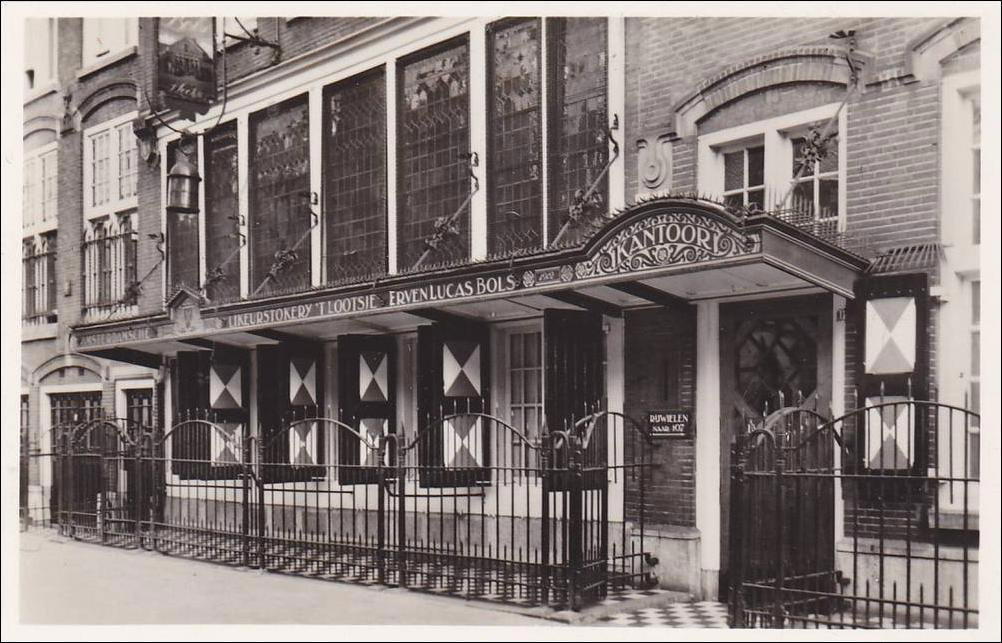
At a Glance
- Classic
- Cozy
- Well Known
- Casual Hangout
- After Work
- Historic Building
- Outdoor Terrace
- Lounge Seating
- Craft Beer
- Street Scene
Current opening hours
- Monday
- 10 AM–1 AM
- Tuesday
- 10 AM–1 AM
- Wednesday
- 10 AM–1 AM
- Thursday
- 10 AM–1 AM
- Friday
- 10 AM–2 AM
- Saturday
- 10 AM–2 AM
- Sunday
- 10 AM–1 AM
Hours can change for holidays and private events. Last verified .
Laid-back historic setting with jukebox music and scenic al fresco seating.
Know Before You Go
- Getting there
- Prinsengracht 568, 1017 KR Amsterdam, Netherlands