Waterkant
Waterkant occupies a canal-side address on Marnixstraat in Amsterdam's Jordaan-adjacent western ring, where the city's longstanding culture of outdoor drinking and low-key sociability plays out against the water. The format rewards a slow afternoon rather than a quick stop, placing it firmly in the informal, terrace-first tier of Amsterdam's bar scene.
Pearl is the En Primeur Club membership app — saves, bookings, and concierge access live there. Same editors, same standards.
- Address
- Marnixstraat 246, 1016 TL Amsterdam, Netherlands
- Phone
- +31 20 737 1126
- Website
- waterkantamsterdam.nl
- Directions
- Get directions
 Saves & bookings on Pearl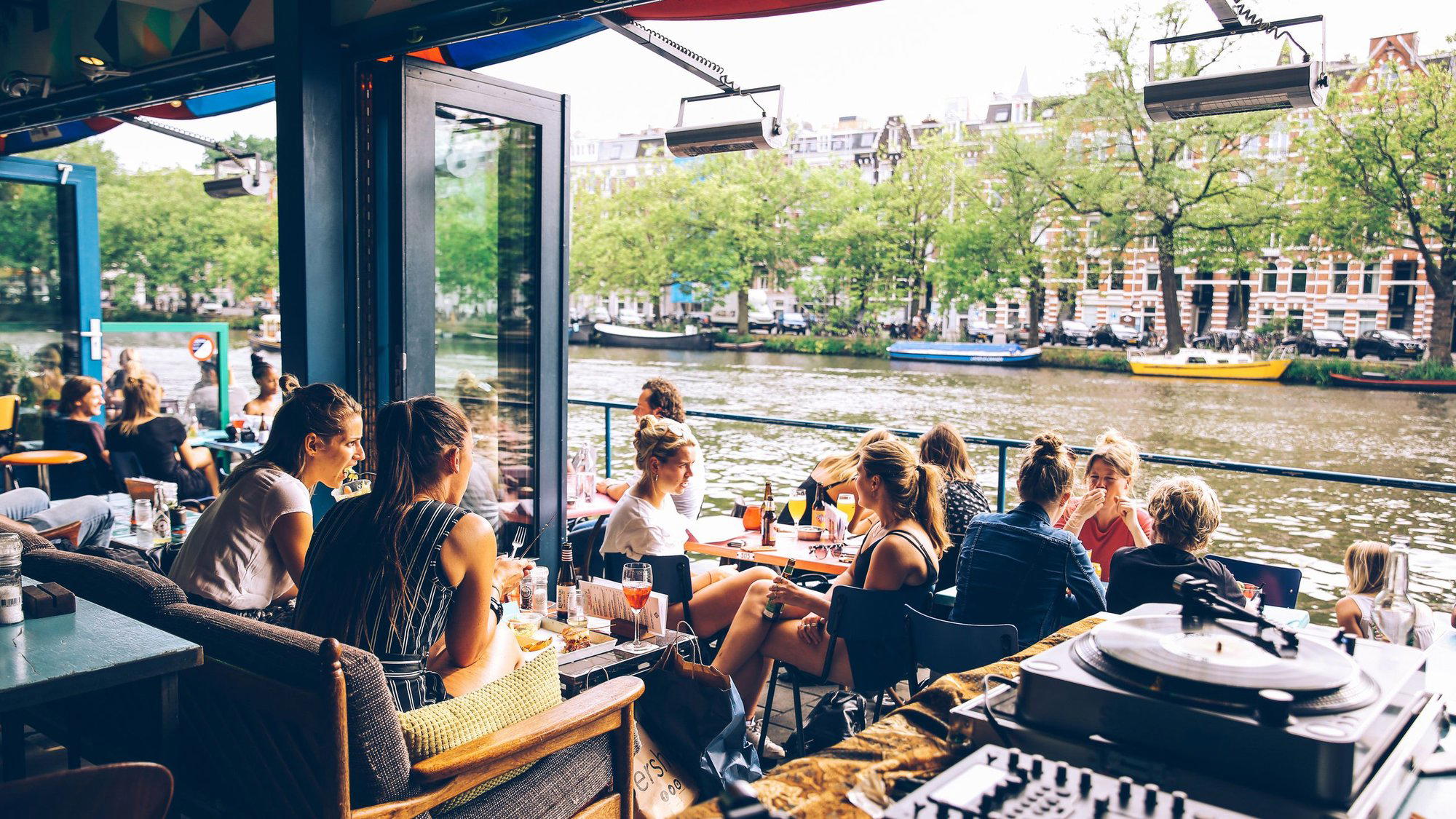
Canal Edge, No Ceremony
The western canal belt in Amsterdam does not reward impatience. Along Marnixstraat and the adjacent waterways, the dominant mode is one of deliberate deceleration: tables edging toward the water, drinks arriving without theatre, conversations allowed to stretch well past the point at which a busier city would be clearing glasses. Waterkant, at Marnixstraat 246, occupies this rhythm as naturally as any address in its postcode. The canal terrace here is not a feature bolted onto an otherwise indoor venue; it is the premise. Everything about the format points outward toward the water.
This matters because Amsterdam's bar and café culture has always organised itself around the relationship between interior and exterior. The classic brown café (bruine kroeg) drew its character from the amber light and dark wood inside; the waterfront generation of venues shifted that logic, making the view and the air the primary amenity. Waterkant belongs to the latter tradition, and that positioning shapes everything from pacing to the type of crowd it draws to the hours at which it makes most sense to visit.
How the Ritual Actually Works Here
The dining and drinking ritual at canal-side Amsterdam venues follows a logic that is worth understanding before you arrive. There is no performance of arrival, no maître d' choreography. You locate a table, you settle in, and the tempo of service adjusts to how long you intend to stay. At venues like Waterkant, this informality is not a gap in service standards; it is the standard. Amsterdammers read a venue operating on canal-terrace time as a mark of cultural fluency, not a failure of hospitality.
What this means practically: the order in which you eat and drink is more negotiable than at a formal restaurant. A round of drinks before food is the default. Food, when it arrives, tends toward the kind of plates that hold up to outdoor eating without demanding the focused attention of a tasting-menu progression. The meal is framed by the light on the water, which in the long Dutch summer evenings shifts through amber and grey over the course of several hours. Arriving at 5pm and leaving at 9pm is a reasonable account of how this kind of evening goes.
For visitors coming from formal dining backgrounds, the adjustment is one of expectation. The ritual here is horizontal rather than hierarchical. No course signals the transition to the next; no wine list demands a sommelier consultation. The intelligence of the experience is spatial and social, not culinary in the tasting-menu sense. That is not a limitation — it is what the format is designed to deliver.
Where Waterkant Sits in the Amsterdam Scene
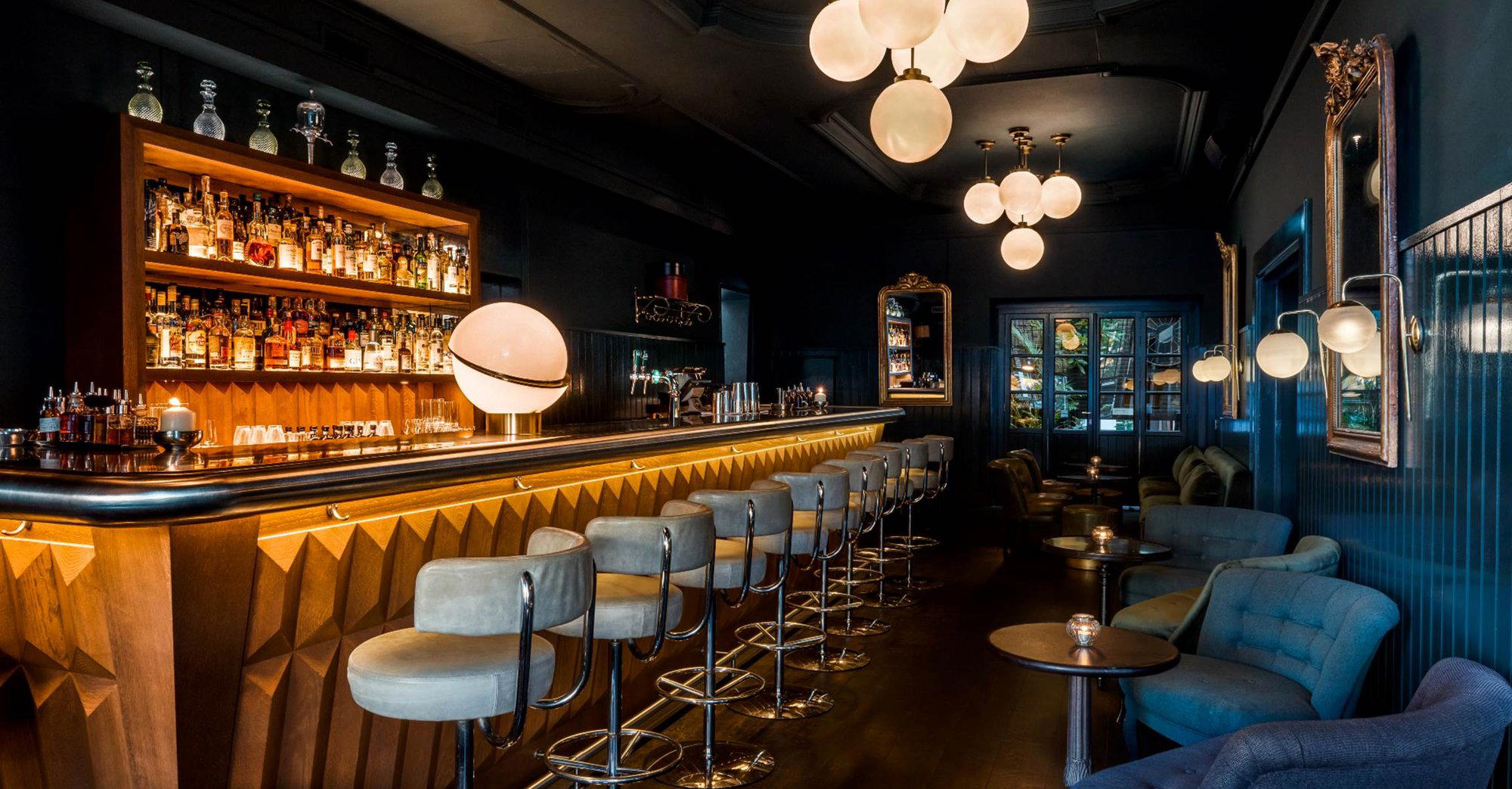
Amsterdam's bar and café scene splits broadly into three operating registers. At the technical end, venues like Door 74 and Tales & Spirits run serious cocktail programs where the bartender's craft and the drink's construction are the point of the evening. At the other end, the terrace-and-beer tier operates on social and spatial logic rather than product-led differentiation. Waterkant occupies the latter, with canal access as its primary credential.
Within that tier, location is the differentiator. The Marnixstraat stretch sits at the edge of the Jordaan and within reach of the western canal belt, which means foot traffic from one of Amsterdam's most consistently well-used residential and visitor corridors. The venue is not a destination in the way that a Michelin-tracked restaurant functions as a destination; it is a place you find yourself at because the city's geography leads you there, or because you know enough about how Amsterdam's afternoon drinking culture works to seek it out.
For comparison, Amsterdam Roest operates in a similar outdoor, social-gathering register but with a larger footprint and a more event-oriented programming model. Waterkant's character is quieter and more embedded in the residential canal-belt fabric.
The Jordaan Western Ring in Context
The neighbourhood surrounding Marnixstraat has developed over the past decade into one of Amsterdam's most consistent strips for casual quality: cafés, food concepts, and bars that assume a local clientele with considered tastes rather than tourist throughput. Venues like Bakers & Roasters represent the daytime end of this shift, where brunch formats have professionalised without formalising. Waterkant handles the afternoon-into-evening transition at the water's edge.
This part of Amsterdam is navigable on foot from the main Jordaan streets and from Leidseplein to the south, which means it sits at a natural pause point in a walking day. The decision to stop here rather than continue tends to be made by the terrace itself, which is visible from the canal path before you have fully committed to the idea.
Planning a Visit
Canal-side seating at venues along this stretch operates on a first-come basis rather than a reservation model for most occasions, which means timing matters more than advance planning. The terrace reaches capacity on dry evenings from late spring through early autumn, with July and August presenting the most competition for outdoor seats. Arriving before 5pm on a summer evening gives you the widest choice of position relative to the water and the light.
Amsterdam draws a substantial visitor base throughout the year, but the canal-side terrace culture is specifically a warm-weather proposition. In the colder months, the logic shifts toward the interior, and the experience reads differently. Visitors whose Amsterdam itinerary runs through October or later should weight their expectations accordingly and consider whether the outdoor premise still holds for their dates. For broader context on where Waterkant fits within the city's wider bar and restaurant options, see our full Amsterdam restaurants guide.
Those travelling through the Netherlands more broadly will find parallel informal-terrace culture operating in different registers elsewhere: Espressobar Kopi Soesoe in Rotterdam handles the daytime end of informal gathering with a coffee-focused format; Florin Utrecht in Utrecht and Brasserie Lalou in Delft offer reference points in cities where the pace is slower and the competition for outdoor space less intense. Further afield, Bowie in The Hague, Café Barolo in Eindhoven, and Boode Foodbar in Bathmen each represent how the Dutch bar-and-casual-food format adapts across different city scales. For an international comparison of how terrace-adjacent bar culture operates at a technical level, Bar Leather Apron in Honolulu offers a useful counterpoint in terms of bar craft and format discipline.
Cost Snapshot
| Venue | Price |
|---|---|
| WaterkantThis venue — the venue you are viewing | This venue |
| Door 74 | World's 50 Best |
| Tales & Spirits | World's 50 Best |
Continue exploring
More in Amsterdam
Bars in Amsterdam
Browse all →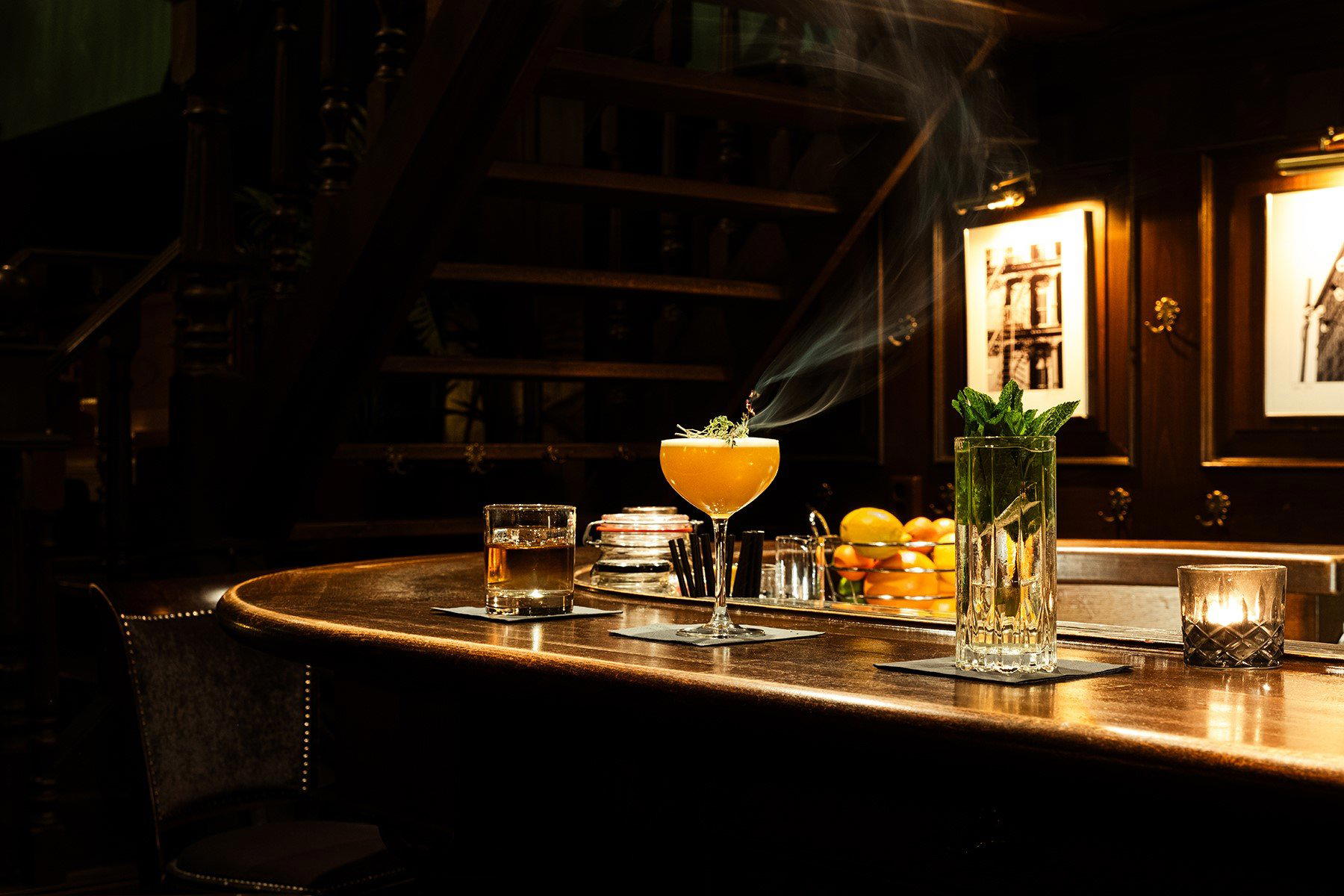
Restaurants in Amsterdam
Browse all →
Hotels in Amsterdam
Browse all →
Wineries in Amsterdam
Browse all →
At a Glance
- Lively
- Trendy
- Cozy
- Casual Hangout
- Group Outing
- Waterfront
- Terrace
- Outdoor Terrace
- Communal Tables
- Craft Cocktails
- Waterfront
Current opening hours
- Monday
- 11 AM–1 AM
- Tuesday
- 11 AM–1 AM
- Wednesday
- 11 AM–1 AM
- Thursday
- 11 AM–1 AM
- Friday
- 11 AM–3 AM
- Saturday
- 11 AM–3 AM
- Sunday
- 11 AM–1 AM
Hours can change for holidays and private events. Last verified .
Relaxed tropical oasis with lively atmosphere, canal views, and lively summer vibes under a car park.
Know Before You Go
- Getting there
- Marnixstraat 246, 1016 TL Amsterdam, Netherlands