Google: 4.3 · 1,334 reviews
On a quiet stretch of Via Monte di Pietà in central Turin, Ristorante Consorzio has become a reference point for the city's ingredient-driven trattoria tradition. The kitchen draws on Piedmontese producers with the specificity of a wine merchant selecting a cellar, and the room carries the calibrated informality that defines the better end of northern Italian dining. For visitors serious about regional cooking, it sits near the top of Turin's short list.
 Discover on Pearl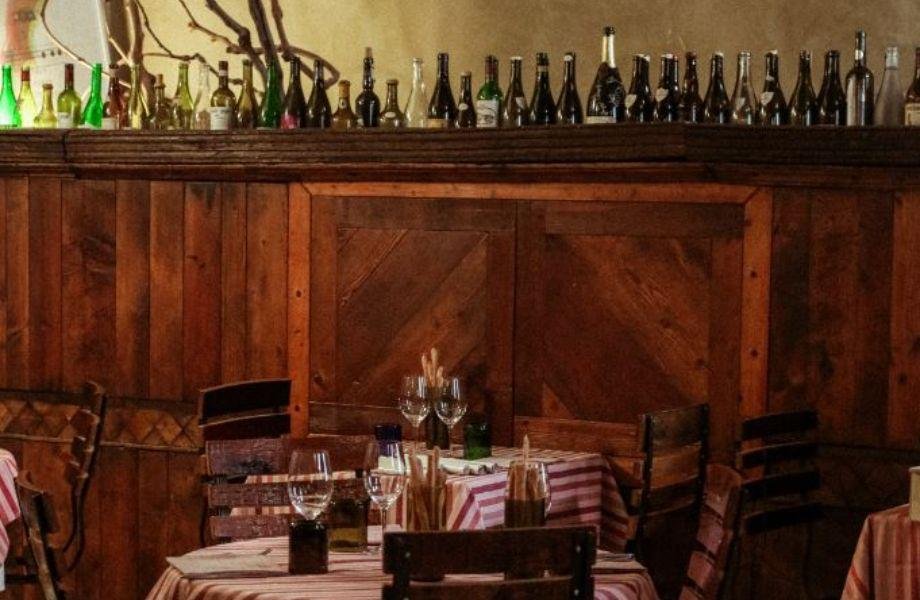
The Room Before the Menu
Via Monte di Pietà is not a street that announces itself. In central Turin, a few minutes from Piazza Castello, the address sits in that particular pocket of the city where baroque stone facades give way to ground-floor spaces occupied by booksellers, wine merchants, and restaurants that have no interest in being found by accident. Approaching Ristorante Consorzio, the first impression is restraint: a modest frontage, no theatrical signage, the kind of visual register that in this part of Italy signals confidence rather than neglect.
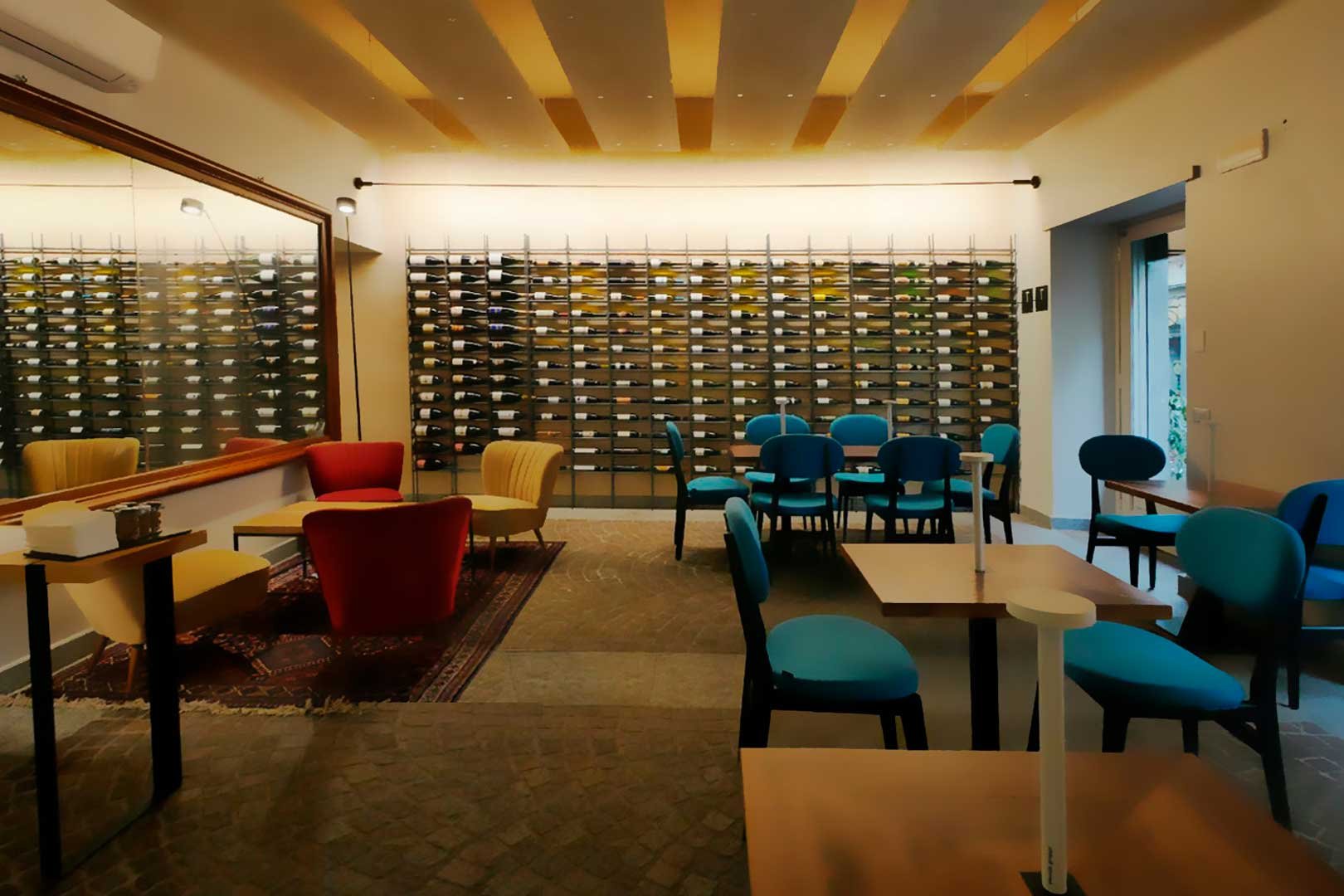
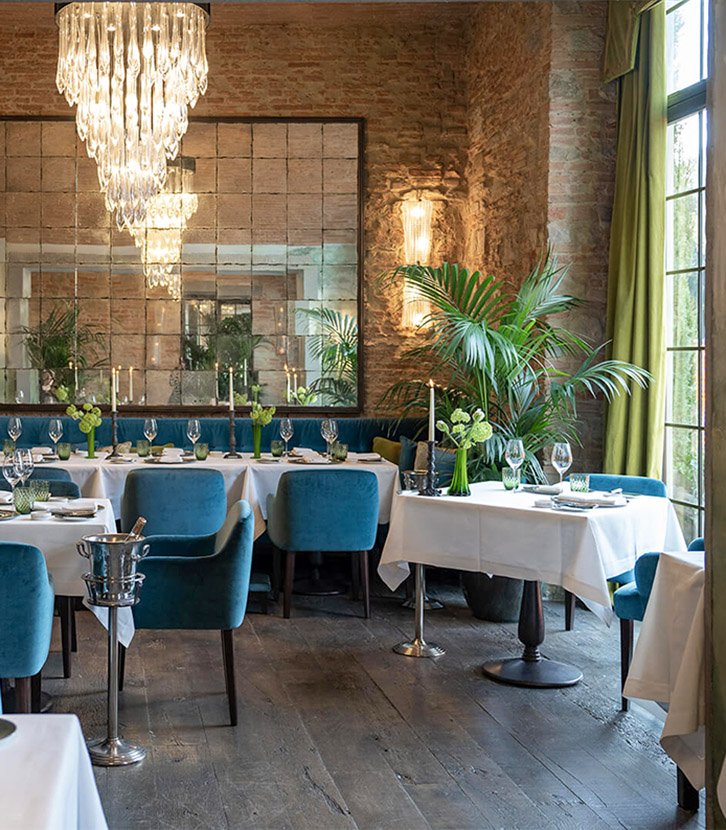
Inside, the room belongs to a tradition of northern Italian dining that prioritises the table over the spectacle. Bare wood, bottles within reach, the low-level noise of a full service rather than a designed soundscape. Turin's better trattorias have always worked this way: the room is a frame, not the subject. What the frame contains is the point.
Menu Architecture and What It Reveals
The structure of a menu in a restaurant like Consorzio is itself an argument. In Piedmont, the antipasto course carries as much weight as the primo, and the relationship between the two is not decorative but sequential logic. Raw beef in various preparations, cured meats sourced from specific producers, preserved vegetables that mark the season: this is not a gesture toward tradition, it is the tradition, practised with care for provenance.
Piedmontese cuisine divides along a clear axis. On one side sit the formal restaurants of the Langhe and the city's hotel dining rooms, where white truffles and Barolo reduction carry the ticket price. On the other side sit places like Consorzio, where the argument is made through the quality of the ingredient at its source: which producer, which cut, which preservation method, and whether the kitchen trusts the raw material enough to leave it largely alone. The menu architecture at Consorzio reflects the second tradition, and it does so with the specificity that separates a serious trattoria from a competent one.
Pasta in this context is not a bridge course. Tajarin, the thin-cut egg pasta native to this region, carries the entire nutritional and philosophical weight of Piedmontese cooking in its ratio of yolk to flour. The primo is where the kitchen's relationship with local grain, local egg producers, and classical technique becomes visible. A menu that sequences antipasto into a pasta course built this way is making a claim about continuity with a regional canon, not improvisation around it.
The wine list at a restaurant anchored this firmly in Piedmontese producer culture tends to function as a second argument running in parallel with the food. Nebbiolo in its Barolo and Barbaresco expressions, Barbera from the Asti and Alba zones, Dolcetto from Dogliani: the question is not which appellations appear but how deeply into the producer tier the list goes and what the pricing model implies about the restaurant's relationship with its cellar. At Consorzio, the bottle selection is understood by regular visitors to be as carefully considered as the sourcing on the plate, which places it in the same peer set as Banco Vini e Alimenti, where the wine-forward approach to a room's identity is similarly structural rather than supplementary.
Turin's Trattoria Tradition in Context
Turin occupies an unusual position in the Italian dining conversation. It is not Rome, where the trattoria tradition is vast and the distance between a tourist-facing operation and a serious neighbourhood room is navigated by locals with long institutional memory. It is not Milan, where the fine-dining apparatus is dense and internationally legible. Turin's restaurant culture is more self-contained: Piedmontese in ingredient, Savoy in its sense of formality modulated by pragmatism, and genuinely regional in a way that resists easy export.
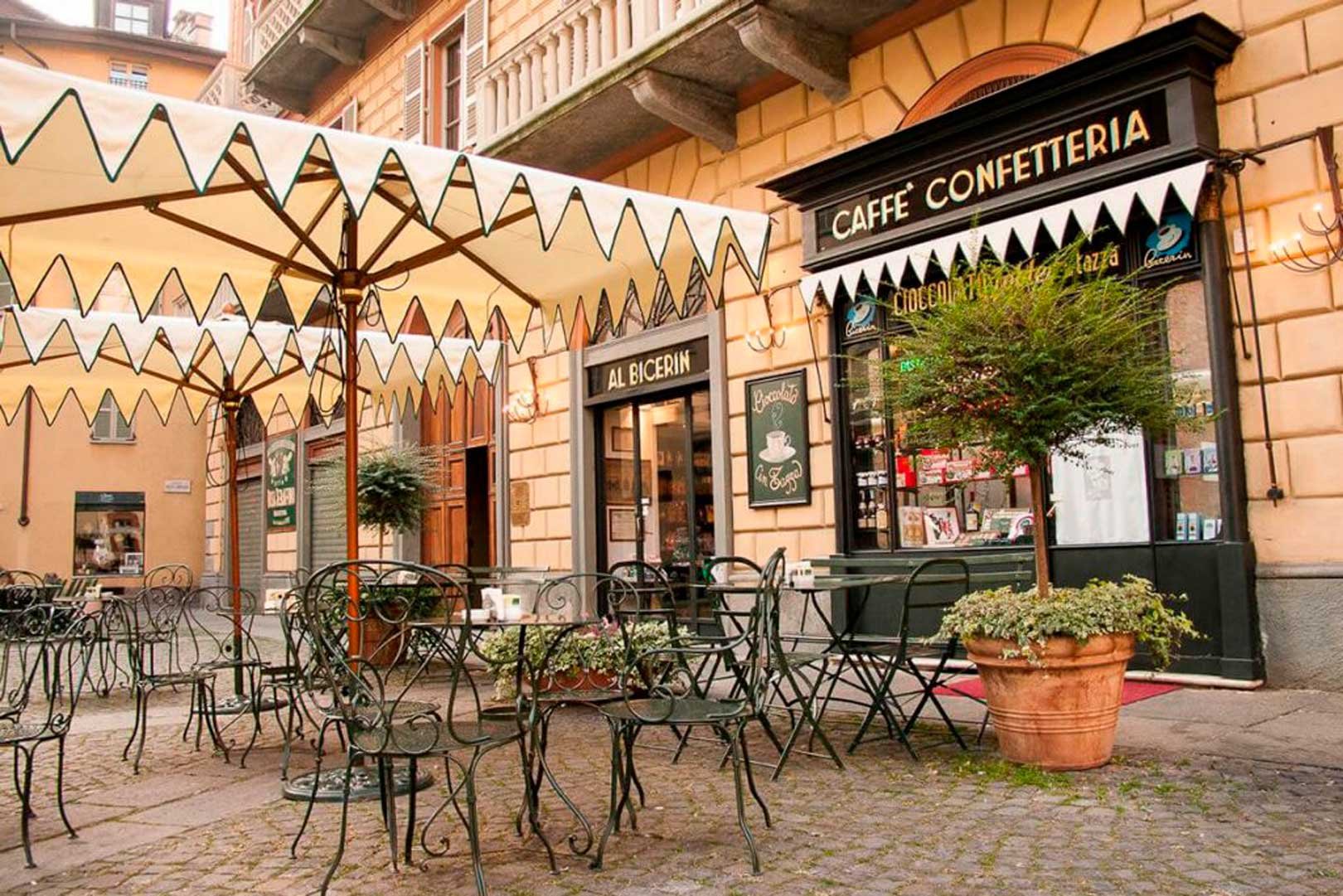
The city's serious eating establishments cluster around a few neighbourhoods, and the presence of Consorzio on Via Monte di Pietà places it within walking distance of the kind of day-of-visit infrastructure that matters: the Porta Palazzo market to the north, the wine bars around Piazza Emanuele Filiberto, and the older caffè culture represented by places like Caffè Platti and Caffé Al Bicerin. The geography of serious food in Turin is compact enough that a single day can move from morning espresso to market to lunch to aperitivo without a taxi.
For context on the broader Italian bar and drinks scene, the cities most comparable to Turin in terms of a locally specific, producer-conscious drinking culture include the wine-bar register found at Al Covino in Venice and the cocktail seriousness of Drink Kong in Rome or 1930 in Milan. Turin sits in that same tier of Italian cities where the drinks program at a serious restaurant is expected to hold its own weight, not serve as an afterthought to the food.
Further afield, the approach to ingredient-led, producer-anchored menus that defines Consorzio's register has parallels in the way certain international venues build their identity around sourcing specificity. Gucci Giardino in Florence and L'Antiquario in Naples each represent a version of this in their own category and city. The thread connecting them is a conviction that what is on the plate or in the glass should be traceable to a decision made at the source, not assembled from convenience.
Planning a Visit
Ristorante Consorzio sits at Via Monte di Pietà, 23, in the 10122 postal zone of central Turin, walkable from the main metro line and from the city's core hotel district. Reservations at restaurants operating in this tier of Turin's dining scene are advisable for dinner service, particularly from Thursday through Saturday when the room runs at capacity. Lunch on weekdays offers a somewhat more accessible entry point, though the kitchen runs the same menu rather than a reduced set.
For visitors building a full Turin itinerary around serious food and drink, the day benefits from anchoring around Consorzio as the main meal, with aperitivo before or after at the wine-forward Bistrot Torrefazione Samambaia Torino. The broader context for where Consorzio sits within the city's restaurant hierarchy is available in our full Turin restaurants guide. For a longer exploration of how Italian cities approach their serious drinking culture differently, venues like Bar Leather Apron in Honolulu and Lost & Found in Nicosia offer comparative reference points for how a producer-conscious approach travels across different hospitality contexts.
Recognition Snapshot
A quick peer list to put this venue’s basics in context.
| Venue | Awards | Cuisine | Notes |
|---|---|---|---|
| Ristorante Consorzio | This venue | ||
| La Drogheria | |||
| Luogo Divino | |||
| Piano 35 Lounge Bar | |||
| Bistrot Torrefazione Samambaia Torino | |||
| Orso Laboratorio del Caffè |
Continue exploring
More in Turin
Bars in Turin
Browse all →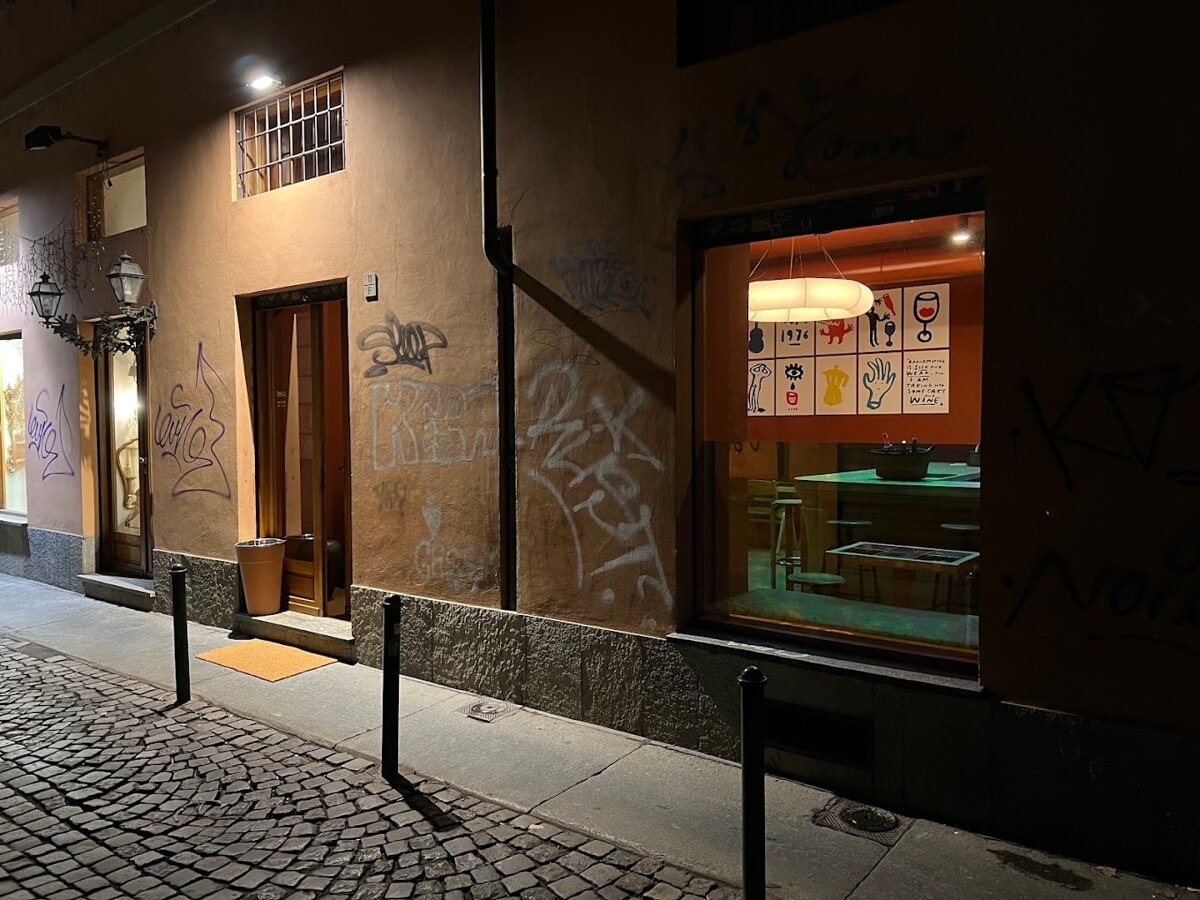
Restaurants in Turin
Browse all →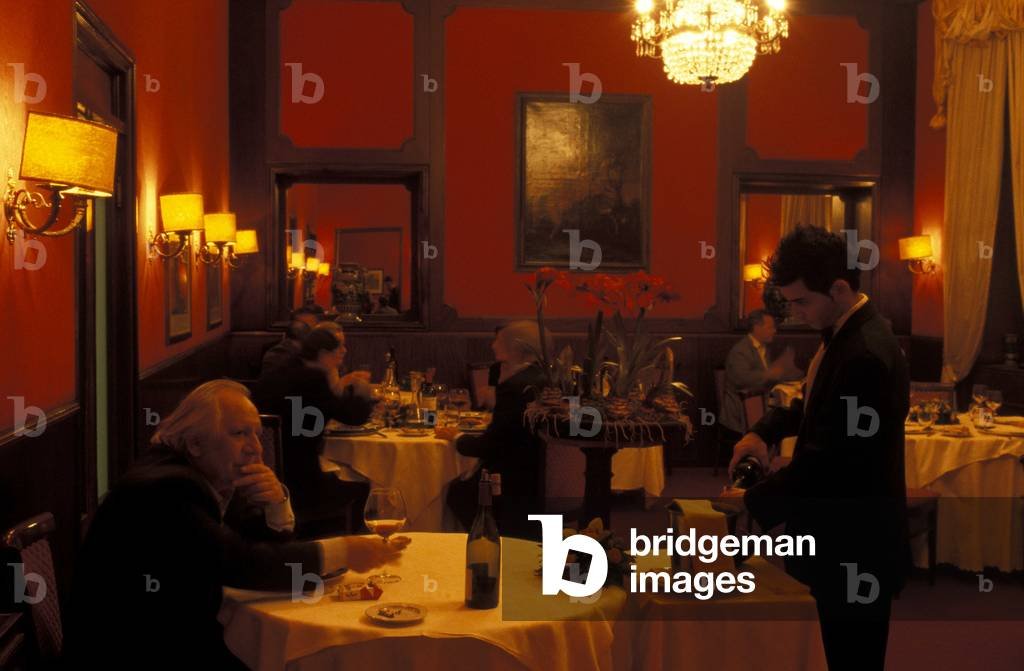
Hotels in Turin
Browse all →
At a Glance
- Rustic
- Cozy
- Industrial
- Date Night
- Casual Hangout
- Historic Building
- Seated Bar
- Communal Tables
- Natural Wine
- Craft Cocktails
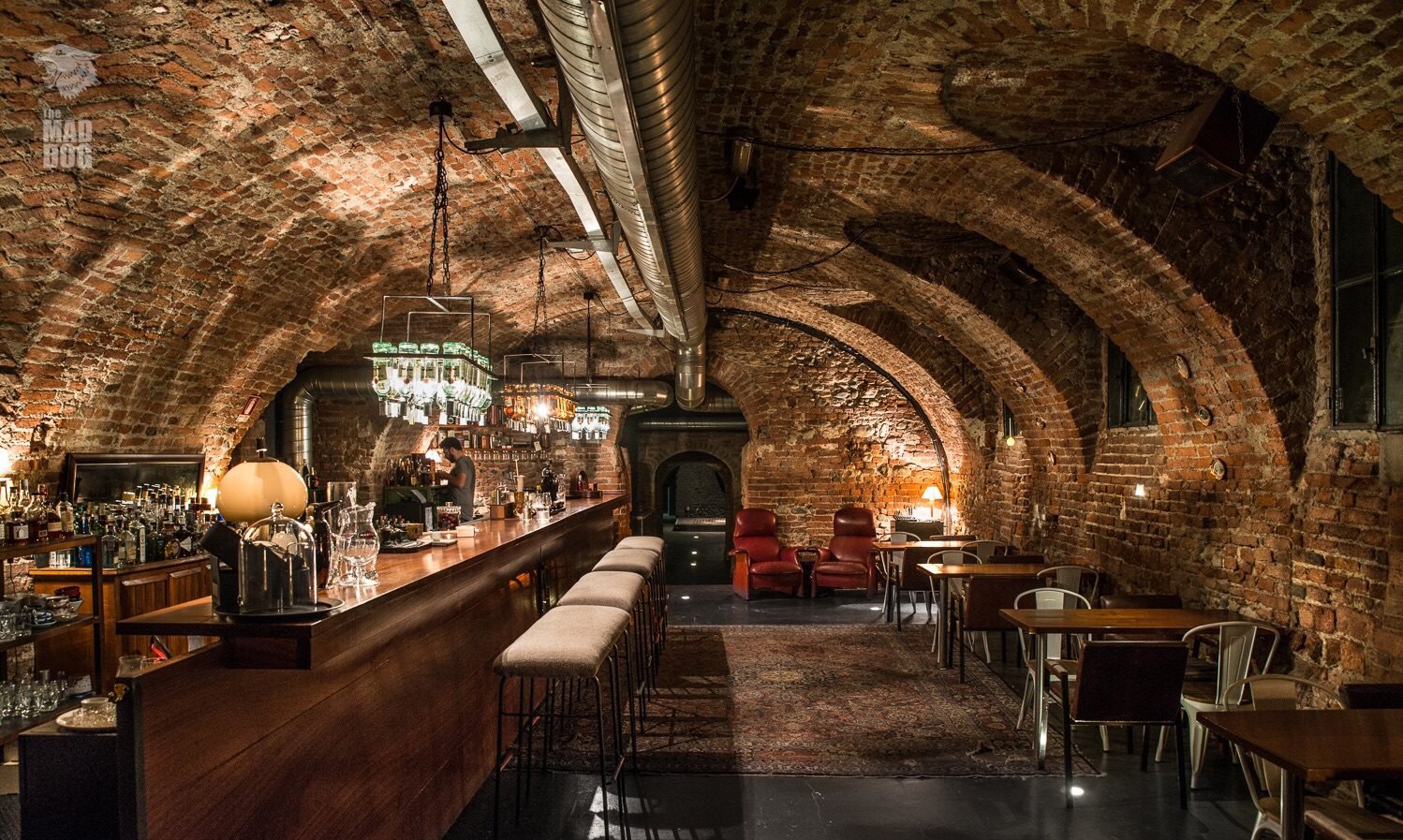
Rustic and hipster with faded rust walls, pink striped tablecloths, bare-bulb lighting, and a cozy, industrious atmosphere.