Werner Hahn Winery

Falstaff Winery - 2 Stars
Werner Hahn Winery is a micro-scale Greve in Chianti producer founded in 2015, working from a Sangiovese-led Tuscan idiom rather than a broad estate portfolio. The appeal is in the narrow focus: Toscana IGT reds and rosé, a 0.2-hectare footprint, and early recognition for the Sangiovese rosato La Principessa through a Merano Wine Award and Vinum’s “Top of Toscana.”

Pearl is the En Primeur Club membership app, where members save venues, book tables and use the concierge.

Greve in Chianti rewards patience. The wine culture here is not only about famous estates and polished visitor routes; it also includes smaller producers whose appeal comes from scale, focus, and a more personal relationship to the bottle. Werner Hahn Winery belongs to that more intimate side of the area: a handcrafted, boutique winery atmosphere centered on small-batch, Sangiovese-driven wines. For travelers looking beyond a generic overview of Chianti, that is the useful starting point.
The picture is deliberately compact. Werner Hahn Winery is in Greve in Chianti, carries a $$ price marker, and presents itself as a quiet, intimate, rustic rather than a large, high-spectacle wine destination. Its direct-sales and wine-festival presence suggests a producer-led setting, where the winery’s identity is communicated close to the source rather than through a broad hospitality machine. That makes it most relevant for visitors who care about small-scale wine culture and the character of Sangiovese in this part of Tuscany.
Sangiovese as the through-line, not the whole story
The safest way to understand Werner Hahn Winery is through its Sangiovese-driven identity. Sangiovese is one of the defining grapes of the broader Chianti landscape, and here it provides the clearest through-line for the winery’s positioning. Rather than treating that as a claim about specific bottlings, vintages, blends, awards, or tasting notes, it is better to read it as an editorial signal: this is a producer whose appeal is tied to a focused Tuscan red-wine language and the small-batch context around it.
That distinction matters. Many pages about wineries lean on long lists of cuvées, exact vintages, medals, production figures, or tasting-room formats. Those details should only be used when they are firmly verified. For Werner Hahn Winery, the grounded claim is simpler and more useful: a boutique, handcrafted atmosphere centered on Sangiovese-led wines in Greve in Chianti. That is enough to establish the venue’s place for a traveler who is choosing between broad estate experiences and more personal producer encounters.
In practical terms, the attraction is not a documented restaurant-style program, a confirmed menu, or a named tasting format. It is the combination of place, grape identity, and scale of feeling. The words that best describe the mood are quiet, intimate, rustic, and hidden-gem. Those cues point to a winery experience that should be approached with attention rather than speed: a stop for people who want the wine and producer context to lead the visit.
A micro-winery reading of Greve in Chianti
Greve in Chianti is often treated as a gateway into the region’s wine culture, but the more interesting reading is at producer scale. Larger names can show the architecture and ceremony of Tuscan hospitality; smaller producers can show how a narrower identity feels when the focus is closer to the wine itself. Werner Hahn Winery fits the latter reading. It is about a handcrafted boutique atmosphere and small-batch Sangiovese-driven wines.
That makes the winery useful for a specific kind of itinerary. If the day is built around polished estates, restaurants, and broad sightseeing, Werner Hahn Winery offers a quieter counterpoint. If the day is built around wine discovery, it can function as a more focused Greve in Chianti stop: not because every operational detail is publicly confirmed here, but because the producer-led character is part of the identity. Direct-sales and wine-festival presence reinforce that impression of a winery that communicates through direct contact with wine buyers and interested visitors.
For a wider view of the local wine map, compare Werner Hahn Winery with other Greve in Chianti dining and wine options generically rather than assuming they share the same style. Greve is not a single kind of wine visit. It can include larger, more formal settings as well as small, rustic, intimate producers. Werner Hahn Winery’s value is in the latter category: a hidden-gem profile with a Sangiovese-driven center and a boutique sense of scale.
How the experience fits a Chianti itinerary
The case for Werner Hahn Winery is strongest for travelers who prefer a focused wine stop over a venue defined by extensive amenities. Removing those assumptions makes the recommendation clearer rather than weaker. This is best described as a quiet, rustic, boutique winery in Greve in Chianti with small-batch Sangiovese-driven wines and a $$ price level.
That positioning is useful for planning. A $$ marker suggests a moderate price category, while the direct-sales and wine-festival presence suggests that the producer has a consumer-facing side. Travelers interested in buying wine or understanding smaller producers may find that more relevant than travelers seeking a large visitor-center experience. The important editorial caution is to plan from confirmed information and verify current arrangements directly before building a day around any specific service or format.
Greve in Chianti works well when treated as a base rather than a single stop. Readers mapping a fuller day can pair the wine context with other Greve in Chianti dining, hotels, bars, wineries, and experiences. The key is not to force Werner Hahn Winery into a grand-estate template. Its identity points in the opposite direction: quiet, intimate, rustic, boutique, and Sangiovese-led.
The editorial read is clear: Werner Hahn Winery is a small-feeling Greve in Chianti producer to consider when the goal is a personal, handcrafted wine context rather than a broad hospitality performance. Come to it as a focused Tuscan wine stop, with expectations shaped by what is known: Sangiovese-driven small-batch wines, a hidden-gem atmosphere, direct producer presence, and a moderate $$ price level.
Recognition history
Dated appearances from independent guides and award organizations, with the underlying list record or original source where available.
Falstaff Winery - 2 Stars
Falstaff
Continue exploring
More in Greve in Chianti
Wineries in Greve in Chianti
All wineries in Greve in Chianti →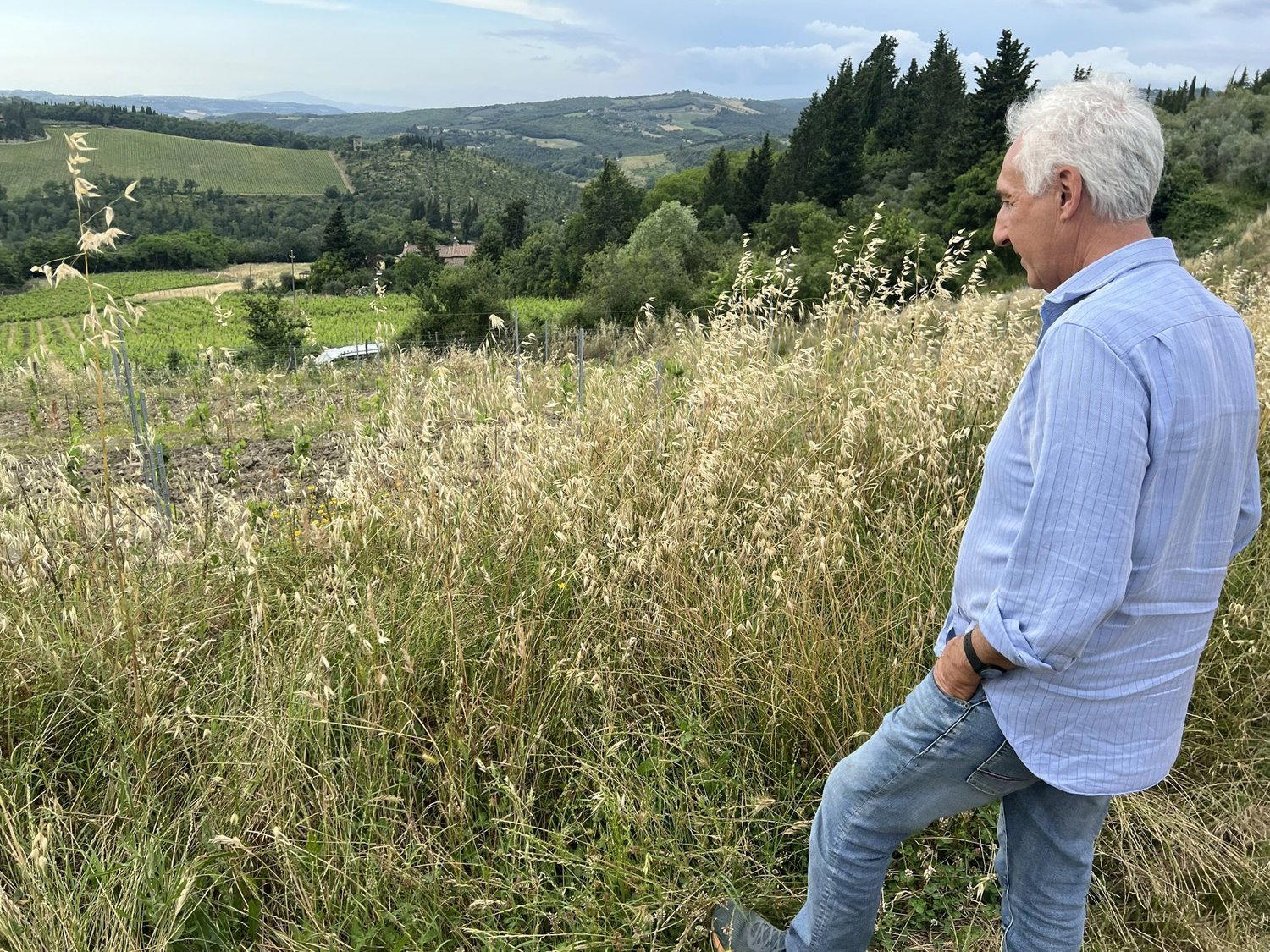
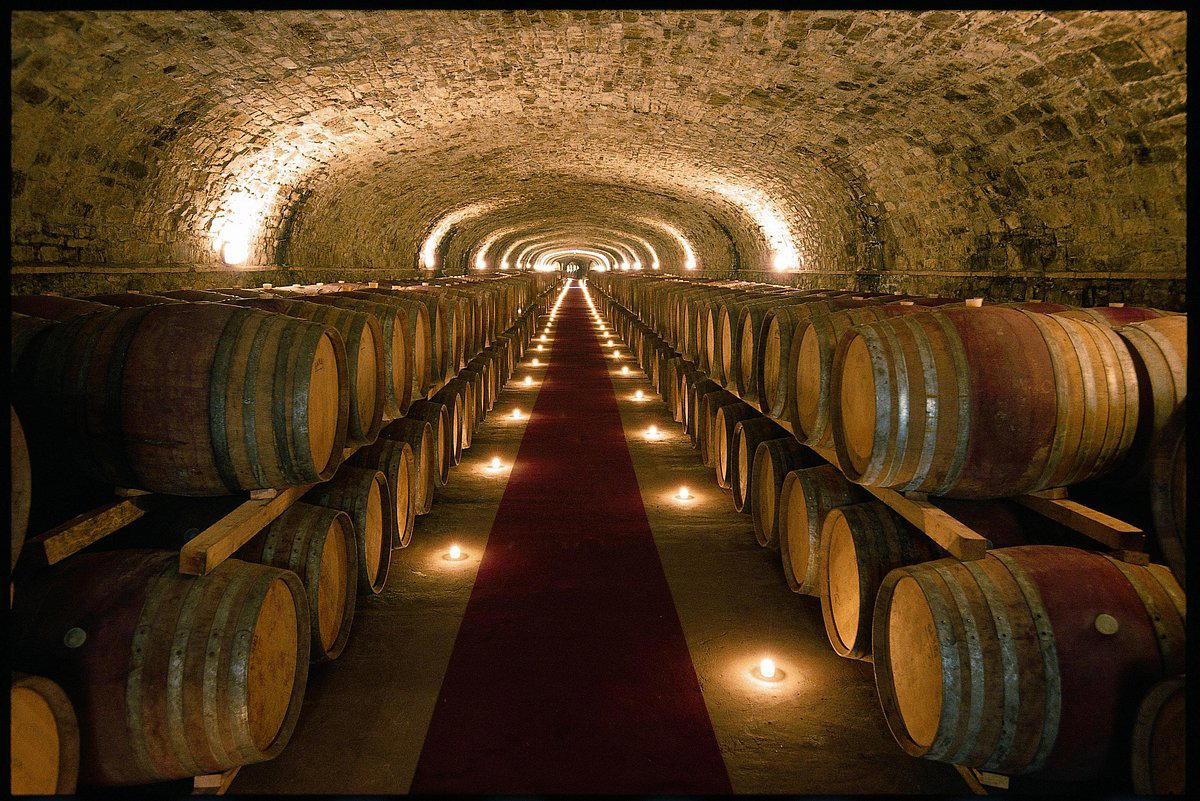
Bars in Greve in Chianti
All bars in Greve in Chianti →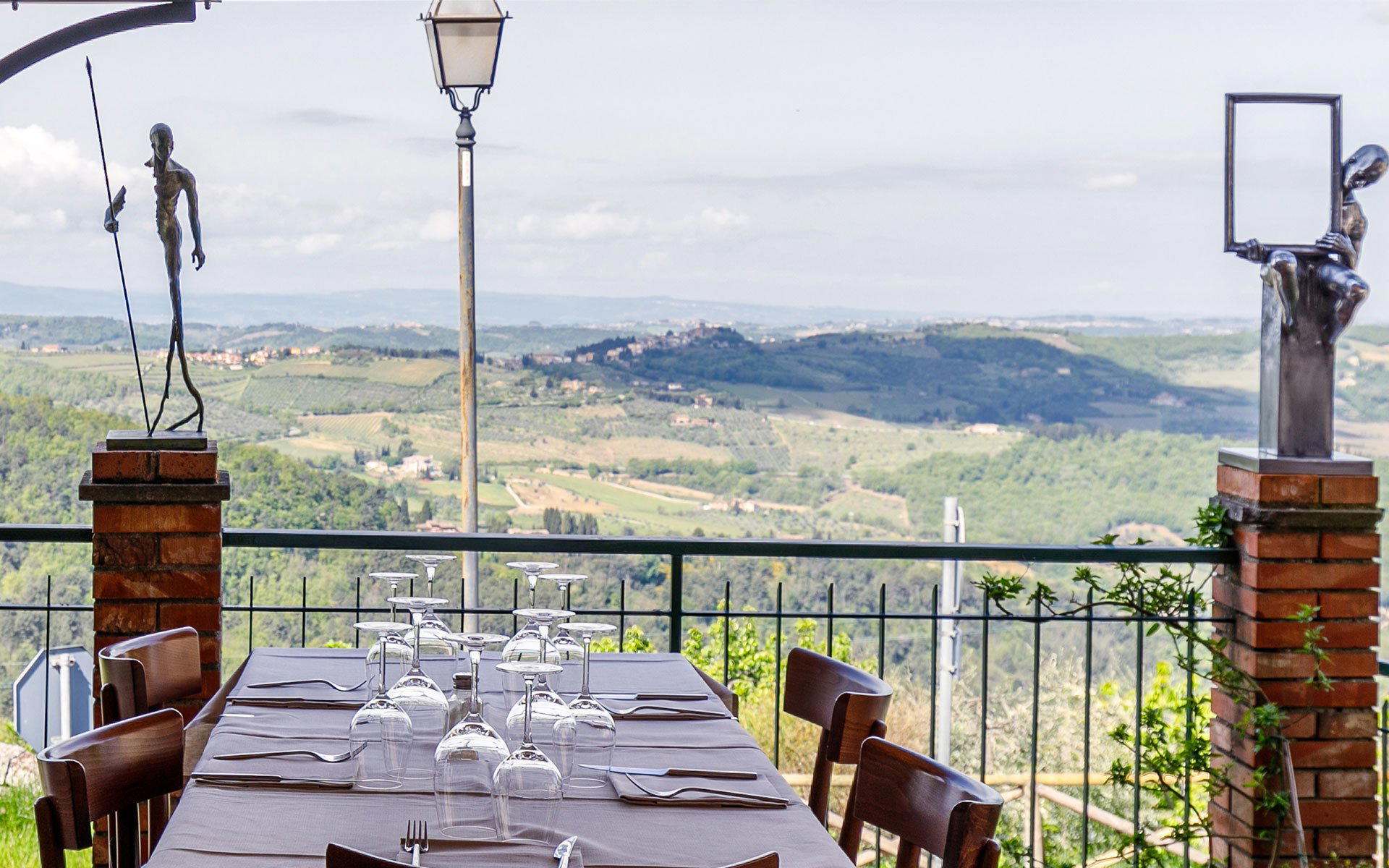
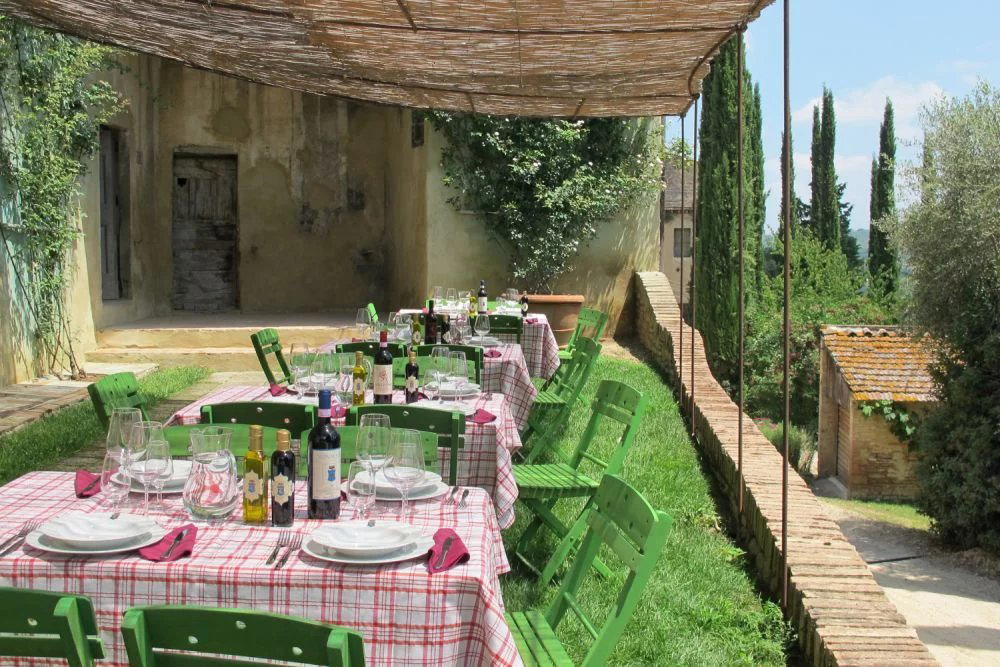
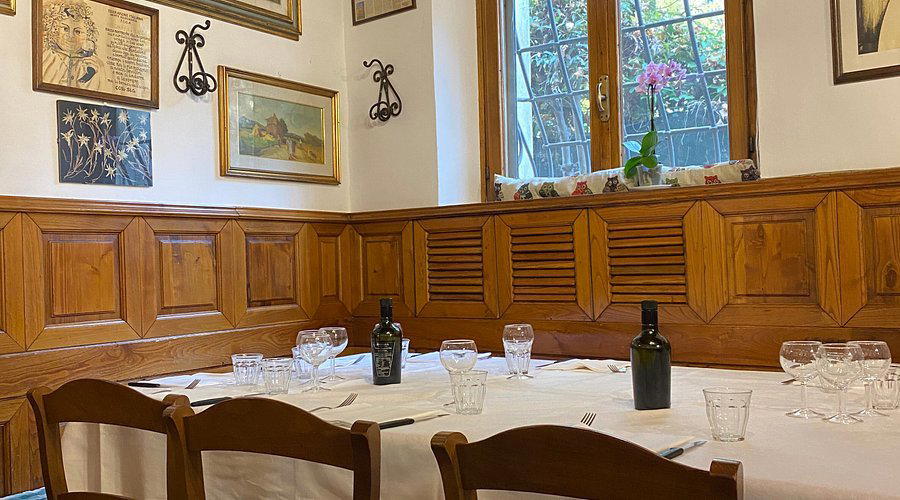
Restaurants in Greve in Chianti
All restaurants in Greve in Chianti →
Details
- Quiet
- Intimate
- Rustic
- Solo Exploration
- Special Occasion
- Private Tasting
- Vineyard
- Sangiovese
- Merlot
- Shiraz
- Cabernet Franc
- Still Red
- Still Rosé
- Private Tasting
Handcrafted, boutique winery atmosphere centered on small-batch Sangiovese-driven wines, with a direct-sales and wine-festival presence that suggests a personal, producer-led setting.