
Saporium Firenze holds a Michelin star and sits on Lungarno Benvenuto Cellini, where a Florentine chef presents creative tasting menus alongside à la carte options. The wine list reaches back to rare 1980s and 90s labels, while the kitchen's sustainability-led approach and a signature reimagining of the classical zuccotto give regulars two reasons to return before they've finished their first visit.
Pearl is the En Primeur Club membership app — saves, bookings, and concierge access live there. Same editors, same standards.
- Address
- Lungarno Benvenuto Cellini, 63/R, 50125 Firenze FI, Italy
- Phone
- +39 055 212933
- Website
- saporium.com
- Directions
- Get directions
 Saves & bookings on Pearl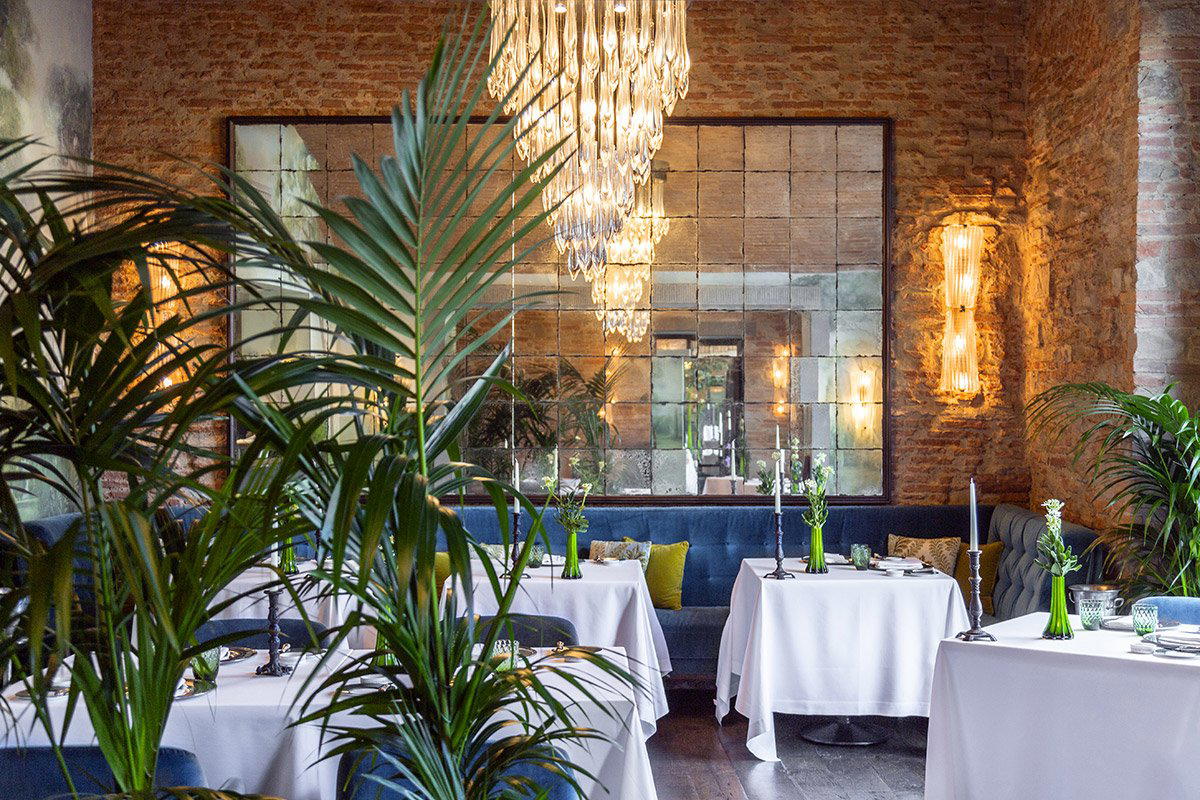
A Table on the Arno's Quieter Bank
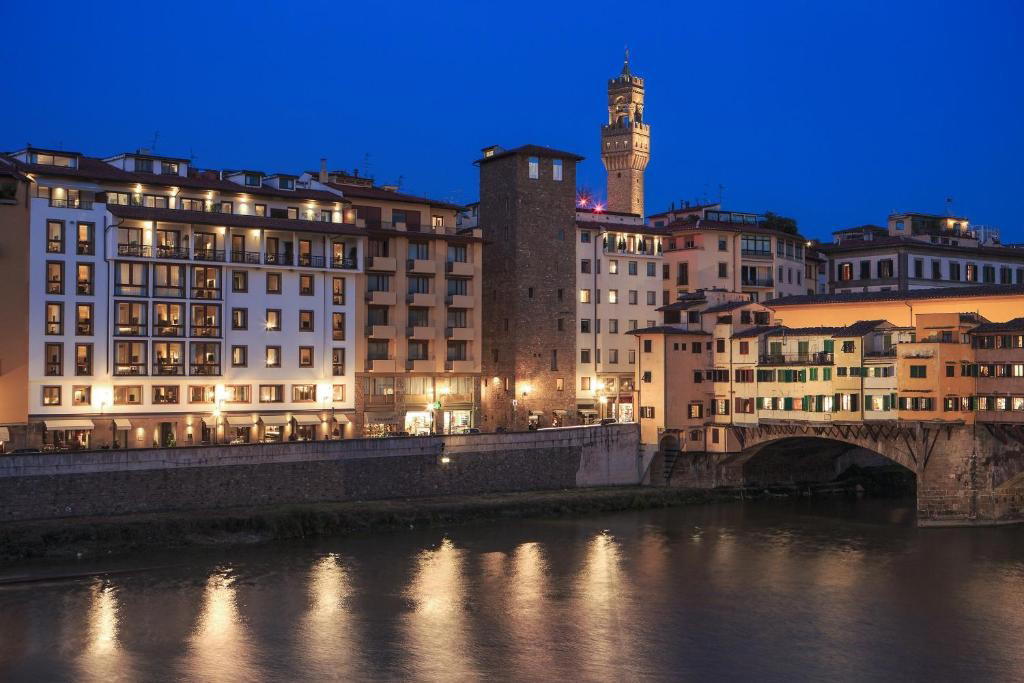
The stretch of lungarno east of Ponte Vecchio doesn't draw the same foot traffic as the tourist-dense blocks around Santa Croce or the Oltrarno's busier restaurant corridors. Lungarno Benvenuto Cellini sits a few minutes further along, where the river traffic thins and the dining room at Saporium Firenze settles into a register that feels less performative than several of its starred peers closer to the centro storico. Florence's creative fine-dining tier has grown more defined over the past decade: at the leading end you find the long-established ceremonial weight of Enoteca Pinchiorri and the hotel-anchored ambition of Santa Elisabetta, while a second tier of younger addresses has emerged with looser formats and menus driven more by produce logic than by institutional prestige. Saporium Firenze is a one-Michelin-star restaurant in Florence on Lungarno Benvenuto Cellini, offering contemporary Tuscan fine dining at about $230 per person. Saporium belongs to that second tier, and it's the tier that increasingly holds the city's most engaged returning diners.
What the Regulars Come Back For
Restaurants that earn loyal repeat visitors in a city saturated with one-time tourist spend tend to share a particular quality: the meal changes enough between visits to reward curiosity, but the underlying sensibility stays consistent enough that you know what you're signing up for. Saporium Firenze operates with that kind of coherence. The kitchen takes a sustainability-led position that isn't merely declared in the menu copy but shapes which producers and ingredients appear across the course of a meal. For guests who return two or three times a year, that framework means the menu reads differently each season while the cooking's logic remains legible.
The format itself encourages multiple visits. Tasting menus are available, but dishes can also be ordered individually à la carte from either menu, which means the same table might work through a structured progression one evening and return a month later to focus on two or three courses of specific interest. That flexibility is rarer than it sounds at the Michelin-starred level in Italy, where the tasting menu is often the only real option at this price point. At Saporium, the structure is offered, not imposed. Among Florence's broader restaurant scene, that approach puts it in a small peer group alongside addresses like Io Osteria Personale and La Leggenda dei Frati, both of which operate with their own versions of format flexibility at similar price tiers.
The Kitchen's Relationship with the Room
Open-kitchen formats have become standard at this level of Italian fine dining, but the dynamic at Saporium is particular. Chef Ariel Hagen moves between the kitchen and the dining room during service, explaining dishes directly to guests rather than delegating that role entirely to front-of-house. That contact matters in practice: it shifts explanations from scripted recitation to something more like a working conversation about ingredients and technique. For first-time visitors, it reads as hospitality; for regulars, it becomes one of the reasons the meal deepens over multiple visits rather than flattening into routine.
Saporium holds one Michelin star, which places it in Florence's smaller cohort of starred creative addresses. Nationally, that cohort is increasingly competitive: kitchens like Osteria Francescana in Modena and Enrico Bartolini in Milan operate well above that single-star tier, while addresses like Uliassi in Senigallia and Quattro Passi in Marina del Cantone demonstrate how regional Italian kitchens can develop distinct creative identities outside the major cities. Within Florence specifically, the Michelin-starred creative category is a small table, and Saporium's position as a relatively young entry in that category, with a chef who engages directly rather than remaining behind the pass, gives it a different character from the older, more ceremonial establishments in the same tier.
The Dessert That References the City
Florence has a documented tradition of elaborate confections tied to its Renaissance-era court culture, and the zuccotto, a dome-shaped cake historically associated with Florentine pastry craft, is one of the more recognisable of those references. Saporium's Caterina De' Medici's rose takes that form and reconfigures it: a modern interpretation built around milk and Alkermes liqueur, the vivid red Florentine spirit that features in traditional Florentine sweets. The dessert isn't decorative nostalgia; it's a specific argument about how a kitchen rooted in sustainability and contemporary technique can still speak directly to local culinary history. For regular diners, it's become a reference point in the meal, the kind of course that anchors a menu across seasons even as other dishes rotate.
That kind of signature carries weight beyond the plate. Across the creative Italian restaurant spectrum, from Atelier Moessmer Norbert Niederkofler in Brunico to Dal Pescatore in Runate, the kitchens that build durable reputations tend to have at least one dish that functions as a statement of intent rather than simply a course in sequence. Saporium's zuccotto interpretation serves that purpose and ties the kitchen's contemporary identity to the city where it operates.
The Wine List as a Parallel Argument
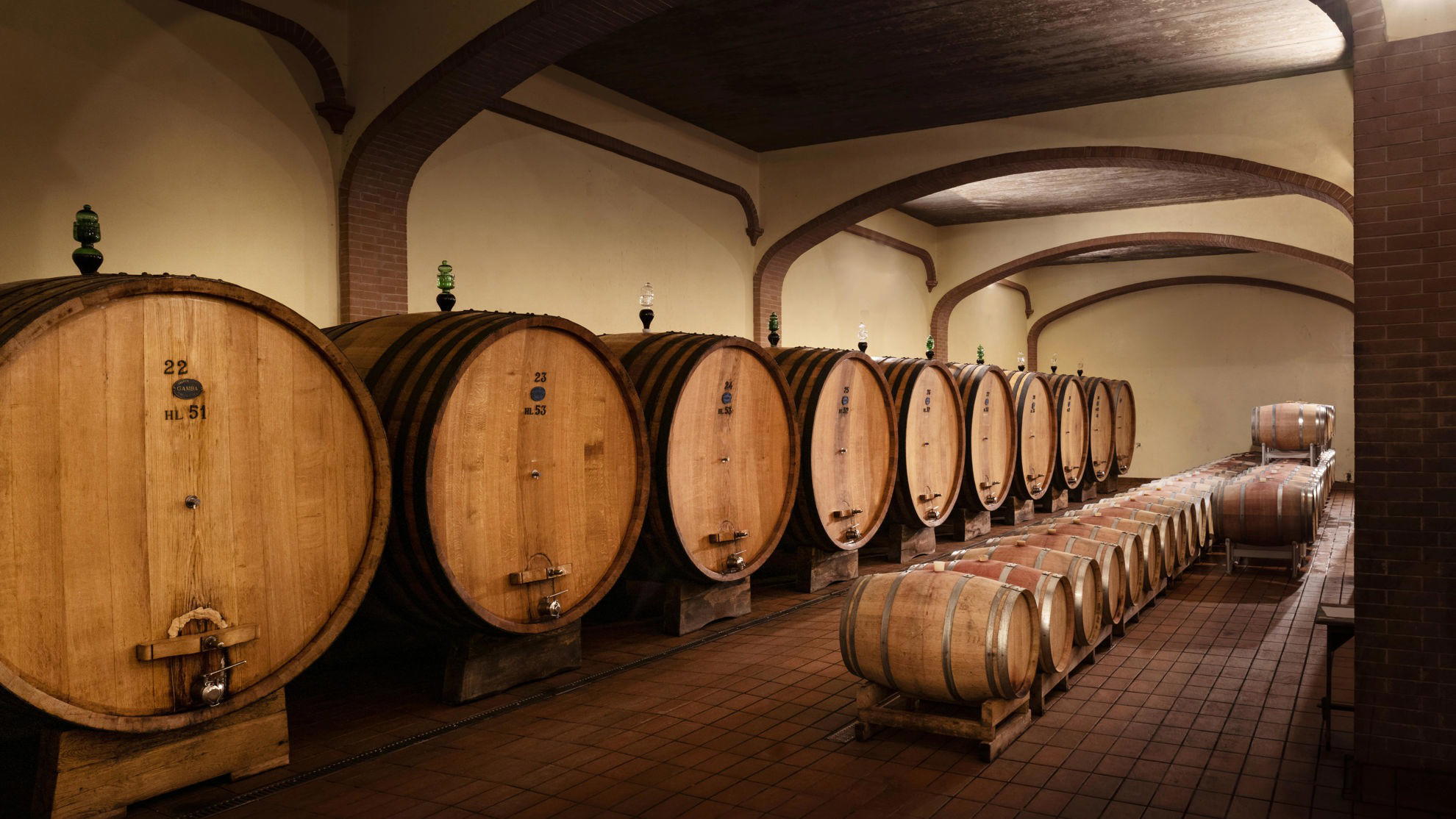
Florence's fine-dining wine lists tend toward two poles: the exhaustive cellar with decades of depth (Enoteca Pinchiorri being the extreme local example) and the producer-focused list that prioritises natural or low-intervention wines aligned with sustainability-led kitchen programs. Saporium occupies a more considered middle position. The list is described as featuring a strong selection by the glass, making it accessible across different levels of engagement with wine, while simultaneously holding rare labels from the 1980s and 1990s that serve collectors and serious wine drinkers looking for something they won't find on a standard list.
The inclusion of Borgo Santo Pietro wines adds a specific thread: Borgo Santo Pietro is a Tuscan estate with a biodynamic farming approach and a hotel property, and its presence on the list reinforces the kitchen's sustainability framing through the wine program rather than treating the two as separate disciplines. For guests who return specifically because of the wine list, the combination of accessible by-the-glass options and archival depth gives each visit a different entry point. Florence's winery scene and the city's relationship with Tuscan viticulture give this kind of curatorial commitment particular resonance.
For those exploring creative fine dining beyond Italy, the format and sensibility at Saporium finds parallels in addresses like Alléno Paris au Pavillon Ledoyen and JAN in Munich, both of which operate with a creative framework where the wine program functions as an extension of the kitchen's argument rather than an afterthought.
Positioning in Florence's Creative Tier
The €€€€ price point places Saporium in the same bracket as Florence's most ambitious tables, including L'Insolita Trattoria Tre Soldi at a different register, and the full spectrum of the city's creative and contemporary addresses. Within that bracket, Saporium's distinction is less about ceremony or heritage and more about a kitchen that keeps its regulars engaged through genuine seasonal evolution, format flexibility, and a chef presence in the room that makes explanation part of the experience rather than a formality attached to it.
Saporium Firenze is located at Lungarno Benvenuto Cellini 63/R, on the south bank of the Arno in the 50125 postcode. Reservations are essential.
A Quick Peer Check
Comparable venues nearby, for context on price, style, and recognition.
| Venue | Cuisine | Price | Awards | Notes |
|---|---|---|---|---|
| Saporium FirenzeThis venue — the venue you are viewing | Contemporary Tuscan Fine Dining | $$$$ | Michelin 1 Star | Not listed |
| Borgo San Jacopo | Modern Tuscan Fine Dining | $$$$ | Michelin 1 Star | Santo Spirito |
| Gucci Osteria da Massimo Bottura | Contemporary Italian with Japanese and Mexican Influences | $$$$ | Michelin 1 Star | San Niccolo |
| Il Palagio | Modern Tuscan Fine Dining | $$$$ | Michelin 1 Star | Le Cure |
| Luca's by Paulo Airaudo | Modern Tuscan Fine Dining | $$$$ | Michelin 1 Star | Santo Spirito |
| Atto di Vito Mollica | Modern Italian Fine Dining with Seafood Focus | $$$$ | Michelin 1 Star | San Niccolo |
Recognition history
Dated appearances from independent guides and award organizations, with the underlying list record or original source where available.
Michelin 1 Star
Michelin
Michelin 1 Star
Michelin
Michelin 1 Star
Michelin
Continue exploring
More in Florence
Restaurants in Florence
Browse all →
Bars in Florence
Browse all →
Hotels in Florence
Browse all →
At a Glance
- Elegant
- Romantic
- Cozy
- Sophisticated
- Date Night
- Special Occasion
- Open Kitchen
- Extensive Wine List
- Farm To Table
- Local Sourcing
- Street Scene
Current opening hours
- Monday
- Closed
- Tuesday
- 12:30–2 PM, 7:30–10 PM
- Wednesday
- 12:30–2 PM, 7:30–10 PM
- Thursday
- 12:30–2 PM, 7:30–10 PM
- Friday
- 12:30–2 PM, 7:30–10 PM
- Saturday
- 12:30–2 PM, 7:30–10 PM
- Sunday
- Closed
Hours can change for holidays and private events. Last verified .
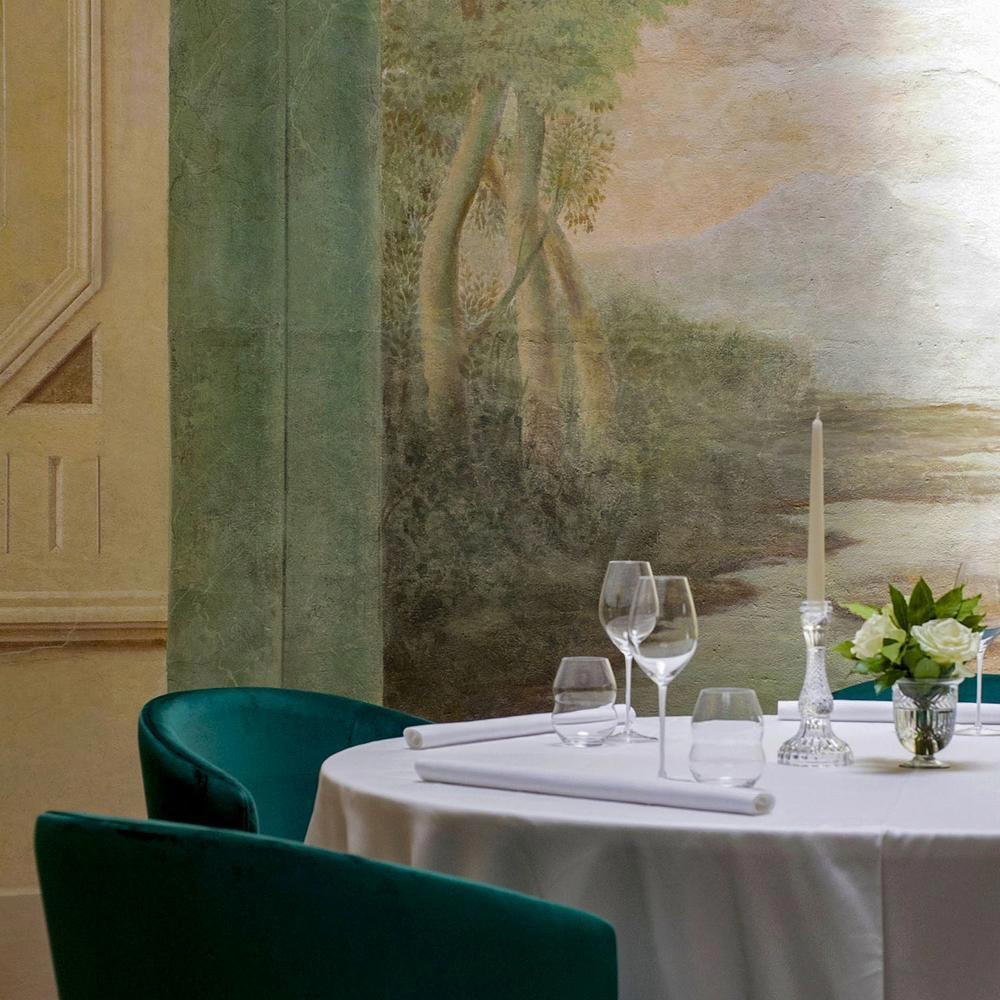
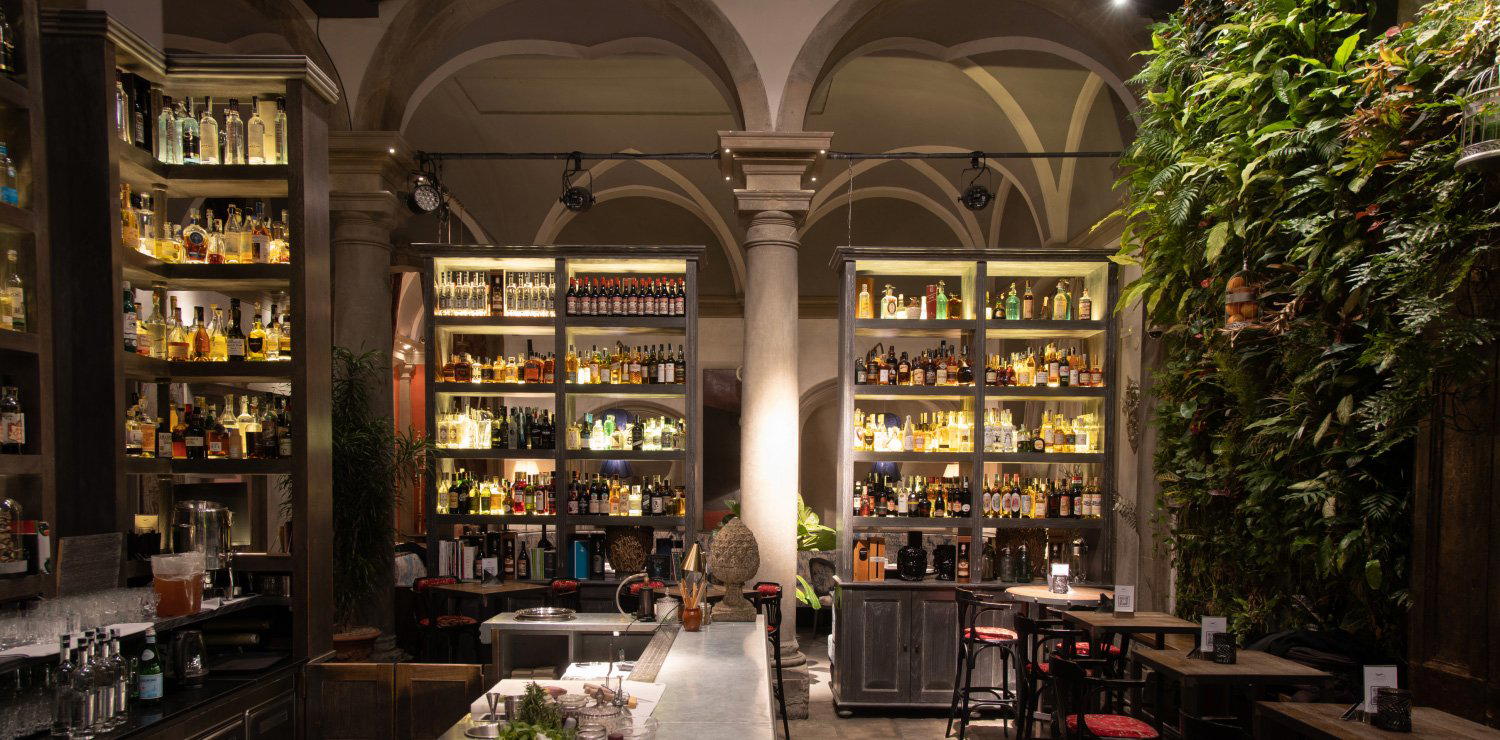
Vaulted ceilings, brick walls, elegant furniture, plants creating a traditional yet romantic forest-themed atmosphere with views of the open kitchen.