Weingut Keller

Falstaff Winery - Listed
The estate draws visitors and allocations-hunters from across Europe, placing it in the upper tier of German wine destinations worth planning a dedicated trip around.

Pearl is the En Primeur Club membership app — saves, bookings, and concierge access live there. Same editors, same standards.
- Address
- Bahnhofstraße 1, 67592 Flörsheim-Dalsheim
- Phone
- +49 6243 456
- Website
- keller-wein.de
- Directions
- Get directions
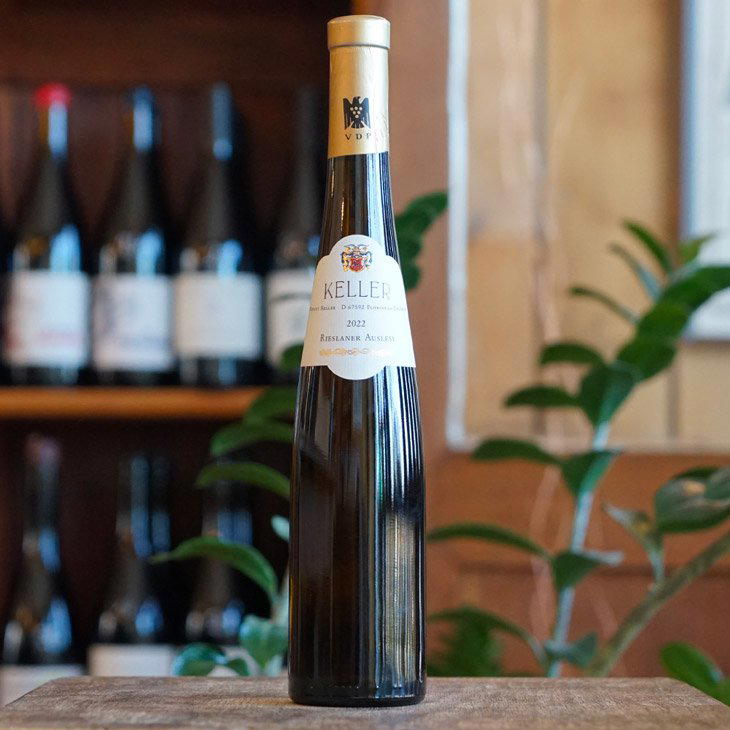
Flörsheim-Dalsheim and the Rheinhessen Argument
Rheinhessen spent decades as Germany's bulk-wine engine, the region that filled supermarket shelves rather than inspiring cellar collections. That reputation has inverted sharply over the past twenty years. A generation of producers working limestone and red-slate sites across the region's southern villages has repositioned Rheinhessen as one of Germany's most serious fine-wine addresses, pulling critical attention away from the Mosel and Pfalz corridors that long held a monopoly on prestige. Flörsheim-Dalsheim sits in this redrawn map, a small village whose vineyards occupy the Dalsheimer Hubacker and Bürgel sites that consistently produce wines of measurable density and age-worthiness. Weingut Keller, at Bahnhofstraße 1 in the village centre, is the producer most responsible for placing those site names in international conversation.
For context on how the region arrived here, compare Keller's position to peers such as Weingut Battenfeld-Spanier in Hohen-Sülzen, another Rheinhessen producer building a case for the region through volcanic and limestone-heavy terroir. Both sit in a cohort that has turned the old Rheinhessen narrative on its head, working within a fifteen-kilometre radius of each other yet producing wines that read as individual site documents rather than regional blends.
The Ground Beneath the Vines
The soils around Flörsheim-Dalsheim are unusually varied for a single village. Limestone dominates the Hubacker site, a geological layer that imposes a tautness and mineral salinity on white wines grown there. The Bürgel site adds clay-limestone mixes that broaden texture without softening the underlying tension. This is not an easy terroir to work: the same mineral intensity that creates complexity in a ripe vintage can tip into austerity in a cooler year. Producers who understand the timing of harvest and the discipline of low intervention tend to get the most readable expression from the land. That capacity to translate geology into a glass is what earns an estate recognition at the level Keller holds.
Germany's grape variety hierarchy means that Riesling carries the most critical weight, and the combination of Rheinhessen limestone with a continental climate that produces warm days and cool nights is a structurally sound argument for Riesling of genuine depth. The variety's natural acidity acts as a backbone against which the mineral salinity of limestone soils can express itself clearly. Estates working these sites at their leading produce wines where the terroir is the dominant voice, variety a secondary frame. For comparison, Weingut A. Christmann in Neustadt an der Weinstraße and Weingut Dr. Bürklin-Wolf in Wachenheim an der Weinstraße occupy comparable positions in the adjacent Pfalz, where warm-climate Riesling reads differently but the underlying case for site-driven winemaking runs parallel.
Where Keller Sits in the German Premium Tier
Germany's fine-wine hierarchy has consolidated around a cluster of estates whose reputations are built on single-vineyard bottlings, allocation systems, and sustained critical recognition rather than volume. The Mosel corridor, anchored by houses such as Weingut Fritz Haag in Brauneberg, Weingut Clemens Busch in Pünderich, and Weingut Grans-Fassian in Leiwen, has traditionally held the prestige position for Riesling. The Rheingau, represented by estates including Kloster Eberbach in Eltville, Weingut Allendorf in Oestrich-Winkel, and Weingut Georg Breuer in Rüdesheim am Rhein, adds another historically weighted reference point.
The Verband Deutscher Prädikatsweingüter, the VDP classification body, provides another calibration. The GG (Grosses Gewächs) designation for dry wines from classified sites functions as Germany's closest equivalent to a premier cru or grand cru tier. Estates working at Keller's recognised level are typically producers whose VDP site classifications carry genuine market weight, with secondary market prices and allocation waiting lists reflecting international collector interest rather than just domestic enthusiasm.
For a sense of how Rheinhessen sparkling production compares, the village is also home to Sekthaus Raumland, a Sekt producer that operates at the upper end of Germany's traditional-method sparkling category. Two producers of this standing in one small village is a geographical coincidence that reinforces Flörsheim-Dalsheim's claim to serious-wine attention. See our full Flörsheim-Dalsheim restaurants and winery guide for broader context on what the village offers.
Planning a Visit to Flörsheim-Dalsheim
The village sits in southern Rheinhessen, roughly equidistant between Worms to the north and Alzey to the west, accessible by car along the B47 and regional roads. There is a train station at Flörsheim-Dalsheim on the Mainz-Mannheim line, which makes it reachable from Frankfurt and Mannheim without a car, though infrequent services mean timing matters. Worms, a larger city with better infrastructure, serves as a practical base for exploring the southern Rheinhessen cluster.
Estates at Keller's recognition level do not typically operate as walk-in tasting rooms. The standard model for producers in this tier involves advance booking for visits, and in many cases allocation access requires being on a mailing list rather than arriving at the cellar door. Visitors who plan ahead and contact the estate directly before travelling give themselves the leading chance of a substantive experience. For practical logistics, the winery address is Bahnhofstraße 1, 67592 Flörsheim-Dalsheim; beyond that, direct contact with the estate is advisable before any visit. The harvest window from late September through October is the most atmospheric time to be in Rheinhessen's wine villages, when the vineyards are in full activity and the cellar energy is palpable. Spring tastings, typically April and May, align with the period when the previous vintage's wines are being assessed and discussed, which suits buyers and collectors.
Visitors combining Weingut Keller with broader German wine-country itineraries can extend into the Pfalz, where Weingut Bassermann-Jordan in Deidesheim and Weingut Bürgerspital zum Heiligen Geist in Würzburg offer complementary but distinct regional perspectives. For those whose travel extends to Franconia or the Nahe, the contrast in how limestone, sandstone, and volcanic soils each shape German Riesling becomes a useful frame for appreciating what Keller's Flörsheim-Dalsheim sites specifically produce.
A Quick Peer Check
Comparable venues nearby, for context on price, style, and recognition.
| Venue | Cuisine | Price | Awards | Notes |
|---|---|---|---|---|
| Weingut KellerThis venue — the venue you are viewing | Riesling, Pinot Noir | $50–100 | Falstaff Winery - Listed | Not listed |
| Sekthaus Raumland | Pinot Noir, Chardonnay | Not listed | Falstaff Winery - 4 Stars | Flörsheim-Dalsheim |
| Weingut Ökonomierat Rebholz | Riesling, Pinot Blanc | Not listed | Falstaff Winery - Listed | Siebeldingen |
| Weingut Dr. Bürklin-Wolf | Riesling, Pinot Noir | $30–50 | Falstaff Winery - 5 Stars | Wachenheim an der Weinstraße |
| Weingut Reichsrat von Buhl | Riesling, Pinot Noir | Not listed | Falstaff Winery - 4 Stars | Deidesheim |
| Weingut Kühling-Gillot | Riesling, Spätburgunder | Not listed | Falstaff Winery - 5 Stars | Bodenheim |
Recognition history
Dated appearances from independent guides and award organizations, with the underlying list record or original source where available.
Falstaff Winery - Listed
Falstaff
Continue exploring
More in Flörsheim-Dalsheim
Wineries in Flörsheim-Dalsheim
Browse all →
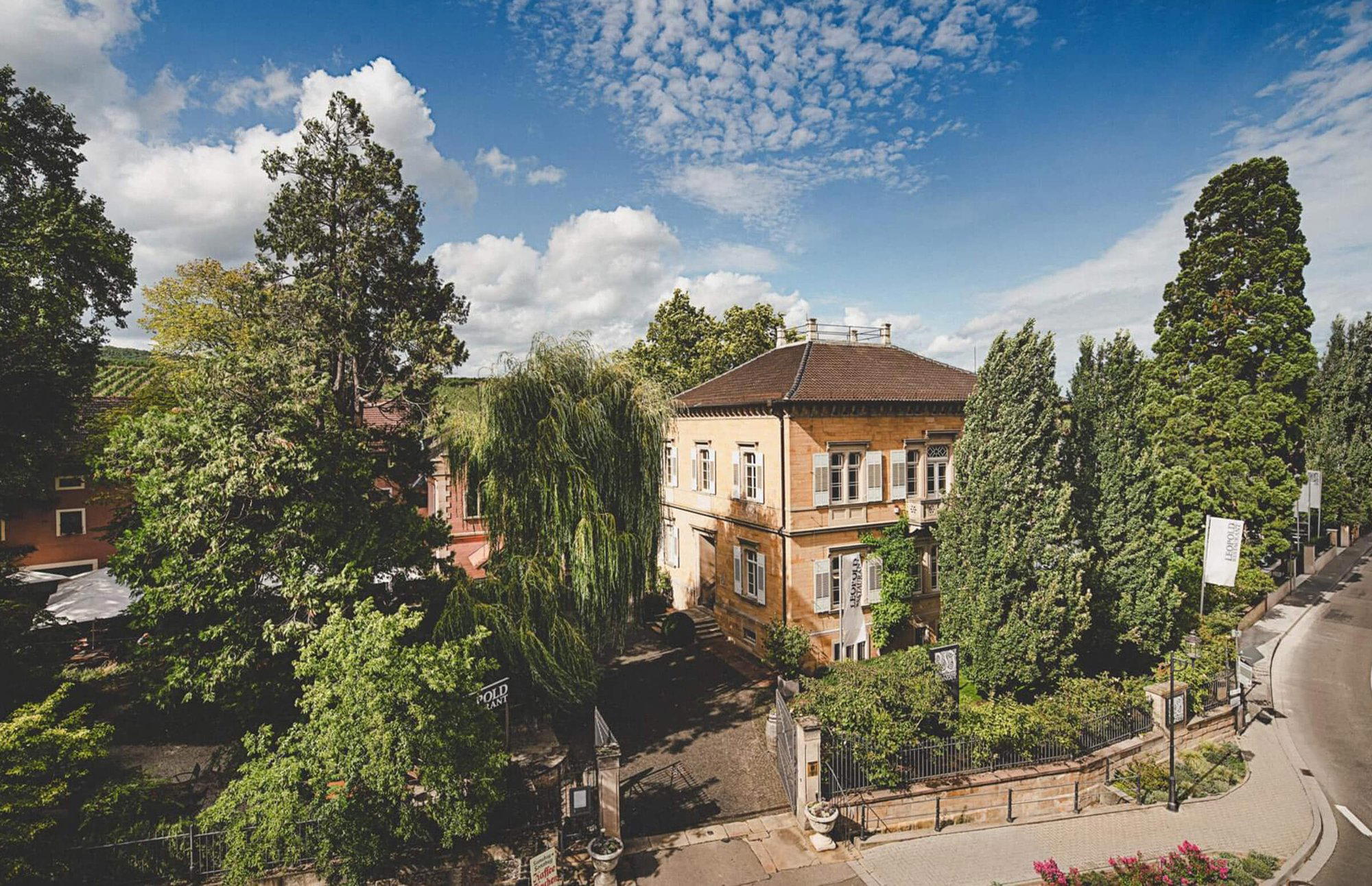
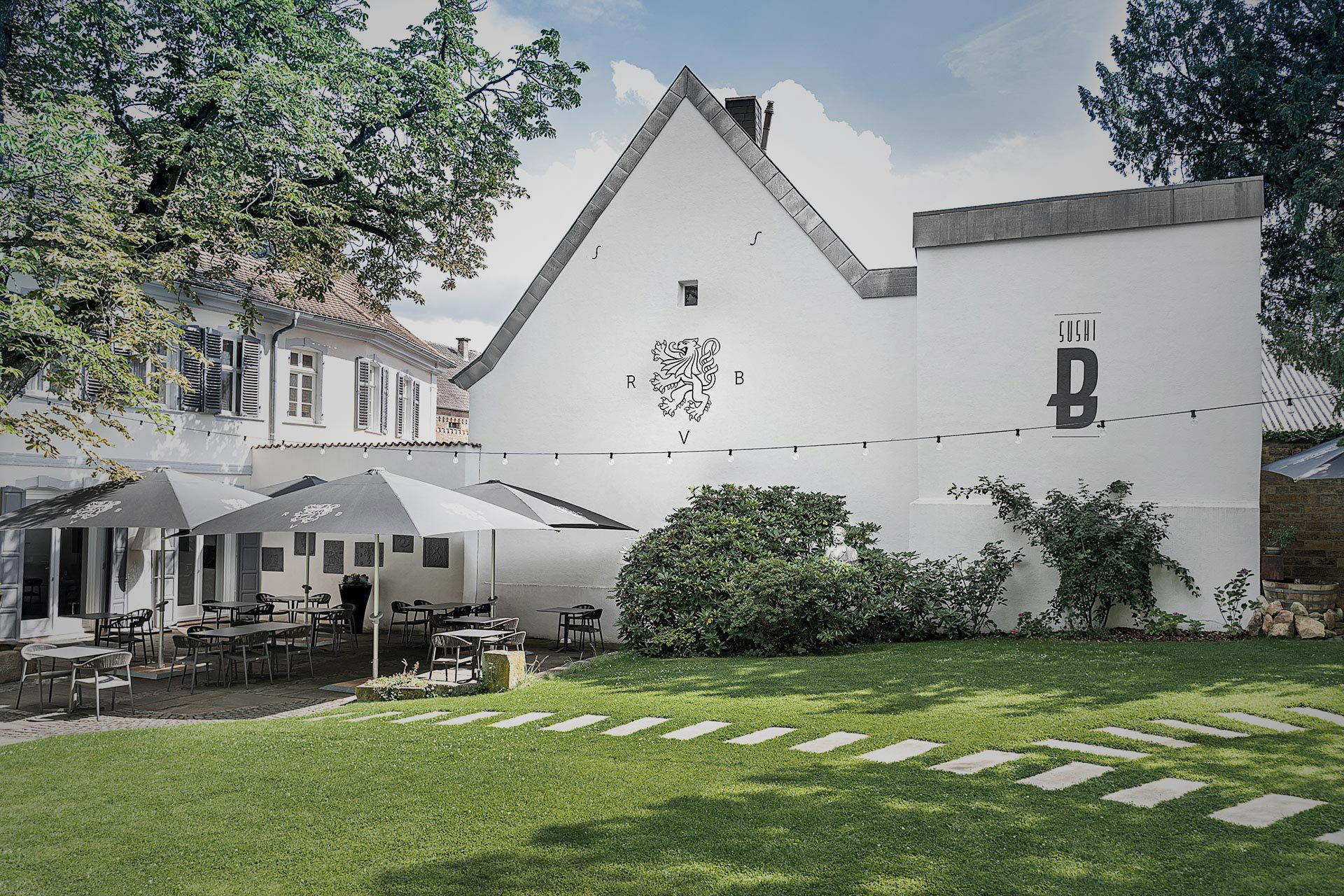
Bars in Flörsheim-Dalsheim
Browse all →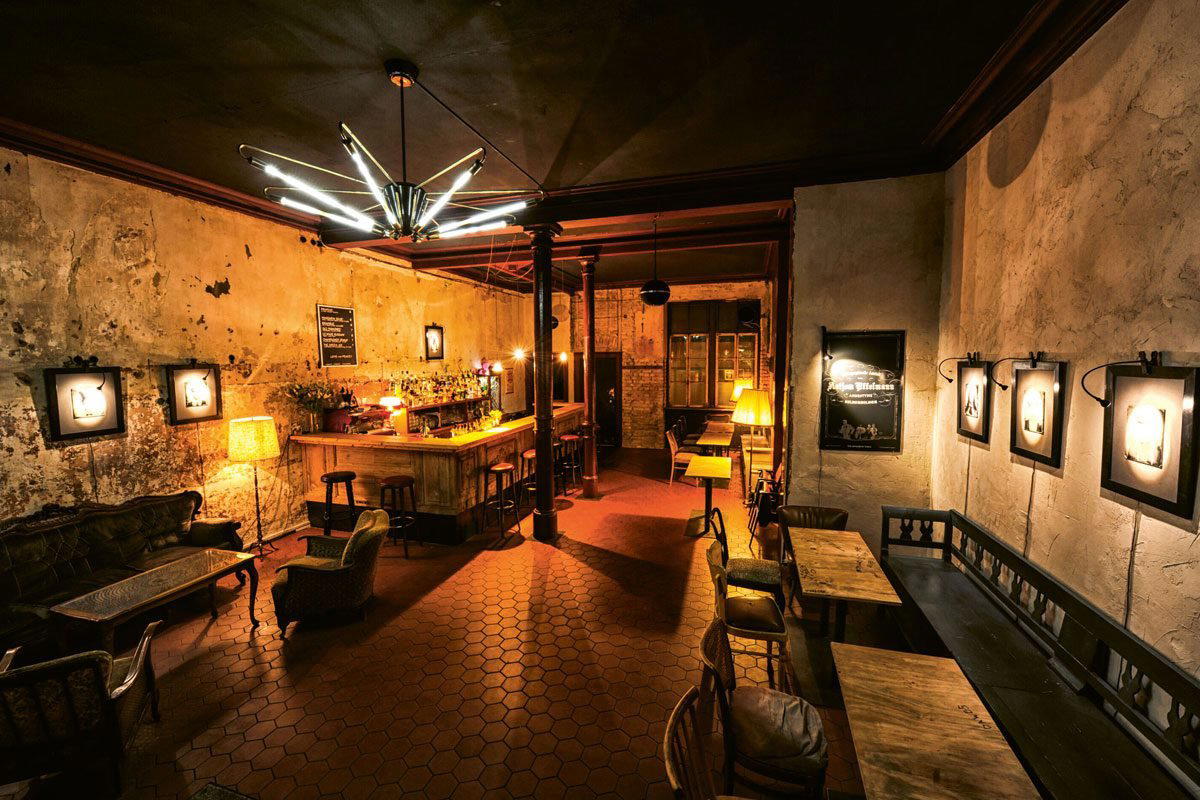
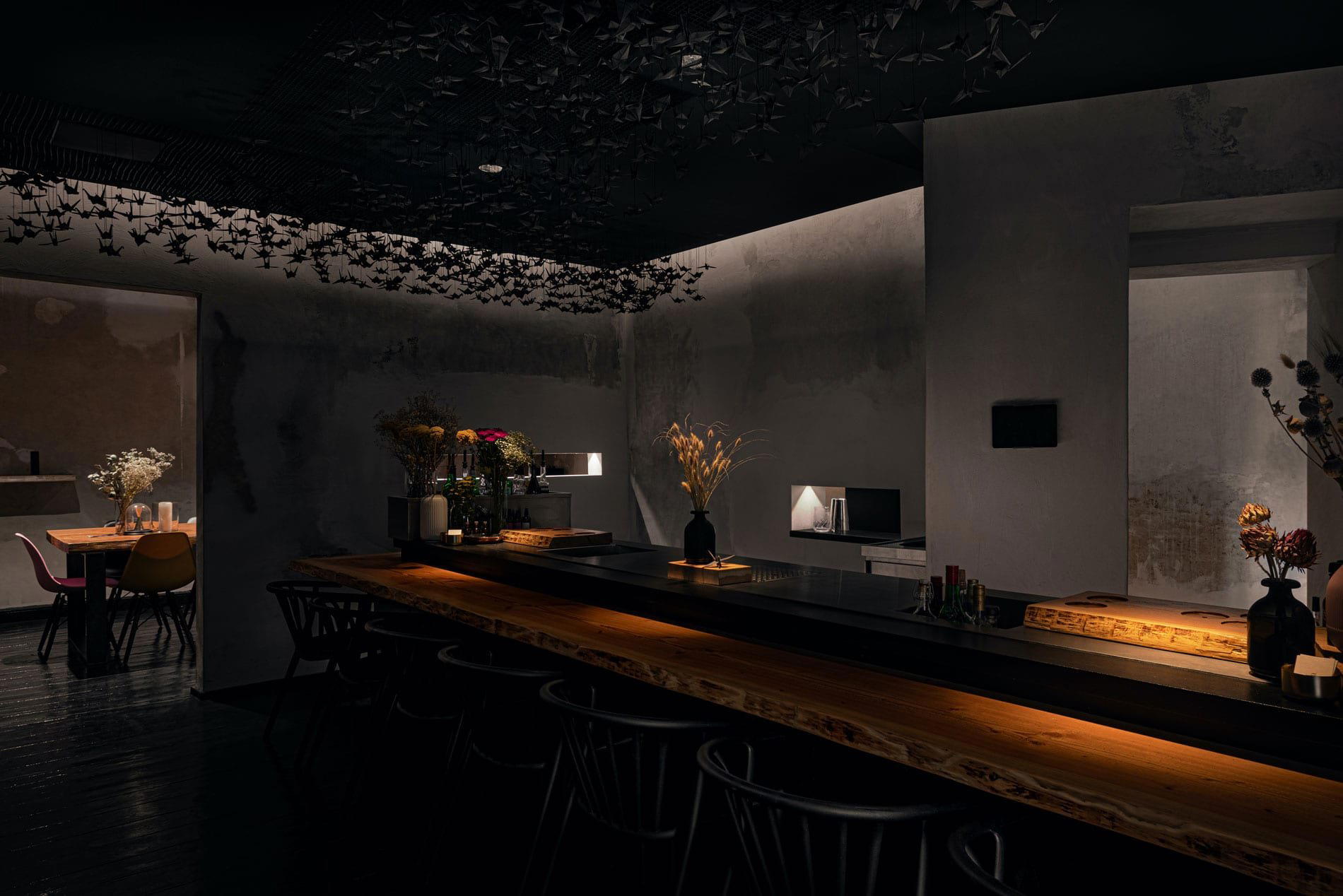
Restaurants in Flörsheim-Dalsheim
Browse all →
Details
- Elegant
- Rustic
- Scenic
- Intimate
- Sophisticated
- Wine Education
- Special Occasion
- Solo Exploration
- Vineyard Tour
- Estate Grounds
- Panoramic View
- Organic
- Biodynamic
- Sustainable
- Vineyard
- Garden
- Riesling
- Pinot Noir
- Pinot Blanc
- Pinot Gris
- Silvaner
- Chardonnay
- Scheurebe
- Rieslaner
- Still White
- Still Red
- Cave Tasting
- Private Tasting
- German
- English
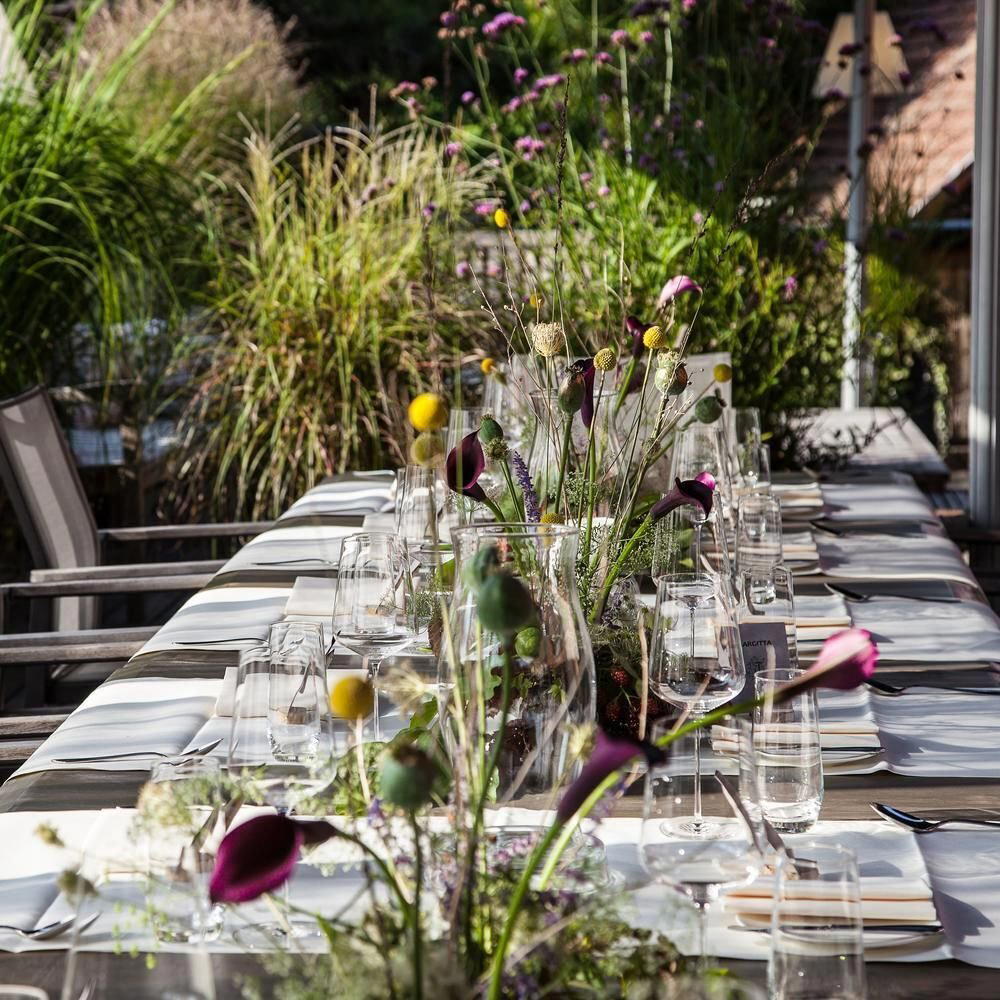
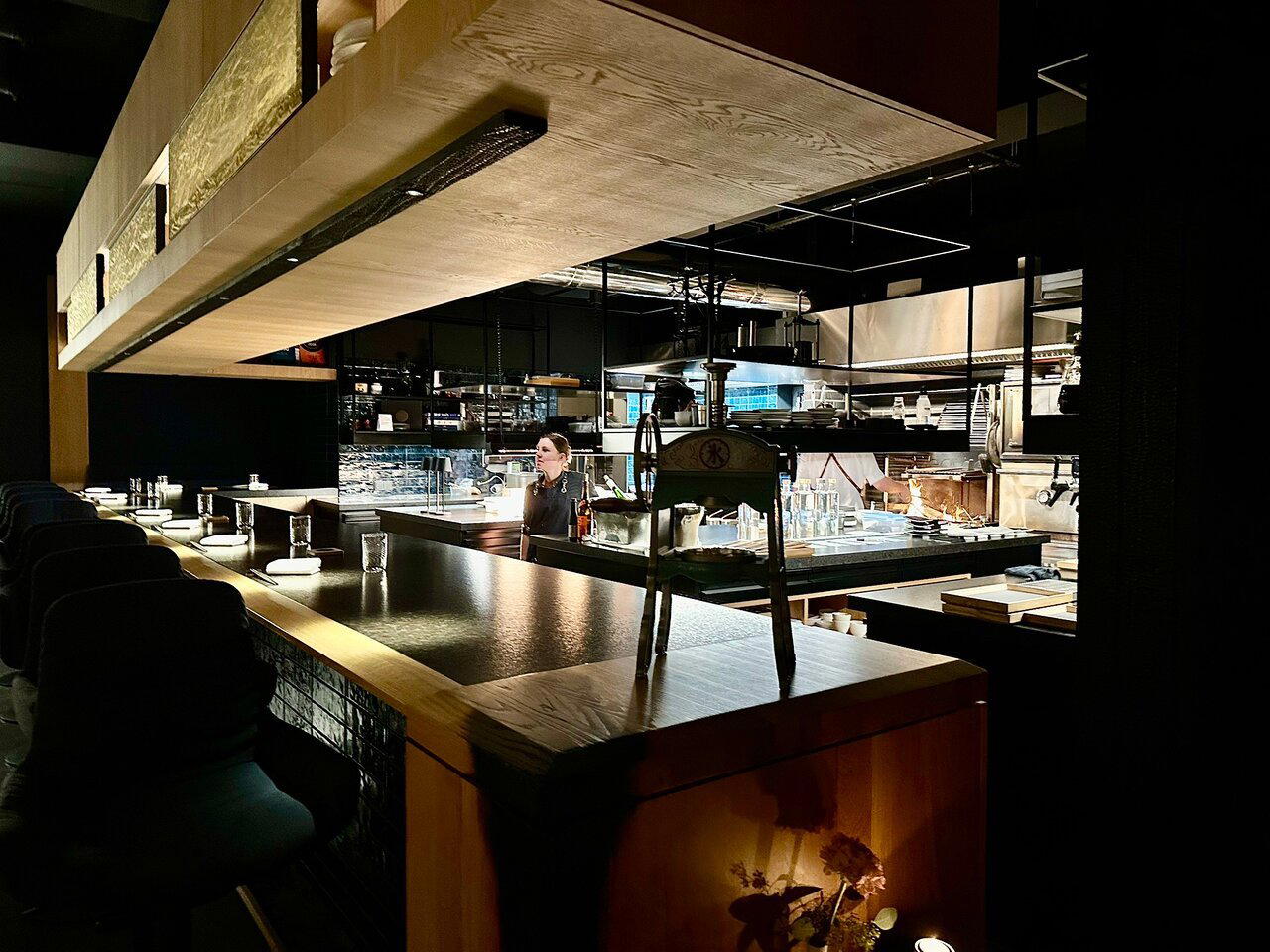
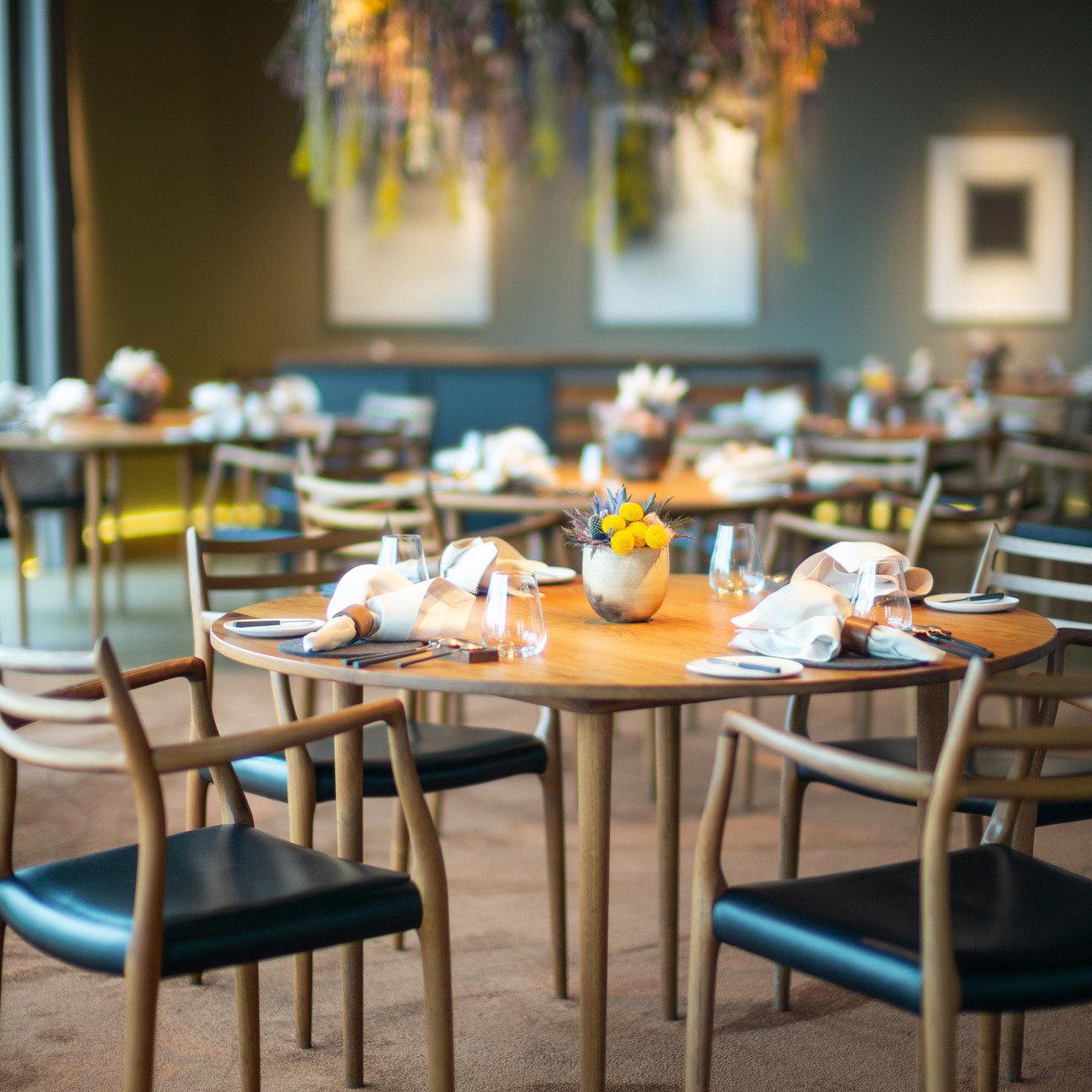
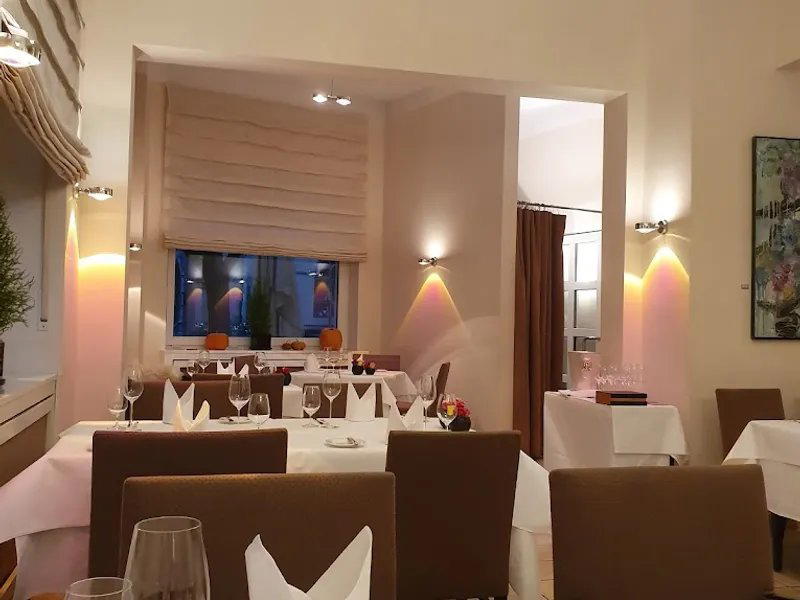
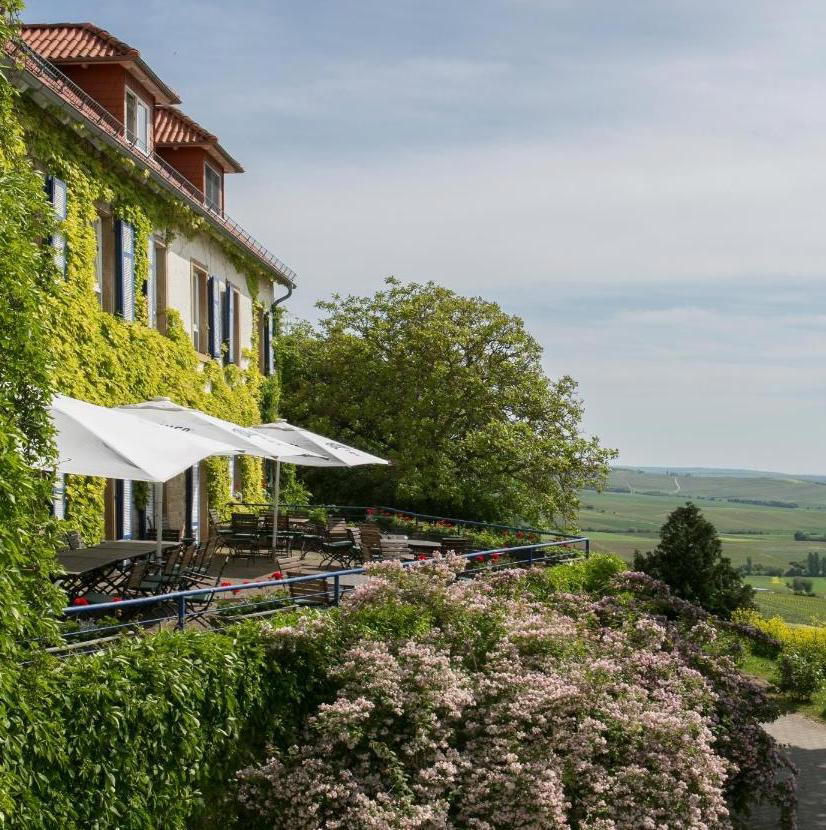
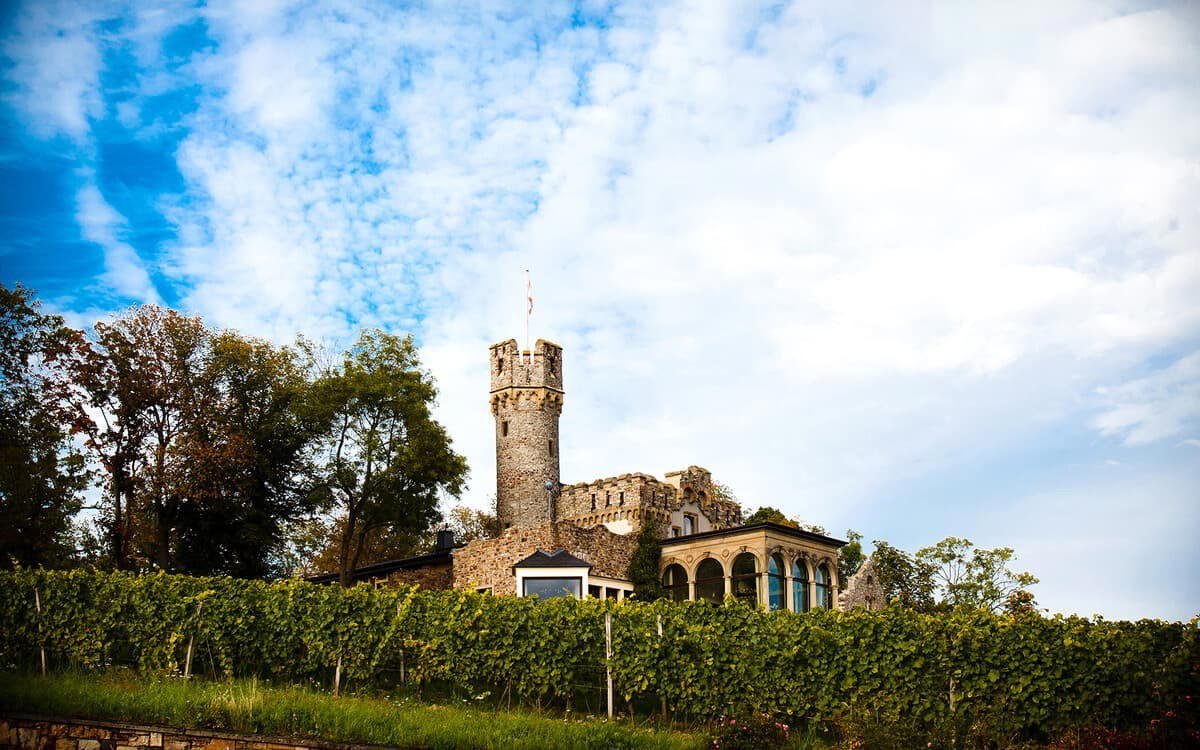
Refined and serene atmosphere emphasizing terroir purity, with elegant tasting experiences in a historic family estate surrounded by limestone vineyards.