Hotel Europäischer Hof Heidelberg

Opening in 1865 to receive aristocratic guests visiting Heidelberg Castle, the Europäischer Hof has been managed by the same family for over a century. Scored 93.5 points on the 2026 La Liste Top Hotels ranking, the property's 116 rooms carry grand-era detailing, coffered ceilings, crystal chandeliers, brocade accents, alongside a rooftop sun deck and a wood-panelled cocktail bar. Rates start around $260 per night.
Pearl is the En Primeur Club membership app — saves, bookings, and concierge access live there. Same editors, same standards.
- Address
- Friedrich-Ebert-Anlage 1, 69117 Heidelberg
- Phone
- +49 6221 5150
- Website
- europaeischerhof.com
- Directions
- Get directions
 Saves & bookings on Pearl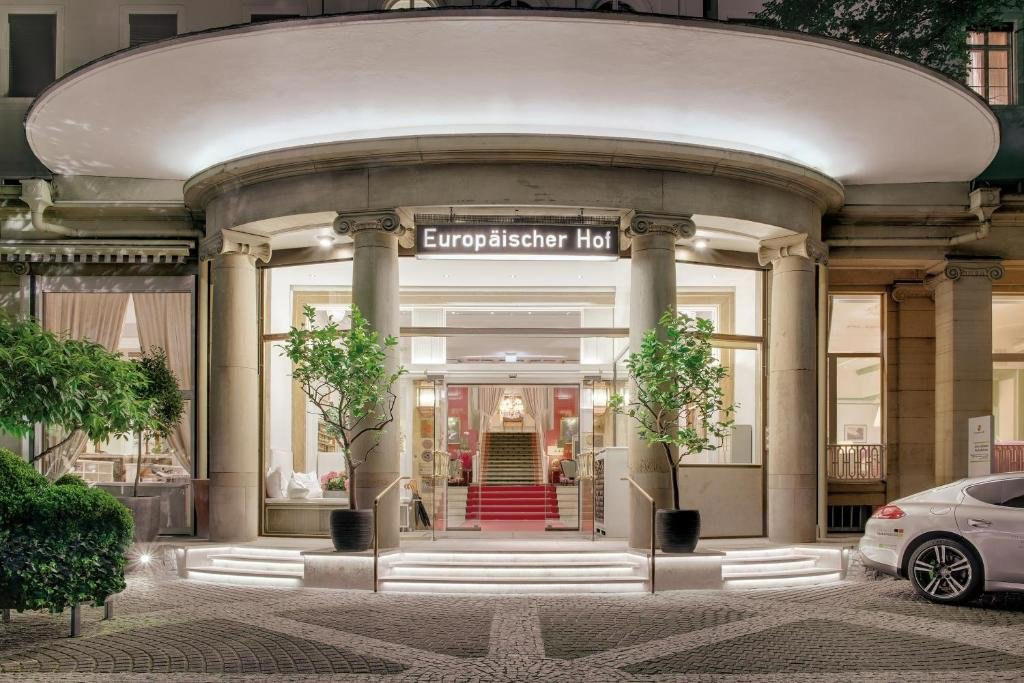
A Grand Hotel in a City Built for Grand Hotels
Heidelberg draws roughly a million visitors annually to its castle alone, a figure that has, over two centuries, produced one of Germany's densest concentrations of hotel inventory relative to city size. Within that supply, properties stratify quickly: there are competent mid-market options filling the approaches to the Altstadt, and then there is the Europäischer Hof, which sits in a different tier entirely. Scored at 93.5 points on the 2026 La Liste Leading Hotels ranking, it stands among Heidelberg's most established luxury hotels, with historical pedigree, physical scale, and sustained family stewardship.
The comparison set, for guests weighing their options, runs beyond Heidelberg. Across Germany, grand-dame hotels with century-plus histories and family ownership include properties such as the Fairmont Hotel Vier Jahreszeiten in Hamburg, the Excelsior Hotel Ernst in Cologne, and the Bülow Palais in Dresden. The Europäischer Hof belongs to that cohort by history and positioning, though it operates in a smaller city with a correspondingly intimate character that those urban flagships cannot replicate.
Entering the Building
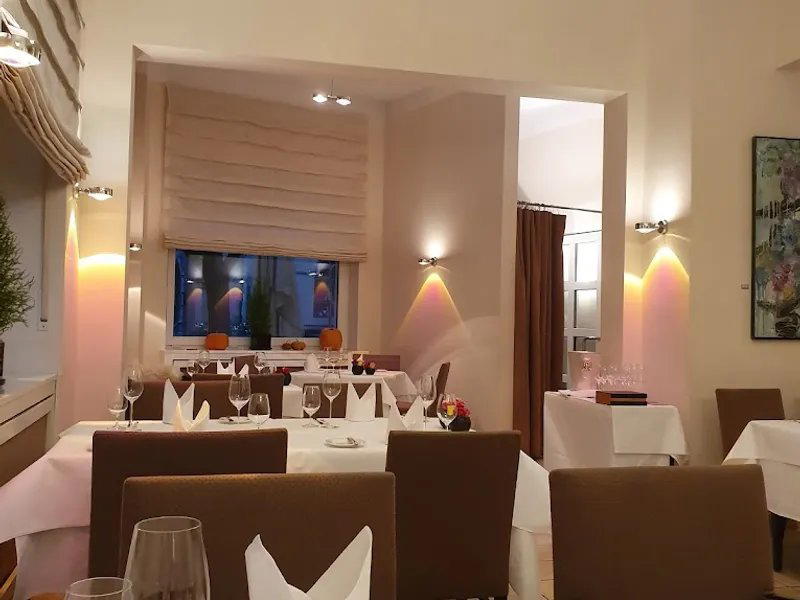
The address at Friedrich-Ebert-Anlage 1 places the hotel on one of Heidelberg's principal approach roads, within easy reach of the old town on foot. The exterior signals its era without apology: this is a building that was designed to impress arriving carriages and has since been modernised enough to receive arriving taxis without awkwardness. The lobby interior draws on the full vocabulary of late-nineteenth-century European grand hotel architecture, rich woodwork, coffered ceilings, crystal chandeliers, and heavy drapery. Period furnishings are placed with enough deliberateness that they read as curatorial rather than merely accumulated. The effect is not a recreation of the past but something more like an unbroken continuation of it, which is a different and rarer thing.
That continuity has a specific cause. The hotel opened in 1865. It has been under single-family management for more than a century. Where brand-managed properties refresh their identities on ownership cycles, a family-held hotel of this standing tends to carry institutional memory into its service culture, staff who have been there for decades, a front-of-house cadence that does not require a script, an understanding of what repeat guests expect before they ask. This is the service philosophy that extended family ownership tends to produce, and it is a material differentiator in a market where international hotel groups have increasingly standardised the guest experience across their portfolios.
Rooms and the Balance Between Then and Now
116 rooms and suites occupy the building across its expanded footprint. The public rooms lean heavily into the grand-era aesthetic, but the guest rooms carry a more considered edit: ivory and gold colour palettes, dark wood flooring, linen duvets, and brocade details that reference the period character without reproducing it wholesale. Antique and contemporary pieces are mixed rather than segregated, which prevents the rooms from reading as museum installations. For guests comparing this to other design-led properties in the region, such as Hotel Bergheim41 or Heidelberg Suites, the Europäischer Hof offers a different proposition: not stripped-back modernism but controlled historic layering, where comfort is prioritised and the aesthetic is warm rather than spare.
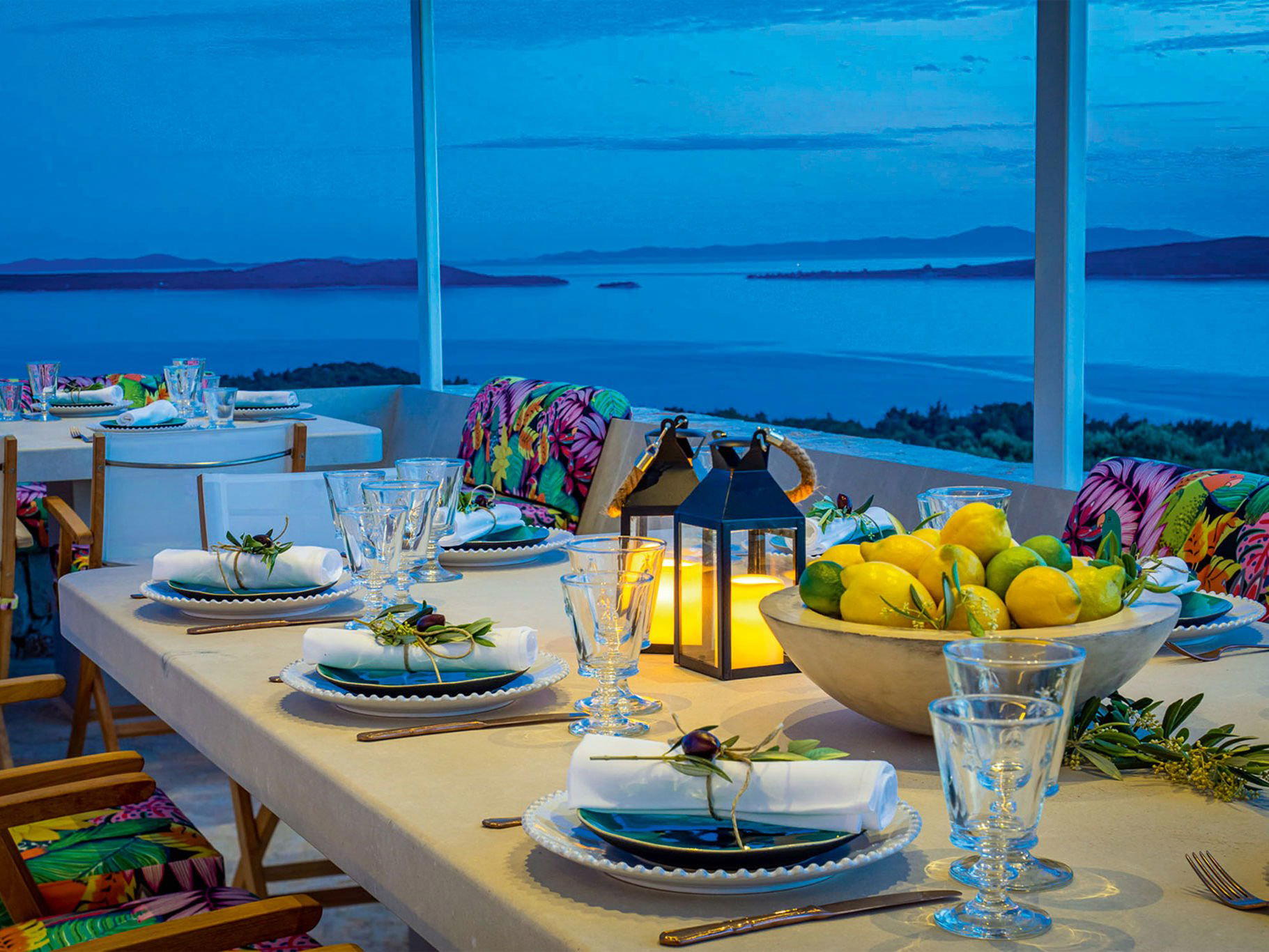
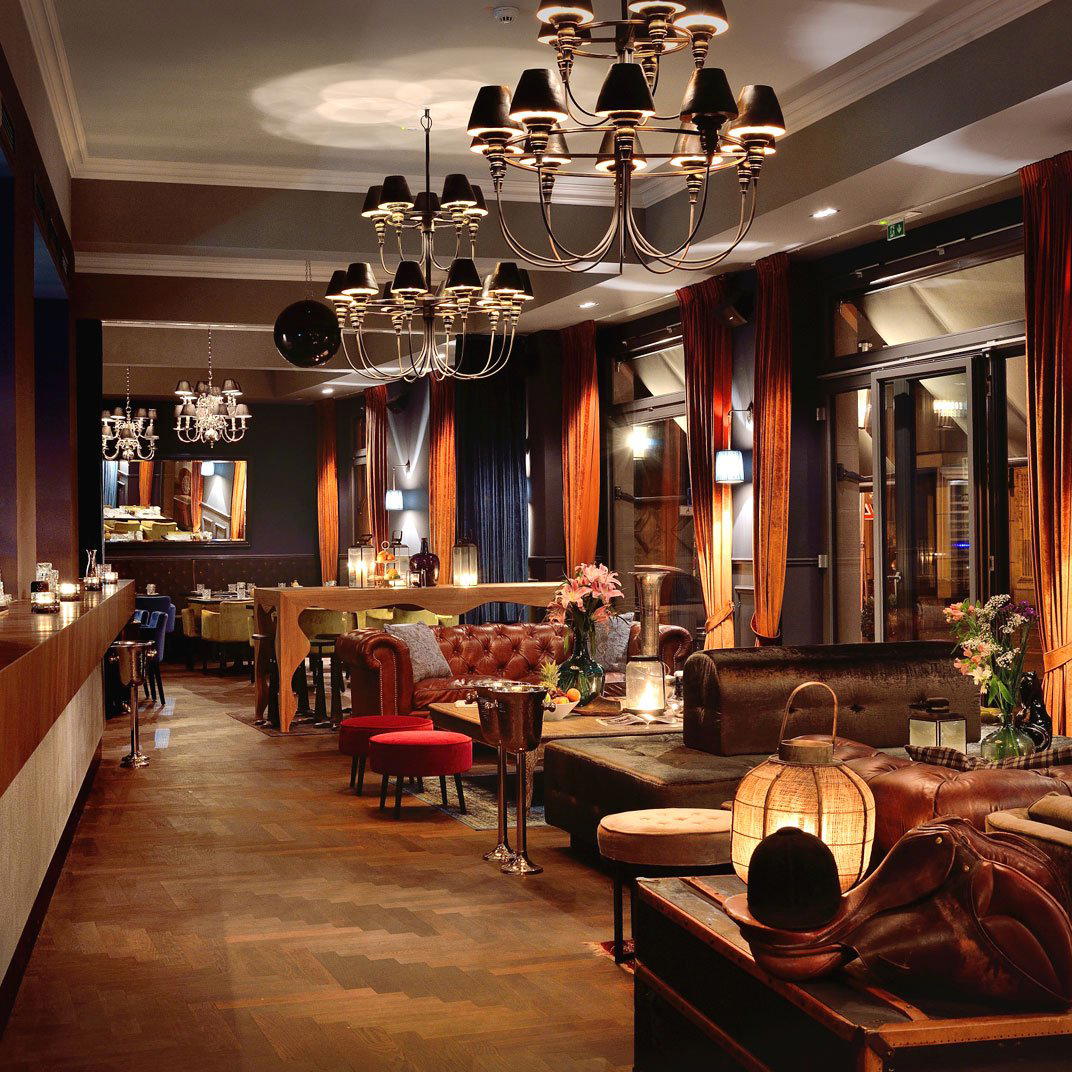
Among the hotel's amenity anchors, the indoor pool arrives with natural light, a practical rarity in a building of this age and construction, alongside a rooftop sun deck that gives direct views over the surrounding city. The cocktail bar occupies a wood-panelled room furnished with leather armchairs, its retro styling a deliberate counterpoint to the lobby's more formal register. These spaces function as destinations within the hotel rather than incidental add-ons, which matters in a city where evening options in the immediate vicinity of the old town concentrate quickly at the higher end.
Where the Europäischer Hof Sits in the Wider German Grand Hotel Category
Germany's grand-hotel tier is geographically spread and stylistically diverse. Resort properties such as Althoff Seehotel Überfahrt in Rottach-Egern, Hotel Bareiss in Baiersbronn, Das Kranzbach Hotel in Kranzbach, and Kempinski Hotel Berchtesgaden compete on landscape and wellness programming in ways that a city hotel cannot. Urban grand dames such as the Hotel de Rome in Berlin, the Breidenbacher Hof in Düsseldorf, or the Mandarin Oriental Munich compete on scale, restaurant programming, and metropolitan access. The Europäischer Hof's position is more specific: it is a city hotel in a mid-size cultural destination, where the castle and the university define the rhythm of arrivals, and where the proximity of the Neckar Valley wine region and the Black Forest makes it a plausible anchor for itineraries that extend well beyond Heidelberg itself.
For guests building a wider Baden-Württemberg or Palatinate routing, the hotel's location makes practical sense alongside properties such as Hotel Ketschauer Hof in Deidesheim, which serves the Palatinate wine route, or Der Öschberghof in Donaueschingen to the south. These are properties with distinct orientations, while the Europäischer Hof serves as a city base for a Heidelberg stay. Other German addresses worth considering in the broader luxury tier include Esplanade Saarbrücken, LA MAISON in Saarlouis, Luisenhöhe in Horben, Landhaus Stricker on Sylt, BUDERSAND Hotel in Hörnum, Gut Steinbach in Reit im Winkl, and Schloss Elmau in Elmau. For travellers whose itineraries extend internationally, The Fifth Avenue Hotel in New York, Aman New York, and Aman Venice each represent comparable grand-tradition formats in different city contexts.
Planning Your Stay
Rates start around $226 per night, positioning the Europäischer Hof at the upper end of Heidelberg's accommodation range. The address at Friedrich-Ebert-Anlage 1 places guests within walking distance of the old town and the funicular ascent to the castle. Heidelberg is served by trains from Frankfurt, with journey times typically under one hour, making it accessible as a standalone destination or as part of a longer routing through southwestern Germany.
Cuisine Lens
Comparable venues nearby, for context on price, style, and recognition.
| Venue | Cuisine | Price | Awards | Notes |
|---|---|---|---|---|
| Hotel Europäischer Hof HeidelbergThis venue — the venue you are viewing | Historic luxury family-owned hotel blending tradition and modern comfort | $$$$ | Michelin 1 Key | Not listed |
| Heidelberg Suites | Luxury boutique suites with privacy and personalized service | $$$$ | Michelin 1 Key | Neuenheim |
| Arthotel Heidelberg | Boutique design hotel blending historic facade with modern puristic interiors. | $$$ | 4-Star | Old Town |
| Hotel Bergheim41 | Modern city hotel in historic building | $$$ | 4-Star | Bergheim |
| Burg Schwarzenstein | Historic castle estate with modern annexes | $$$$ | Michelin 1 Key | Geisenheim |
| Hardenberg BurgHotel | Castle-side luxury retreat with premium amenities | $$$$ | Michelin 1 Key | Nörten-Hardenberg |
Recognition history
Dated appearances from independent guides and award organizations, with the underlying list record or original source where available.
La Liste Top Hotels
La Liste
Continue exploring
More in Heidelberg
Hotels in Heidelberg
Browse all →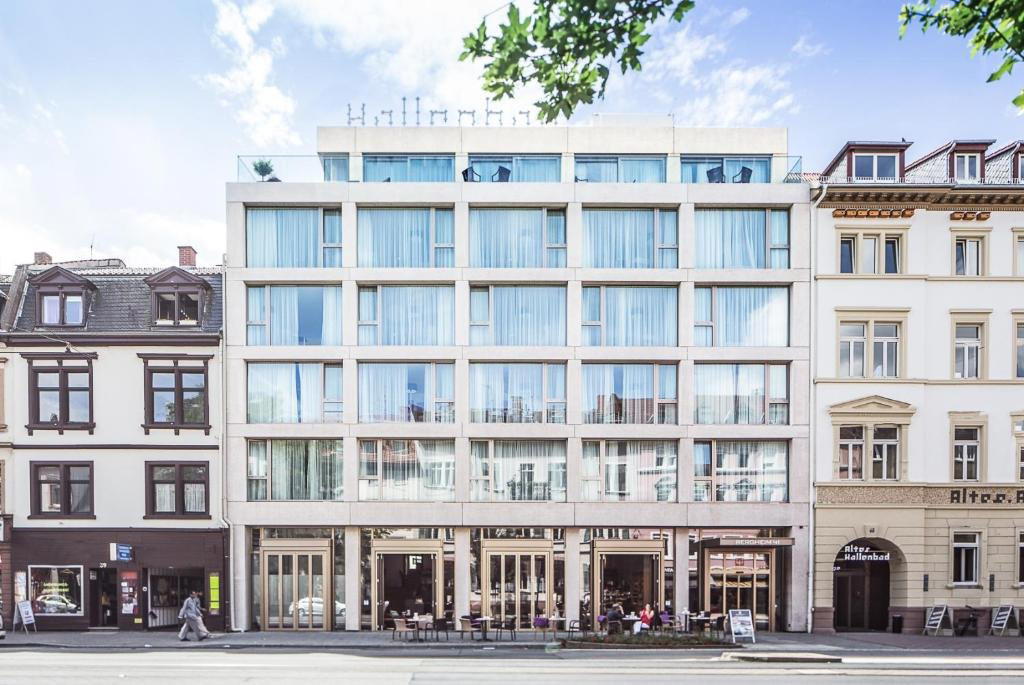
Bars in Heidelberg
Browse all →
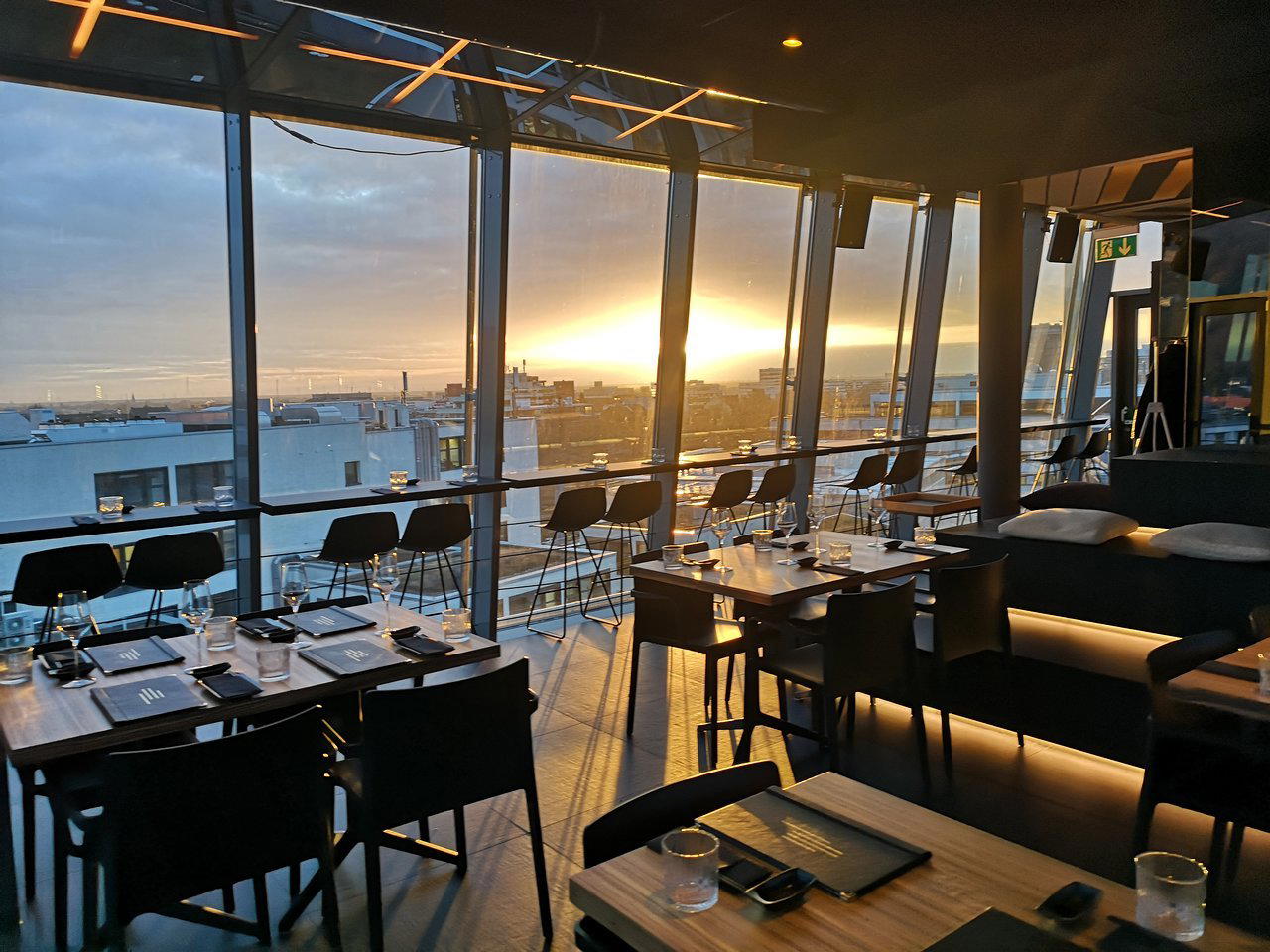
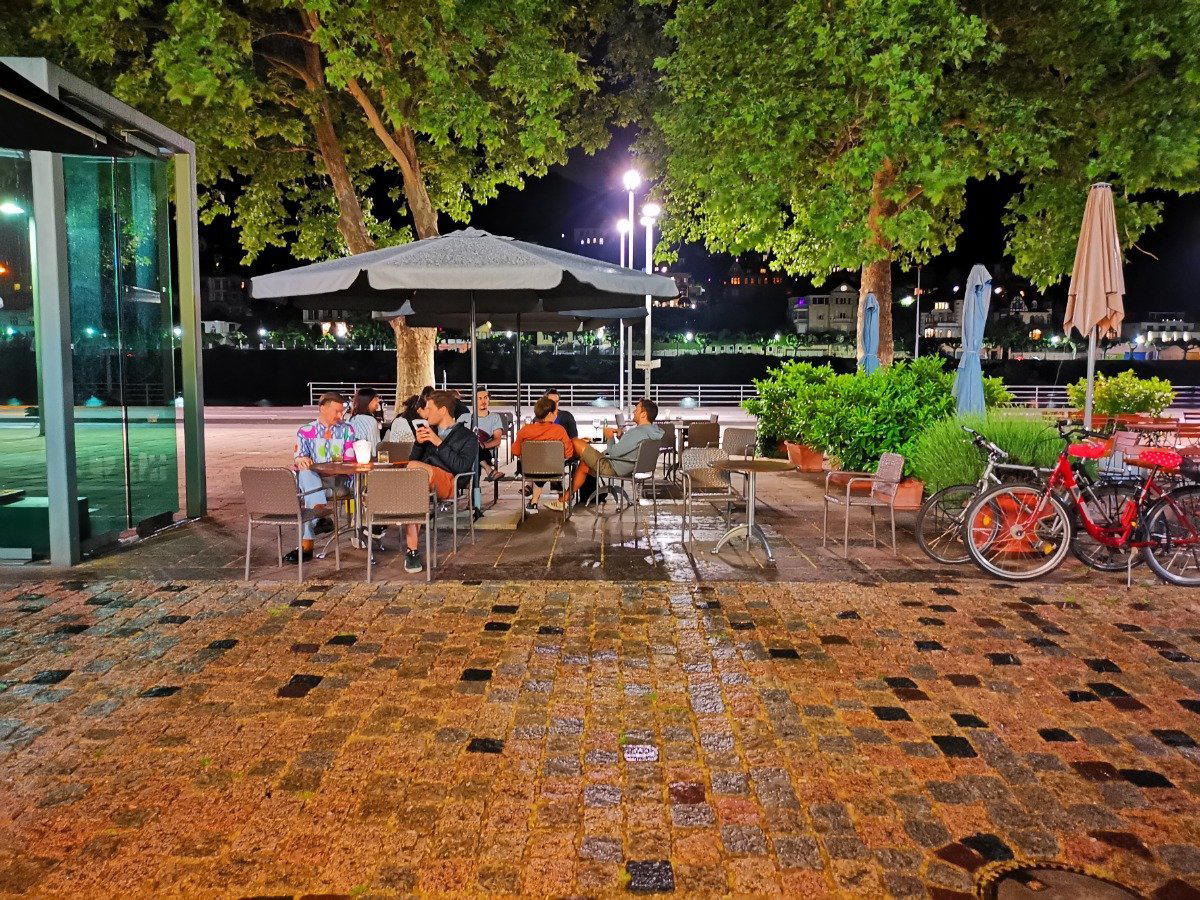
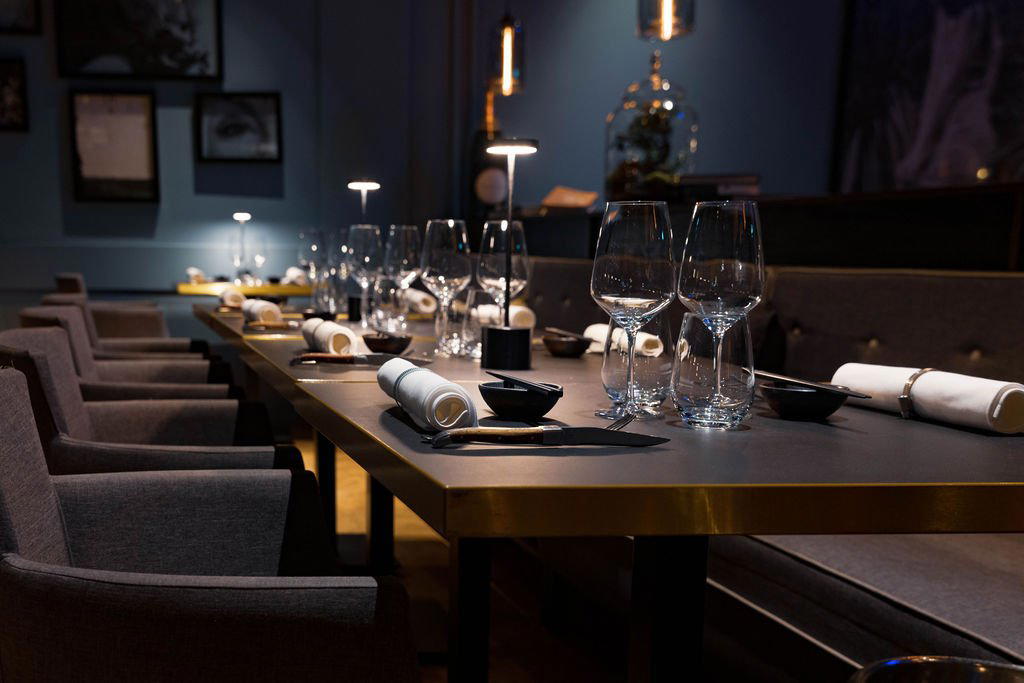
Restaurants in Heidelberg
Browse all →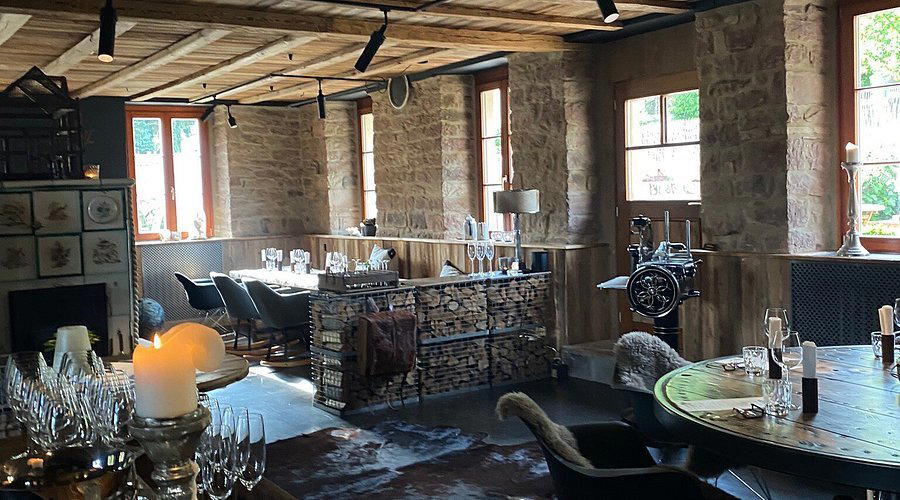
At a Glance
- Elegant
- Sophisticated
- Classic
- Romantic Getaway
- Business Trip
- Family Vacation
- Historic Building
- Panoramic View
- Rooftop Pool
- Pool
- Spa
- Sauna
- Fitness Center
- Room Service
- Concierge
- Business Center
- Valet Parking
- EV Charging
- Mountain
- Pool
- Spa
- Sauna
- Fitness Center
- Room Service
- Concierge
- Business Center
- Valet Parking
- EV Charging
Warm and inviting with cozy fireplaces, festive decor, wood-paneled bar, and relaxing spa atmosphere.