Weingut Bäcker

Falstaff Winery - Listed
Weingut Bäcker is a small organic Ahr producer in Bad Neuenahr-Ahrweiler, rooted in steep vineyard farming and ECOVIN principles since 1990. The appeal is not scale or spectacle, but a quiet rural cellar-door style, Spätburgunder-led regional identity, and a low-intervention approach that places the valley’s terrain ahead of cellar polish.

Pearl is the En Primeur Club membership app — saves, bookings, and concierge access live there. Same editors, same standards.

In Bad Neuenahr-Ahrweiler, Weingut Bäcker is best understood as a small, traditional bio winery rather than a polished visitor complex. Its setting is rural Walporzheim in the Ahr valley, and the appeal is quiet: a classic, rustic address for travelers who are more interested in farming choices, cellar restraint and a hidden-gem atmosphere than in spectacle.
The picture is deliberately focused. Weingut Bäcker is a sustainability-minded winery with a low-intervention cellar approach, set within one of Germany’s most distinctive wine regions. That combination gives the address its character: modest scale, traditional feel, and a rural Ahr context where the landscape matters as much as the presentation. Beyond that, specific claims about grape varieties, production volume, awards, founders, tasting formats or appointment rules should not be assumed unless confirmed directly with the winery.
Steep Ahr farming, read through organic practice
The most useful lens for Weingut Bäcker is agricultural. The winery is described as bio and sustainability-focused, with a cellar approach that keeps intervention low. For visitors, that means the point of interest is not a branded luxury experience or an elaborate hospitality concept, but the relationship between farming, place and a traditional cellar culture.
Because the available information is narrow, the honest reading is also narrow. This is not a page to treat as a full technical profile of the estate’s vineyards, varieties, yields, bottle list or vinification details. What can be said is that Weingut Bäcker’s identity sits in the overlap between organic-minded work, a rural Walporzheim setting and a restrained cellar philosophy. That is enough to distinguish it from louder, more experience-led venues, but not enough to justify detailed claims about specific wines or services.
The atmosphere follows the same pattern. Weingut Bäcker is quiet, classic and rustic, with the feel of a rather than a high-gloss destination. Travelers who value understated places and want to encounter the Ahr through a small traditional winery will understand the appeal quickly. Those looking for a large visitor operation, a restaurant-style itinerary or a fully documented tasting program should confirm practical details before planning around it.
A portfolio shaped by place, not by performance
Without bottle-level detail, it is better to describe the winery by its orientation than by an invented portfolio. Weingut Bäcker’s draw is the sense of a small bio estate working in a rural Ahr valley context, with sustainability and low-intervention cellar practice forming the center of the story. That is a different kind of appeal from a venue built around named releases, awards or elaborate public programming.
For EP Club readers, the value lies in the editorial signal: this is a modest, traditional address for people who enjoy wine places where the farming philosophy is part of the atmosphere. The rustic, classic tone matters. It suggests a visit best approached with patience and curiosity, not with expectations imported from urban tasting rooms or luxury hospitality.
For wider context in Bad Neuenahr-Ahrweiler, consider the city’s broader dining and wine landscape generically rather than treating any single stop as the whole story. Weingut Bäcker fits most naturally into a low-key Ahr itinerary focused on quiet places, rural texture and sustainability-minded wine culture.
Who this cellar visit suits
Weingut Bäcker suits travelers who prefer understated wine addresses: small, traditional, rustic and rooted in place. The price indicator is $, which places it at the accessible end of the guide’s pricing scale, though exact current costs and tasting arrangements should be checked directly before visiting.
The best audience is likely to be curious wine drinkers who care about organic-minded farming and low-intervention cellar work, and who are comfortable with a venue whose public profile is not defined by detailed service claims. It is also a good fit for people who appreciate quieter rural stops in Bad Neuenahr-Ahrweiler and want something that feels less obvious than a showpiece destination.
In short, Weingut Bäcker’s confirmed appeal is simple but meaningful: a small traditional bio winery in Bad Neuenahr-Ahrweiler, with a rural Walporzheim setting, a sustainability focus and a quiet, classic, rustic character. Keep the expectations grounded, verify any practical arrangements in advance, and approach it as a hidden-gem Ahr valley stop rather than as a fully scripted hospitality experience.
Recognition history
Dated appearances from independent guides and award organizations, with the underlying list record or original source where available.
Falstaff Winery - Listed
Falstaff
Continue exploring
More in Bad Neuenahr-Ahrweiler
Wineries in Bad Neuenahr-Ahrweiler
All wineries in Bad Neuenahr-Ahrweiler →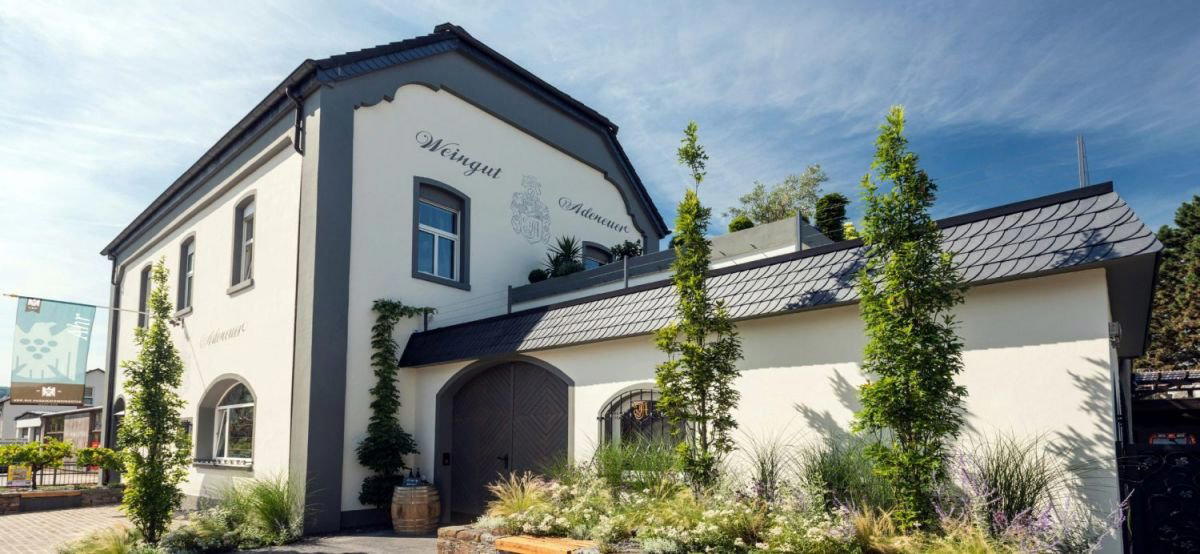
Bars in Bad Neuenahr-Ahrweiler
Browse all →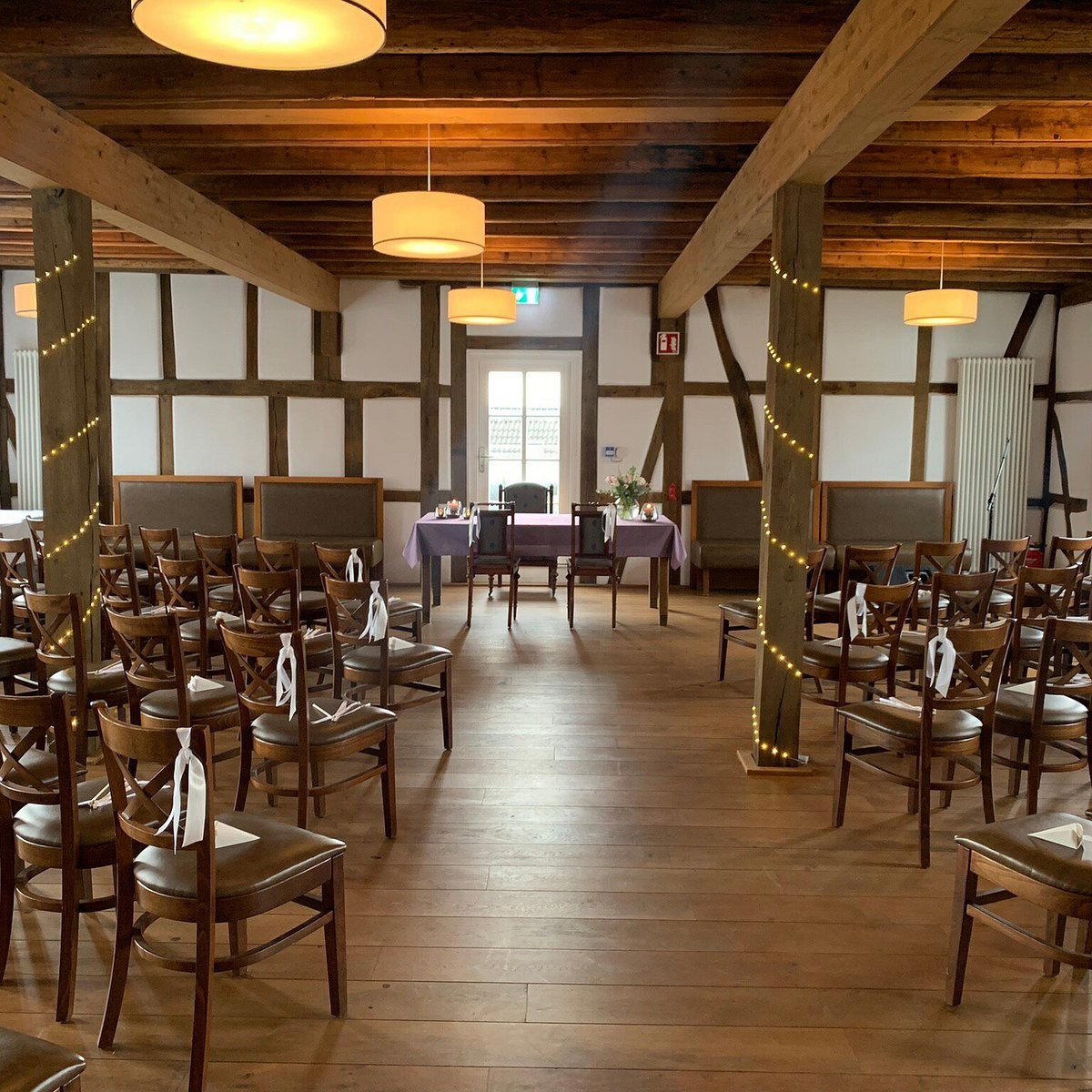
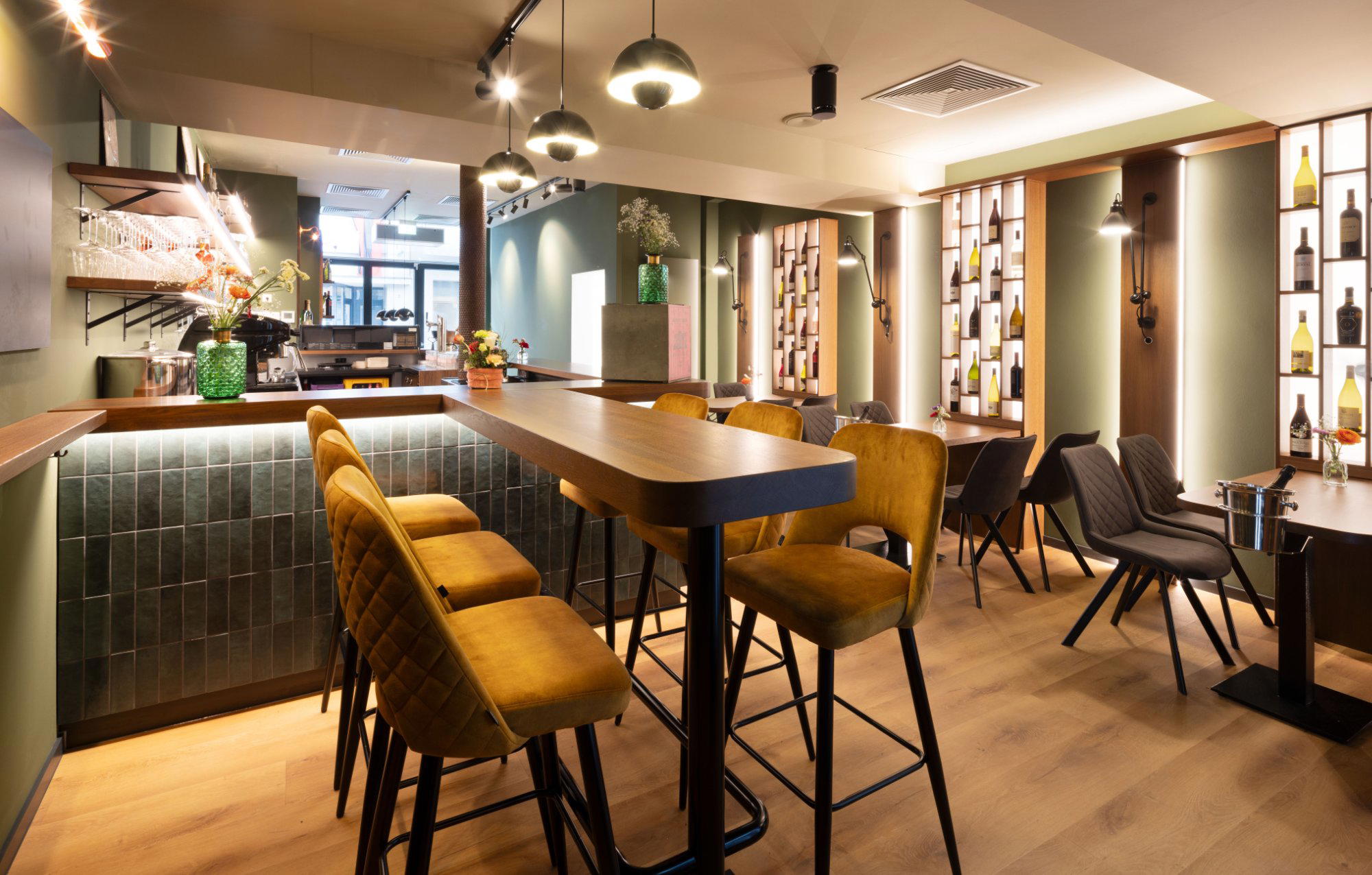

Restaurants in Bad Neuenahr-Ahrweiler
All restaurants in Bad Neuenahr-Ahrweiler →

Details
- Quiet
- Classic
- Rustic
- Solo Exploration
- Wine Education
- Estate Grounds
- Organic
- Sustainable
- Vineyard
- Riesling
- Müller Thurgau
- Spätburgunder
- Portugieser
- Frühburgunder
- Dornfelder
- Still Red
- Still White
- Wine Tasting
- Cellar Tasting
A small, traditional bio winery with a strong sustainability-focused, low-intervention cellar approach and a rural Walporzheim setting in the Ahr valley.