

Bonn's sole Michelin-starred Japanese restaurant, Yunico occupies the upper tier of the city's fine dining scene with a €€€€ format. Recognised by both Michelin and Opinionated About Dining's 2025 European rankings, it brings a counter-side, performance-driven approach to Japanese cooking that sits well apart from the rest of the Rhine's restaurant offer.
Pearl is the En Primeur Club membership app — saves, bookings, and concierge access live there. Same editors, same standards.
- Address
- Am Bonner Bogen 1, 53227 Bonn, Germany
- Phone
- +49 228 43345500
- Website
- kamehabonn.de
- Directions
- Get directions
 Saves & bookings on Pearl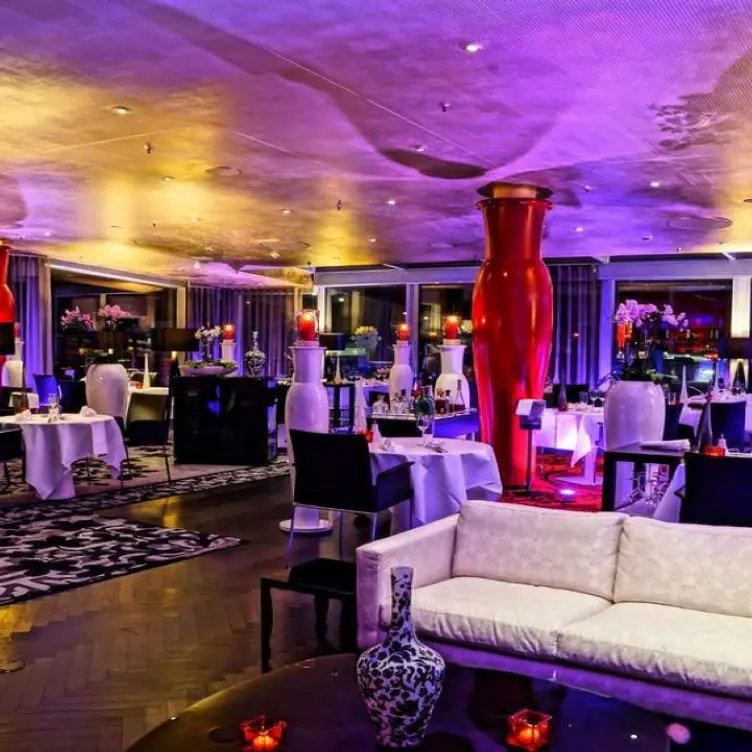
Where Japanese Counter Culture Meets the Rhine
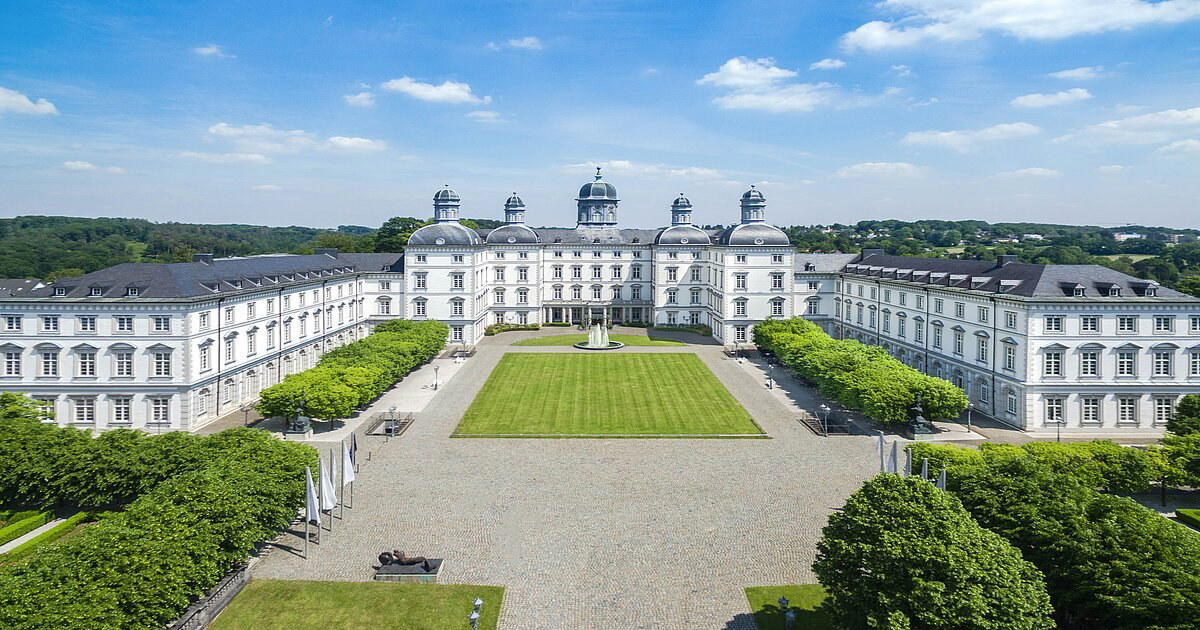
Bonn's fine dining scene is compact by German standards. A handful of €€€€ restaurants hold the city's highest ground: halbedel's Gasthaus anchors the Modern French tradition, Redüttchen works the contemporary European register, and Konrad's occupies the middle ground of contemporary cooking at one price tier below. Yunico sits at Am Bonner Bogen 1 on the eastern bank of the Rhine, in a location that already signals a deliberate separation from the old city centre's restaurant cluster. The address is specific: it places the restaurant inside a modern hotel architecture where the Rhine bends away from the Altstadt, and that physical remove shapes the experience before you sit down.
Japanese fine dining in German cities outside Frankfurt, Munich, and Düsseldorf tends to occupy a narrow band: either assimilation into German bistro formats or strict adherence to the kind of izakaya model that travels well. Yunico does neither. Its Michelin star, awarded in 2025, and its placement at number 639 in Opinionated About Dining's ranked list of European restaurants for the same year mark it as a venue operating in a different register entirely. For a city of Bonn's size, a starred Japanese counter is a genuine anomaly.
The Performance at the Counter
The editorial angle that makes most sense for Yunico is theatrical: Japanese cooking at this level, particularly when it incorporates live preparation formats, is fundamentally a performance. The tradition runs from the teppanyaki stage, where the chef's physical presence and timing are part of the dish, through to the kaiseki and omakase counters where proximity to preparation is the product. European interpretations of this format often lose the compression of the Japanese original, substituting spectacle for craft. The better rooms get the balance right by treating the counter as a stage with discipline, not as a gimmick.
Chef Ben Coombs leads the kitchen. In the context of this editorial frame, what matters about that credential is not biography but competitive positioning: a non-Japanese chef holding a Michelin star for Japanese cooking in a mid-sized German city is a data point about the category's reach and the difficulty of the standard being met. German diners in Bonn do not arrive with the reference points of a Tokyo or Osaka counter regular, which means the room has to work both as education and as experience.
Germany's Michelin-starred Japanese offer is thin outside the major cities. Comparing Yunico's position to venues like JAN in Munich or the classical European-Japanese fusion approach at Vendôme in Bergisch Gladbach illustrates how different the competitive sets are. Yunico is not trying to be either of those rooms. Its Japanese identity is specific, and its geographic context in Bonn means it operates without the peer pressure of a dense starred cluster pushing it in any particular direction. That can be a weakness or a freedom, depending on the kitchen's ambition.
The Bonn Fine Dining Context
Understanding where Yunico sits requires a read of Bonn's broader restaurant market. The city punches above its population weight in fine dining, partly because of the legacy of its years as the West German capital and the international community that came with it. The UN presence has sustained a cosmopolitan dining audience that is more willing to follow a restaurant across price points than you might expect from a city this size.
At the €€ level, Oliveto handles Italian, while Strandhaus works the Mediterranean register at €€€. Those venues serve a different function than Yunico. The €€€€ tier in Bonn is a small group, and within it, Yunico is the only one operating outside the European culinary tradition. That positioning matters: it is not competing directly with halbedel's Gasthaus on technique or with Redüttchen on local produce sourcing. It is operating in a category of its own within the city, which insulates it from direct comparison while also meaning that every diner who books is making a specific choice to step outside the default European fine dining format.
European Japanese Cooking in 2025
That is a precise data point worth understanding. OAD's methodology weights expert diner input heavily, which means it reflects repeat-visit informed opinion rather than first-impression scores. Placement in the top 700 European restaurants by that measure, for a Japanese restaurant in Bonn, is a different kind of credential than a local press mention. It places Yunico in conversation with venues operating in much larger markets and with much larger budgets for sourcing and staffing.
For reference, Germany's Michelin constellation at the three-star level includes Aqua in Wolfsburg and Schwarzwaldstube in Baiersbronn, both operating in the European haute cuisine tradition. At the more experimental end, CODA Dessert Dining in Berlin holds Michelin recognition for a format-first approach, and ES:SENZ in Grassau represents the Bavarian Alpine fine dining strand. Yunico's one star in 2025 places it at the entry point of Germany's Michelin-starred tier, but its Japanese category means it draws comparison from a different direction: toward Tokyo's counter culture, toward the kaiseki tradition, and toward the question of how faithfully European rooms can carry that tradition without the supply chain and cultural context of Japan.
Planning Your Visit
Yunico sits at Am Bonner Bogen 1, which places it on the Rhine's eastern bank in the Beuel district, a short distance from the central station and easily reached by tram or taxi from the Altstadt. The €€€€ price positioning means this is a considered evening rather than a casual drop-in. Given the 189 reviews and strong rating, the room is clearly in regular use, which suggests booking ahead is advisable, particularly on weekends and during the autumn and winter season when Bonn's event calendar fills the city's hotel stock. The Michelin and OAD recognition means it will attract visiting diners from Cologne, Düsseldorf, and Frankfurt, adding pressure to the booking window around key dates.
Dress code and specific hours are not on record here, so confirm details directly when booking. The hotel address at Am Bonner Bogen suggests it operates within a hotel dining context, which typically means a slightly wider service window than a standalone restaurant but also a more structured room layout. For the counter-side experience that the venue's format implies, requesting proximity to the preparation area when booking is the logical step if the room allows it.
Comparable Options
Comparable venues nearby, for context on price, style, and recognition.
| Venue | Cuisine | Price | Notes |
|---|---|---|---|
| YunicoThis venue — the venue you are viewing | Modern Japanese Fine Dining with Mediterranean Influences | $$$$ | Not listed |
| halbedel's Gasthaus | Michelin-Starred German Fine Dining | $$$$ | Bad Godesberg |
| Konrad's | Modern Mediterranean Fine Dining | $$$ | Platz der Vereinten Nationen |
| Redüttchen | Modern German Fine Dining | $$$ | Alt-Godesberg |
| El Tarascon | Argentinian Steakhouse | $$$ | Poppelsdorf |
| Kris&Chris | Modern Bistronomie with Global Influences | $$ | Bonn |
Recognition history
Dated appearances from independent guides and award organizations, with the underlying list record or original source where available.
Michelin 1 Star
Michelin
Opinionated About Dining Top Restaurants in Europe Recommended
Opinionated About Dining
Michelin 1 Star
Michelin
Opinionated About Dining Top Restaurants in Europe Ranked #639
Opinionated About Dining
Continue exploring
More in Bonn
Restaurants in Bonn
Browse all →
Bars in Bonn
Browse all →

Hotels in Bonn
Browse all →

At a Glance
- Elegant
- Sophisticated
- Modern
- Intimate
- Date Night
- Special Occasion
- Celebration
- Chefs Counter
- Open Kitchen
- Terrace
- Rooftop
- Panoramic View
- Hotel Restaurant
- Sake Program
- Extensive Wine List
- Sommelier Led
- Skyline
Current opening hours
- Monday
- Closed
- Tuesday
- Closed
- Wednesday
- 7–10 PM
- Thursday
- 7–10 PM
- Friday
- 7–10 PM
- Saturday
- 7–10 PM
- Sunday
- Closed
Hours can change for holidays and private events. Last verified .
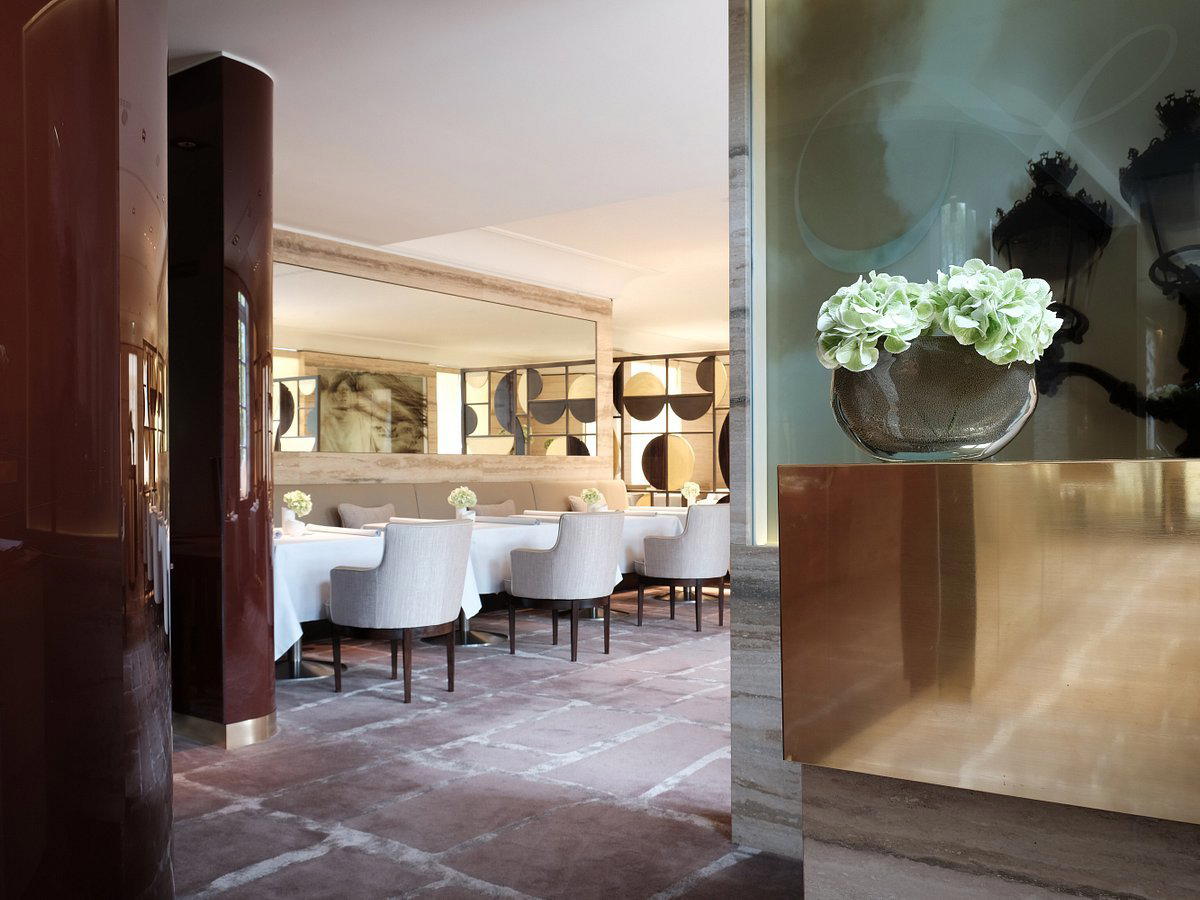
Light and airy dining area with cream-coloured furniture, precise tableware, and smart high-quality decor in red, black, and white, enhanced by floor-to-ceiling windows and a terrace view.