Weingut Jakob Schneider

Weingut Jakob Schneider is a Nahe estate in Niederhausen that earned a Pearl 3 Star Prestige rating in 2025, placing it among the region's most closely watched producers. Sited along Winzerstraße in one of Germany's most mineral-driven Riesling corridors, the estate draws serious collectors who track Nahe's quieter but increasingly credentialed wine scene.
Pearl is the En Primeur Club membership app — saves, bookings, and concierge access live there. Same editors, same standards.
- Address
- Winzerstraße 15, 55585 Niederhausen
- Phone
- +49 6758 93533
- Website
- schneider-wein.com
 Saves & bookings on Pearl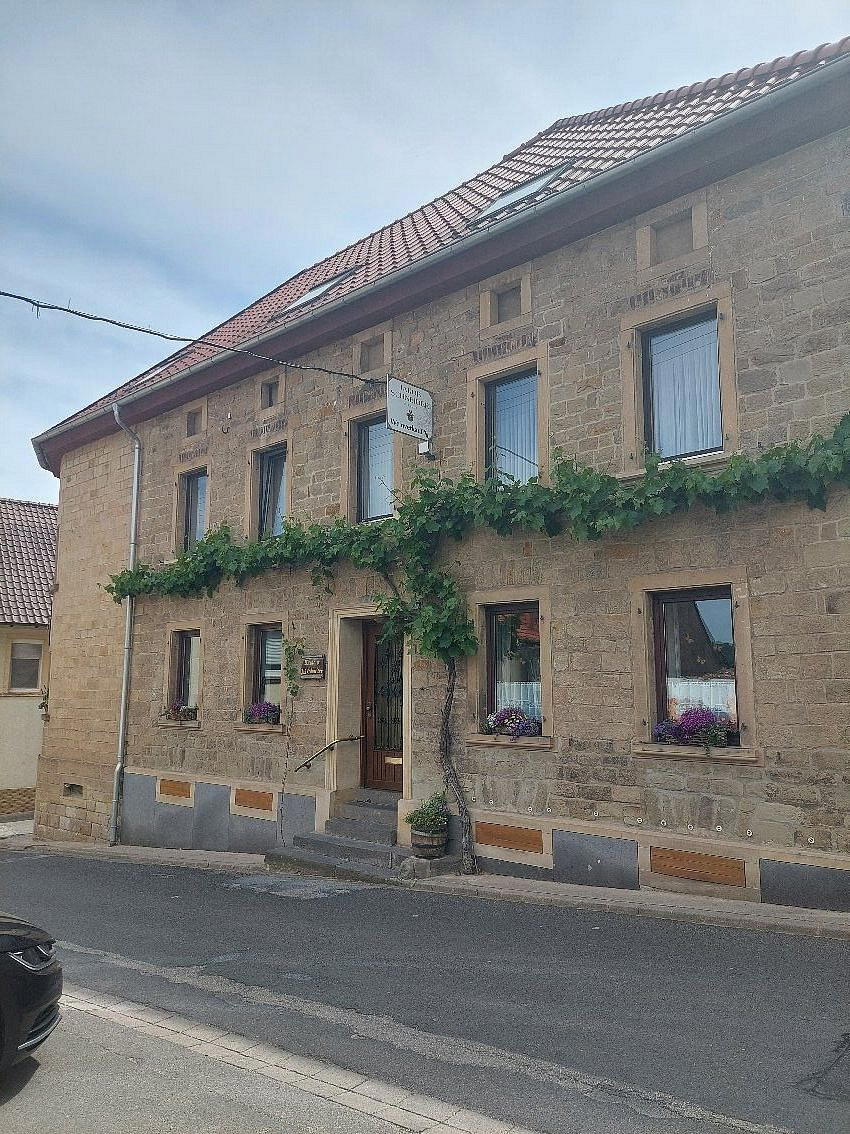
Niederhausen and the Nahe's Case for Attention
The Nahe occupies an odd position in German wine geography. Smaller than the Mosel, less internationally marketed than the Rheingau, it has long functioned as an insider's region, the place serious collectors mention when asked where to find Riesling that competes at the leading without competing for the spotlight. Niederhausen sits at the heart of this argument. The village's volcanic porphyry and slate soils produce wines of a particular mineral precision that separates them from the rounder, more generous style of the Rheinhessen to the east, and from the more overtly fruity profile you find further downstream. Estates here work with a raw material that demands patience and technical discipline in equal measure.
Within this context, Weingut Jakob Schneider, at Winzerstraße 15, holds a position that the 2025 Pearl 3 Star Prestige award formally acknowledges. That classification places the estate among some of Germany's most carefully managed family wineries, including Gut Hermannsberg, which sits on some of the most prized Nahe hillside sites.
The Nahe Winemaking Tradition and Where Schneider Sits
German Riesling estates broadly divide between those that pursue residual sweetness as a structural tool and those working increasingly in a drier, more terroir-forward direction. The Nahe has producers across this spectrum, but the region's cooler microclimate and mineralic soil profiles lend themselves particularly well to wines with high acidity and long aging trajectories, whether finished dry or with some residual sugar as a balance mechanism rather than a flavor statement.
Schneider's position within this tradition is consistent with the broader movement among Nahe estates toward site-specific expression. The Niederhausen vineyards that supply the estate have a documented history of producing wines that trade in tension rather than opulence, where the interest lies in what the soil does to the fruit rather than what ripeness alone can achieve. This approach puts Schneider in natural dialogue with producers like Weingut Clemens Busch in Pünderich, who similarly works from a philosophy of minimal intervention and maximum site legibility, or Weingut Battenfeld-Spanier in Hohen-Sülzen, another producer whose 2025 credentials signal alignment with this more austere, site-led school.
The regional comparison that most consistently frames Schneider's work is with the Mosel. Weingut Fritz Haag in Brauneberg and Weingut Grans-Fassian in Leiwen operate from a similar premise of slate-driven mineral intensity, and collectors who track those estates tend to find Nahe producers like Schneider a logical extension of that interest. The soils differ, the grape expressions diverge in detail, but the philosophical commitment to letting site conditions carry the wine's identity is shared.
Prestige Classification and What It Signals
The Pearl 3 Star Prestige designation awarded in 2025 signals a producer with consistency across vintages, site fidelity, and cellar discipline. Three-star prestige status places Schneider in company with estates like Weingut Dr. Bürklin-Wolf in Wachenheim an der Weinstraße and Weingut Bassermann-Jordan in Deidesheim, both Pfalz estates with long-established reputations and multi-generational track records.
For collectors and trade buyers, this classification functions as a sorting mechanism. The Nahe has historically been underpriced relative to its quality ceiling, and estates that earn prestige-tier recognition tend to see allocation pressure increase before pricing fully adjusts.
By comparison, the broader German Riesling establishment includes estates like Weingut Georg Breuer in Rüdesheim am Rhein and Kloster Eberbach in Eltville, both Rheingau names that have carried international recognition for longer. Schneider's trajectory, from a regional producer with a loyal domestic following to a prestige-rated estate with broader collector appeal, mirrors the path those estates took in earlier decades.
Visiting Niederhausen and Planning Around Schneider
Niederhausen is not a large tourist village. It sits in the Nahe valley roughly midway between Bad Kreuznach and the spa town of Bad Münster am Stein-Ebernburg, accessible by regional rail from Mainz and Bingen. The village's compact scale means that a serious winery visit here is typically part of a focused Nahe itinerary rather than a day trip from Frankfurt or Cologne, though neither city is prohibitively far by car.
For a broader view of the region's producers, the village offers eating and drinking options that complement a cellar visit. The Nahe's rural character means accommodation is limited within the village itself, with most visitors staying in Bad Kreuznach or along the broader Nahe wine route. Spring and harvest season (late September through October) represent the most active periods for estate visits, when tastings are more likely to include barrel samples alongside current releases.
Visiting in person at Winzerstraße 15 or reaching out through regional wine tourism networks is the most reliable approach for arranging a tasting. German family estates at this level typically receive visitors by appointment rather than walk-in, so advance planning is standard practice across the category. Producers like Weingut A. Christmann in Neustadt an der Weinstraße and Weingut Allendorf in Oestrich-Winkel operate on similar appointment-based models, which gives some indication of what to expect from the category.
For collectors building a broader German wine portfolio, Schneider's 2025 prestige classification makes it a logical addition alongside Mosel-focused estates and Pfalz producers. The estate's Nahe address places it in a region that has consistently punched above its commercial profile, and the award signals that the quality argument is now backed by formal recognition. Estates like Weingut Bürgerspital zum Heiligen Geist in Würzburg demonstrate that long-established German family estates can carry both historical credibility and current relevance simultaneously. Schneider's 2025 rating suggests the same dual positioning is achievable here.
Cost Snapshot
Comparable venues nearby, for context on price, style, and recognition.
| Venue | Cuisine | Price |
|---|---|---|
| Weingut Jakob SchneiderThis venue — the venue you are viewing | Niederhausen, Riesling, Spätburgunder | $$ |
| Gut Hermannsberg | Niederhausen, Riesling, Weissburgunder | $$$ |
| Evening Land Vineyards | Winery | , |
| Weingut Dr. Crusius | Traisen, Riesling, Weissburgunder | $$ |
| Weingut Josef Spreitzer | Oestrich-Winkel, Riesling, Pinot Noir | $$ |
| Weingut Selbach-Oster | Zeltingen-Rachtig, Riesling, Pinot Blanc | $$ |
Continue exploring
More in Niederhausen
Wineries in Niederhausen
Browse all →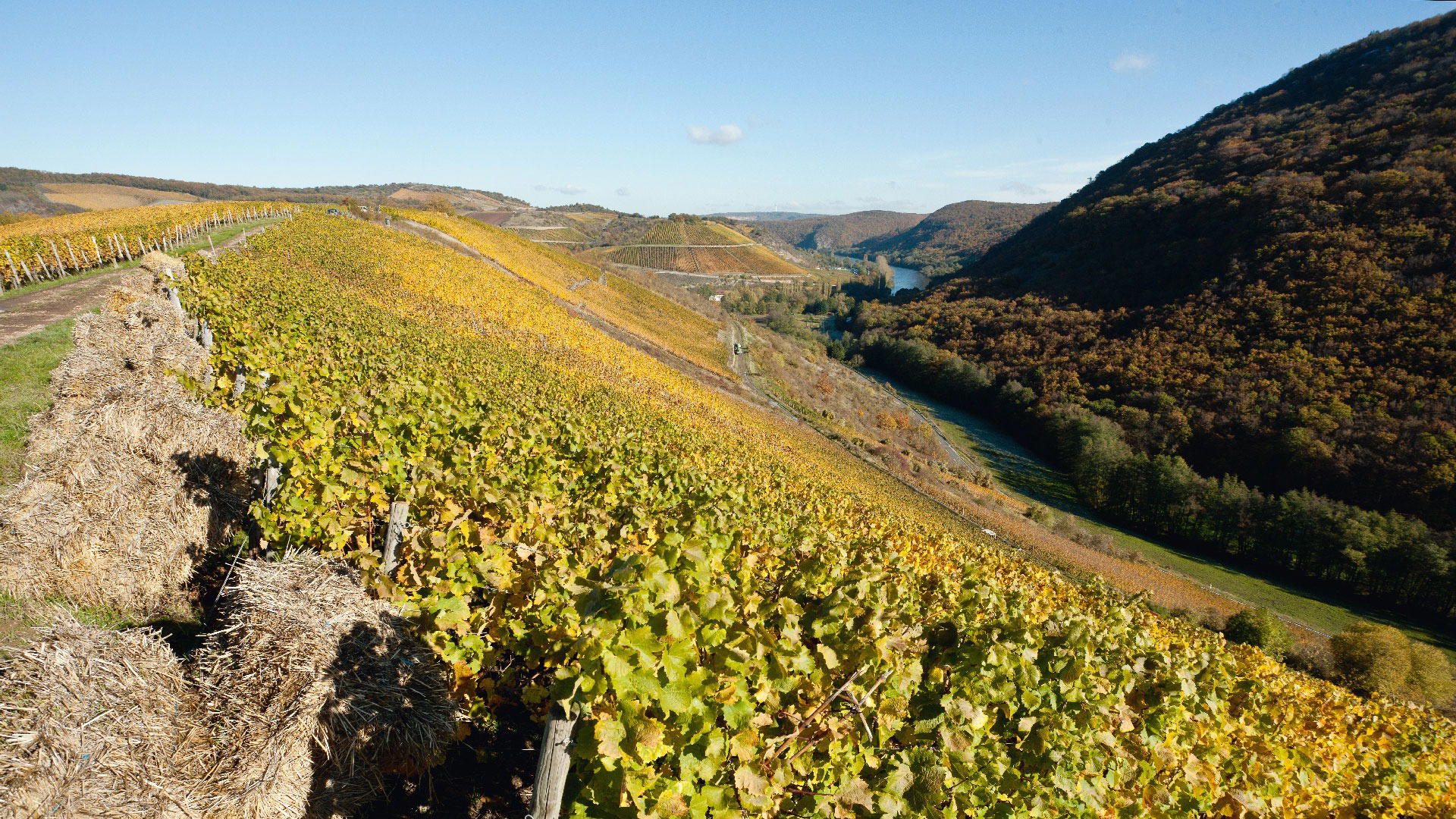
Bars in Niederhausen
Browse all →

Restaurants in Niederhausen
Browse all →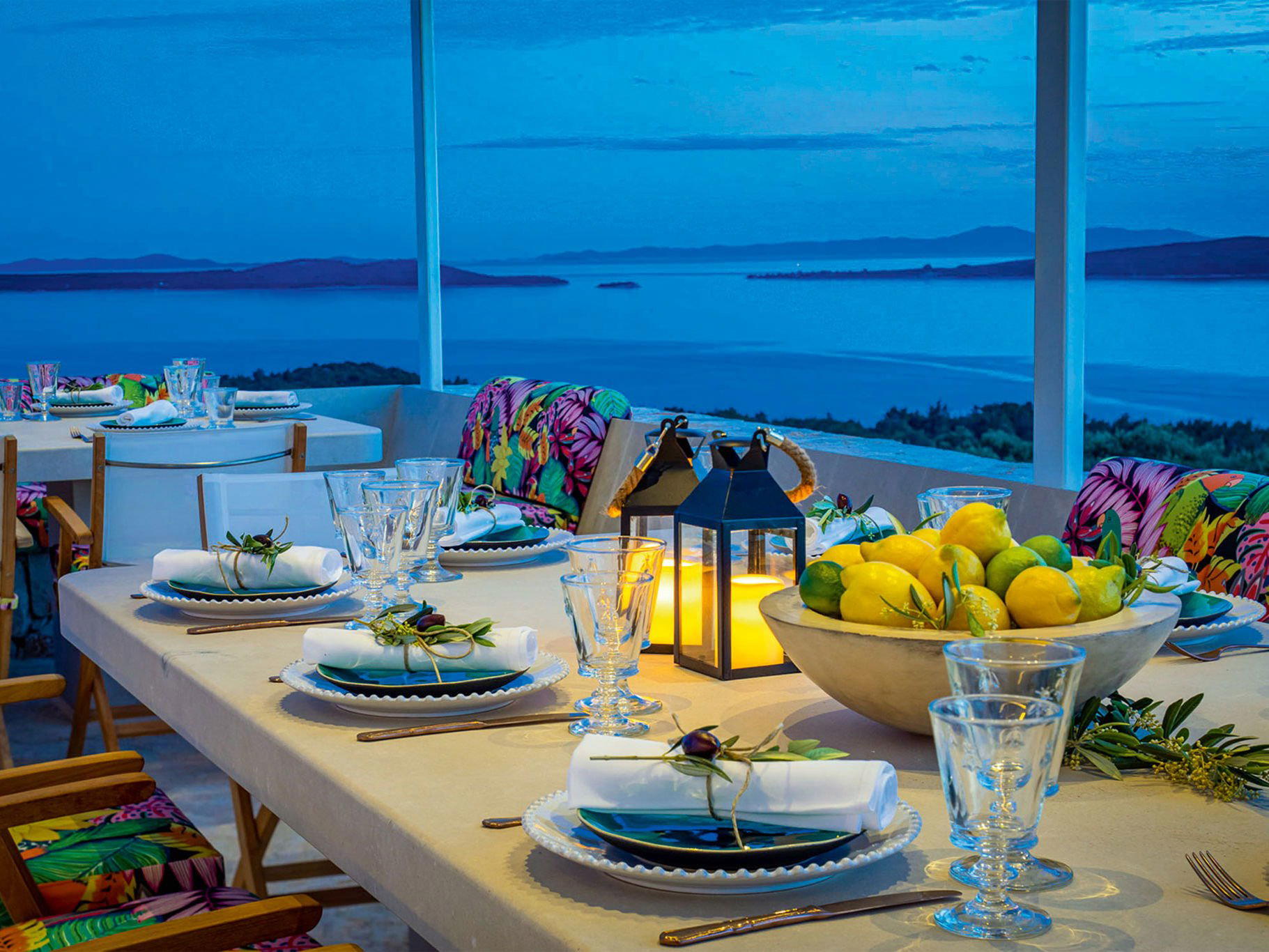
At a Glance
- Classic
- Rustic
- Scenic
- Wine Education
- Solo Exploration
- Vineyard Tour
- Estate Grounds
- Sustainable
- Vineyard
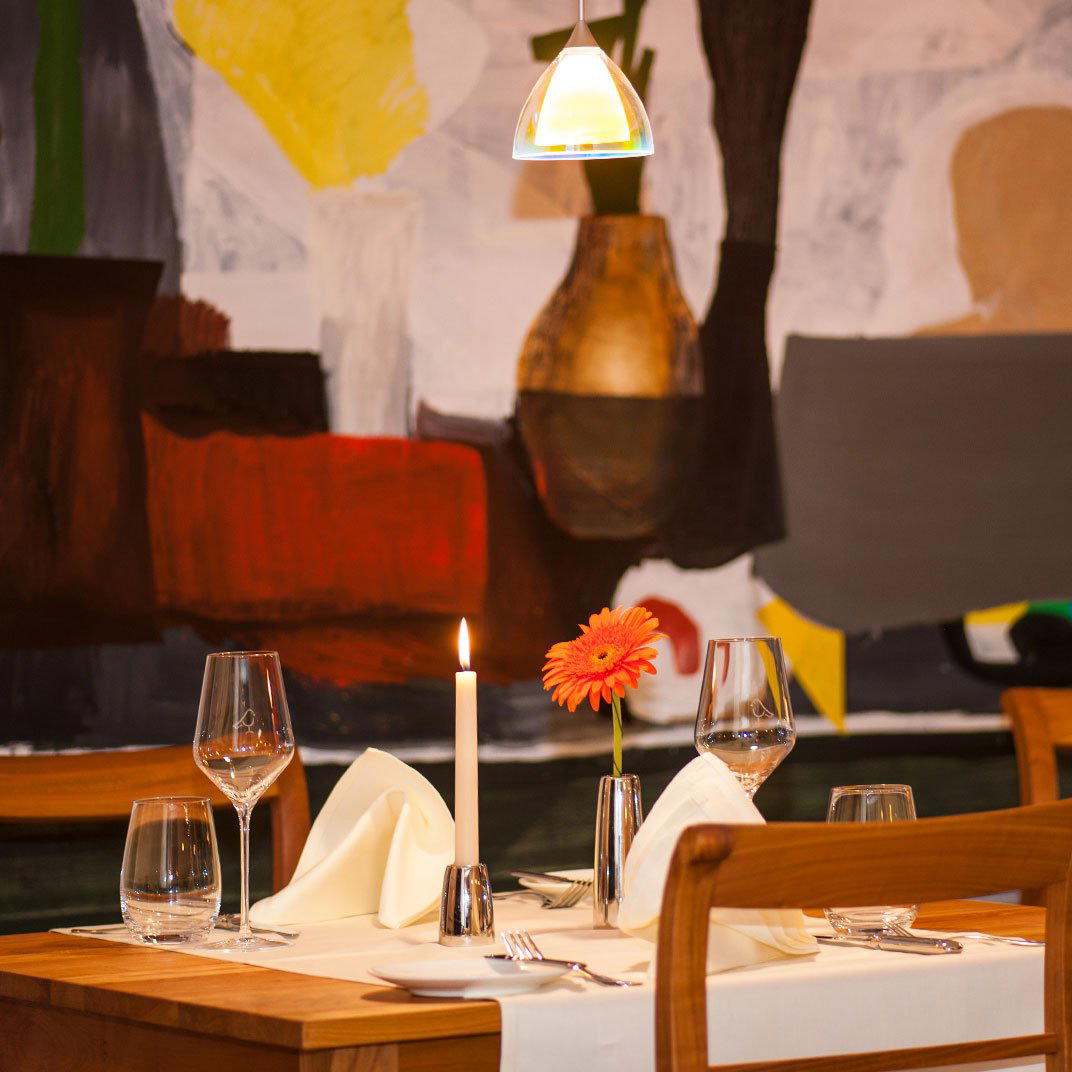
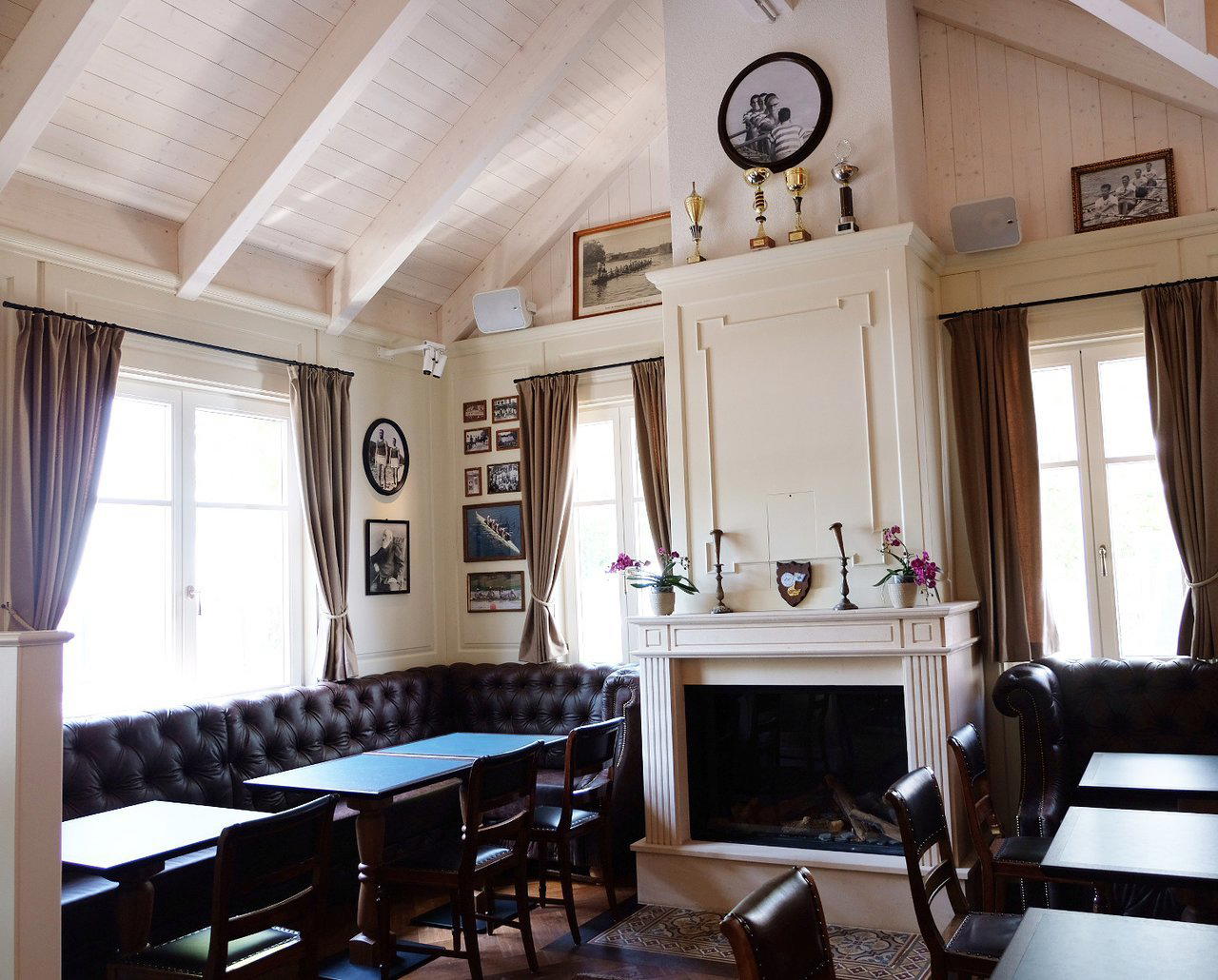
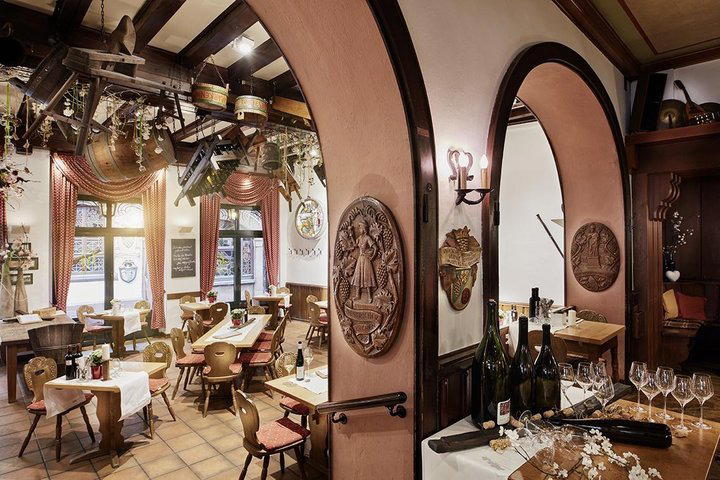
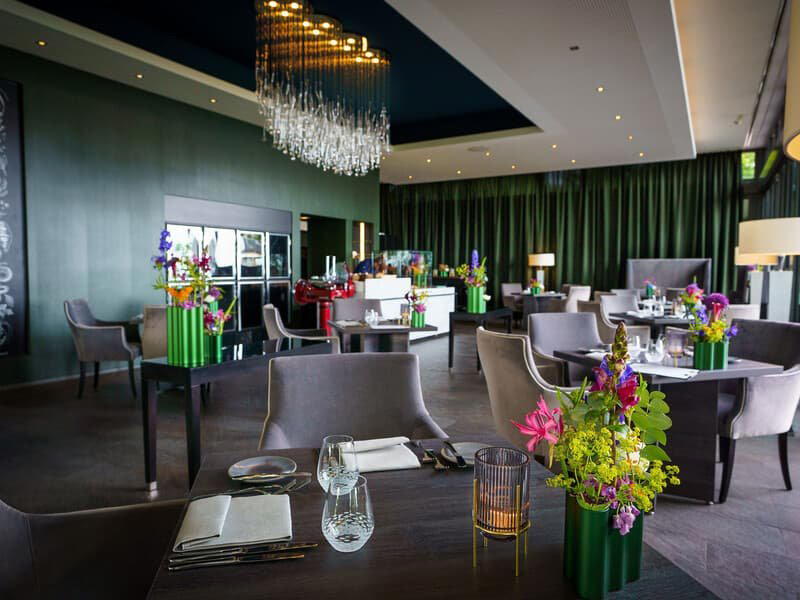
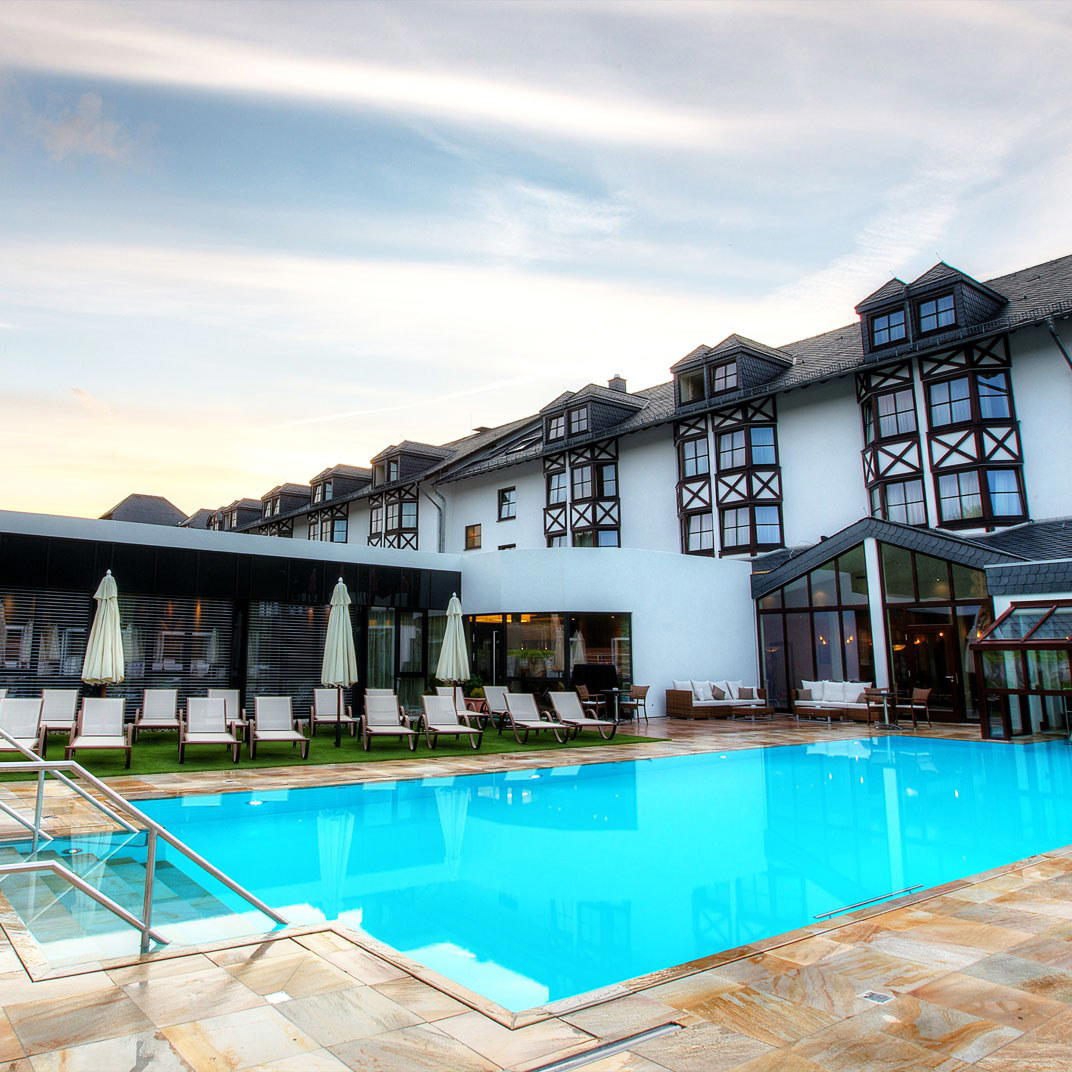
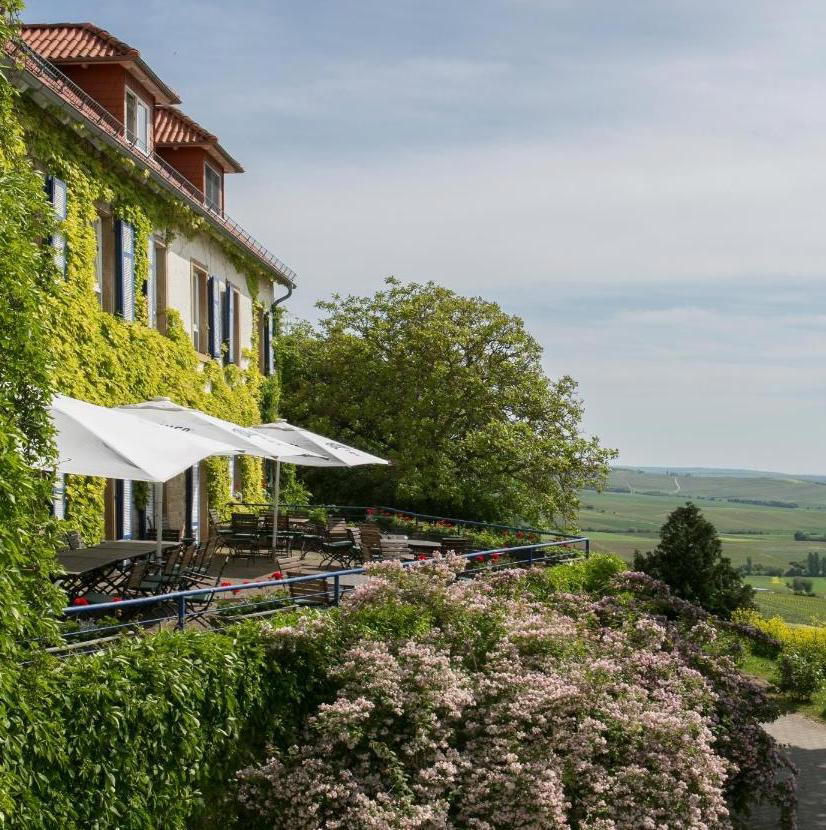
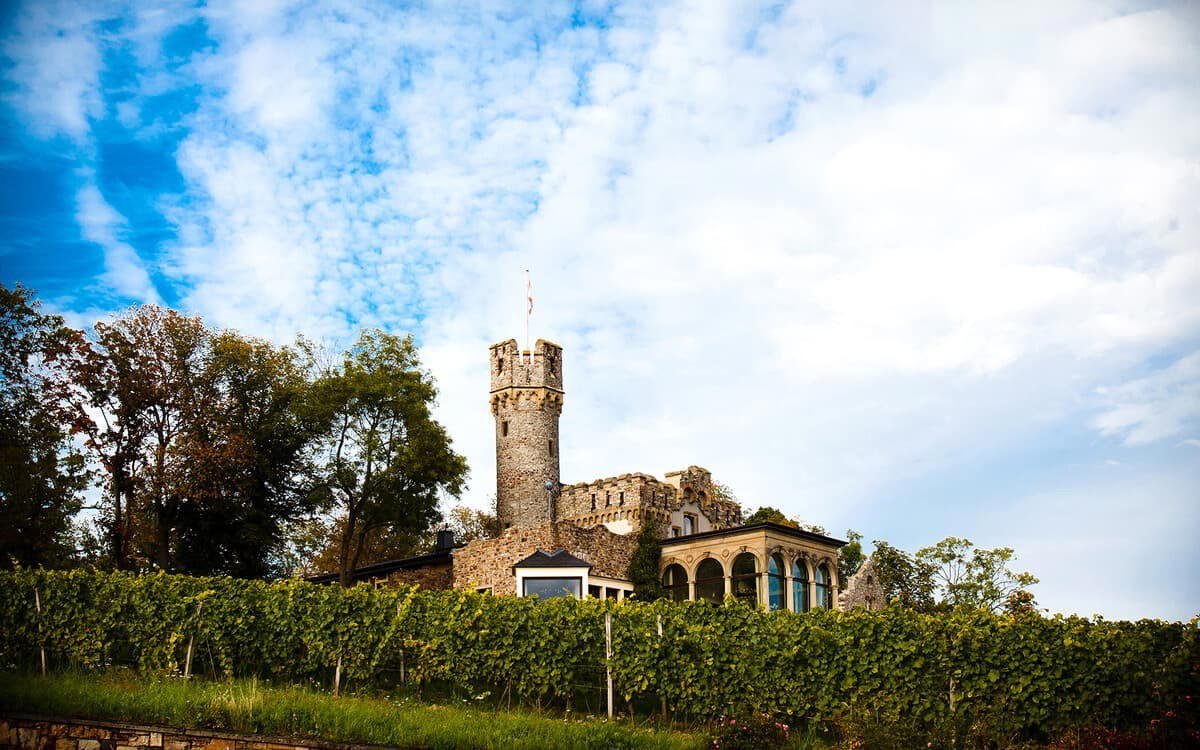
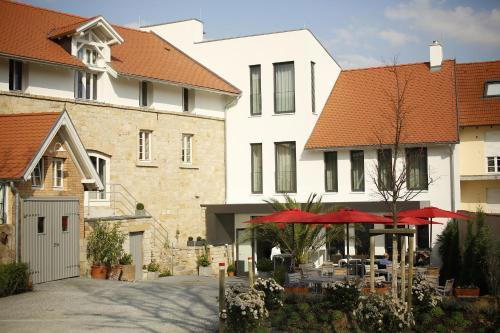
Traditional winery atmosphere amid steep vineyards with river proximity, emphasizing terroir-driven depth from careful maturation.