Hermannshöhle

Michelin Plate
Our verdict
Set in a former ferry house on the banks of the Nahe River dating back to 1517, Hermannshöhle has operated under chef-patron Wigbert Weck since 2007. The kitchen produces classically grounded dishes from fresh, carefully sourced ingredients, supported by a wine selection weighted toward the surrounding Nahe region. A Michelin Plate recognition.

Pearl is the En Primeur Club membership app — saves, bookings, and concierge access live there. Same editors, same standards.
- Address
- Hermannshöhle 1, 55585 Niederhausen, Germany
- Phone
- +49 6758 6486
- Hours
- Mon ClosedTue–Sat 12–2 PM, 6–9:30 PMSun Closed
- Website
- hermannshoehle-weck.de
- Directions
- Get directions
- Booking
- Book on the venue's website
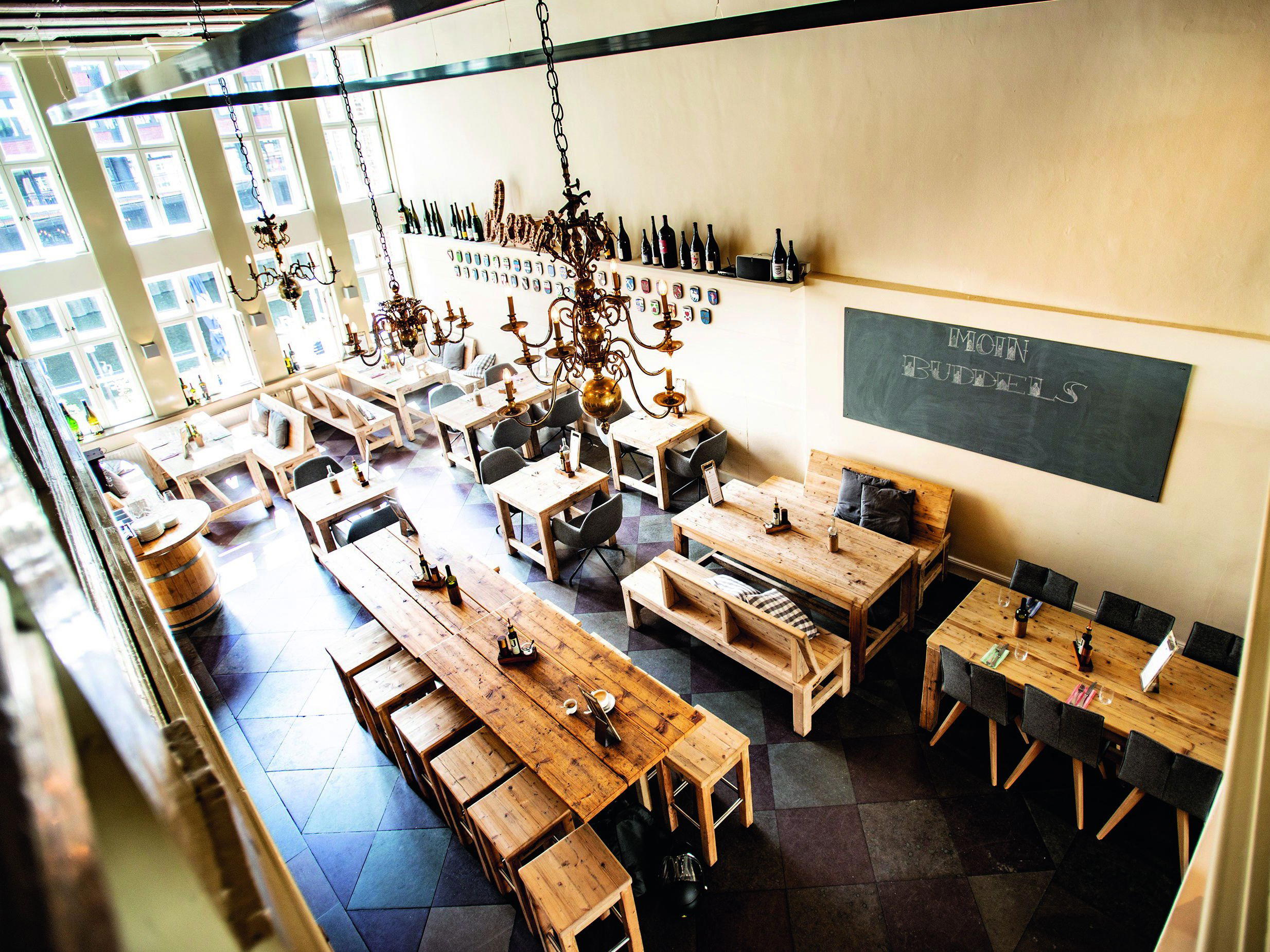
A Ferry House, a River, and a Kitchen Built on What Grows Nearby
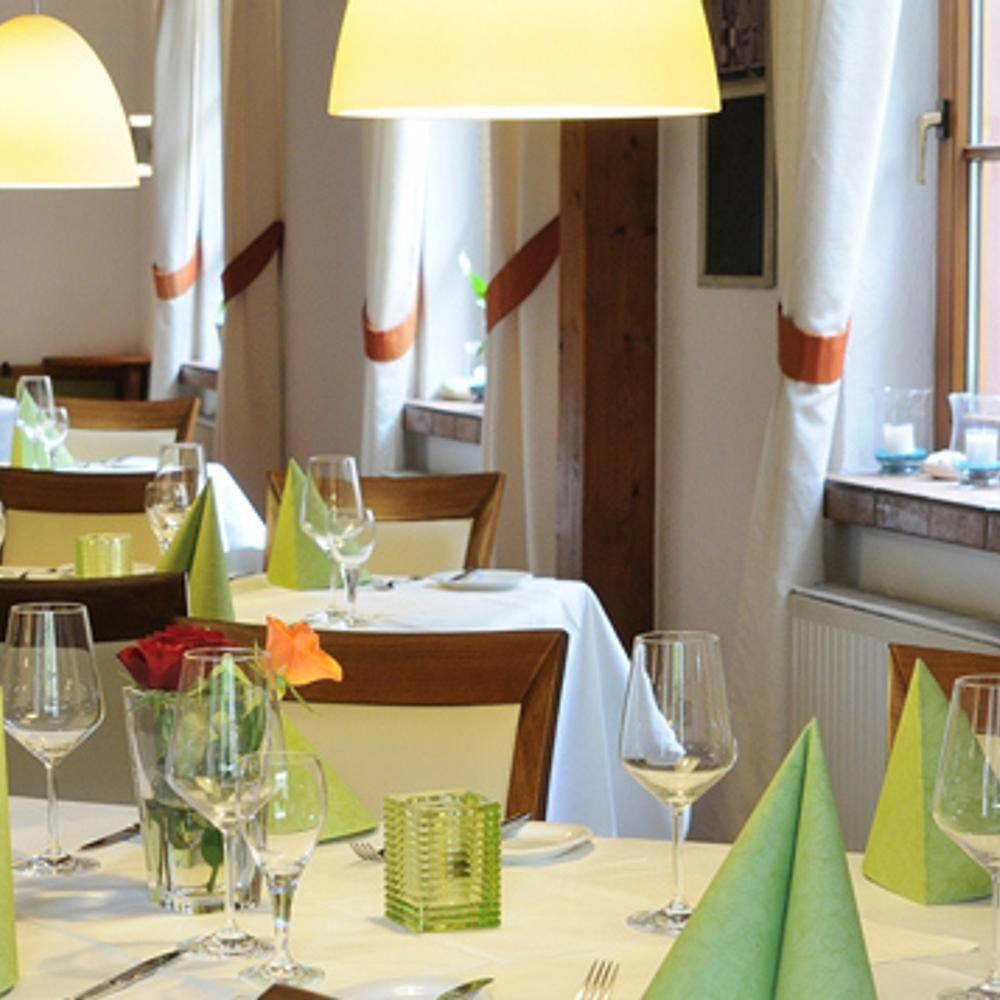
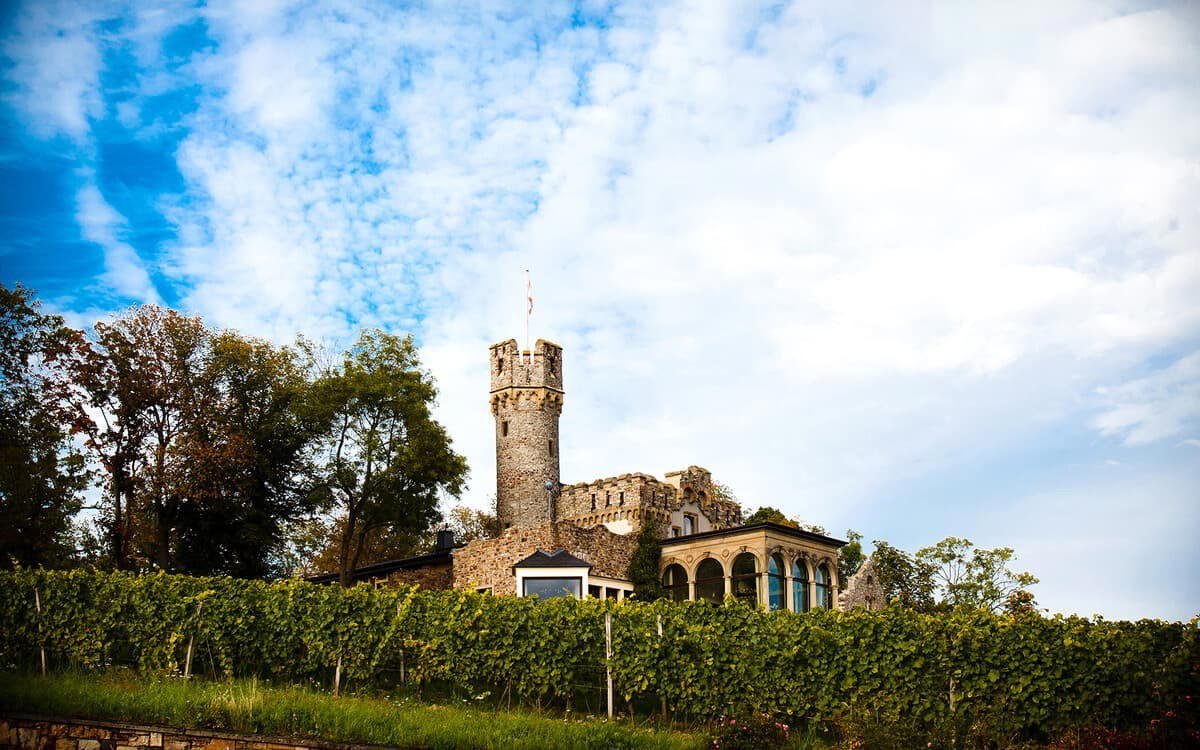
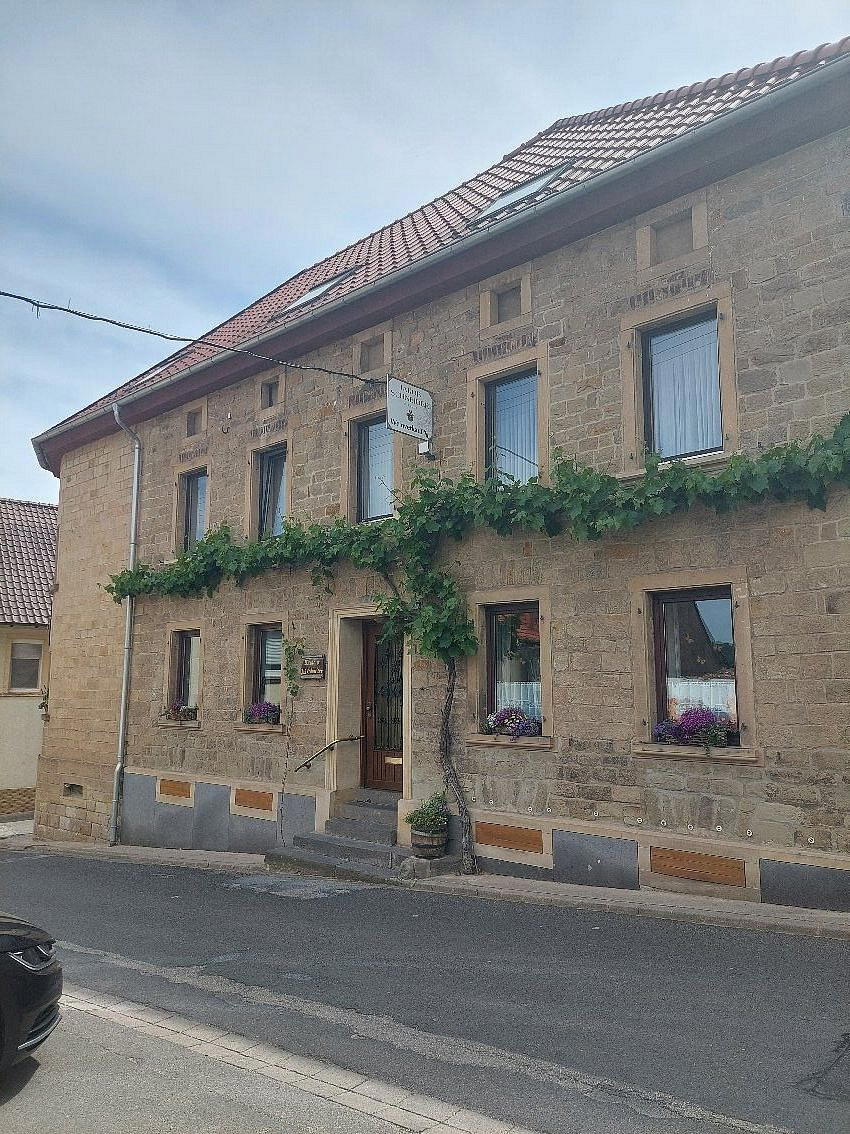
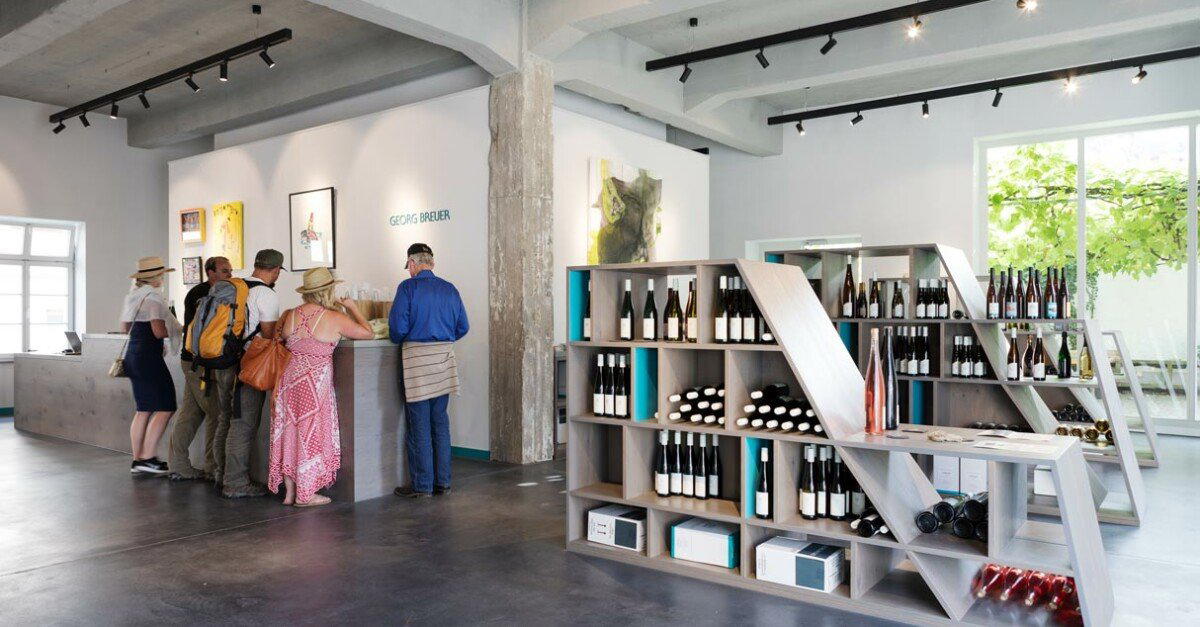
The approach to Hermannshöhle sets the terms before you sit down. The building — a former ferry house on the Nahe River in Niederhausen — dates to 1517, and the address still feels like it belongs to a different pace of German life: a stretch of water just across the road, a terrace positioned to make the most of it, and an interior that reads as a modern wine bar rather than a preserved relic. The glass-fronted wine refrigerator stocked with regional bottles signals the kitchen's priorities as clearly as the menu does.
In the Nahe Valley, the gap between what a kitchen can source and what it actually chooses to use is a useful measure of seriousness. This is a wine-growing region with serious agricultural depth, Riesling-oriented slopes, riverside market gardens, and a food culture that predates the modern farm-to-table framing by several centuries. Hermannshöhle sits squarely in that tradition, with chef-patron Wigbert Weck running the kitchen since 2007 on a direct principle: fresh ingredients, prepared with skill, presented without ornamentation that obscures their quality.
The Sourcing Argument at the Core of Classic Cuisine
Classic cuisine in Germany tends to get overshadowed by the creative and contemporary tier, the restaurants that draw comparison to Aqua in Wolfsburg or Schwarzwaldstube in Baiersbronn, or the dessert-focused experimentalism of CODA Dessert Dining in Berlin. The €€€€ creative end of the market draws critical attention and column inches. But there is a separate and entirely legitimate argument for the €€ tier operating on tight sourcing discipline, and Hermannshöhle makes that argument in practice.
The kitchen's approach, fresh ingredients, no unnecessary embellishments, is not a limitation; it is an editorial stance. When a dish depends on the quality of its ingredients rather than the complexity of its construction, sourcing stops being a background decision and becomes the main event. The Nahe region offers enough: river-adjacent produce, local meat suppliers, and a wine culture that demands food worthy of the bottles being opened alongside it. The glass-fronted refrigerator in the dining room reinforces the point. The wines are regional. The kitchen is regional. The logic is consistent.
That consistency has earned Hermannshöhle a Michelin Plate in 2024, a recognition that Michelin applies to kitchens it considers to be preparing food with care and good ingredients, a deliberate distinction from the starred tier occupied by venues like Vendôme in Bergisch Gladbach or JAN in Munich, but a signal worth reading nonetheless.
The Surprise Menu and the Logic of Letting the Kitchen Decide
In many regional European restaurants, the tasting or surprise format exists as a premium upsell. At Hermannshöhle, the surprise menu operates differently: it is offered only when the whole table commits, which is a meaningful condition. The kitchen is not hedging across individual preferences; it is cooking a coherent sequence for a group that has agreed to be guided. This is a reasonable demand in a small kitchen built around fresh, daily-sourced produce, where the leading available ingredients on a given day may not map neatly onto a fixed à la carte card.
The format suits the venue's sourcing logic. If the kitchen is genuinely responding to what is available, rather than maintaining a static menu regardless of what the market offers, then the surprise format is the honest expression of that approach. It asks guests to trust the sourcing chain that the kitchen has already trusted.
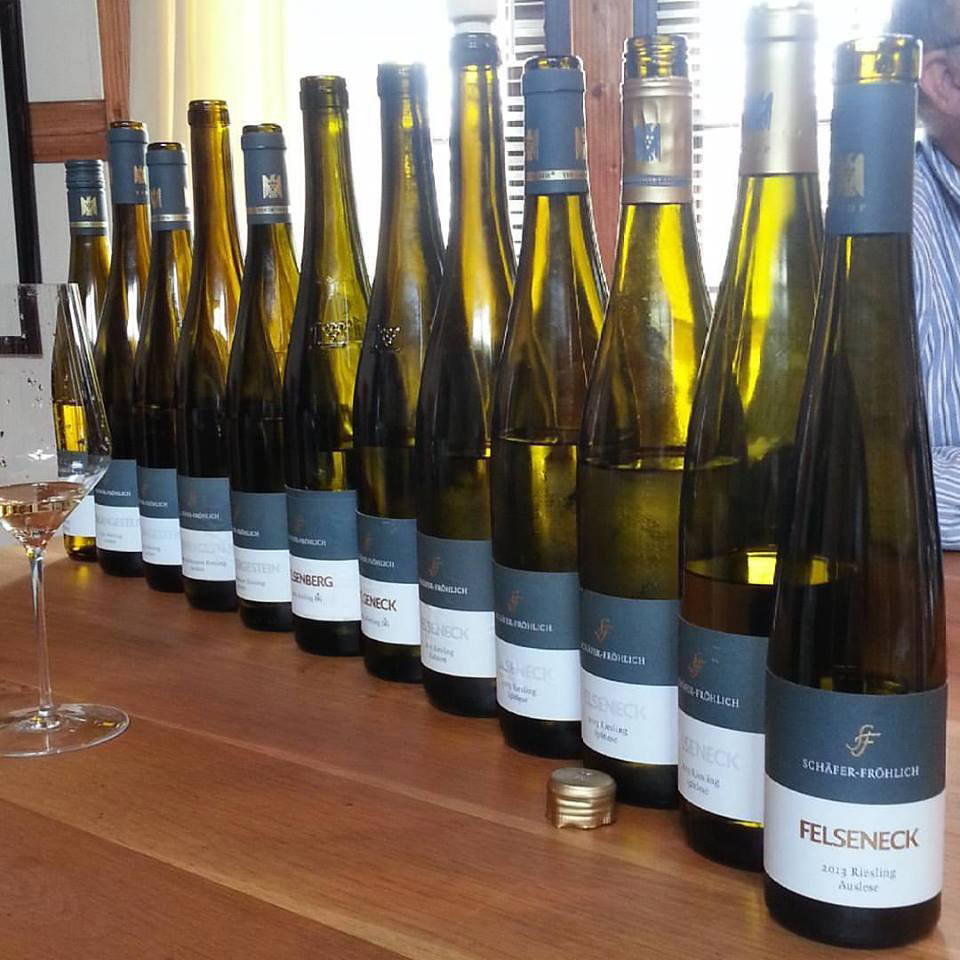
For restaurants in the German wine country operating at this price point, the surprise menu also serves as a natural bridge to the wine programme. A sequence of courses, all sourced locally, paired against regional Nahe wines in a glass-fronted refrigerator that guests can see from their seats: the transparency is part of the proposition.
The Nahe and Its Position in German Wine Dining
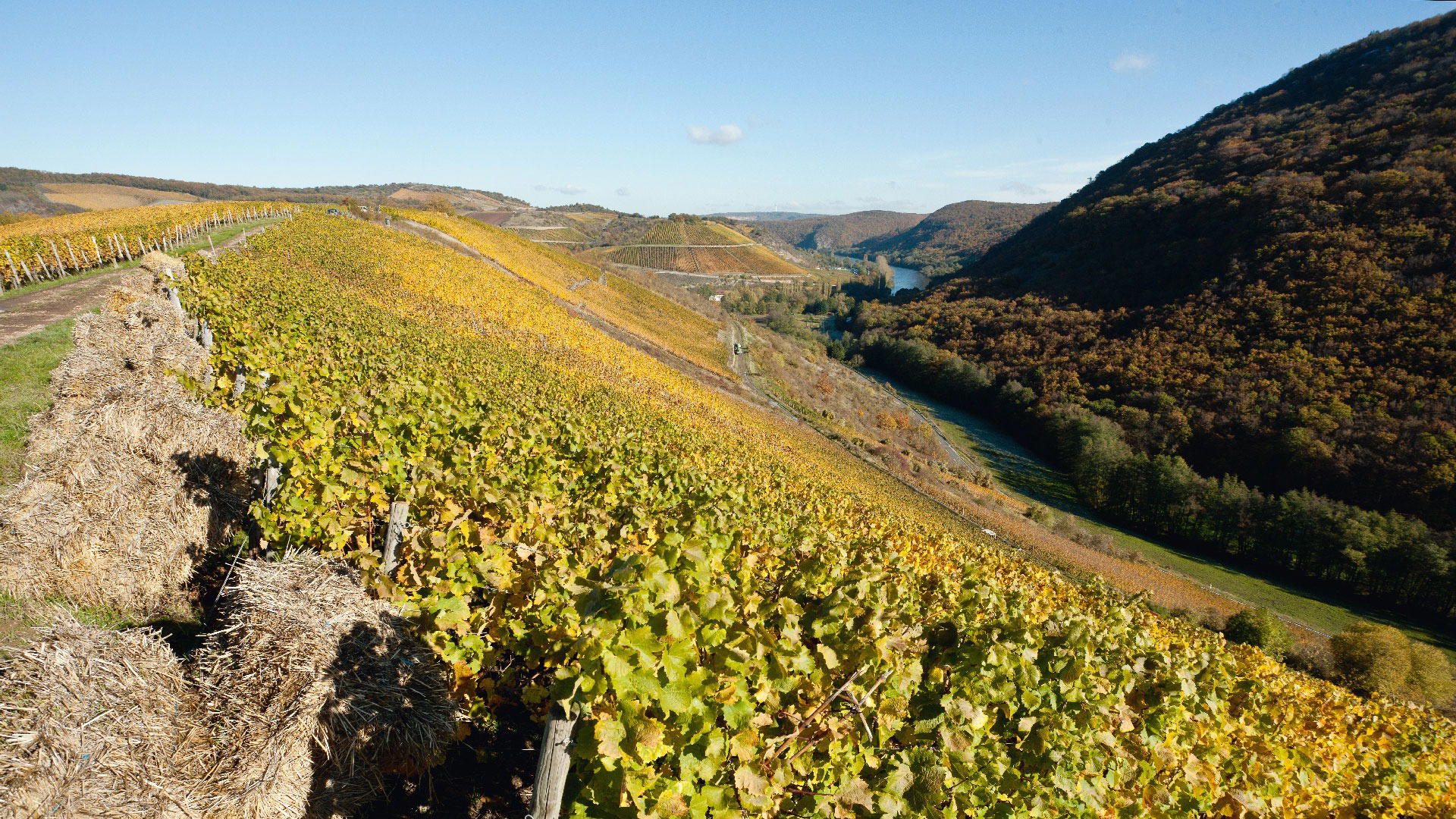
Niederhausen sits in a part of Germany that serious wine drinkers know well, even if it rarely makes international headlines. The Nahe Valley produces Riesling with a mineral precision that places it in direct conversation with Mosel and Rheingau bottlings, a point worth noting for anyone arriving via Schanz in Piesport or Waldhotel Sonnora in Dreis, both of which operate in neighbouring wine regions with similarly strong local wine cultures.
The Nahe's relative quietness compared to the Mosel or Rheingau is a feature for certain travellers. The towns are smaller, the roads less trafficked, and the dining rooms less likely to be driven by international wine tourism. Hermannshöhle's terrace overlooking the river is the kind of setting that functions well precisely because it is not competing for attention with an adjoining wine estate or a cable car. The food, the wine, and the location are in proportion.
For those building a wider itinerary through Germany's wine country, the regional picture includes comparable classics-focused restaurants further south and west, including Bagatelle in Trier and Victor's Fine Dining by Christian Bau in Perl, as well as more technically ambitious kitchens such as ES:SENZ in Grassau and Restaurant Haerlin in Hamburg. Hermannshöhle belongs to none of those tiers by ambition or price, but it holds a different kind of position: a place where the regional sourcing argument is made convincingly at a price point that does not require justification.
Classic cuisine at the €€ level also invites comparison outside Germany. KOMU in Munich and Maison Rostang in Paris operate within the same broad tradition of classically grounded cooking, though in larger urban contexts with different competitive dynamics. Hermannshöhle's small-town river setting is a point of contrast worth registering.
Planning Your Visit
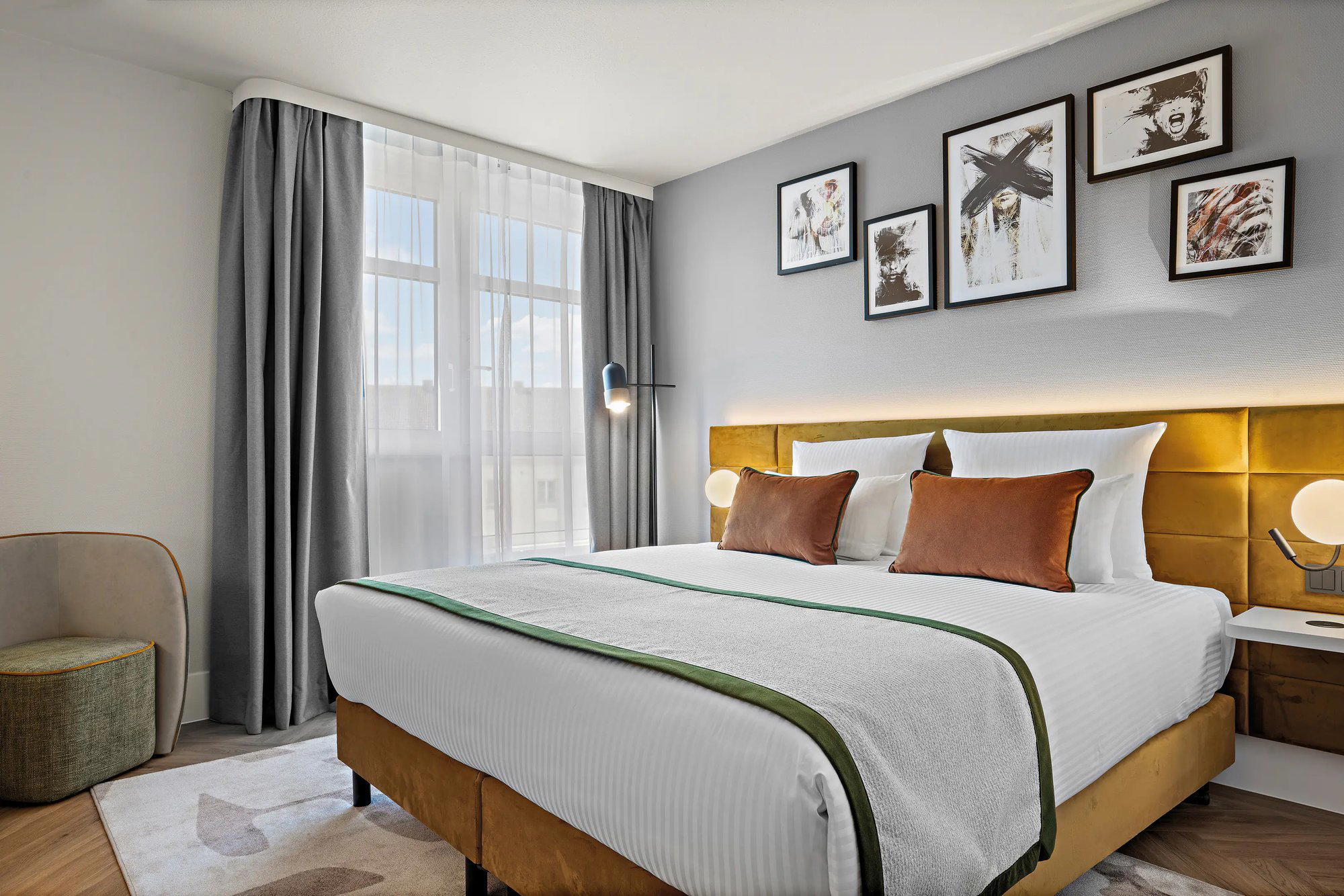
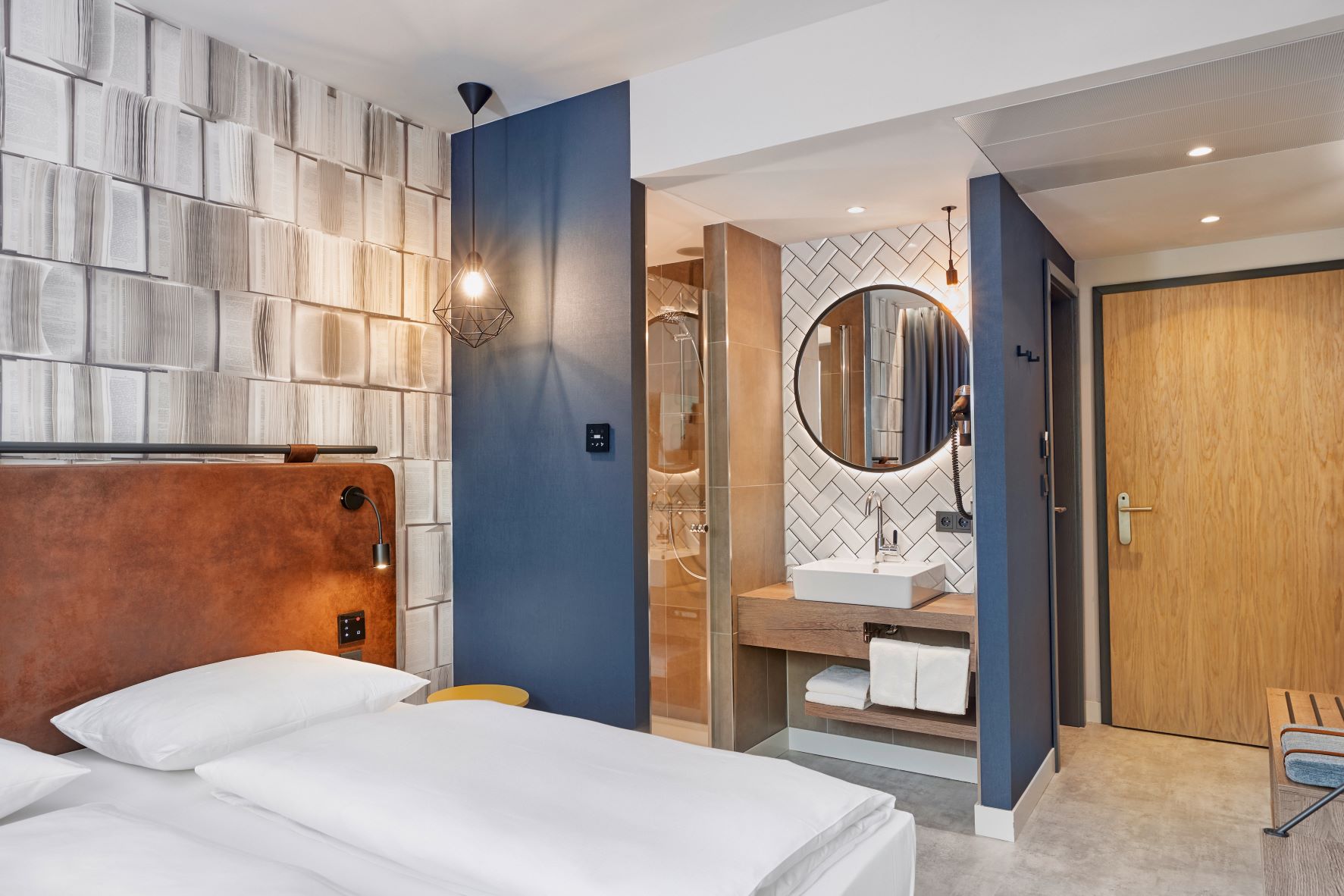
The venue's €€ price range places it in accessible territory for the Nahe region, and the Michelin Plate recognition means demand from food-oriented travellers is real. Booking ahead is advisable, particularly for terrace tables during the warmer months when the riverside setting is at its most appealing. Two holiday flats are available for overnight stays, which makes Hermannshöhle a plausible base for a Nahe wine itinerary rather than a single-meal detour. The address at Hermannshöhle 1, 55585 Niederhausen positions it directly on the river road. For those without a vehicle, the Nahe Valley rail line connects Niederhausen to Bad Kreuznach and, with a change, to Mainz. For a broader look at what the area offers beyond this restaurant, see [our full Niederhausen restaurants guide](), [our full Niederhausen hotels guide](), [our full Niederhausen bars guide](), [our full Niederhausen wineries guide](), and our full Niederhausen experiences guide.
Frequently asked questions
How much does it cost to eat at Hermannshöhle?
Pricing at Hermannshöhle is listed as €€.
What's the address for Hermannshöhle?
Hermannshöhle is located at Hermannshöhle 1, 55585 Niederhausen, Germany, Niederhausen.
Fast Comparison
| Venue | Cuisine | Price | Awards |
|---|---|---|---|
| HermannshöhleThis venue — the venue you are viewing | Classic German Regional Cuisine | $50–100 | Michelin Plate |
| Schwarzwaldstube | French, Classic French | Not listed | Michelin 3 Star |
| Aqua | Contemporary German, Italian/Japanese, Creative | Not listed | Michelin 3 Star |
| CODA Dessert Dining | Creative | Not listed | Michelin 2 Star |
| Tantris | Modern French, French Contemporary | Not listed | Michelin 2 Star |
| Vendôme | Modern European, Creative | Not listed | Michelin 2 Star |
Recognition history
Dated appearances from independent guides and award organizations, with the underlying list record or original source where available.
Michelin Plate
Michelin · 2026 Michelin Plate
Full recognition history (3 entries)
Michelin Plate
Michelin
Michelin Plate
Michelin
Continue exploring
More in Niederhausen
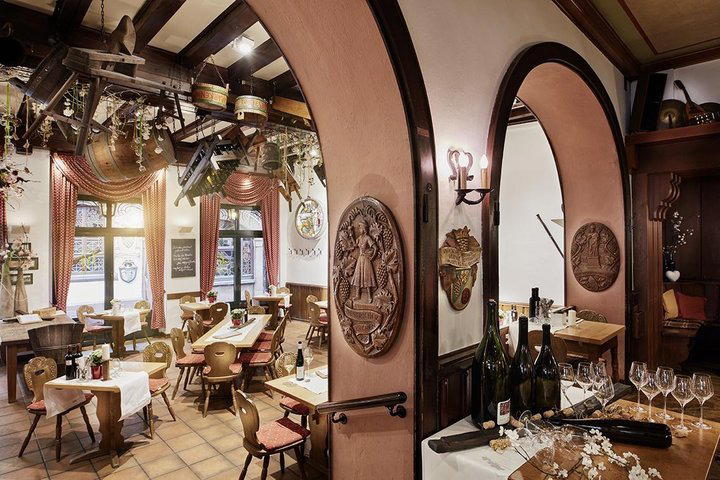
Restaurants in Niederhausen
Browse all →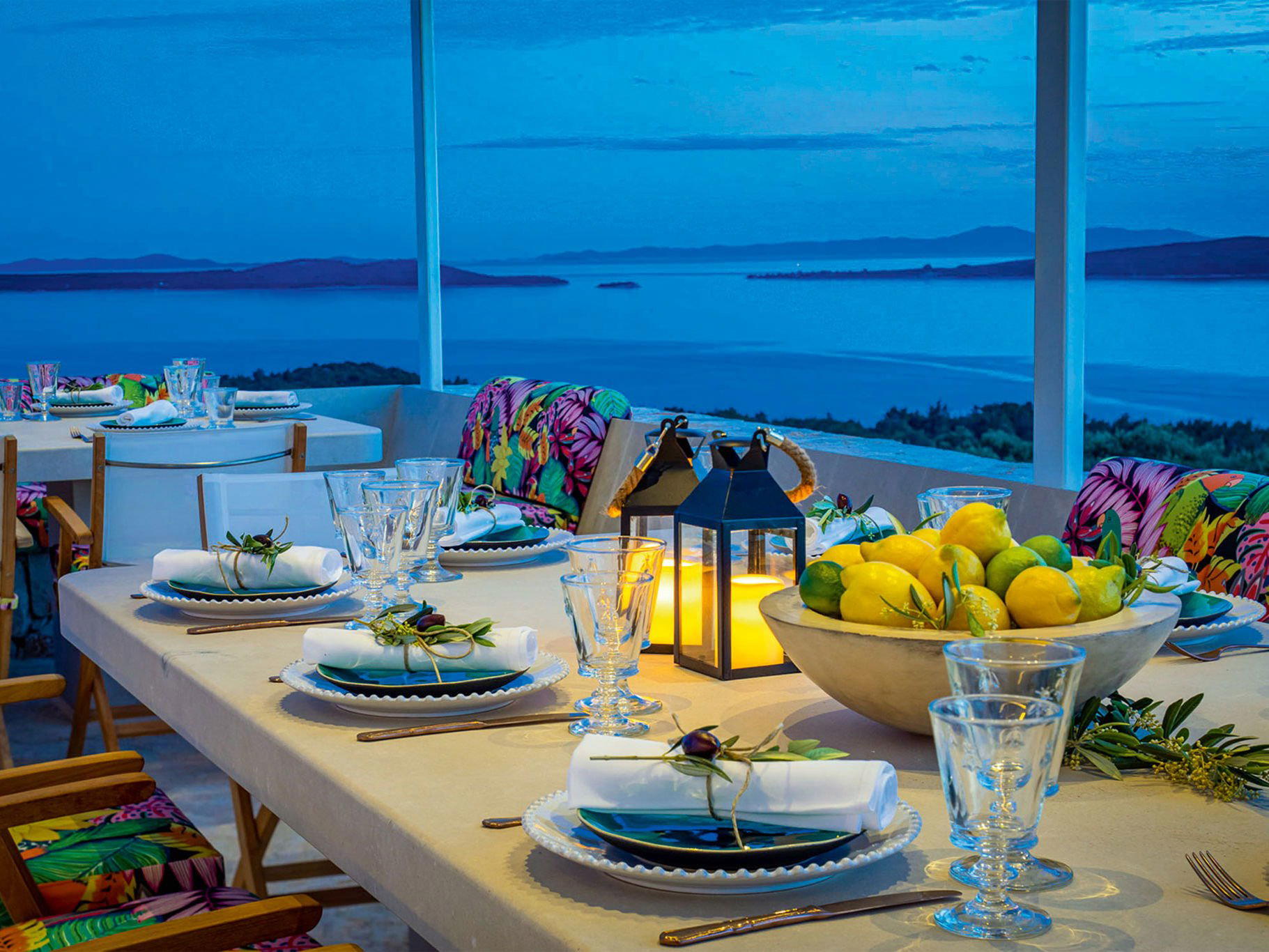
Bars in Niederhausen
Browse all →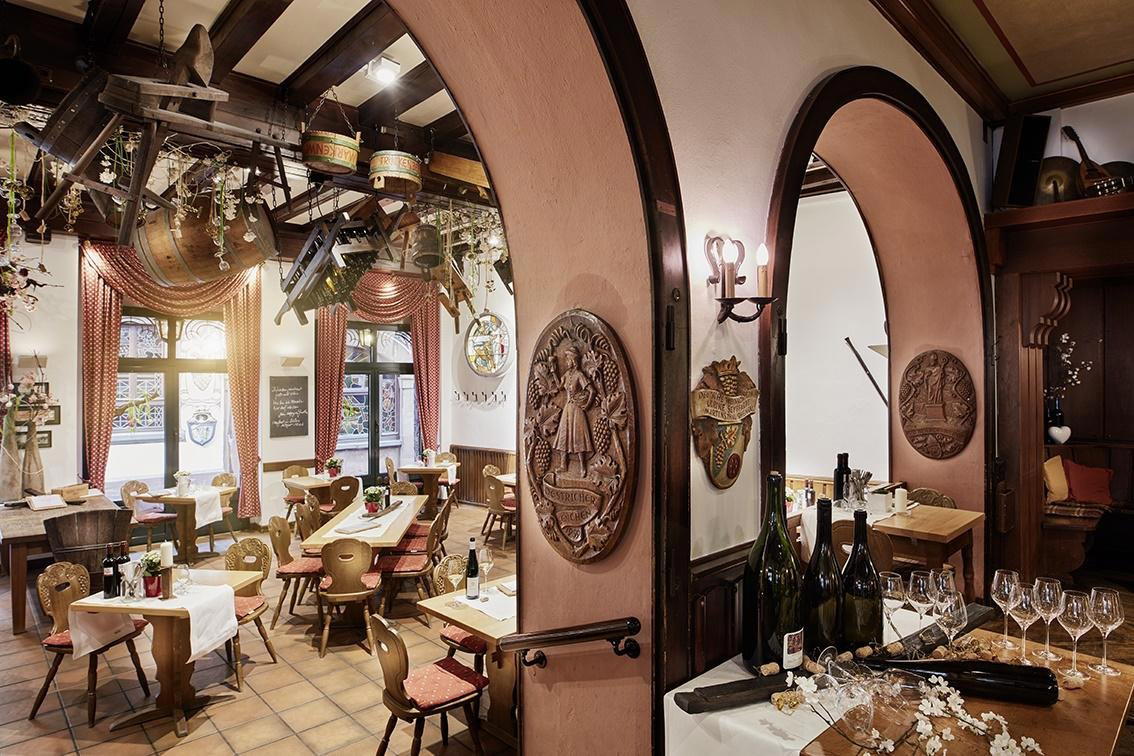
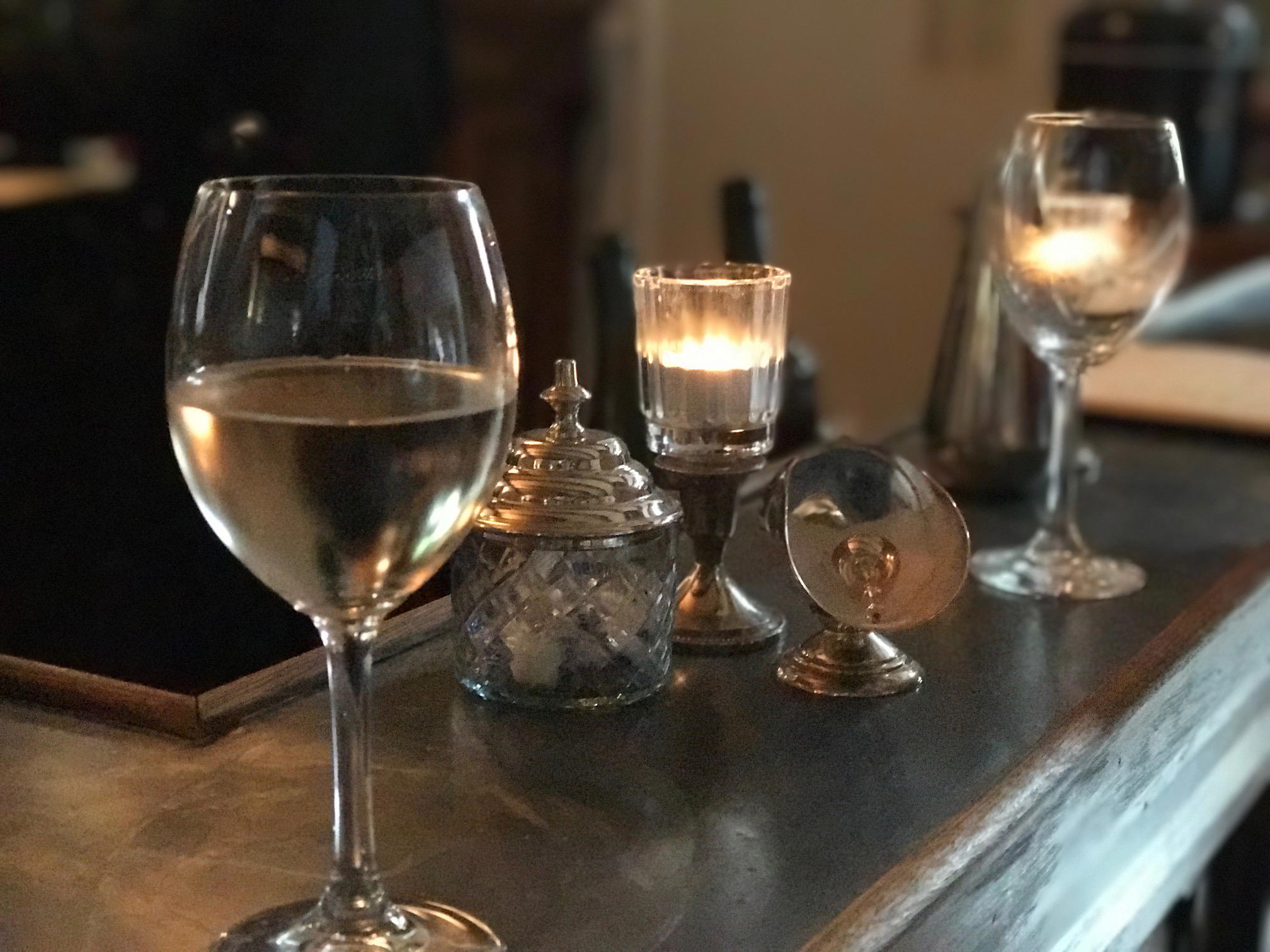

Hotels in Niederhausen
Browse all →
Hermannshöhle
The wine
- Wine program
- Exceptional wine program
- Extensive wine list
- Sommelier-led
Details
- Cozy
- Elegant
- Scenic
- Intimate
- Classic
- Date Night
- Special Occasion
- Waterfront
- Terrace
- Historic Building
- Wine Cellar
- Extensive Wine List
- Sommelier Led
- Local Sourcing
- Waterfront
- Vineyard
- A La Carte
- Tasting Menu
- Regional Wines
- Vegetarian Friendly
Current opening hours
- Monday
- Closed
- Tuesday
- 12–2 PM, 6–9:30 PM
- Wednesday
- 12–2 PM, 6–9:30 PM
- Thursday
- 12–2 PM, 6–9:30 PM
- Friday
- 12–2 PM, 6–9:30 PM
- Saturday
- 12–2 PM, 6–9:30 PM
- Sunday
- Closed
Hours can change for holidays and private events. Last verified .
Modern wine bar interior with glass-fronted wine refrigerator and cozy feel-at-home atmosphere; lovely terrace overlooking the Nahe River.