Meisenheimer Hof


1 Michelin Star · Wine Spectator Best of Award of Excellence
Our verdict
A Michelin-starred farm-to-table address in the small Nahe wine town of Meisenheim, Meisenheimer Hof is run entirely by Markus Pape, who serves as owner, chef, wine director, and general manager. The kitchen combines French and German traditions with locally sourced produce, while a 1,200-bottle cellar with 600 selections covers Germany, France, and Italy at mid-range markups.

Pearl is the En Primeur Club membership app — saves, bookings, and concierge access live there. Same editors, same standards.
- Address
- Obergasse 33, 55590 Meisenheim, Germany
- Phone
- +49 6753 1237780
- Website
- meisenheimer-hof.de
- Directions
- Get directions
- Booking
- Book on the venue's website
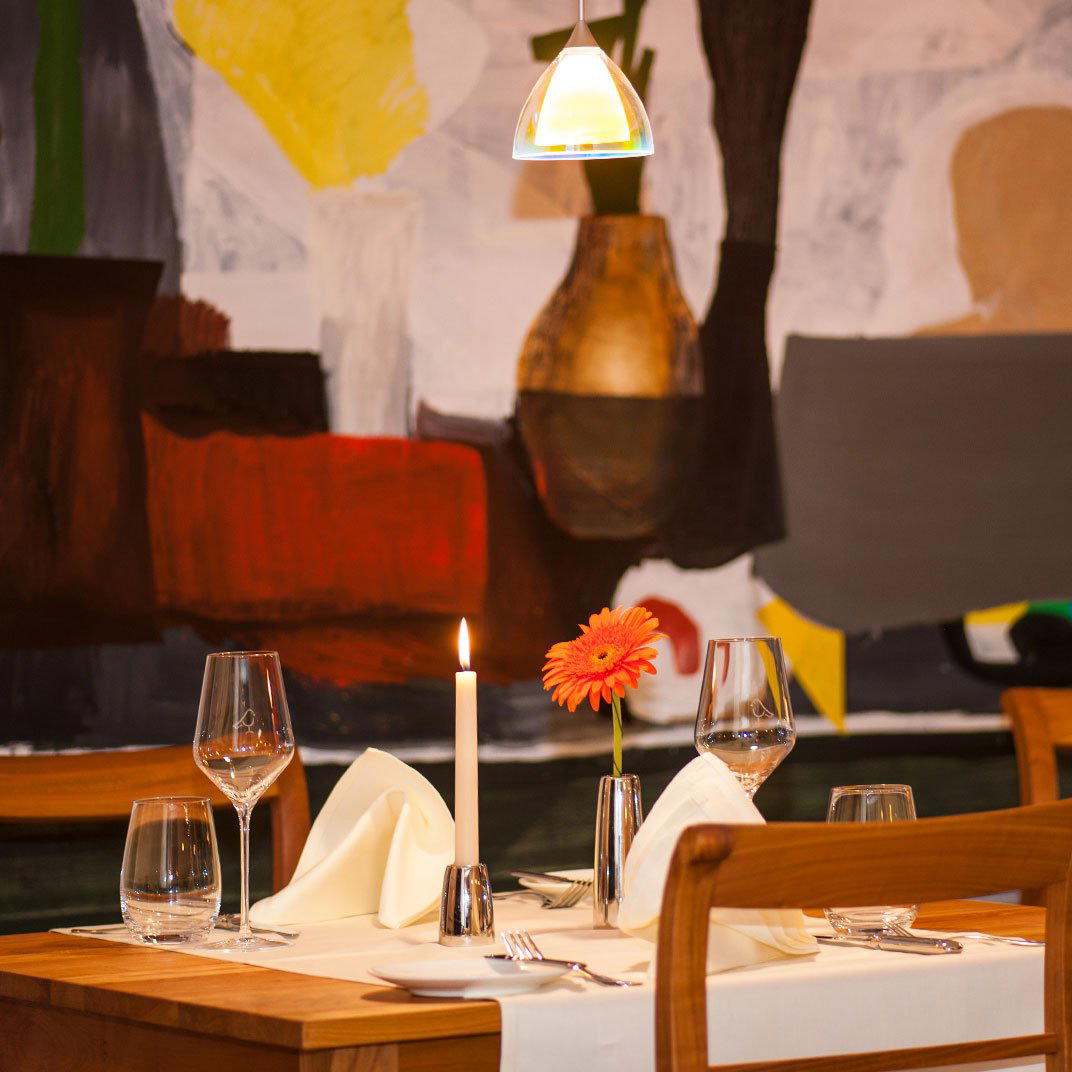
The menu
What to order
- Glan cow's liver spaetzle
- Hand-cut Glanrind beef tartare
- Wild black pudding with bergamot foam
- Vegetarian tasting menu
A Michelin Star in a Nahe Wine Village
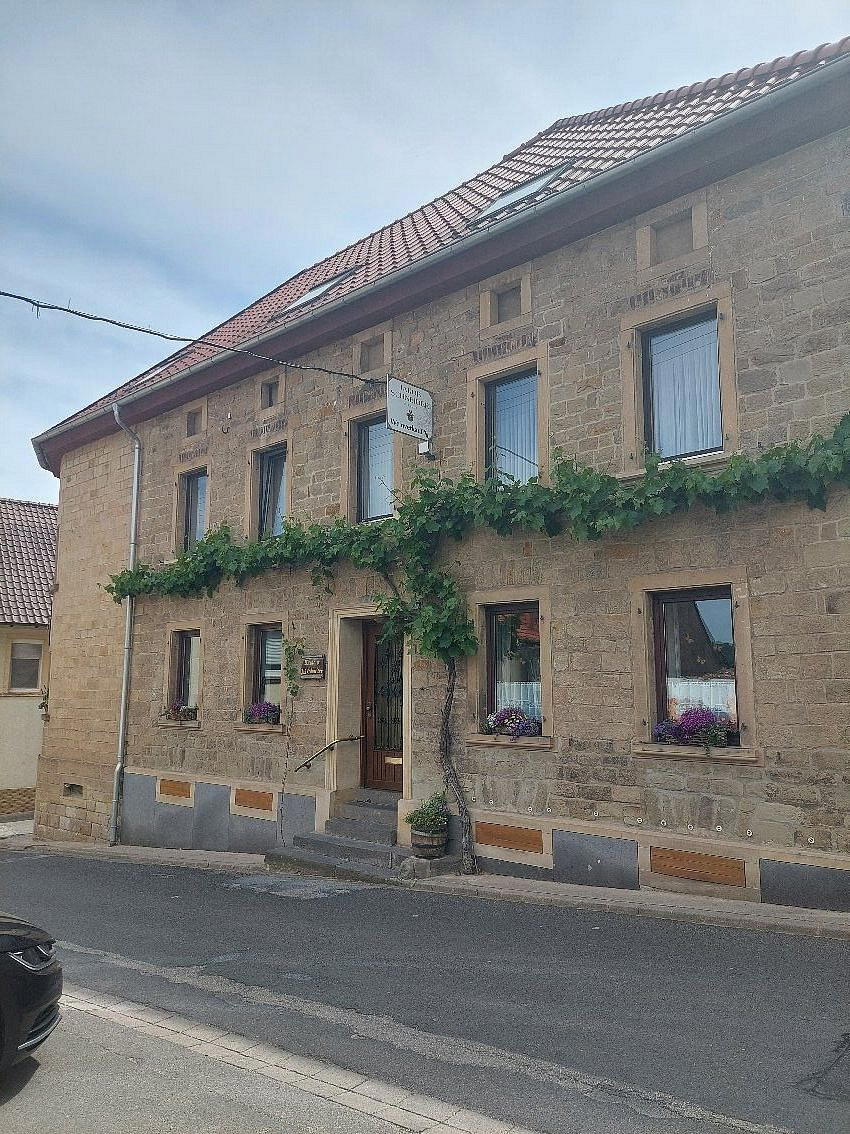
Small-town Michelin stars in Germany tend to follow a recognisable pattern: a focused kitchen, an owner who wears multiple hats, and a wine list built with more patience than budget. Meisenheimer Hof, at Obergasse 33 in the 3,000-person town of Meisenheim, fits that pattern with unusual precision. The setting is the Nahe valley, a wine corridor that sits between the Mosel to the west and the Rheinhessen to the east, well outside the metropolitan fine-dining circuit of Munich or Hamburg. Arriving in Meisenheim means passing through a preserved medieval streetscape of half-timbered buildings, and the restaurant's address on the Obergasse places it inside that historic core rather than on a commercial edge. The physical approach, quiet streets, stone facades, a town that does not announce itself, calibrates expectations in a useful direction before you have even sat down.
The restaurant has held a Michelin star in both 2024 and 2025, which for a property of this scale and location signals sustained technical discipline rather than a one-cycle aberration. Consecutive awards at this tier, particularly outside major urban centres, require a consistency that single-venue operators find harder to maintain than staffed kitchens in larger cities. Meisenheimer Hof earns its place on our full Meisenheim restaurants guide precisely because that consistency makes it a meaningful data point for anyone planning a Nahe or Rhineland-Palatinate itinerary.
One Operator, Every Role
The farm-to-table category in Germany has matured past its early association with rough-edged informality. In the current tier, it intersects with French-influenced technique, careful sourcing infrastructure, and serious wine programs. Meisenheimer Hof sits at that intersection. Markus Pape holds the positions of owner, chef, wine director, and general manager simultaneously, a configuration that is rare at the Michelin one-star level and worth examining as a structural fact rather than a marketing point. When a single operator controls sourcing, cooking, service tone, and wine selection, the resulting experience tends toward coherence at the cost of scale. The kitchen stays small; the program stays tight; nothing is delegated to a department that doesn't communicate with the kitchen.
This model has precedents across rural Germany and France. The village restaurant with a single authoritative hand rarely grows beyond a certain capacity, but it also rarely drifts. The trade-off is explicit: visitors get a precise, consistent expression of one person's standards, not the institutional depth of a multi-chef operation like Schwarzwaldstube in Baiersbronn or the creative apparatus behind Aqua in Wolfsburg. Those are €€€€ operations with larger teams and higher price floors. Meisenheimer Hof prices at €€€, which for a Michelin-starred dinner in Germany represents a meaningful step below the top tier, and that price point reflects the economic reality of a small-town format rather than any compromise in ambition.
Kitchen Logic: French Technique, German Produce
The culinary framing at Meisenheimer Hof is dual: French and German traditions operating together, anchored to local sourcing. This pairing is not unusual in Rhineland-Palatinate, a region that carries French culinary influence from its geographic position and post-war history. What distinguishes the farm-to-table application here is the sourcing specificity implied by that designation, connecting kitchen output to the agricultural output of the Nahe and surrounding areas. The region produces more than wine; the valley and its hinterland yield produce that supports a kitchen oriented toward seasonal, proximity-based menus.
French-German hybrid kitchens at the Michelin level in this part of Germany tend to use classical French structure, mother sauces, reduction-based cooking, precise proteins, as a frame onto which German regional identity is applied through ingredients, preserved preparations, and direct farm relationships. The result is a cuisine that reads internationally legible to guests accustomed to French fine dining while remaining grounded in regional material. Dinner is the operating format, which concentrates the kitchen's energy into a single daily service rather than splitting across lunch and dinner covers. For comparable farm-to-table thinking at the Michelin level elsewhere in Germany, BOK Restaurant in Münster and Clostermanns Le Gourmet in Niederkassel offer useful reference points.
The Wine Program
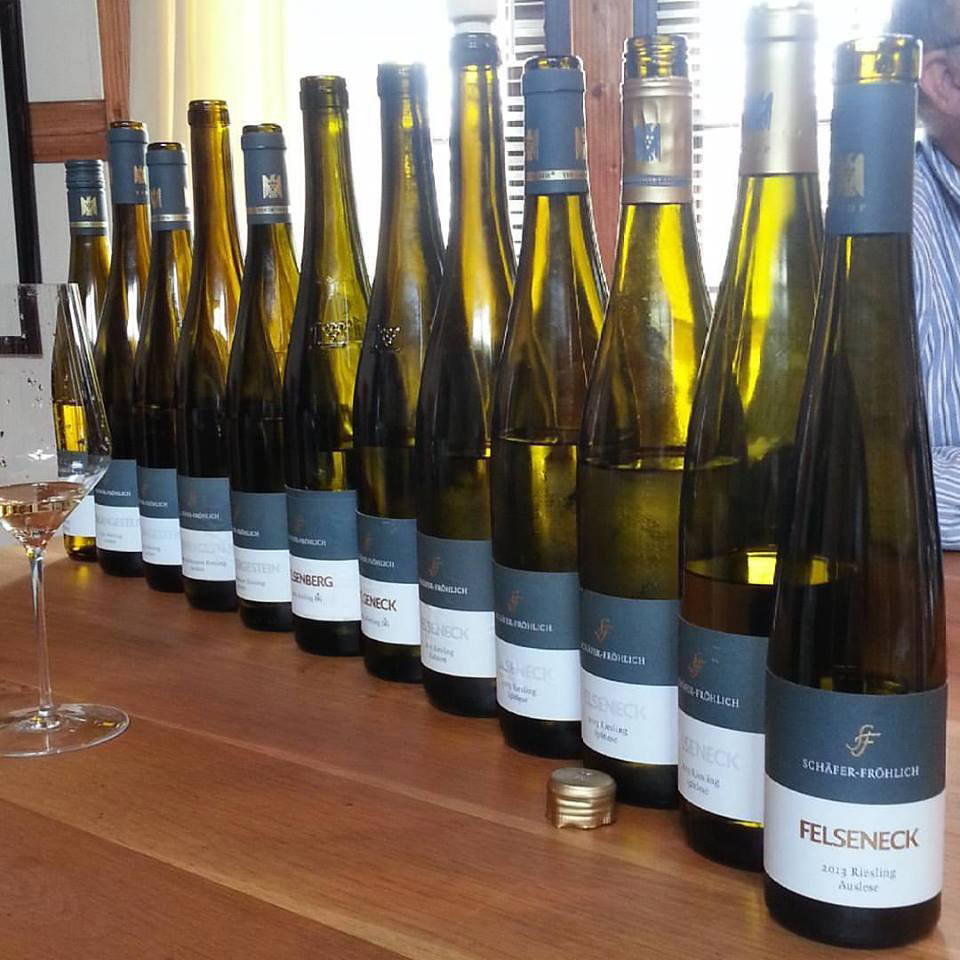
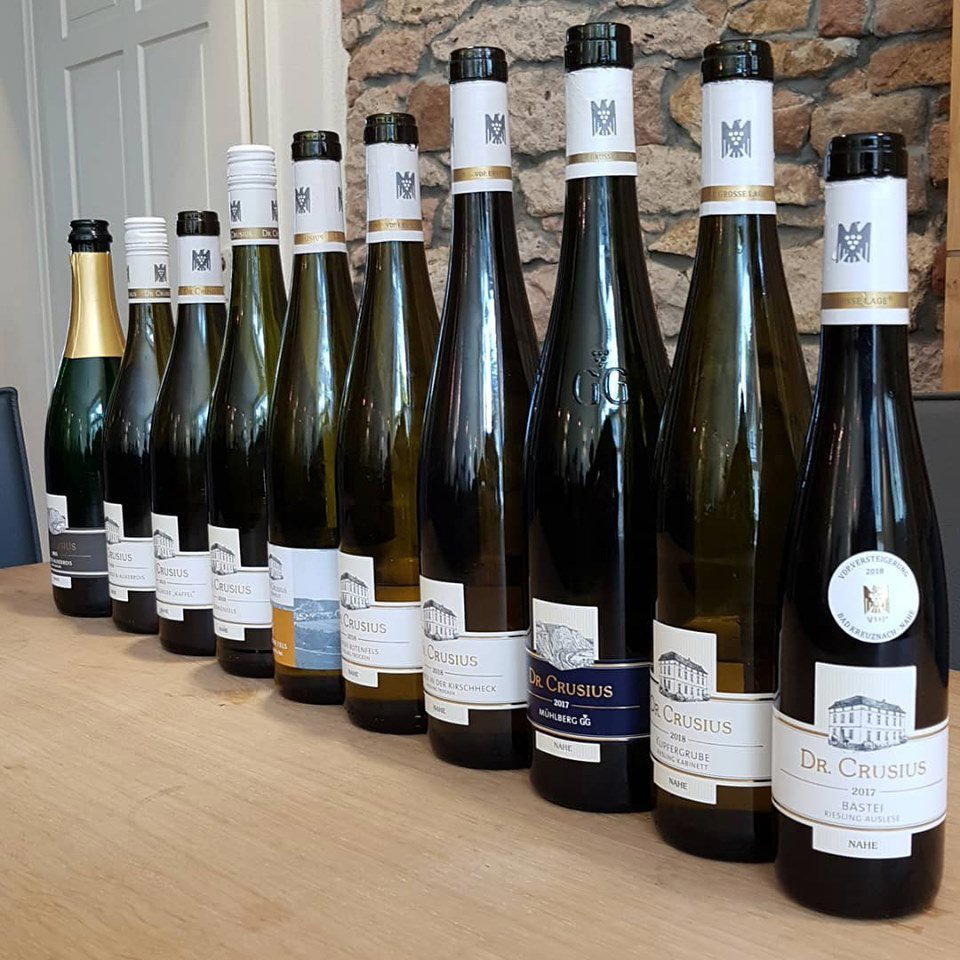
The cellar at Meisenheimer Hof runs to 1,200 bottles across 600 selections, which for a restaurant of this format represents a serious commitment of floor space and capital. The list's geographic strengths are Germany, France, Bordeaux specifically, and Italy, a set that maps directly onto the kitchen's French-German axis while adding classical Italian depth. Wine pricing sits at the mid-range tier: the list contains a spread from accessible bottles to higher-end selections, with a corkage fee of €30 for bottles brought in, suggesting the program is structured to welcome engaged wine guests rather than restrict access.
For a Nahe-based restaurant, the presence of German strength on the list is expected, but Bordeaux depth is a differentiating signal. Bordeaux in a German village cellar at this scale typically indicates a directorial sensibility shaped by classical French wine education, consistent with the kitchen's French technique orientation. The list's breadth, 600 selections, places it among the more thoroughly stocked one-star cellars in the region. Andreas Held and Erik Koch serve as sommeliers, providing dedicated wine service support alongside Pape's directorial oversight.
For broader context on drinking in Meisenheim, see our full Meisenheim bars guide and our full Meisenheim wineries guide. The Nahe wine region sits close enough to Meisenheim that combining a restaurant visit with winery exploration is direct.
Where It Sits in the Rhineland-Palatinate Fine Dining Picture
Rhineland-Palatinate has a cluster of serious fine-dining addresses that spans wine villages, small towns, and mid-size cities. Waldhotel Sonnora in Dreis and Victor's Fine Dining by Christian Bau in Perl represent the upper reaches of the regional tier, operating at price points and staffing levels above Meisenheimer Hof. Schanz in Piesport and Bagatelle in Trier offer further regional comparison. Within this field, Meisenheimer Hof occupies a specific niche: Michelin-starred, independently operated, €€€ pricing, with an unusually deep wine cellar for its scale. It is not attempting to compete with the full-team operations at the two- and three-star level; it is doing something structurally different, and the consecutive Michelin recognition suggests the guide agrees that the category comparison is internal.
Guests travelling for fine dining from further afield might combine Meisenheimer Hof with other recognised regional addresses as part of a multi-day Rhineland-Palatinate itinerary. For restaurant reference outside the immediate region, JAN in Munich, CODA Dessert Dining in Berlin, Restaurant Haerlin in Hamburg, ES:SENZ in Grassau, and Vendôme in Bergisch Gladbach are covered in our broader Germany guides.
Planning a Visit
Meisenheimer Hof operates dinner service only, which means any visit requires an overnight stay or a deliberate drive into the Nahe valley in the evening. Meisenheim is accessible by road from the A61 motorway corridor and sits roughly between Bad Kreuznach to the east and Kirn to the west. For accommodation, see our full Meisenheim hotels guide; options in the town and nearby valley range from guesthouses to small hotels suitable for a one or two-night stay. Booking should be made well in advance given the format: a single-operator kitchen with limited covers does not absorb walk-in demand the way a larger dining room might. The €30 corkage fee makes bringing a bottle from a Nahe winery visit a viable option for wine-focused guests. For experiences around the region, our full Meisenheim experiences guide covers what to do beyond the table.
Frequently asked questions
What does dinner at Meisenheimer Hof typically cost?
Pricing at Meisenheimer Hof is listed as €€€.
Where is Meisenheimer Hof located?
Meisenheimer Hof is located at Obergasse 33, 55590 Meisenheim, Germany, Meisenheim.
In Context: Similar Options
| Venue | Cuisine | Price | Awards |
|---|---|---|---|
| Meisenheimer HofThis venue — the venue you are viewing | Michelin-Starred Regional German Cuisine | $150–200 | 1 Michelin Star · Wine Spectator Best of Award of Excellence |
| Schwarzwaldstube | French, Classic French | Not listed | Michelin 3 Star |
| Aqua | Contemporary German, Italian/Japanese, Creative | Not listed | Michelin 3 Star |
| CODA Dessert Dining | Creative | Not listed | Michelin 2 Star |
| Tantris | Modern French, French Contemporary | Not listed | Michelin 2 Star |
| Vendôme | Modern European, Creative | Not listed | Michelin 2 Star |
Recognition history
Dated appearances from independent guides and award organizations, with the underlying list record or original source where available.
Michelin 1 Star
Michelin
Wine Spectator Best of Award of Excellence
Wine Spectator
Full recognition history (5 entries)
Michelin 1 Star
Michelin
Wine Spectator Best of Award of Excellence
Wine Spectator
Michelin 1 Star
Michelin
Continue exploring
More in Meisenheim
Restaurants in Meisenheim
Browse all →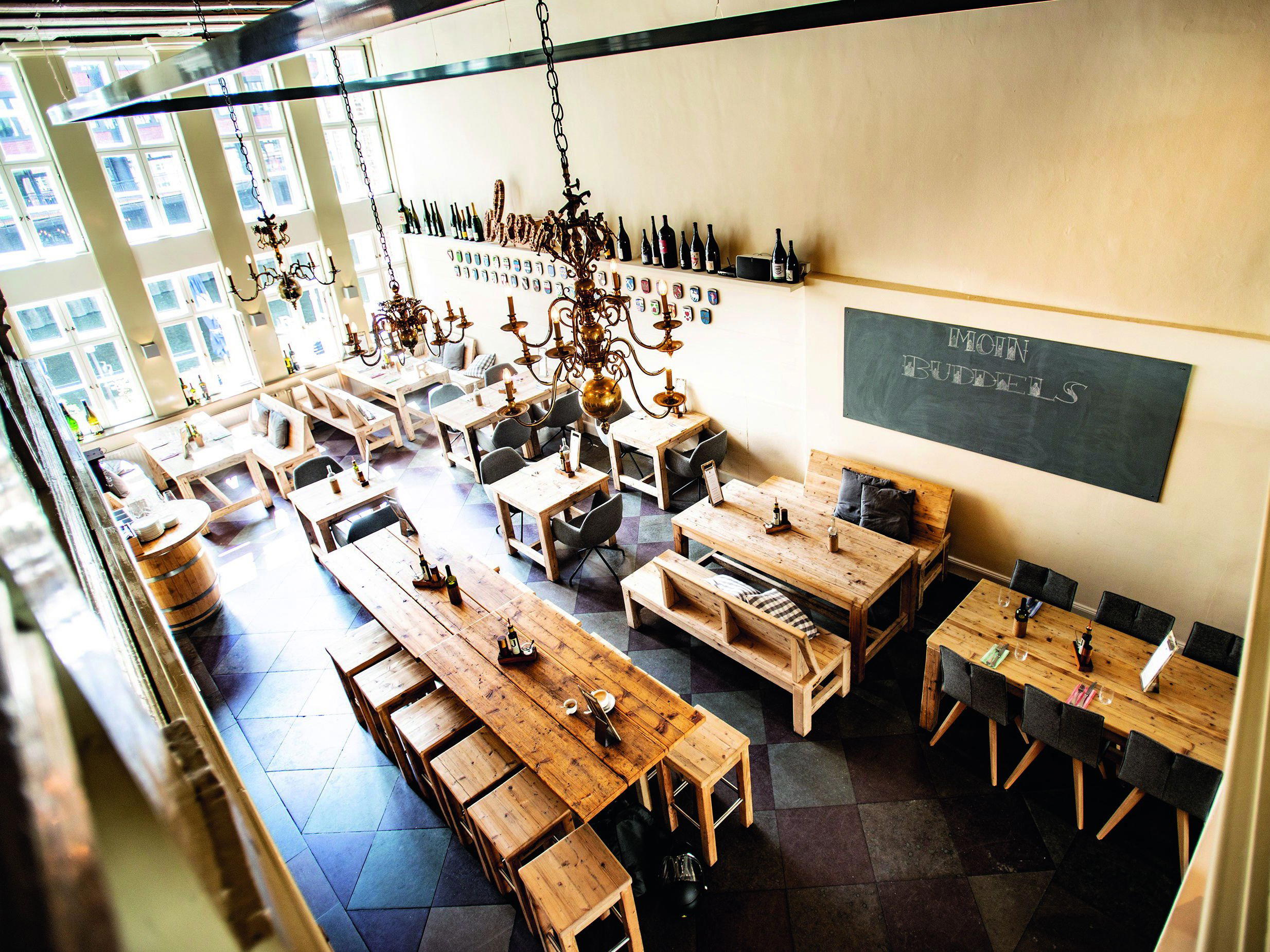
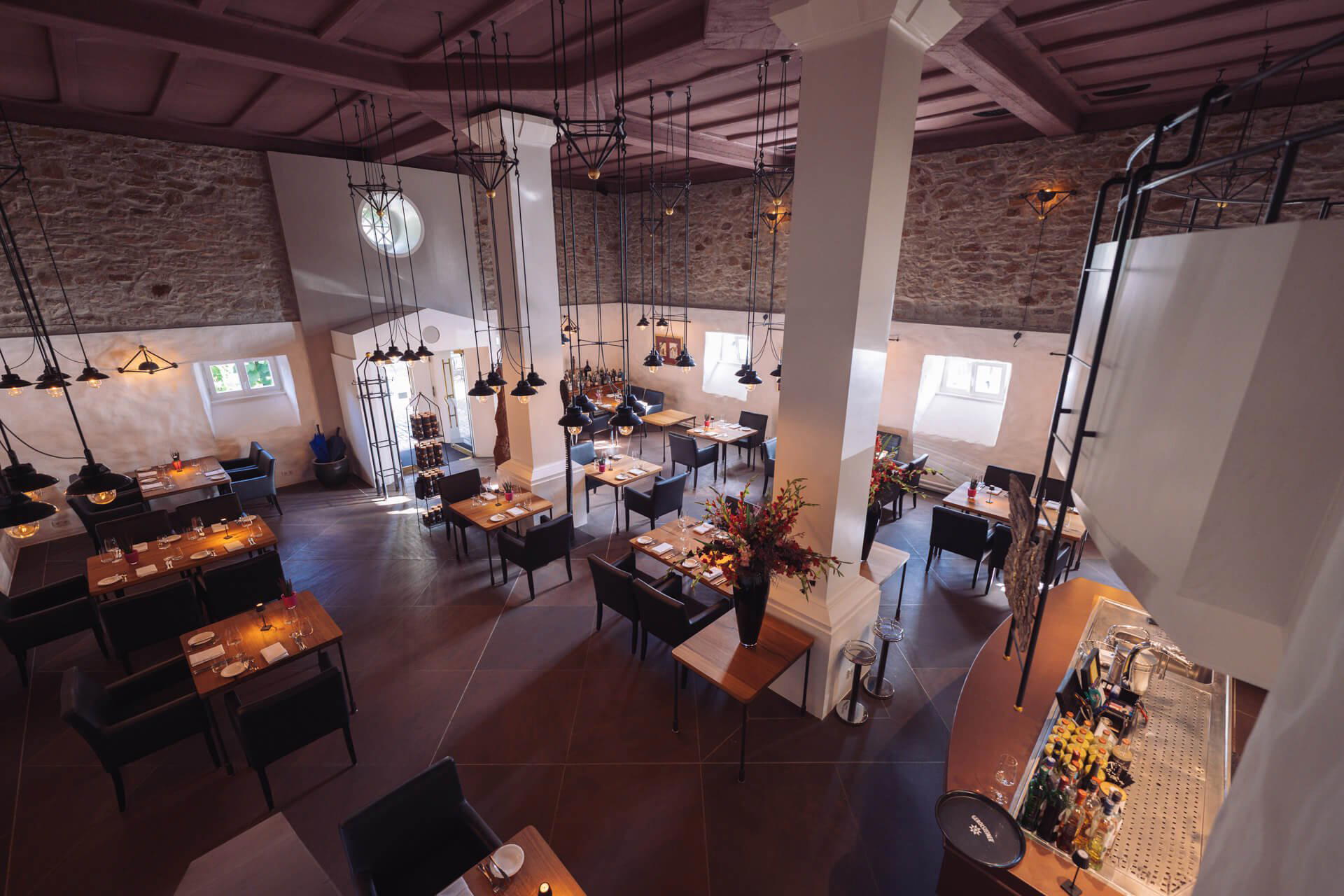
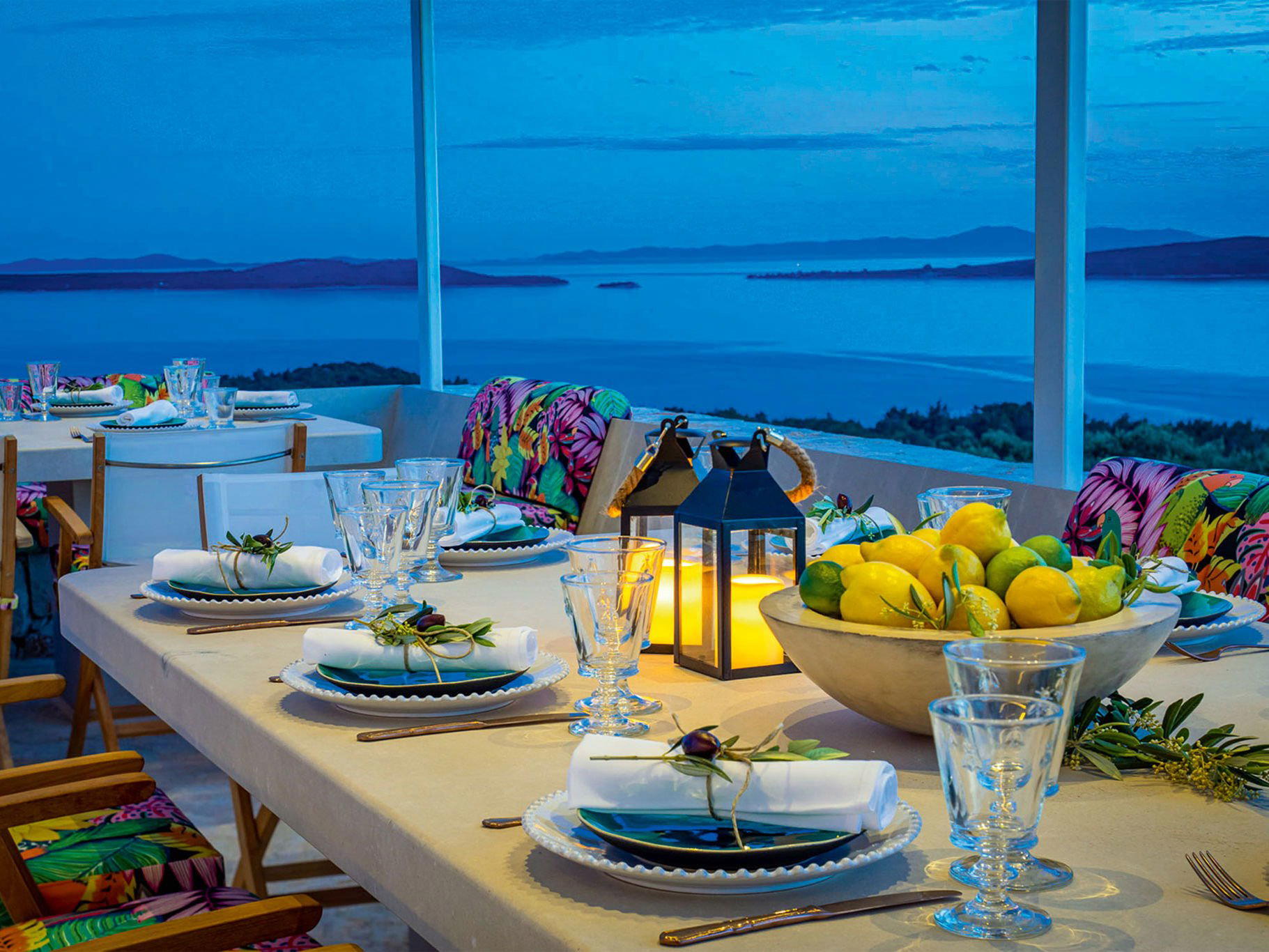
Bars in Meisenheim
Browse all →
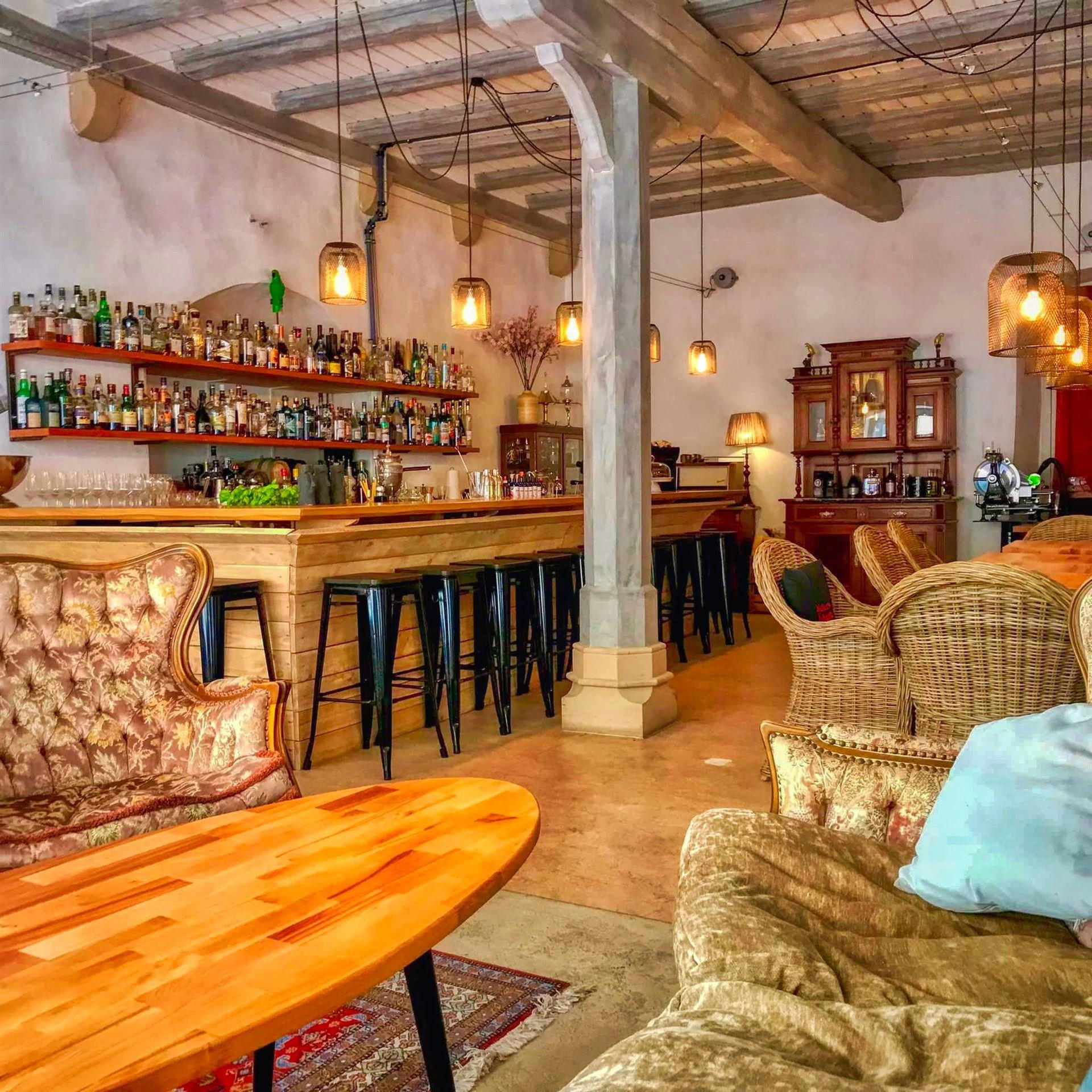
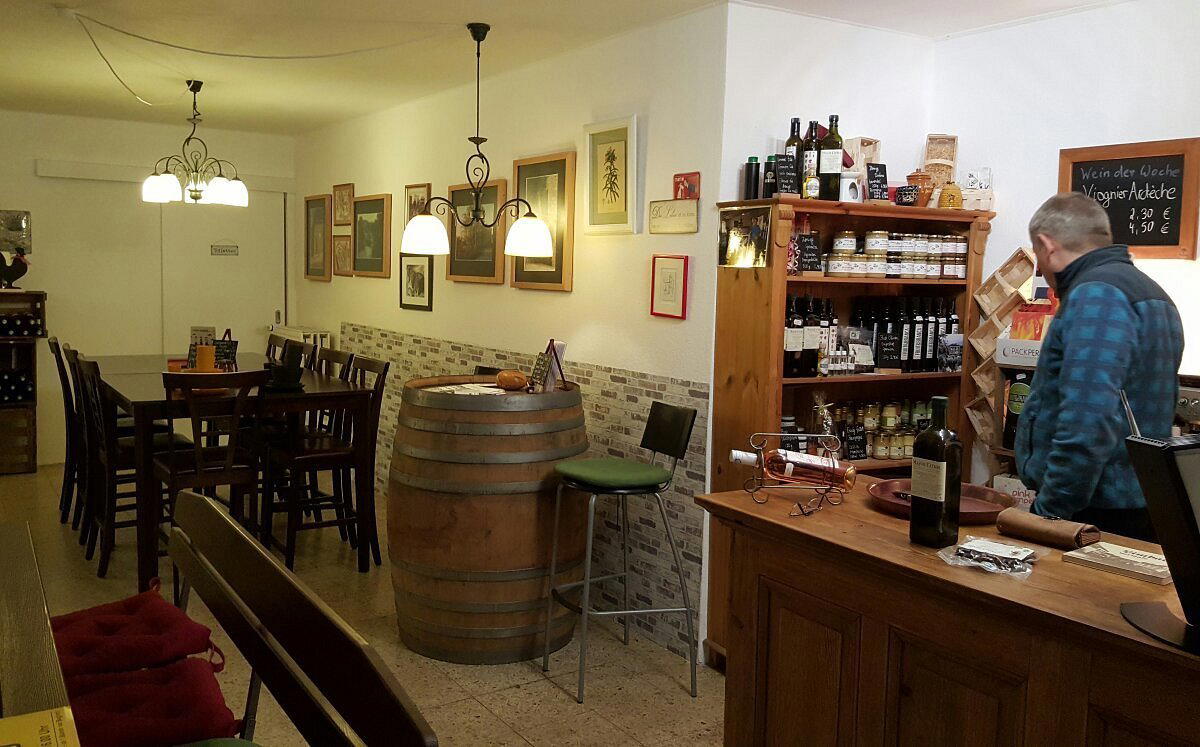
Hotels in Meisenheim
Browse all →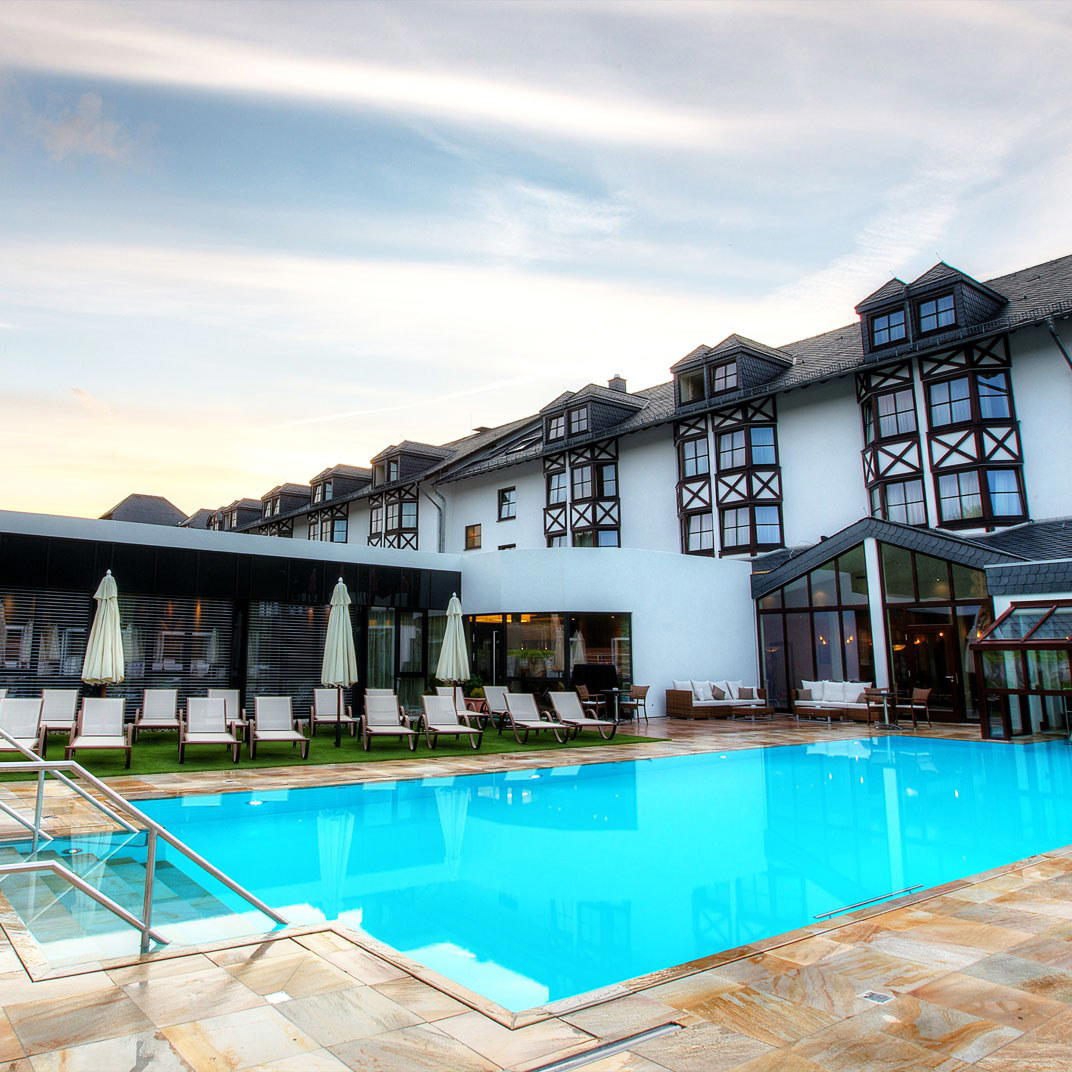
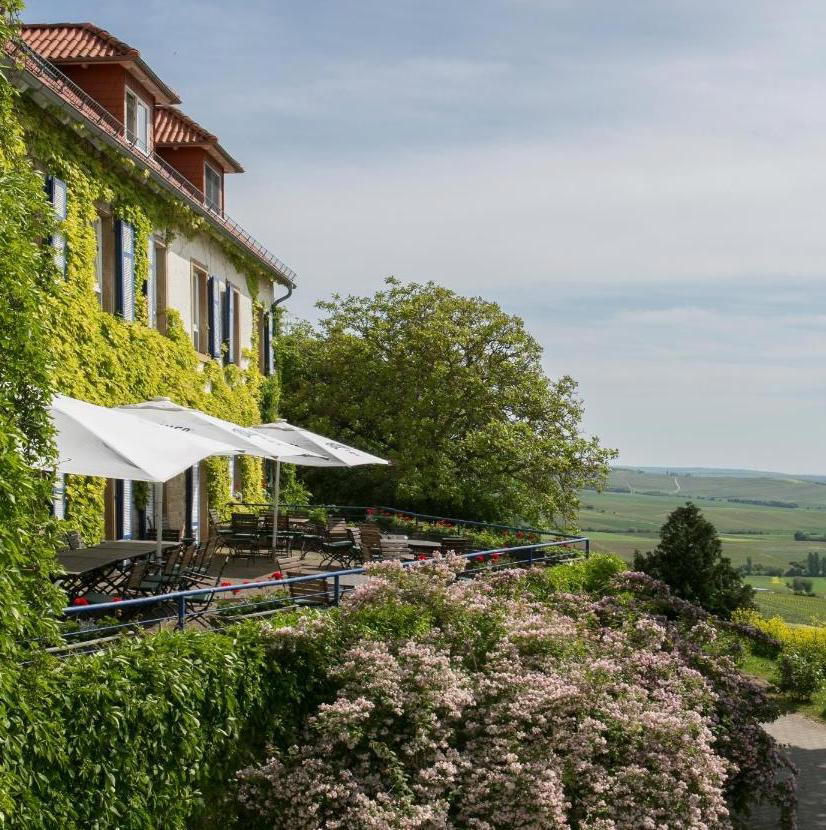
Meisenheimer Hof
The wine
Meisenheimer Hof holds the Wine Spectator Best of Award of Excellence, which Wine Spectator gives to lists of usually 350 or more selections.
- Wine program
- Exceptional wine program
- Wine Spectator
- Wine Spectator Best of Award of Excellence
- Selections
- 600
- Bottles in cellar
- 1,200
- List strengths
- Germany, France, Bordeaux, Italy
- Wine director
- Markus Pape
- Extensive wine list
- Sommelier-led
Details
- Romantic
- Elegant
- Intimate
- Classic
- Sophisticated
- Date Night
- Special Occasion
- Celebration
- Open Kitchen
- Private Dining
- Terrace
- Historic Building
- Hotel Restaurant
- Courtyard
- Extensive Wine List
- Sommelier Led
- Local Sourcing
- Farm To Table
- Garden
- Street Scene
- Tasting Menu
- A La Carte
- Prix Fixe
- Regional Wines
- Burgundy Wines
- Own Vineyard Wines
- Vegetarian Friendly
- Allergy Accommodating
Historic baroque setting with charming, intimate dining rooms (Jägerzimmer, Brunnenstube) featuring warm lighting and a mix of historic and modern décor; guests describe it as cozy yet refined with a familial atmosphere despite its fine-dining status.