Leonardo Mainz sits in a German city where hotel choice is shaped less by resort theater than by access, service rhythm, and the practical demands of Rhine travel. With no published public sources for room count, pricing, awards, or facilities, it should be read against Mainz’s business-and-culture hotel set: useful for travelers who value a clear base in the city over destination-hotel ceremony.

Pearl is the En Primeur Club membership app — saves, bookings, and concierge access live there. Same editors, same standards.
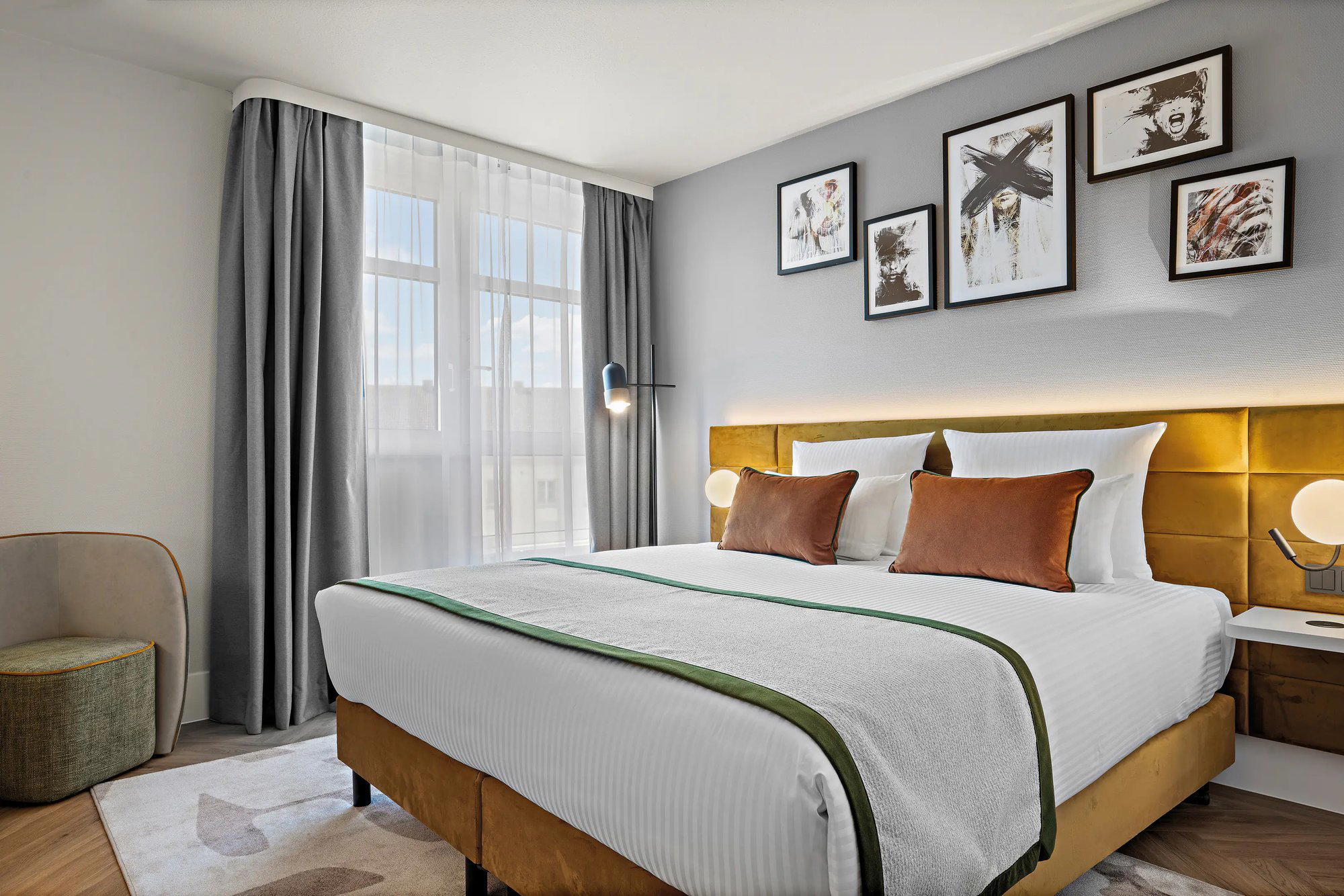
First impression: Mainz hospitality without resort theater
Approaching a hotel in Mainz is rarely about a choreographed arrival in the grand-resort sense. The city’s hotel culture is more measured: railway convenience, Rhine-side movement, conference traffic, wine-region weekends, and a steady flow of travelers using Mainz as both destination and hinge point. Leonardo Mainz belongs in that practical urban category, where the guest experience is judged by consistency, clarity, and how little friction sits between arrival, check-in, rest, and the next appointment in the city.
That matters because Mainz is not a hotel market built around spectacle. Its strengths sit in Roman history, cathedral streets, publishing heritage, university energy, and proximity to Rheinhessen wine country. A hotel here earns relevance by handling the basics with discipline: arrival procedures that do not waste time, staff who can orient guests around the city without theatrics, and rooms that function for both short professional stays and cultural weekends. In a city with limited tolerance for empty luxury gestures, service philosophy becomes a practical craft rather than a slogan.
Leonardo Mainz is a 4-star hotel in Mainz with 217 rooms and a practical price point. It is better understood through the decision facing the traveler: whether to choose a Mainz base for operational ease rather than a property whose identity depends on a destination-dining room, landmark history, or resort infrastructure.
Where Leonardo Mainz fits in the city's hotel set
Mainz hotel demand is split across several use cases. Weekday traffic comes from business, university links, government-adjacent work, fairs in the wider Rhine-Main area, and travelers who want access to Frankfurt Airport without sleeping in Frankfurt. Weekends shift toward river walks, cathedral visits, museum time, wine touring, and regional dining. That mix rewards hotels with reliable service cadence. The question is not whether the lobby photographs well; the question is whether the stay can absorb a late train, an early meeting, or a day trip into the vineyards without turning logistics into a project.
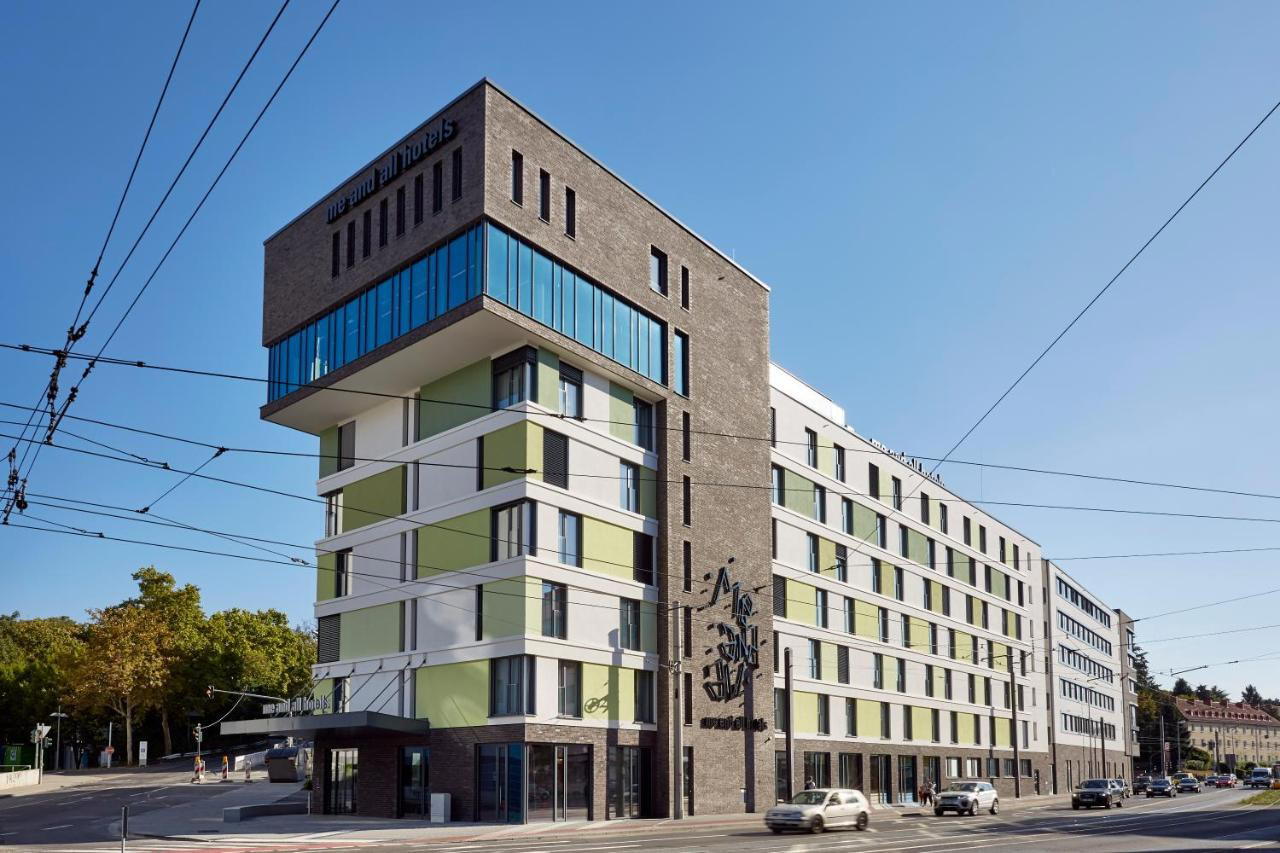
In the local comparison set, Hyatt Regency Mainz carries the clearest riverfront reference point, while me and all hotel mainz points toward a more social, design-conscious city format. Leonardo Mainz sits alongside those names as part of the broader Mainz accommodation conversation, not as a trophy resort or rural retreat. Readers comparing options should use Our full Mainz hotels guide to weigh location, service expectations, and the kind of stay rhythm each property supports.
This is the key editorial distinction: Mainz does not require every visitor to chase a grand-hotel narrative. For many travelers, the sharper choice is a property that makes the city easier to use. Service matters here in small, cumulative ways: front-desk fluency with local movement, sensible guidance on taxis or public transport, realistic timing advice, and housekeeping that supports irregular schedules. None of those elements can be assumed as specific facts about Leonardo Mainz from the current record, but they are the standards by which this kind of Mainz hotel should be judged.
Service philosophy: the quiet test in a practical city
Service in Mainz sits in a different register from service in Baden-Baden, Sylt, or the Bavarian Alps. The performance is less formal, and the useful gestures are more tactical. A guest may need a dinner plan after a delayed train, a route toward the old town, a practical understanding of Sunday closures, or advice on reaching Rheinhessen wineries without overcomplicating the day. In this context, good service is not ceremony. It is anticipation expressed through clean information.
That is where a hotel such as the hotel should be evaluated: not on invented claims about personalisation, but on whether the operating culture reduces uncertainty. A front desk that gives realistic restaurant timing is more valuable in Mainz than a theatrical welcome. A team that understands how riverfront leisure, station access, and wine-country excursions compete for time gives travelers a better stay than one that simply lists attractions. The city rewards staff who can read intent quickly: business guest, family stopover, wine traveler, museum weekend, or Rhine-Main commuter.
With no award data in the record, there is no basis for placing it in an award-led luxury tier. That restraint is useful. It keeps the focus on the guest experience rather than status language. Travelers who want a German hotel stay defined by formal luxury markers should compare national references such as Fairmont Hotel Vier Jahreszeiten in Hamburg, Breidenbacher Hof Düsseldorf in Düsseldorf, or Althoff Seehotel Überfahrt in Rottach-Egern. Mainz plays a different game, and judging it by resort criteria misses the point.
Dining context: Mainz first, hotel second
With no cuisine type, restaurant name, chef, menu format, or bar details listed in public sources, dining should not be invented into the hotel story. The more honest reading is city-first. Mainz is a wine city before it is a hotel-dining destination, with Rheinhessen at its shoulder and Riesling, Silvaner, Pinot varieties, and seasonal tavern culture shaping the way visitors eat and drink. Hotel restaurants can be convenient, but the city’s stronger dining logic often sits outside the property walls.
Travelers planning meals should begin with Our full Mainz restaurants guide, then cross-reference timing with the stay. Mainz dining can be informal, regional, wine-led, and tied to local calendars. A hotel base becomes useful when staff can help turn those conditions into an evening that works: which district to choose, when to avoid arriving too late, and how to balance old-town sightseeing with dinner. Again, the point is service intelligence rather than menu mythology.
Bars and wine stops deserve the same treatment. Mainz is not a city where drinking culture should be reduced to hotel-lobby cocktails. The better editorial lens is the Rhine-Main wine corridor: casual glasses, producer lists, seasonal terraces, and proximity to vineyards. Use Our full Mainz bars guide for city drinking, Our full Mainz wineries guide for producer-led planning, and Our full Mainz experiences guide for cultural formats that sit beyond dinner reservations.
Rooms and stay rhythm
That means room advice has to be conditional rather than decorative. In a Mainz stay, the right room is usually the one that matches the trip’s tempo. Business travelers should prioritize quiet, desk usability, and morning efficiency. Couples on a cultural weekend should prioritize comfort after walking-heavy days. Wine travelers should think about storage, transport timing, and how early starts or late returns affect the stay.
Room selection in this category is less about status hierarchy than functional fit. If the hotel offers multiple room types through its official booking channel, the sensible move is to choose based on noise sensitivity, length of stay, and whether the trip includes work time. With a nightly rate of about $80, value should be judged against live Mainz dates rather than national luxury hotels. Local compression can change the equation during fairs, university events, and high-demand weekends.
For travelers benchmarking beyond Mainz, the German hotel field covers sharply different models. Hotel Traube Tonbach in Baiersbronn and Schloss Elmau Luxury Spa Retreat & Cultural Hideaway in Elmau belong to destination formats where dining, wellness, and seclusion shape the stay. Weissenhaus Private Nature Luxury Resort in Weissenhaus, Villa Contessa in Bad Saarow, and Seezeitlodge Hotel & Spa in Gonnesweiler answer a different brief. The hotel should be judged as an urban Mainz base, not as a substitute for a retreat.
Planning a stay in Mainz
Booking strategy should start with the city calendar. Mainz absorbs business travel during the week and leisure demand on weekends, while the wider Rhine-Main region can pressure rates when Frankfurt events spill outward. Since the record does not list an official website or phone number, travelers should verify current rates and policies through their preferred booking channel before committing. If flexibility matters, cancellation terms deserve as much attention as nightly price.
Arrival planning is equally practical. Mainz is well positioned for travelers moving between Frankfurt, the Rhine, and Rheinhessen, which makes it attractive for mixed itineraries: one day in the city, one in the vineyards, another in the wider region. Hotel service becomes valuable when it helps sequence those days sensibly. A guest who plans wine touring should arrange transport before arrival rather than relying on last-minute improvisation; a guest with restaurant plans should confirm dining hours, especially around Sundays and public holidays in Germany.
Comparative planning helps clarify expectations. Coastal and island references such as Söl'ring Hof in Sylt and BUDERSAND Hotel in Hörnum are shaped by landscape, season, and resort pacing. Southwestern and countryside addresses such as Esplanade Saarbrücken in Saarbrücken, Luisenhöhe in Horben, Gut Steinbach Hotel Chalets Spa in Reit im Winkl, and LA MAISON in Saarlouis answer other forms of German travel. Mainz is more connective: a city stay with wine-country reach.
International comparisons underline the same point. The Fifth Avenue Hotel in New York City, Hôtel de Paris Monte-Carlo in Monte Carlo, and Badrutt's Palace Hotel in St. Moritz operate in cities and resorts where hotel mythology is part of the purchase. The hotel belongs to a quieter equation: does the property support the trip cleanly, and does the service culture make Mainz easier to use?
In Context
Comparable venues nearby, for context on price, style, and recognition.
| Venue | Price | Awards | Notes |
|---|---|---|---|
| Leonardo MainzThis venue — the venue you are viewing | $$ | 4-Star | Not listed |
| Brunfels Hotel | $$$ | 4-Star | Altstadt / Schillerplatz, Urban grand hotel in a historic Old Town setting, blending modern comfort with regional character. |
| H2 Hotel Mainz | $ | 3-Star | Zollhafen / Neustadt, Budget-friendly, design-forward city hotel in a new mixed-use waterfront district. |
| Hyatt Regency Mainz | $$$ | 4-Star | Altstadt Mainz, Modern business hotel integrated into historic fortress |
| me and all hotel mainz | $$$ | 4-Star | Oberstadt, Contemporary urban design hotel with hand-picked furnishings and modern architecture, part of the JdV by Hyatt collection. |
| Scandic Stuttgart Europaviertel | $$ | 4-Star | Europaviertel, Contemporary Nordic-inspired city hotel focused on business, events, and leisure stays in a central urban location. |
Continue exploring
More in Mainz
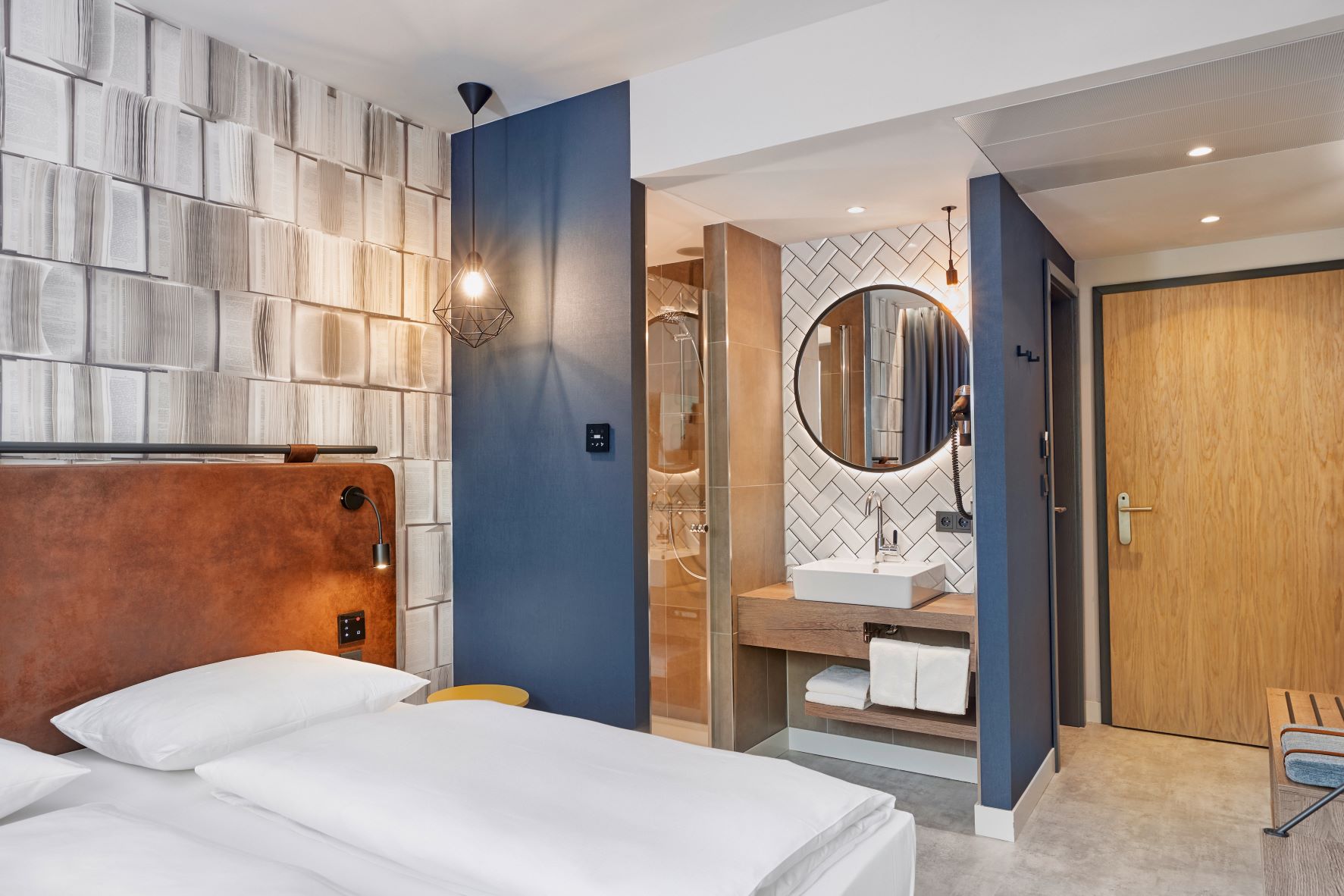
Hotels in Mainz
Browse all →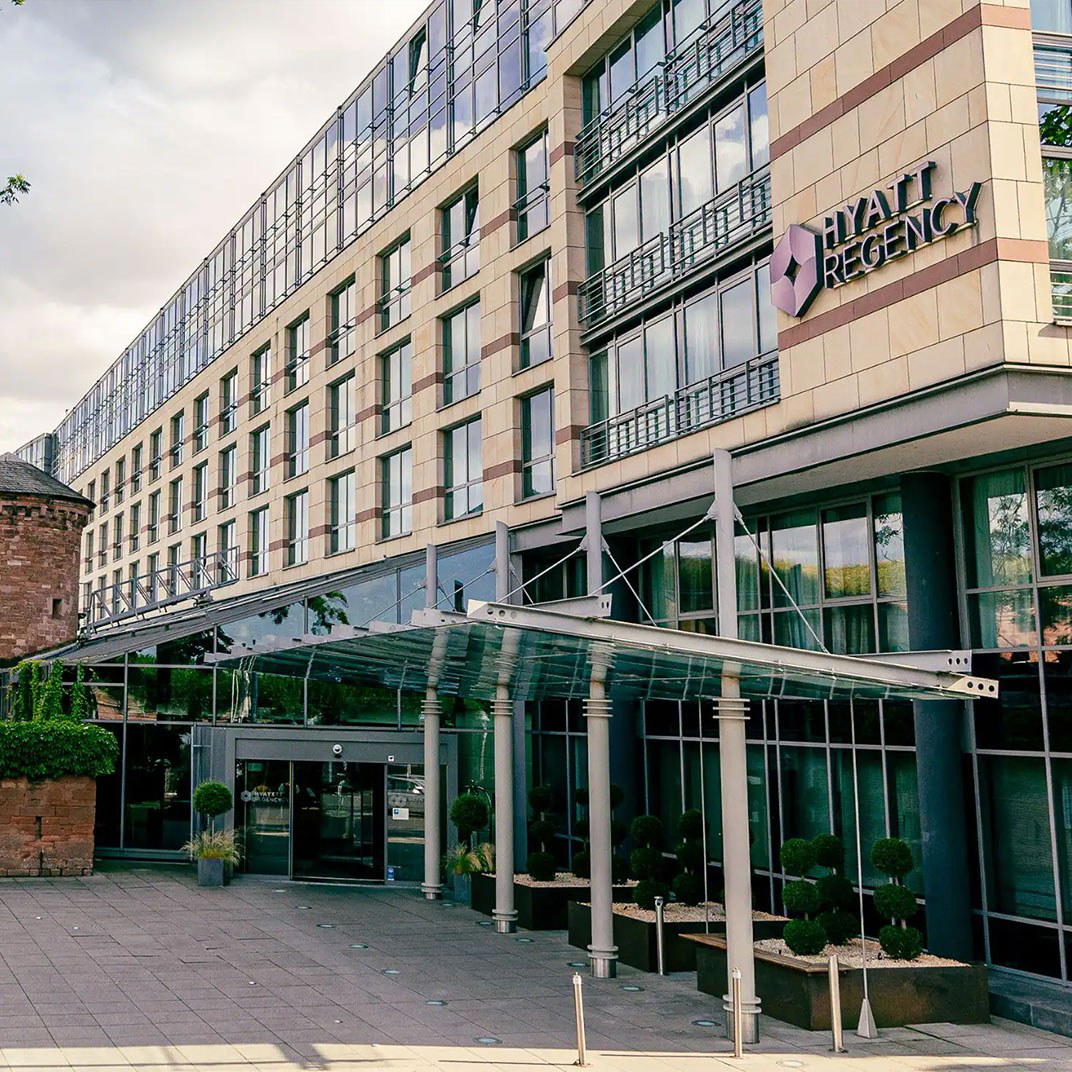
Restaurants in Mainz
Browse all →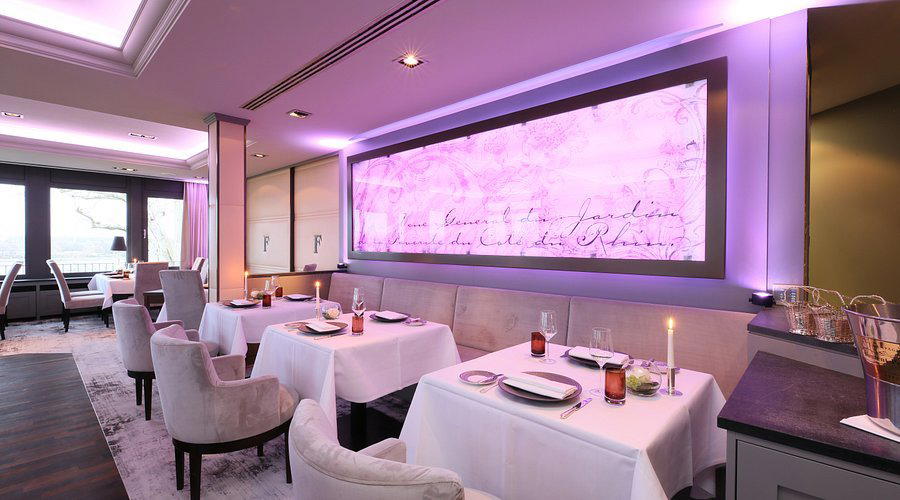
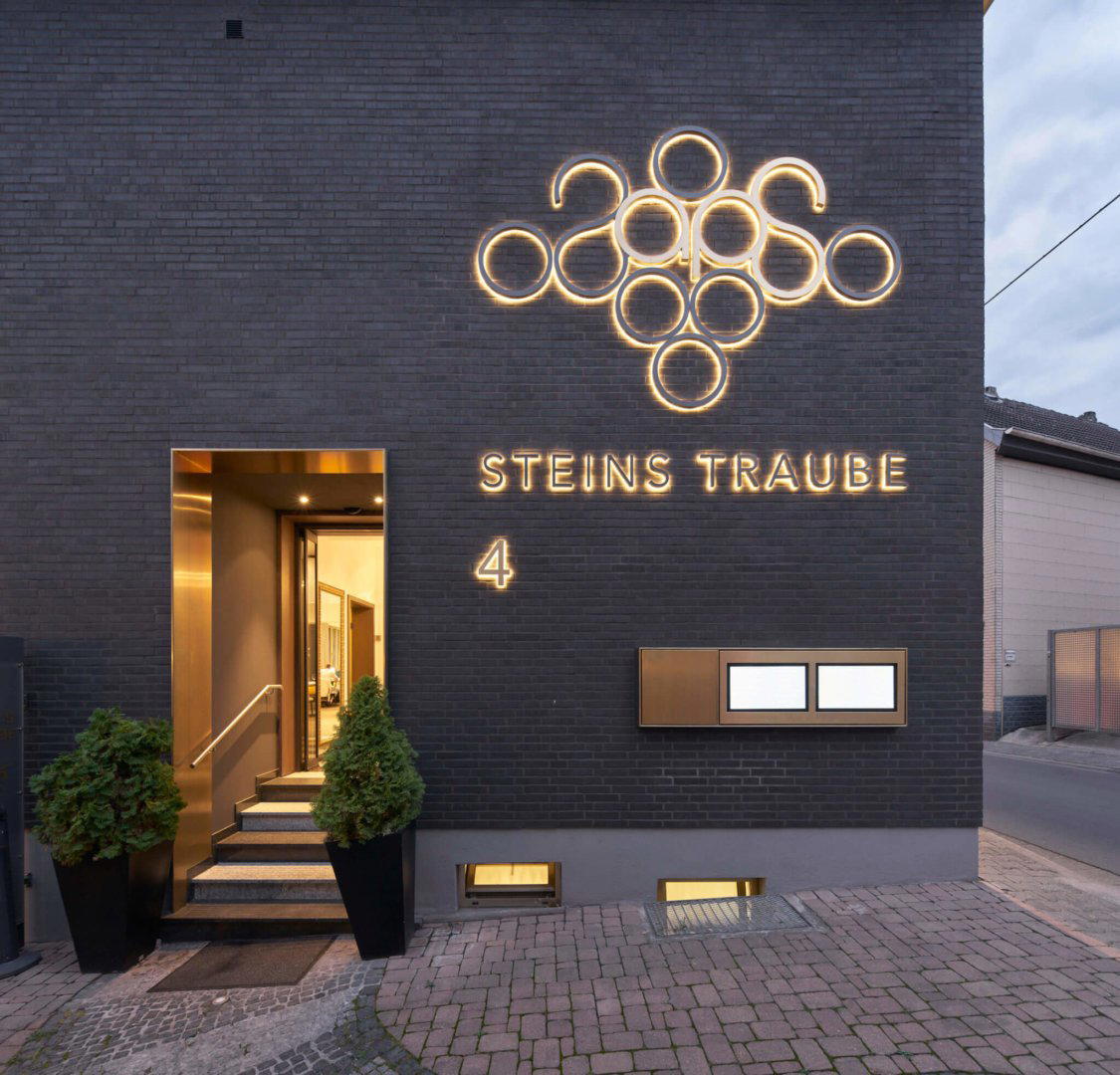
Wineries in Mainz
Browse all →
At a Glance
- Modern
- Sophisticated
- Cozy
- Business Trip
- Weekend Escape
- Group Retreat
- Destination Spa
- Historic Building
- Design Destination
- Terrace
- Wi Fi
- Pool
- Spa
- Fitness Center
- Room Service
- Bar
- Restaurant
- Parking
- Pet Friendly
- Street Scene
- Wi Fi
- Pool
- Spa
- Fitness Center
- Room Service
- Bar
- Restaurant
- Parking
- Pet Friendly
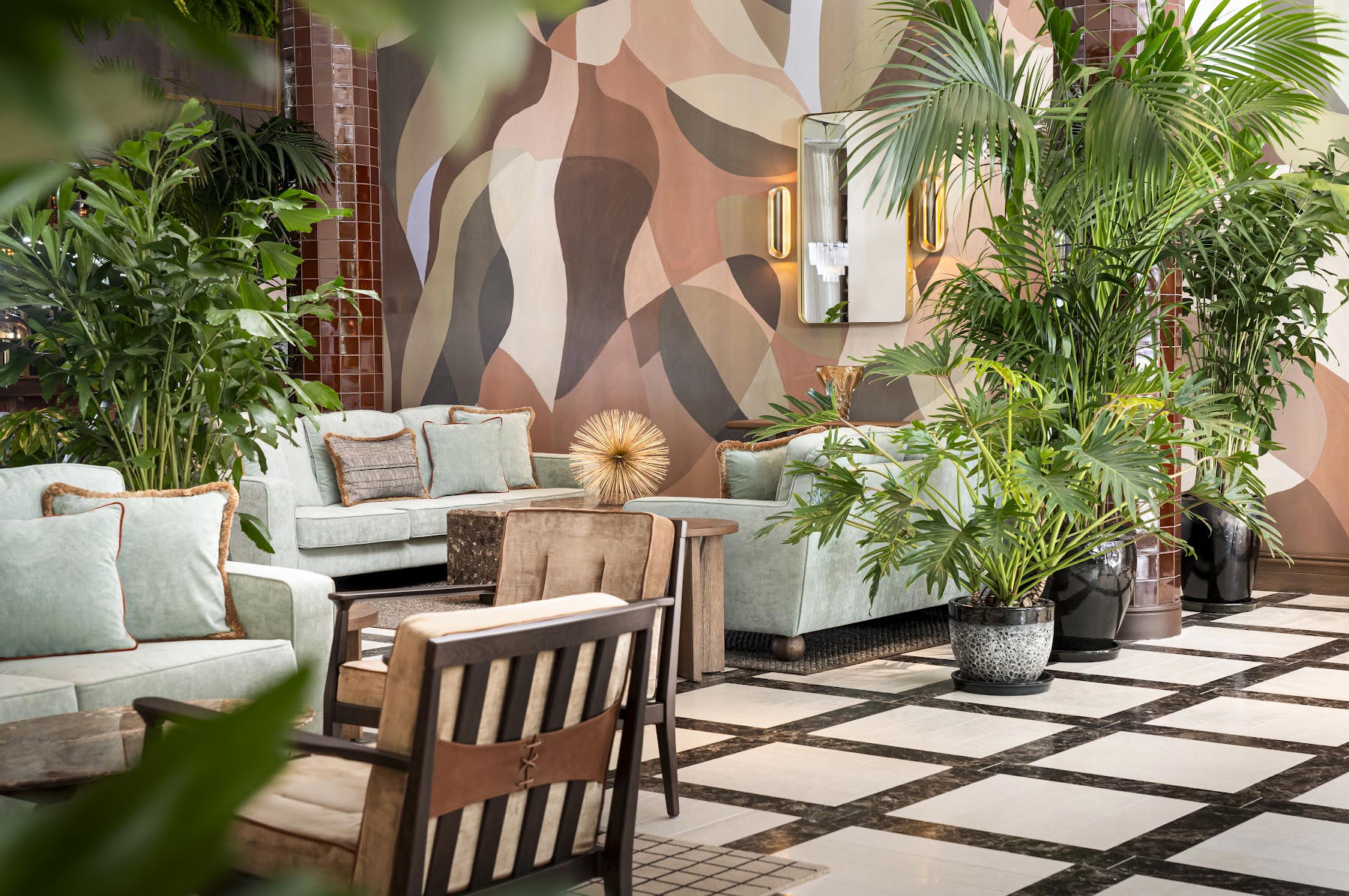
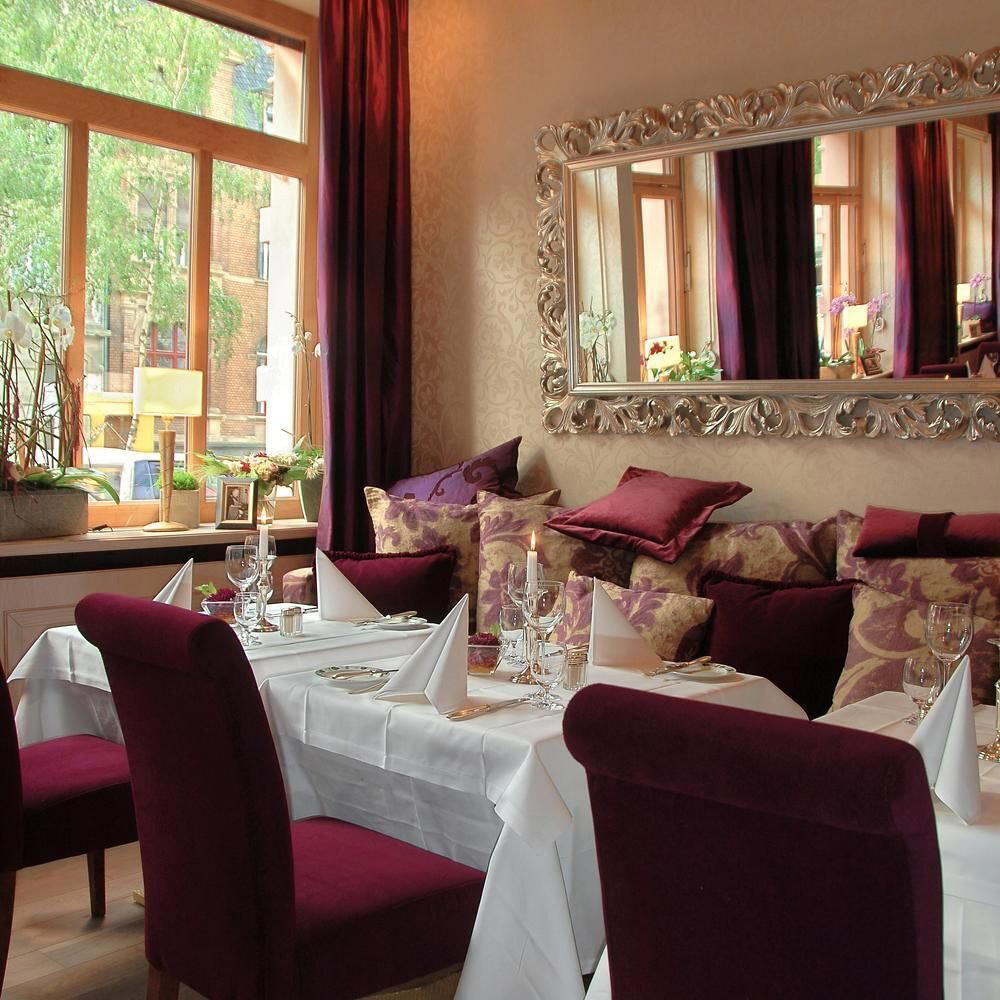
Modern and stylish with a generous lobby, an elegant bar, and a relaxed spa-and-dining atmosphere that feels polished but not formal.