The winery sits within Salem's broader wine culture alongside peers that include allocation-driven, critically noted estates. For visitors and collectors drawn to the region's serious wine identity, Walter Scott Wines represents a credentialled point of entry into Salem's premium tier.

Pearl is the En Primeur Club membership app — saves, bookings, and concierge access live there. Same editors, same standards.
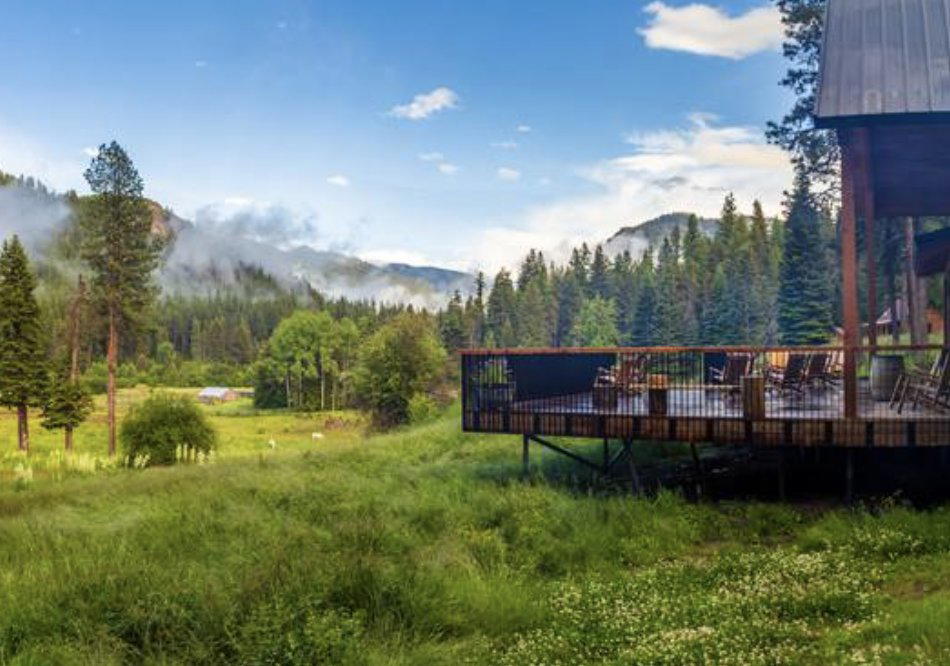
Where Salem's Wine Country Makes Its Case
There is a particular kind of winery that earns its reputation not through spectacle but through stillness. Salem sits within a region where the land itself does much of the communicating, cold-climate precision, terroir-driven restraint, and a production philosophy that tends to resist the high-yield shortcuts common to larger commercial operations. Walter Scott Wines occupies that quieter register.
The surrounding countryside of Salem, rolling topography, disciplined vine rows, and the particular quality of light that the southern Baden region carries through the growing season, sets the tone for what follows inside. Estates at this recognition level typically occupy land that has been worked with sustained attention, and the sensory cues of that care tend to be visible from the approach road: cover crops between vine rows, careful canopy management, the absence of industrial infrastructure.
Germany's premium wine tier is well-populated with award-holding estates across its major growing regions. Producers like Weingut Bassermann-Jordan in Deidesheim, Weingut Dr. Bürklin-Wolf in Wachenheim an der Weinstraße, and Weingut A. Christmann in Neustadt an der Weinstraße have built their reputations across decades of consistent critical recognition.
The Baden wine region, where Salem sits, has historically operated at some distance from the Mosel or Rheingau in terms of international profile. Estates like Weingut Clemens Busch in Pünderich or Weingut Battenfeld-Spanier in Hohen-Sülzen illustrate how Germany rewards regional specificity over broad appeal. Salem producers operating within this tradition tend to define themselves through grape varieties and site characteristics that reflect the local climate rather than chasing international stylistic trends.
For a different expression of German winemaking heritage at a historical scale, Kloster Eberbach in Eltville and Weingut Allendorf in Oestrich-Winkel offer instructive contrasts, large estates with centuries of production history that emphasise institutional continuity. Walter Scott Wines represents a different category: smaller in footprint, newer in international recognition, and defined by its 2025 award credential rather than archival legacy.
Collectors building a broader view of Germany's current output might also note Weingut Bürgerspital zum Heiligen Geist in Würzburg as a benchmark for Franconian production, which operates under an entirely different soil and climate logic from Baden. These regional distinctions matter when assessing what a Salem producer's award signals about wine style.
Vineyard and Landscape: The Physical Argument
The editorial angle that matters most for a Salem winery at this level is the land itself. Baden's climate is among Germany's warmest, shaped by proximity to the Black Forest on the east and the Rhine valley to the west. This thermal corridor allows for fuller ripeness than most German regions can achieve, which historically made Baden a reliable producer of Burgundian varieties, Spätburgunder (Pinot Noir) in particular has found the region hospitable in ways that translate directly to glass weight and structural complexity.
Vineyards in the Salem area tend to work with gentle slopes and volcanic-influenced soils, characteristics that appear across the landscape and inform the fruit character of the wines produced here. At the production tier represented by Walter Scott Wines, the assumption is that site selection and vine density have been treated with the seriousness that a Prestige-level award implies. Estates at this recognition level across Germany typically manage lower yields and longer hang times than their commercial counterparts, decisions that are written into the sensory architecture of the wines before any cellar intervention occurs.
The view from working vineyards at this elevation and exposure in Baden can be considerable. The lake district surrounding Salem, including the proximity to the Bodensee (Lake Constance), moderates temperature extremes and creates conditions where the growing season extends with relative stability. This is the physical argument that serious Baden producers make: the land does not require correction so much as interpretation.
Context Within Salem's Wine Community
Salem sits within a German wine scene that rewards producers who commit to regional identity rather than stylistic mimicry. The town's position near Lake Constance gives it a distinct microclimate identity within Baden, and the small community of producers based here tends to be defined by precision rather than scale. For visitors exploring this circuit, the planning logic is similar to navigating other premium German wine regions: appointments are typically required, production quantities are constrained, and the experience is calibrated around the wine rather than hospitality theatre.
The broader Salem wine community is worth exploring as context. Weingut Bürgerspital zum Heiligen Geist in Würzburg illustrates how institutional German producers build longevity through charitable and civic integration. Salem's smaller estate producers, including Walter Scott Wines, operate with a different logic, quality as the primary communication channel, with distribution and visibility following rather than leading.
Visitors with an interest in how the Pearl Prestige tier tracks across the German winemaking landscape will find comparison value in producers like Weingut Bassermann-Jordan, where Pfalz terroir and a deep historical production record create a different but instructive peer reference.
For collectors whose interest extends beyond Europe, the award-recognition logic at the winery invites comparison with allocation-model producers in other premium regions. Accendo Cellars in St. Helena and Aberlour in Aberlour each represent prestige-tier recognition in their respective categories, illustrating how quality credentialling functions across different production traditions.
Planning a Visit
Estate visits at this level in Germany typically require direct contact to confirm availability and format; walk-in access is rarely the operating model for Prestige-recognised producers.
The timing question for Baden visits follows the growing season logic common to all serious wine regions: harvest period (September through October) brings greater activity and the highest competition for appointments. Spring and early summer offer a quieter window, with vine growth and early canopy work providing visual context for how the estate manages its land through the season. The Lake Constance proximity moderates winter temperatures enough that the region remains visitable year-round, though January and February represent the deepest cellar work period and public access is typically most restricted then.
Additional German Producer Context
For readers building a broader view of Germany's premium tier alongside the winery, the following producers offer useful regional and stylistic reference points: Weingut A. Christmann in the Pfalz, Weingut Battenfeld-Spanier in Rheinhessen, and Kloster Eberbach in the Rheingau each demonstrate how Germany's wine identity fragments productively across its growing regions. The Prestige award framework that recognises the winery is the same credential system within which these estates are evaluated, making lateral comparison both possible and instructive for collectors assessing relative positioning.
A Tight Comparison
Comparable venues nearby, for context on price, style, and recognition.
| Venue | Cuisine | Price |
|---|---|---|
| Walter Scott WinesThis venue — the venue you are viewing | Winery | Not listed |
| Evening Land Vineyards | Winery | Not listed |
| Bethel Heights Vineyard | Eola-Amity Hills, Pinot Noir, Chardonnay | $$ |
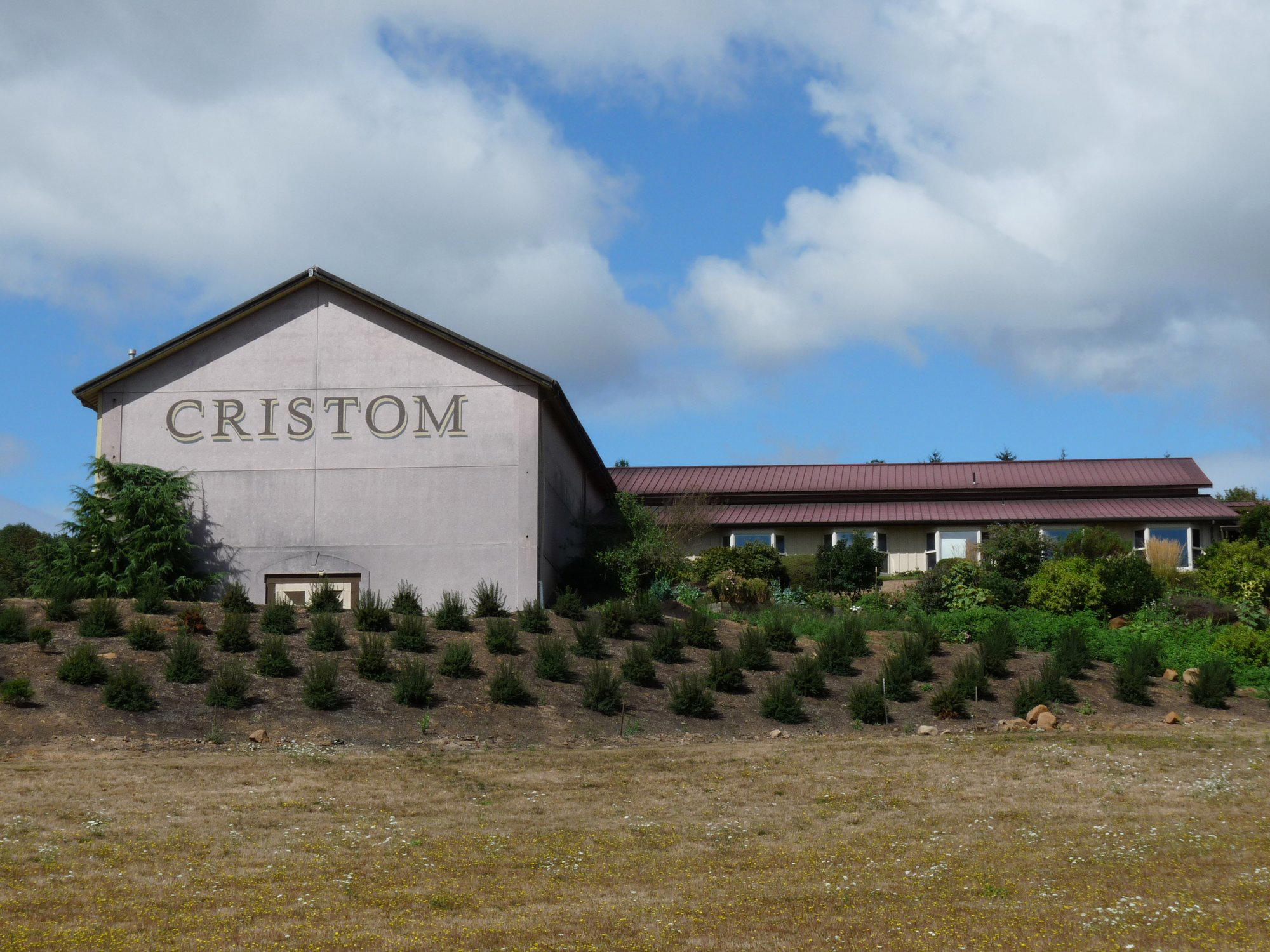
| Cristom Vineyards | Eola-Amity Hills, Pinot Noir, Chardonnay | $$$ |
| Weingut Josef Spreitzer | Oestrich-Winkel, Riesling, Pinot Noir | $$ |
| Weingut Thörle | Saulheim, Riesling, Silvaner | $$ |
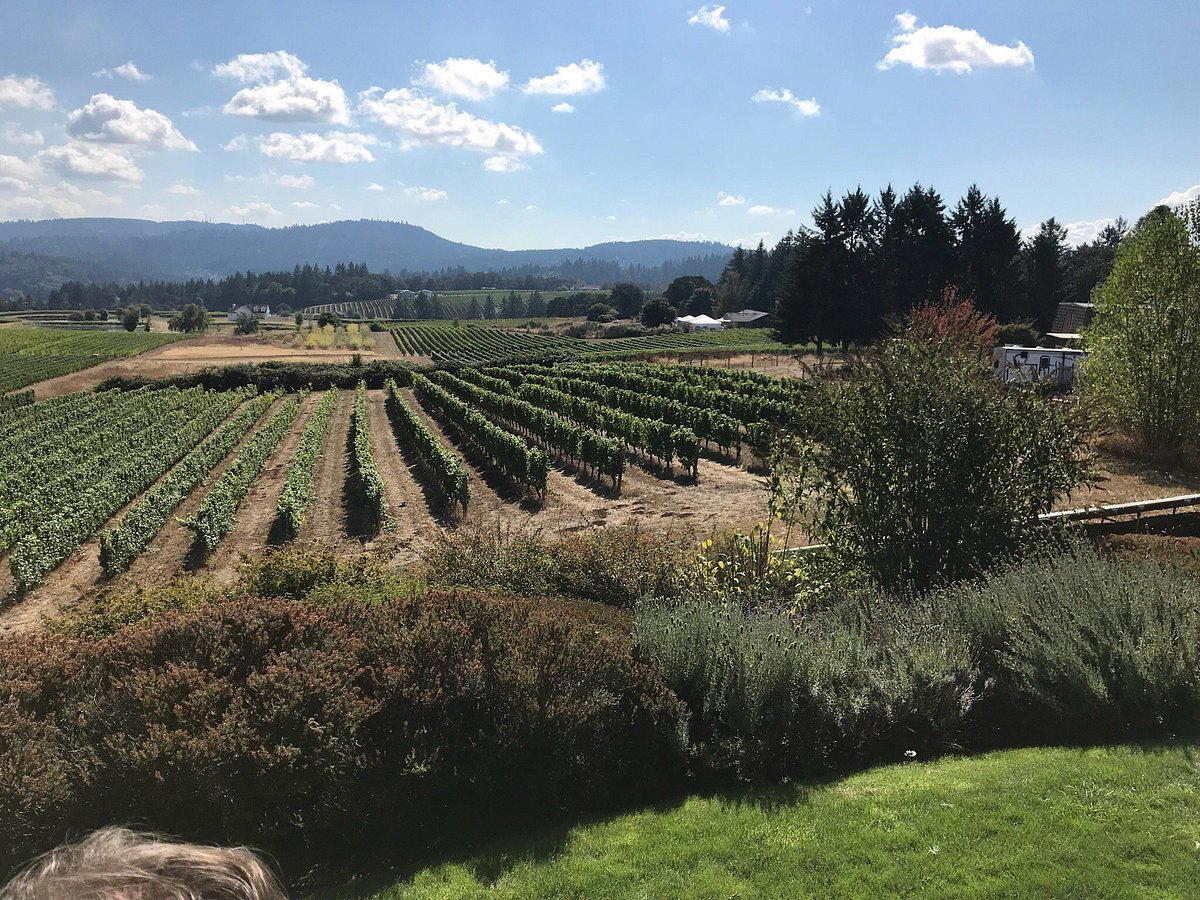
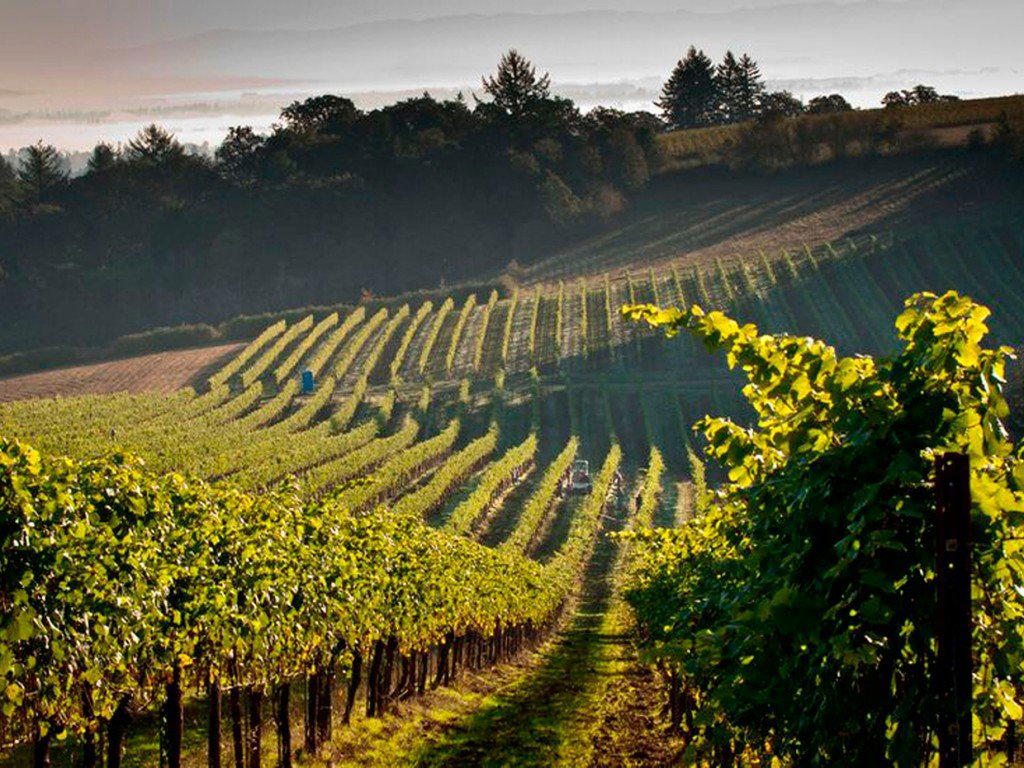

At a Glance
- Quiet
- Intimate
- Sophisticated
- Scenic
- Wine Education
- Special Occasion
- Solo Exploration
- Private Tasting
- Design Destination
- Historic Building
- Sustainable
- Mountain
- Vineyard
- Eola Amity Hills AVA
- Pinot Noir
- Chardonnay
- Pinot Blanc
- Still Red
- Still White
- Private Tasting
A small, elegant Willamette Valley winery focused on purity, transparency of site, and wines that express the character of the vintage.