
Falstaff Winery - 4 Stars
Weingut Nik Weis – St. Urbans-Hof sits in the village of Leiwen along the Mosel. The estate is among the Mosel's more closely watched addresses, producing Riesling from steep slate sites that compete in the region's upper tier. Plan visits around the estate's position on Urbanusstraße 16 in the heart of Leiwen.

Pearl is the En Primeur Club membership app, where members save venues, book tables and use the concierge.
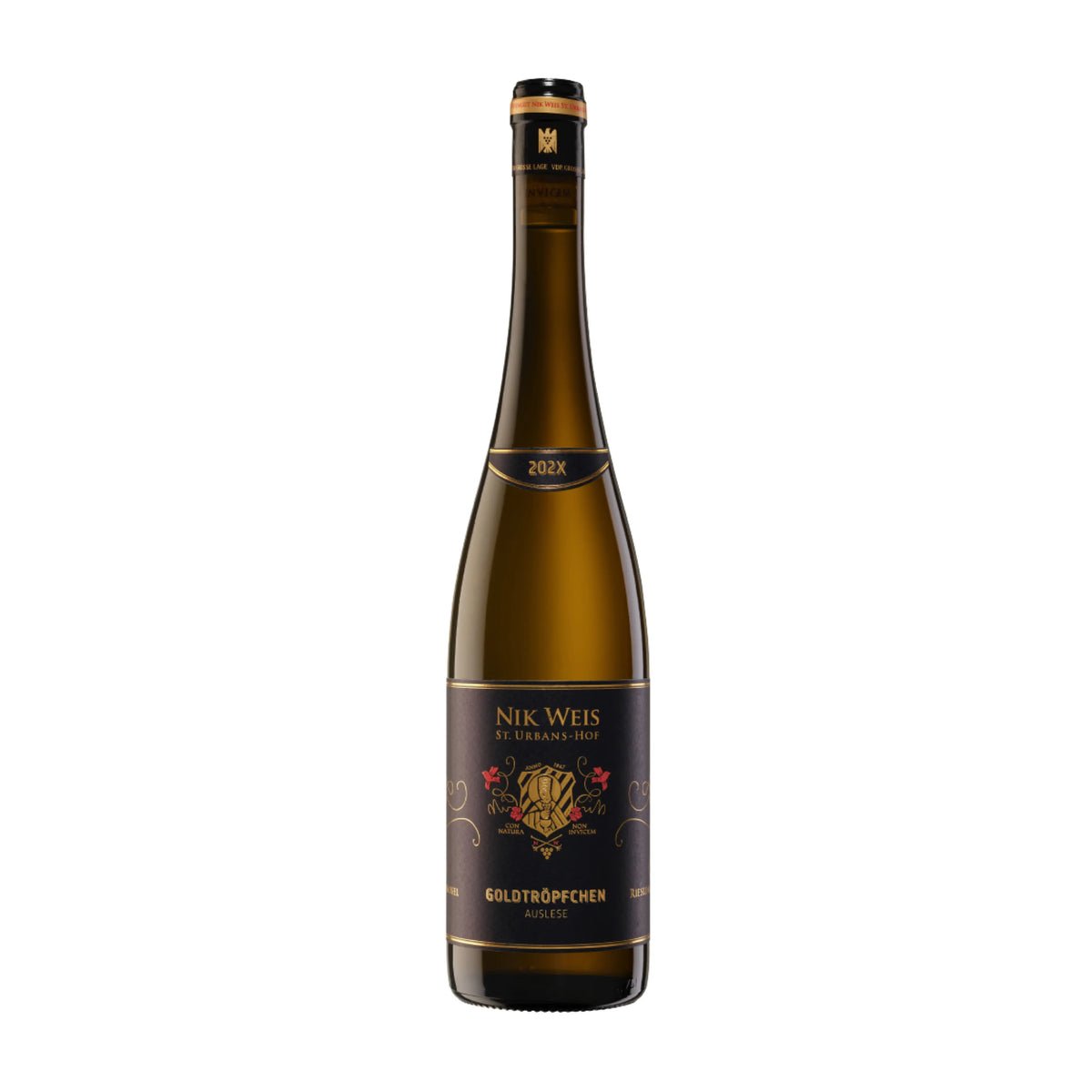
The Mosel's Upper Tier, Seen From Leiwen
The Middle Mosel doesn't announce itself. The river bends quietly between steep slate slopes, and the villages along its banks, Leiwen among them, sit low in the valley without the kind of infrastructure that signals a major wine destination to the uninitiated. But the absence of ceremony is partly the point. The estates here compete at a high level precisely because the terroir and the winemaking do the talking, and visitors who arrive expecting showmanship tend to recalibrate quickly. Weingut Nik Weis – St. Urbans-Hof, addressed at Urbanusstraße 16, operates squarely within that tradition.
That credential matters in the context of how Mosel Riesling is assessed globally: the region runs on a reputation built over centuries, but within it, individual estates are ranked against each other on the basis of vineyard access, winemaking consistency, and the quality signals that serious buyers and collectors use to allocate their attention and spend.
Leiwen and Its Position in the Mosel Hierarchy
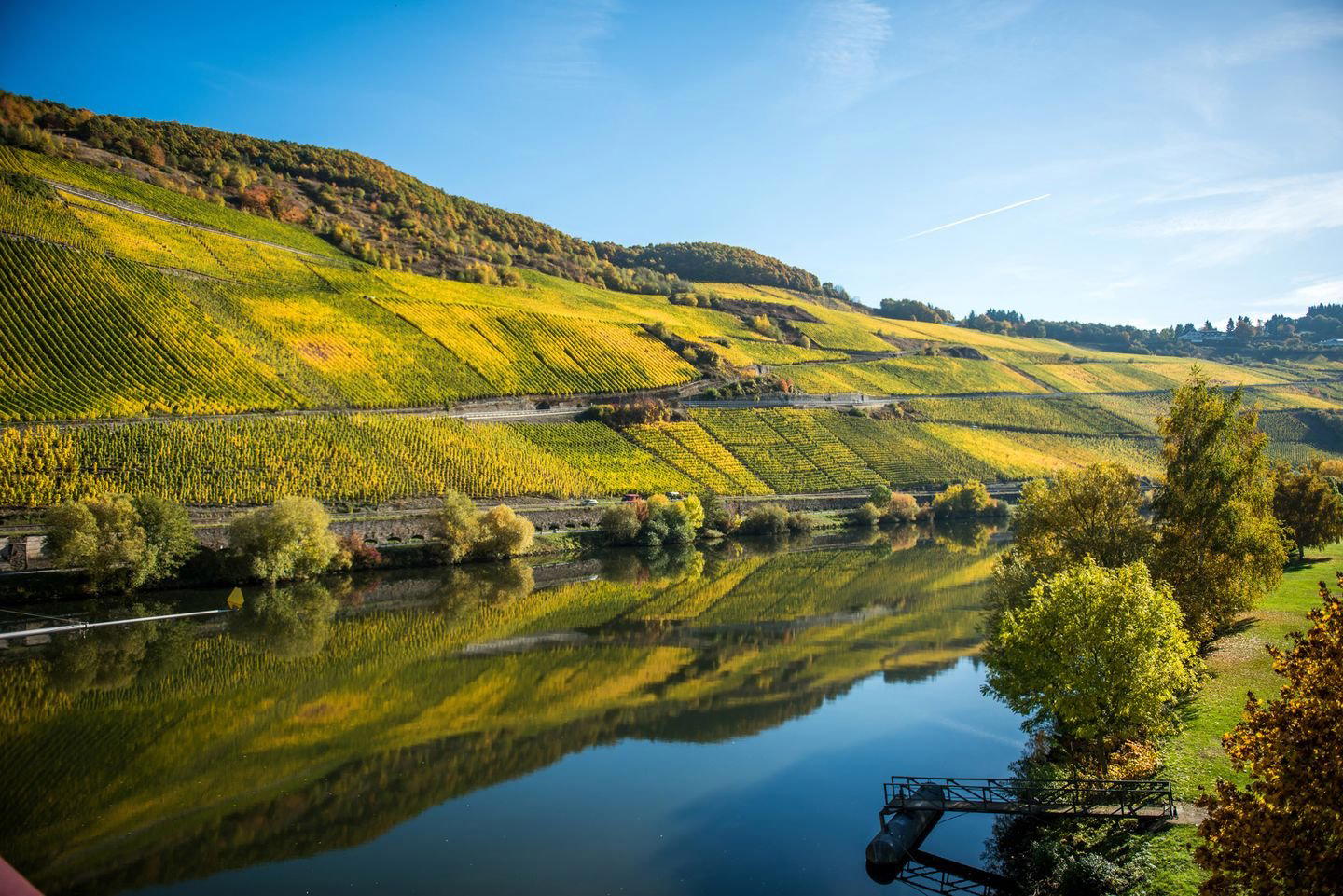
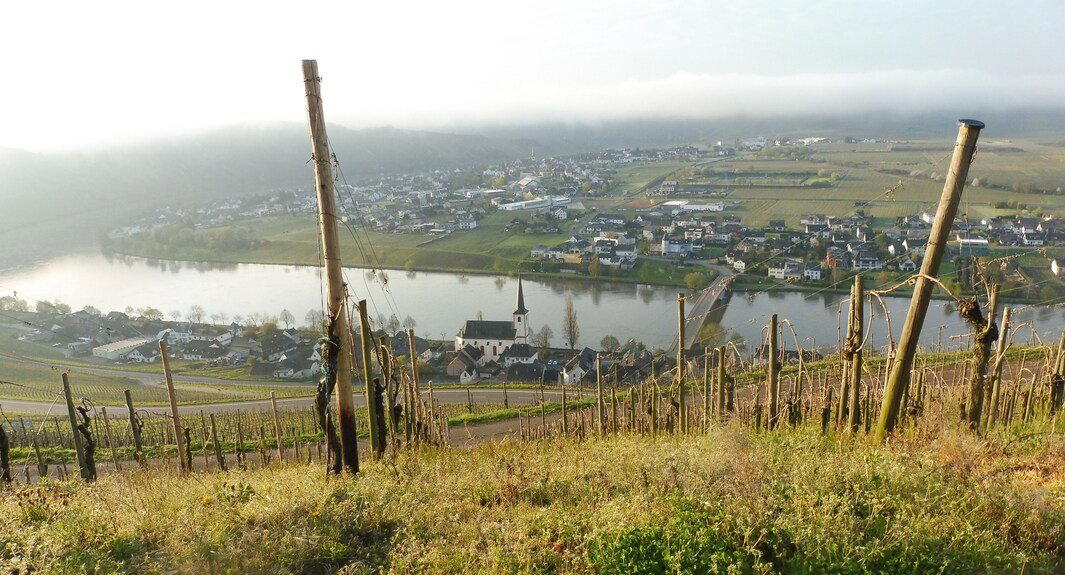
Leiwen sits roughly at the centre of the Middle Mosel, between Trittenheim to the southwest and Piesport to the northwest. The village's most significant vineyard site, the Laurentiuslay, produces Rieslings from steep, blue-grey Devonian slate soils that generate the mineral tension characteristic of the region's better parcels. This is not incidental geography. The Mosel's premium identity is inseparable from its topography: south-facing gradients of 45 degrees or more, slate that retains heat through the night, and a river that moderates temperatures across the growing season. Estates in Leiwen compete with neighbours across a tight geographic corridor. Weingut Grans-Fassian and Weingut Carl Loewen are both based in the village, and the level of production across Leiwen reflects a concentration of serious estates that punch above what the village's modest size might suggest. For a broader sense of what the area offers, the full Leiwen guide maps the village's producers and context.
That competitive density is relevant when thinking about where St. Urbans-Hof sits. Along the Mosel and into Germany's other major regions, comparable estates include producers like Weingut Fritz Haag in Brauneberg and Weingut Clemens Busch in Pünderich. Outside the Mosel, the tier includes addresses like Weingut Bassermann-Jordan in Deidesheim, Weingut A. Christmann in Neustadt an der Weinstraße, and Weingut Battenfeld-Spanier in Hohen-Sülzen.
The Experience of Visiting a Mosel Estate at This Level
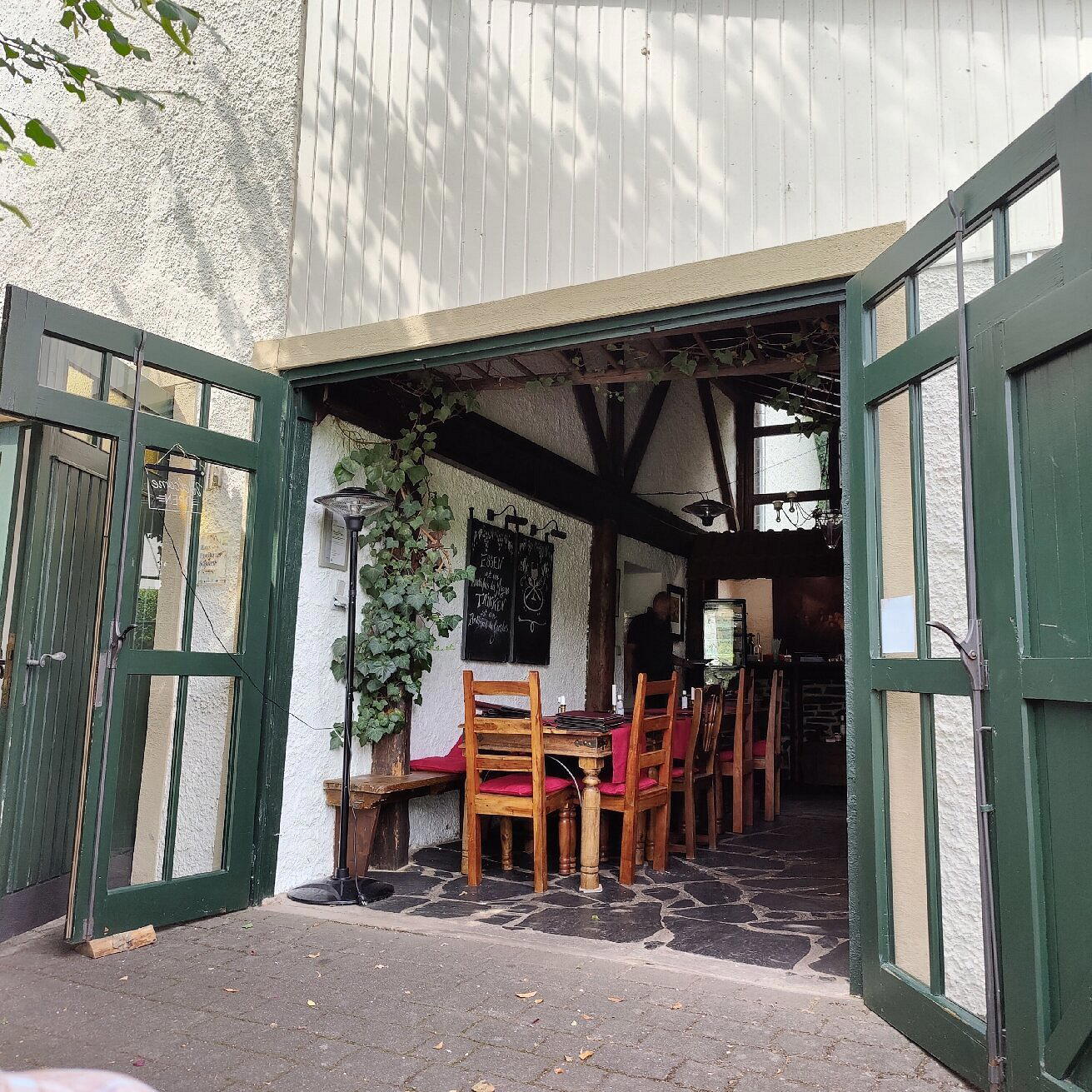
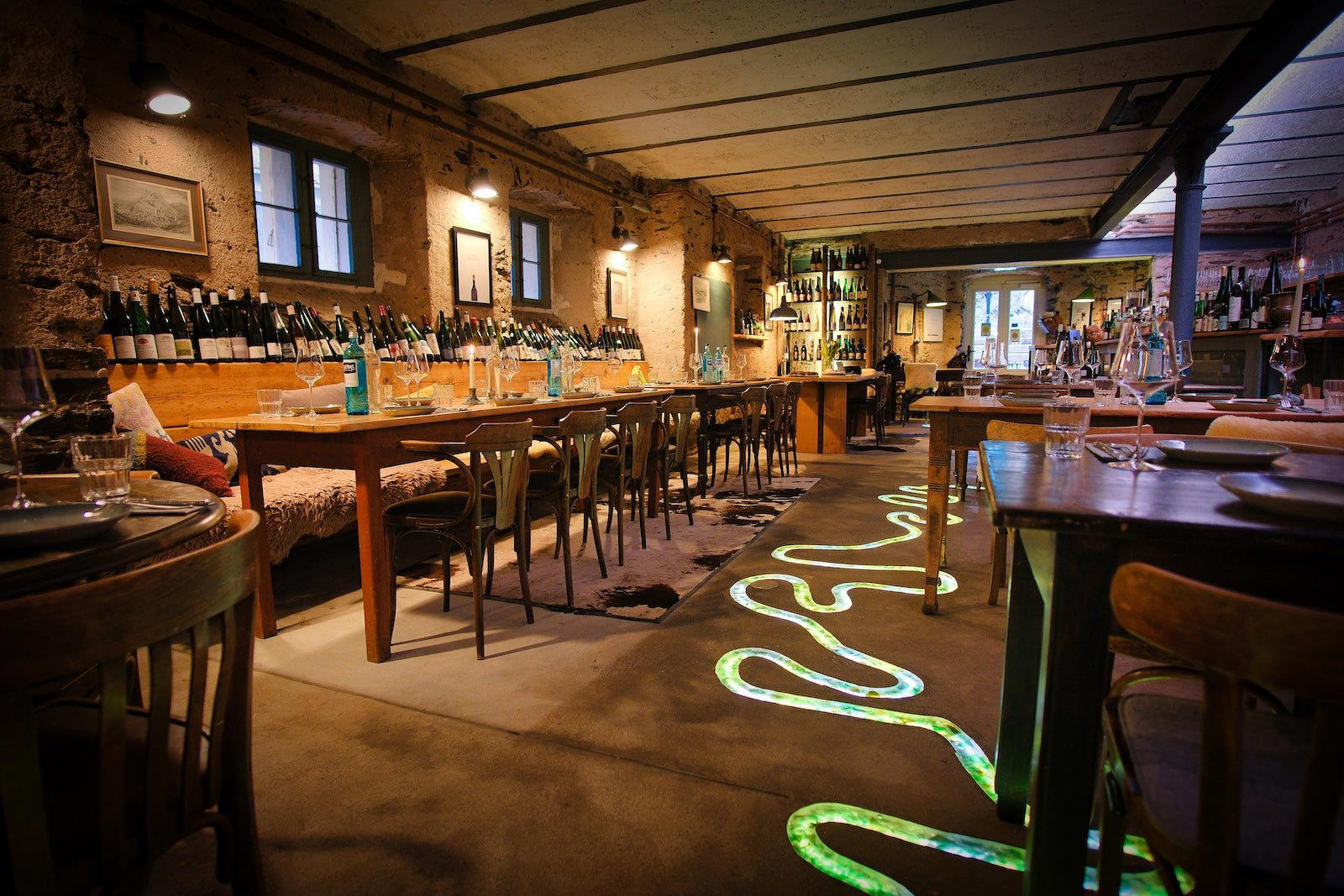
Tasting at a prestige-level Mosel producer carries a different logic than visiting a large-format wine region. There is no Napa-style tasting room with curated merchandise and ticketed flight formats. The German estate visit tends toward the functional and the direct: a cellar, a table, glasses, and wines poured in sequence, often by someone with deep technical knowledge of each vineyard parcel. The emphasis falls on the wine itself and on the specificity of site. For visitors arriving from cities or from other wine regions, the contrast is instructive. What gets communicated here is the granularity of German Riesling classification, the way a single grape variety from sites within a few kilometres of each other produces wines of radically different character depending on aspect, altitude, and soil composition.
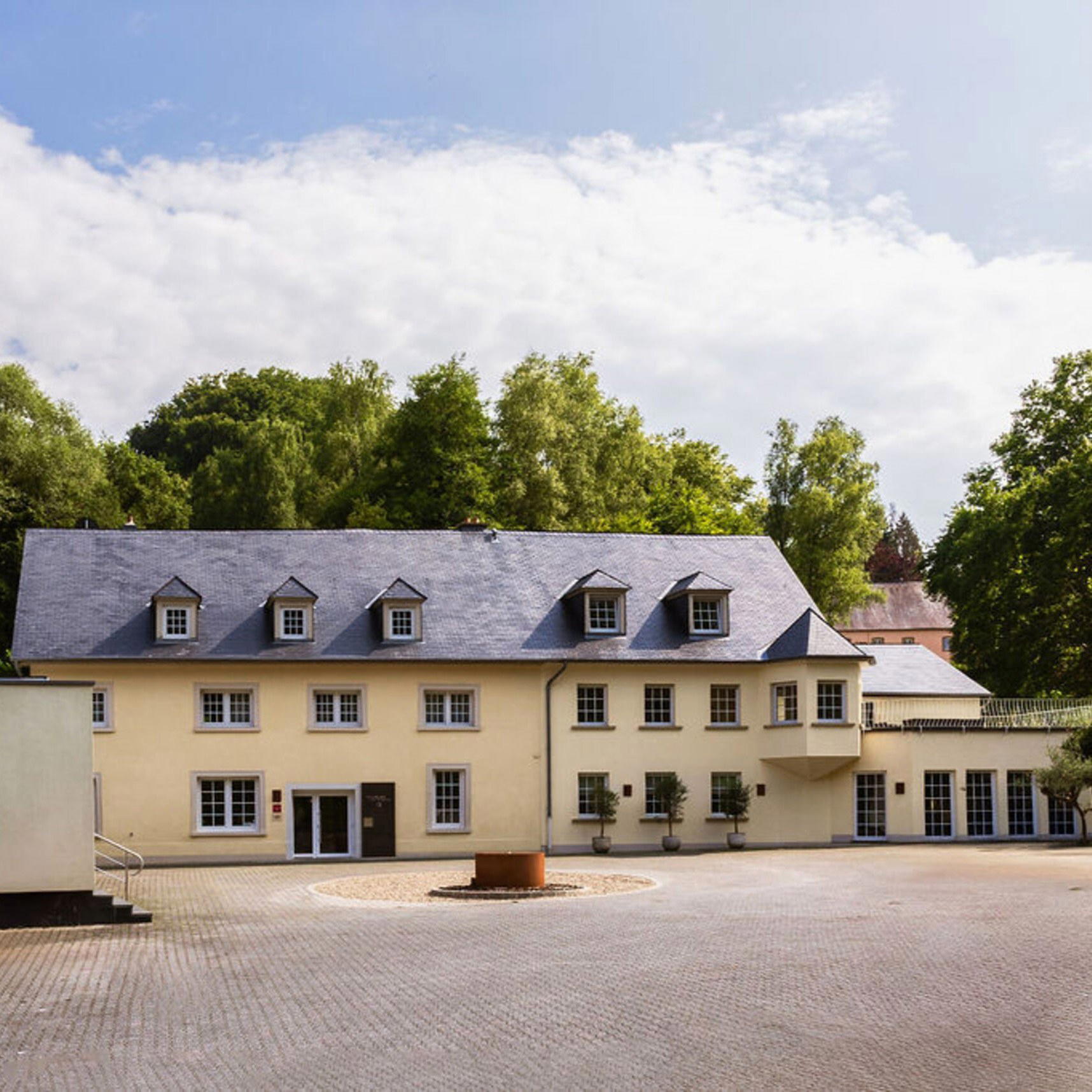
St. Urbans-Hof's address on Urbanusstraße 16 in Leiwen puts it within the working fabric of the village. This is not an estate designed for distance and drama. The Mosel's steep slopes are the spectacle, visible from the village roads and from the vineyard paths above. Arriving in Leiwen means navigating a village of a few hundred residents, following the river road, and finding yourself at an estate that earns its recognition through what it produces rather than through presentation architecture. That orientation is consistent with how the Mosel's most serious producers position themselves, and it shapes what a visit here is actually about.
For visitors planning a wine-focused trip through the region, the Middle Mosel rewards itinerary-building across multiple villages. Weingut Allendorf in Oestrich-Winkel and Weingut Georg Breuer in Rüdesheim am Rhein anchor the Rheingau end of a broader German wine circuit, while Weingut Dr. Bürklin-Wolf in Wachenheim an der Weinstraße and Weingut Bürgerspital zum Heiligen Geist in Würzburg extend the circuit into Pfalz and Franken respectively. Longer itineraries sometimes include monastery and estate visits like Kloster Eberbach in Eltville, which situates German wine history in architectural form. For those travelling further afield, international reference points like Accendo Cellars in St. Helena or Aberlour in Aberlour represent the kind of prestige-tier producer visits that share structural similarities: small production, site-specific wines, and visits that require advance planning.
Planning a Visit to Urbanusstraße 16
Leiwen is accessible by car from Trier in approximately 20 minutes, which makes it a practical day trip from one of the Mosel's major urban centres. Train access to the region typically routes through Bullay or Ürzig, with local buses or taxis covering the last segment. The village is small enough that orientation takes minutes; the estate is findable on foot once in Leiwen proper. Estate visits at this level in Germany generally benefit from appointment-based planning rather than walk-in timing, particularly during harvest season in September and October when production activity is at its peak.
The autumn window is the period when Mosel Riesling is most visibly alive: grapes at different stages of ripeness, the particular quality of light on the slate slopes in late afternoon, and a harvest dynamic that brings the season's stakes into focus. Visiting outside that period is quieter and often more conducive to extended conversation about the wines. Spring, once the frost risk has passed, tends to be the second-most visited window. Summer visits are possible but the Mosel is busier with river tourism in July and August, which changes the character of the valley's atmosphere somewhat.
Cuisine Context
Comparable venues nearby, for context on price, style, and recognition.
| Venue | Cuisine | Price | Awards | Notes |
|---|---|---|---|---|
| Weingut Nik Weis – St. Urbans-HofThis venue (the venue you are viewing) | Riesling | Not listed | Falstaff Winery - 4 Stars | Not listed |
| Weingut Grans-Fassian | Riesling, Pinot Blanc | Not listed | Falstaff Winery - 4 Stars | Leiwen |
| Weingut Carl Loewen | Riesling, Pinot Blanc | $50–100 | Falstaff Winery - 4 Stars | Leiwen |
| Weingut Selbach-Oster | Riesling, Pinot Blanc | Not listed | Falstaff Winery - 3 Stars | Zeltingen-Rachtig |
| Walter Scott Wines | Winery | Not listed | Not listed | Salem |
| Jacquart | Chardonnay, Pinot Noir | Not listed | Not listed | Grafschaft |
Recognition history
Dated appearances from independent guides and award organizations, with the underlying list record or original source where available.
Falstaff Winery - 4 Stars
Falstaff
Continue exploring
More in Leiwen
Wineries in Leiwen
All wineries in Leiwen →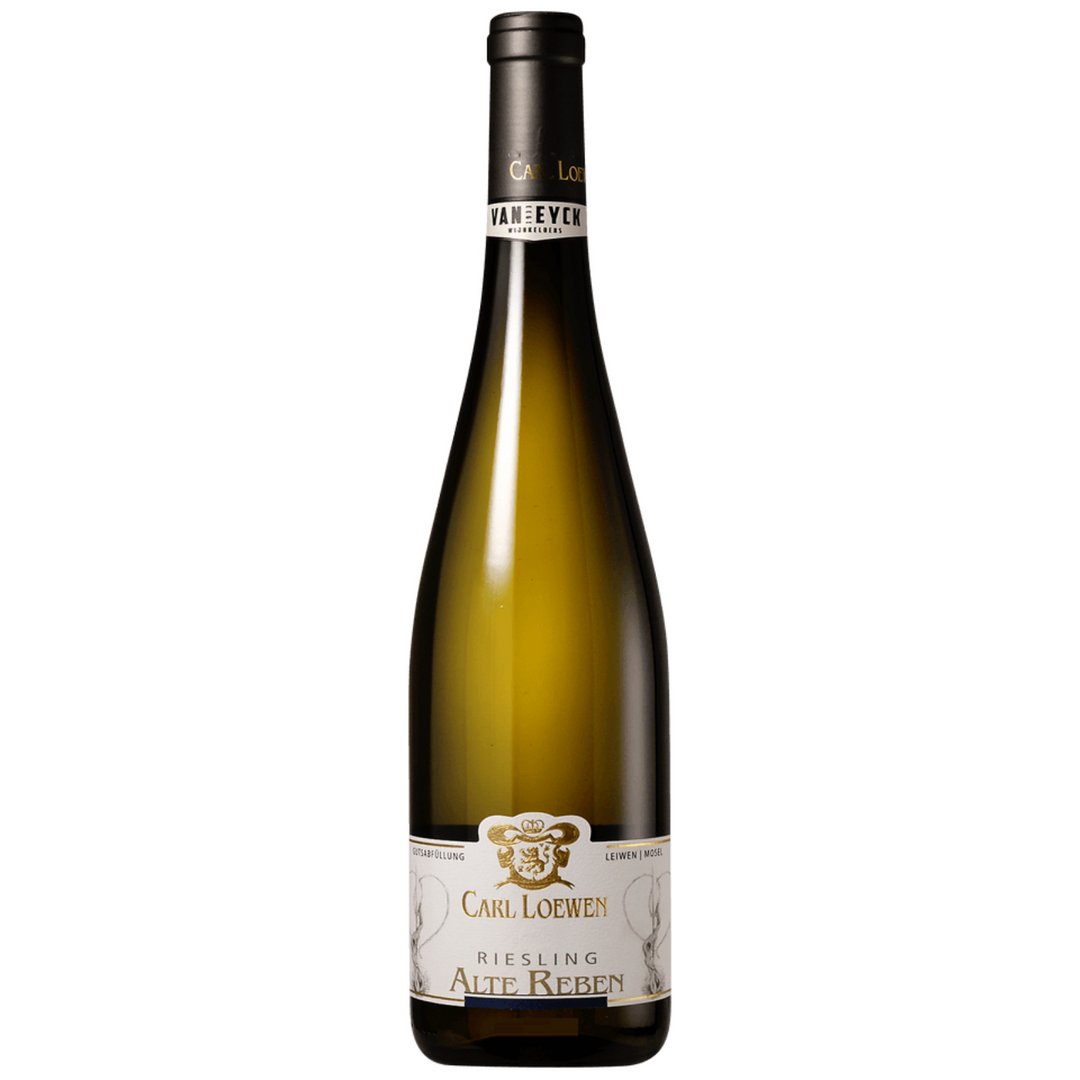

Details
- Classic
- Rustic
- Scenic
- Wine Education
- Solo Exploration
- Vineyard Tour
- Estate Grounds
- Vineyard
- Riesling
- Still White
- Cave Tasting
- German
- English
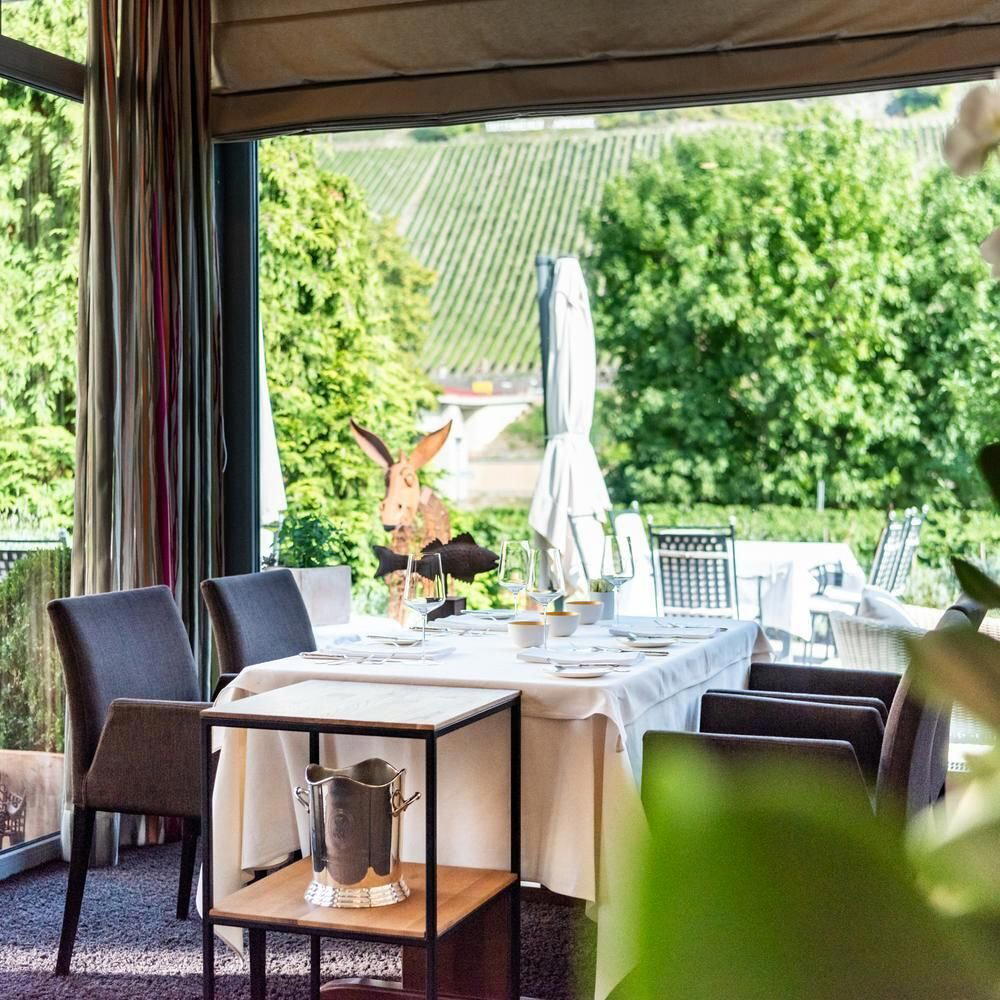
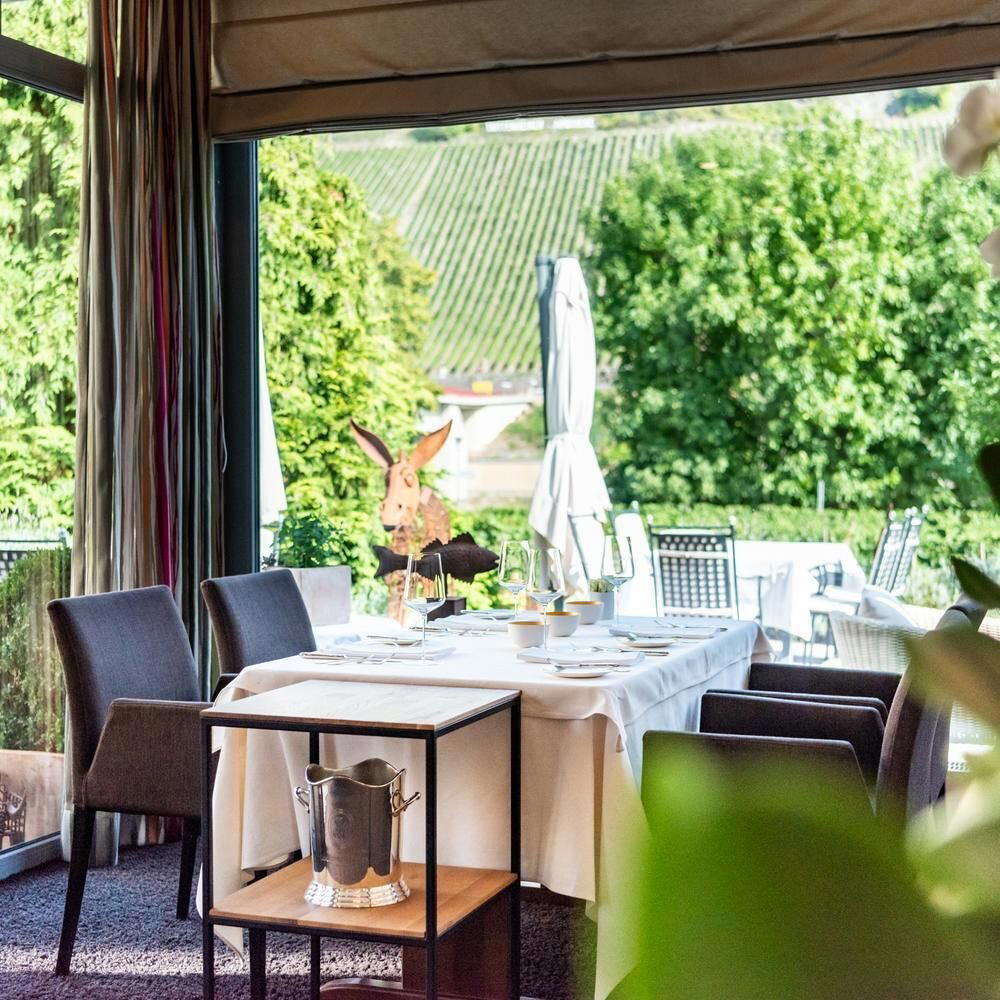
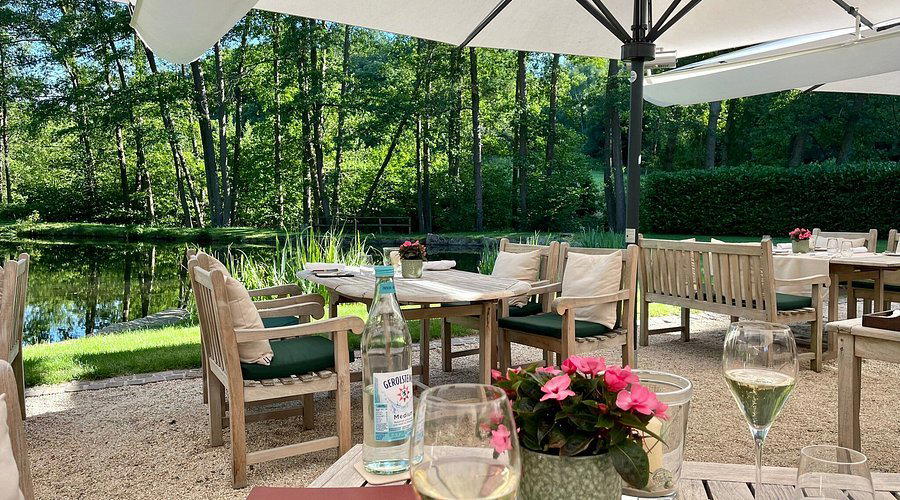
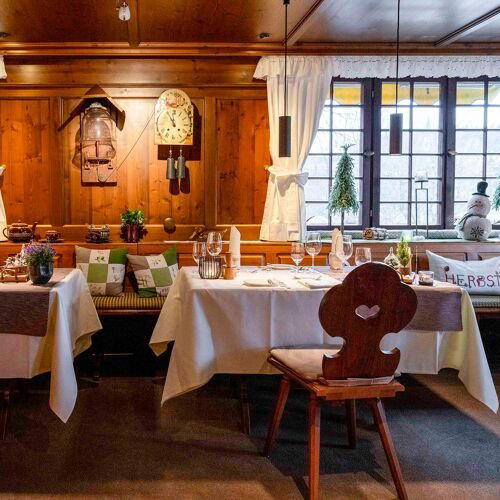
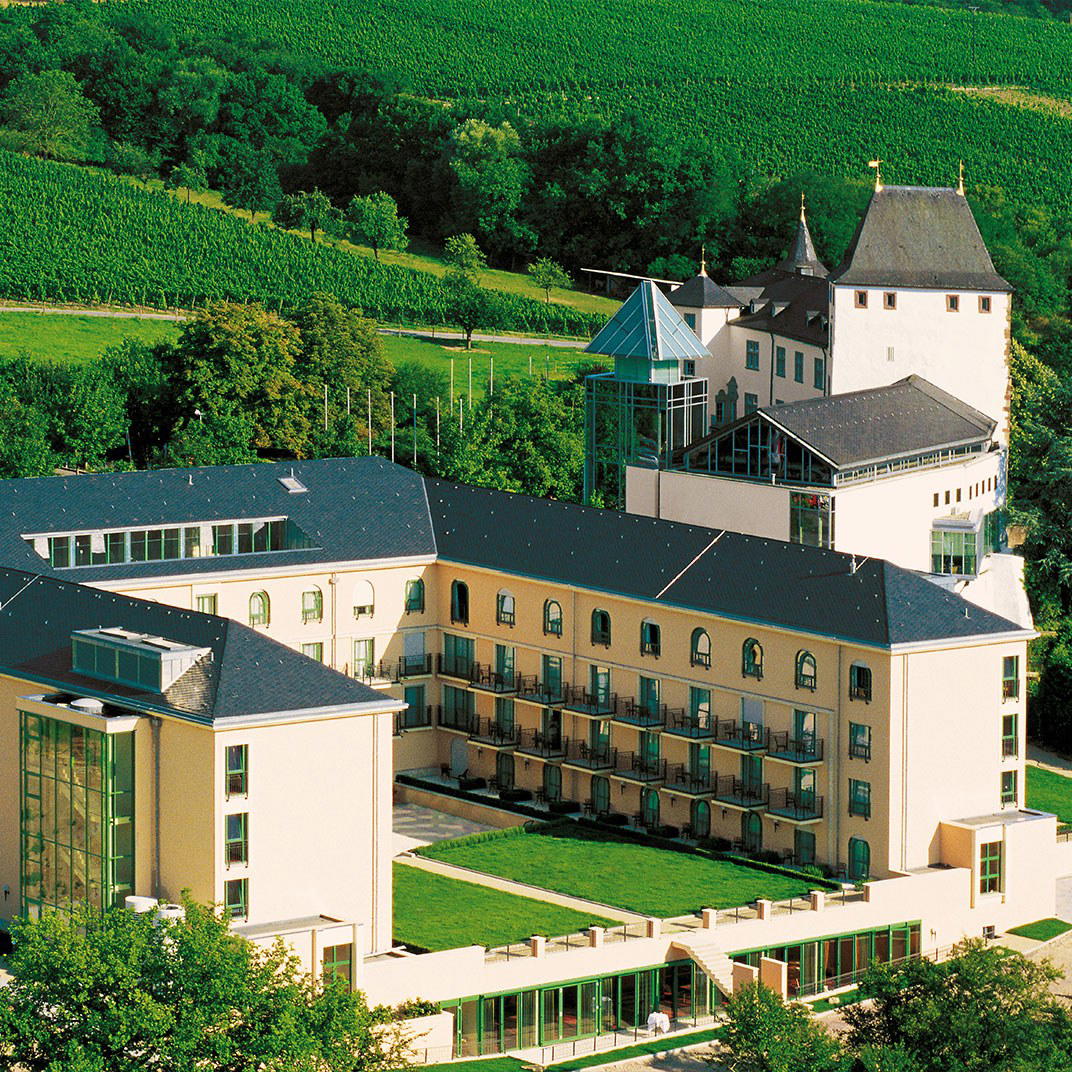
Traditional and harmonious with nature, reflecting the serene steep vineyard landscapes of the Mosel.