
A Michelin Plate holder in the Nahe wine valley, Der Kaiserhof brings seasonal cooking to the quiet village of Guldental, where the rhythm of the surrounding agricultural land shapes what arrives on the plate. It holds a consistent reputation in a region better known for its Riesling vineyards than its restaurant scene. For travellers moving through Rhineland-Palatinate, it represents a grounded, produce-led alternative to the area's more formal dining options.
Pearl is the En Primeur Club membership app — saves, bookings, and concierge access live there. Same editors, same standards.
- Address
- Hauptstraße 4, 55452 Guldental, Germany
- Phone
- +49 6707 94440
- Website
- k-guldental.de
- Directions
- Get directions
 Saves & bookings on Pearl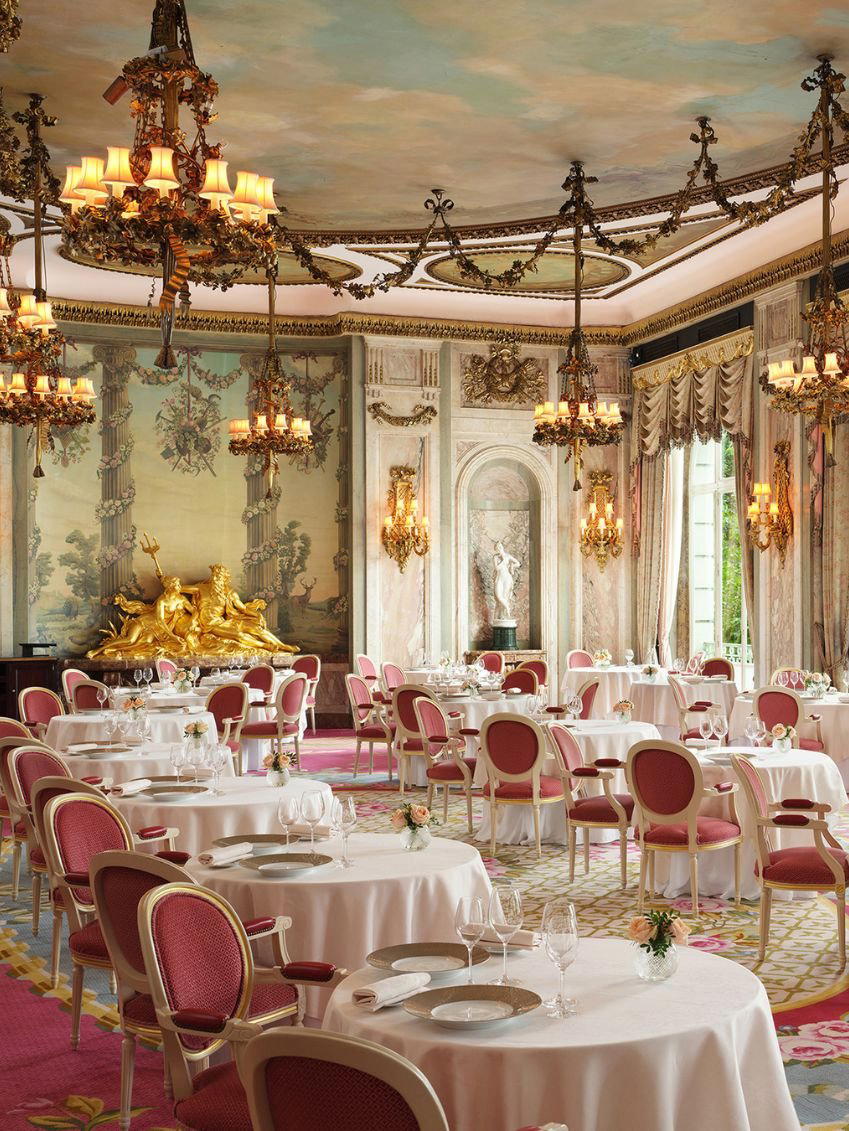
Where the Nahe Valley Sets the Table
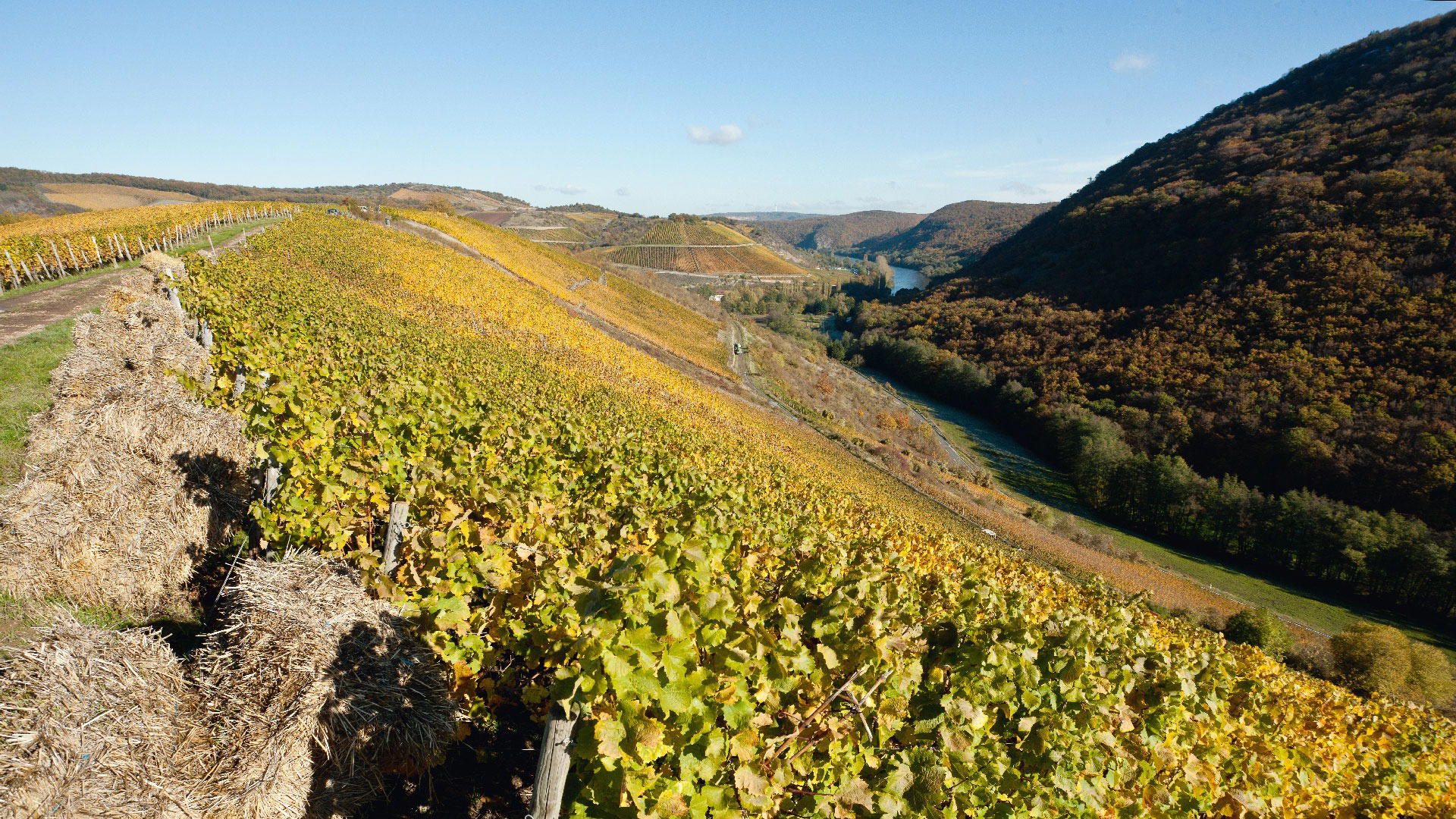
The villages of the Nahe wine corridor do not announce themselves with grandeur. Guldental sits among them quietly, a settlement of a few thousand residents surrounded by the vine-covered slopes and arable land that define this stretch of Rhineland-Palatinate between the Rhine and the Hunsrück hills. Arriving at Hauptstraße 4, the address itself signals something about the register: a main street in a working village, not a destination address engineered for effect. That context matters when reading what Der Kaiserhof is and what it is for.
Seasonal cooking in agricultural communities like this one operates differently from its urban counterpart. In a village embedded within a productive farming and wine-growing region, the relationship between kitchen and land is more literal. The growing calendar of the Nahe valley directly narrows and widens the options on the plate.
The Michelin Plate Signal and What It Implies
Der Kaiserhof holds a Michelin Plate for both 2024 and 2025, a recognition that places it in a specific tier of the German restaurant system. The Plate designation marks establishments with good cooking that falls below star level. It tells a reader that the kitchen meets a verifiable standard of technique and consistency, without the tasting-menu formality or the pricing architecture of the star houses.
For comparison, the starred restaurants operating in this broader region occupy a different competitive register entirely. Schanz in Piesport and Waldhotel Sonnora in Dreis both operate in the Moselle and Eifel zone at higher price points and with more elaborate production. Victor's Fine Dining by christian bau in Perl runs a three-star operation oriented toward international fine dining reference points. Der Kaiserhof is not competing in that space. Its Michelin Plate recognition positions it as the credible local option for well-executed seasonal food at a price point (€€€) that reflects the village context without the overhead of destination-restaurant infrastructure.
At the national level, Germany's three-star kitchens, including Aqua in Wolfsburg and Schwarzwaldstube in Baiersbronn, operate with production teams, sourcing networks, and service ratios that are structurally inaccessible to a village restaurant. The Kaiserhof sits alongside other Plate-level and Bib Gourmand houses in the German countryside where the measure of quality is execution within real constraints.
Ingredient Sourcing and the Logic of Place
The Nahe region is classified as one of Germany's thirteen wine-growing regions, with the valley running roughly 115 kilometres from the Hunsrück to its confluence with the Rhine near Bingen. The same soils and microclimates that produce the area's Riesling and Pinot Noir also support market gardening, orchards, and livestock farming at a density that urban kitchens rarely access by proximity alone. For a kitchen committed to seasonal cooking in this location, that means the sourcing radius can be genuinely short, a practical advantage that translates to produce harvested closer to peak rather than managed for transport.
This matters because ingredient quality in seasonal European cooking is disproportionately determined by the gap between harvest and plate. Rhubarb pulled from a field twenty kilometres away and served the same week behaves differently in a dish than rhubarb shipped from a national distribution centre. White asparagus, which the Rhineland-Palatinate region grows in volume, has a narrow peak window. A kitchen with direct supplier relationships in that window is working with different raw material than one operating through standard distribution. The restaurant's classification as a seasonal cuisine restaurant, combined with its Nahe valley location, suggests a kitchen oriented around exactly these kinds of sourcing decisions, though the specific producers and relationships remain undisclosed in public record.
At the neighbourhood and village level, the same philosophy operates with less apparatus and less marketing, but often with more direct producer contact simply because of geography.
The Experience in the Room
Volume is moderate, which is appropriate for a community establishment, but the score consistency across that many individual assessments points toward reliability rather than occasional excellence. In German regional dining, that profile, steady quality and strong local trust, is a more durable asset than the spike-and-dip pattern that sometimes accompanies destination-driven recognition.
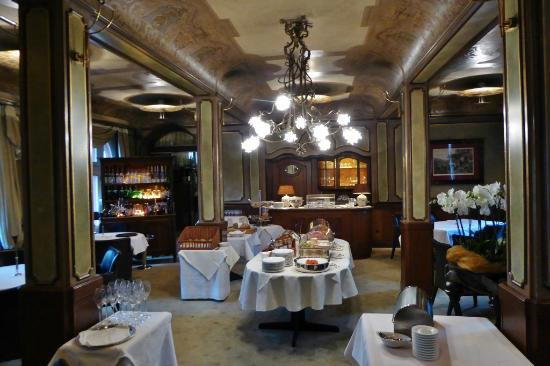
The atmosphere at a Rhineland-Palatinate village restaurant of this type tends to operate within a specific register: unhurried service, dining rooms that reflect the building's history, and a clientele that mixes local regulars with wine-region visitors stopping through on a tour of the Nahe valley. This is not the compressed, high-focus atmosphere of a Berlin tasting counter like CODA Dessert Dining, nor the formal French-inflected service of Vendôme in Bergisch Gladbach or Restaurant Haerlin in Hamburg. The setting at Guldental calls for a different pace, and the Kaiserhof's positioning within the village addresses that expectation.
For travellers combining a meal here with a broader exploration of the region, the Nahe wine trail offers a logical structural itinerary. Guldental itself is accessible from Bad Kreuznach to the east and connects westward through the valley toward Bad Münster am Stein. Bagatelle in Trier sits further west in the Moselle, making it a plausible second-night dinner option for those covering more ground. Cross-border itineraries might extend to Fields by René Mathieu in Luxembourg or Kirchenwirt in Leogang, both of which work in the same seasonal cooking tradition.
Planning a Visit
The restaurant is located at Hauptstraße 4, 55452 Guldental. The €€€ price range positions it above casual village dining but below the formal tasting-menu tier, which makes it a reasonable choice for a full dinner rather than a quick lunch stop. Booking ahead is advisable, particularly on weekends when the Nahe valley draws wine tourists.
Comparable Venues
Comparable venues nearby, for context on price, style, and recognition.
| Venue | Cuisine | Price | Awards | Notes |
|---|---|---|---|---|
| Der KaiserhofThis venue — the venue you are viewing | Modern German Fine Dining | $$$$ | Michelin Plate | Not listed |
| Gasthaus zum Adler | Modern Palatinate-Latin American Fusion | $$$$ | Michelin Plate | Klingenmünster, Südliche Weinstraße |
| Franziska | Progressive German Vintage Cuisine | $$$$ | Michelin Plate | Sachsenhausen-Süd |
| Oberländer Weinstube | Modern Regional German | $$$$ | Michelin Plate | Innenstadt-West |
| H'manns | Classic German Fine Dining | $$$$ | Michelin Plate | Neuleiningen |
| Habbel's | Modern European with German-Mediterranean Influences | $$$$ | Michelin Plate | Sprockhövel |
Recognition history
Dated appearances from independent guides and award organizations, with the underlying list record or original source where available.
Michelin Plate
Michelin · 2026 Michelin Plate
Michelin Plate
Michelin
Michelin Plate
Michelin
Continue exploring
More in Guldental
Restaurants in Guldental
Browse all →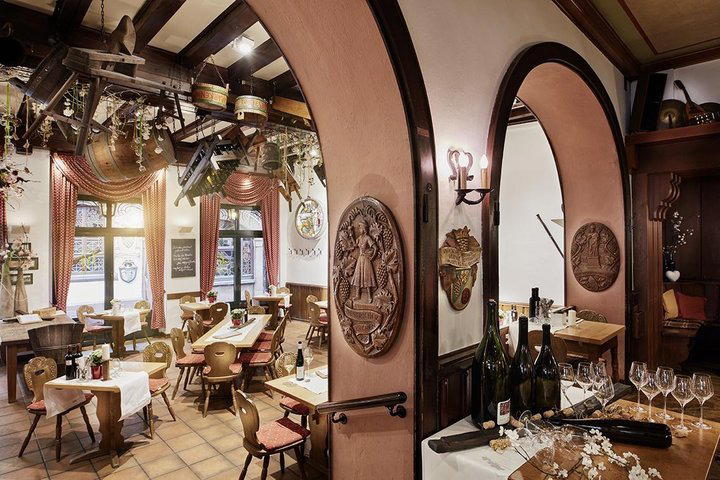
Bars in Guldental
Browse all →


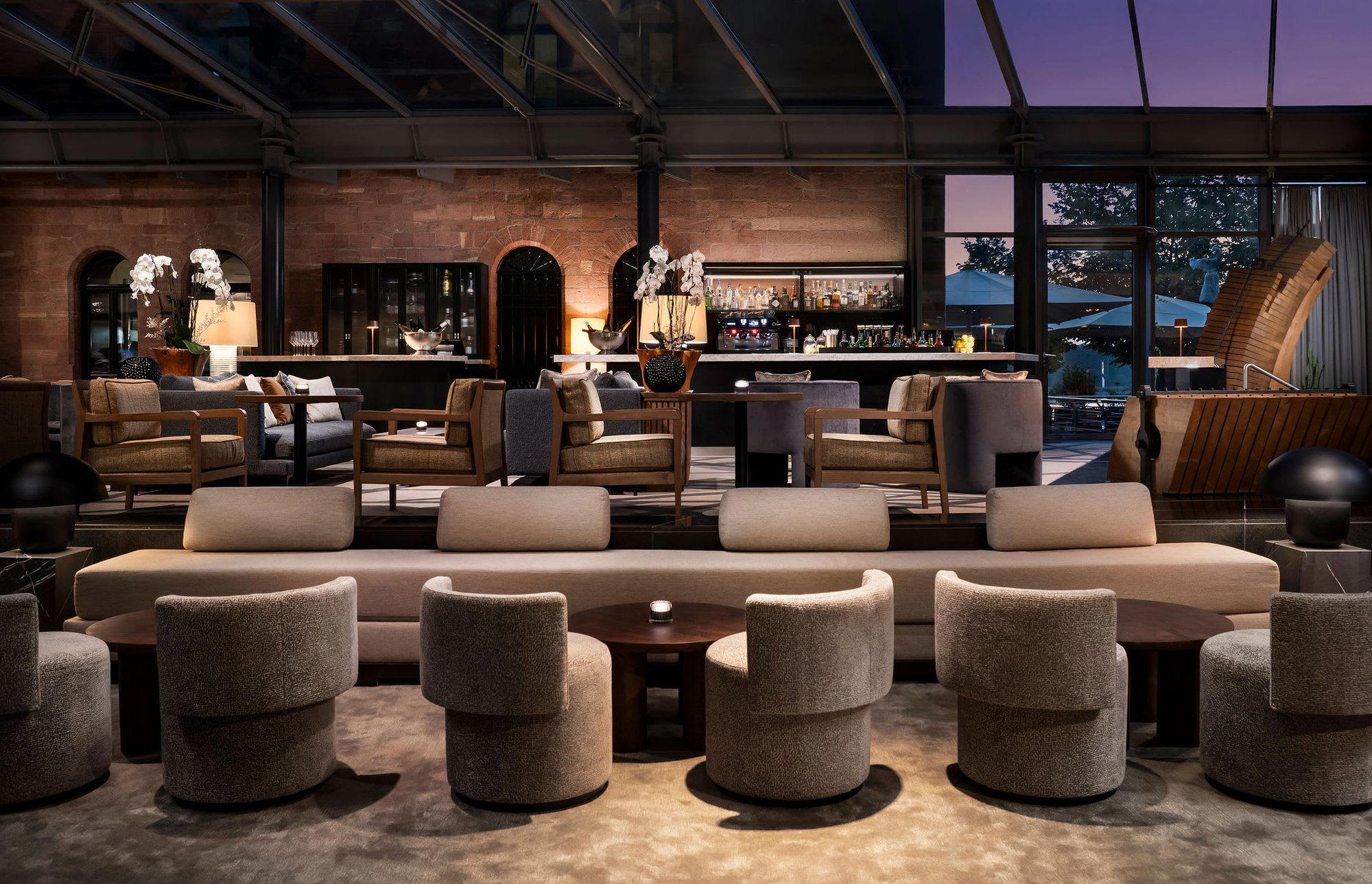
Hotels in Guldental
Browse all →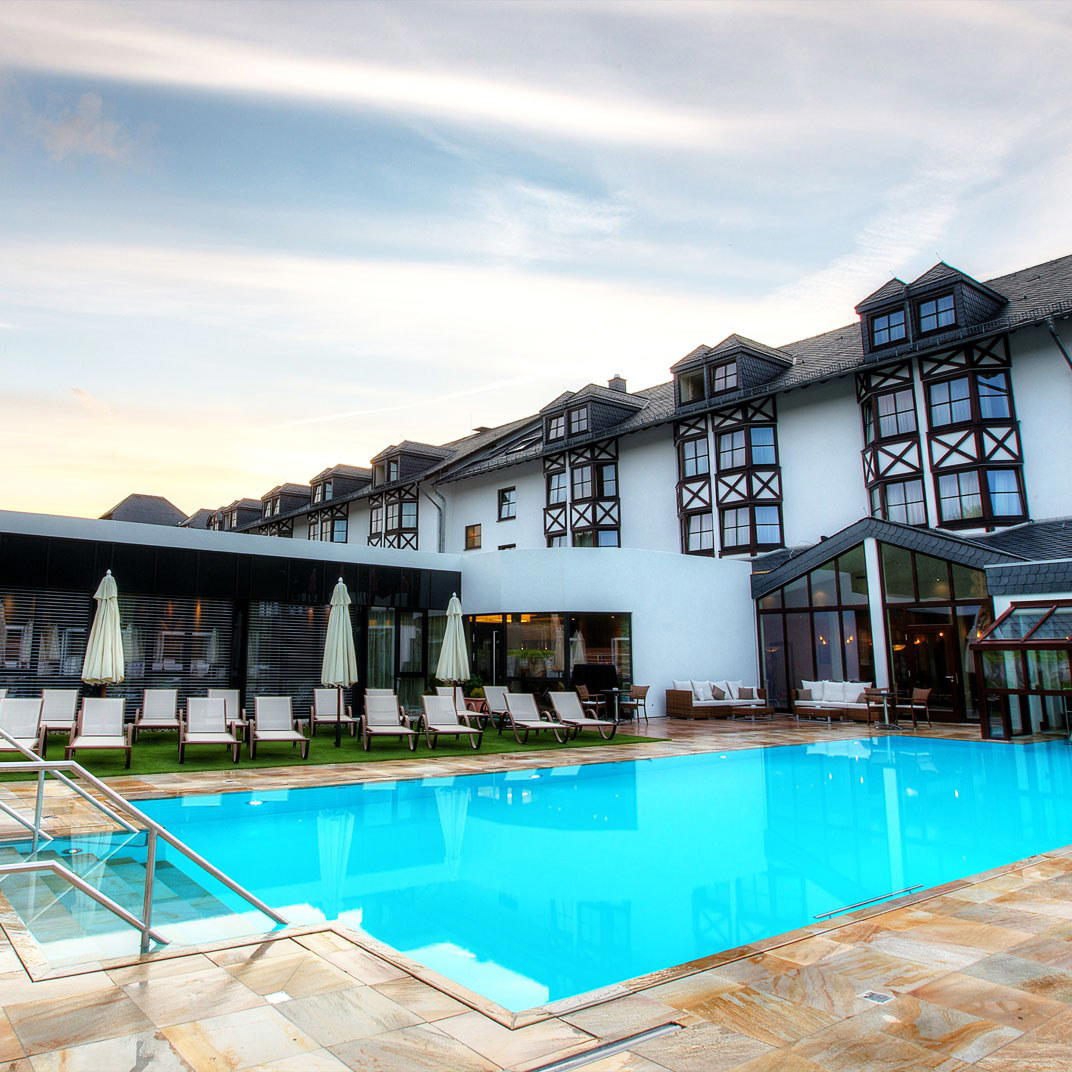
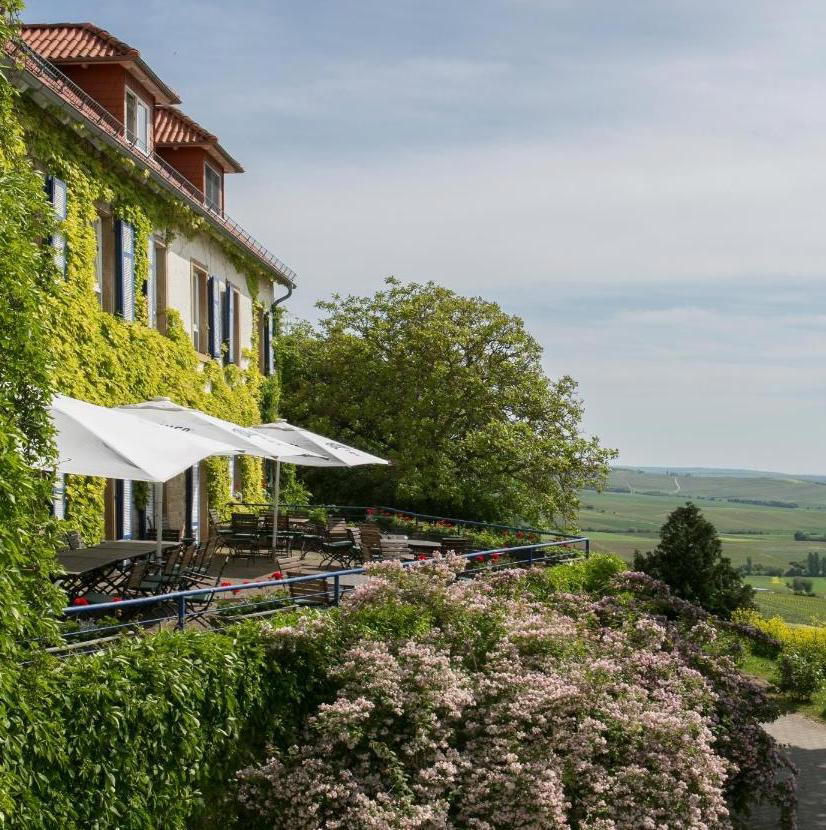
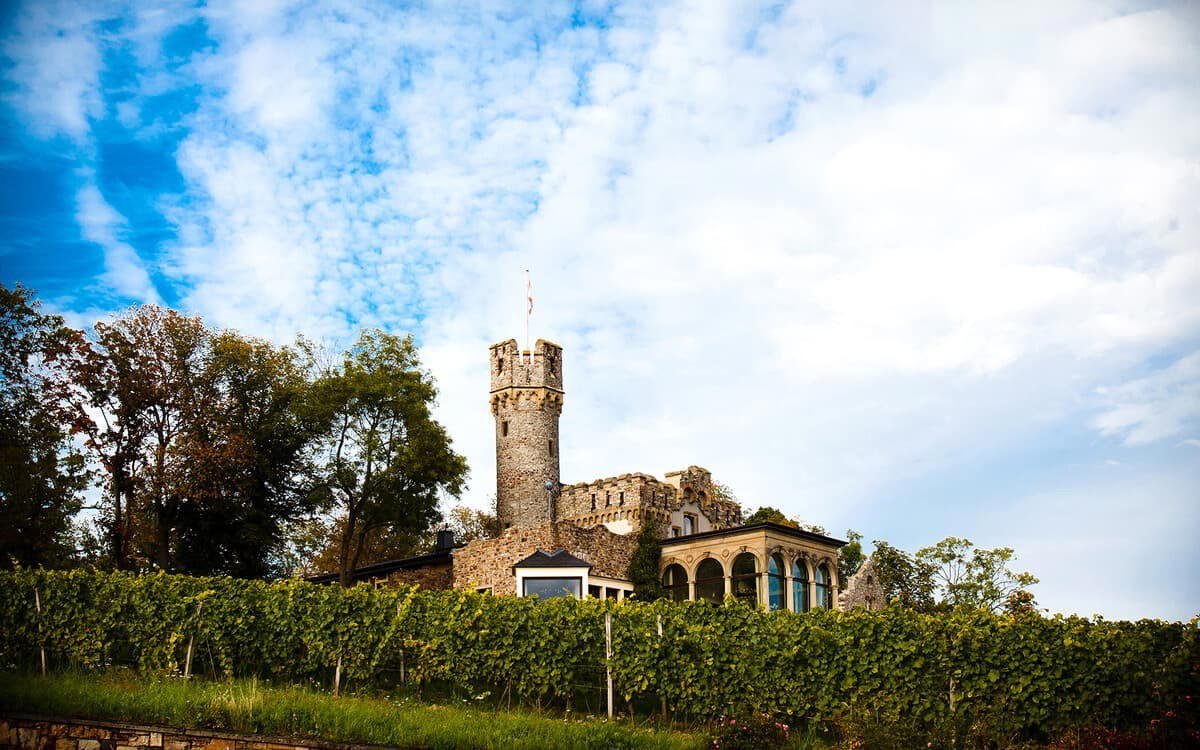
At a Glance
- Elegant
- Cozy
- Modern
- Classic
- Date Night
- Special Occasion
- Open Kitchen
- Extensive Wine List
- Local Sourcing
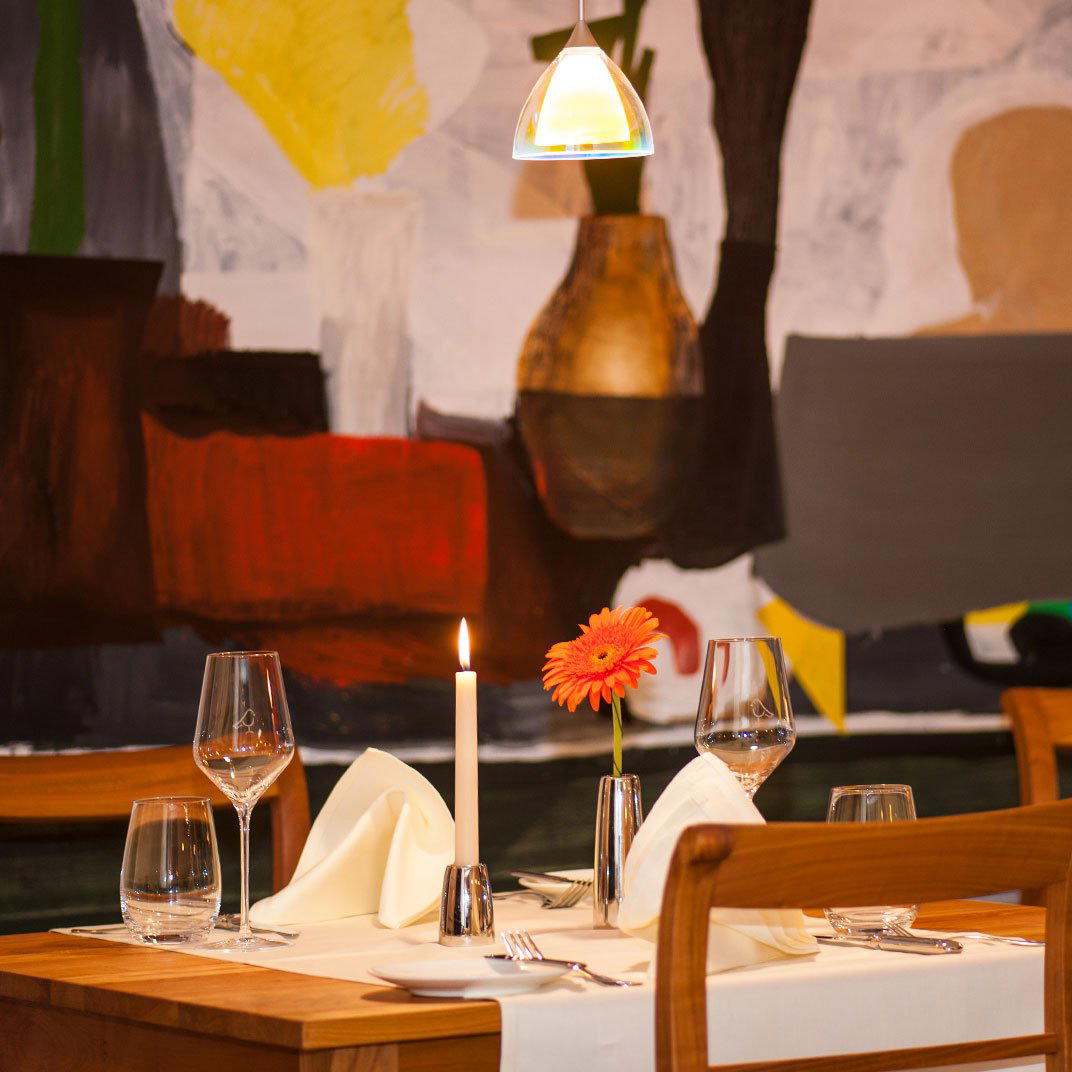
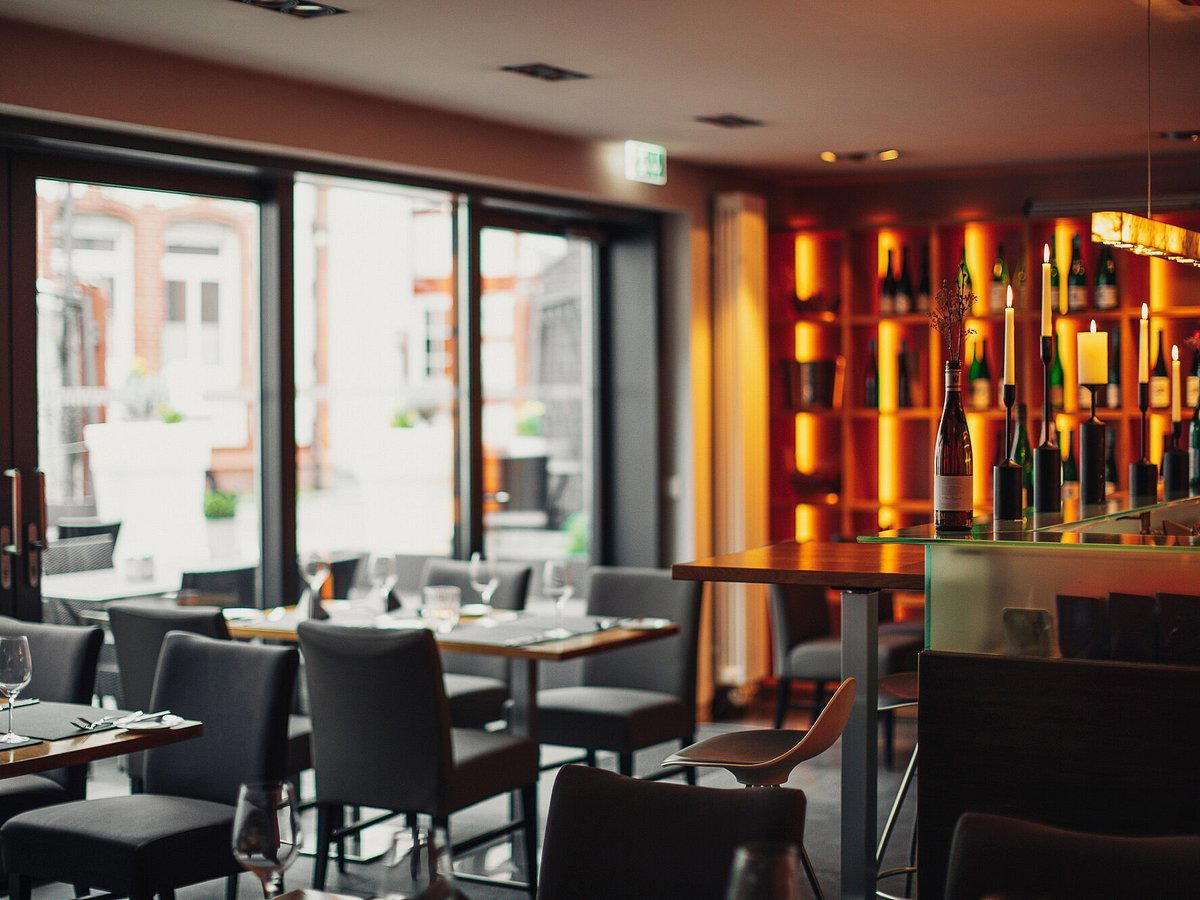
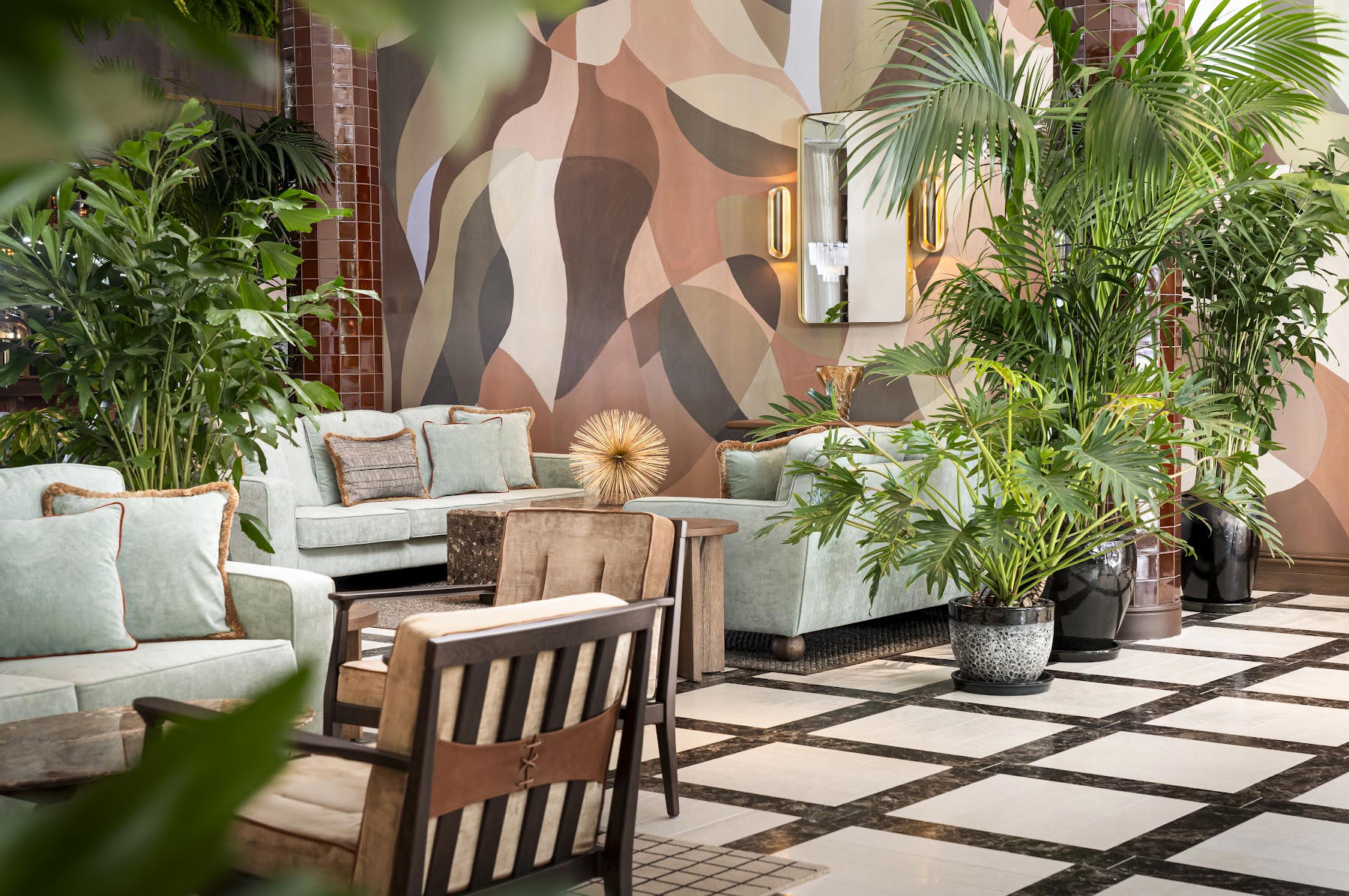
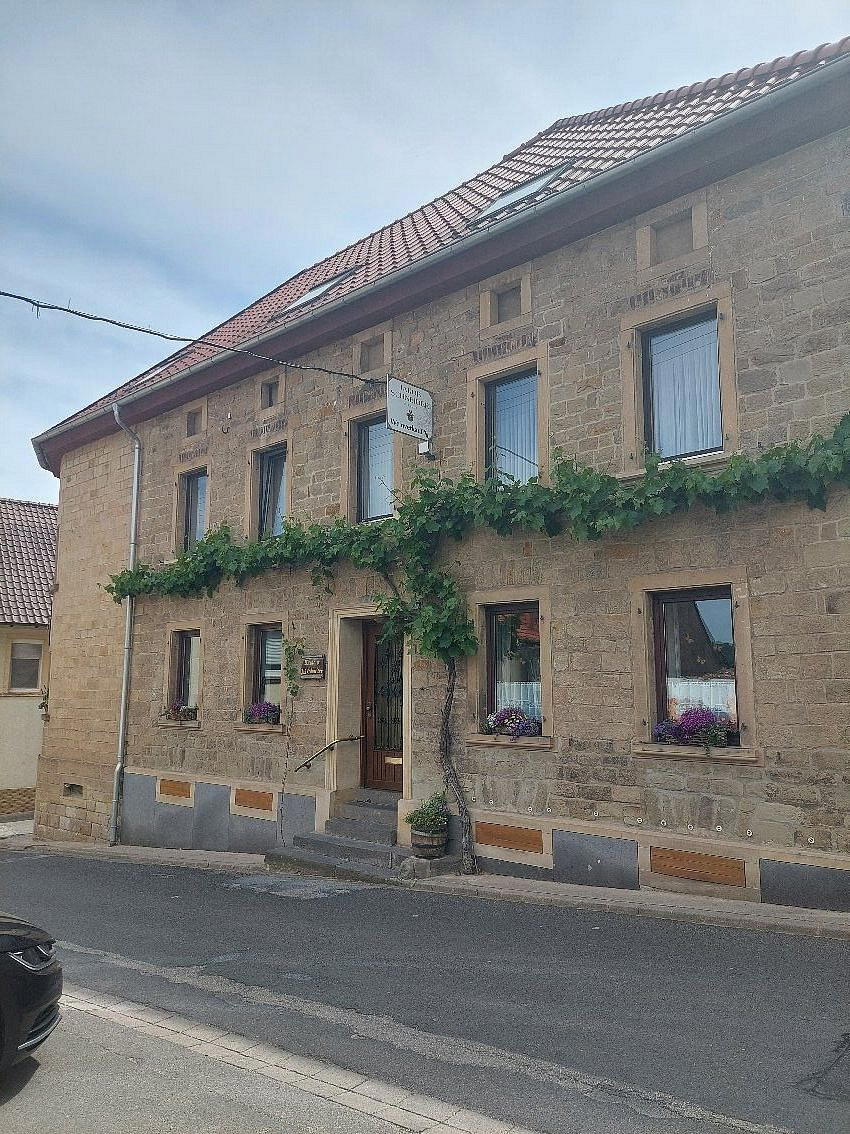
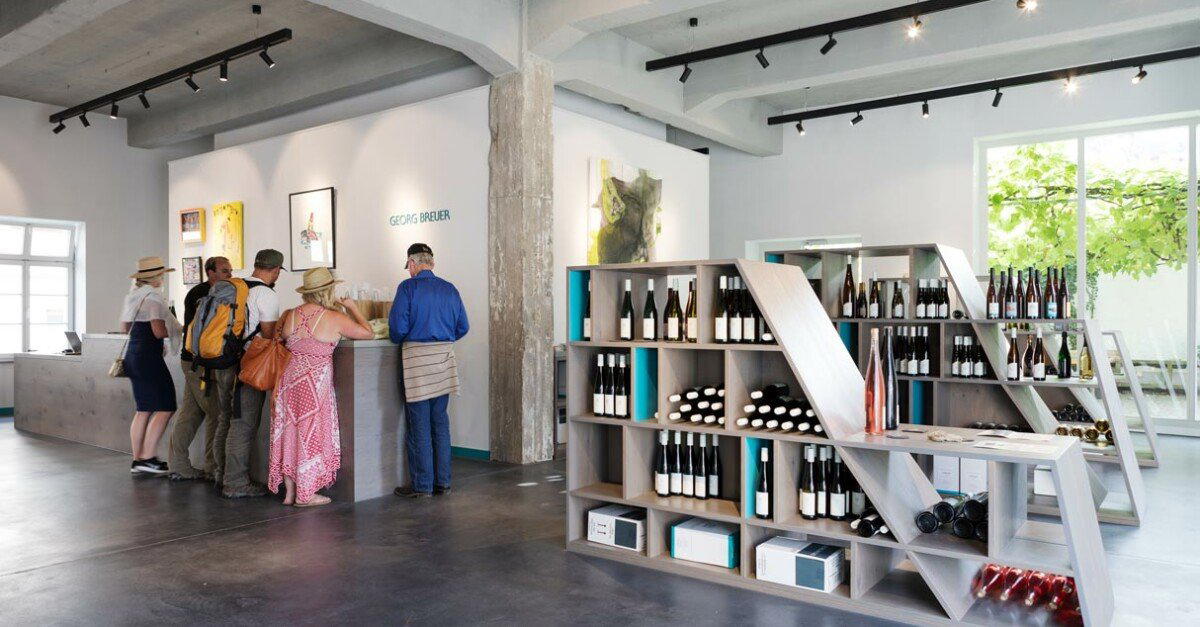
Chic modern interior behind traditional facade with fresh, tasteful design and open kitchen view, creating an elegant yet cozy atmosphere.