Brunfels Hotel belongs to Mainz’s city-hotel conversation rather than Germany’s resort-hotel circuit: the draw is urban placement, design judgment, and access to a Rhine-Hesse capital shaped by Roman remains, cathedral stone, printing history, and wine.

Pearl is the En Primeur Club membership app — saves, bookings, and concierge access live there. Same editors, same standards.
- Address
- Münsterstraße 11, 55116 Mainz, Germany
- Phone
- +49 6131 3041000
- Website
- hyatt.com
- Directions
- Get directions
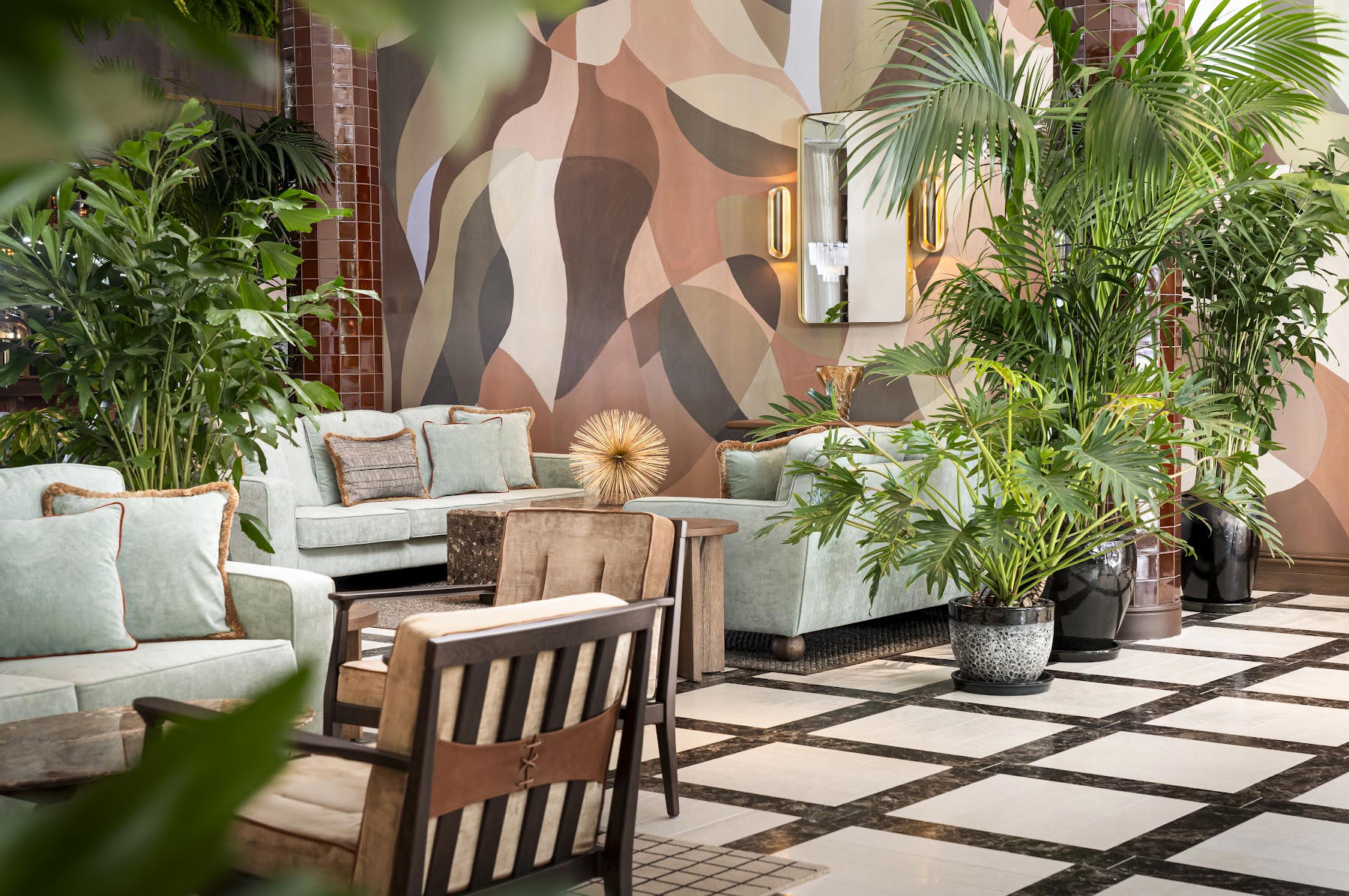
Arrival in a city built from stone, wine, and print
Mainz does not announce itself through grand resort theatrics. Its hotel culture is urban, compact, and historically layered: cathedral sandstone, rebuilt postwar streets, university energy, Rhine trade, and wine-country proximity all press into the same centre. Approaching a city hotel here is less about a long private drive or lake-view reveal than about how a property handles the density around it. The useful question is not only where a guest sleeps, but how the building frames Mainz: as a Roman foundation, a medieval ecclesiastical power, a Gutenberg city, and the capital of Rheinhessen wine.
Brunfels Hotel sits inside that conversation. What can be assessed responsibly is the category it enters. Mainz rewards hotels that make the city legible at street level. A convincing stay here should help a traveller move between the old town, the Rhine, wine bars, museums, churches, and rail connections without turning the hotel into a sealed-off object. In a city where the surrounding fabric carries much of the drama, restraint often matters more than spectacle.
A guest comparing Mainz options should look first at neighbourhood fit, transport convenience, design coherence, and the level of practical disclosure available before arrival. For broader city context, EP Club’s Our full Mainz hotels guide is the natural companion, while food, wine, and evening planning sit across Our full Mainz restaurants guide, Our full Mainz bars guide, Our full Mainz wineries guide, and Our full Mainz experiences guide.
Design is the decisive test in Mainz hotels
Architecture carries unusual weight in Mainz because the city’s visual identity is not seamless. War damage, reconstruction, Roman fragments, ecclesiastical monuments, market squares, riverside infrastructure, and contemporary commercial streets sit close together. Hotels in this setting have two credible routes. One is to lean into historic continuity, using material weight, quiet public rooms, and a relationship with the old town. The other is to accept the city’s modern layers and work with sharper lines, smaller footprints, and efficient urban hospitality. Both can work. The weaker version is the anonymous business-hotel interior that is placed beside any German rail station without losing meaning.
The editorial point is the standard a Mainz hotel must meet, not an invented account of finishes or rooms. In this city, design earns its keep when it solves three practical problems: it buffers street activity without deadening the urban mood, it gives enough spatial clarity for short stays, and it acknowledges Mainz’s cultural density without turning local references into décor shorthand. For a premium traveller, those are not cosmetic details. They determine whether the hotel becomes a base with civic intelligence or a bed attached to a generic lobby.
That is why direct comparison matters. Hyatt Regency Mainz belongs to the larger internationally legible model, useful for guests who value scale, systems, and the Rhine-side convention-hotel grammar. me and all hotel mainz speaks to a more casual urban-hotel register. Brunfels Hotel is better understood between those poles until fuller data is available: not a resort proposition, not a documented trophy hotel in the record provided, but a Mainz stay whose success depends on how well its physical space interprets the city around it.
What the absence of awards and ratings actually tells you
Award-led hotels allow travellers to outsource part of the decision to a recognized system. Hotels without listed credentials require a more forensic reading: location, room category disclosure, cancellation terms, breakfast format, noise exposure, bathroom specifications, public-space quality, and evidence of recent renovation become the deciding data points.
In Germany, the contrast is easy to see. Resort and grande-dame properties such as Althoff Seehotel Überfahrt in Rottach-Egern, Fairmont Hotel Vier Jahreszeiten in Hamburg, Hotel Traube Tonbach in Baiersbronn, and Schloss Elmau Luxury Spa Retreat & Cultural Hideaway in Elmau operate in categories where reputation, gastronomy, wellness, and setting often lead the narrative. Mainz is different. The value of a city hotel here is measured in how quickly it connects a guest to dinner, wine, museums, the cathedral precinct, and onward rail movement.
That does not make the city-hotel tier less serious. It makes it more dependent on precision. Guests accustomed to destination hotels such as Weissenhaus Private Nature Luxury Resort in Weissenhaus, Villa Contessa in Bad Saarow, Söl'ring Hof in Sylt, or BUDERSAND Hotel in Hörnum should recalibrate expectations in Mainz. The city will supply the narrative. The hotel has to supply composure, sleep quality, and design discipline.
The Mainz context: wine capital, cathedral city, working centre
Mainz is often under-read by travellers who treat it as a Rhine stop rather than a destination with its own rhythm. That is a mistake. The city is the capital of Rhineland-Palatinate and a gateway to Rheinhessen, Germany’s largest wine-growing region by area. It has a Roman past, a major cathedral, and the Gutenberg legacy, but it also functions as a living university and media city rather than a preserved set piece. Hotel choice should reflect that mixture. A stay built only around postcard old-town romance misses the practical energy that makes Mainz work.
For dining and drinking, the city sits at the meeting point of regional German cooking, wine-bar culture, and the wider Rhine-Main economy. The proximity to Frankfurt gives Mainz access to international traffic without absorbing Frankfurt’s corporate tone entirely. That distinction matters for hotels. A Mainz property can serve business travellers during the week, wine-country guests on weekends, and culture-focused visitors around exhibitions, festivals, and river-season travel. The stronger hotels understand that rotation and avoid designing exclusively for one segment.
Mainz has enough range to justify that approach. Use the hotel decision for sleep, location, and design; use the city guides for tables, wine bars, and producers. That separation is often the cleaner luxury: fewer assumptions, better meals, and a stay shaped around the city rather than a single property’s incomplete promise.
How it compares beyond Mainz
Germany’s premium hotel map is not one market. It is a set of distinct formats: alpine and spa retreats, Baltic and North Sea resorts, Black Forest gastronomy hotels, urban grand hotels, and smaller design-led city properties. Mainz does not compete naturally with every name on that map. It competes when a traveller is choosing between a Rhine-Main city base, a wine-region stop, or a softer alternative to Frankfurt.
For that reason, comparisons should be used carefully. Esplanade Saarbrücken in Saarbrücken, Luisenhöhe in Horben, Breidenbacher Hof Düsseldorf in Düsseldorf, Seezeitlodge Hotel & Spa in Gonnesweiler, and Gut Steinbach Hotel Chalets Spa in Reit im Winkl represent different answers to German hospitality: city polish, health retreat, lake-country calm, and mountain vernacular. A Mainz hotel cannot be measured by chalet atmosphere or spa acreage. It should be measured by urban intelligence.
The international comparison sharpens the point. The Fifth Avenue Hotel in New York City, Hôtel de Paris Monte-Carlo in Monte Carlo, and Badrutt's Palace Hotel in St. Moritz exist in cities and resorts where the property can dominate the trip. Mainz rarely asks for that. The better Mainz stay lets the city remain visible. That is a different kind of confidence, quieter and more dependent on proportion.
No address, phone number, website, room categories, price range, check-in details, parking information, booking method, dress code, or hours are listed. That means the responsible planning sequence is simple: confirm the exact location through an official current channel, compare the room description against the reason for travel, and check cancellation terms before committing. In Mainz, proximity can change the stay materially. A few streets can mean the difference between old-town convenience, station access, riverside movement, or quieter residential edges.
Timing also matters. Mainz becomes more pressured around wine events, trade-fair spillover from Frankfurt, university periods, major weekends, and warm-season Rhine travel. Without a listed price range, travellers should not assume a fixed tier. Rates in German city hotels can move sharply with weekday demand, public holidays, and regional events. The practical recommendation is to compare the hotel against both Mainz peers and Frankfurt alternatives for the same dates, then decide whether city intimacy or airport-and-finance-district efficiency matters more. For a Frankfurt reference point, Sofitel Frankfurt Opera in Frankfurt on the Main shows the more metropolitan version of the Rhine-Main stay.
Travellers extending through western and southern Germany can also use Mainz as part of a broader route rather than as a single-night convenience stop. Pair it with the Saarland through LA MAISON in Saarlouis, or with spa and countryside properties if the trip moves beyond the Rhine corridor. The point is to be clear about function. Mainz gives culture, wine access, rail practicality, and a human-scale centre. A hotel here should be chosen for how cleanly it supports those strengths.
Editorial verdict
Brunfels Hotel is a Mainz proposition that should be approached through place and design rather than through absent trophy data. The record does not support claims about awards, price, chef, room hierarchy, or in-house dining, so the appeal rests on a more grounded question: does the hotel give a traveller a composed urban base in a city where history, wine, and Rhine-Main mobility overlap? That is the right test for Mainz. Guests seeking resort ceremony should look elsewhere in Germany; guests wanting a city stay shaped by context should compare this property closely with other Mainz options and let verified practical details decide the final choice.
Reputation & Price
Comparable venues nearby, for context on price, style, and recognition.
| Venue | Price | Awards | Notes |
|---|---|---|---|
| Brunfels HotelThis venue — the venue you are viewing | $100–200 | Not listed | Not listed |
| Hyatt Regency Mainz | Not listed | Michelin Selected | Altstadt Mainz, Modern business hotel integrated into historic fortress |
| H2 Hotel Mainz | Not listed | Not listed | Zollhafen / Neustadt, Budget-friendly, design-forward city hotel in a new mixed-use waterfront district. |
| me and all hotel mainz | $100–200 | Michelin Selected | Oberstadt, Contemporary urban design hotel with hand-picked furnishings and modern architecture, part of the JdV by Hyatt collection. |
| Leonardo Mainz | $1–100 | Not listed | Oberstadt, Modern full-service city hotel with business and leisure positioning. |
| Karl August - a Neighborhood Hotel | $100–200 | Michelin Selected | Augustinerhof, Contemporary boutique in revitalized urban district |
Continue exploring
More in Mainz
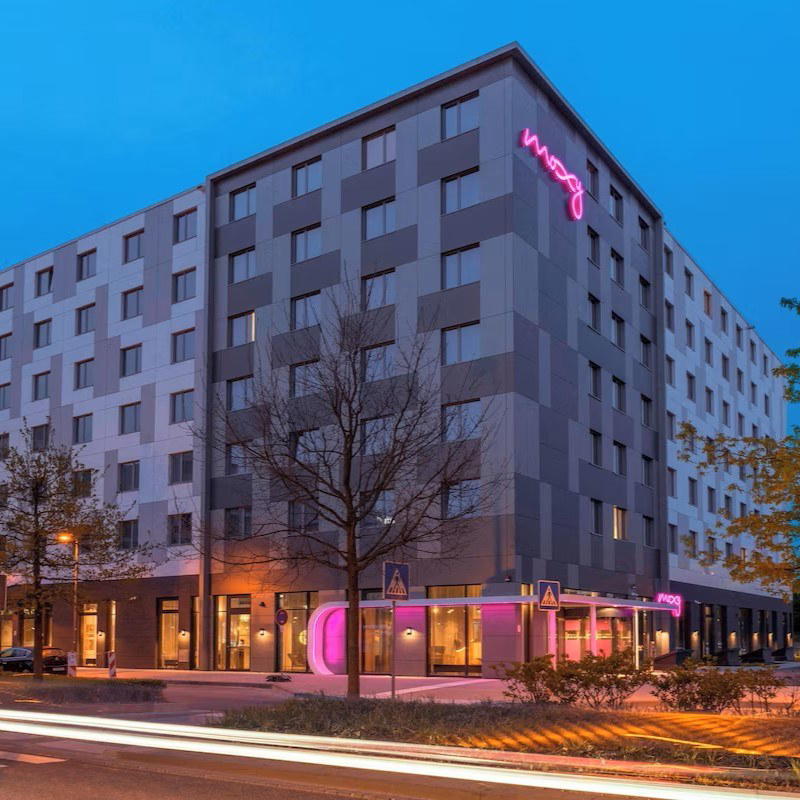
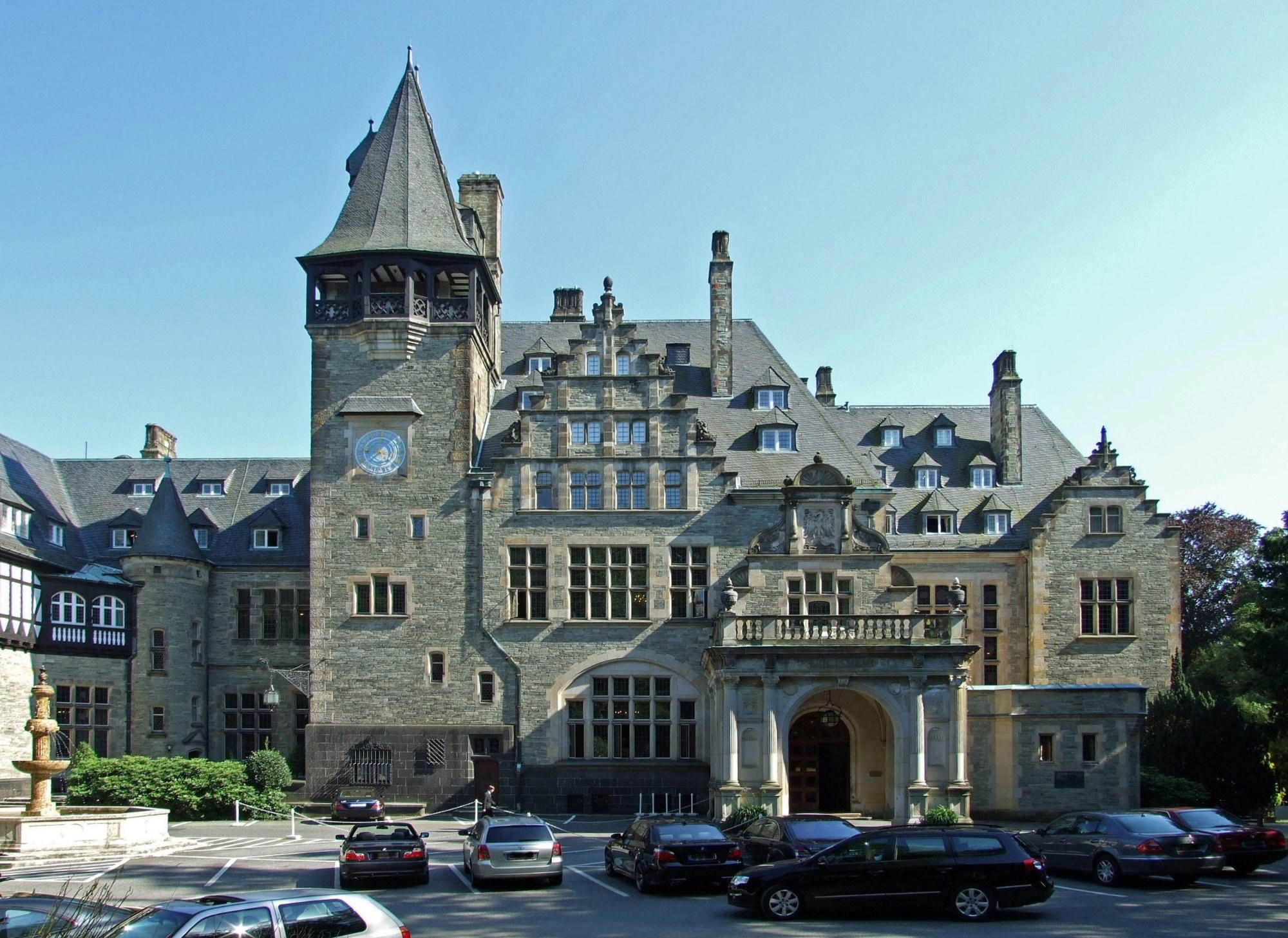
Hotels in Mainz
Browse all →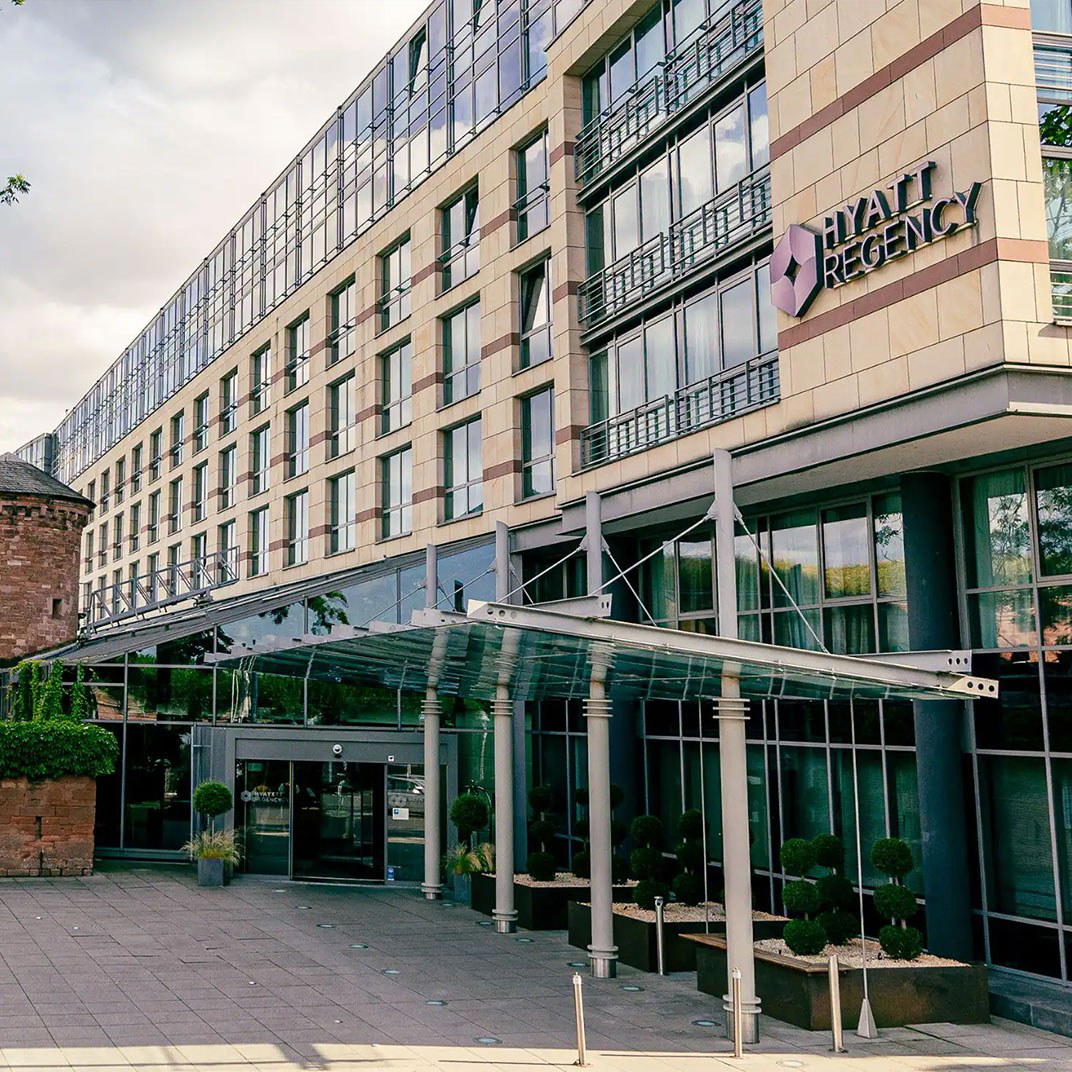
Bars in Mainz
Browse all →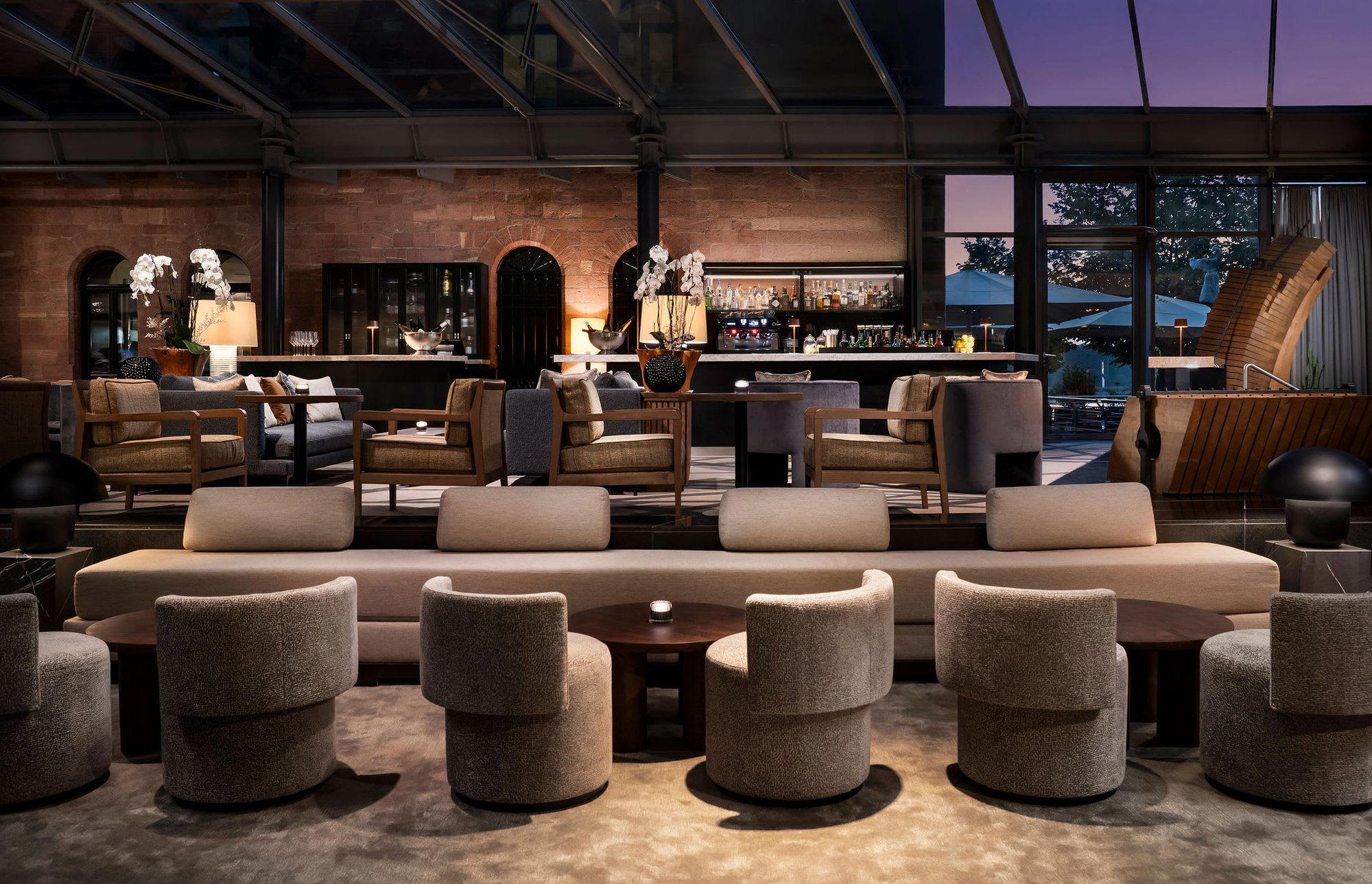

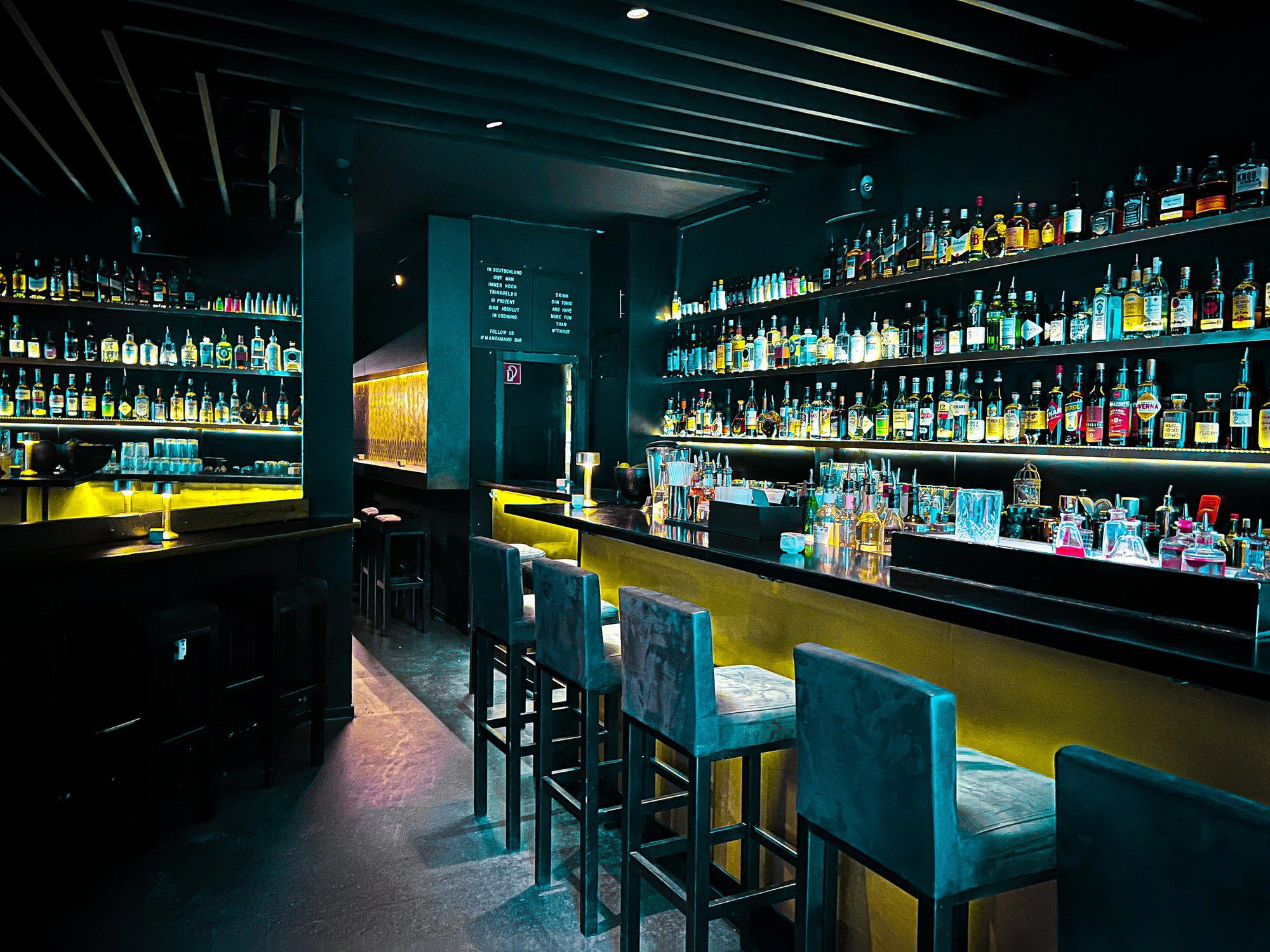
Restaurants in Mainz
Browse all →
Details
- Elegant
- Cozy
- Modern
- Romantic
- Scenic
- Sophisticated
- Romantic Getaway
- Family Vacation
- Business Trip
- Weekend Escape
- Group Retreat
- Celebration
- Historic Building
- Design Destination
- Garden
- Terrace
- Wi Fi
- Fitness Center
- Room Service
- Concierge
- Business Center
- EV Charging
- Valet Parking
- Garden
- Street Scene
- Wheelchair Accessible
- Elevator
- Accessible Parking
- Step Free Entrance
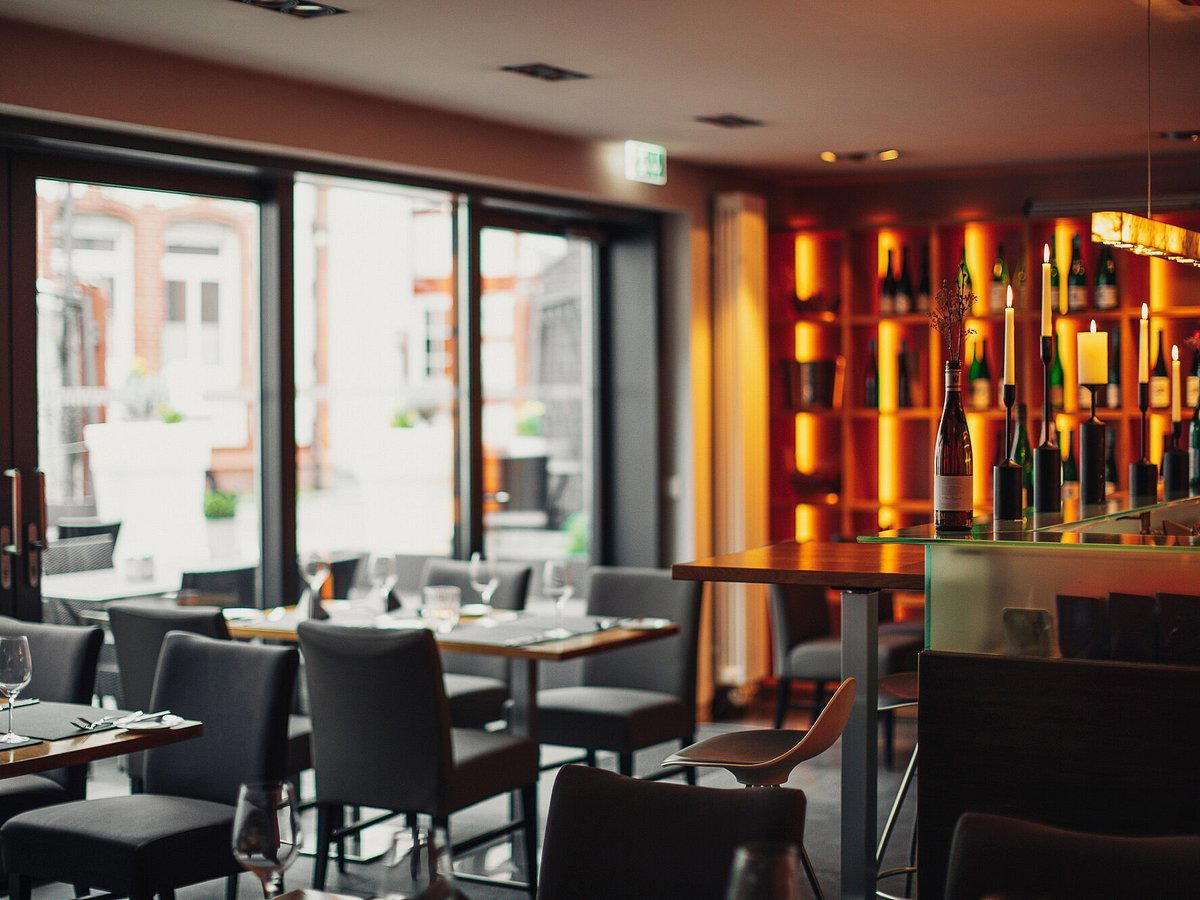
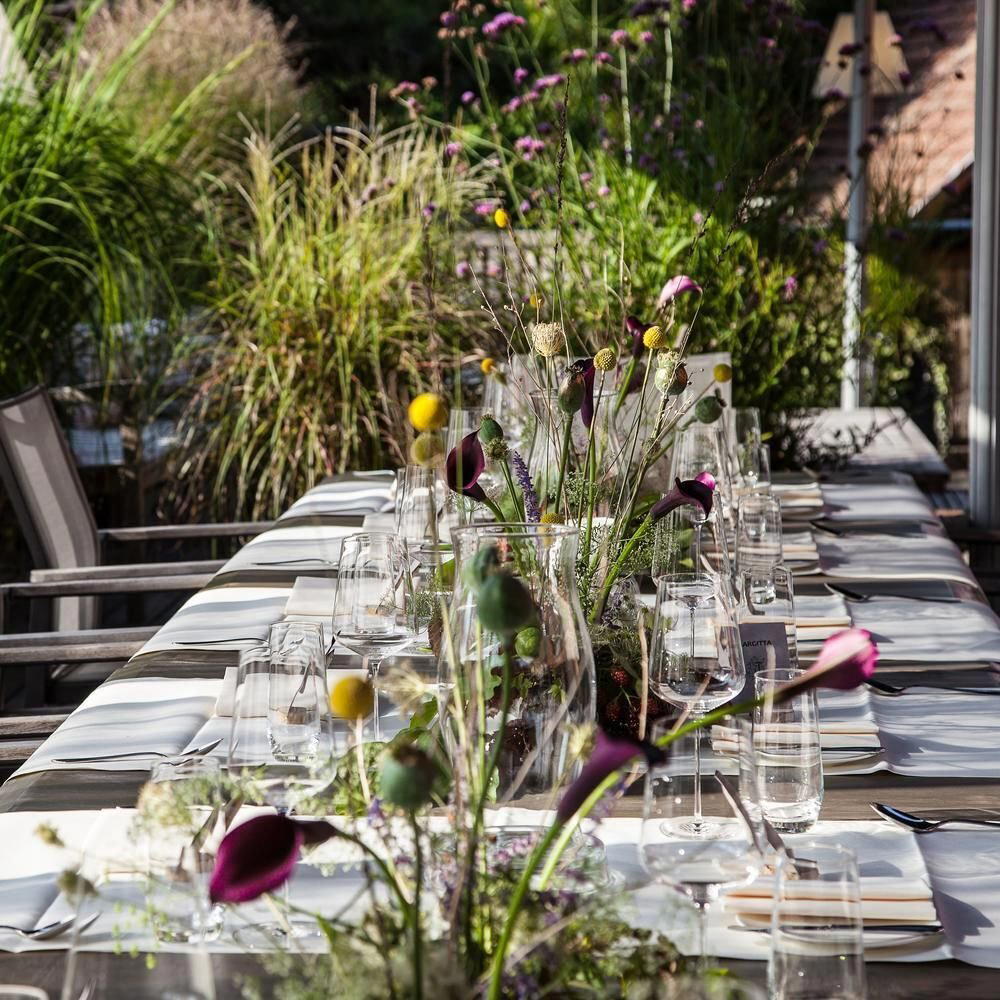
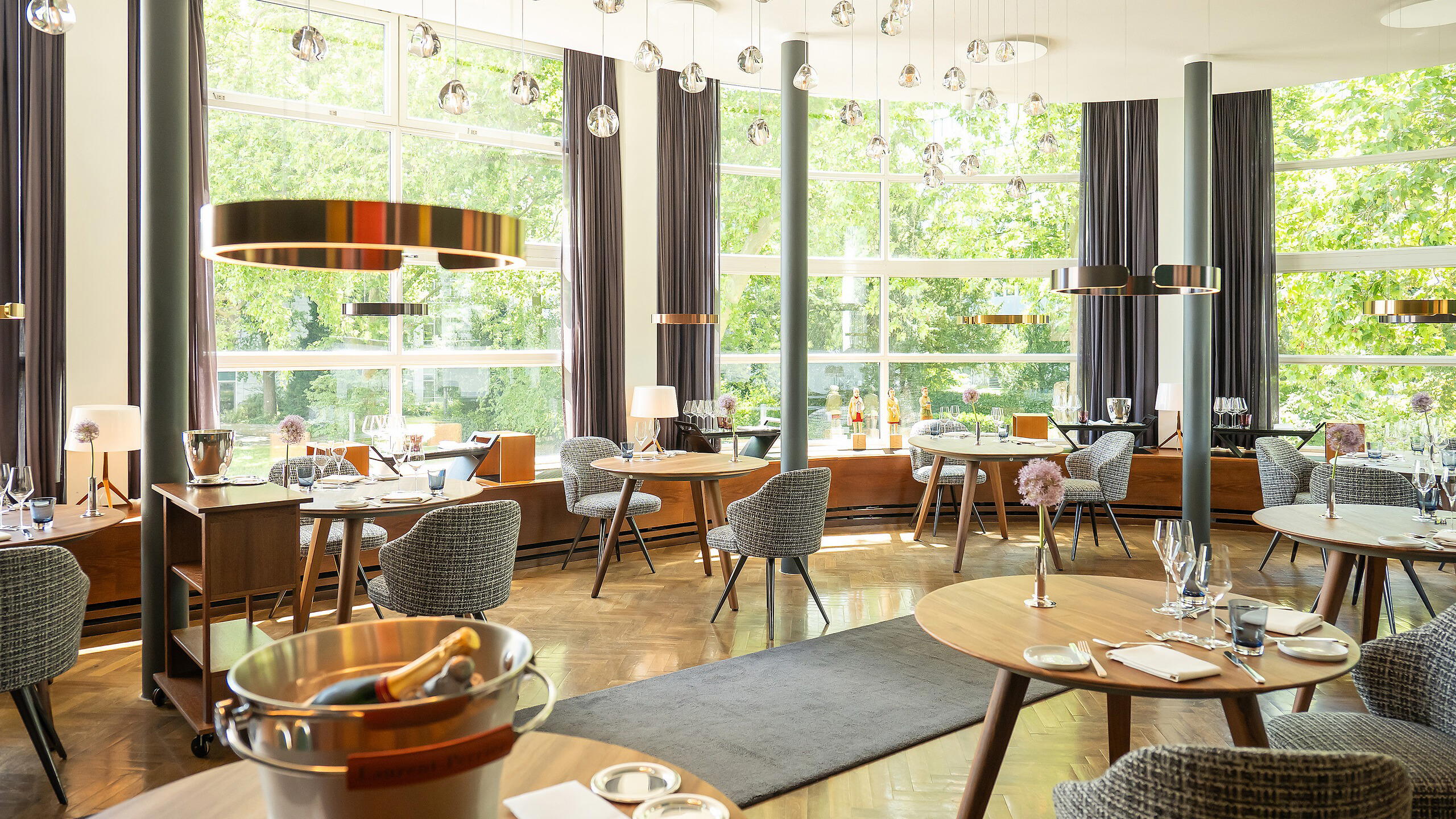
Central Mainz design hotel with a warm, retro-chic Art Deco look, botanical details inspired by Otto Brunfels, and a living-room-style lobby that flows into bar, restaurant, and a leafy inner courtyard, creating a cozy yet sophisticated atmosphere.