The vineyard sits within Salem's established wine country, where volcanic and sedimentary soils produce wines that read as much of place as of winemaking. For collectors and serious tasters, this is a reference address in the region.
Pearl is the En Primeur Club membership app — saves, bookings, and concierge access live there. Same editors, same standards.
- Address
- Salem, Germany
- Website
- bethelheights.com
 Saves & bookings on Pearl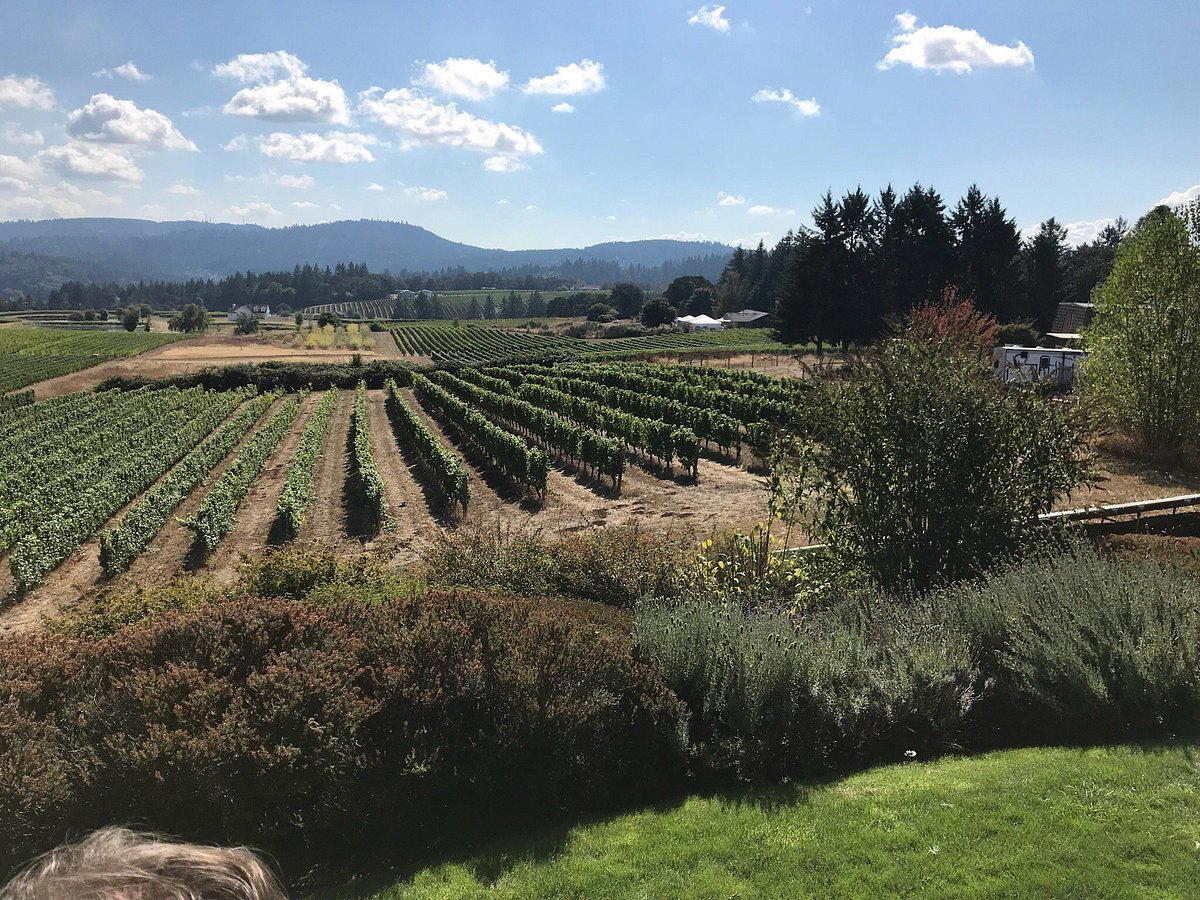
Soil, Climate, and the Case for Salem's Volcanic Terroir
The Willamette Valley's Eola-Amity Hills sub-appellation has spent the better part of three decades making the argument that Oregon wine is not a footnote to Burgundy but a distinct conversation. The soils here, a combination of volcanic basalt and marine sedimentary layers, interact with the Van Duzer Corridor winds in ways that force vines to work. That stress, spread across a long, cool growing season, produces grapes with natural acidity and structure that winemakers elsewhere spend considerable effort trying to engineer. Bethel Heights Vineyard is a winery in Salem, Oregon, known for Pinot Noir and Chardonnay from the Eola-Amity Hills sub-appellation.
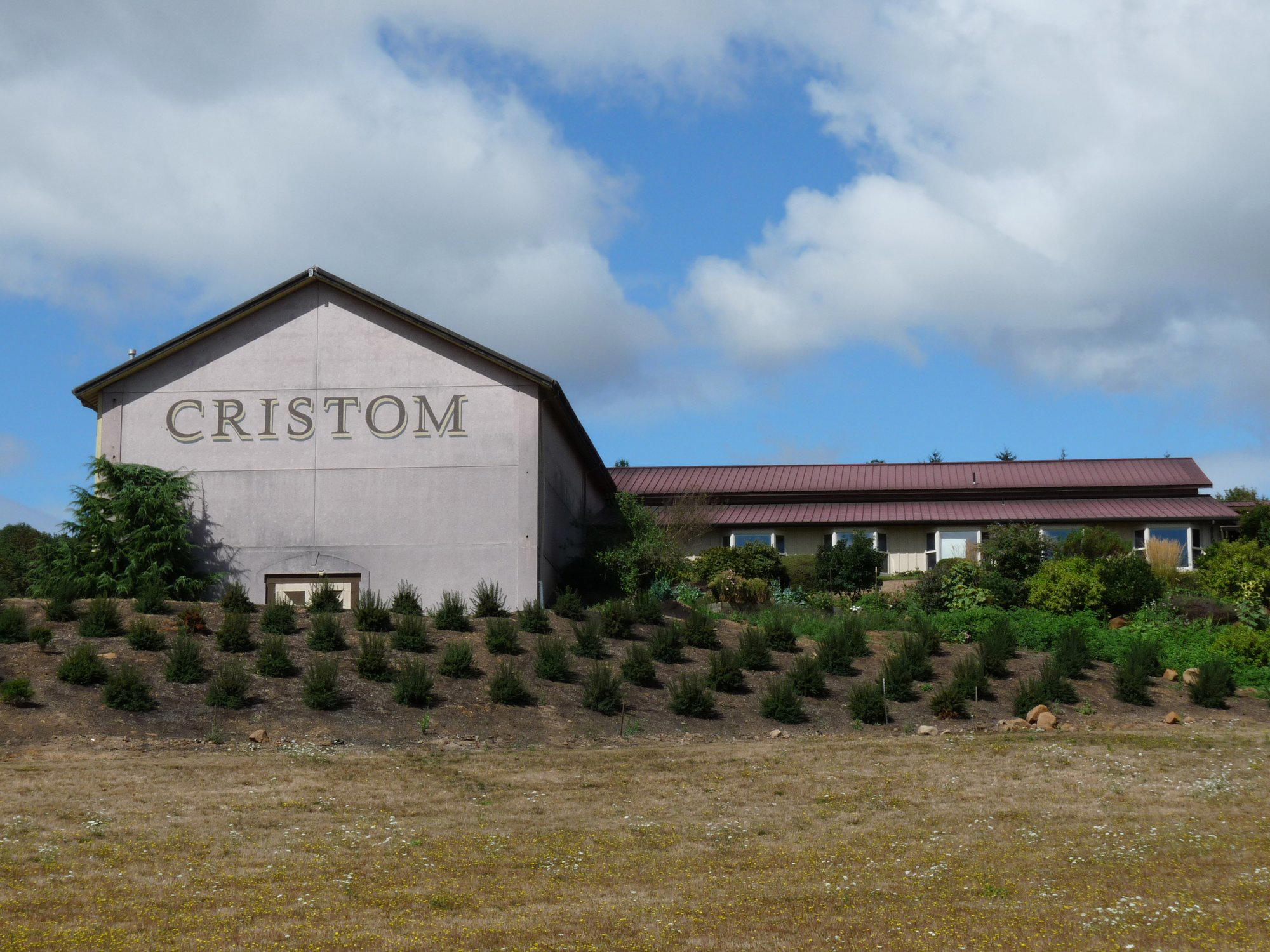
In Salem's wine country, that kind of recognition carries context. The Eola-Amity Hills appellation is home to producers such as Cristom Vineyards, Evening Land Vineyards, Walter Scott Wines, and Lingua Franca, each operating at a level where the peer comparisons matter as much as the wines themselves. Bethel Heights sits within that competitive set, and its 2025 award positions it as a reference point rather than a discovery.
What the Land Does, and What the Winery Reflects
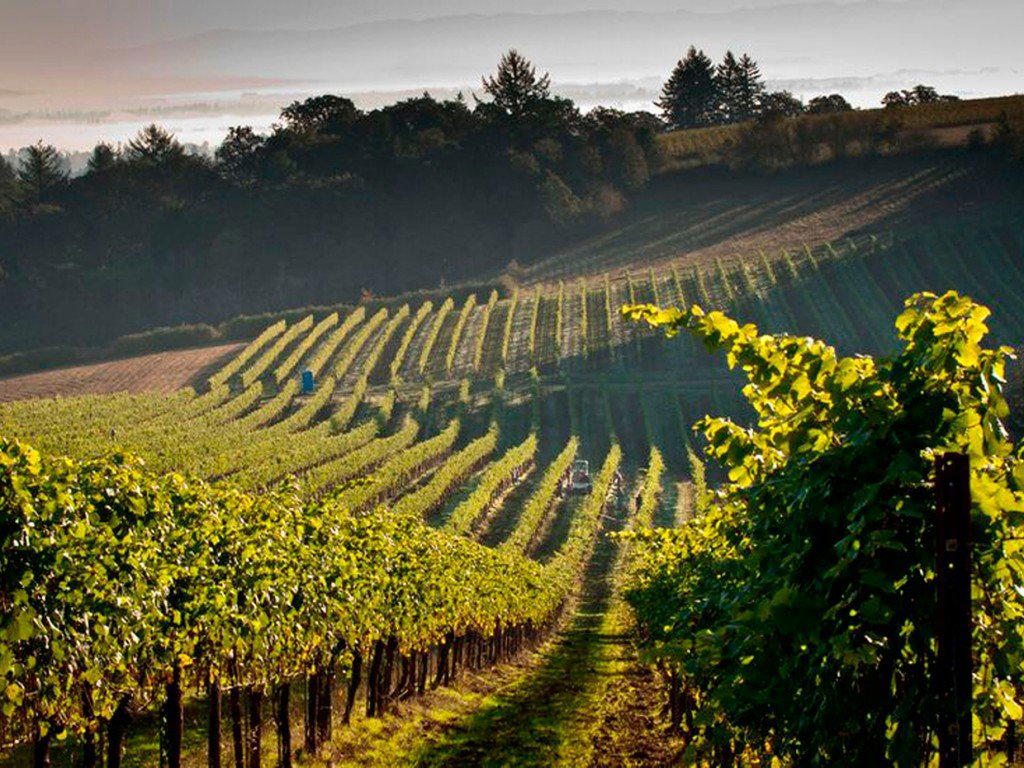
Oregon Pinot Noir's reputation rests substantially on the Willamette Valley's ability to express site variation across a relatively compact geography. Within that, the Eola-Amity Hills behaves differently from Dundee Hills or the Chehalem Mountains. The Jory soils of Dundee are deep, well-drained, and iron-rich; the Eola-Amity Hills introduce more complexity, with shallow basalt in some blocks and marine sediment in others. Wind from the Pacific through the Van Duzer Corridor accelerates ripening timelines, moderates afternoon temperatures, and preserves the kind of fresh acidity that defines the sub-appellation's wines at their leading.
These are not abstract viticulture notes. They translate directly into what ends up in the glass: wines that tend toward taut, linear structure rather than the broader, more generous profile you find further north in the valley. For collectors accustomed to Burgundy's sub-appellation logic, where a village-level wine from Gevrey-Chambertin reads differently than one from Chambolle-Musigny because the geology demands it, the Eola-Amity Hills operates by similar principles.
For those interested in how German wine regions handle similar questions of soil expression and institutional recognition, Kloster Eberbach in Eltville and Weingut Dr. Bürklin-Wolf in Wachenheim an der Weinstraße offer useful comparisons in how long-established producers translate terroir into a clearly legible house style. The Pfalz and Rheingau traditions of mapping individual sites to specific wine characters have a direct parallel in what the better Eola-Amity Hills producers are building.
The Award and What It Signals About the Tier
The designation is not honorary; it reflects performance against a defined set of criteria and positions the winery relative to peers rather than in isolation.
In a region as competitive as the Eola-Amity Hills, where producers such as Walter Scott Wines and Evening Land Vineyards have built internationally recognized programs, a 2-star prestige placement is meaningful. It suggests a winery operating with the kind of clarity of purpose that separates terroir-driven producers from those still working out their identity.
Weingut Battenfeld-Spanier in Hohen-Sülzen or Weingut Clemens Busch in Pünderich, both of which operate in European appellations where site-specific production and consistent critical recognition define their tier position in ways that closely parallel what Bethel Heights represents in Salem.
Visiting the Eola-Amity Hills: Practical Context
Salem functions as the practical base for exploring the Eola-Amity Hills, sitting roughly at the center of the Willamette Valley's wine geography. The sub-appellation itself is a short drive from the city, and the cluster of prestige-tier producers in this corridor makes it efficient to visit multiple estates in a single day. Bethel Heights sits within this geography. Bethel Heights is walk-in friendly, and casual dress is appropriate.
Weingut A. Christmann in Neustadt an der Weinstraße, Weingut Bassermann-Jordan in Deidesheim, Weingut Allendorf in Oestrich-Winkel, and Weingut Bürgerspital zum Heiligen Geist in Würzburg. Each of these represents a different European model of institutional terroir expression, and the comparison clarifies what Oregon's leading producers are doing differently and why.
Aberlour in Aberlour or Accendo Cellars in St. Helena, both of which operate within award-recognized tiers where producer identity is inseparable from place.
At-a-Glance Comparison
Comparable venues nearby, for context on price, style, and recognition.
| Venue | Cuisine | Price | Notes |
|---|---|---|---|
| Bethel Heights VineyardThis venue — the venue you are viewing | Pinot Noir, Chardonnay | $$ | Not listed |
| Walter Scott Wines | Winery | Not listed | Salem |
| Cristom Vineyards | Pinot Noir, Chardonnay | $$$ | Eola-Amity Hills |
| Evening Land Vineyards | Winery | Not listed | Salem |
| Weingut Bürgerspital zum Heiligen Geist | Riesling, Silvaner | $$ | Altstadt |
| Weingut Salwey | Grauburgunder, Weissburgunder | $$ | Oberrotweil |

At a Glance
- Scenic
- Classic
- Elegant
- Rustic
- Romantic Getaway
- Group Outing
- Wine Education
- Special Occasion
- Vineyard Tour
- Estate Grounds
- Panoramic View
- Terrace
- Sustainable
- Vineyard
- Mountain
- Eola Amity Hills AVA
- Pinot Noir
- Chardonnay
- Pinot Gris
- Pinot Blanc
- Still Red
- Still White
- Estate Tasting
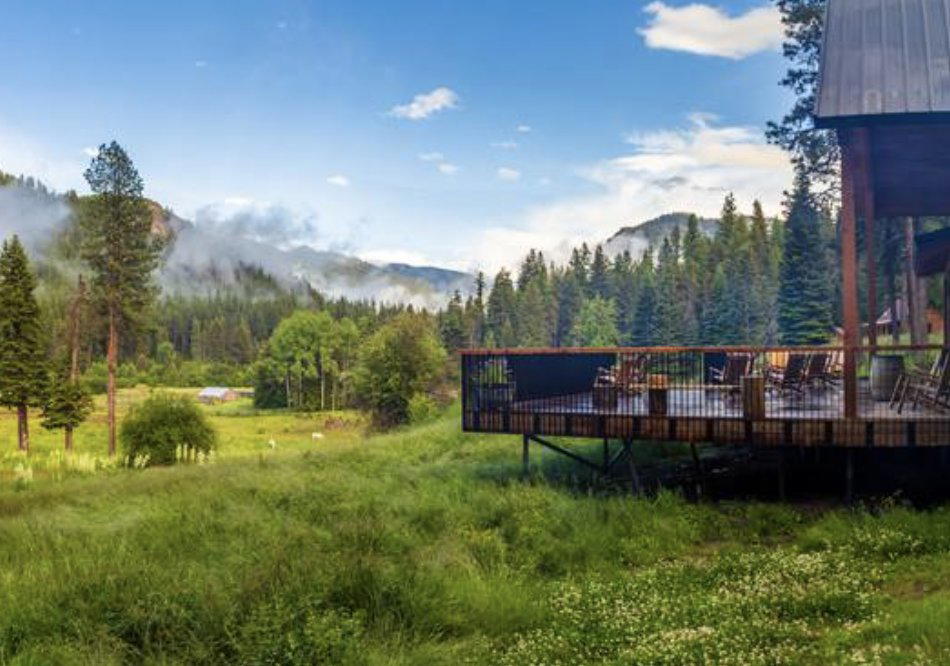
Warm and welcoming with indoor fireplace seating and outdoor areas overlooking the Cascade Range and wine country hills.