Tre Pile

Falstaff Winery - Listed
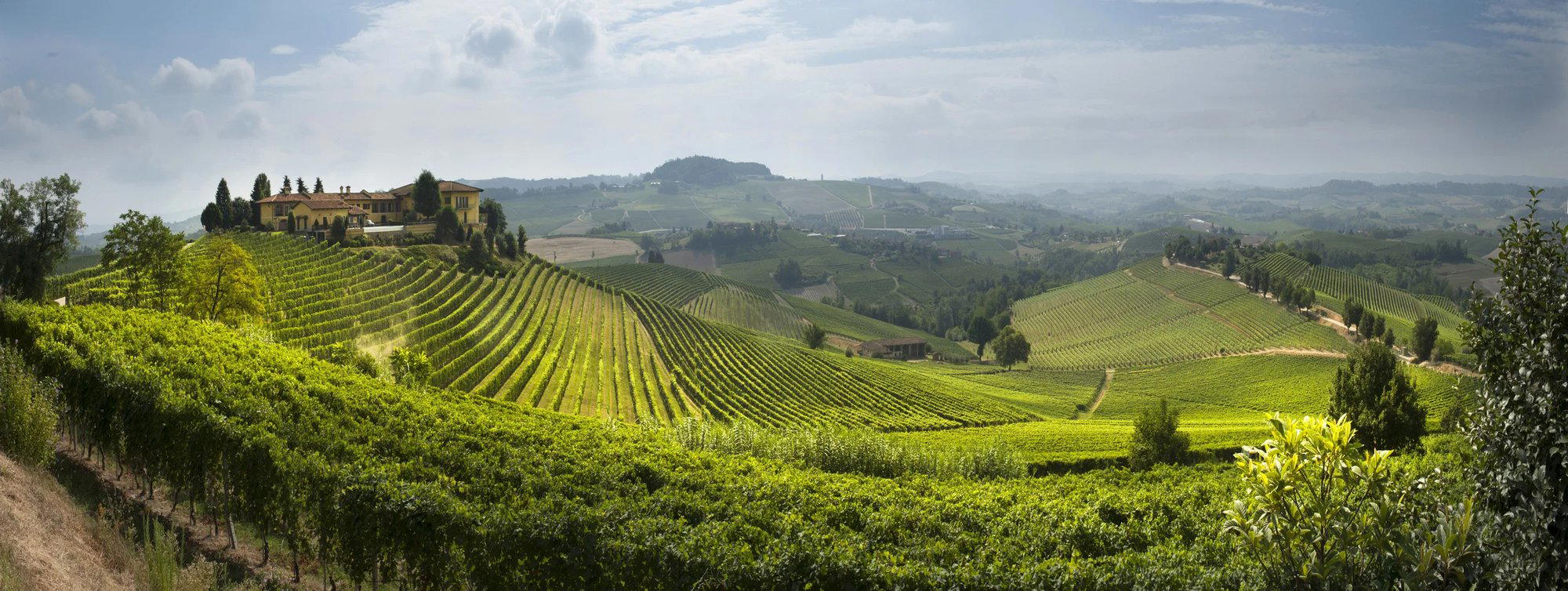
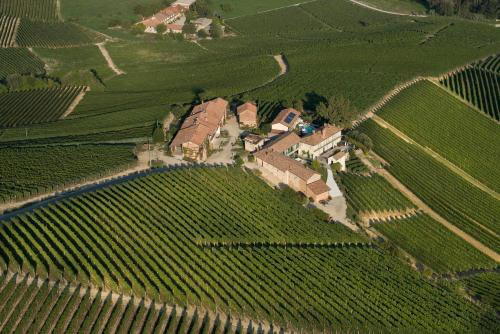
Tre Pile is a small family winery in Monforte d’Alba’s Bussia Soprana sector, with roots traced to 1852 and a portfolio centered on Barolo, Nebbiolo and Barbera. The appeal is terroir rather than theatre: four-generation continuity, sustainable vineyard care, and a traditional Nebbiolo-aging approach using large Slavonian oak for eight months.

Pearl is the En Primeur Club membership app, where members save venues, book tables and use the concierge.

Tre Pile in Monforte d’Alba is best approached as a quiet, classic winery-atmosphere venue rather than as a place defined by spectacle. The picture is deliberately simple: a terroir-driven setting, a rustic and sophisticated mood, and a family winemaking identity carried through four generations. For visitors who value tradition, authenticity and vineyard care, that is the useful frame, and it is also the most responsible way to understand what the venue represents.
Because the confirmed information is limited, it is important not to overstate the experience. Tre Pile should not be described through claims about a specific address, vineyard name, wine list, tasting format, founding year, capacity, awards or visitor services. What can be said with confidence is that it belongs to Monforte d’Alba, carries a classic family-winery character, and emphasizes sustainable care of the vineyards as part of its identity. That narrower description is not a weakness; it keeps the recommendation grounded in what is actually known.
A classic Monforte d'Alba winery atmosphere
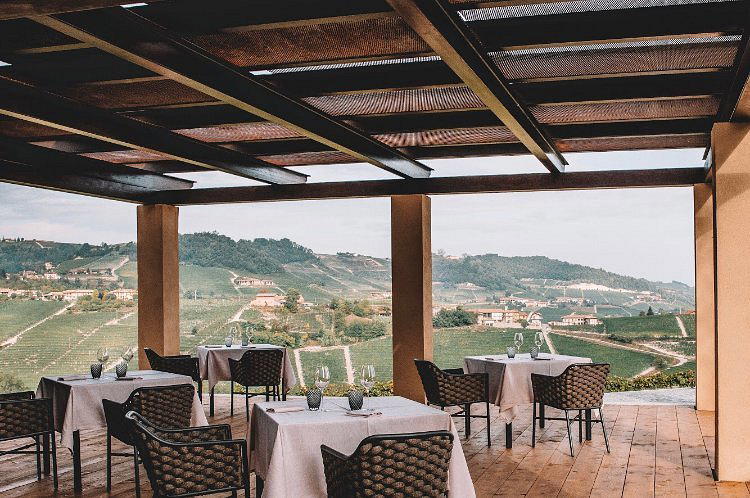
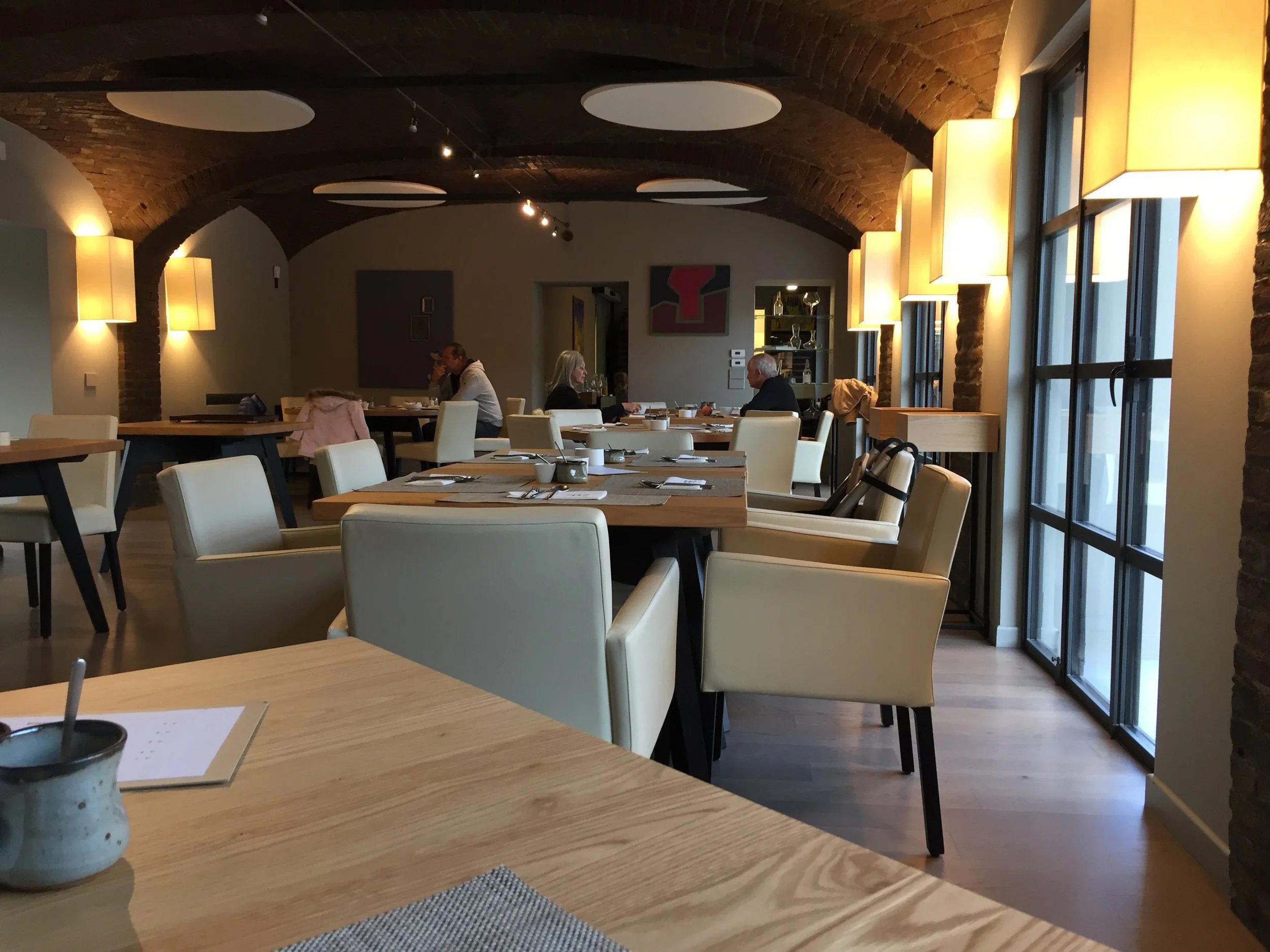
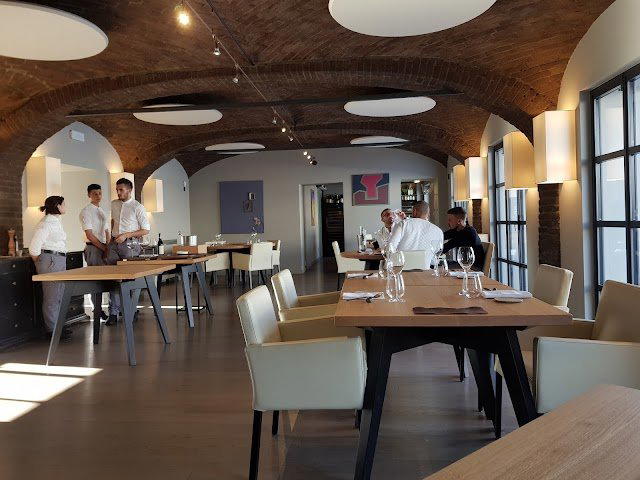
The appeal of Tre Pile rests on atmosphere as much as on any individual detail. The tone is classic, rustic, quiet and sophisticated, with the feel of a traditional winery setting rather than a high-production hospitality venue. That does not mean the page can promise a particular format or service; it simply means the character points toward a restrained, terroir-led environment, where the surrounding wine culture and the idea of place are central to the impression.
For travelers planning time in Monforte d’Alba, this makes Tre Pile a natural fit for those who prefer a calmer setting and a sense of continuity. The four-generation family winemaking background is the most grounded historical point: it suggests a venue shaped by inherited practice, local identity and a long relationship with vineyard work. In editorial terms, that matters because it gives the listing a human scale without needing to dress it up with extras.
The sustainable vineyard-care emphasis is also central. The safest reading is direct: Tre Pile presents itself through tradition, authenticity and respect for the land. Those ideas sit naturally together here, because the venue’s confirmed identity is less about a single visitor feature and more about a consistent attitude toward wine, family and place.
What is known, and what should remain open
A premium guide should be useful without inventing certainty. For Tre Pile, the details support a clear but compact profile: Monforte d’Alba location, $$$ pricing, classic winery atmosphere, four generations of family winemaking, and an emphasis on sustainable vineyard care. Those points are enough to position the venue for readers looking for a traditional, terroir-driven experience, especially if they are comfortable with a recommendation built around character rather than a long checklist of amenities.
Those details should be checked directly before planning around them. This includes the practical elements that often shape a wine-country visit, because they can determine whether a venue fits smoothly into a day or needs further confirmation first.
That restraint is especially important in wine regions, where a single claim can change expectations. A guest deciding whether to visit may need to know whether tastings are offered, whether reservations are required, or what bottles are available. Since those specifics are not confirmed here, the better editorial approach is to leave them open and keep the description focused on the established identity.
How to place it in a Monforte d'Alba itinerary
Tre Pile is best placed in an itinerary as a traditional Monforte d’Alba stop with a quiet, family-winery feel. It suits readers who are drawn to terroir, continuity and authenticity more than to a venue described through amenities. The $$$ price marker also helps set expectations: this is not framed as a budget listing, but the guide does not verify exact prices or packages, so readers should avoid treating the marker as a substitute for current details.
For comparison, keep the lens local and general. Other dining and wine-related choices in Monforte d’Alba may offer different moods, but Tre Pile’s confirmed identity is rooted in a classic, rustic and sophisticated atmosphere. The most honest way to compare it is not by claiming a ranking or score, but by asking whether the traveler wants a quieter, tradition-led setting. If that is the priority, Tre Pile’s profile becomes clearer and more compelling.
In short, Tre Pile should be recommended carefully and cleanly: a Monforte d’Alba venue with a family winemaking background, sustainable vineyard-care emphasis and classic terroir-driven atmosphere. Anything beyond that should be checked directly before it becomes part of a travel plan.
Recognition history
Dated appearances from independent guides and award organizations, with the underlying list record or original source where available.
Falstaff Winery - Listed
Falstaff
Continue exploring
More in Monforte d'Alba
Wineries in Monforte d'Alba
All wineries in Monforte d'Alba →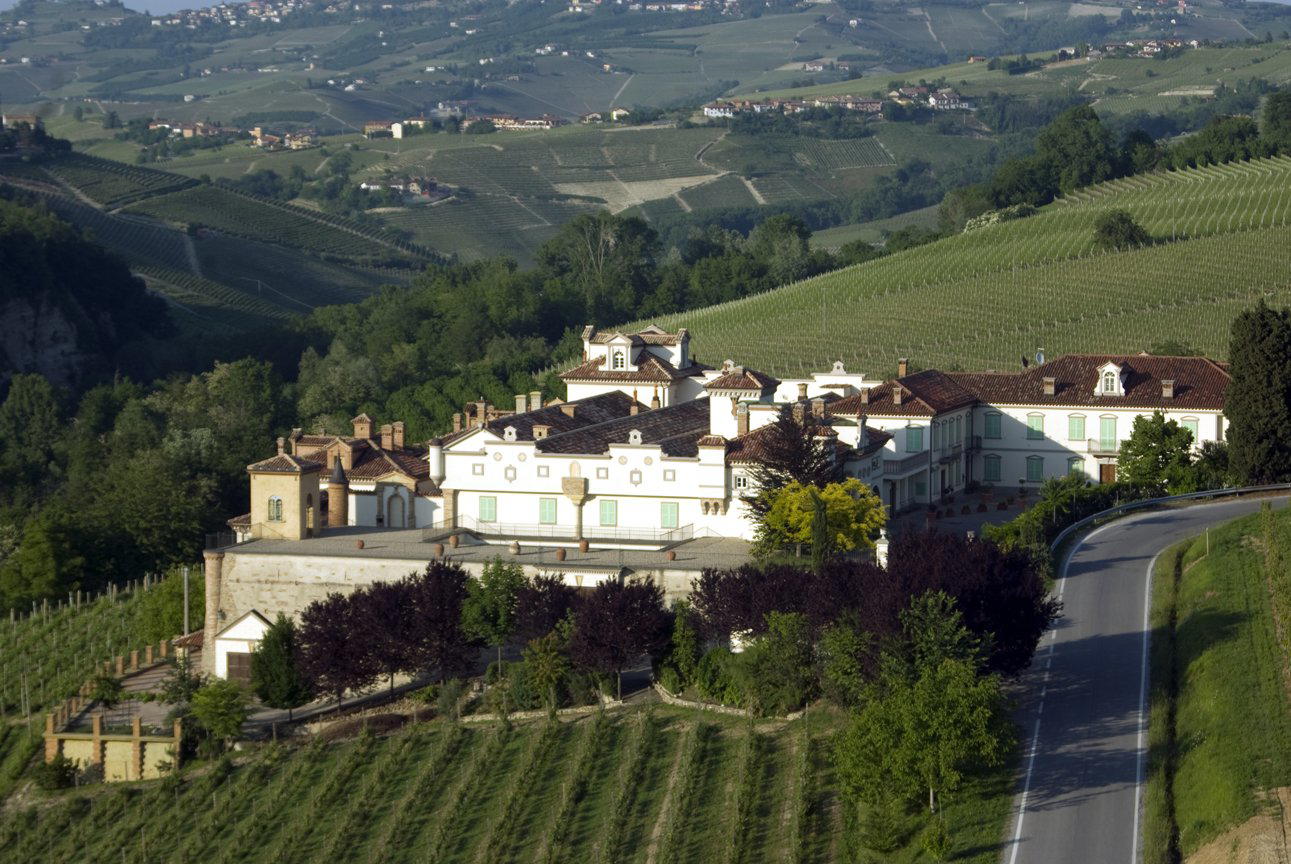
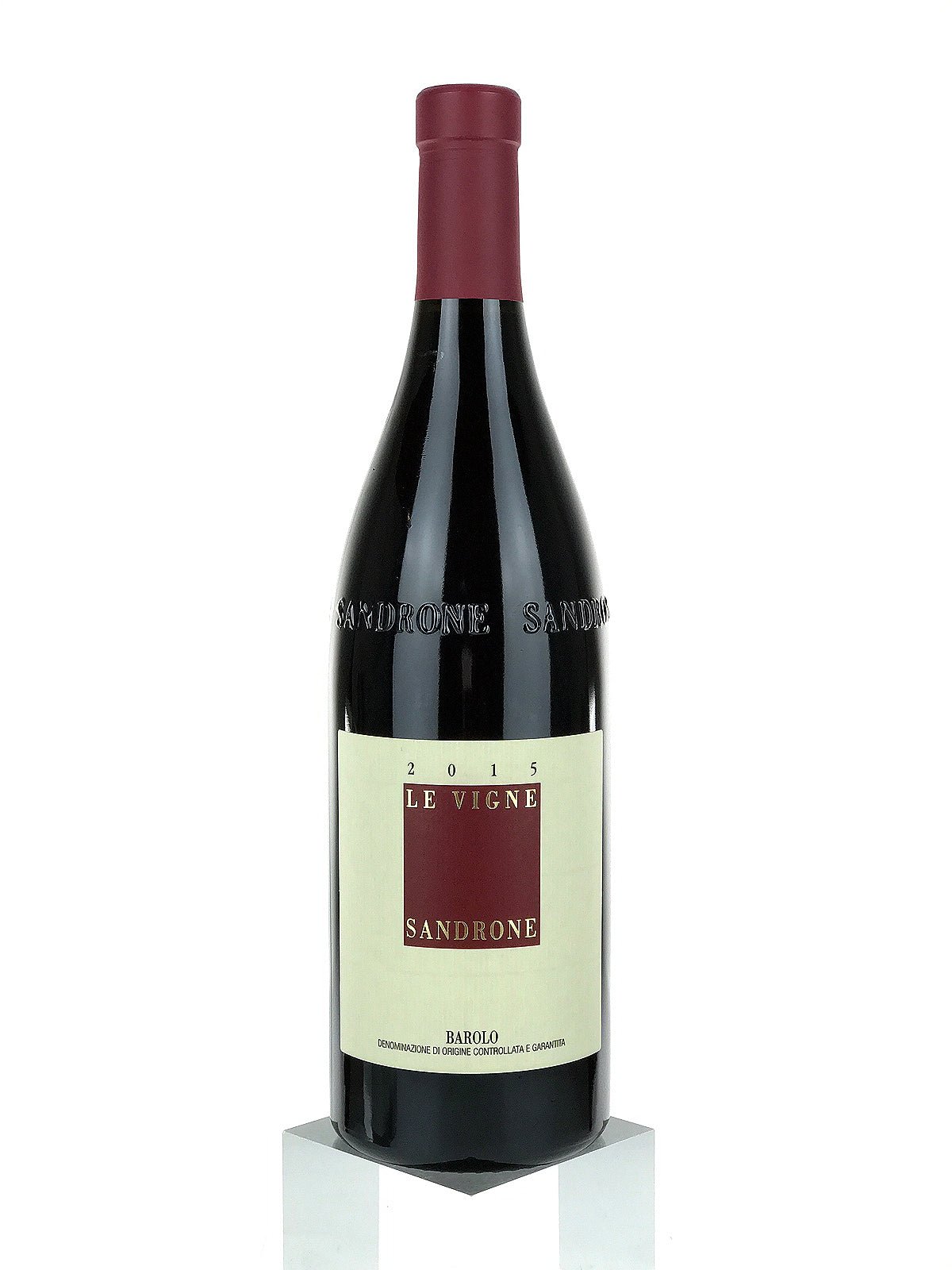
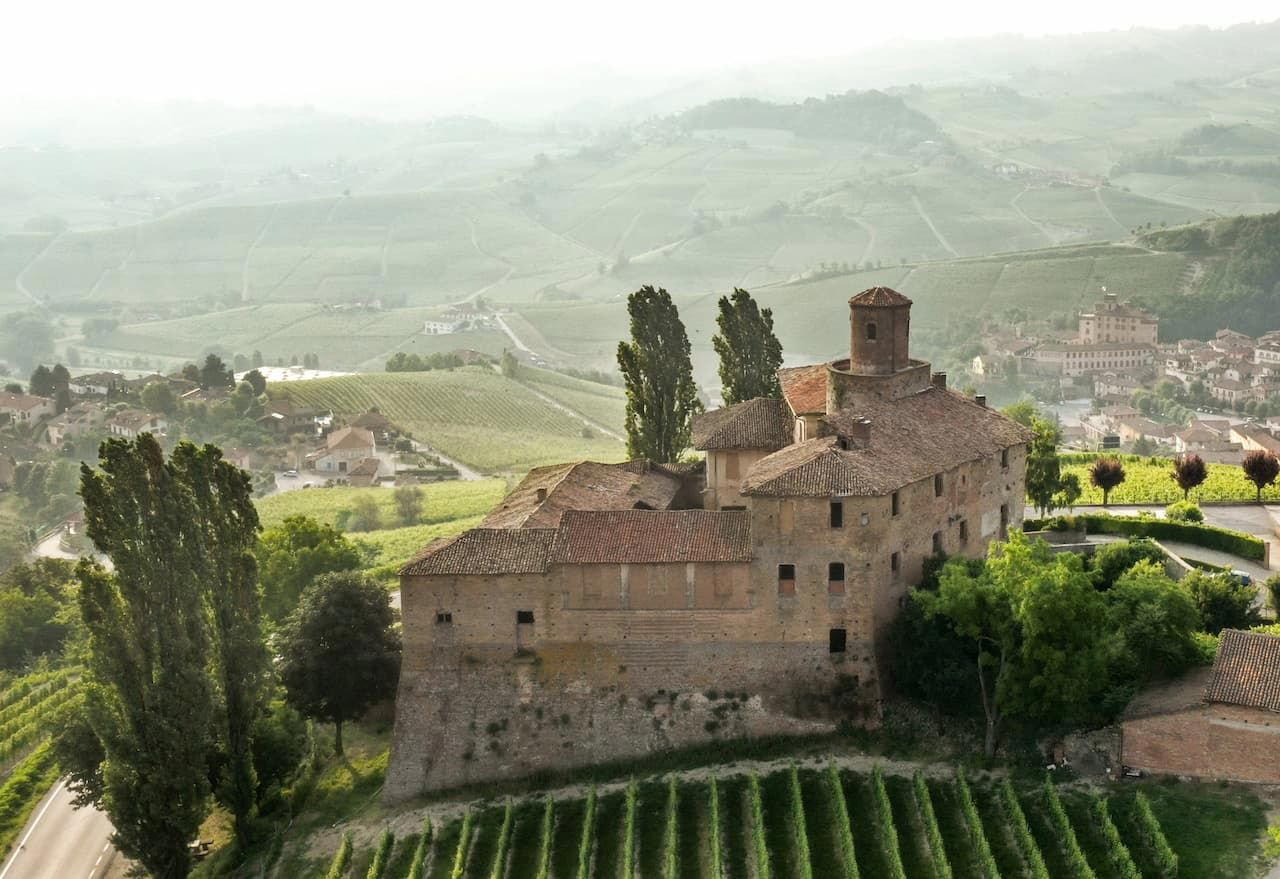
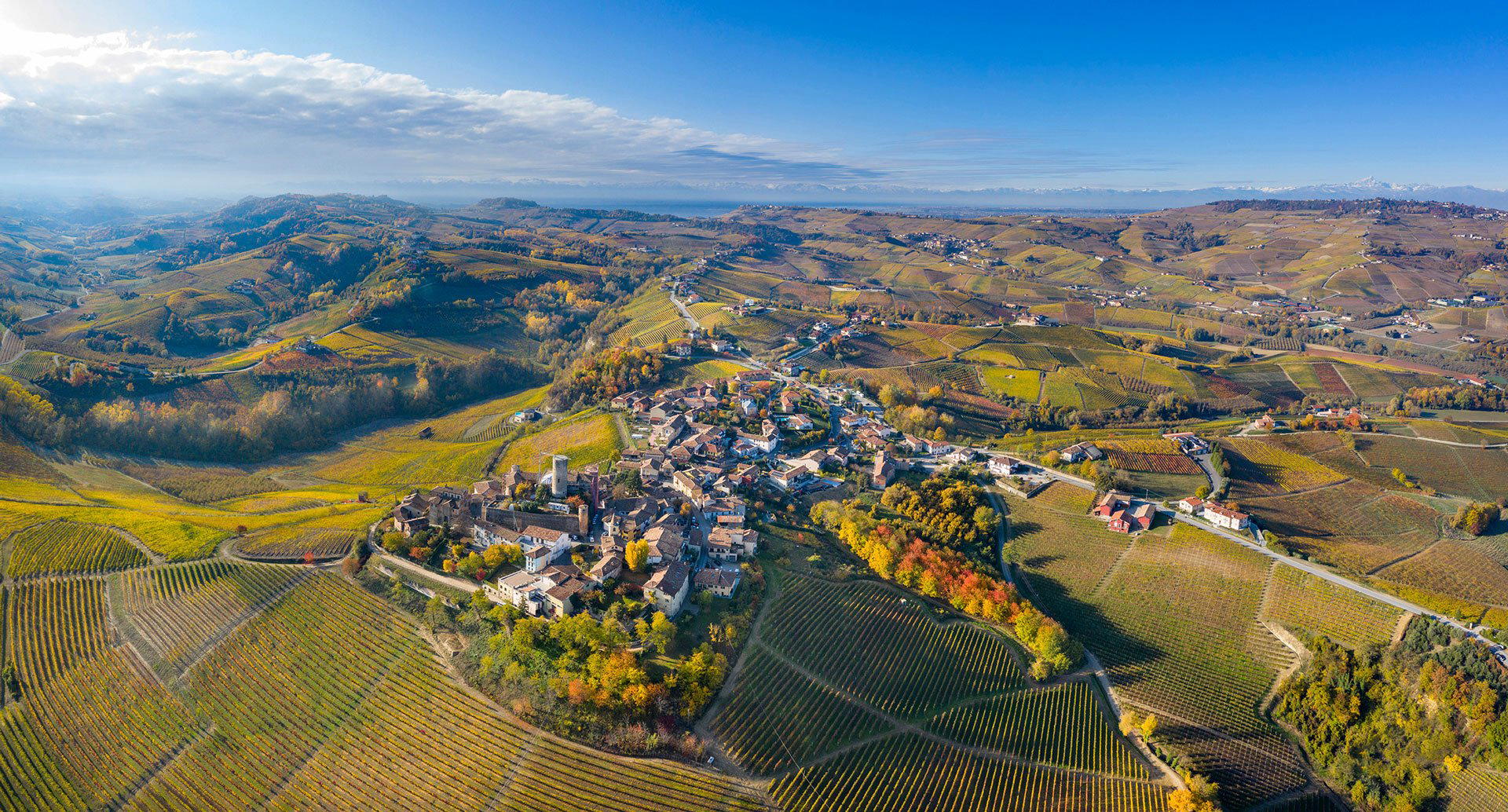
Bars in Monforte d'Alba
All bars in Monforte d'Alba →
Restaurants in Monforte d'Alba
All restaurants in Monforte d'Alba →
Details
- Classic
- Rustic
- Quiet
- Sophisticated
- Solo Exploration
- Wine Education
- Special Occasion
- Historic Building
- Private Tasting
- Vineyard Tour
- Sustainable
- Vineyard
- Barolo
- Nebbiolo
- Barbera
- Still Red
- Private Tasting
Classic, terroir-driven winery atmosphere rooted in four generations of family winemaking, with an emphasis on tradition, authenticity, and sustainable vineyard care.