Guidoristorante


Operating from the royal estate of Fontanafredda since its relocation, Guidoristorante carries a lineage dating to 1961, when Lidia and Guido Alciati helped reshape how Italian restaurants thought about regional ingredients. Now holding a Michelin star and run by their sons Ugo and Piero, it remains one of the Langhe's clearest arguments for Piedmontese cuisine as a living tradition rather than a museum piece.
Pearl is the En Primeur Club membership app — saves, bookings, and concierge access live there. Same editors, same standards.
- Address
- Via Alba, 15, 12050 Fontanafredda CN, Italy
- Phone
- +39 0173 626162
- Website
- guidoristorante.it
- Directions
- Get directions
 Saves & bookings on Pearl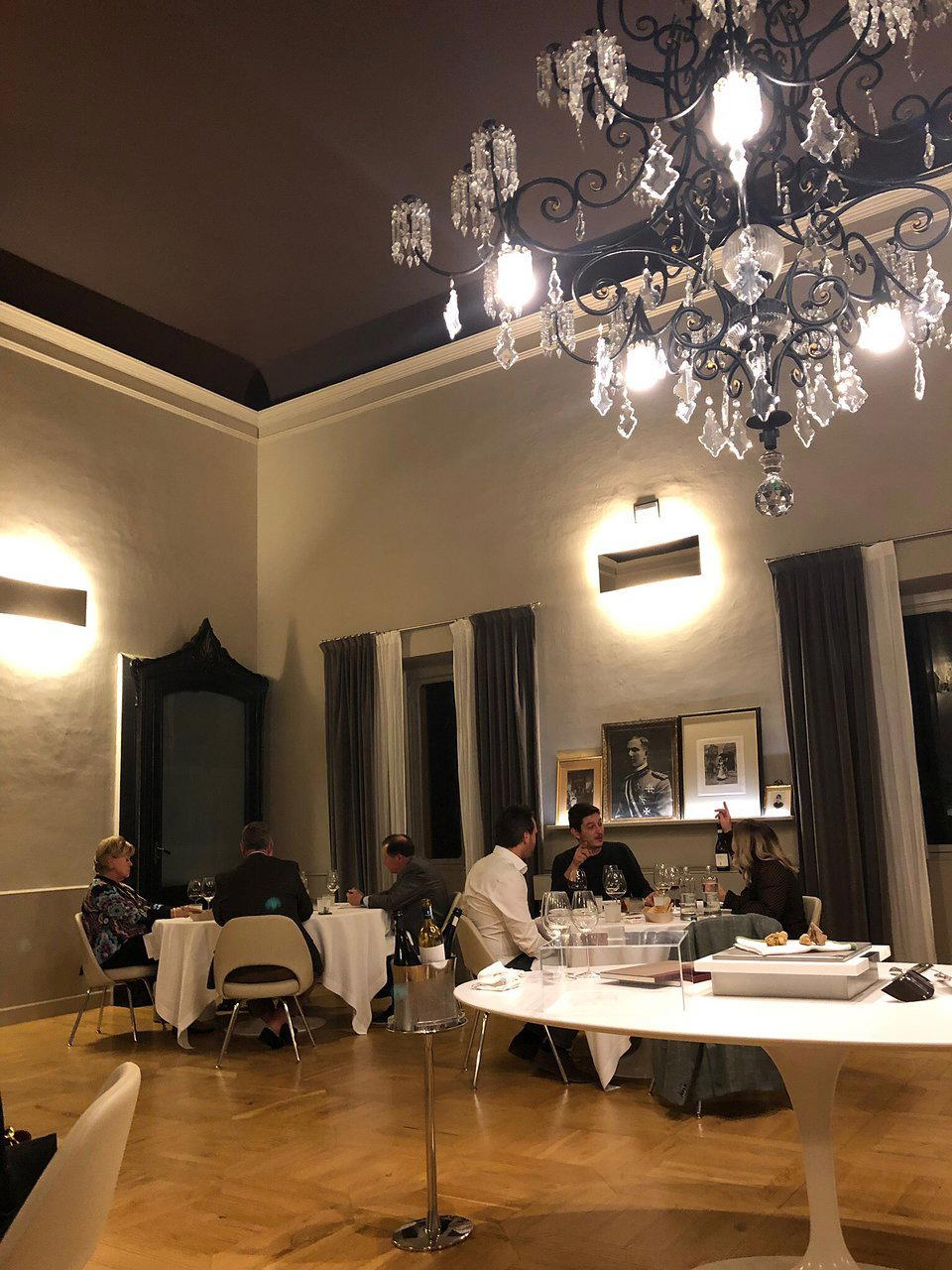
The Estate Setting and What It Signals
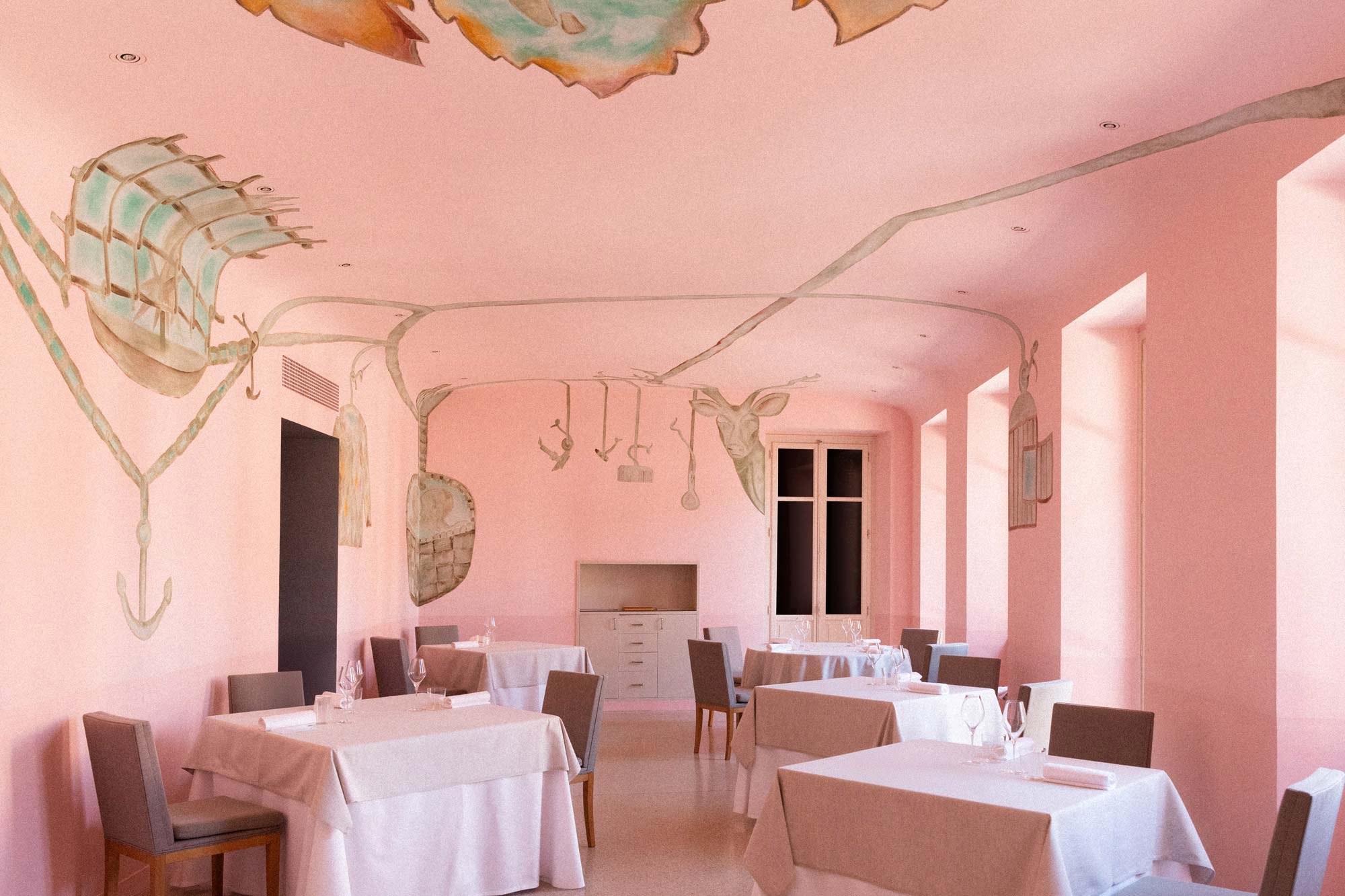
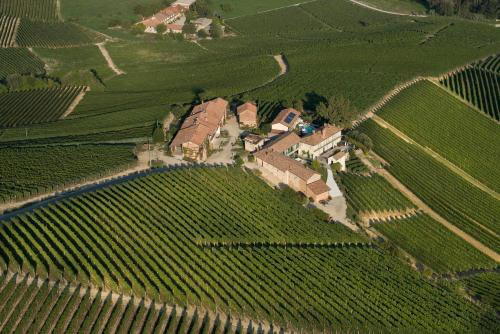
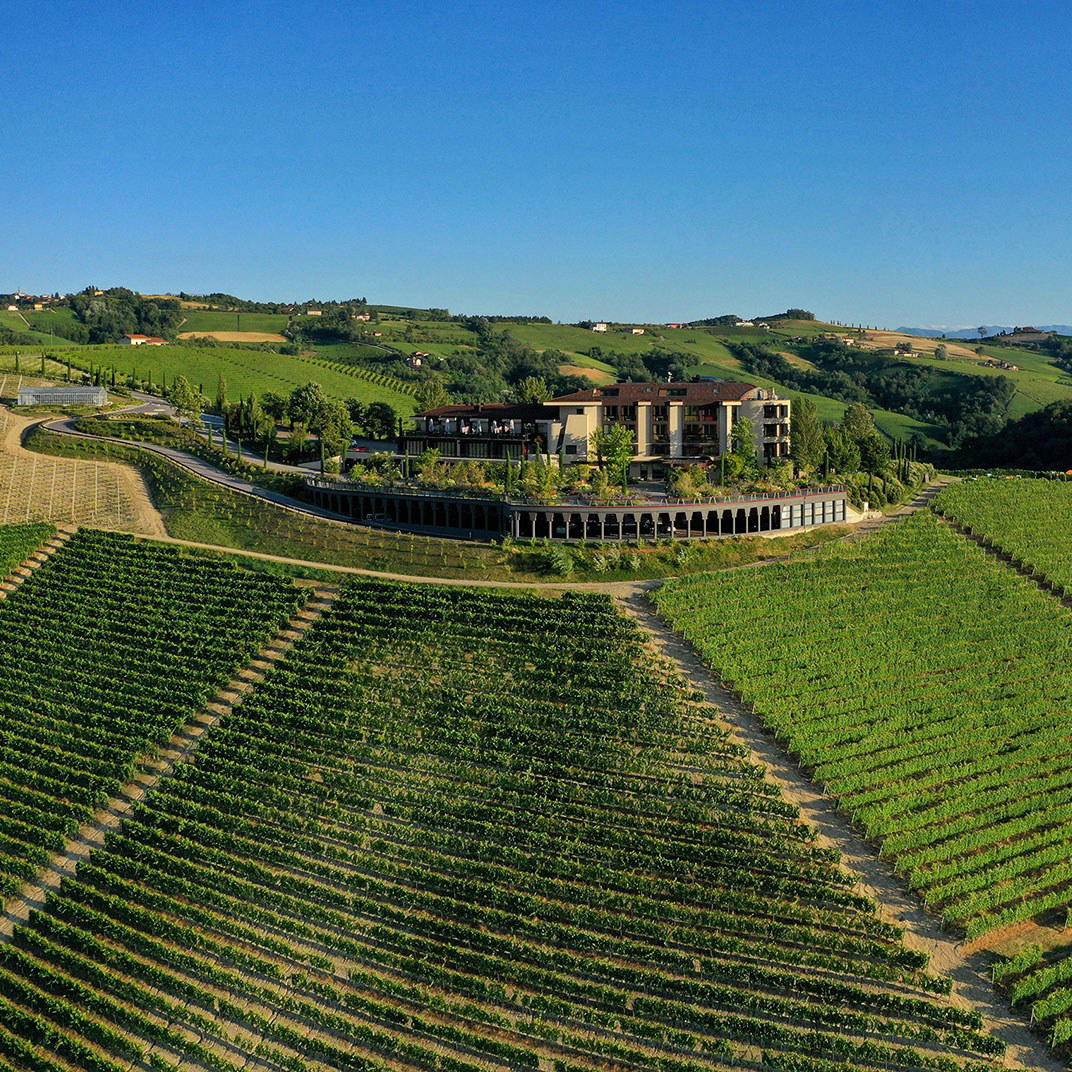
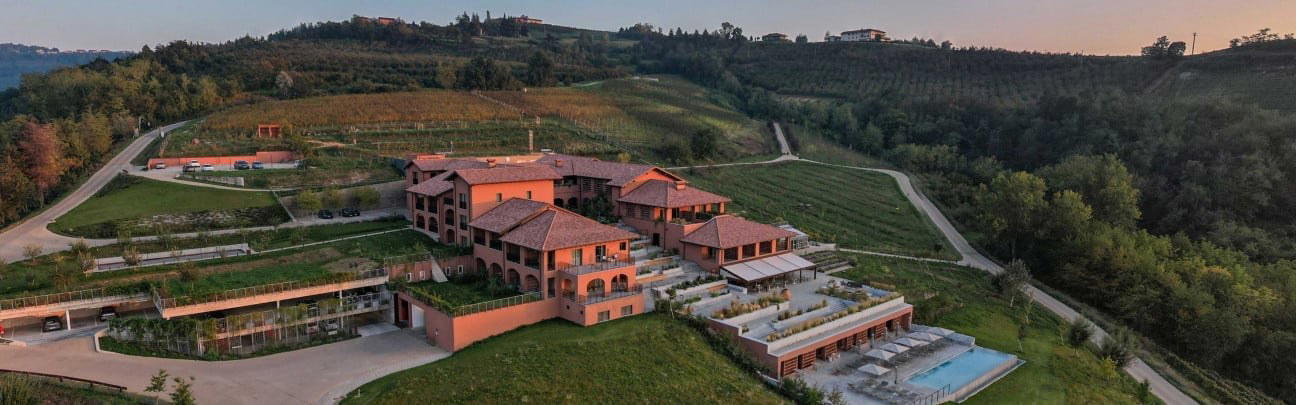
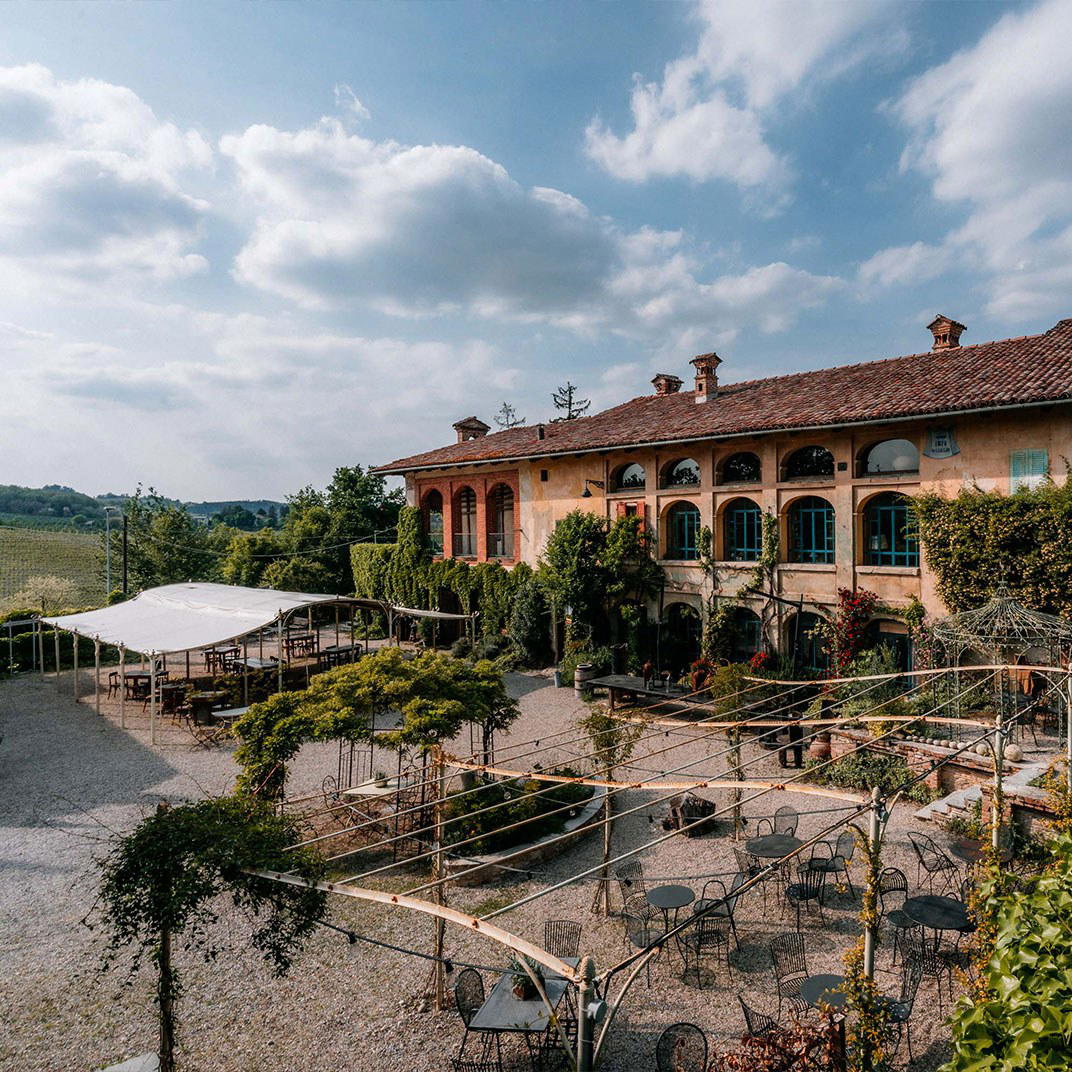
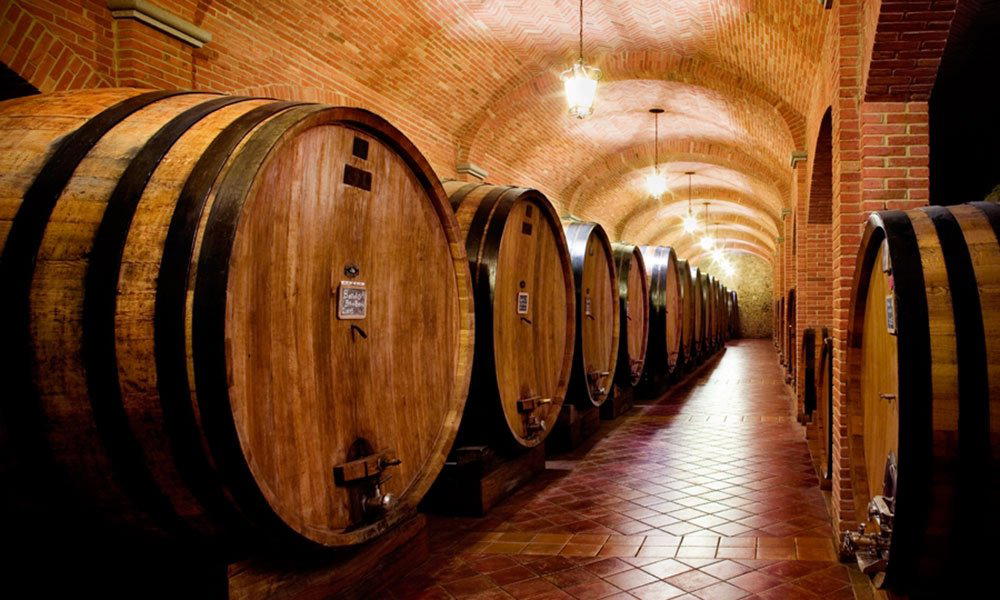
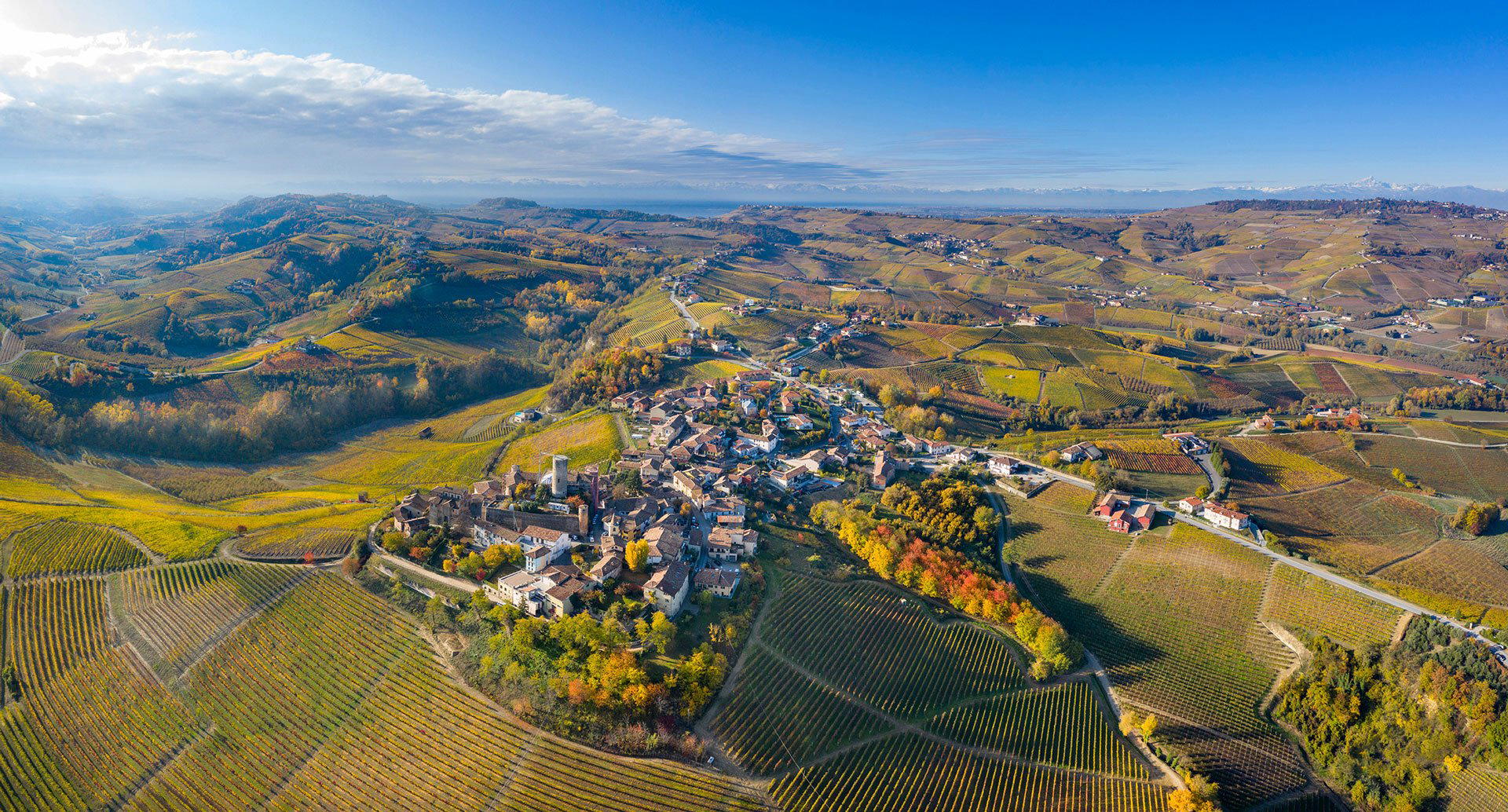
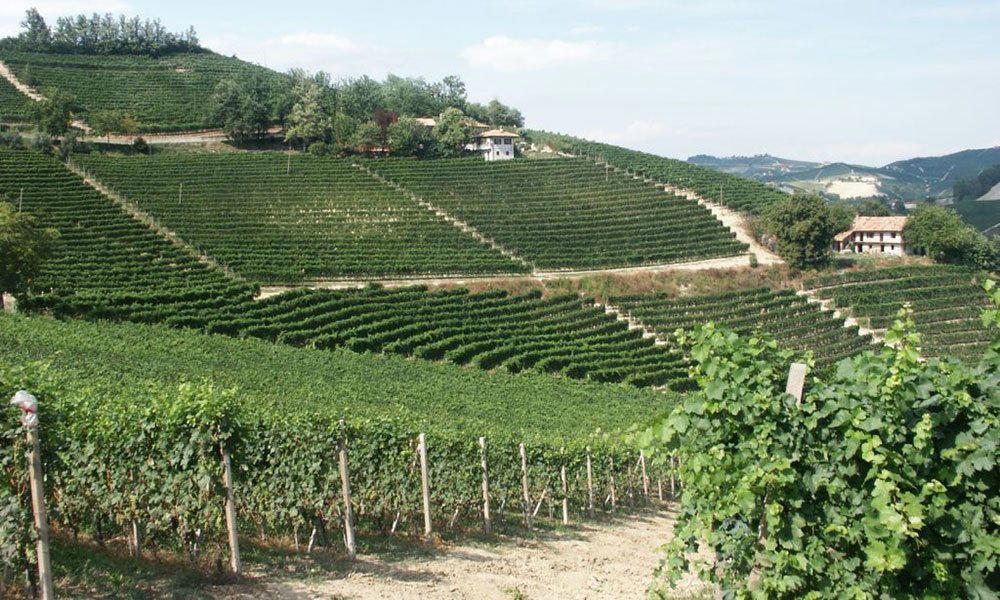
The royal estate of Fontanafredda, a nineteenth-century Savoy property spread across the Serralunga hills, frames a particular kind of dining experience before a single dish arrives. The setting is not incidental: in the Langhe, where wine estates and restaurants occupy the same agricultural geography, where a meal sits physically matters as much as what appears on the plate. Guidoristorante occupies this estate with a deliberate seriousness, its halls carrying what the venue describes as an ancient elegance, sober rather than theatrical, with a fireplace that grounds the room between its historical architecture and its present-day purpose. For visitors arriving from Alba or from one of the surrounding wine communes, the approach through vine-covered hillsides makes the provenance argument for the kitchen before the menu does.
Where the Lineage Begins: 1961 and the Territory Argument
Italian fine dining has spent the last two decades debating what it owes to place. The argument, that a region's ingredients, grown in specific soil under specific conditions, should dictate what appears on a plate, now underpins everything from three-star tasting menus to neighbourhood trattorias. Guidoristorante's founders, Lidia and Guido Alciati, were making this case in 1961, before it became orthodoxy. They were among the earliest Italian restaurateurs to seek out small producers and apply what would now be called a territory-first sourcing philosophy: find the ingredient at its leading, then cook it with as little intervention as possible. That founding logic, provenance over technique, product over process, is the thread running through six decades of operation and into the current kitchen.
Across Italian fine dining more broadly, that philosophy now positions restaurants along a spectrum. At one end sit the technique-led creative programs at venues like Osteria Francescana in Modena or Le Calandre in Rubano, where three Michelin stars accompany ambitious conceptual cooking. At the other end sit restaurants whose authority derives from depth of relationship with a specific territory rather than from formal innovation. Guidoristorante sits firmly in the second group, and its Michelin star, awarded in 2024, confirms that the guide recognises this as a credible and sustained position rather than a conservative fallback.
Sourcing as the Kitchen's Argument
The Langhe's agricultural calendar is unusually legible compared to other Italian wine and food regions. White truffles concentrate around Alba from October through December; Barolo and Barbaresco grapes ripen across the Nebbiolo communes through autumn; hazelnuts from the Cuneo hills supply both pastry kitchens and the area's chocolate producers. What this means for a restaurant with Guidoristorante's territory-first logic is that the menu is essentially a seasonal report on what the surrounding land is producing at its leading. The kitchen's role, as the venue's own framing describes it, is to be immediate and respectful of raw materials, a formulation that prioritises the ingredient's condition over the chef's intervention.
This approach places Guidoristorante in a peer group that includes Antica Corona Reale in Cervere, another Piedmontese institution working within the region's classic register, and Locanda Sant'Uffizio Enrico Bartolini in Cioccaro, which applies a more contemporary lens to Piedmontese produce. The contrast is useful: where some Langhe restaurants now reframe the region's ingredients through modern technique, Guidoristorante's authority comes from duration and specificity of sourcing relationship, the accumulated knowledge of where to find the right product at the right moment, built over six decades.
It is worth noting how this compares to Italian restaurants working different regional identities. Uliassi in Senigallia frames Adriatic seafood with similar product-first seriousness, while Dal Pescatore in Runate, a three-star institution in Lombardy, draws a comparable lineage through family and territory. The pattern across these long-running Italian restaurants is consistent: the ones that last operate as custodians of a specific place rather than participants in broader international fine-dining trends.
The Plin and What It Represents
The agnolotti dal plin is Piedmont's most discussed pasta format: small, hand-pinched parcels filled with braised meat and vegetables, served in a roast jus. The pinch, the plin itself, is a technical gesture that determines the pasta's texture and the integrity of the filling. At Guidoristorante, Lidia Alciati's version of this dish became a reference point in Italian pasta culture, and its preparation has continued under the second generation. The dish arrives in a velvety roast jus with thin pasta encasing a meat and vegetable filling, a description from the venue's own record that makes clear this is not a reinvention but a continuation. In a region where every serious restaurant serves some version of agnolotti, the credibility of a particular kitchen's plin rests entirely on the quality of the filling ingredients and the precision of the pasta work: sourcing and technique operating as one.
This is the dish that most directly demonstrates the venue's editorial argument about Piedmontese cooking. The plin is not a vehicle for innovation; it is a record of what the region's agricultural system produces and how that production is leading honoured. For diners coming from outside Italy, it offers a clearer entry point into the Langhe's food culture than almost any other dish. Piazza Duomo in Alba approaches the same regional canon from a more contemporary direction; the contrast between the two restaurants is among the more instructive comparisons available within a single afternoon's drive.
The Second Generation and Continuity
Family succession in Italian fine dining is common enough to be unremarkable as a fact and significant enough to be notable when it works. The transition from founders to second generation at Guidoristorante, Ugo in the kitchen, Piero in the dining room, mirrors the structure of the original restaurant, where Lidia cooked and Guido managed service and the cellar. The pattern of specialisation has held, which suggests the operational model is more deliberate than circumstantial. Ugo brings what the venue describes as sensitivity and precision, while Piero's role in the dining room signals that the front-of-house tradition, including what was known as an extraordinary cellar under the original Guido, remains central to the experience. For a Langhe restaurant sitting on the Fontanafredda estate, with its own wine production history, the cellar dimension is not decorative.
Comparable transitions have played out at long-standing Italian institutions: Quattro Passi in Marina del Cantone and Reale in Castel di Sangro each carry family or founder DNA into their current form. What distinguishes Guidoristorante's continuity is its duration: more than sixty years of the same sourcing philosophy applied in the same region, with the second generation now holding a Michelin star as confirmation that the model sustains.
Serralunga d'Alba in Context
Serralunga is one of the Barolo communes whose wines command the highest premiums, built on Serravallian-era soils that give its Nebbiolo a particularly structured, austere character. The village and its castle sit above steep vineyard slopes, and the dining options in the commune are fewer and more specific than those in nearby Alba. La Rei Natura by Michelangelo Mammoliti represents the contemporary end of Serralunga's restaurant range, with a modern European program that contrasts directly with Guidoristorante's classical Piedmontese register. Both hold Michelin recognition; the choice between them reflects what a visitor wants from the region's food culture. For those planning around wine, the commune's producers offer cellar visits that pair naturally with a dinner at either. Our guides to Serralunga d'Alba wineries, hotels, bars, and experiences cover the full picture for planning a stay in the commune.
Among the broader field of Italian restaurants that have shaped how the country's regional cooking is understood internationally, including Enoteca Pinchiorri in Florence, Enrico Bartolini in Milan, and Atelier Moessmer Norbert Niederkofler in Brunico, Guidoristorante occupies a specific niche: classical regional cooking with documented founding-era influence, sustained over multiple generations, now formally recognised by Michelin at the one-star level.
Planning a Visit
Guidoristorante operates Tuesday through Saturday for dinner, with service running from 7:30 PM to 9 PM. Saturday lunch service runs from 12:30 PM to 2 PM. It holds a Michelin star as of 2024 and carries a €€€ price positioning, placing it at a premium Piedmontese level without reaching the €€€€ bracket of Italy's three-star institutions. The restaurant is located at Via Alba 15 in the Fontanafredda estate, Serralunga d'Alba. Given the Michelin recognition and the estate location, reservations are essential.
Comparable Venues
Comparable venues nearby, for context on price, style, and recognition.
| Venue | Cuisine | Price | Awards | Notes |
|---|---|---|---|---|
| GuidoristoranteThis venue — the venue you are viewing | Traditional Piedmontese Fine Dining | $$$$ | Michelin 1 Star | Not listed |
| La Rei Natura by Michelangelo Mammoliti | Modern Piedmontese Fine Dining | $$$$ | Michelin 3 Star | Serralunga d'Alba |
| Vinoteca Centro Storico | wine_bar | $$$ | Not listed | Centro Storico |
| La Credenza | Modern Piedmontese Fine Dining | $$$$ | Michelin 1 Star | San Maurizio Canavese |
| Due Colombe | Modern Italian Fine Dining | $$$$ | Michelin 1 Star | Borgonato |
| Locanda de Banchieri | Modern Italian Fine Dining | $$$$ | Michelin 1 Star | Fosdinovo |
Recognition history
Dated appearances from independent guides and award organizations, with the underlying list record or original source where available.
Michelin 1 Star
Michelin
Opinionated About Dining Classical in Europe Ranked #139
Opinionated About Dining
Michelin 1 Star
Michelin
Michelin 1 Star
Michelin
Continue exploring
More in Serralunga d'Alba
Restaurants in Serralunga d'Alba
Browse all →
Bars in Serralunga d'Alba
Browse all →
Hotels in Serralunga d'Alba
Browse all →
At a Glance
- Elegant
- Classic
- Intimate
- Rustic
- Date Night
- Special Occasion
- Business Dinner
- Historic Building
- Wine Cellar
- Extensive Wine List
- Sommelier Led
- Local Sourcing
- Vineyard
- Garden
Current opening hours
- Monday
- Closed
- Tuesday
- 7:30–9 PM
- Wednesday
- 7:30–9 PM
- Thursday
- 7:30–9 PM
- Friday
- 7:30–9 PM
- Saturday
- 12:30–2 PM, 7:30–9 PM
- Sunday
- Closed
Hours can change for holidays and private events. Last verified .
Pleasant and elegant historic setting in a royal estate with spaced tables, sober elegance, and a welcoming atmosphere.