
Tenuta L’Illuminata is a small La Morra winery built around Barolo, Nebbiolo, Barbera and Dolcetto, with its identity tied to Sant’Anna and the calcareous sandy-loam soils of the Langhe. The estate’s renovated cellar uses French oak barriques and large Slavonian oak casks, placing the experience closer to production-led Barolo study than broad wine tourism.
Pearl is the En Primeur Club membership app — saves, bookings, and concierge access live there. Same editors, same standards.
- Address
- La Morra, Piedmont, Italien
- Directions
- Get directions
 Saves & bookings on Pearl
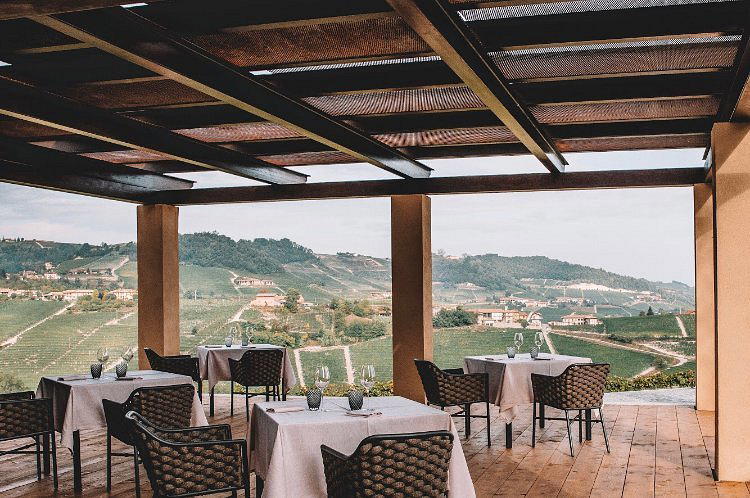
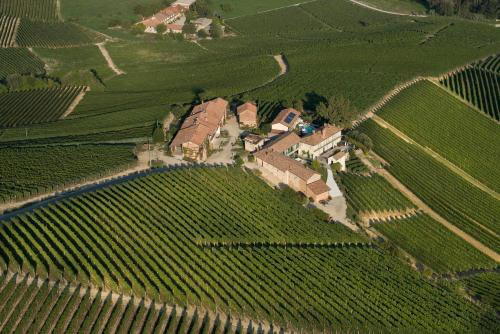
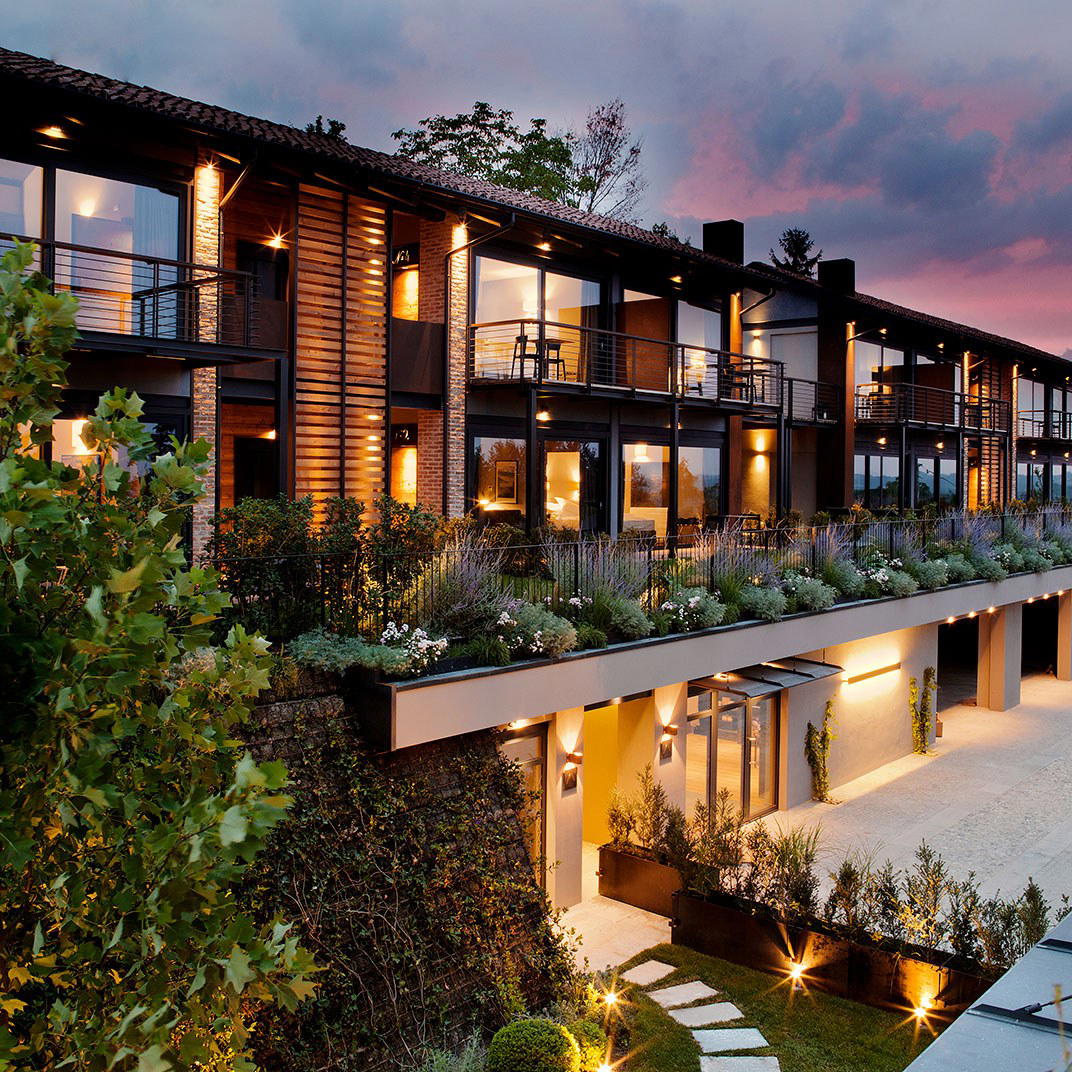
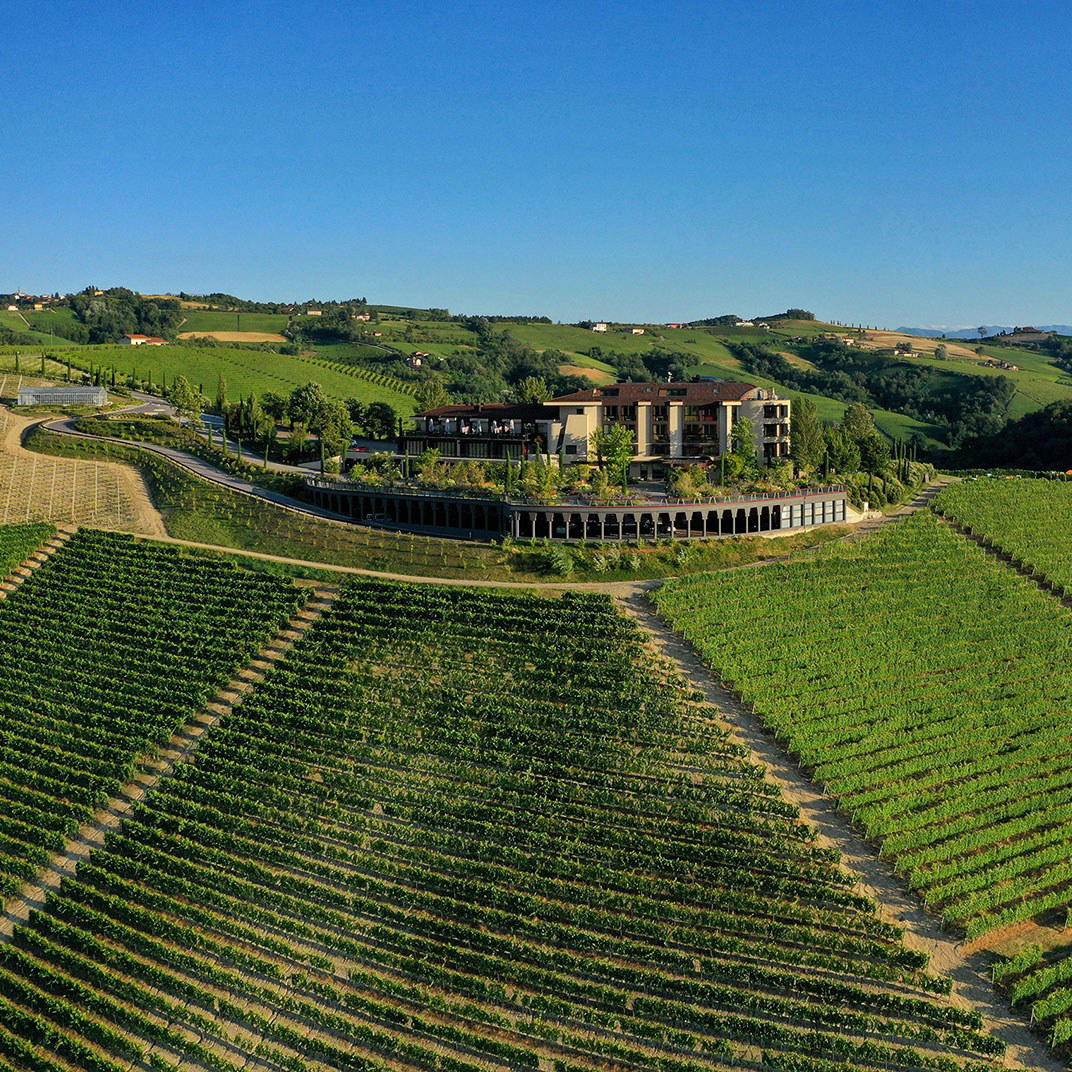
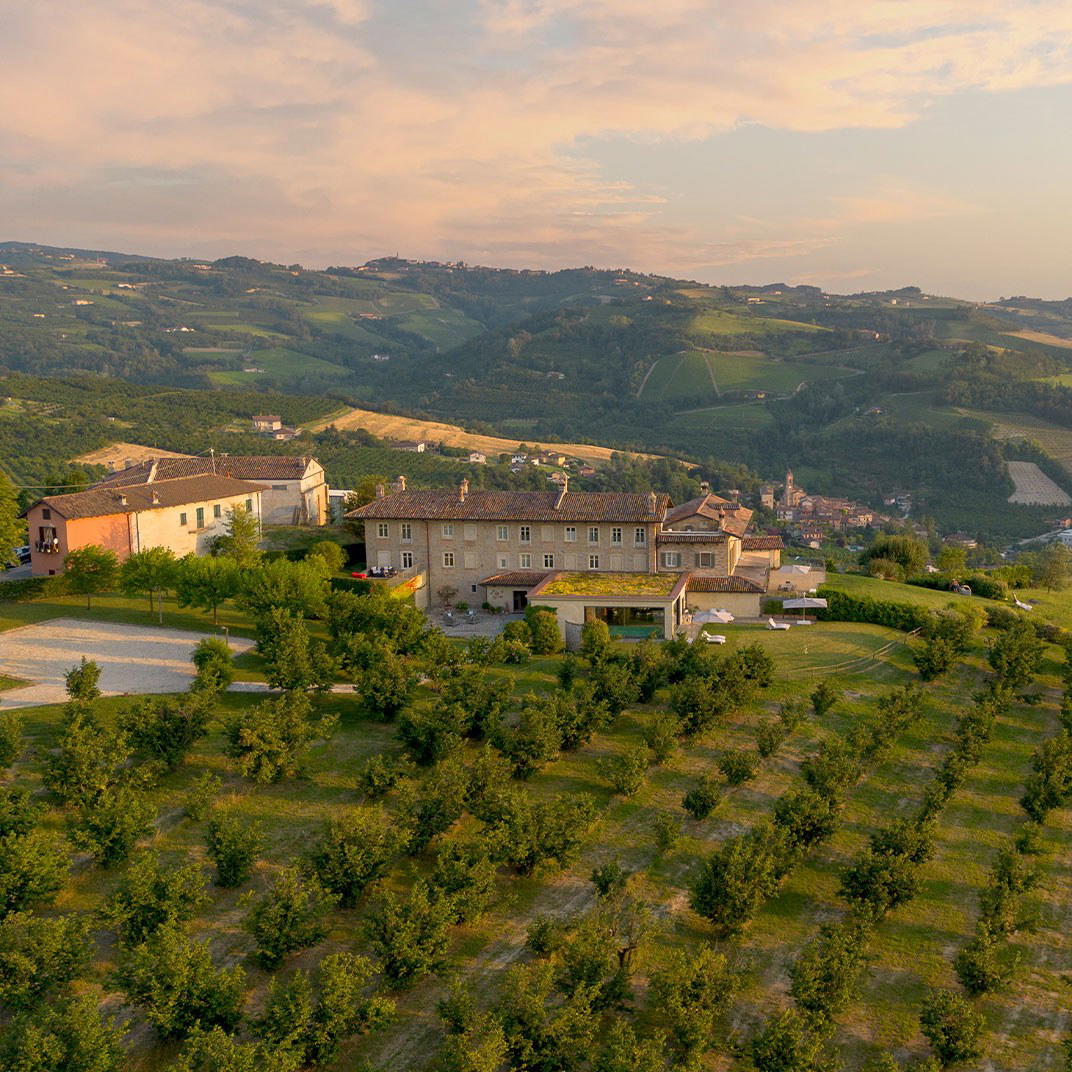
La Morra gives Barolo a particular kind of theatre: hillsides that look gentle from a distance, then remind visitors how closely this wine culture is tied to place. Tenuta L’Illuminata belongs in that setting as a renovated winery estate associated with elegant, terroir-driven Barolo production in the hills of La Morra. The picture is concise but useful: this is a scenic, quiet venue where the working cellar and the landscape are central to the experience.
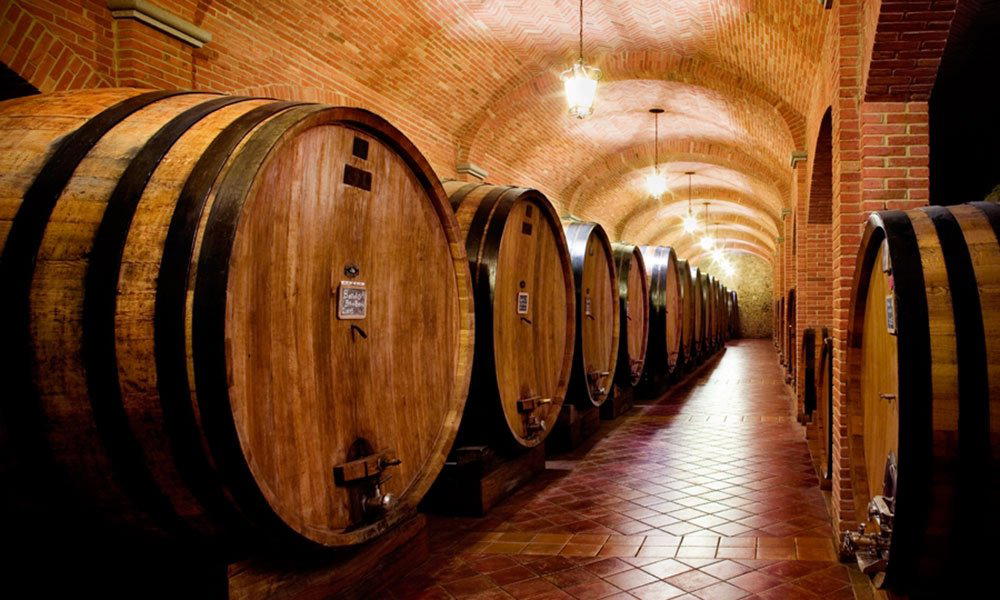
The strongest confirmed details are not about a restaurant menu, a tasting format, a chef or a hospitality programme. They are about the winery environment itself. Tenuta L’Illuminata is described through modern vinification and ageing spaces, including French oak barriques and large Slavonian oak casks. Those details matter because they place the estate within a serious Barolo context without requiring unsupported claims about individual wines, vineyard parcels, awards, scores or production size.
Barolo production and the discipline of a cellar-led estate
Tenuta L’Illuminata is best understood as a La Morra winery setting rather than as an all-purpose leisure venue. The confirmed emphasis is on Barolo production, with the atmosphere tied to a renovated cellar and ageing spaces. That makes the experience more about the language of Nebbiolo, oak, time and terroir than about added amenities or theatrical service details.
The presence of French oak barriques and large Slavonian oak casks gives a grounded way to read the estate. A careful description should stop at what is known: the winery uses modern vinification and ageing spaces, and its identity is connected with elegant Barolo production in La Morra.
That restraint is important for a premium guide. None of those should be assumed here. For the winery, the reliable draw is narrower and clearer: a scenic, quiet Barolo estate setting with a renovated winery environment and a cellar language that includes both French oak barriques and large Slavonian oak casks.
La Morra terroir is the story, not the scenery
La Morra’s appeal can be misread as purely visual, but the description of the winery points toward terroir-driven Barolo rather than simple scenery. The hills provide atmosphere, but they also frame why visitors come to this part of Piedmont: to understand Barolo through place, ageing and the relationship between cellar work and landscape.
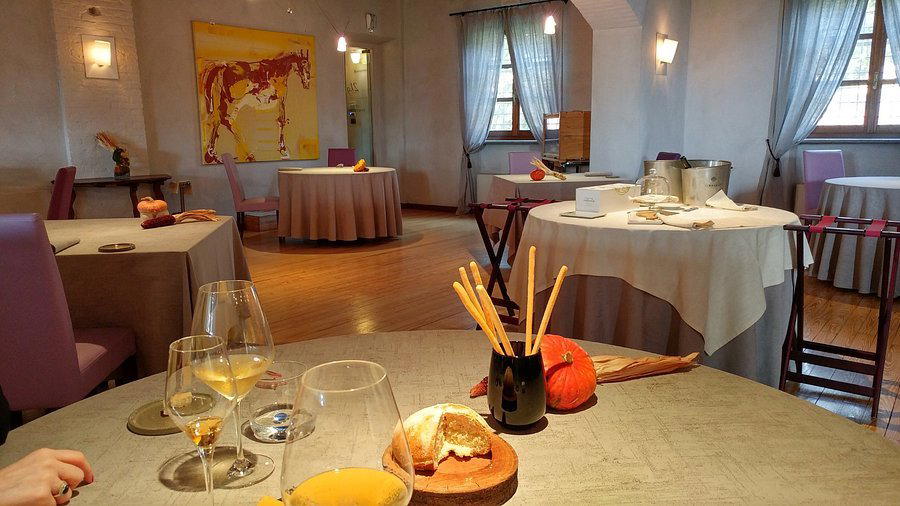
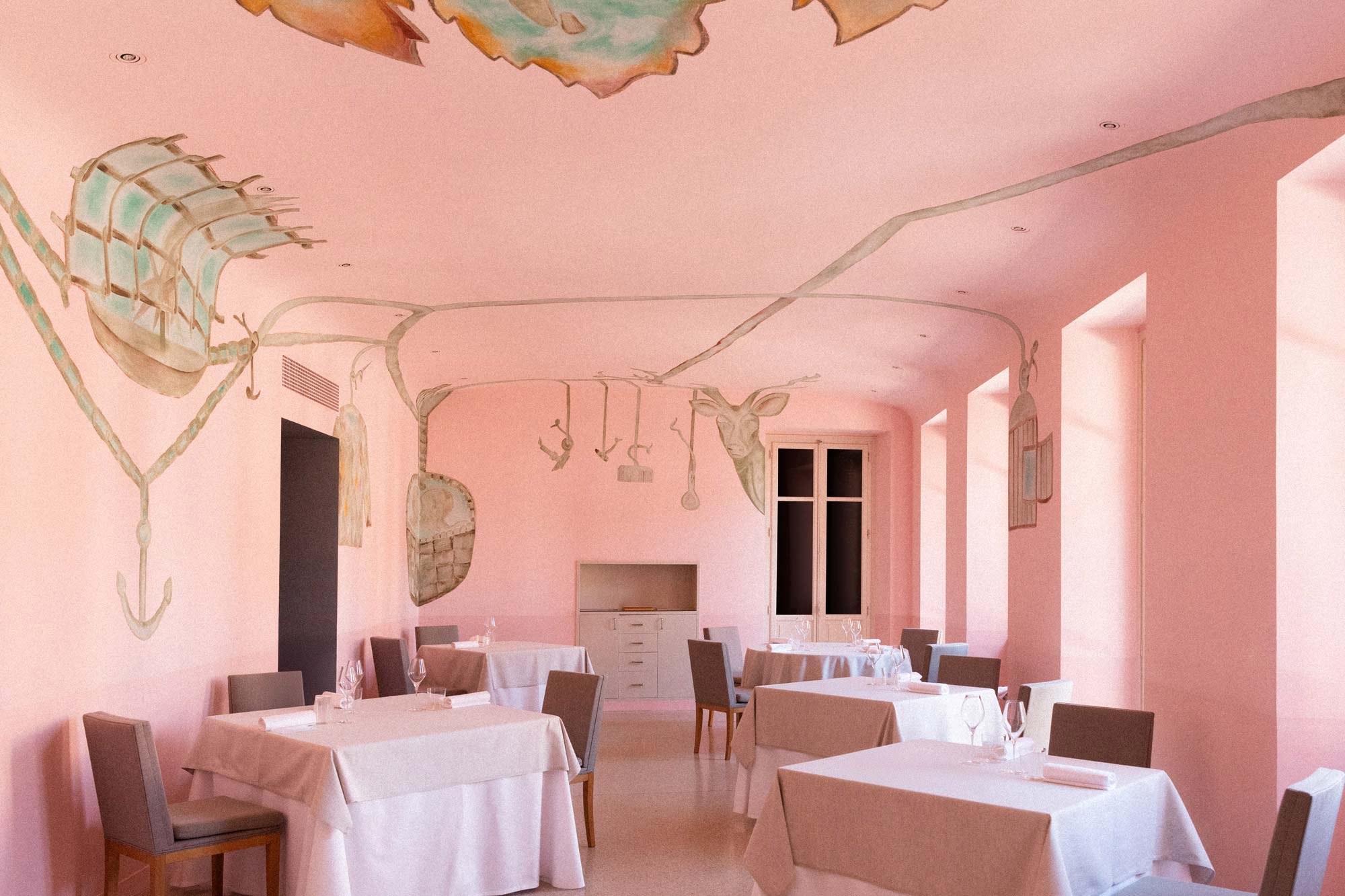
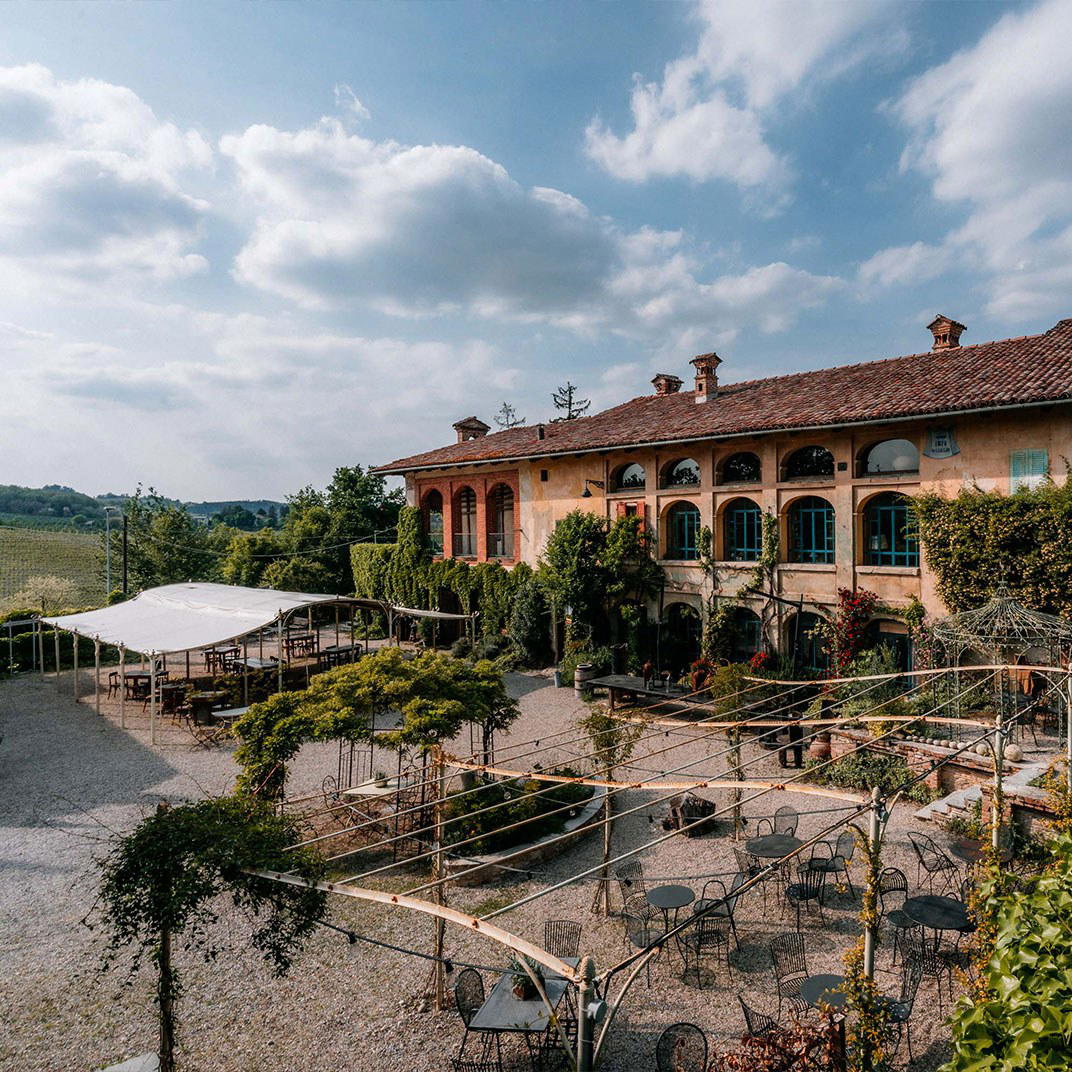
The venue’s mood is described as scenic and quiet. That makes it a strong fit for travellers who want a composed winery stop rather than a page built around dining claims, nightlife language or unsupported hospitality services. The guide should therefore present the winery as a winery estate with an elegant Barolo identity, not as a restaurant or event venue.
The renovated setting also matters. A winery can feel historic, industrial, rustic or polished; the confirmed description here points to a renovated environment with modern vinification and ageing spaces. That gives the estate a contemporary working-cellar character while keeping the focus on Barolo in the hills of La Morra.
How to read it within a La Morra wine itinerary
For a La Morra wine itinerary, the winery works well as a focused stop for travellers interested in Barolo atmosphere and cellar context. It should be approached as a scenic, quiet winery setting where the story is production-led: renovated spaces, modern vinification, French oak barriques, large Slavonian oak casks and a terroir-driven Barolo identity.
Because the confirmed data is deliberately limited, planning details should remain flexible. Do not infer opening hours, appointment policies, guided tasting formats, bottle lists or food service from the available description. The practical takeaway is simpler: the winery is in La Morra, carries a $$$ price marker, and is positioned as an elegant Barolo estate environment rather than a broad hospitality complex.
Readers building out a La Morra plan can widen the frame through other dining and wine options in La Morra generically, while keeping the winery in mind for a quieter winery-focused experience. For a broader city plan, use Our full La Morra wineries guide alongside Our full La Morra restaurants guide, Our full La Morra hotels guide, Our full La Morra bars guide and Our full La Morra experiences guide. The essential reason to include the winery is not an accolade or a highly specific tasting promise, but the grounded appeal of a renovated La Morra Barolo estate with a calm, scenic atmosphere.
Recognition history
Dated appearances from independent guides and award organizations, with the underlying list record or original source where available.
Falstaff Winery - Listed
Falstaff
Continue exploring
More in La Morra
Wineries in La Morra
Browse all →
Bars in La Morra
Browse all →
Restaurants in La Morra
Browse all →
At a Glance
- Scenic
- Quiet
- Elegant
- Classic
- Sophisticated
- Wine Education
- Special Occasion
- Solo Exploration
- Barrel Room
- Vineyard Tour
- Estate Grounds
- Private Tasting
- Historic Building
- Vineyard
- Barolo DOCG
- Nebbiolo
- Barbera
- Dolcetto
- Still Red
- Tasting By Appointment
- Cellar Tasting
A renovated winery setting with modern vinification and ageing spaces, including French oak barriques and large Slavonian oak casks; the atmosphere is tied to elegant, terroir-driven Barolo production in the hills of La Morra.