Abrigo Fratelli

Falstaff Winery - Listed
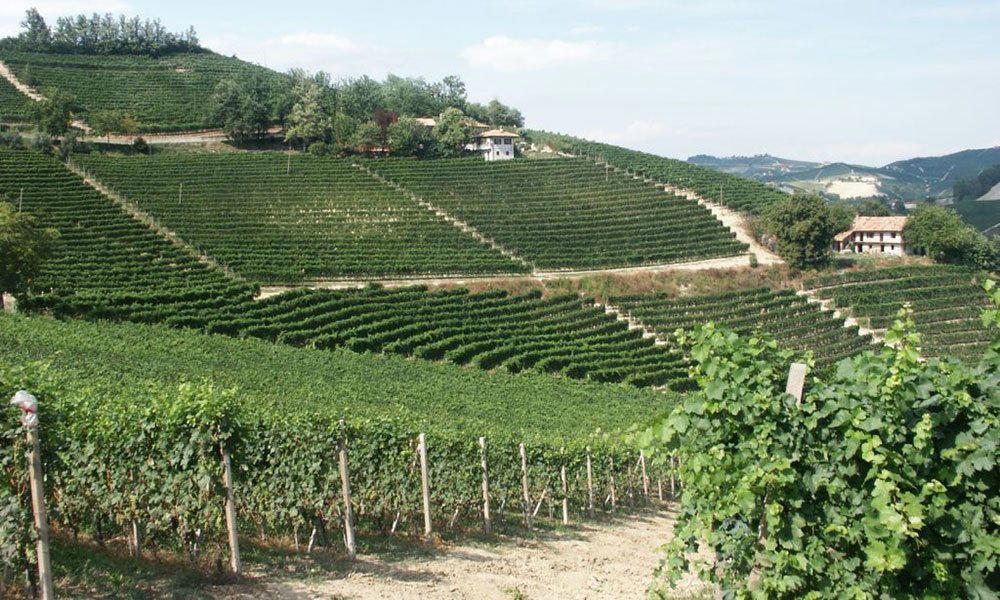
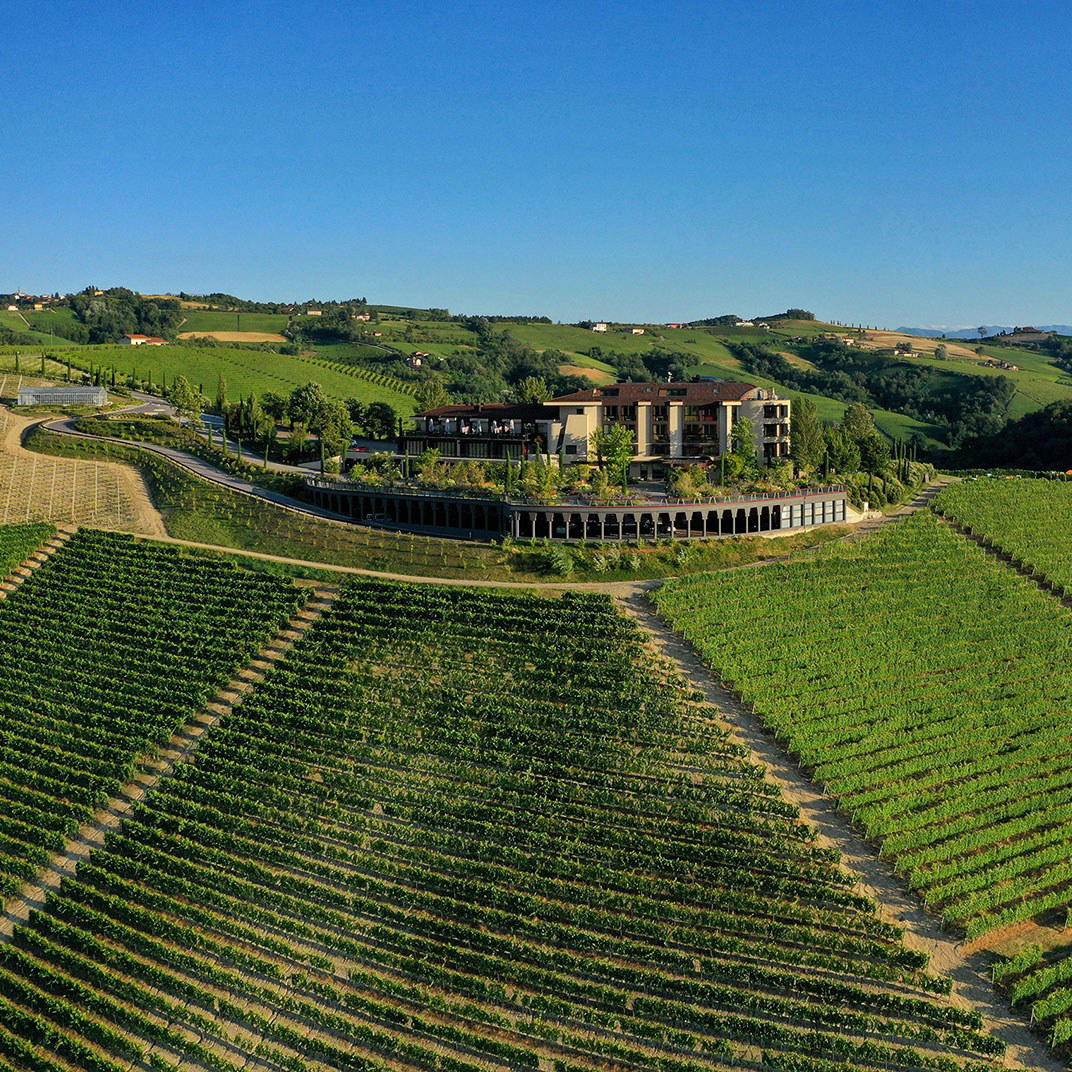
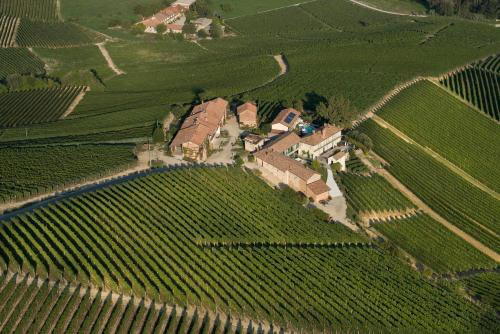
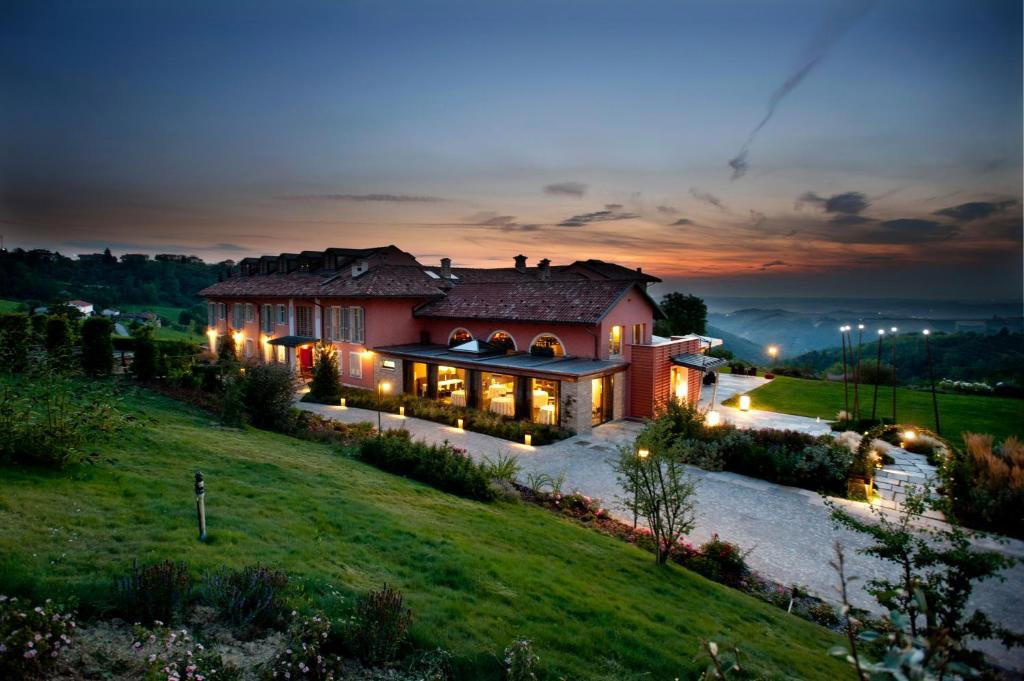
Abrigo Fratelli gives Diano d’Alba a compact, terroir-led winery visit: family-run, founded in 1935, and focused on classic Langhe grapes with Dolcetto di Diano d’Alba DOCG at the center. The appeal is not spectacle, but the scale of the place: vineyards, cellar context, and a quiet hillside setting that make the local appellation easier to understand in the glass.

Pearl is the En Primeur Club membership app — saves, bookings, and concierge access live there. Same editors, same standards.
- Address
- Diano d'Alba, Cuneo, Italien
- Directions
- Get directions
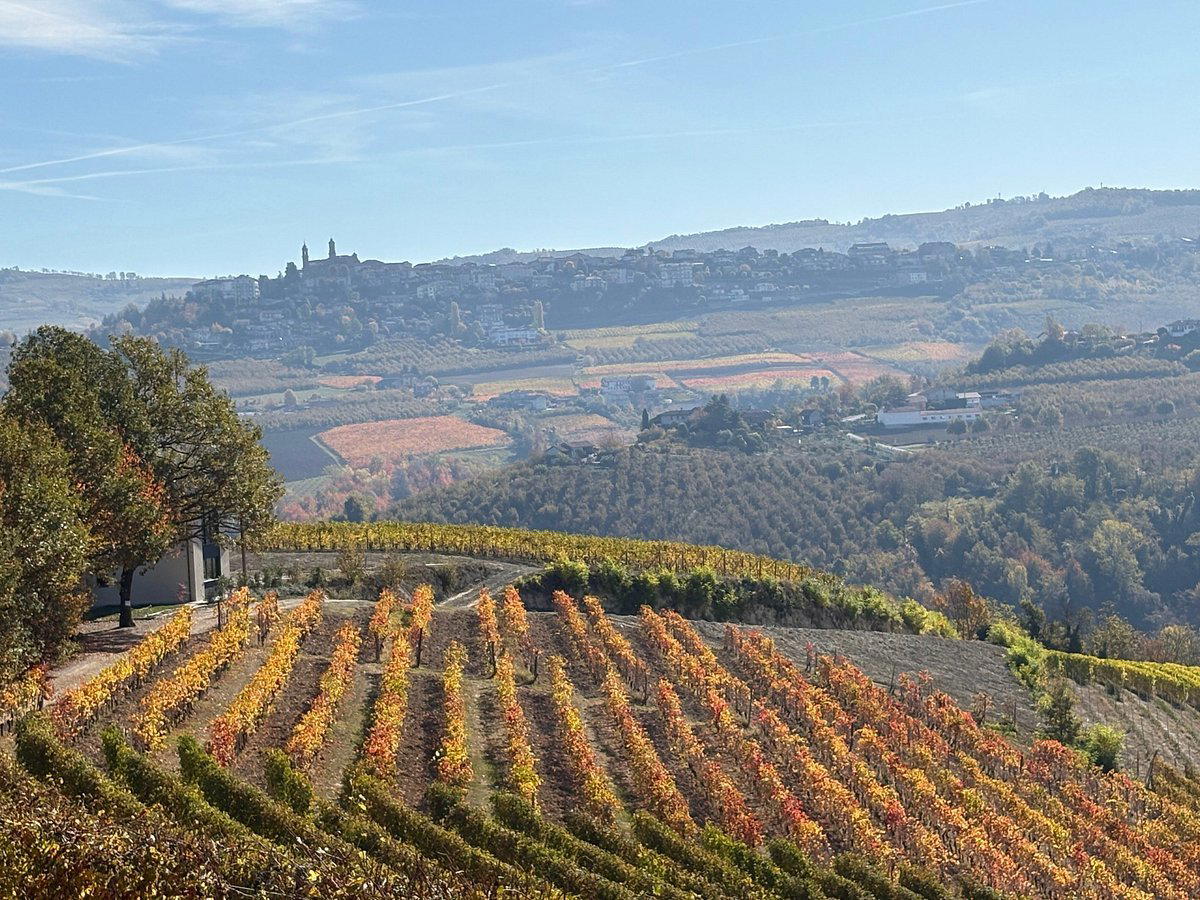
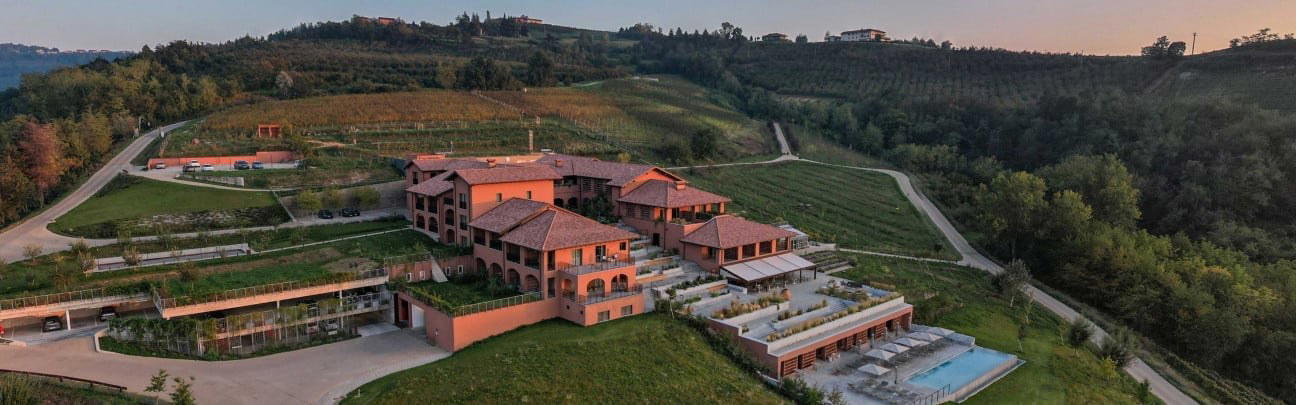
Abrigo Fratelli is a family-run Langhe winery in Diano D Alba, set in quiet hillside surroundings and presented around a warm, hospitable style of visit. The draw is not a restaurant-style menu, a named chef, or a formal service format. It is the chance to spend time at a winery where vineyard and cellar tours are paired with storytelling about the estate’s history and traditional winemaking.
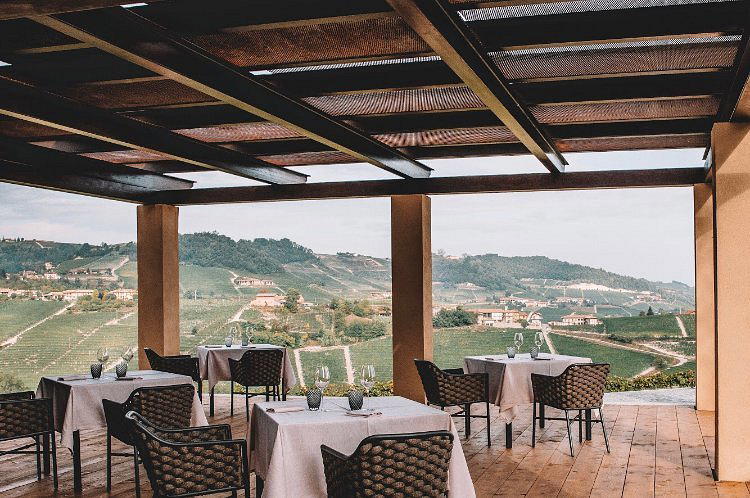
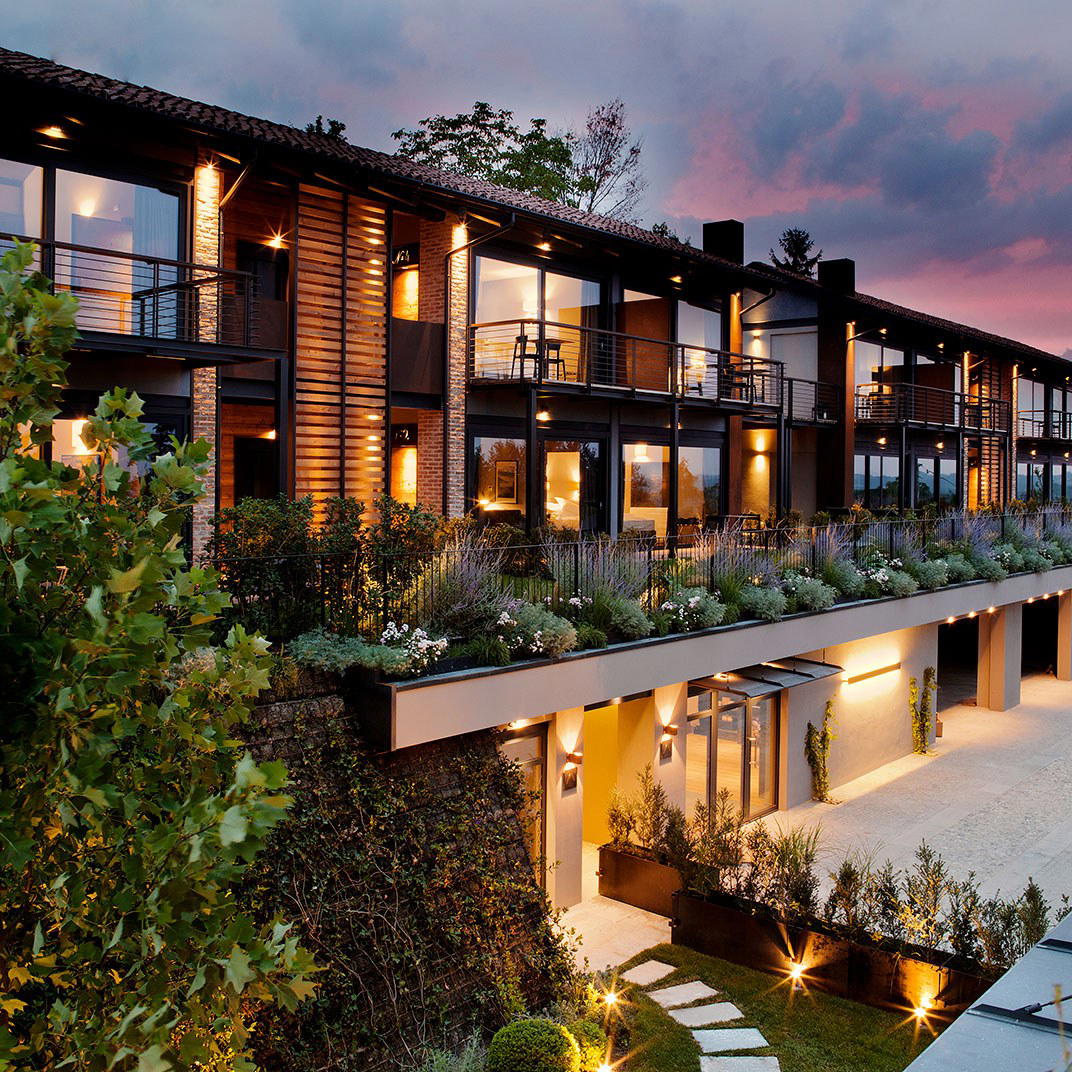
That makes Abrigo Fratelli best understood as a grounded wine-country stop rather than a high-spec destination built around luxury staging. The available confirmed details point to a rustic, scenic, cozy atmosphere: the kind of place where the setting, the family-run character, and the explanation of the work matter more than polished performance. For travelers planning time in Diano D Alba, the appeal is direct: a hospitable Langhe visit with a clear sense of place.
Diano d'Alba reads through Dolcetto, altitude, and limestone
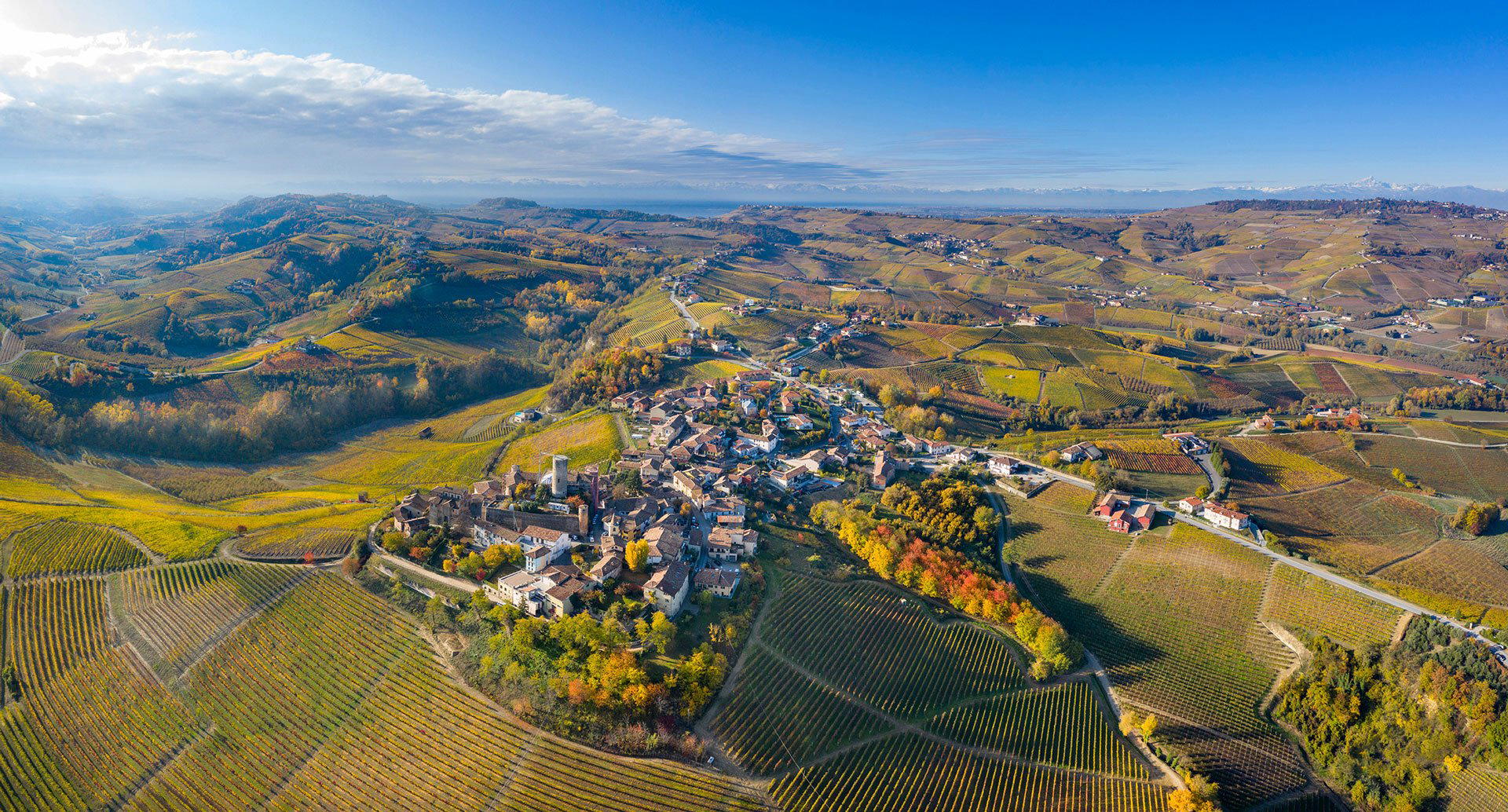
Diano D Alba sits in the Langhe, a region where wine, hillside agriculture, and small-estate hospitality often overlap. For Abrigo Fratelli specifically, the information supports a simpler and more careful reading: this is a family-run winery visit in Diano D Alba, not a page on which grape lists, soil claims, cellar statistics, or production figures should be treated as fact.
Visitors should therefore approach the experience through what is confirmed. Abrigo Fratelli offers the kind of winery context where the vineyard and cellar are part of the visit, and where storytelling about the estate’s history and traditional winemaking is central. That is enough to shape expectations. The experience is about listening, looking, and understanding how the estate presents its work in the range of Diano D Alba.
Because the confirmed data does not specify a complete wine list, menu format, tasting flight, award history, seat count, or production scale, those details should be checked directly with the winery before building a day around them. The reliable planning frame is narrower but useful: a warm, family-run Langhe winery, scenic and quiet, with tours that connect place, cellar, history, and tradition.
The cellar visit favors working context over staged luxury
The strongest description of Abrigo Fratelli is experiential. Vineyard and cellar tours are paired with storytelling, and the atmosphere is described as warm and hospitable. That suggests a visit designed around context: seeing the site, hearing the estate’s story, and understanding traditional winemaking through the people presenting it.
There is no need to overstate the format. A careful visitor should contact the winery directly for current logistics, especially if timing, accessibility, group arrangements, or a particular tasting structure is important.
What can be said confidently is that Abrigo Fratelli is positioned as a hospitable, family-run winery rather than a generic stop. The quiet hillside setting is part of the value. For travelers who prefer personal context over heavily scripted hospitality, that is the reason to keep it on a Diano D Alba itinerary.
How to place it in a Diano d'Alba itinerary
Abrigo Fratelli makes sense in a slower Diano D Alba plan, especially for visitors who want a winery experience with a clear family-run identity. Since the confirmed price is $20 per person, it can be treated as a modestly priced stop, though guests should still confirm the current offer before arrival because formats and inclusions can change.
Plan the visit around the strengths: hillside setting, vineyard and cellar context, estate storytelling, and a warm, rustic atmosphere. If the rest of the day includes dining or other wine visits in Diano D Alba, leave enough time between appointments rather than treating the winery as a quick checklist item. The value of this kind of visit comes from the conversation and the setting as much as from any individual pour.
For travelers comparing options, keep the frame local and practical. Abrigo Fratelli can be considered alongside other unnamed Diano D Alba winery and dining possibilities, but the confirmed information here is specific to Abrigo Fratelli itself. Use broader Diano D Alba guides for restaurants, hotels, bars, and experiences only as planning tools, then verify any time-sensitive details directly with each venue.
The critical read is simple: Abrigo Fratelli is a warm, family-run Langhe winery in Diano D Alba, with quiet hillside character and tours that connect vineyard, cellar, estate history, and traditional winemaking. It is strongest for visitors who want a grounded sense of place rather than an experience defined by awards, elaborate service claims, or luxury theatrics.
Recognition history
Dated appearances from independent guides and award organizations, with the underlying list record or original source where available.
Falstaff Winery - Listed
Falstaff
Continue exploring
More in Diano D Alba
Wineries in Diano D Alba
Browse all →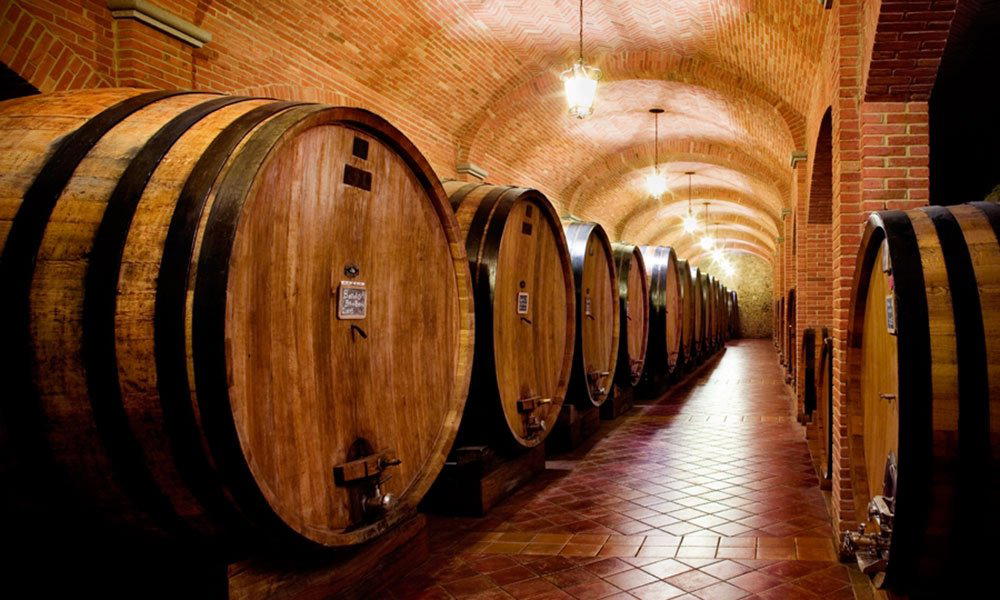
Bars in Diano D Alba
Browse all →
Restaurants in Diano D Alba
Browse all →
Details
- Rustic
- Scenic
- Cozy
- Classic
- Intimate
- Group Outing
- Romantic Getaway
- Wine Education
- Solo Exploration
- Special Occasion
- Vineyard Tour
- Estate Grounds
- Historic Building
- Panoramic View
- Sustainable
- Vineyard
- Mountain
- Dolcetto
- Nebbiolo
- Barbera
- Chardonnay
- Pinot Noir
- Still Red
- Still White
- Sparkling
- Standard Tasting
- Vineyard Tour With Tasting
- Italian
- English
Family-run Langhe winery with a warm, hospitable atmosphere, where vineyard and cellar tours are paired with storytelling about the estate’s history and traditional winemaking, set in quiet hillside surroundings.