

1 Michelin Star · Wine Spectator Best of Award of Excellence
Our verdict
Set across 18 hectares of Piedmontese woodland outside Asti, Cannavacciuolo Le Cattedrali earns its Michelin star through creative cuisine that draws on regional produce and traditional Piedmont flavours, overseen by three-Michelin-star chef Antonino Cannavacciuolo.

Pearl is the En Primeur Club membership app — saves, bookings, and concierge access live there. Same editors, same standards.
- Address
- Frazione Valleandona, 1b, 14010 Valleandona AT, Italy
- Phone
- +39 0141 185 8888
- Hours
- Mon–Tue ClosedWed 12:30–2 PM, 7:30–9 PMThu–Sun 12:30–2:30 PM, 7:30–9 PM
- Website
- lecattedrali.com
- Directions
- Get directions
- Booking
- Book on TheFork
The menu
What to order
- Bluefin tuna in bagna cauda with katsuobushi and capers
- Hen filled plin with mushrooms, gorgonzola and saffron
- Veal sweetbread with bagnet verde, smoked eel and vermouth
- Fusillone with almond and sea urchin cream, cuttlefish and parsley
- Pigeon with black garlic, salted peanuts and Nebbiolo
Where Piedmont's Larder Meets the Hills Above Asti
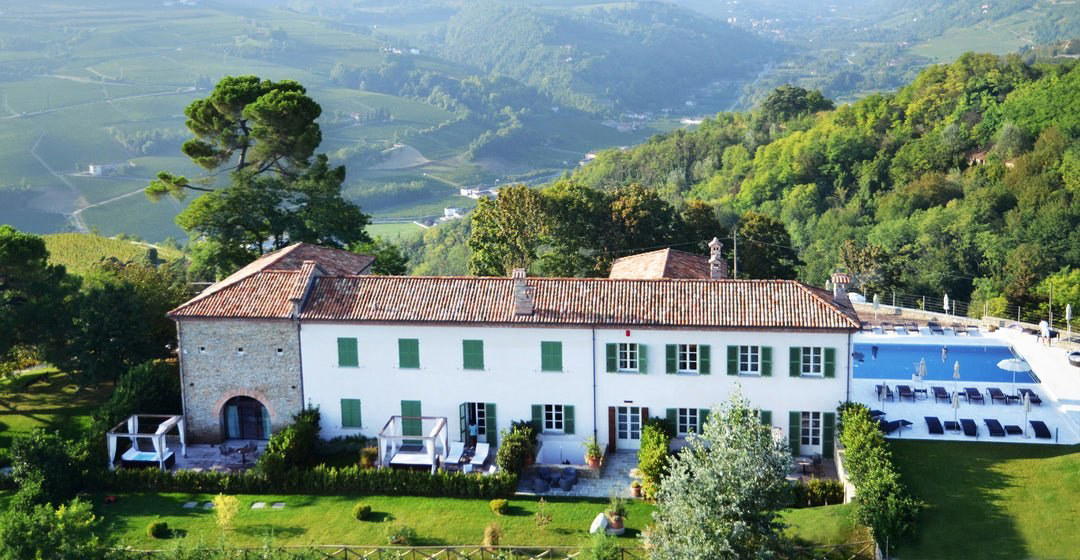
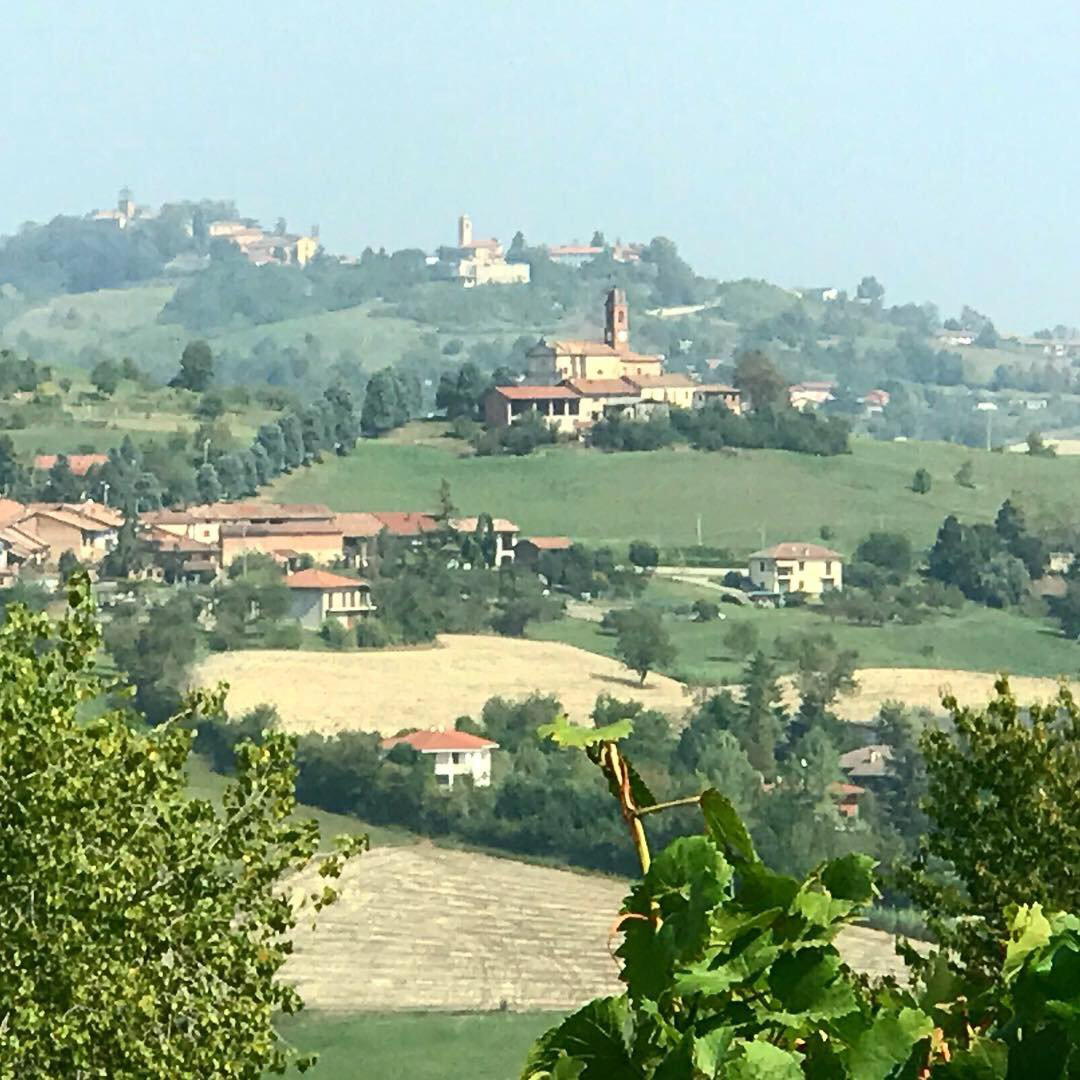
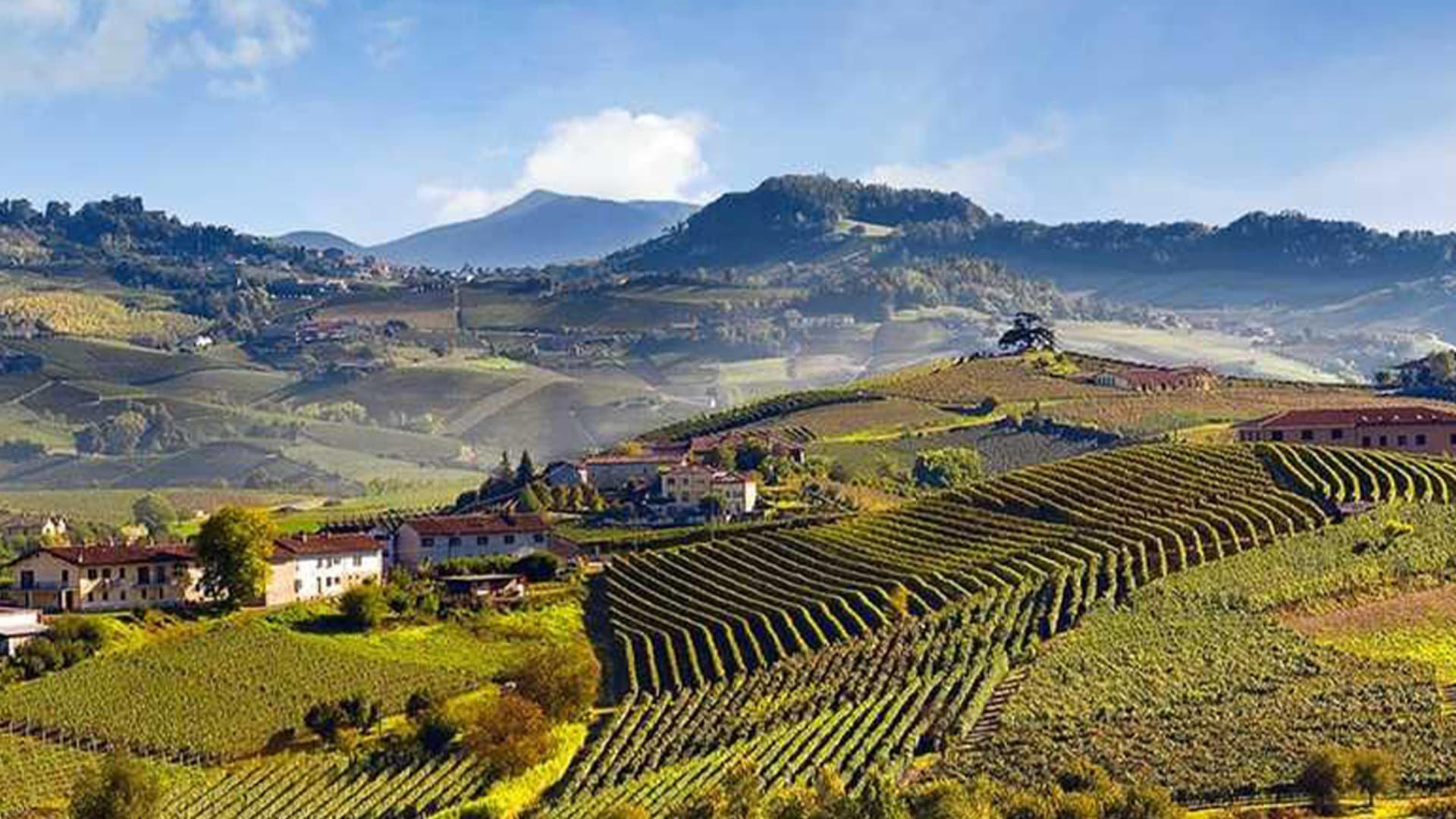
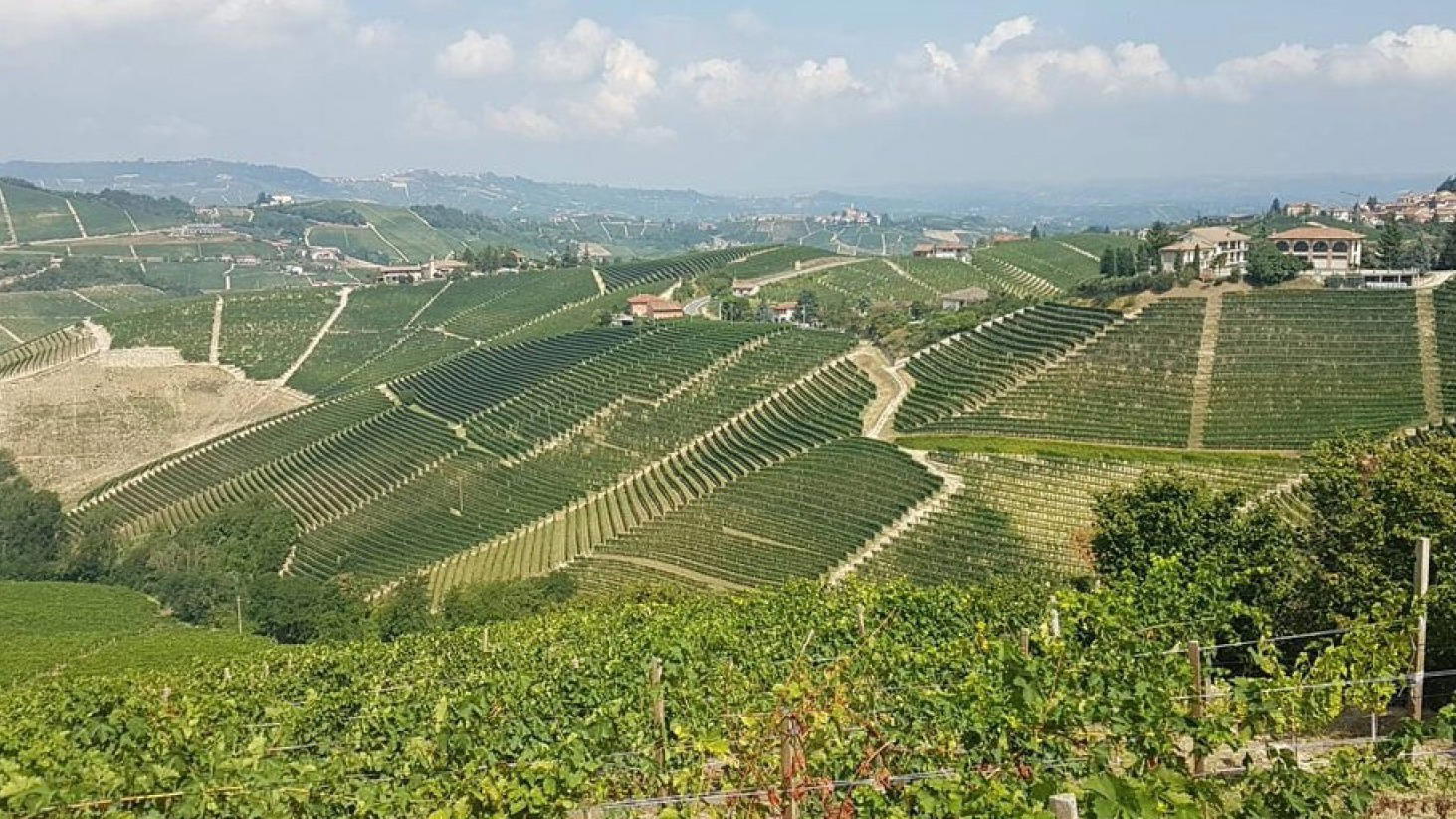
There is a particular category of Italian fine dining that uses geography as its central argument: not the city counter or the urban tasting room, but the rural estate where the sourcing story and the setting are inseparable. In Piedmont, this tradition runs deep. The 18 hectares of woodland and meadow surrounding the property are not incidental scenery; they frame the sourcing logic that runs through the kitchen.
The approach places Le Cattedrali in a specific tier of Italian destination restaurants: properties where arriving requires deliberate travel, and where the meal is the reason. For reference points, consider how Dal Pescatore in Runate or Reale in Castel di Sangro function, you do not stumble into them. Le Cattedrali sits in that same category of intentional destination, distinguished within the Piedmont corridor by its combination of creative technique and local-ingredient discipline.
The Kitchen's Point of Reference
Piedmont's most decorated dining rooms share a structural habit: they anchor modern technique in the region's classic larder rather than using it as a departure point. Piazza Duomo in Alba, the region's most celebrated table, exemplifies this, the creative register is high, but Piedmontese produce grounds every move. Le Cattedrali works within the same framework, though at a different scale and in a rural rather than urban setting.
Resident chef Gianluca Renzi, who trained across multiple high-level kitchens before arriving here, brings a Roman sensibility to a Piedmontese context, a combination that shows in the menu's willingness to move between regional traditions without abandoning the local anchor. The creative cuisine classification in the Michelin guide reflects this: the kitchen is not strictly regional in the sense of replication, but the ingredient sourcing keeps the cooking oriented toward the territory. The programme earned a Michelin star in 2024 under the broader oversight of Antonino Cannavacciuolo, who holds three stars at his flagship Villa Crespi on Lake Orta, making this a serious extension of an established culinary brand rather than a peripheral project.
Comparable structures exist across Italian fine dining: Enrico Bartolini's multi-location operation in Milan, or the way Le Calandre in Rubano has developed satellite formats around a starred core. In each case, the satellite's credibility depends on the parent brand's discipline being genuinely transferred, not just licensed. The 2024 Michelin recognition at Le Cattedrali suggests the transfer has held.
The Sourcing Argument in Practice
Piedmont is one of the few Italian regions where the ingredient supply chain for fine dining is both geographically concentrated and deeply codified. The white truffle harvest around Alba runs from October through December; Barolo grapes come from a narrowly defined set of communes in the Langhe; the Slow Food Presidia covering Piedmontese products number among the highest in any Italian region. A kitchen operating in the hills above Asti, roughly 30 kilometres from Alba by road, is positioned inside that supply chain in a way that urban restaurants in Turin or Milan are not.
Le Cattedrali's cheese trolley, noted for its focus on local options, signals how this positioning translates to the dining room. In Piedmont, the local cheese tradition is substantial: Castelmagno from the Cuneo mountains, Robiola from Langhe and Ossola, Murazzano and Bra, each with appellation status and serious artisan producers. A cheese service built around these products is a credential in itself, and it places the restaurant in conversation with the region's producers in a direct, traceable way. This is the same logic that animates kitchens like Atelier Moessmer Norbert Niederkofler in Brunico, where the Alpine sourcing boundary is the defining editorial premise of the entire menu.
For international comparisons in the creative-cooking register, Arpège in Paris has spent decades making the sourcing provenance as legible as the technique, and Alléno Paris au Pavillon Ledoyen has pursued a different version of the same discipline through sauce and fermentation work rooted in French produce. At Le Cattedrali, the Piedmontese context does the equivalent work: the territory is the argument, and the kitchen's creative range operates within that frame.
The Wine Programme
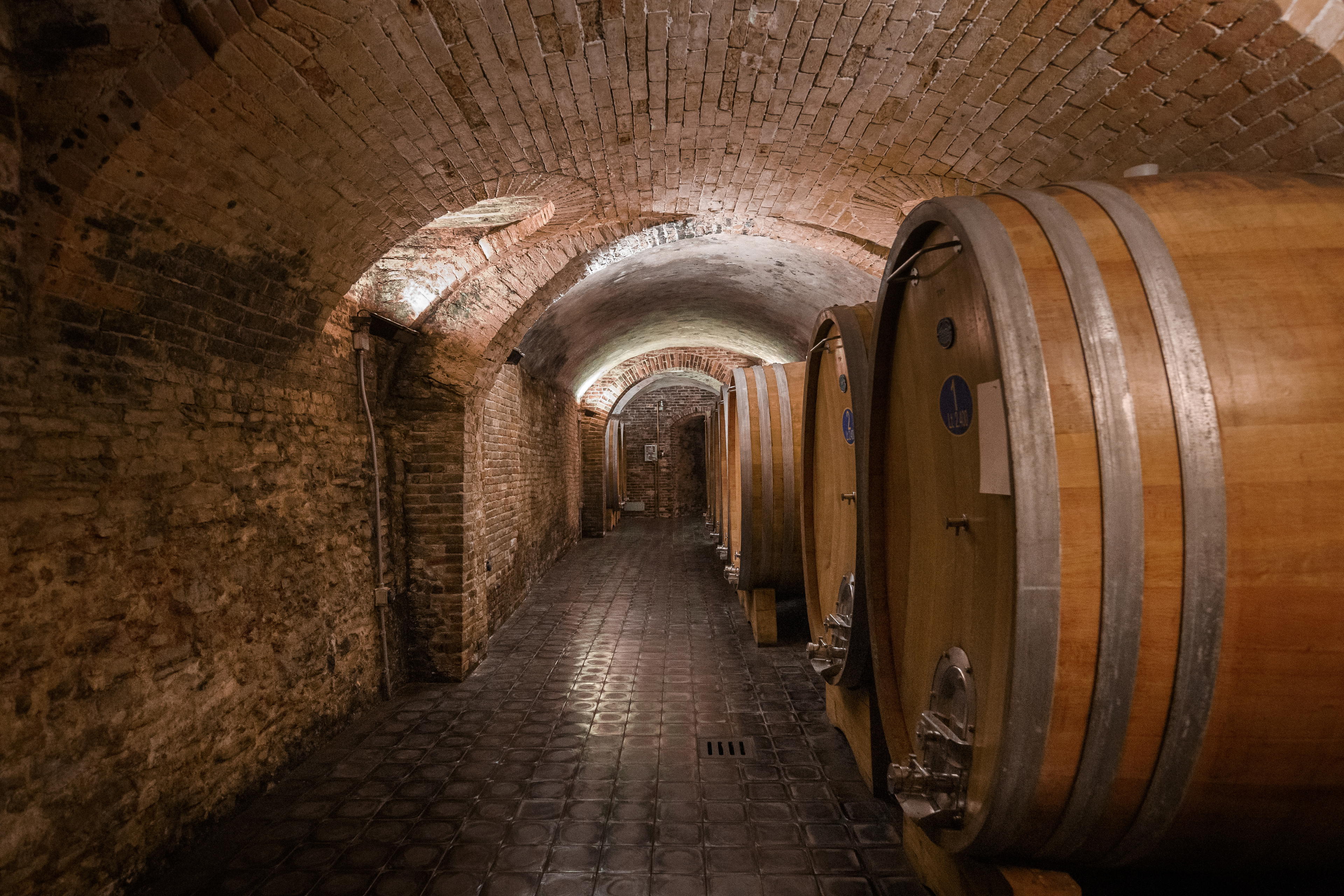
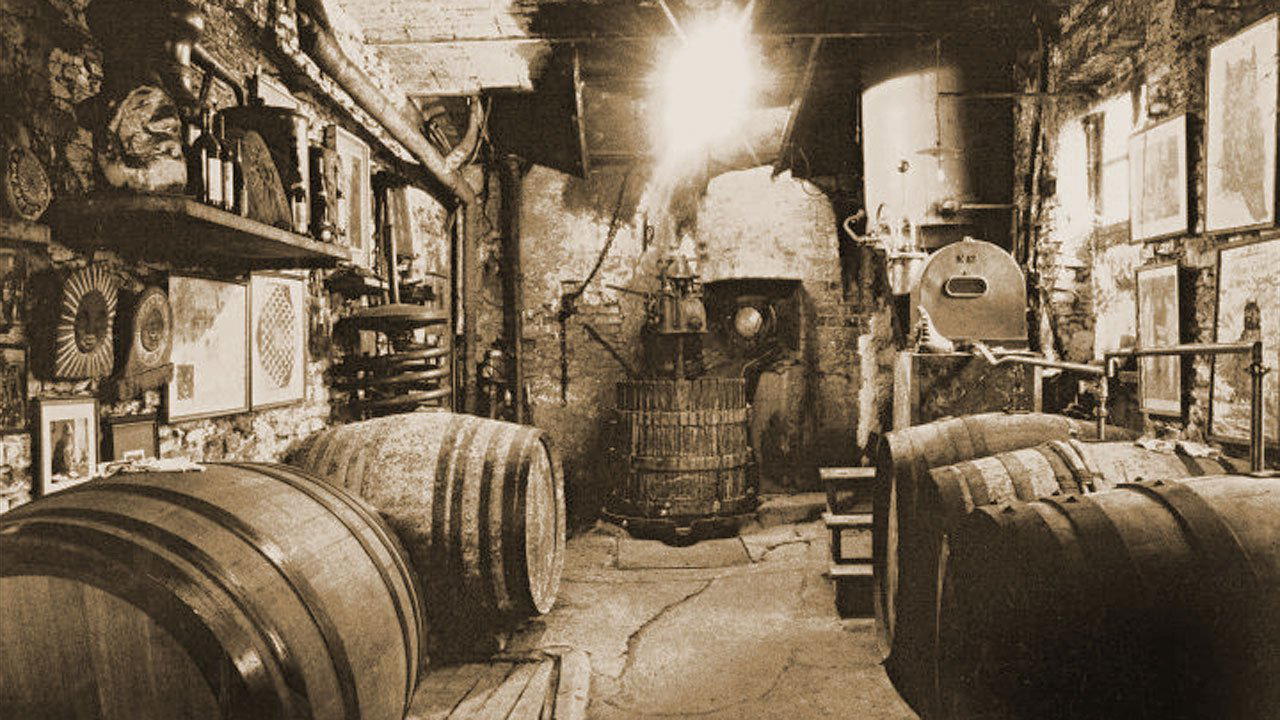
The wine list at Le Cattedrali, 2,565 selections with an inventory of approximately 13,560 bottles, is substantial enough to position the restaurant as a serious cellar destination rather than a competent accompaniment. The Piedmont coverage matters most in this context: the property is within the appellation geography of Barbera d'Asti, Moscato d'Asti, and Monferrato, and within a day-trip radius of Barolo and Barbaresco country. A wine list that engages seriously with these appellations at this price point (categorised at the higher markup tier, with many bottles above the €100 equivalent threshold) positions Le Cattedrali alongside the serious-cellar operations in Italian fine dining.
For context, Enoteca Pinchiorri in Florence remains the benchmark for Italian restaurant cellars, with a collection that has been building for decades. Le Cattedrali does not compete at that scale, but a 13,500-bottle inventory with particular strength in Burgundy and Piedmont places it in a credible second tier. Corkage is available at €50 for guests who wish to bring their own bottles, an option that makes geographic sense given the property's proximity to notable private cellars in the region.
Setting and Format
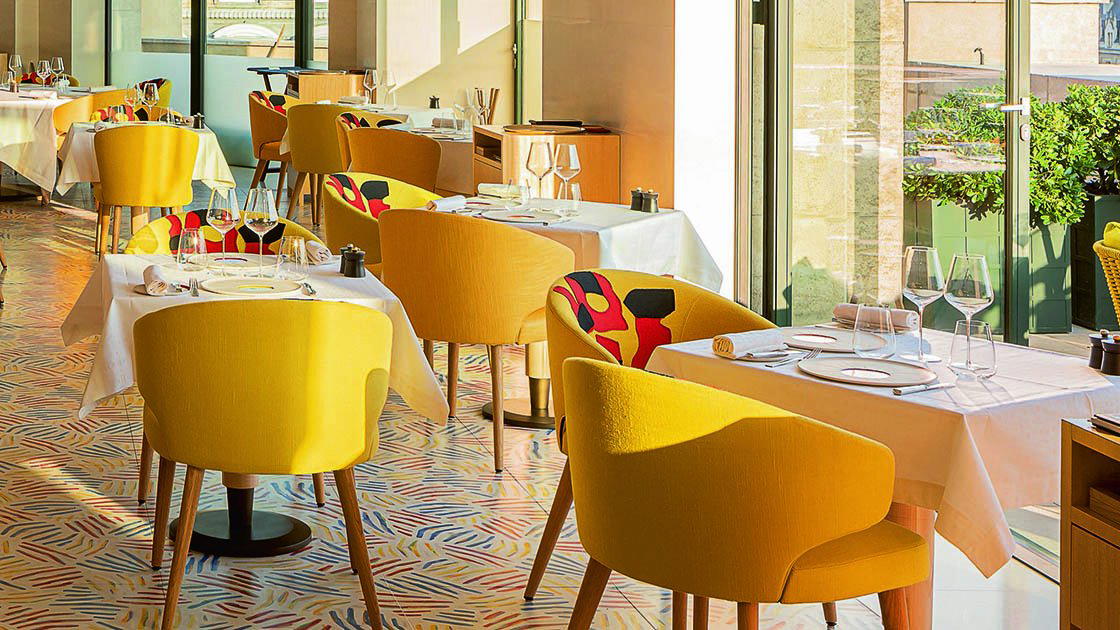
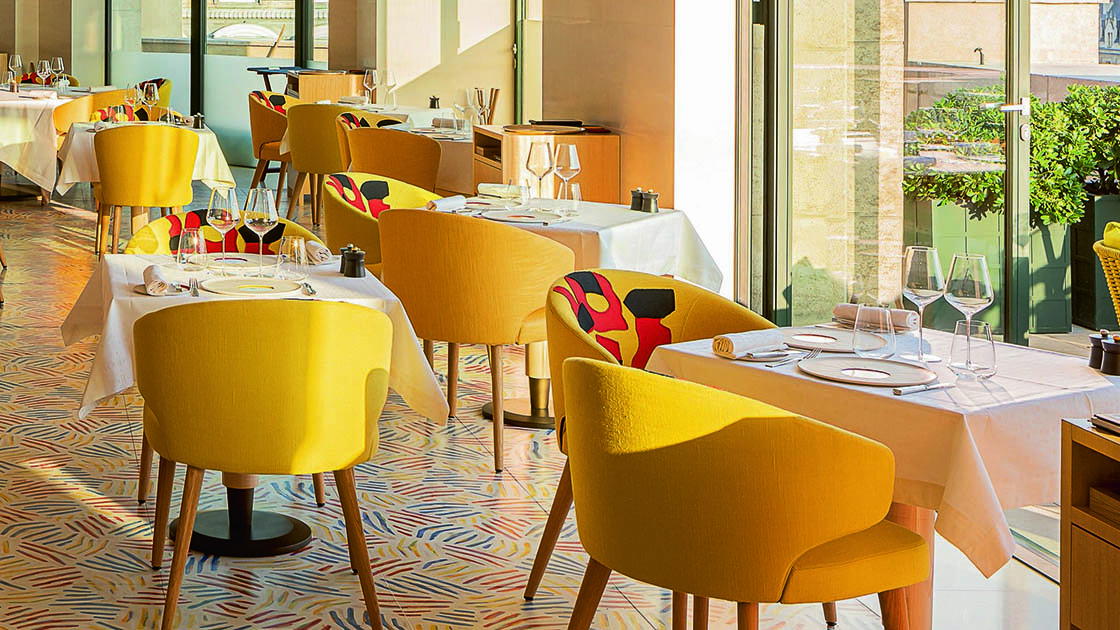
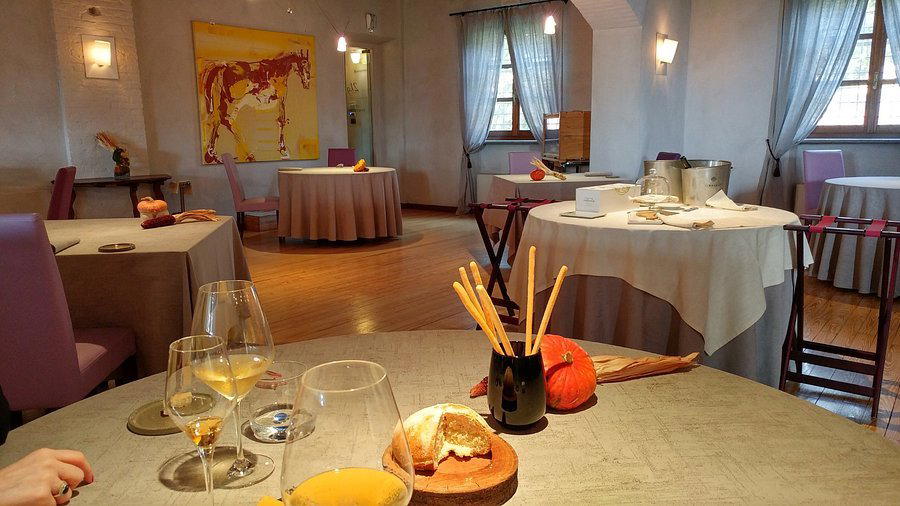
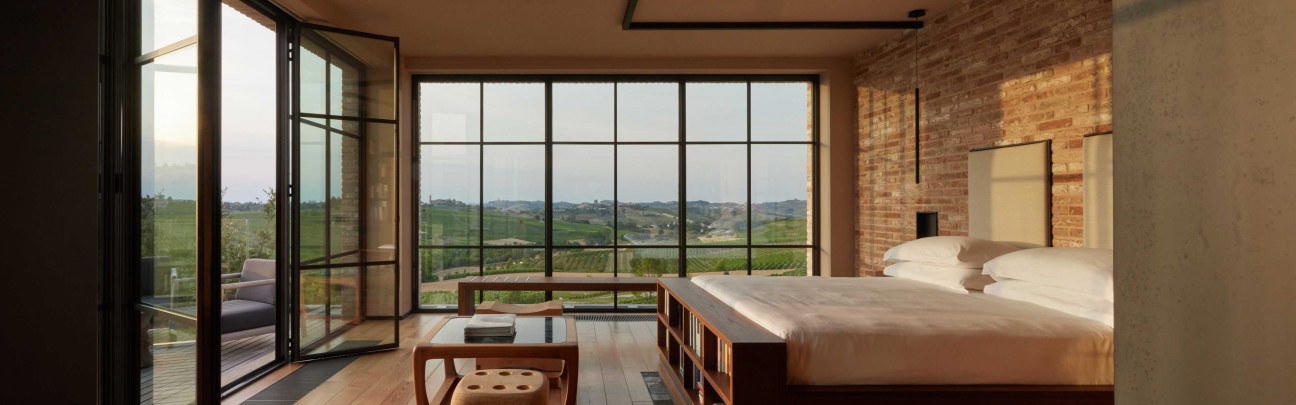
The property's contemporary and minimalist interior design sits in deliberate tension with the agricultural surroundings. The 18 hectares of woodland and meadow give the approach room to work, the contrast between the clean-lined interior and the organic exterior reads differently when there is genuine countryside scale rather than a token garden.
The kitchen operates for both lunch and dinner Wednesday through Sunday, closing Monday and Tuesday. Service runs from 12:30 in the afternoon with dinner seatings from 7:30 in the evening. Lunch service on Wednesday runs until 2:00 PM; Thursday through Sunday the window extends to 2:30 PM. The restaurant also operates as an inn with guestrooms, which makes an overnight stay the most considered way to experience both the cellar and the kitchen without the constraint of a return journey.
General Manager Massimo Chiappo Buratti oversees operations that include a front-of-house team described in available documentation as notably young, a signal of the training investment that tends to follow branded Michelin operations into their satellite locations. Owner Livio Negro's decision to bring the Cannavacciuolo name to this Asti-area property reflects a broader pattern in Italian fine dining, where established three-star chefs have extended their reach into the countryside estates that have long defined Italian hospitality at its most serious.
For readers planning a wider Piedmont dining trip, the regional context is rich: see our full Asti restaurants guide, along with guides to Asti hotels, bars, wineries, and experiences. Among Asti's own dining options, Il Cavallo Scosso offers a contemporary point of comparison within the city itself. Further afield in the coastal Italian creative register, Uliassi in Senigallia and Quattro Passi in Marina del Cantone represent the southern and Adriatic ends of the same creative-Italian conversation. And for those who want to benchmark against the country's highest-rated tables, Osteria Francescana in Modena remains the reference point that all others work against.
Frequently asked questions
What are the opening hours for Cannavacciuolo Le Cattedrali Asti?
Hours at Cannavacciuolo Le Cattedrali Asti: Monday closed Tuesday closed Wednesday 12:30 PM-2 PM 7:30 PM-9 PM Thursday 12:30 PM-2:30 PM 7:30 PM-9 PM Friday 12:30 PM-2:30 PM 7:30 PM-9 PM Saturday 12:30 PM-2:30 PM 7:30 PM-9 PM Sunday 12:30 PM-2:30 PM 7:30 PM-9 PM.
Where do I go for Cannavacciuolo Le Cattedrali Asti?
Cannavacciuolo Le Cattedrali Asti is located at Frazione Valleandona, 1b, 14010 Valleandona AT, Italy, Asti.
Quick Comparison
| Venue | Cuisine | Price | Awards | Notes |
|---|---|---|---|---|
| Cannavacciuolo Le Cattedrali AstiThis venue — the venue you are viewing | Modern Piedmontese Fine Dining | $150–200 | 1 Michelin Star · Wine Spectator Best of Award of Excellence | Not listed |
| Atelier Moessmer Norbert Niederkofler | Italian, Creative | Not listed | Michelin 3 Star | Not listed |
| Dal Pescatore | Italian, Italian Contemporary | Not listed | Michelin 3 Star | Not listed |
| Enoteca Pinchiorri | Contemporary Italian Fine Dining | $200–300 | 3 Michelin Stars · World's 50 Best #32 | Italian - French, Italian Contemporary |
| Enrico Bartolini | Creative | Not listed | Michelin 3 Star | Not listed |
| Osteria Francescana | Avant-Garde Italian Contemporary | $300–500 | 3 Michelin Stars · World's 50 Best #1 | Progressive Italian, Creative |
Recognition history
Dated appearances from independent guides and award organizations, with the underlying list record or original source where available.
Michelin 1 Star
Michelin
Wine Spectator Best of Award of Excellence
Wine Spectator
Full recognition history (5 entries)
Michelin 1 Star
Michelin
Wine Spectator Best of Award of Excellence
Wine Spectator
Michelin 1 Star
Michelin
Continue exploring
More in Asti
Restaurants in Asti
Browse all →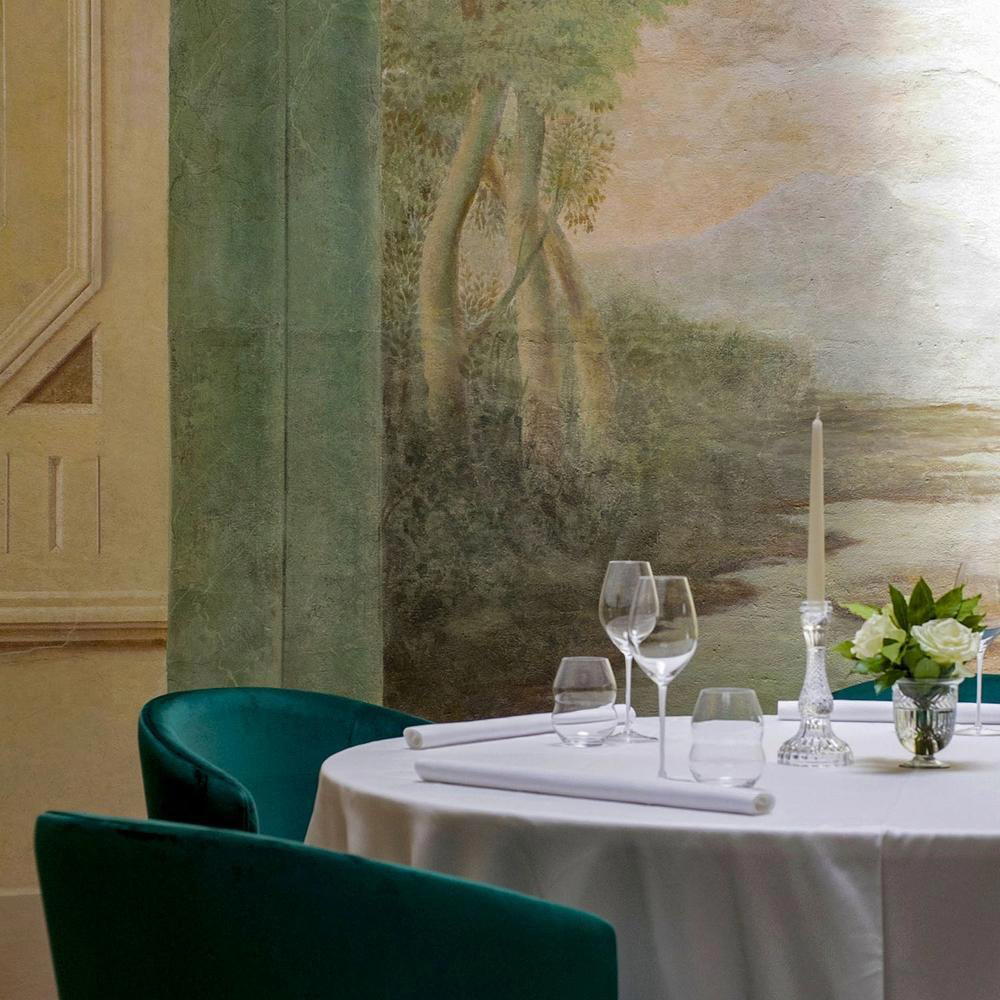
Bars in Asti
Browse all →
Hotels in Asti
Browse all →
Details
- Elegant
- Sophisticated
- Modern
- Scenic
- Date Night
- Special Occasion
- Celebration
- Business Dinner
- Wine Cellar
- Garden
- Private Dining
- Terrace
- Panoramic View
- Design Destination
- Hotel Restaurant
- Extensive Wine List
- Sommelier Led
- Farm To Table
- Local Sourcing
- Garden
- Tasting Menu
- A La Carte
- Prix Fixe
- Wine Pairing
- Italian Wine
- Craft Cocktails
- Vegetarian Friendly
- Allergy Accommodating
Current opening hours
- Monday
- Closed
- Tuesday
- Closed
- Wednesday
- 12:30–2 PM, 7:30–9 PM
- Thursday
- 12:30–2:30 PM, 7:30–9 PM
- Friday
- 12:30–2:30 PM, 7:30–9 PM
- Saturday
- 12:30–2:30 PM, 7:30–9 PM
- Sunday
- 12:30–2:30 PM, 7:30–9 PM
Hours can change for holidays and private events. Last verified .
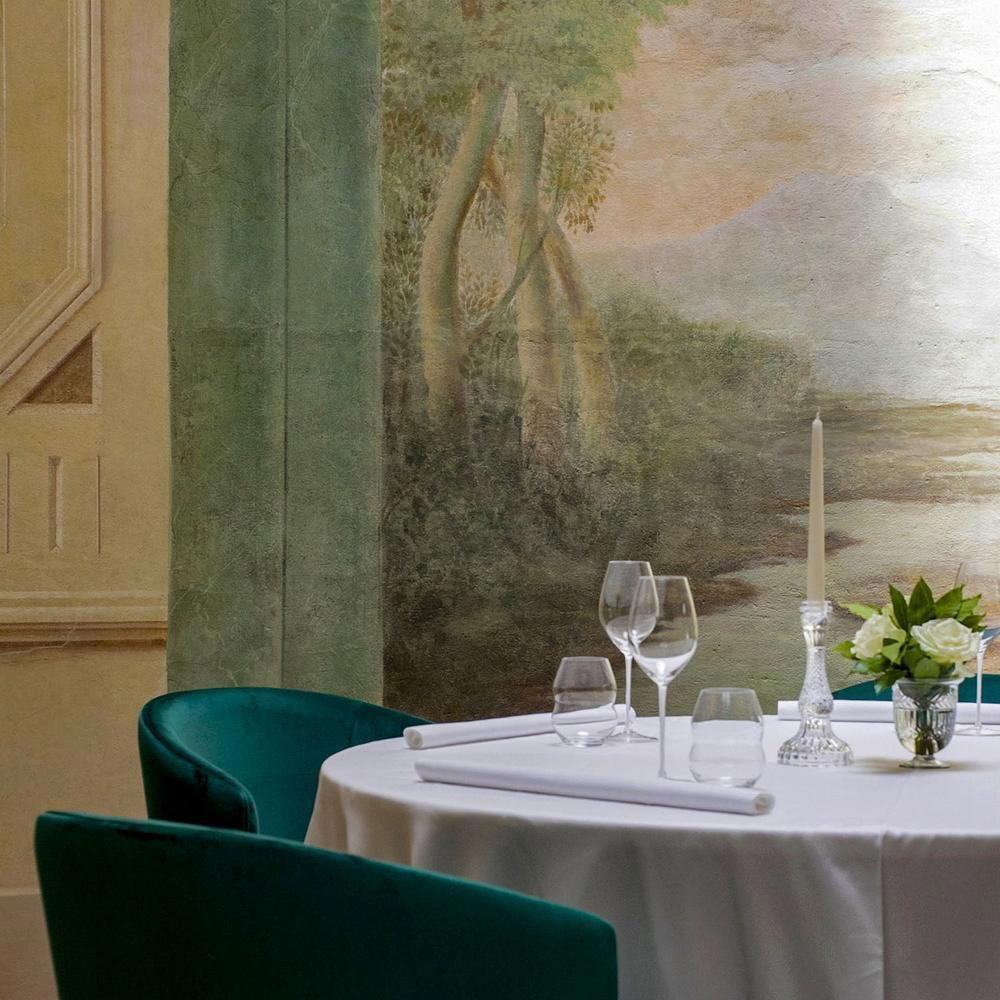
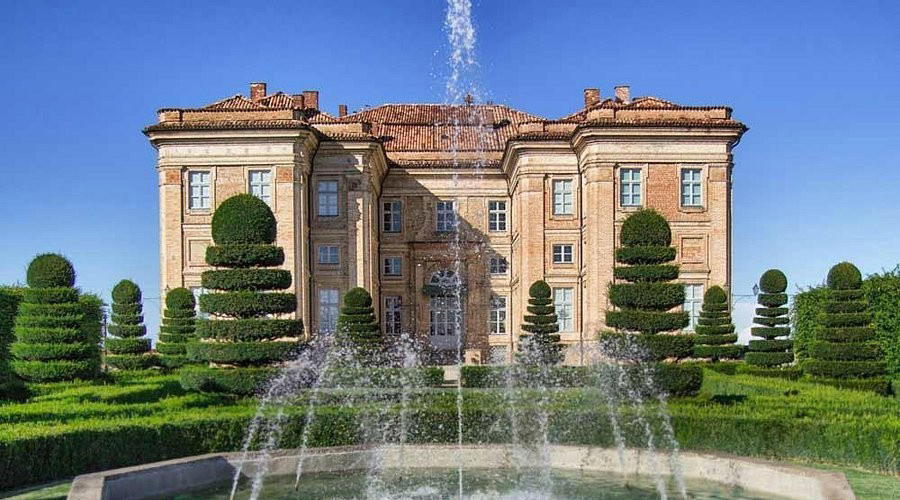
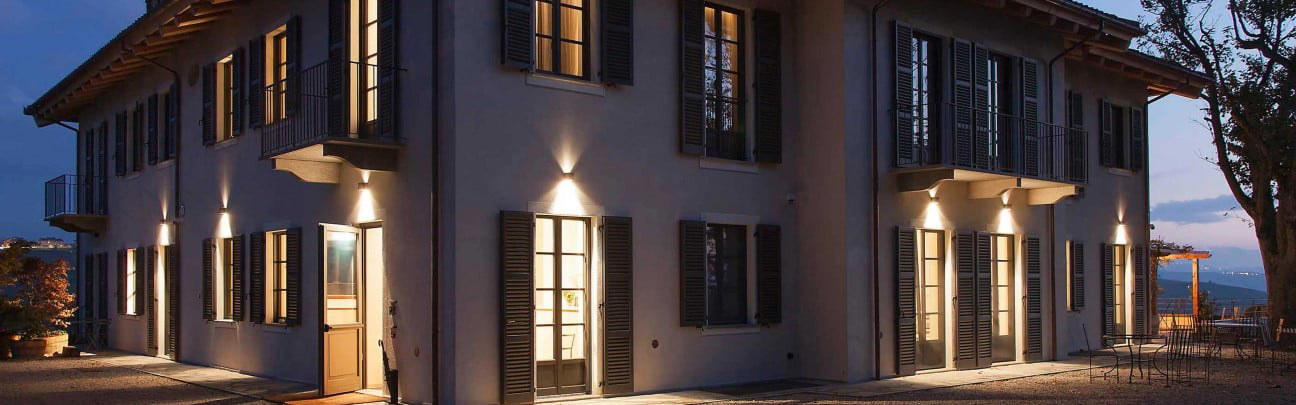
Contemporary minimalist interior with elegant decor, warm lighting, and refined atmosphere; surrounded by lush gardens and natural landscape with panoramic views creating a serene, sophisticated setting.