Taltarni Vineyards sits on Taltarni Road in Moonambel, at the heart of Victoria's Pyrenees wine region. For visitors, the address functions as both a tasting destination and a reference point for understanding what this cool-climate corner of western Victoria delivers at its most considered.

Pearl is the En Primeur Club membership app — saves, bookings, and concierge access live there. Same editors, same standards.
- Address
- 339 Taltarni Rd, Moonambel VIC 3478
- Phone
- +61 3 5459 7900
- Website
- taltarni.com.au
- Directions
- Get directions
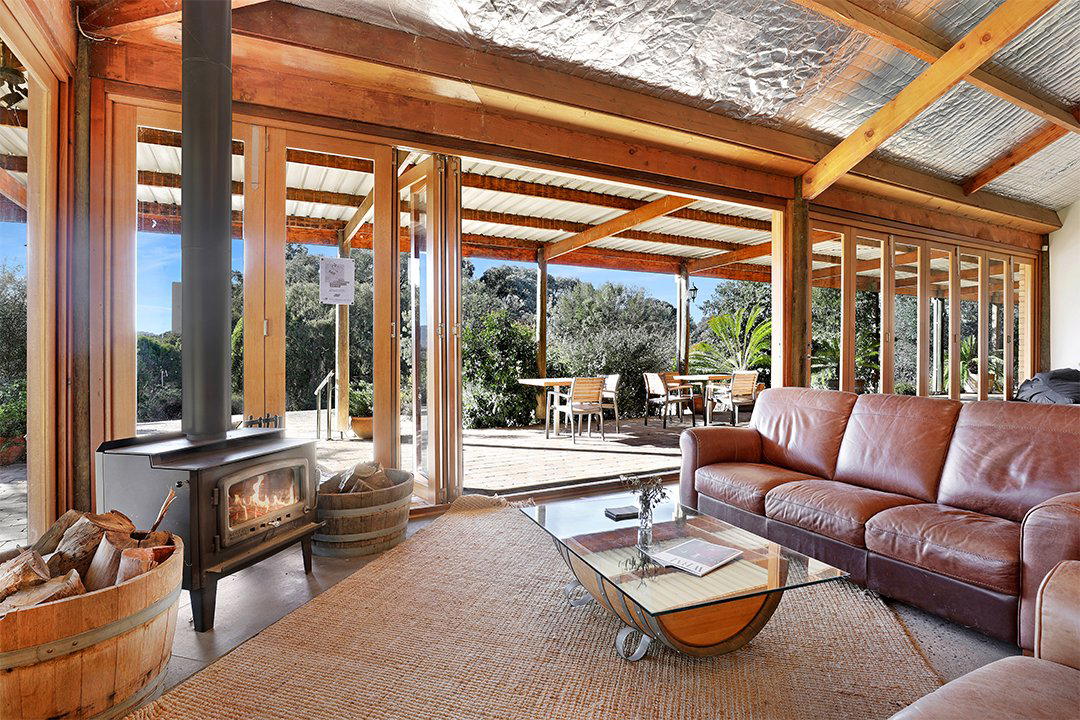
Where the Pyrenees Begins to Make Sense
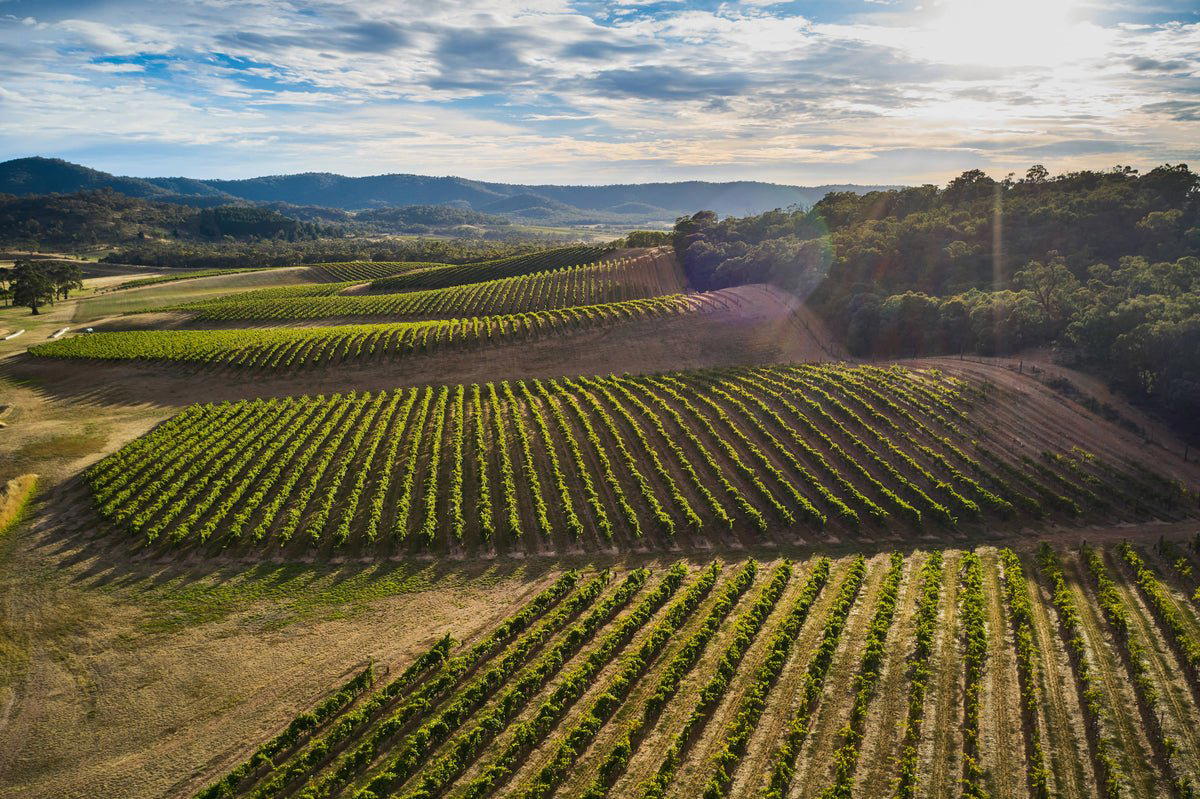
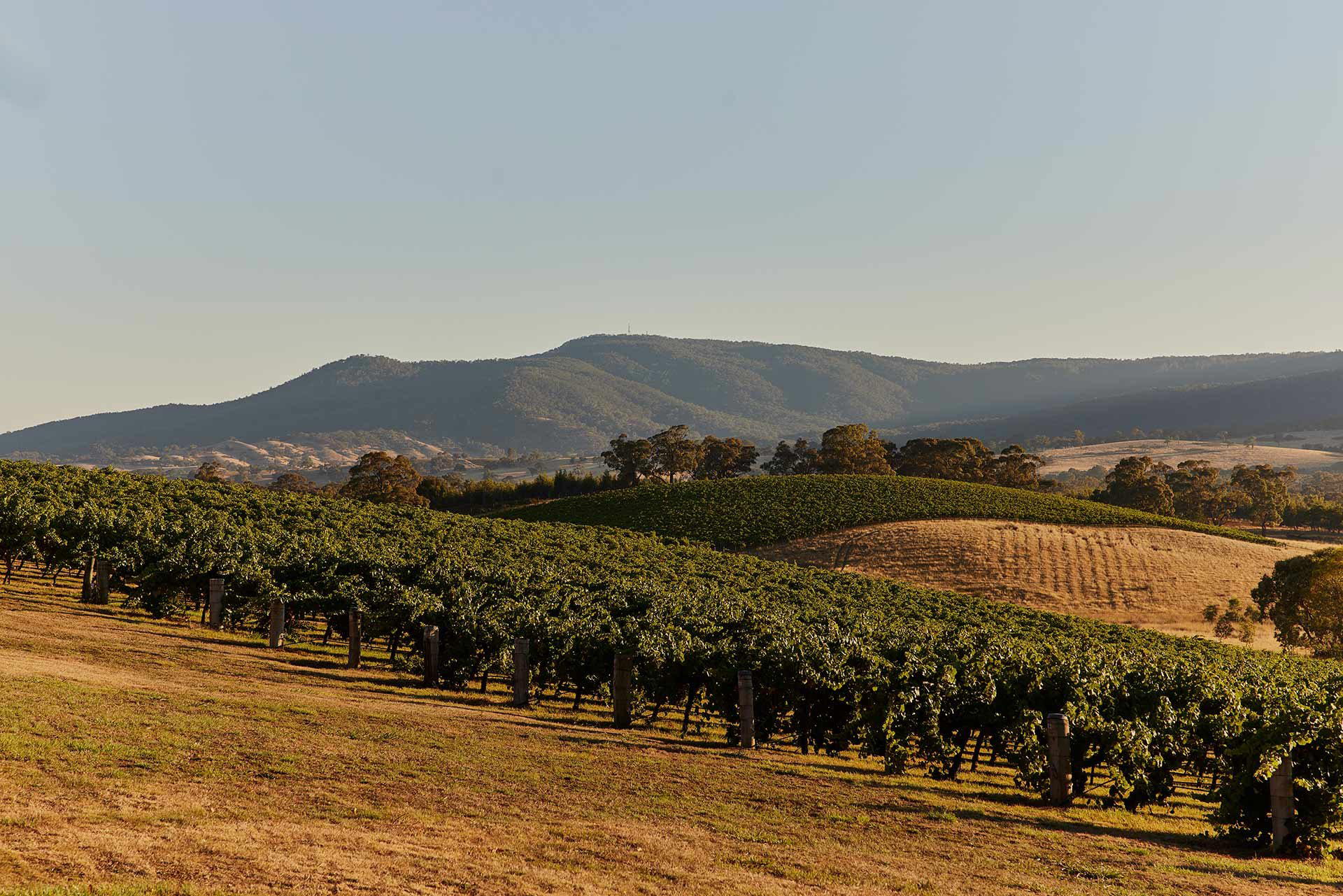
Victoria's Pyrenees wine region doesn't announce itself loudly. The hills roll in quietly off the Western Highway, the townships are small, and the wineries are spaced across a landscape that rewards deliberate travel rather than spontaneous detours. Arriving at 339 Taltarni Road in Moonambel is a lesson in how the region works: unhurried, self-contained, and serious about what it grows. The address puts you well inside the Pyrenees zone, removed from the more trafficked routes of the Yarra Valley or the Grampians, and that geographical remove has always shaped what producers here do — and how they ask visitors to engage with it.
That rating places it alongside the more formally assessed producers in a region where quality varies considerably across a broad spread of small estates. For context, the Pyrenees appellation sits roughly 200 kilometres northwest of Melbourne, with an elevation and diurnal temperature range that favours structured reds and, increasingly, sparkling wine programs built on real acidity rather than winemaking correction.
The Tasting Room as Orientation Point
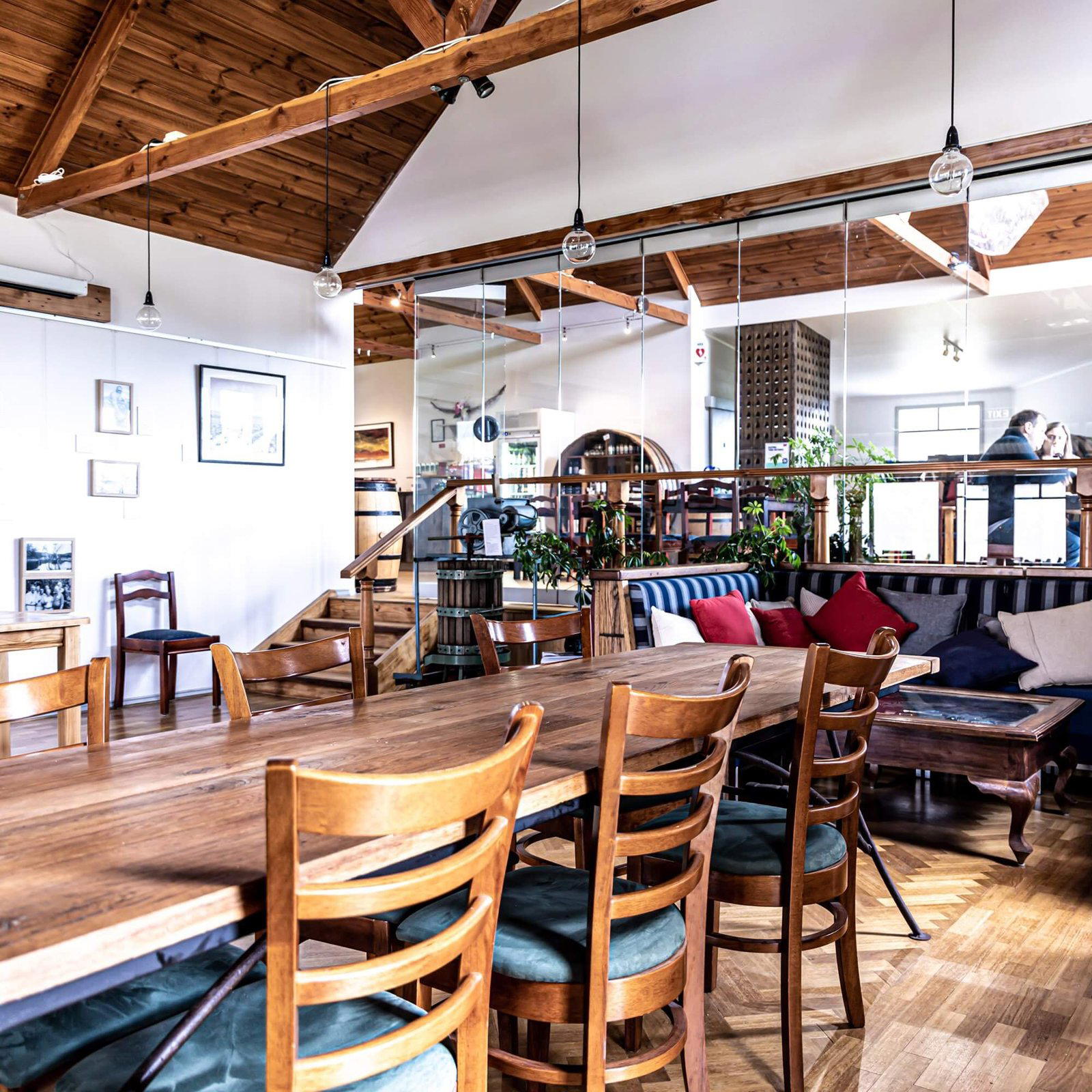
Visiting a winery of this standing in the Pyrenees is a particular kind of experience. Unlike the high-throughput cellar doors of the Barossa or the design-forward tasting rooms now common in Margaret River, the Pyrenees format tends toward function over spectacle. The regional character is one of focus: you come to taste, to ask questions, and to understand a wine style that doesn't fit neatly into the categories that dominate Australian export shelves.
Taltarni's address on Taltarni Road places it at the operational core of this estate model. At properties operating at this prestige tier, the tasting experience is typically structured around staff who can speak to the estate's production approach and the specific vintage conditions that shaped each pour. What visitors should expect is substance over showmanship — the kind of tasting room where the person guiding you through the wines has something specific to say about each one, not a rehearsed pitch. That format works well for visitors who arrive with at least a passing interest in how cool-climate viticulture functions in this part of Victoria.
The Pyrenees sits at moderate elevation, and its granite and clay soils across the region create a production environment where patience matters more than intervention. Red varieties, Shiraz and Cabernet Sauvignon particularly, accumulate tannin structures that require proper cellaring to resolve. Tasting at the source gives access to wines at stages of development that retail shelves rarely reflect, and that's an argument for visiting estates at this level rather than simply ordering through a distributor.
How Taltarni Fits the Pyrenees Tier
Within the Pyrenees, there is a small group of producers operating with the kind of recognition and longevity that sets the reference points for the region.
Across Victoria more broadly, the producers that earn prestige-tier assessments share a common characteristic: they've committed to a specific site and style long enough to generate something repeatable and identifiable. Bass Phillip in Gippsland occupies this kind of position for Pinot Noir, while Leading's Wines in Great Western holds it for a different tradition of Victorian viticulture. Taltarni occupies its own tier within this framework, defined by the Pyrenees appellation and the structural qualities that the region consistently produces at its higher end.
Nationally, the same pattern holds. Producers like Brokenwood in the Hunter Valley or Cape Mentelle in Margaret River have built prestige recognition through consistency and regional fidelity. All Saints Estate in Rutherglen occupies a comparable position in northeastern Victoria, anchored to fortified wines in a way that Taltarni is anchored to the Pyrenees red and sparkling tradition. The common thread is that formal ratings don't emerge from single strong vintages, they reflect a body of work that holds across variable seasonal conditions.
The Case for the Pyrenees as a Wine Destination
Australian wine tourism has spent years gravitating toward a handful of marquee regions: the Barossa, the Clare Valley, the Yarra, and Margaret River. The Pyrenees functions outside that mainstream circuit, which is precisely why it offers a different quality of visit. The region's low visitor density relative to its wine quality creates the conditions for slower, more informed encounters with producers. You are rarely rushed. The staff-to-visitor ratio at smaller prestige estates in this region tends to favour genuine conversation over transaction.
The broader context of Victorian wine adds weight to a Pyrenees itinerary. Brown Brothers in the King Valley anchors a different regional tradition to the northeast, while producers like Bird in Hand in the Adelaide Hills and Angove Family Winemakers in Renmark illustrate the range of approaches across Australian wine states.
For visitors building a broader drinks itinerary, the national scene extends well beyond wine. Archie Rose Distilling Co in Sydney and Bundaberg Rum Distillery in Bundaberg represent the growing depth of Australian spirits production, a parallel tradition to the wine estates, and one that rewards the same kind of deliberate, producer-direct visit. Internationally, the prestige-tier producer model appears across wine regions including Aberlour in Aberlour and Accendo Cellars in St. Helena, where site-specific production and formal recognition define a comparable tier of producer.
Planning a Visit
Taltarni Vineyards is located at 339 Taltarni Road, Moonambel VIC 3478, a rural address that requires a car from Melbourne or Ballarat. The Pyrenees is not a region where public transport creates viable access, and the estate's position off the main highway means building the visit into a broader western Victoria itinerary rather than treating it as a standalone day trip from the city. Moonambel itself is a small township, so accommodation options are limited in the immediate vicinity; Avoca, the main service town in the Pyrenees, sits within reasonable driving distance and provides a more practical base for multi-estate visits.
Given the prestige-tier standing, booking ahead before visiting is advisable, particularly for weekend visits when demand at recognised estates tends to concentrate. The Pyrenees tasting season follows standard Victorian patterns, with autumn and spring generally offering the most favourable conditions both for the wines being poured and the experience of the landscape itself.
For a fuller picture of what the region offers across multiple producers and dining options, our full Pyrenees restaurants and wineries guide covers the complete range of estate visits, regional food, and itinerary planning across the appellation.
Where It Fits
Comparable venues nearby, for context on price, style, and recognition.
| Venue | Cuisine | Awards | Notes |
|---|---|---|---|
| Taltarni VineyardsThis venue — the venue you are viewing | shiraz, cabernet sauvignon | Not listed | Not listed |
| Dalwhinnie | Shiraz, Cabernet Sauvignon | Falstaff Winery - Listed | Moonambel |
| Blue Pyrenees Estate | Shiraz, Cabernet Sauvignon | Not listed | Avoca |
| Joshua Cooper Wines | Winery | Not listed | Heathcote |
| The Story Wines | Syrah, Shiraz | Not listed | Moorabbin |
| Seppelt Great Western | Shiraz, Chardonnay | Not listed | Great Western |
Continue exploring
More in Pyrenees
Details
- Scenic
- Rustic
- Elegant
- Classic
- Wine Education
- Solo Exploration
- Group Outing
- Estate Grounds
- Panoramic View
- Sustainable
- Vineyard
- Mountain
- Shiraz
- Cabernet Sauvignon
- Chardonnay
- Pinot Noir
- Sangiovese
- Still Red
- Still White
- Sparkling
- Still Rosé
- Cellar Door Tasting
Scenic and relaxing with picturesque vineyard views, warm hospitality, and a welcoming cellar door atmosphere.