
Falstaff Winery - Listed
Dalwhinnie is a Pyrenees winery. Set in one of Australia's cooler inland wine regions, it occupies a serious position within the Pyrenees' small cohort of prestige producers. Plan ahead: the region rewards visitors who cross-reference multiple estate visits into a single itinerary.

Pearl is the En Primeur Club membership app — saves, bookings, and concierge access live there. Same editors, same standards.
- Address
- 448 Taltarni Rd, Moonambel VIC 3478
- Phone
- +61 3 5467 2388
- Website
- dalwhinnie.wine
- Directions
- Get directions
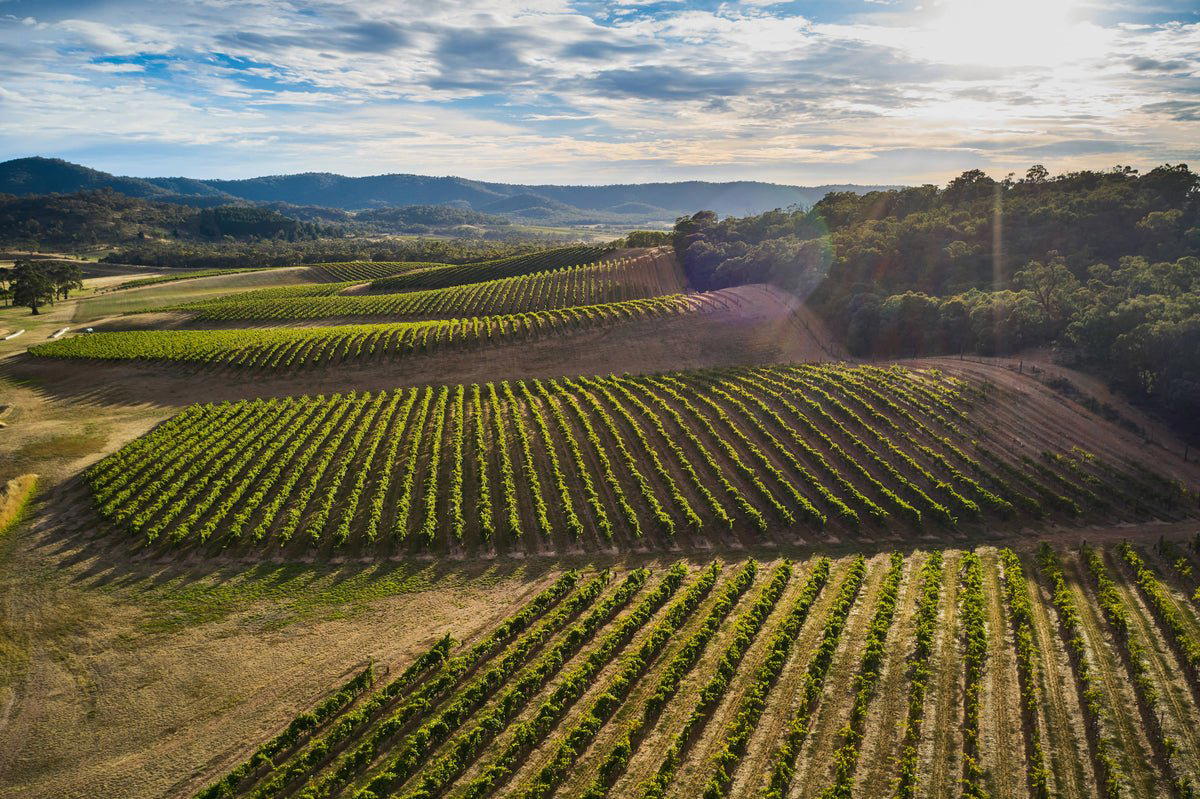
The Pyrenees Plateau and What Grows Here
Victoria's Pyrenees wine region sits on a high inland plateau roughly 200 kilometres northwest of Melbourne, where granite and quartz-rich soils meet a continental climate that few Australian wine regions can replicate. Warm days compress fruit concentration; cool nights slow ripening and preserve acid structure. The result, across the region's better producers, is red wine with a mineral grip and a slower arc of development than you'd find in warmer zones like the Barossa or McLaren Vale. The Pyrenees has never been a high-volume region — it has perhaps a dozen serious estates — which means its reputation rests almost entirely on quality rather than marketing weight.
Dalwhinnie sits within this geography at 448 Taltarni Rd, Moonambel, a road that already signals something about the area's concentration of serious wine production. Taltarni Vineyards and Blue Pyrenees Estate are among the other significant names operating in this corridor, and the proximity matters: estates here compete within a shared terroir, and distinctions between them come down to vine age, elevation, and the choices made in the winery.
In the context of Australia's wine scene, that designation places it among a small group of producers whose output is assessed at a prestige tier, not merely a regional leading. Across Australian wine, the prestige bracket is where you find names like Bass Phillip in Gippsland, a producer whose Pinot Noir occupies a similarly small-scale, elevation-driven niche, or Leading's Wines in Great Western, whose proximity to the Pyrenees makes it a logical comparison point for understanding what the region's cooler western Victorian terroirs can do at their leading.
For a winery operating in a region as geographically isolated as the Pyrenees, that positioning is meaningful. It tells you that Dalwhinnie is being evaluated against estates with far greater distribution and marketing infrastructure, and holding its ground.
Winemaking Orientation in a Cool-Climate Setting
The Pyrenees' continental climate imposes specific choices on winemakers. The region's Shiraz, in particular, has developed a reputation distinct from the full-bodied, lower-acid styles associated with warmer Australian zones. Here, the variety tends toward a more restrained profile: tighter tannin, a longer palate, and a capacity for extended cellaring that aligns it more closely with cool-climate Syrah traditions internationally than with the dominant Australian style. This is not an accident of geography, it reflects decisions made in the vineyard and winery about when to pick, how much extraction to apply, and how long to let the wine develop before release.
Dalwhinnie's elevation within the prestige bracket suggests its production philosophy sits toward the careful end of that spectrum. Producers at this level in small regions tend to prioritise site expression over technical augmentation, and the Pyrenees' granite-based soils reward that approach by delivering wines that carry a distinct mineral character even as they open up with age. For comparison, consider how Cape Mentelle in Margaret River built its reputation on site fidelity in a similarly isolated region, the principle of terroir-first winemaking translating into long-term credibility rather than short-term accessibility.
The broader Australian fine wine conversation has increasingly moved toward restraint and site specificity over the past decade. Estates like Brokenwood in Hunter Valley and Bird in Hand in Adelaide Hills each occupy their own version of this approach in their respective regions, the shared thread being that the vineyard, not the winery, does the primary work. Dalwhinnie's Pyrenees positioning places it in that tradition.
Within the Pyrenees, the comparison universe is small. Blue Pyrenees Estate and Taltarni Vineyards are the two most established names in the corridor, each with histories extending back to the 1970s. Dalwhinnie operates within the same geography but at a prestige tier that places it in a more selective national conversation, one that includes producers like All Saints Estate in Rutherglen, where a different climate and varietal focus still speaks to the same principle of long-established Victorian wine country, or Brown Brothers in King Valley, whose scale and reach sit at a different point on the quality-distribution axis.
Outside Australia entirely, the logic of the comparison extends to how small-batch producers with strong terroir claims sustain relevance without volume, a dynamic visible in regions from the Rhône to the Willamette Valley.
Planning a Visit: Practical Considerations
The Pyrenees sits at roughly a three-hour drive from Melbourne, which makes it a destination that rewards overnight planning rather than a day trip. Moonambel itself has limited accommodation infrastructure, so most visitors base themselves in Avoca or look at the broader region for stays that allow evening access to the cooler highland air. The road network between estates is manageable, and the concentration of serious producers along the Taltarni Road corridor means that a single itinerary can cover multiple visits without excessive driving.
For Dalwhinnie specifically, contacting the estate directly through our full Pyrenees guide or cross-referencing regional wine tourism resources is advisable before visiting. Prestige-tier producers in small regions frequently operate on appointment or limited cellar-door hours, and the Pyrenees does not have the walk-in visitor infrastructure of larger regions. Arriving without confirming access is the most common planning error in areas like this. The same principle applies to estates like Accendo Cellars in St. Helena or Aberlour in Aberlour, prestige producers that operate on terms set by production capacity, not visitor volume.
The optimal season for visiting the Pyrenees is autumn, when post-harvest activity makes cellar doors more accessible and the landscape shifts into a different register. Spring visits, before the vine growth begins in earnest, also work well, though summer can bring heat events that make the plateau's exposure more pronounced. Winter access is possible but carries the risk of road closures in heavier weather years.
What the 2025 Rating Means for Allocation
That distinction matters for planning: it reflects the estate's output at its present-day standard, which means any stock released under or after that assessment carries the weight of that evaluation. For producers at this level, allocation lists and cellar-door releases often move quickly, particularly for Shiraz vintages from years where the Pyrenees plateau delivered ideal diurnal variation. Buyers who wait for reviews to consolidate before approaching the estate often find that the most sought-after releases are already committed. The pattern is consistent across small-production prestige estates regardless of region, from Archie Rose Distilling Co in Sydney, where limited-release spirits sell against a waiting audience, to Bundaberg Rum Distillery in Bundaberg, where heritage production and assessed quality create a similar allocation dynamic in a different category.
A Pricing-First Comparison
Comparable venues nearby, for context on price, style, and recognition.
| Venue | Cuisine | Price | Awards | Notes |
|---|---|---|---|---|
| DalwhinnieThis venue — the venue you are viewing | Moonambel, Shiraz, Cabernet Sauvignon | Not listed | Falstaff Winery - Listed | Not listed |
| Blue Pyrenees Estate | Avoca, Shiraz, Cabernet Sauvignon | Not listed | Not listed | Not listed |
| Taltarni Vineyards | Pyrenees, shiraz, cabernet sauvignon | Not listed | Not listed | Not listed |
| Garagiste | Not listed | Not listed | Not listed | Mornington Peninsula, Chardonnay, Pinot Noir |
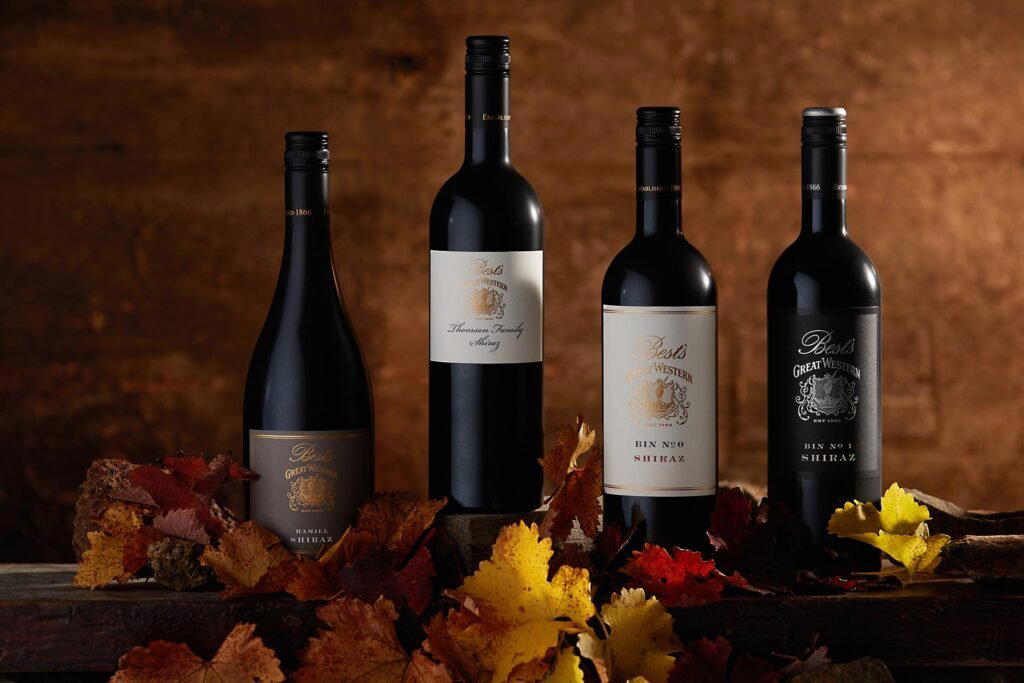
| Best's Wines | Great Western, Shiraz, Riesling | $10–20 | Not listed | Not listed |
| Cobaw Ridge | Macedon Ranges, Chardonnay, Pinot Noir | Not listed | Not listed | Not listed |
Recognition history
Dated appearances from independent guides and award organizations, with the underlying list record or original source where available.
Falstaff Winery - Listed
Falstaff
Continue exploring
More in Pyrenees
Details
- Scenic
- Rustic
- Well Known
- Wine Education
- Solo Exploration
- Group Outing
- Vineyard Tour
- Estate Grounds
- Panoramic View
- Organic
- Dry Farmed
- Vineyard
- Mountain
- Shiraz
- Cabernet Sauvignon
- Chardonnay
- Pinot Noir
- Viognier
- Sangiovese
- Still Red
- Still White
- Cellar Door Tasting
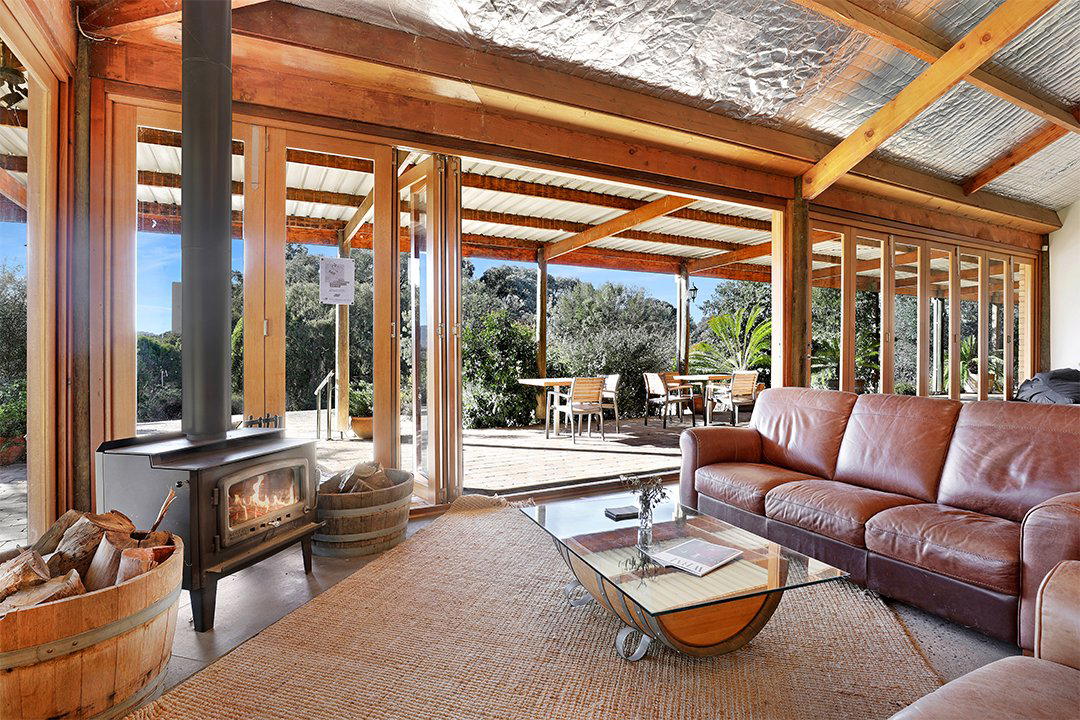
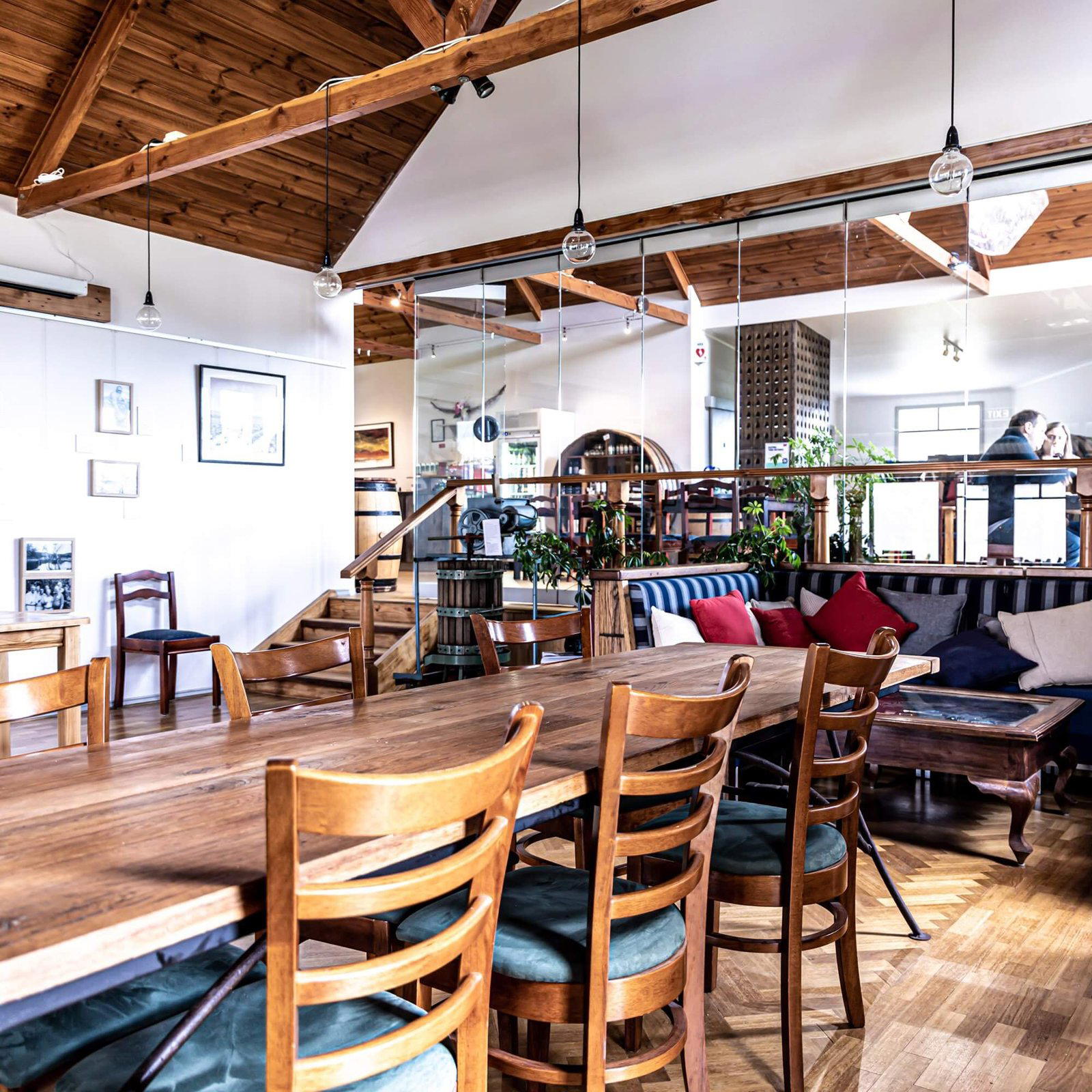
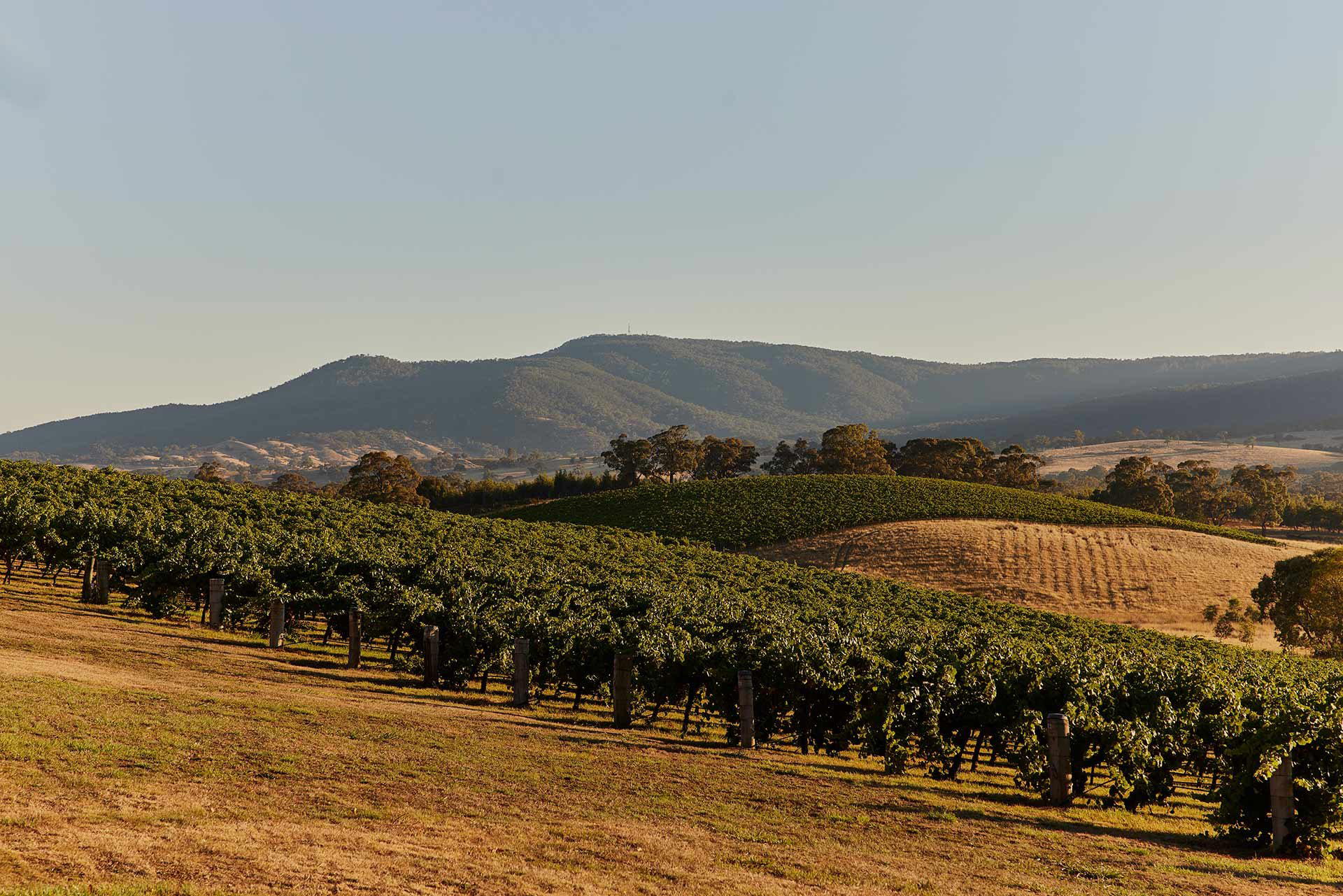
Relaxed cellar door atmosphere with dramatic views across the vineyard and Pyrenees ranges.