Lake House, Daylesford
Lake House sits at the edge of Lake Daylesford, its stone and timber architecture folding into the surrounding bushland with the kind of unhurried deliberateness that defines Victoria's spa country at its most considered. The property has anchored Daylesford's position as Australia's premier wellness and fine dining retreat for decades, drawing visitors from Melbourne who want more than a weekend away. Expect serious food, serious wine, and rooms built around the landscape rather than against it.
Pearl is the En Primeur Club membership app — saves, bookings, and concierge access live there. Same editors, same standards.
- Address
- 4 King St, Daylesford VIC 3460, Australia
- Phone
- +61 3 5348 3329
- Website
- lakehouse.com.au
- Directions
- Get directions
 Saves & bookings on Pearl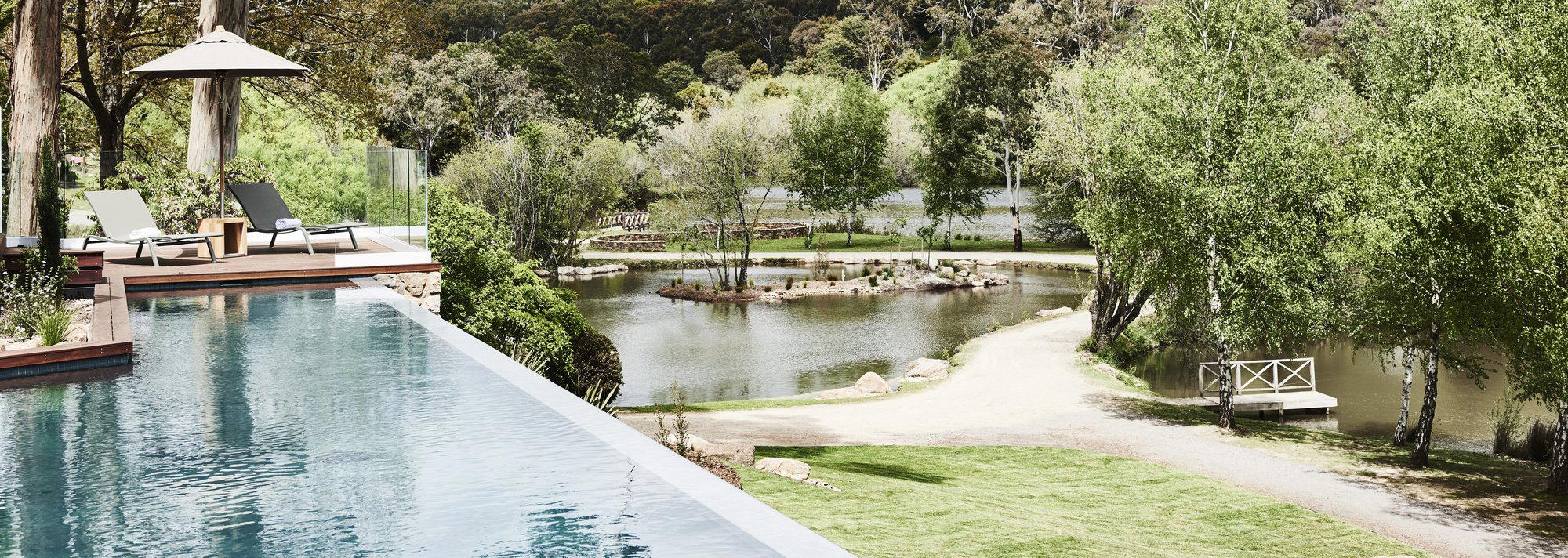
Where Stone, Water, and Landscape Converge
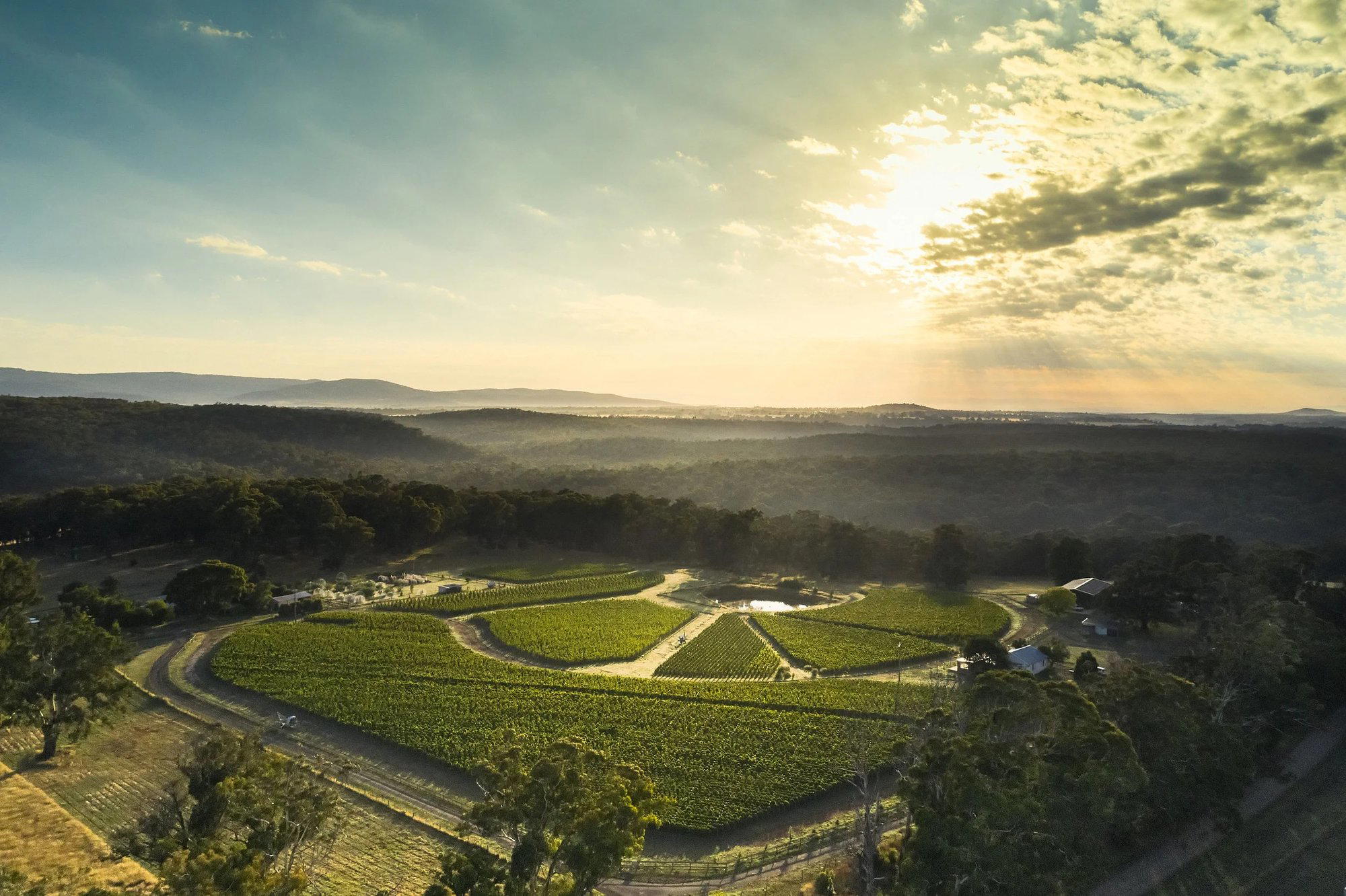
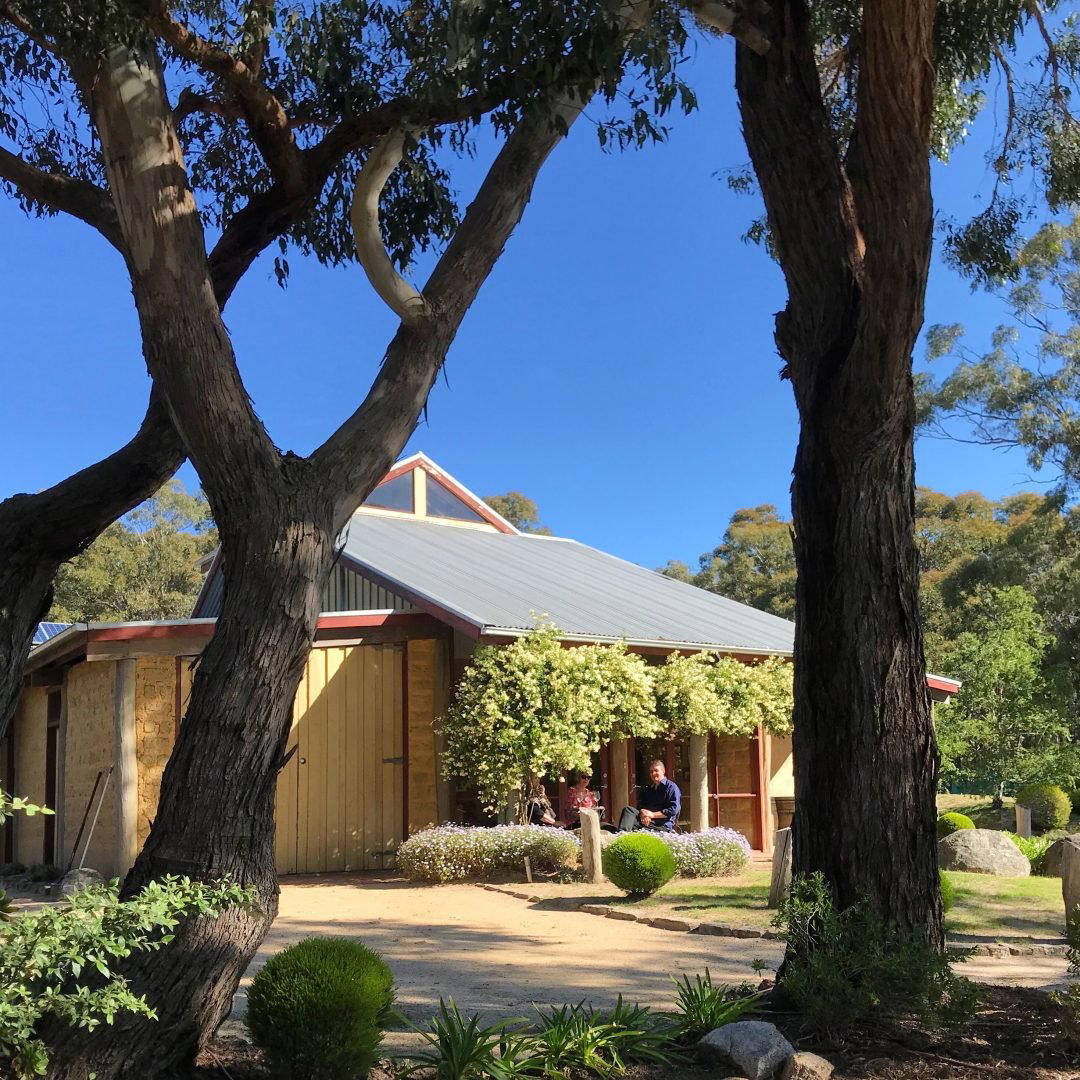
Approaching Lake House along King Street, the first thing you register is restraint. There is no grand porte-cochere, no architectural flourish competing for attention with the water behind it. The property at 4 King St, Daylesford sits low against the hillside above Lake Daylesford, its stone walls and pitched rooflines drawing from the vernacular of the Central Highlands rather than importing a style from elsewhere. That relationship between built form and natural setting is not incidental, it is the entire architectural argument of the place, and it holds up across the property's multiple structures, terraces, and garden pathways.
In a category where Australian country retreats often default to either colonial heritage pastiche or generic resort modernism, Lake House occupies a different register. The architecture reads as site-specific: materials that reference the local landscape, sight lines oriented toward the lake, and spaces that feel scaled for the particular quality of light that falls through eucalyptus country in the late afternoon. That specificity is what separates properties that belong to their location from those that could plausibly exist anywhere.
Daylesford's Particular Gravity
Victoria's spa country has been drawing Melbourne weekenders since the mineral springs were first commercialised in the nineteenth century, but the contemporary version of Daylesford is a more layered destination. The town sits roughly 115 kilometres northwest of Melbourne, under two hours by road, and has built a reputation across three overlapping registers: wellness, produce-driven dining, and design-conscious accommodation. Lake House has been central to that reputation for long enough that the two are difficult to separate in the minds of people who follow Australian regional hospitality closely.
The surrounding region supplies what regional Australian dining does well when it is functioning at its highest level: mineral-rich water, cool-climate produce, and proximity to serious wine country. The Macedon Ranges and Pyrenees wine regions sit within reach, and the Hepburn Springs mineral springs have historically attracted the kind of visitor who pays close attention to what they eat and drink. That context shapes the food culture of Daylesford more than any individual restaurant, and Lake House sits at the apex of that local ecosystem.
The Dining Program in Context
Australian fine dining in regional settings has moved through several phases over the past two decades. The early model imported urban formality into country spaces, often awkwardly. A more recent and more convincing model grounds itself in hyperlocal produce, informal service, and wine lists that lead with regional producers rather than international prestige labels. Lake House's restaurant has long operated on the second model, anchoring its menu in the seasons and the supply chains available within the Central Highlands.
That orientation toward regional produce rather than imported luxury ingredients is a deliberate positioning choice, and one that connects Lake House to a broader movement visible in Australian fine dining: the argument that regional specificity is itself a form of quality. It is the same argument made by properties like Southern Ocean Lodge in Kingscote, where Kangaroo Island's ecosystem defines the food program, and Cape Lodge in Wilyabrup, where Margaret River's wine and produce identity shapes every aspect of the guest experience. All three properties belong to a cohort of Australian retreats where location is treated as a resource rather than a backdrop.
Architecture as the Primary Experience
The design of Lake House rewards slow attention. The main building's stone construction uses local materials in a way that reads as geological rather than decorative, as though the structure grew from the same substrate as the hillside behind it. Interior spaces follow a logic of texture and natural light: timber, stone, and fabrics that reference the muted palette of the surrounding landscape rather than fighting it with high-contrast commercial finishes.
This approach to country property design has become increasingly rare as Australian hospitality has globalised. Many premium retreats now follow international design language that could as easily appear in a Bali villa or a Scottish lodge. Lake House's architectural identity is more anchored to its specific geography, and that anchoring is most legible in the way terraces and outdoor spaces are positioned: toward the lake, toward the garden, toward the particular quality of silence that Central Highlands evenings produce.
Capella Sydney and The Calile in Brisbane represent the urban end of the design-conscious spectrum, while Bells at Killcare on the NSW Central Coast offers a coastal counterpart to Lake House's inland, lake-facing proposition.
The Wellness Context
Daylesford's mineral spring heritage gives Lake House a wellness positioning that does not require the property to manufacture a spa narrative from scratch. The town itself is the narrative: mineral baths, cool air, unhurried pace, and a food culture that takes ingredients seriously because the producers who supply them take ingredients seriously. Guests who arrive expecting a performative wellness experience find instead something quieter and more functional, the kind of restoration that comes from two days of good food, lake views, and minimal connectivity rather than from a treatment menu.
That distinction matters in a market where wellness has become heavily aestheticised and commercially over-indexed. The more convincing version, which Daylesford and Lake House represent, is structural: the destination is inherently restorative because of what it is and where it is, not because of what it has added around the edges.
Planning a Visit
Daylesford is accessible from Melbourne in under two hours by car, making it a viable destination for two-night stays rather than extended breaks. Weekend bookings at Lake House, particularly in autumn and spring when the Central Highlands light and produce calendar align, fill well in advance, and securing a table at the restaurant for non-staying guests requires similar forward planning. The property's position above the lake means that room orientation matters: guests who want water views should specify this when booking rather than assuming availability at check-in.
Crown Metropol Melbourne in Southbank provides an urban anchor before or after a Daylesford stay, while those extending further into regional Australia might consider The Tasman in Hobart or Wildman Wilderness Lodge in Marrakai as contrasting regional propositions. Other properties worth considering for comparable design-conscious country escapes include Jonah's Restaurant and Boutique Hotel in Palm Beach and Ashdowns of Dover in Tasmania's far south.
the small-scale design-led philosophy visible at Lake House has counterparts at Aman Venice and Aman New York, both of which operate on similar principles of site-specificity and architectural restraint at a premium tier.
Quick Comparison
Comparable venues nearby, for context on price, style, and recognition.
| Venue | Cuisine | Price | Awards | Notes |
|---|---|---|---|---|
| Lake House, DaylesfordThis venue — the venue you are viewing | Elegant country retreat blending rural charm with luxury sophistication. | $$$$ | 4-Star | Not listed |
| Dorsett Brisbane | Large-scale integrated resort hotel within a major mixed-use precinct. | $$$$ | 4-Star | Brisbane CBD |
| El Questro - The Homestead | rustic luxury homestead | $$$$ | 4-Star | East Kimberley |
| QT Bondi | beachside apartment hotel | $$$$ | 4-Star | Bondi Beach |
| Little National Hotel Adelaide | Contemporary luxury boutique hotel designed for modern travellers. | $$$$ | 4-Star | North Terrace |
| voco Brisbane City Centre | Contemporary boutique-style hotel with industrial and scholarly design influences reflecting the riverside setting and nearby universities. | $$$ | 4-Star | North Quay |
Continue exploring
More in Daylesford
Bars in Daylesford
Browse all →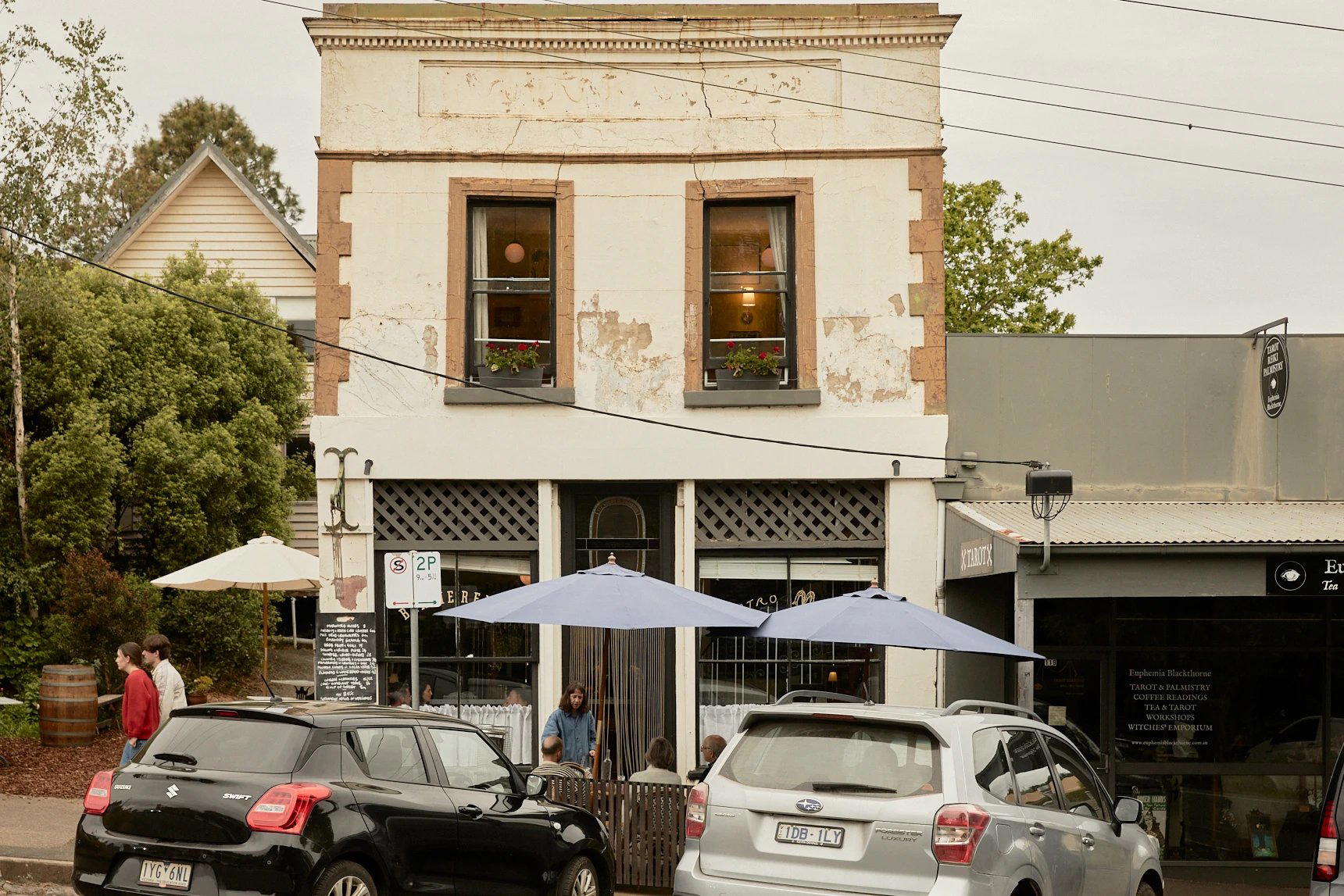
Restaurants in Daylesford
Browse all →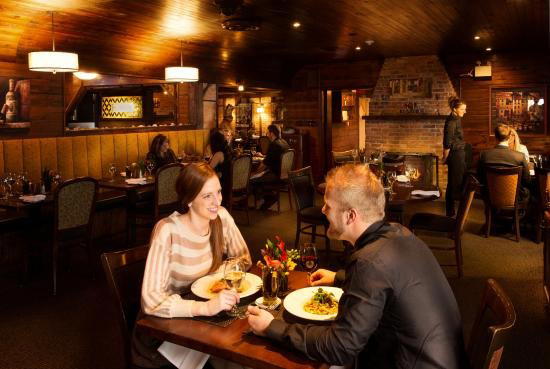
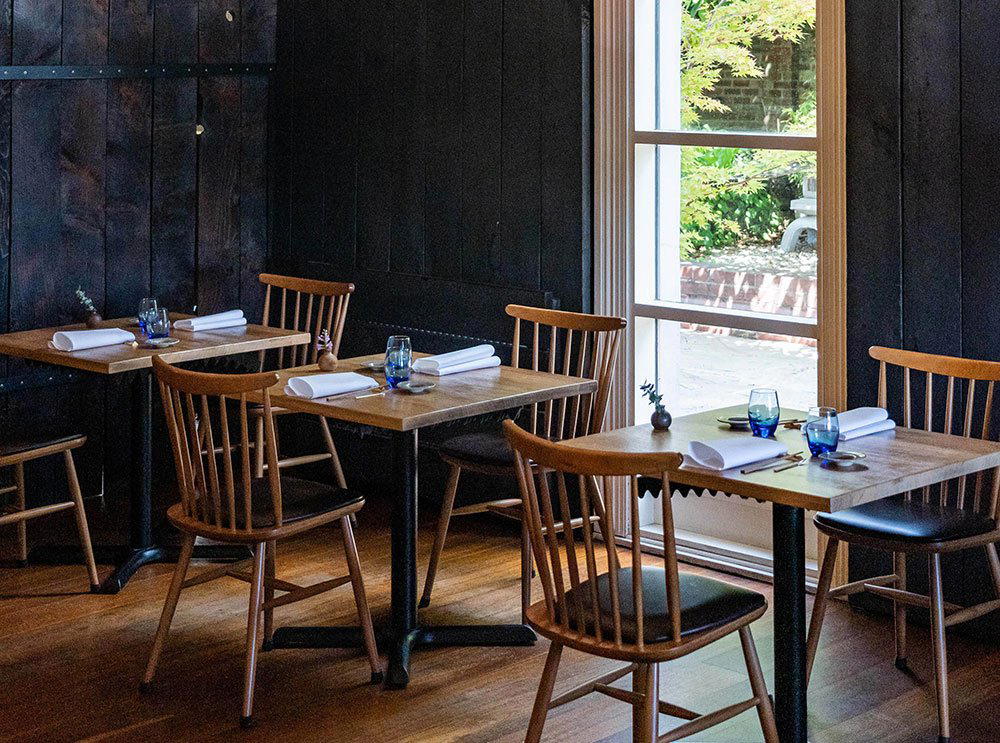

At a Glance
- Romantic
- Cozy
- Elegant
- Scenic
- Sophisticated
- Romantic Getaway
- Wellness Retreat
- Anniversary
- Weekend Escape
- Waterfront
- Infinity Pool
- Spa
- Pool
- Wi Fi
- Room Service
- Concierge
- Restaurant
- Garden
- Spa
- Pool
- Wi Fi
- Room Service
- Concierge
- Restaurant
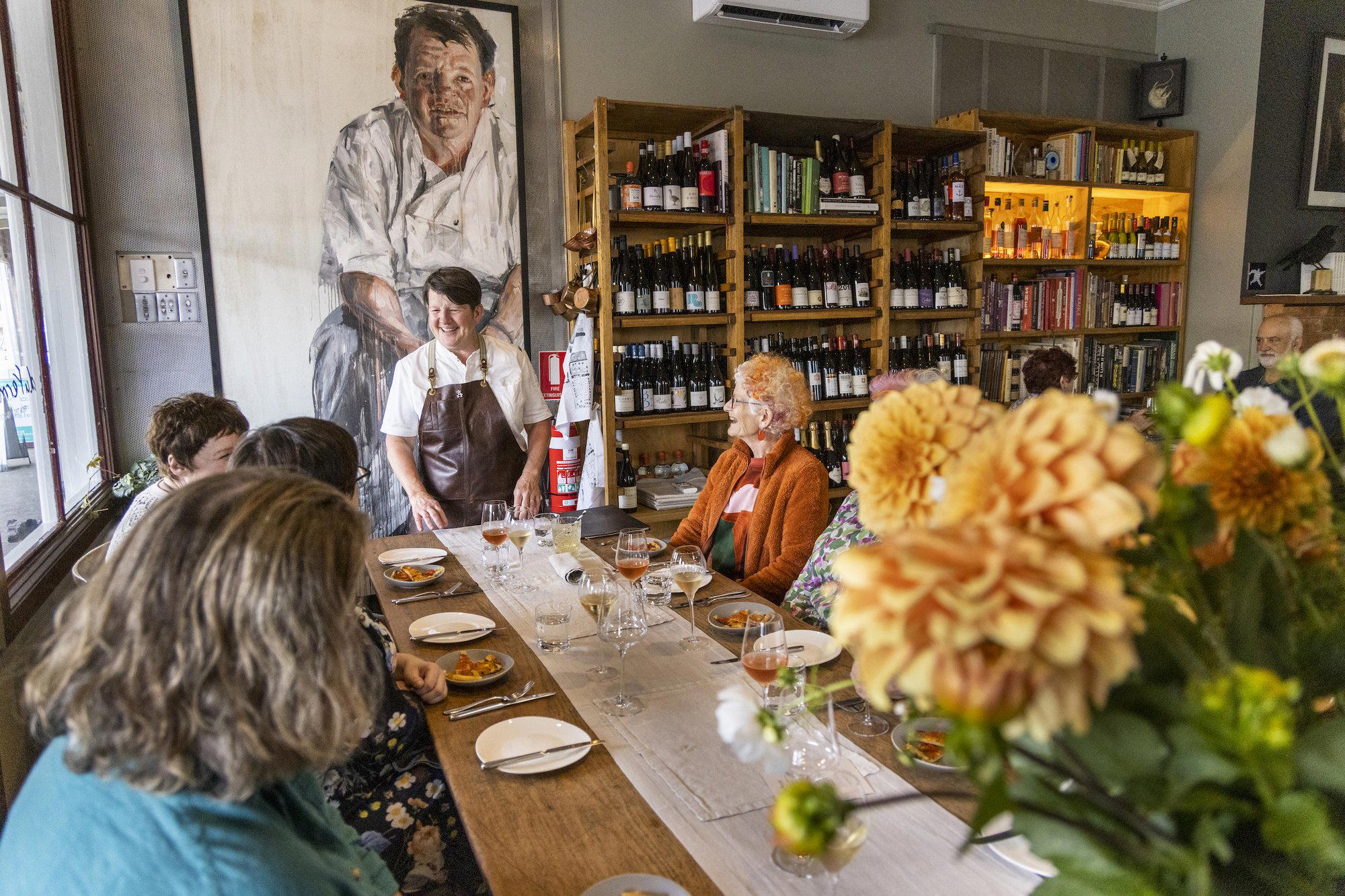
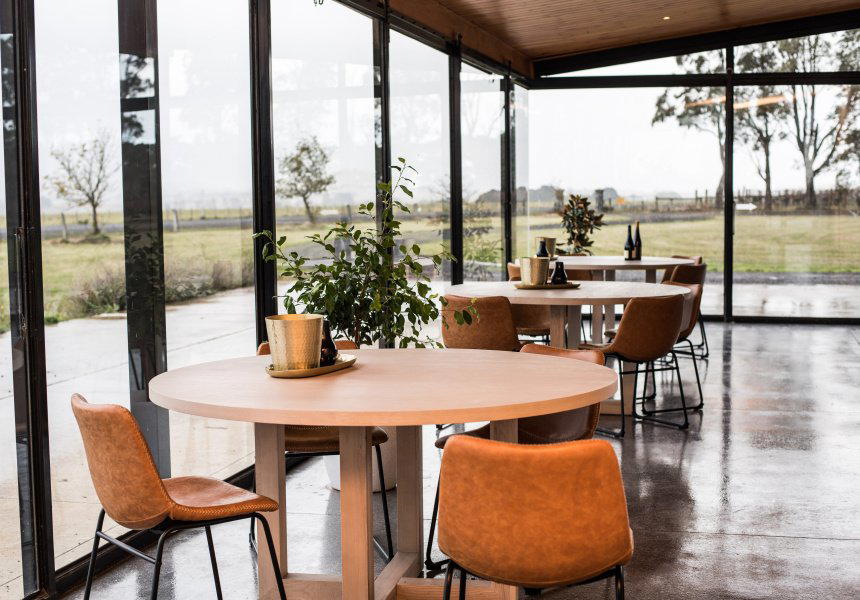
Cozy Hamptons-style modern country home with stylish, relaxing interiors, lush upholstery, and artistic touches creating a tranquil, elegant atmosphere.