Lake House

La Liste Top Restaurants
Our verdict
Lake House has held a place in La Liste's global restaurant rankings at 80 points in both 2025 and 2026, making it one of a small number of regional Australian venues to register on that scale. Set in Daylesford, Victoria's spa country heartland, it operates in the Australian Farmhouse register: produce-driven, unhurried, and calibrated to the rhythms of a weekend escape rather than a city dining sprint.

Pearl is the En Primeur Club membership app — saves, bookings, and concierge access live there. Same editors, same standards.
- Address
- 4 King St, Daylesford VIC 3460, Australia
- Phone
- +61 3 5348 3329
- Website
- lakehouse.com.au
- Directions
- Get directions
- Booking
- Book on SevenRooms
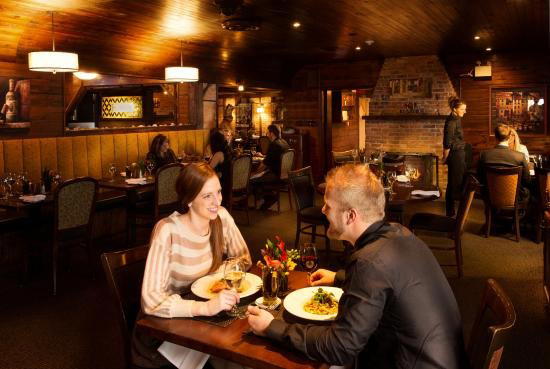
The menu
What to order
- Chicken liver parfait with Madeira glaze
- Glazed Murray cod with turnip and koji cream
- Confit ocean trout with cauliflower
- Black Berkshire pork
- Smoked caramel parfait
Spa Country on a Plate: How Daylesford Earned a Serious Restaurant
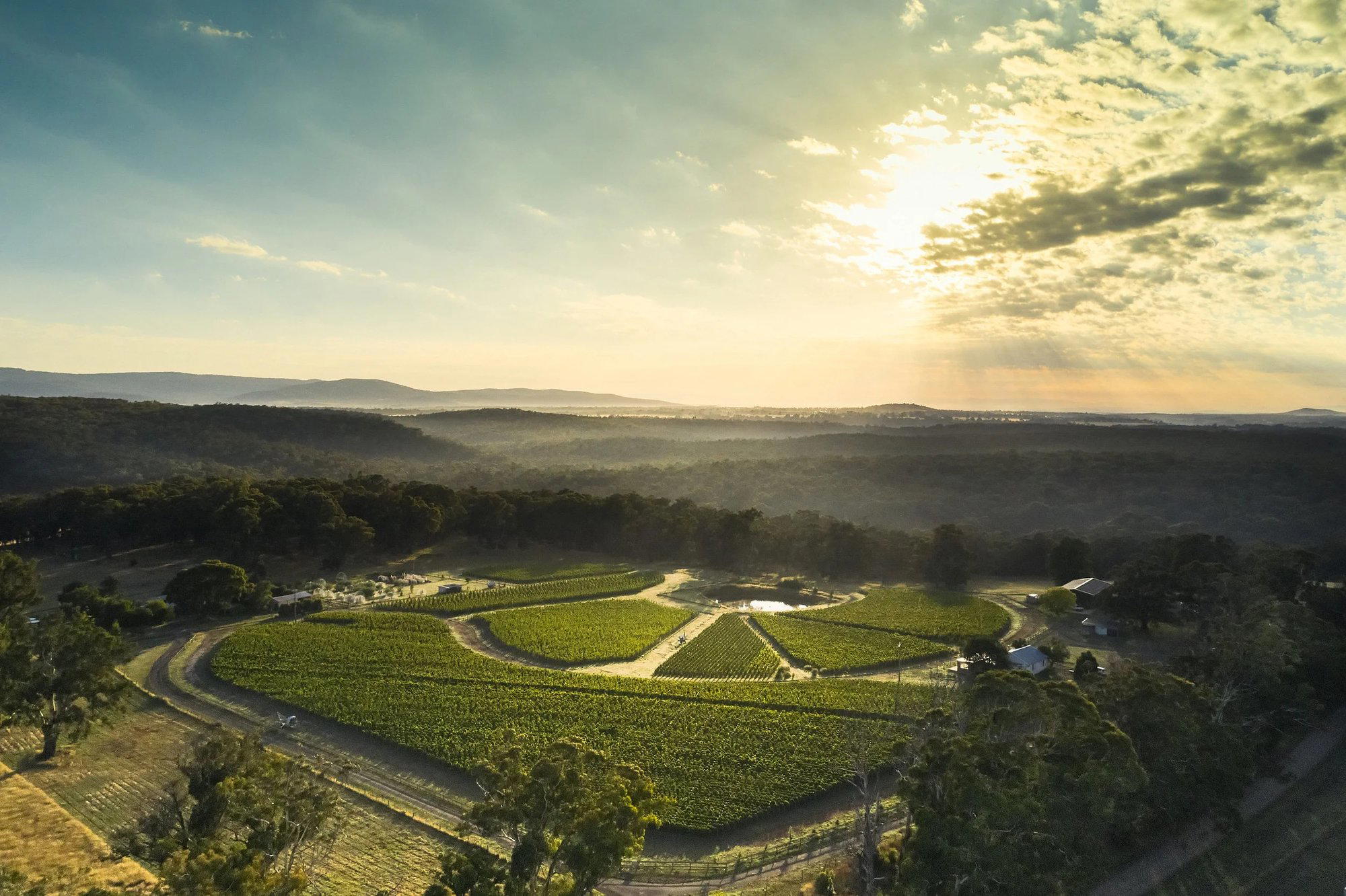
The drive into Daylesford from Melbourne takes roughly ninety minutes, and the shift in register is deliberate. The town sits at the edge of the Central Highlands, surrounded by volcanic springs and small farms that have shaped a food culture built around provenance and pacing rather than spectacle. Restaurants here are not competing with the density of inner-Melbourne's dining strip; they are making a different argument altogether, one that positions the meal as the centrepiece of a longer stay rather than an evening's entertainment. Lake House, on King Street at the edge of town, is the property where that argument has been made most consistently for decades.
That consistency is verifiable. La Liste, which aggregates critic scores and review data across global markets, awarded Lake House 80 points in both 2025 and 2026. For context, La Liste's top tier skews toward metropolitan flagships: restaurants like Rockpool in Sydney or Flower Drum in Melbourne carry the weight of city-scale reputation and foot traffic behind them. For a regional property in a town of fewer than 4,000 people to hold a steady score across consecutive years signals something structural, not incidental, about how the kitchen operates.
The Pace and Shape of a Meal Here
The Australian Farmhouse register, which is the most accurate way to frame what Lake House does, carries particular obligations around ritual. A meal in this mode is not designed to be efficient. The cooking draws from the surrounding land and the seasons it produces, which means the menu shifts with what the region yields rather than what a centralised supply chain can deliver year-round. This is a tradition with genuine lineage in regional Victoria: Brae in Birregurra, about an hour further southwest, operates from the same philosophical position, with the restaurant embedded in its own working farm.
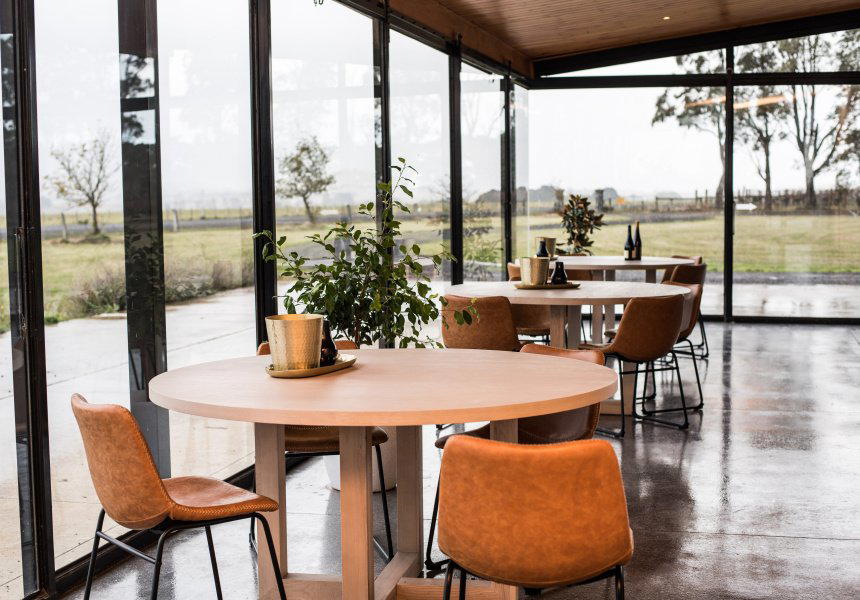
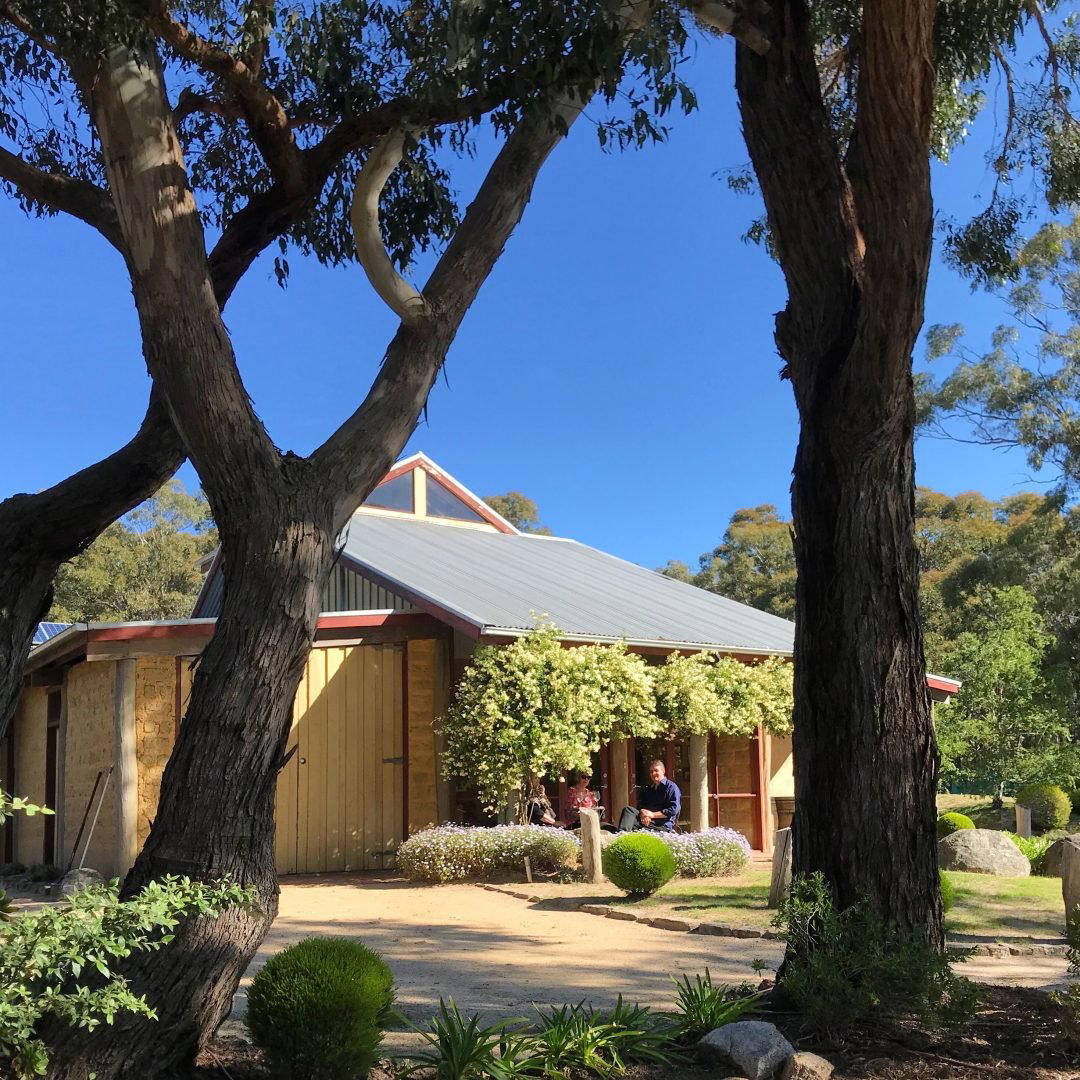
At Lake House, the setting reinforces the pacing. The property occupies lakeside grounds, and the dining room's relationship to that environment is felt in the unhurried atmosphere that guests consistently describe.
The ritual of eating here asks something of the guest in return: you are expected to arrive without urgency. This is not the kind of place where you come straight from a meeting or with a hard departure time. The meal's arc, from arrival through the full progression of courses, is designed to fill an evening. If you are staying on-site or in the town itself, that is the correct frame. If you are driving back to Melbourne the same night, build in time accordingly, and consider whether a late autumn or winter visit, when the grounds and the drive carry their own slower quality, is worth planning around.
Where It Sits in the Broader Australian Fine Dining Scene
Australian fine dining has spent the last fifteen years working out what it actually is, separate from European templates. The answer that has emerged in the most serious kitchens points toward native ingredients, regional sourcing, and cooking that makes a legible argument about place. Lake House fits that trajectory, operating in a region where the soil, water, and climate produce ingredients that carry genuine character. This puts it in a different conversation from metropolitan restaurants like Amaru in Armadale or Cutler & Co. in Fitzroy, which operate within the urban competitive pressure of Melbourne's inner suburbs, or destination-driven peers like Botanic in Adelaide and Bacchus in Brisbane, which anchor premium dining in their respective city contexts.
In global terms, the analogy is not Le Bernardin in New York City or Atomix in New York City, both of which operate within a different logic of density and metropolitan prestige. It is closer to the model of destination dining that rewards a specific kind of travel decision: you go because the whole context, the place, the drive, the grounds, the meal, forms a single coherent experience.
Daylesford's Wider Table
Lake House does not exist in isolation. Daylesford has developed a small but credible dining scene around its spa-country identity, and the town rewards spending more than a single meal's worth of time here. Kadota represents the more contemporary edge of the local offer, while Daylesford Organic Farm (Modern British) operates on a farm-to-table premise that speaks to the same regional food values Lake House embodies. The town also has a wine culture worth exploring: see our full Daylesford wineries guide for context. For a complete picture of where to eat and drink across the region, our full Daylesford restaurants guide maps the full range, and our full Daylesford bars guide covers the town's more casual drinking options. If you are planning a stay, our full Daylesford hotels guide covers accommodation across price points, and our full Daylesford experiences guide addresses the mineral springs and day activities that frame a proper visit.
Among Melbourne's inner-suburb restaurants, the appetite for produce-forward cooking has grown steadily: Carlton Wine Rooms in Carlton and 400 Gradi in Brunswick East each operate in that orbit, though in very different registers. Lake House operates at a remove from all of them, and that distance is part of what it offers.
Planning a Visit
Lake House is at 4 King St, Daylesford VIC 3460. The property is approximately ninety minutes from Melbourne by car, with no meaningful public transport alternative for most visitors. Given the pacing of a meal here, an overnight stay in Daylesford makes more practical sense than a same-day return, particularly if you intend to eat across the full menu. Booking should be arranged well in advance, especially for weekend tables, which are the primary draw for Melbourne visitors. Autumn and winter visits align well with regional produce cycles and give the spa-country setting its most characteristic atmosphere.
Frequently asked questions
Is Lake House suitable for children?
Lake House is positioned as adult dining, both in pacing and price. Daylesford itself draws primarily weekend couples and retreat travellers, and the Australian Farmhouse format at Lake House is built around a multi-course sequence that suits adults rather than young families. Families with children would be better served by Daylesford's more casual cafes and producers.
What kind of setting is Lake House?
Lake House sits at 4 King St in Daylesford, a Victorian spa-country town about ninety minutes from Melbourne. The property operates in an unhurried register that matches the town's retreat identity. Two consecutive La Liste Top Restaurants appearances (80 points in both 2025 and 2026) confirm its standing as a destination property rather than a neighbourhood local.
Does Lake House have a Michelin star or similar recognition?
Lake House has received recognition including: La Liste Top Restaurants (2026): 80pts; La Liste Top Restaurants (2025): 80pts.
What do people recommend at Lake House?
The consistent advice is to commit to the full menu progression rather than shortening the meal. The Australian Farmhouse approach here is built around sequence and seasonal produce, so editing it down loses the logic of the whole. Plan the meal as the anchor of the day rather than one item on a broader itinerary.
Cuisine and Recognition
| Venue | Cuisine | Price | Awards |
|---|---|---|---|
| Lake HouseThis venue — the venue you are viewing | Modern Australian Fine Dining | $200–300 | La Liste Top Restaurants |
| Daylesford Organic Farm | Modern British | Not listed | Not listed |
| Rockpool | Australian Cuisine | Not listed | World's 50 Best |
| Saint Peter | Australian Seafood | Not listed | World's 50 Best |
| Flower Drum | Cantonese | Not listed | World's 50 Best |
| Attica | Australian Modern | Not listed | World's 50 Best |
Recognition history
Dated appearances from independent guides and award organizations, with the underlying list record or original source where available.
La Liste Top Restaurants
La Liste
Full recognition history (2 entries)
La Liste Top Restaurants
La Liste
Continue exploring
More in Daylesford
Restaurants in Daylesford
Browse all →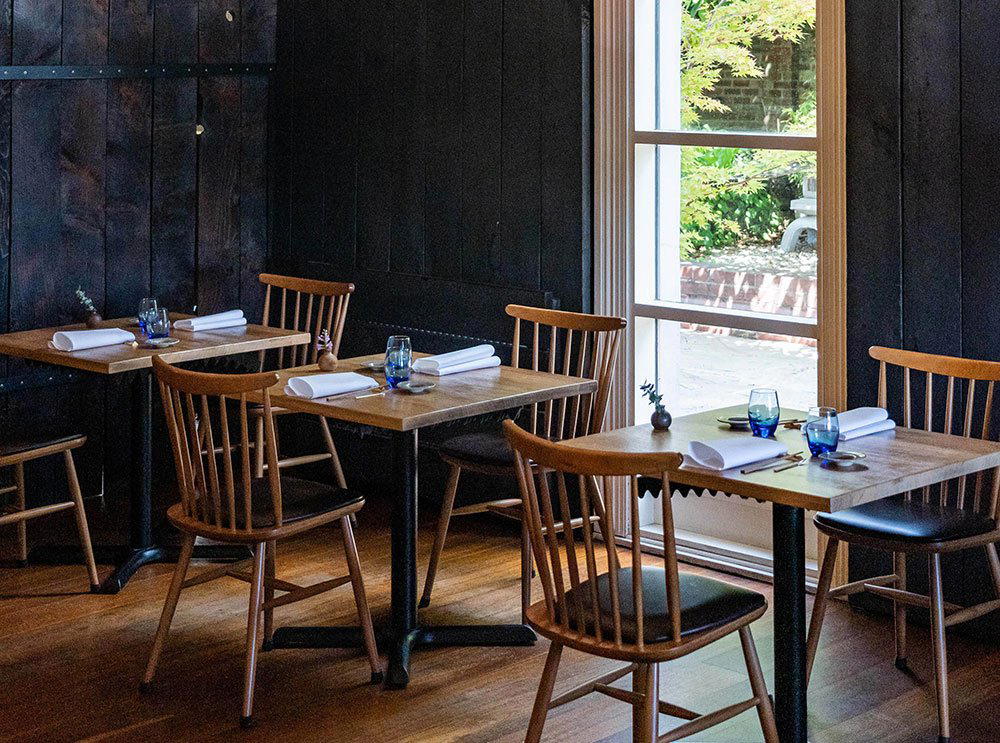
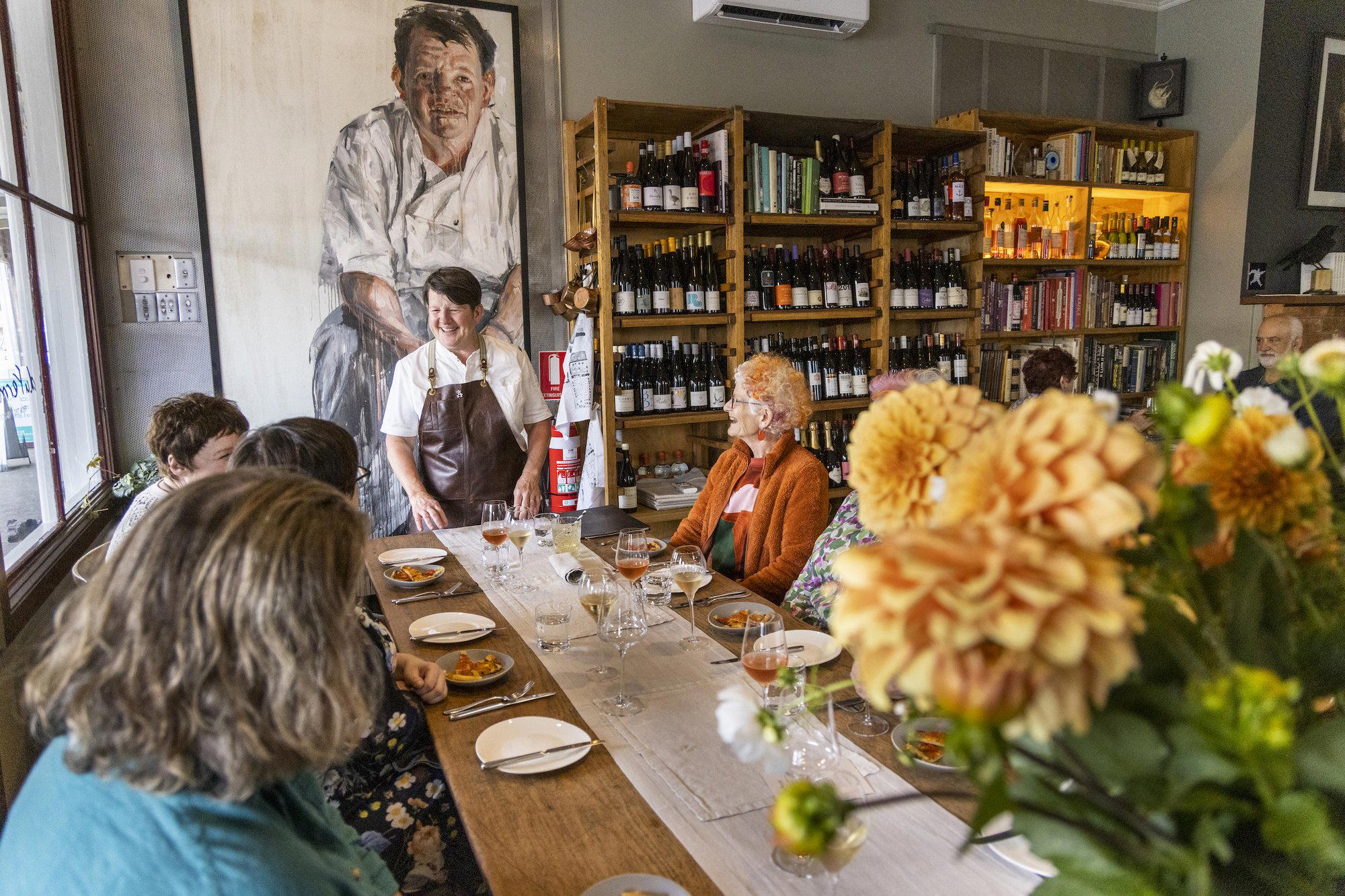
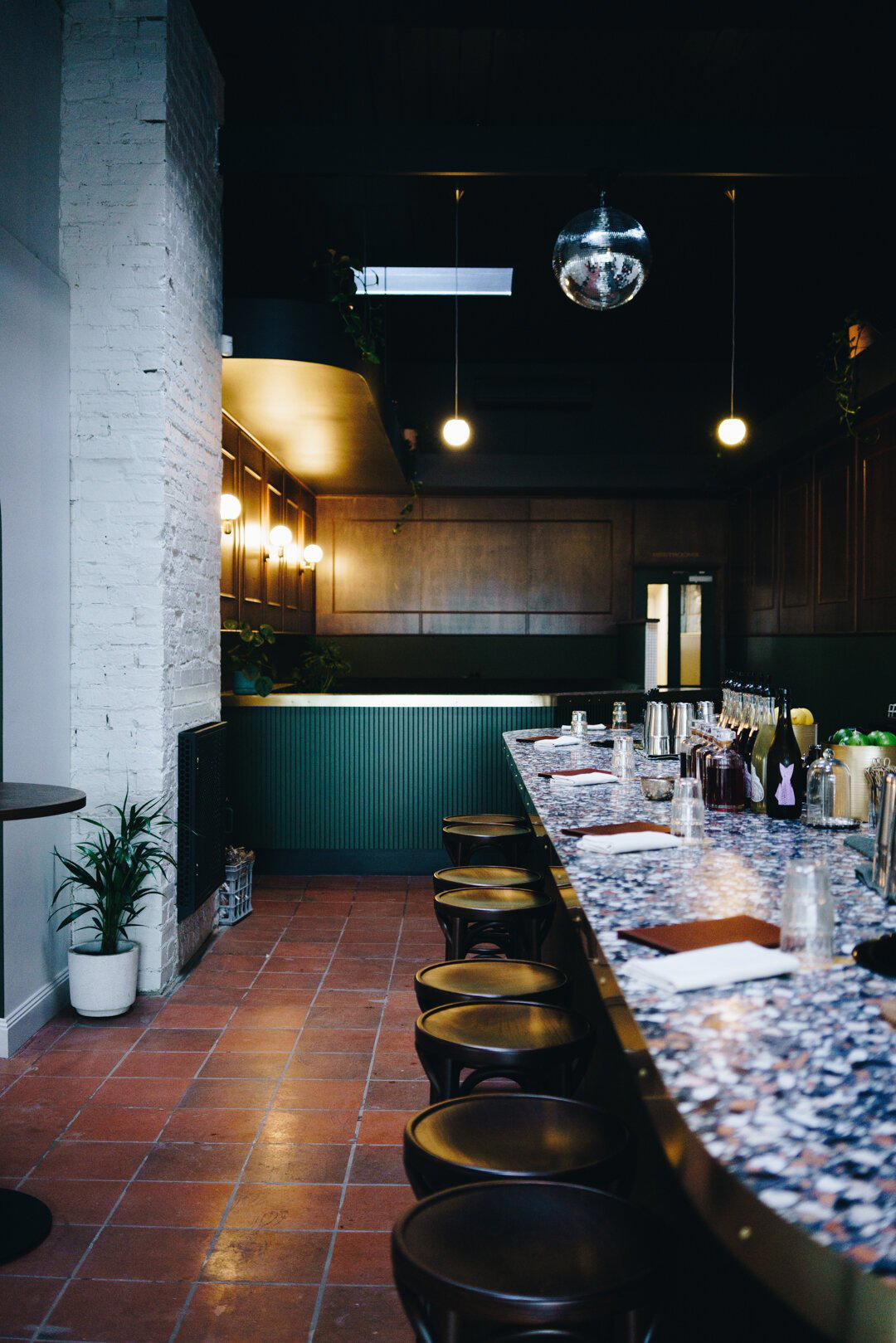
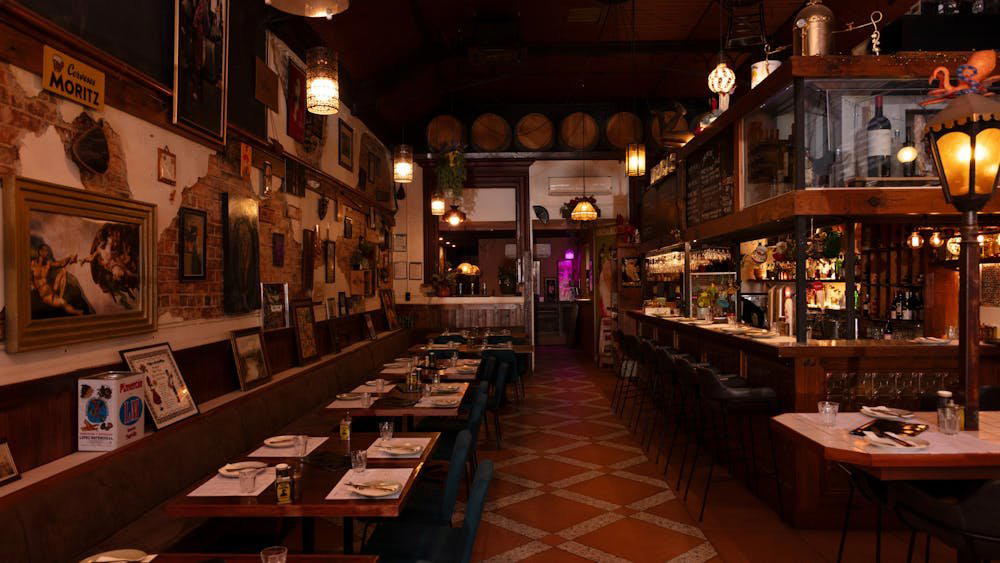
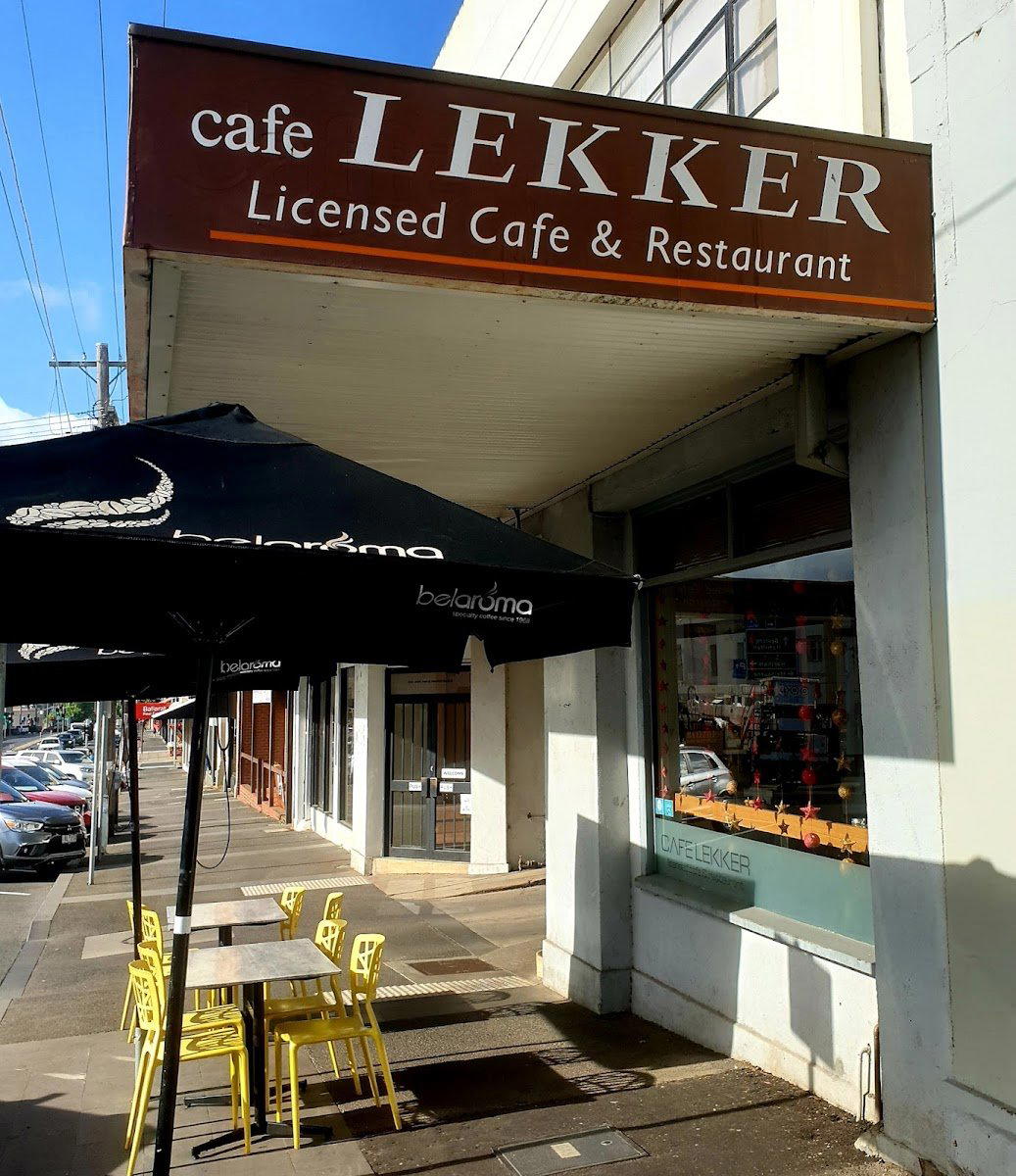
Bars in Daylesford
Browse all →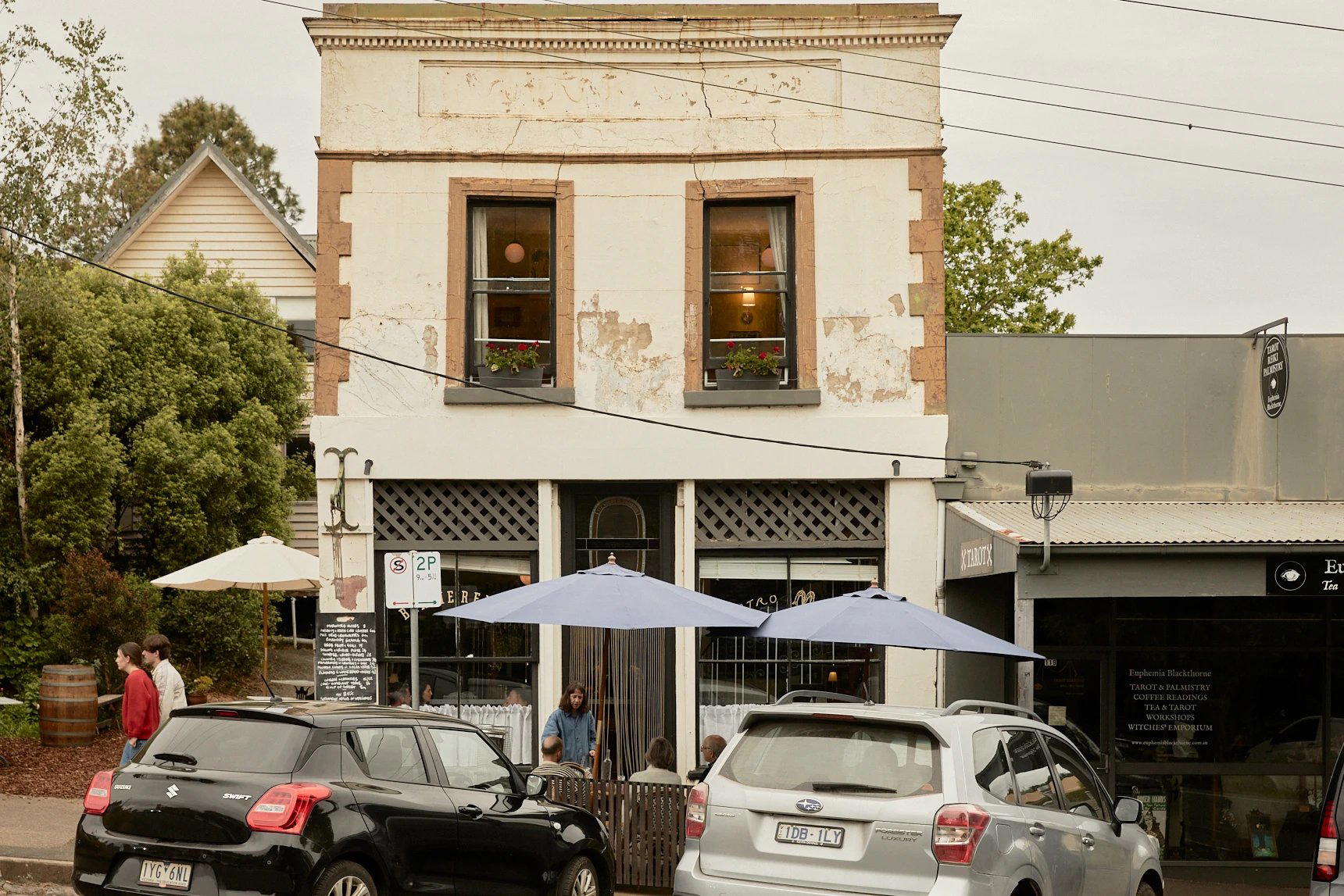
Hotels in Daylesford
Browse all →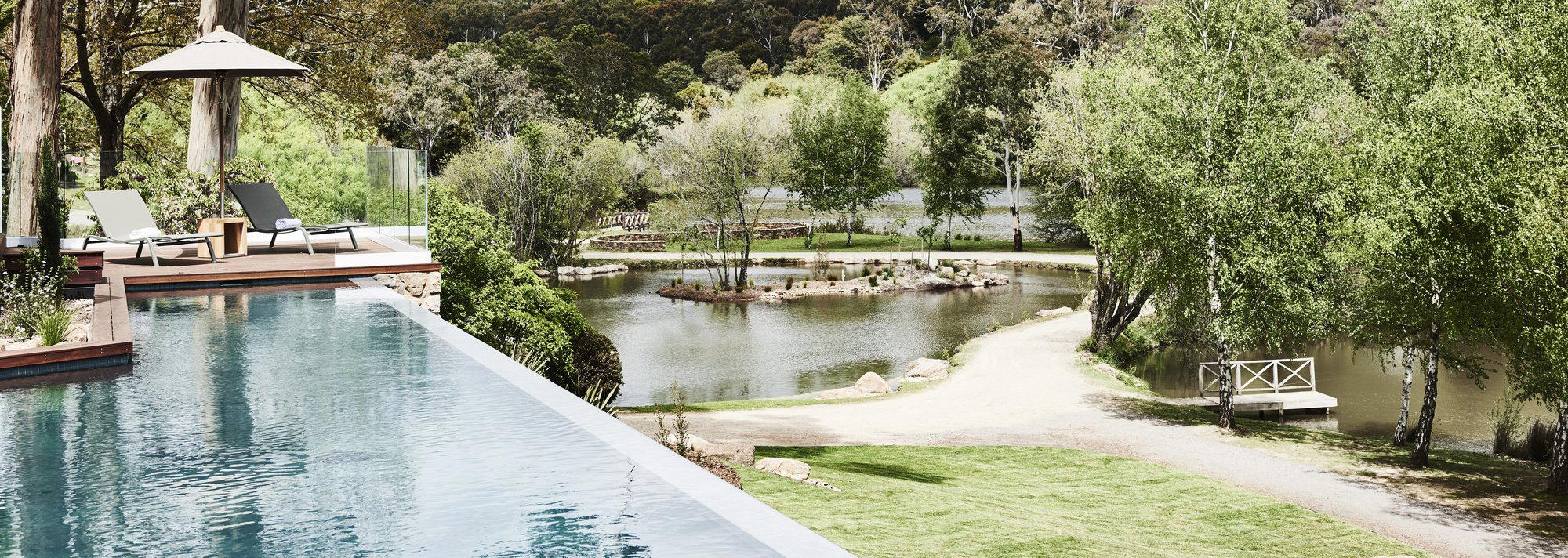

Lake House
The wine
- Wine program
- Curated wine list
- Extensive wine list
- Sommelier-led
Details
- Elegant
- Romantic
- Sophisticated
- Scenic
- Date Night
- Celebration
- Special Occasion
- Group Dining
- Waterfront
- Private Dining
- Garden
- Hotel Restaurant
- Extensive Wine List
- Sommelier Led
- Farm To Table
- Organic
- Local Sourcing
- Waterfront
- Set Menu
- Tasting Menu
- Wine
- Craft Cocktails
- Vegetarian Friendly
- Pescatarian Friendly
- Allergy Accommodating
- Organic Focus
Elegant and refined yet approachable, with spacious open dining areas overlooking the lake, sophisticated lighting, and a relaxed luxury atmosphere that avoids fussiness.