Lon Retreat & Spa


1 Michelin Key · Michelin Guide New Hotels New Hotel · Small Luxury Hotels of the World Member
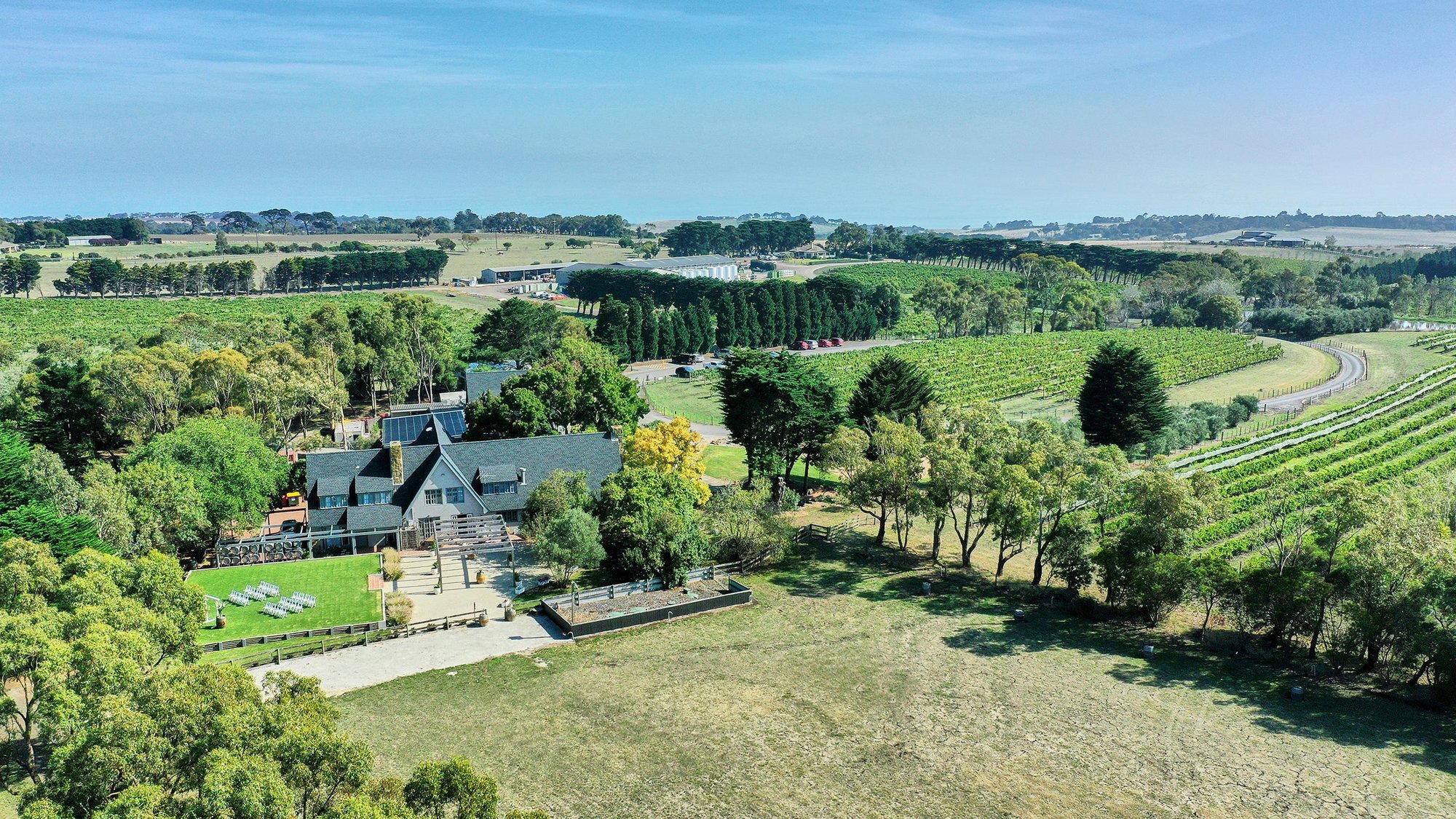
Behind Point Lonsdale's windswept dunes and Moonah woodlands, Lon Retreat & Spa operates as a family-run homestead that doubles as a working farm and food forest. The property sits in a distinct category of Australian rural retreats where agricultural rhythm and spa-led rest coexist on the same acreage. For travellers looking beyond resort polish, it represents a considered alternative to the Bellarine Peninsula's more conventional accommodation.

Pearl is the En Primeur Club membership app — saves, bookings, and concierge access live there. Same editors, same standards.
- Address
- 25 Gill Rd, Point Lonsdale VIC 3225
- Phone
- +61 3 5258 2990
- Website
- lonretreat.com.au
- Directions
- Get directions
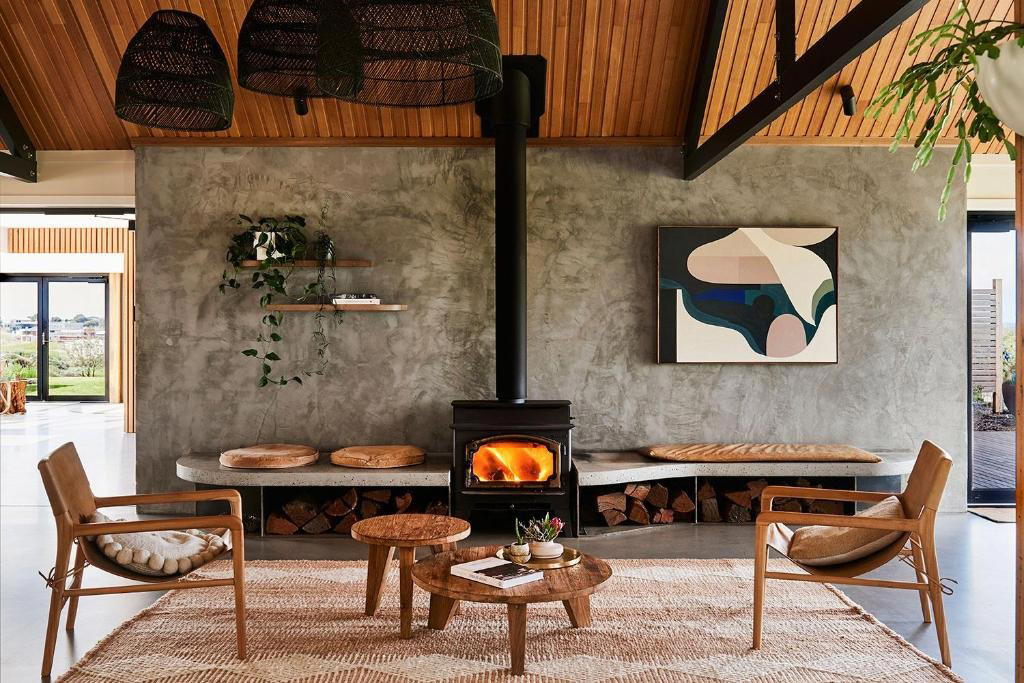
Where the Dunes End and the Pasture Begins
Point Lonsdale sits at the western mouth of Port Phillip Bay, separated from the Bellarine Peninsula's busier resort towns by distance and, more meaningfully, by character. The drive in from Queenscliff drops you onto coast roads lined with Moonah trees — a species of twisted, salt-hardy native that has shaped the visual identity of this stretch of Victorian coastline for centuries. By the time you reach Gill Road, the landscape has already done its work: the ocean wind, the low dunes, the paddock grass bending in the same direction. Lon Retreat & Spa begins before you reach the front door.
That arrival sequence matters because it frames what kind of property this is. Australia's premium retreat sector has divided clearly in recent years between two models: the resort hotel that imports polish and predictability regardless of location, and the place-specific property that lets its site determine its character. Lon belongs firmly to the second category. The homestead sits within acres of working pasture and food forest, and the design decision to leave that agricultural context intact — rather than landscaping it into something more conventionally photogenic, defines the experience more than any interior choice could.
The Homestead Aesthetic and What It Actually Means
Australian rural retreat design has a tendency to romanticise the farm without engaging with it. The exposed-beam aesthetic, the linen-heavy interiors, the heritage palette: these are signals that travel well in photography but sometimes float free of any genuine agricultural reality. Lon sidesteps that problem by operating as a working farm, which grounds the design choices in something functional rather than merely decorative. The Moonah woodlands on the property are not a backdrop; they are a genuinely ancient ecosystem, and the homestead's positioning within them gives the built structure a different kind of authority than a newly planted garden would.
The family-run nature of the operation reinforces the architectural logic. Properties in this tier, such as Lake House in Daylesford or Bells at Killcare, tend to carry a design coherence that larger group-managed properties cannot replicate, decisions about materials, additions, and atmosphere accumulate over time through a single curatorial sensibility rather than committee consensus. At Lon, that sensibility appears rooted in the land itself: the food forest, the working farm, and the spa all point toward the same premise, that the site is the amenity.
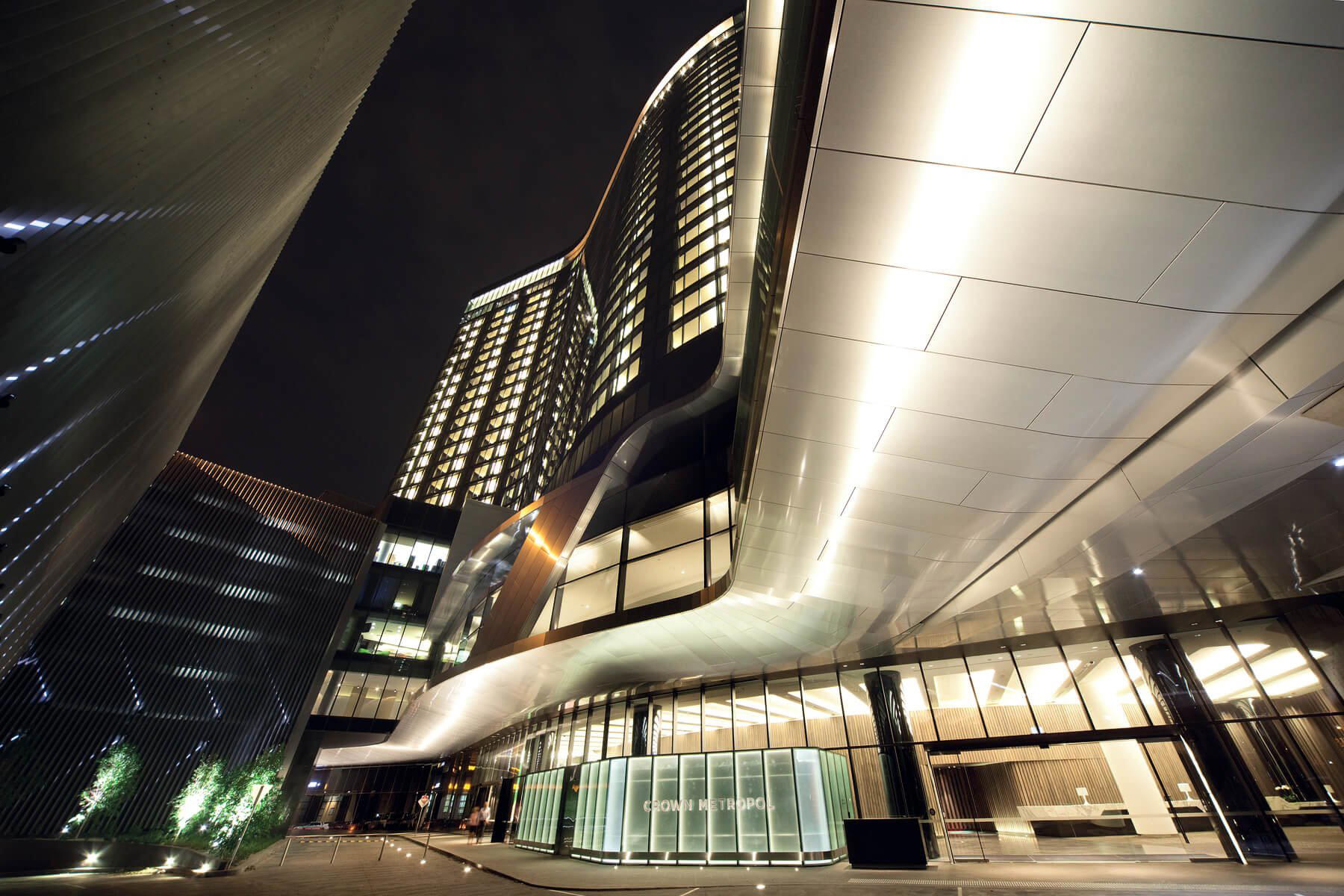
This contrasts with the urban luxury model operating in Australian capitals, where properties like Capella Sydney or Crown Metropol Melbourne in Southbank position design as a destination in itself. At Lon, the built environment serves the natural one, which is either the point or a limitation, depending on what you are looking for.
The Food Forest as Structural Element
The inclusion of a food forest on the property is not incidental. In the context of retreat design, a productive garden or food forest shifts the relationship between guest and landscape from passive to participatory. It also signals something about the food program: sourcing at this kind of property tends to follow the logic of proximity, with what grows on-site informing what appears at the table. This is a well-established pattern at comparable Australian retreats, where the kitchen and the land operate in conversation rather than independently.
Point Lonsdale's broader food context supports this approach. The Bellarine Peninsula has developed into one of Victoria's more interesting wine and produce regions over the past decade, with a cluster of small producers working in a climate that favours aromatic whites and cool-climate reds. A retreat that draws on that regional supply chain rather than bypassing it tends to offer something genuinely place-specific at the table. For the fuller picture of what the area offers beyond the property, our Point Lonsdale restaurants guide covers the local dining scene in detail.
Among Australian nature-led retreats, the relevant comparison set is not city hotels but properties that use landscape access and agricultural authenticity as their primary offering. Southern Ocean Lodge on Kangaroo Island occupies the extreme end of this spectrum, where wilderness access is the product. Wildman Wilderness Lodge in Marrakai operates on similar principles in the Northern Territory. Lon sits at a different point on that axis: its version of nature is agricultural and coastal rather than truly remote, which makes it more accessible without sacrificing the sense of distance from urban life that drives demand for this category.
The spa component places it alongside Cape Lodge in Wilyabrup in the tier of Australian regional retreats where wellness programming is integrated into a broader landscape experience rather than bolted on as a facilities list. Properties in this bracket compete on atmosphere and coherence as much as on treatment menus.
For guests coming from Melbourne, the Bellarine Peninsula is a manageable drive, which makes Lon practical for long weekends in a way that more remote wilderness properties are not. That accessibility is part of its positioning: it offers meaningful disconnection without requiring a flight.
Planning a Stay
Point Lonsdale is roughly 100 kilometres from central Melbourne via the Princes Freeway and the Bellarine Highway, a drive of around ninety minutes depending on conditions. The Bellarine Peninsula is most visited during the Victorian summer, from December through February, when the coastal climate is at its most appealing. The shoulder seasons, particularly autumn, offer quieter conditions and the agricultural rhythms of a working property in transition, which can make for a different and more atmospheric visit. Bookings for peak-season stays at properties of this type typically require planning several weeks in advance, particularly for weekend dates.
Guests who want to extend their Australian rural and coastal itinerary might consider the contrast with Jonah's in Palm Beach or, for something further afield in the same spirit, Ashdowns of Dover in Tasmania. Those travelling between Australian destinations will find comparable nature-integrated properties in very different landscape registers at Crystalbrook Riley in Cairns and The Tasman in Hobart.
Comparable Spots, Quickly
| Venue | Price | Awards |
|---|---|---|
| Lon Retreat & SpaThis venue — the venue you are viewing | Not listed | 1 Michelin Key · Michelin Guide New Hotels New Hotel |
| Capella Sydney | Not listed | 2 Michelin Keys · World's 50 Best #16 |
| Four Seasons Hotel Sydney | $500–750 | 1 Michelin Key · La Liste Top Hotels |
| Grand Hyatt Melbourne | $300–500 | Forbes Recommended |
| InterContinental Sydney | Not listed | Michelin Selected · Virtuoso Luxury Hotel Partner |
| Park Hyatt Melbourne | Not listed | Michelin Selected · La Liste Top Hotels |
Recognition history
Dated appearances from independent guides and award organizations, with the underlying list record or original source where available.
Michelin 1 Key
Michelin
Michelin Guide New Hotels New Hotel
Michelin Guide New Hotels
Small Luxury Hotels of the World Member
Small Luxury Hotels of the World
Full recognition history (4 entries)
Michelin Selected
Michelin
Continue exploring
More in Point Lonsdale
Hotels in Point Lonsdale
Browse all →
Bars in Point Lonsdale
Browse all →
Restaurants in Point Lonsdale
Browse all →

Details
- Quiet
- Elegant
- Scenic
- Intimate
- Sophisticated
- Romantic Getaway
- Wellness Retreat
- Anniversary
- Weekend Escape
- Beachfront
- Destination Spa
- Panoramic View
- Pool
- Spa
- Hot Tub
- Air Conditioning
- Concierge
- Waterfront
- Wheelchair Accessible
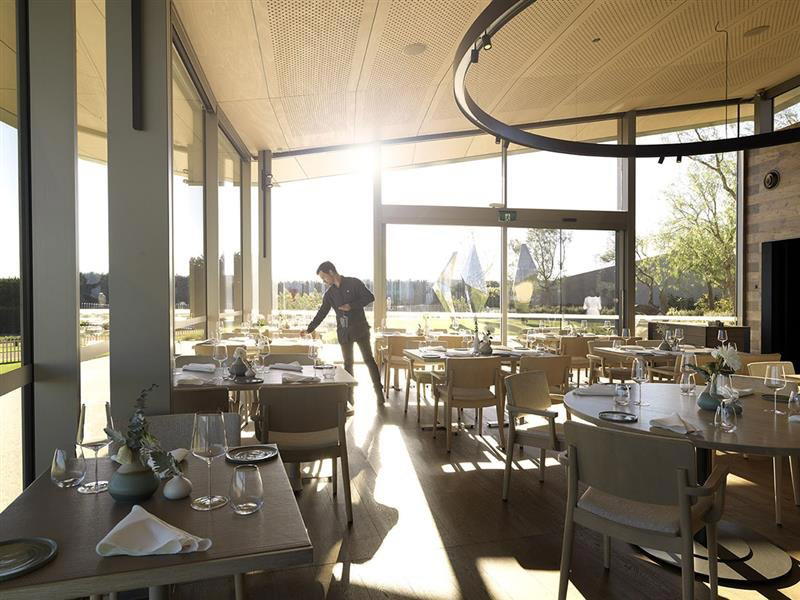
Calm and serene atmosphere with natural light from large panoramic windows, cozy fireplaces, and relaxing mineral pools amid coastal and rural surroundings.