Sommras
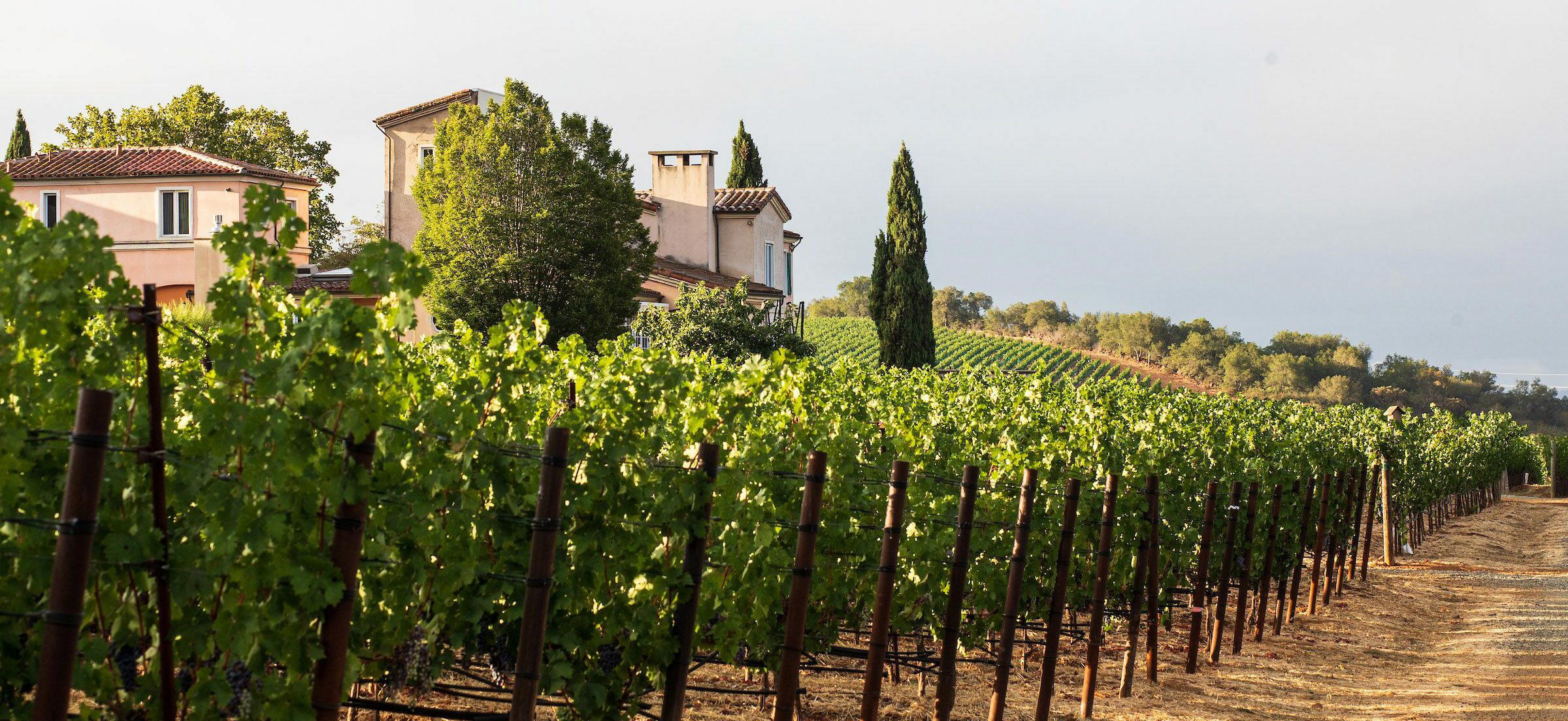
Sommras sits on Atlas Peak Road at an elevation that separates it from the valley floor in both altitude and ambition. For those planning a serious Napa itinerary, Sommras represents one of the more considered stops on the eastern ridge.

Pearl is the En Primeur Club membership app — saves, bookings, and concierge access live there. Same editors, same standards.
- Address
- 4080 Atlas Peak Rd, Napa, CA 94558
- Phone
- (707) 200-3921
- Website
- sommras.com
- Directions
- Get directions
Atlas Peak at Elevation: What the Appellation Demands
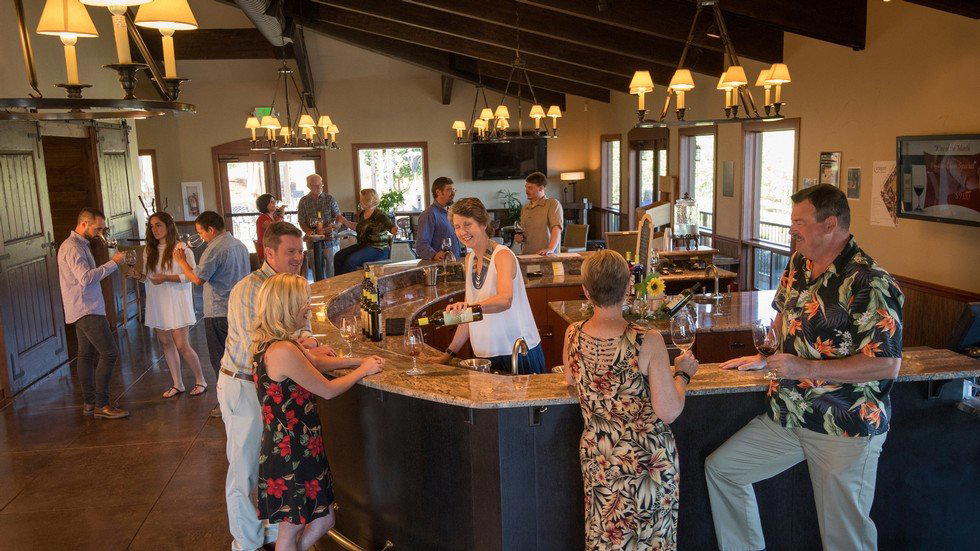
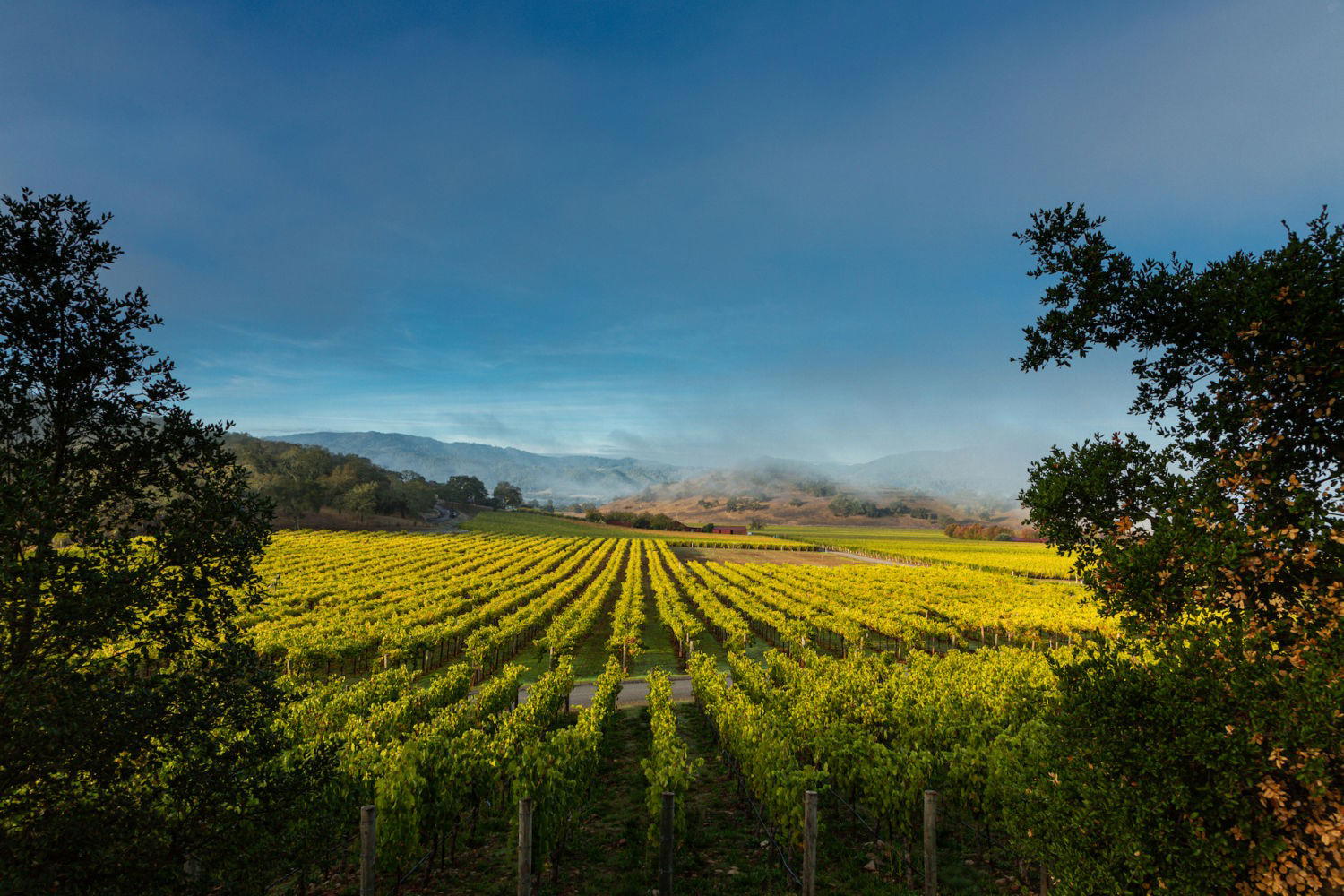
The eastern slope of Napa Valley rises sharply past the valley floor vineyards that most visitors associate with the region. At Atlas Peak, elevations above 1,600 feet bring cooler afternoon temperatures, volcanic and rhyolite soils with high mineral content, and a growing season that runs longer and slower than the benchland estates closer to Highway 29. The wines produced here tend toward concentration with structural acidity that valley-floor Cabernets rarely achieve at the same ripeness level. Sommras, addressed at 4080 Atlas Peak Road, occupies this terrain and operates within the logic of a sub-appellation that has always attracted producers interested in something other than the approachable, polished mainstream.
Neighbours such as Antica Napa Valley, Hesperian Wines, Jean Edwards Cellars, Levendi Winery, and Seven Apart collectively define an appellation character built around site expression rather than brand volume. That context matters when positioning Sommras: this is a winery operating in a corner of Napa that filters out producers whose priority is output over precision.
In a region where Michelin stars, 100-point Parker scores, and Wine Spectator rankings dominate the conversation, the Pearl system offers an independent data point that tracks hospitality depth alongside wine quality. A 2 Star Prestige result at Atlas Peak is not a baseline pass; it indicates a property that performs credibly across both its wine programme and the experience it delivers to visitors.
For comparison, Alpha Omega Winery in Rutherford and Accendo Cellars in St. Helena both operate at the premium tier of Napa's recognition ecosystem.
The Hospitality Format at Atlas Peak
Visiting a winery on Atlas Peak Road is a different proposition from driving into Yountville or Oakville. The road climbs and narrows; the properties become more dispersed; the drop-in-friendly tasting room model used by many lower-elevation producers gives way to appointment-based visits that prioritise depth over throughput. This structural feature of the appellation shapes what a Sommras visit looks like in practice. Visitors arrive having made deliberate choices about where they are going and why, which changes the quality of engagement between host and guest.
The food and wine pairing format that defines the higher tiers of Napa hospitality has migrated steadily uphill over the past decade. Properties at elevation now compete on experience depth rather than accessibility. That means on-site programming, whether curated tastings with food components, private pairing events, or collaboration dinners, has become the differentiating layer between a credentialed winery and one that simply pours wine. For current programming, confirmed hours, and booking logistics, contacting the property directly via the address at 4080 Atlas Peak Rd is advisable before planning a visit.
Pairing Logic in a High-Elevation Cabernet Setting
The structural properties of Atlas Peak wine, higher acidity, firmer tannin architecture, and lower alcohol than many valley-floor counterparts at similar ripeness, create a specific pairing grammar. Dishes with fat and char read well against the tannin frame. Aged hard cheeses work against the acidity. The longer hang time on the mountain tends to build savouriness rather than sweetness in the fruit profile, which opens the wine to umami-driven food pairings that would overwhelm a softer, more approachable Napa Cabernet.
This is the underlying logic that makes food and wine pairing programming at Atlas Peak properties more than a commercial add-on. The terroir creates a wine that actively responds to food in a way that demonstrates the appellation's character better than solo tasting would. Producers across the region, from the Rhone-focused approach of Alban Vineyards in Arroyo Grande to the Willamette methodology of Adelsheim Vineyard in Newberg, have each developed pairing programmes calibrated to their specific wine profiles. Atlas Peak's Cabernet-dominant programme has its own internal logic that rewards visitors who engage with it through a food lens.
How Sommras Fits the Atlas Peak Narrative
Napa's premium tier has diversified over the past fifteen years. The benchland Cabernet estates that commanded allocation lists and three-digit price points in the early 2000s now share the serious collector's attention with mountain producers whose wines behave differently in the glass and age along a different curve. Atlas Peak has benefited from this shift. The appellation's volcanic soil profile, which differs sharply from the alluvial and clay-loam compositions lower on the valley, produces wines with a mineral signature that sommeliers in particular have championed as a counter-narrative to the richer, more textured valley-floor style.
Sommras sits within that counter-narrative. For reference, other California producers across different regions, such as Adelaida Vineyards in Paso Robles, Alexander Valley Vineyards in Geyserville, and Andrew Murray Vineyards in Los Olivos, each operate within their own appellation logic. Sommras is firmly within the Atlas Peak story, not the broader Napa valley-floor narrative.
Planning a Visit
Atlas Peak Road requires a committed drive from central Napa, which works as a natural filter. Properties at this elevation do not attract casual passing traffic; visits are planned, often pairing-focused, and typically longer than a standard tasting room stop. For visitors building an itinerary around the eastern ridge, pairing Sommras with other appellation producers, consult the full Atlas Peak (Napa) restaurants and winery guide for a structured view of what the area offers across price points and experience formats.
For international context, the appointment-led, elevation-driven winery experience has parallels elsewhere: the structured visit format at Aberlour in Aberlour and the heritage hospitality model at Achaia Clauss in Patras each demonstrate how producers outside the mainstream visitor circuit build depth through appointment and curation rather than volume. Sommras operates within the same principle on Atlas Peak.
Comparison Snapshot
Comparable venues nearby, for context on price, style, and recognition.
| Venue | Cuisine | Price | Awards | Notes |
|---|---|---|---|---|
| SommrasThis venue — the venue you are viewing | Cabernet Sauvignon, Merlot | $50–100 | Not listed | Not listed |
| Tournesol | Cabernet Sauvignon, Cabernet Franc | Not listed | Not listed | Coombsville |
| Heitz Cellar Estate | Cabernet Sauvignon, Chardonnay | $50–100 | Falstaff Winery - Listed | St. Helena |
| Domaine Carneros | Pinot Noir, Chardonnay | $50–100 | Falstaff Winery - Listed | Carneros |
| Kongsgaard | Chardonnay, Syrah | Not listed | Falstaff Winery - Listed | Atlas Peak |
| Kapcsandy Family Winery | Cabernet Sauvignon, Merlot | Not listed | Falstaff Winery - Listed | Yountville |
Continue exploring
More in Napa
Wineries in Napa
Browse all →
Bars in Napa
Browse all →
Restaurants in Napa
Browse all →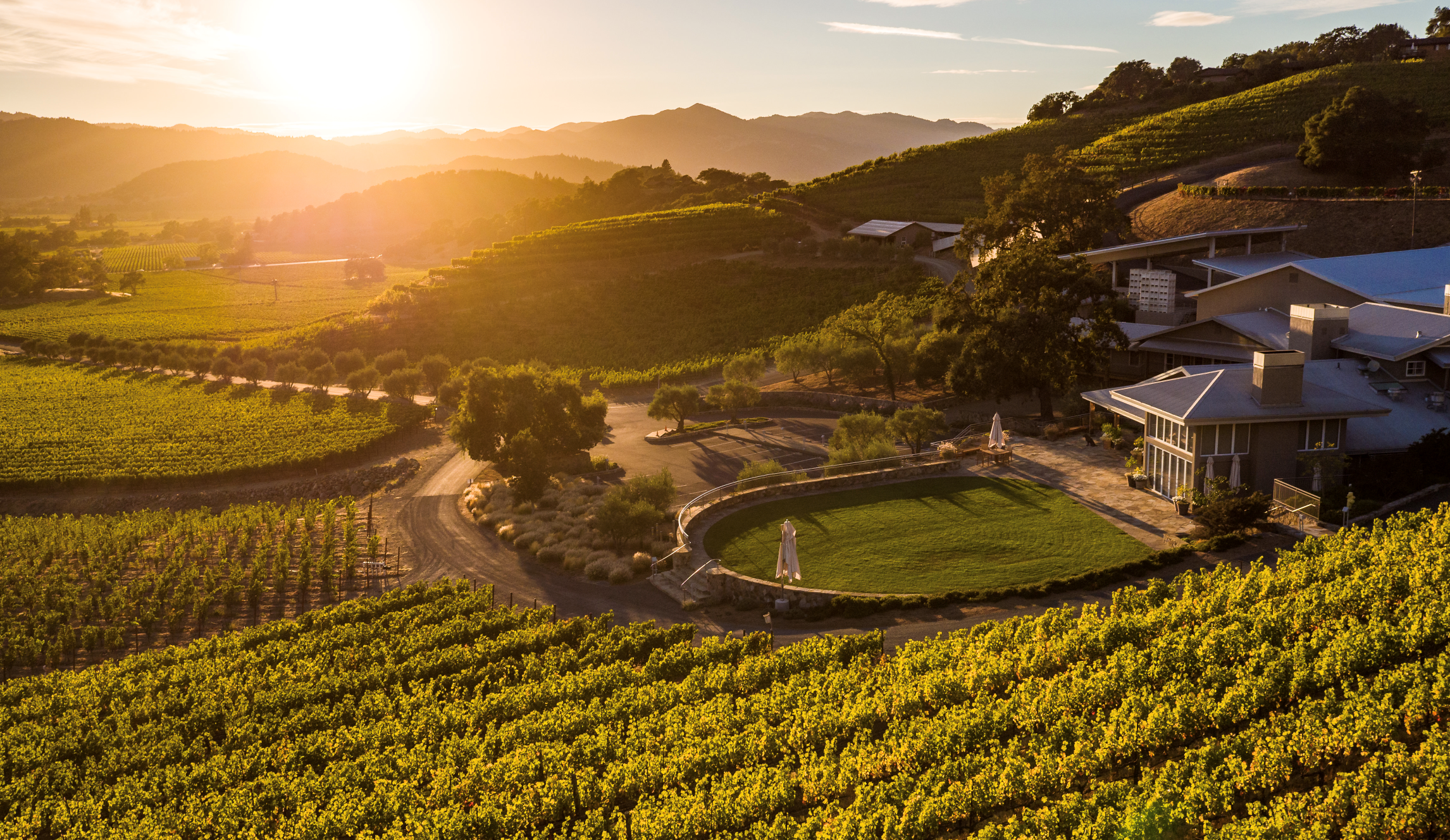
Details
- Scenic
- Intimate
- Sophisticated
- Special Occasion
- Group Outing
- Wine Education
- Estate Grounds
- Design Destination
- Private Tasting
- Sustainable
- Mountain
- Vineyard
- Cabernet Sauvignon
- Sauvignon Blanc
- Tuscan Red Blend
- Still Red
- Still White
- Private Tasting
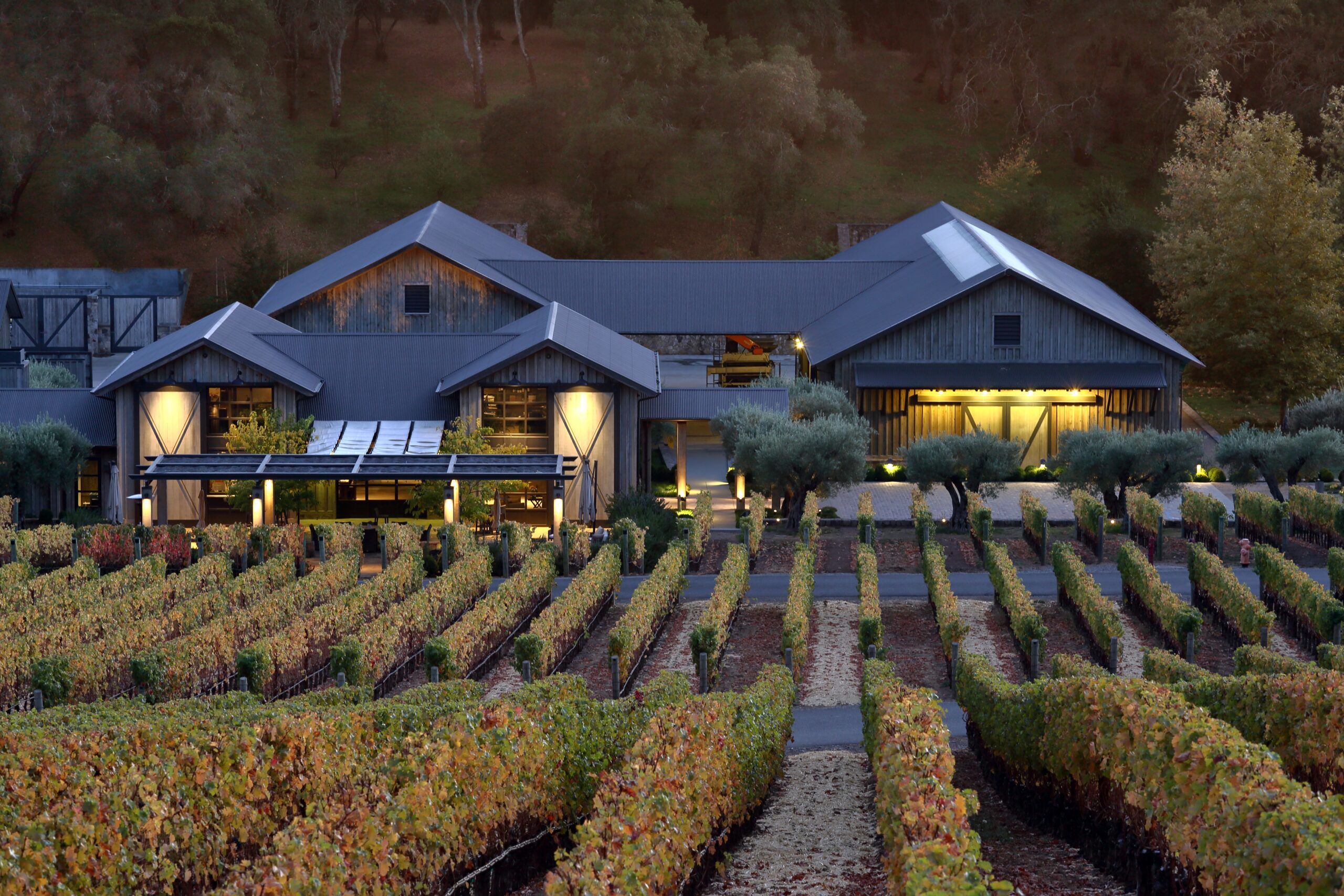
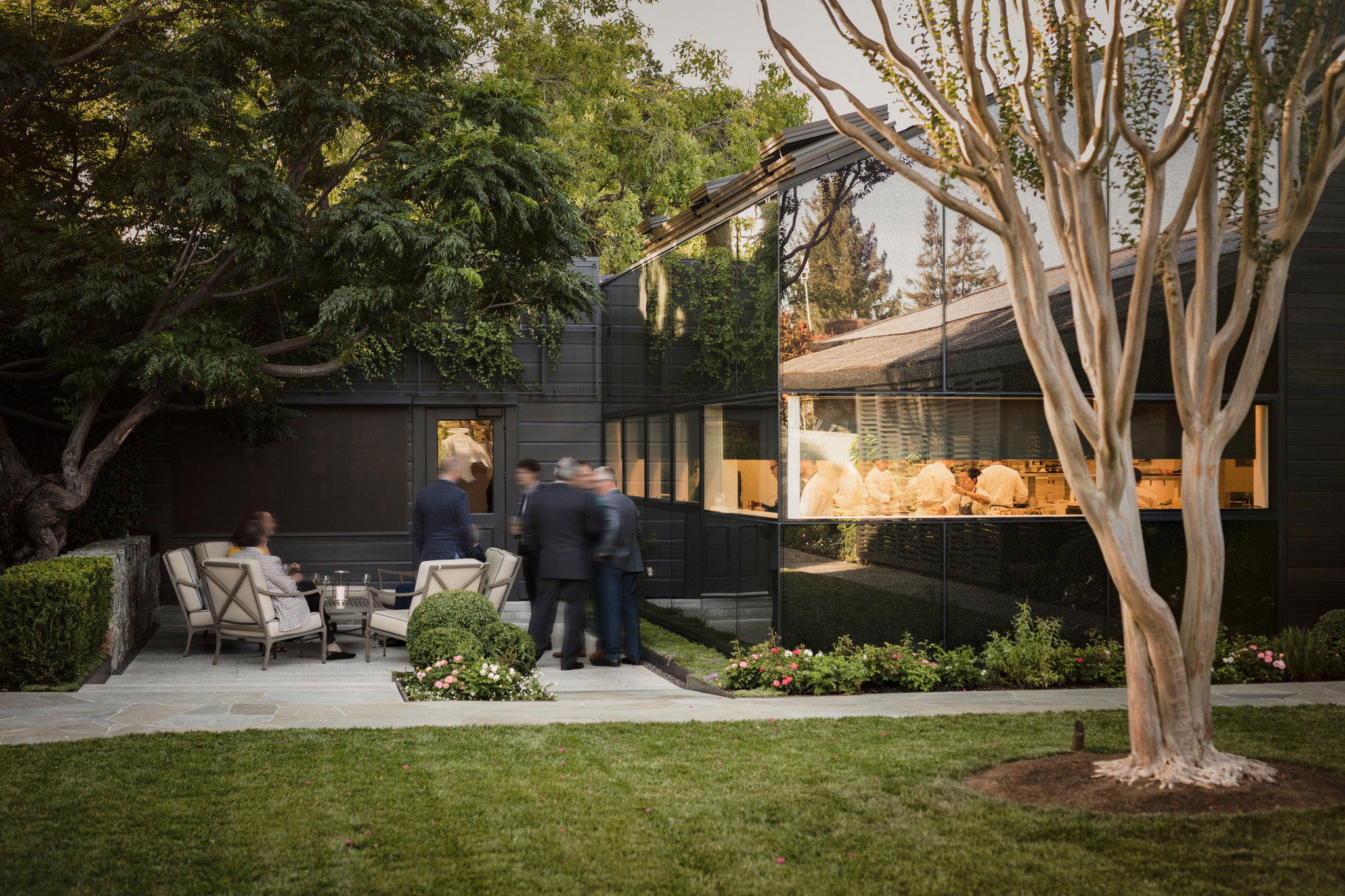
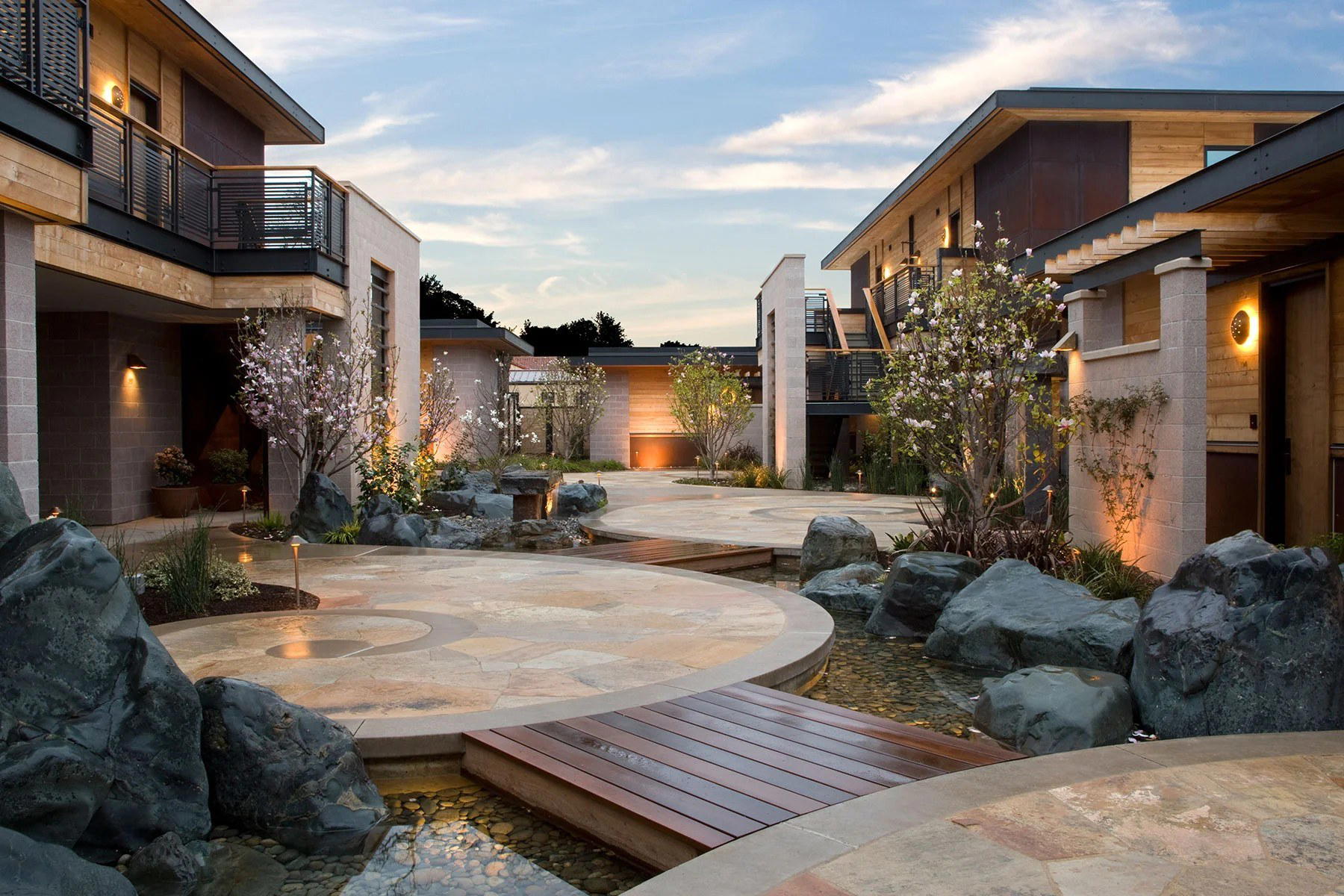
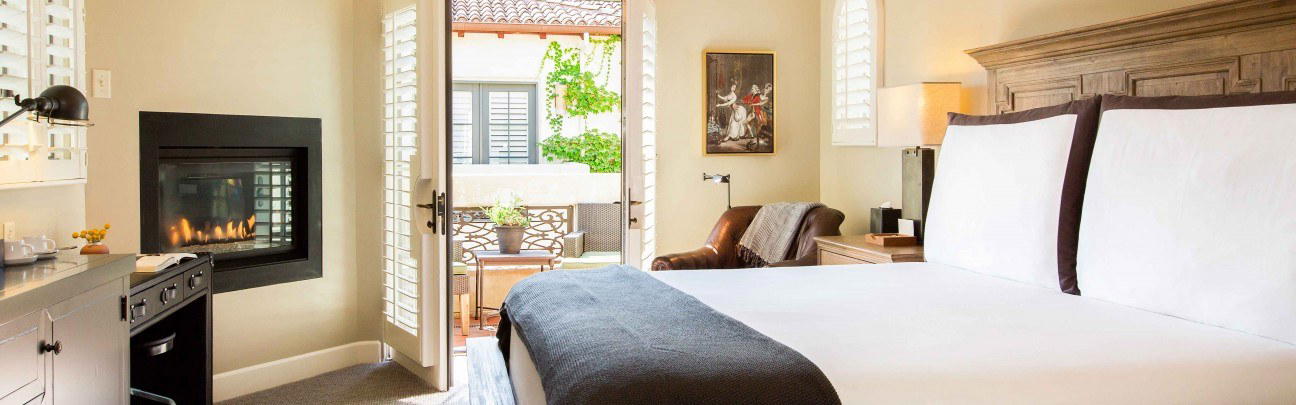
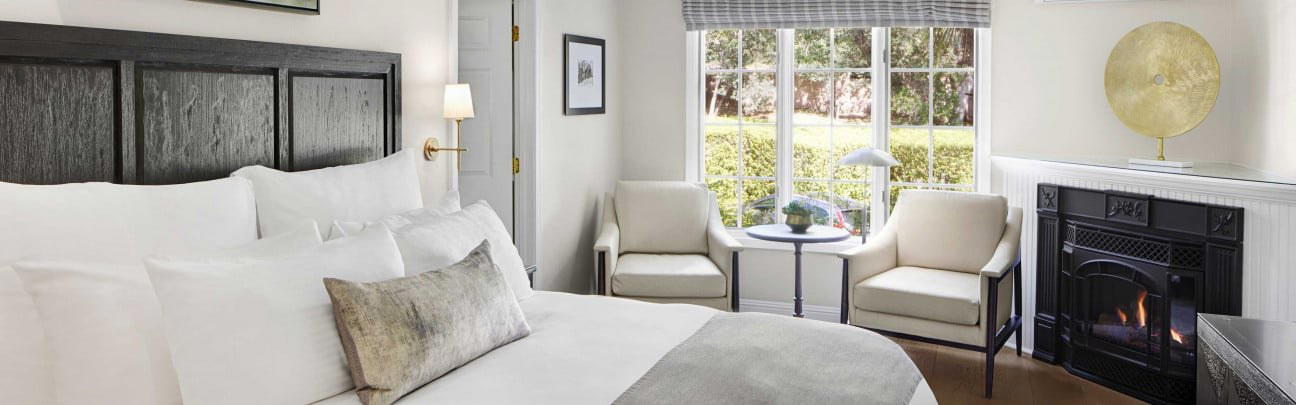
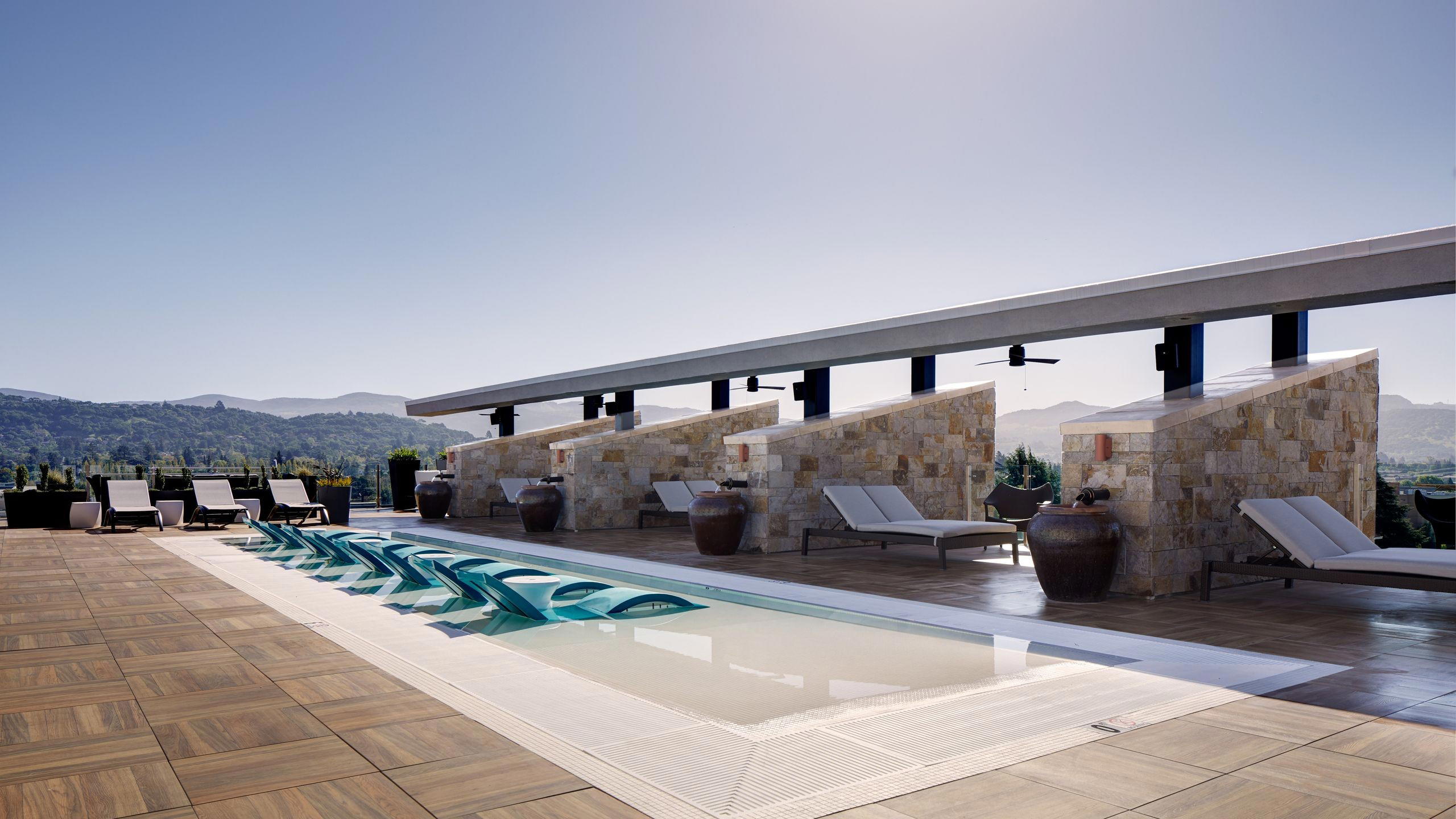
Exclusive, estate-driven mountain winery atmosphere with scenic Atlas Peak views and a high-elevation volcanic-soil setting.