Burgess Cellars
Burgess Cellars has been shaping Howell Mountain's reputation since its first vintage in 1972, placing it among the AVA's founding generation of serious Cabernet producers. Under winemaker Kelly Woods and.
Pearl is the En Primeur Club membership app — saves, bookings, and concierge access live there. Same editors, same standards.
- Address
- 2921 Silverado Trail, Napa, CA 94558
- Phone
- +1 707-963-4766
- Website
- burgesscellars.com
- Directions
- Get directions
 Saves & bookings on Pearl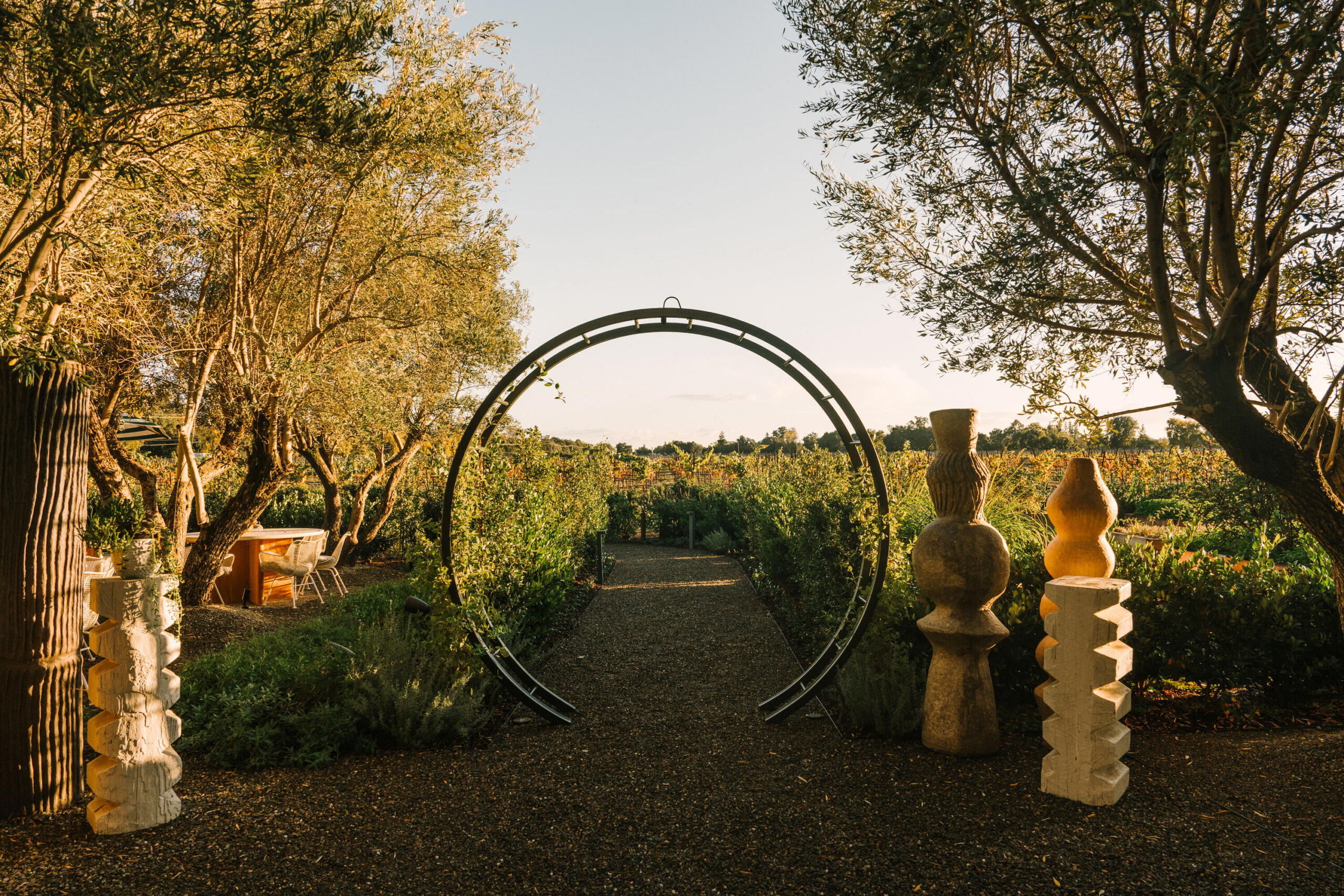
Howell Mountain and the Case for Elevation
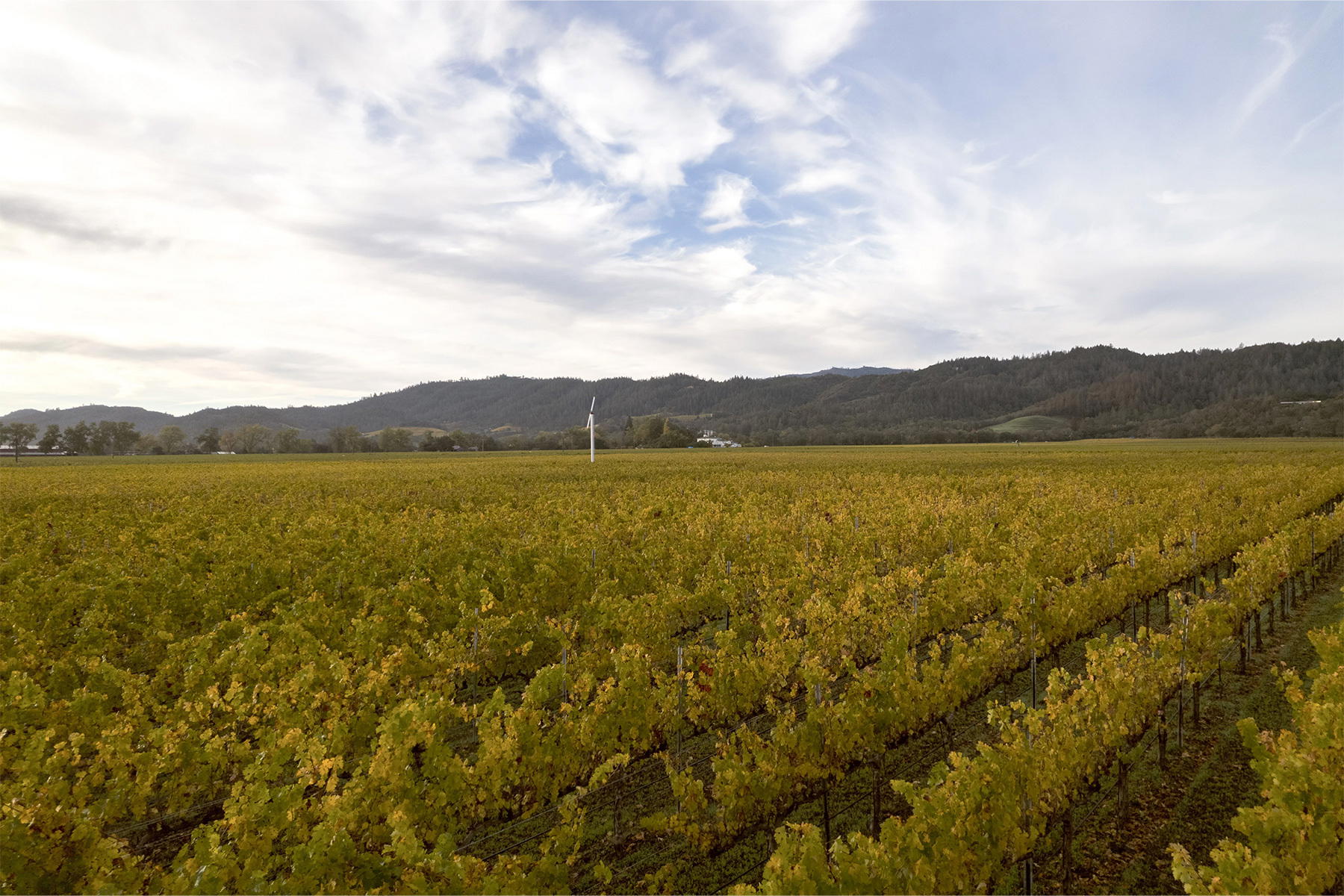
Napa Valley's floor-level reputation is built on alluvial wealth: deep soils, consistent warmth, and the kind of growing conditions that make Cabernet Sauvignon reliably generous. Howell Mountain operates on a different premise. Sitting above the fog line at elevations that regularly exceed 1,400 feet, the AVA imposes discipline rather than abundance. The volcanic and rocky soils here drain fast and force vines into deep root systems. Fruit clusters remain small. Tannins develop with structural precision rather than soft approachability. The wines that emerge from this terrain take time, and the producers who have committed to it tend to attract a particular kind of collector: one who plans ahead and buys to age.
Burgess Cellars belongs to the founding generation of that commitment. The winery's first vintage dates to 1972, which places it at the table when Howell Mountain was defining itself as a serious Cabernet address, well before the AVA designation arrived in 1983. Few producers in this corner of Napa can draw on that kind of institutional memory. Neighbours like La Jota Vineyard Co., O'Shaughnessy Estate Winery, and Dunn Vineyards each bring serious track records, but the 1972 starting point at Burgess anchors it in a different historical bracket. That longevity is not nostalgia, it is evidence that the site has repeatedly demonstrated what it can do across decades of varying vintages.
The Terrain Behind the Wine
Howell Mountain's geology is the story beneath every bottle produced here. The dominant soil types are volcanic in origin: red-brown Aiken and Kidd loams, derived from ancient lava flows and ash deposits, thin enough that water retention is minimal and vine stress is the default condition rather than the exception. That stress is deliberate in premium viticulture; it concentrates sugars, builds phenolic complexity, and produces fruit that comes in at lower yields but with more concentrated expression per berry.
The elevation carries consequences for temperature too. Nights on Howell Mountain are meaningfully cooler than on the valley floor, extending the hang time of fruit and preserving acidity even as ripeness builds. The result is Cabernet Sauvignon with structural tension rather than plush immediacy, wines that sommeliers and collectors reach for when they are building a cellar for ten or fifteen years out, not for immediate consumption.
Burgess Cellars sits at 2921 Silverado Trail, technically addressed to Napa but positioned within this mountain framework. Winemaker Meghan Zobeck works with fruit shaped by these conditions.
Winemaker Continuity and the Long Game
In a Napa subregion where the winemaker's name often carries the brand as much as the estate does, the pairing of a half-century-old winery with a named winemaker like Kelly Woods carries particular weight. Howell Mountain's wines require patience at every stage: in the vineyard, in the cellar, and ultimately in the bottle. The approach to viticulture and winemaking here is not designed for quick turnaround. The tannin profiles that volcanic mountain fruit produces need time to integrate, which means the winemaking decisions made during fermentation and elevage directly determine whether a wine becomes something worth cellaring or something that remains difficult for years without resolution.
That question of structure and integration is one that producers across Napa's mountain AVAs handle differently. Accendo Cellars in St. Helena approaches its mountain-adjacent fruit with an emphasis on restraint; Alpha Omega Winery in Rutherford works within the valley floor's different register entirely. The Howell Mountain producers, Burgess among them, are united by a shared starting point in the terroir even when their approaches diverge in the cellar.
Situating Burgess in a Competitive comparable set
Burgess Cellars has received one award recognition from EP Club. That rating reflects consistent production quality, not a single strong vintage, which matters when the argument for a winery rests partly on its longevity. Collectors and serious buyers look for producers that deliver across years rather than peaking in ideal conditions and retreating in difficult ones. A 1972 founding date combined with current awards recognition suggests the operation has maintained its quality across cycles of ownership, winemaking change, and vintage variation that would have exposed weaker estates.
The broader California comparison is instructive here. Mountain-designated Cabernet from producers like Adelaida Vineyards in Paso Robles or the Pinot-focused work at Adelsheim Vineyard in Newberg illustrates how elevation and volcanic or rocky soils tend to produce wines of structural density across different varietals and regions. The through-line is what reduced water availability and diurnal temperature variation do to grape development, regardless of whether the fruit is Cabernet, Pinot Noir, or Syrah. At Burgess, that principle expresses itself through Napa's dominant varietal and the mountain's characteristic insistence on structure over ease.
Further afield, producers pursuing site-driven specificity at places like Alban Vineyards in Arroyo Grande, Alexander Valley Vineyards in Geyserville, or Andrew Murray Vineyards in Los Olivos each demonstrate that California's premium tier has moved decisively toward place-specificity over the last two decades. The winery made that argument from the beginning, in 1972, before it became the dominant framework.
Planning a Visit
The winery's address on Silverado Trail makes it accessible from the main Napa Valley corridor, though the mountain elevation means the approach involves switchback roads typical of the Angwin area. Visitors exploring the broader region can consider pairing Burgess with neighbouring producers; the mountain's compact geography puts several serious estates within a short drive of each other, making a focused Howell Mountain day viable rather than logistically scattered. The winery is appointment only, so direct contact or the winery's own channels are the practical starting point for visit planning. Advance enquiry is sensible for anyone hoping to secure a specific experience.
Comparable Spots, Quickly
Comparable venues nearby, for context on price, style, and recognition.
| Venue | Cuisine | Price | Notes |
|---|---|---|---|
| Burgess CellarsThis venue — the venue you are viewing | Cabernet Sauvignon, Chardonnay | $$$ | Not listed |
| Frias Family Vineyard | Cabernet Sauvignon, Merlot | $$$ | Spring Mountain District |
| Artesa Vineyards and Winery | Chardonnay, Pinot Noir | $$$ | Los Carneros |
| Jean Edwards Cellars | cabernet sauvignon, cabernet franc | $$$ | Atlas Peak |
| Jarvis Estate | Cabernet Sauvignon, Chardonnay | $$$ | Vaca Mountains |
| Hess Collection Winery | Cabernet Sauvignon, Chardonnay | $$$ | Mount Veeder |

At a Glance
- Rustic
- Scenic
- Elegant
- Classic
- Intimate
- Wine Education
- Special Occasion
- Solo Exploration
- Vineyard Tour
- Estate Grounds
- Panoramic View
- Historic Building
- Organic
- Biodynamic
- Mountain
- Vineyard
- Napa Valley AVA
- Cabernet Sauvignon
- Chardonnay
- Syrah
- Petit Verdot
- Cabernet Franc
- Petite Sirah
- Malbec
- Grenache
- Still Red
- Still White
- Still Rosé
- Private Tasting
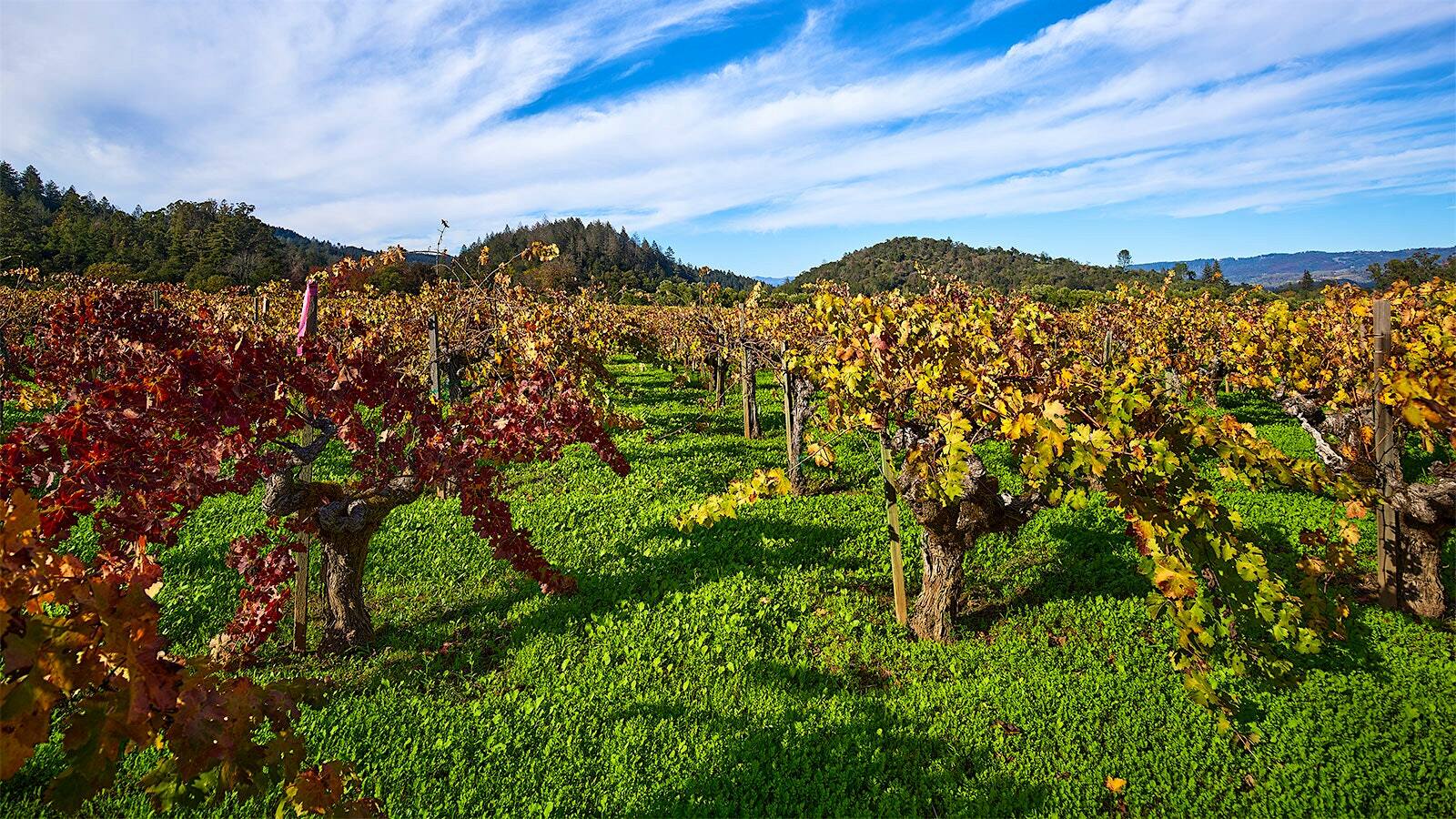
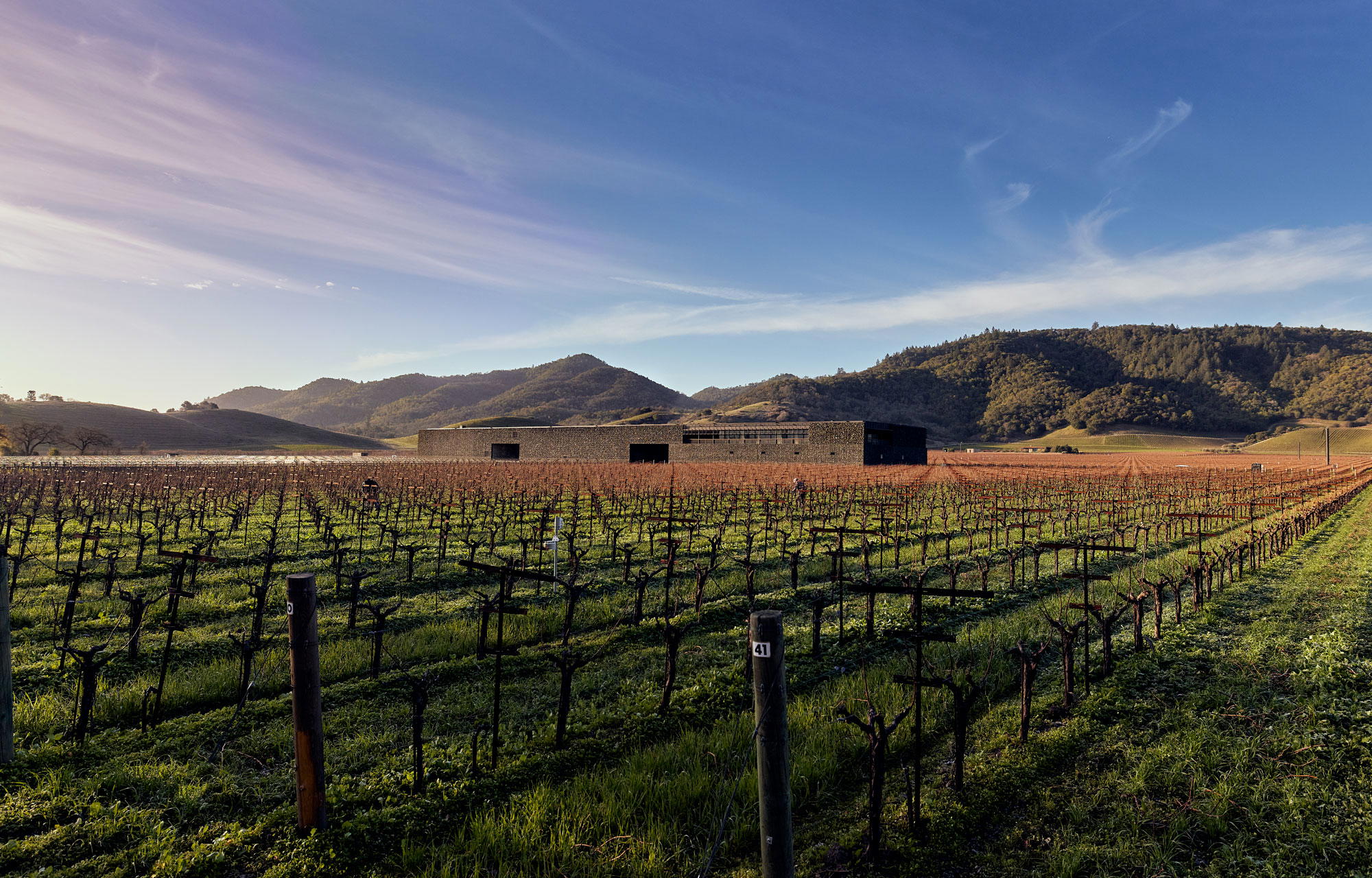
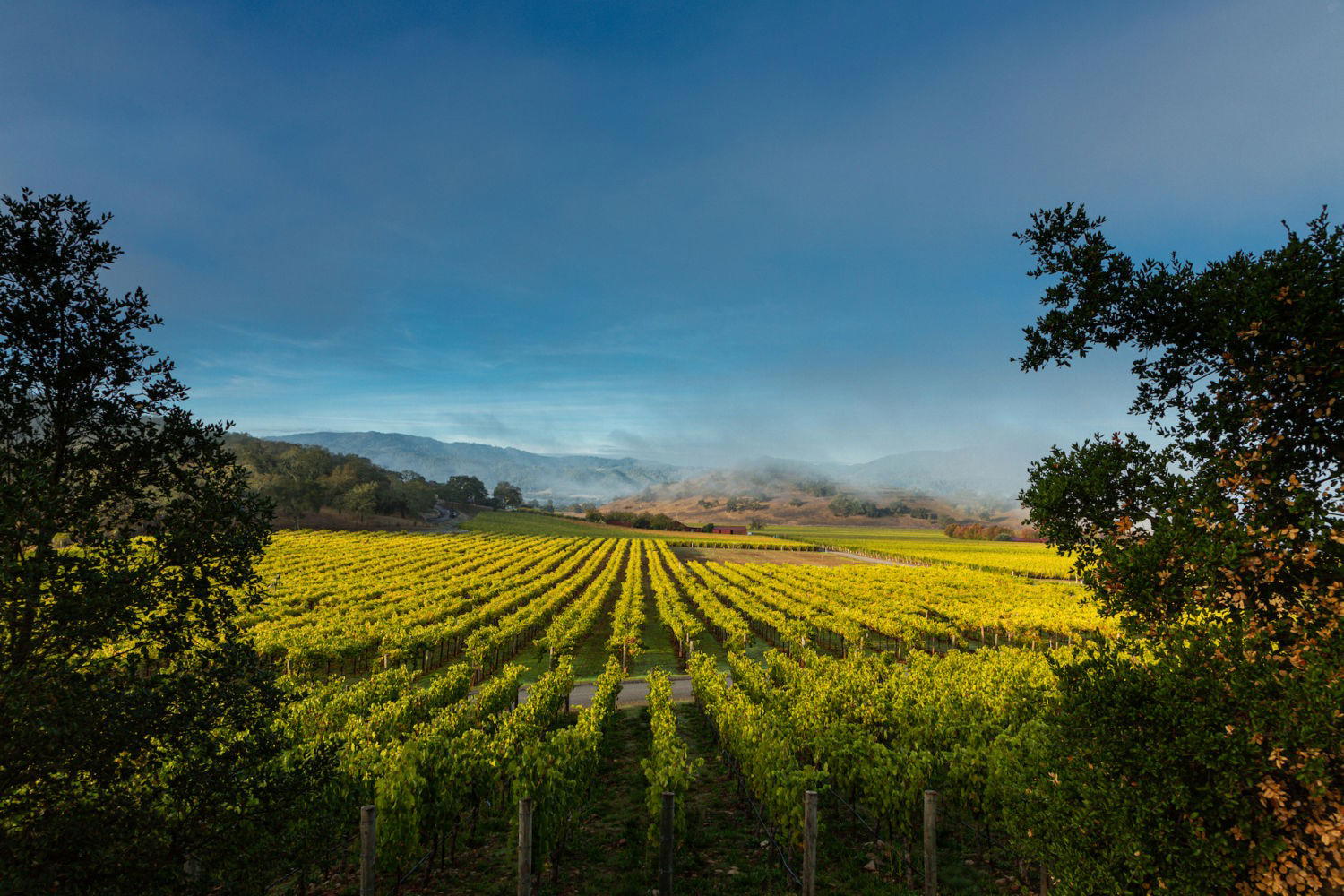
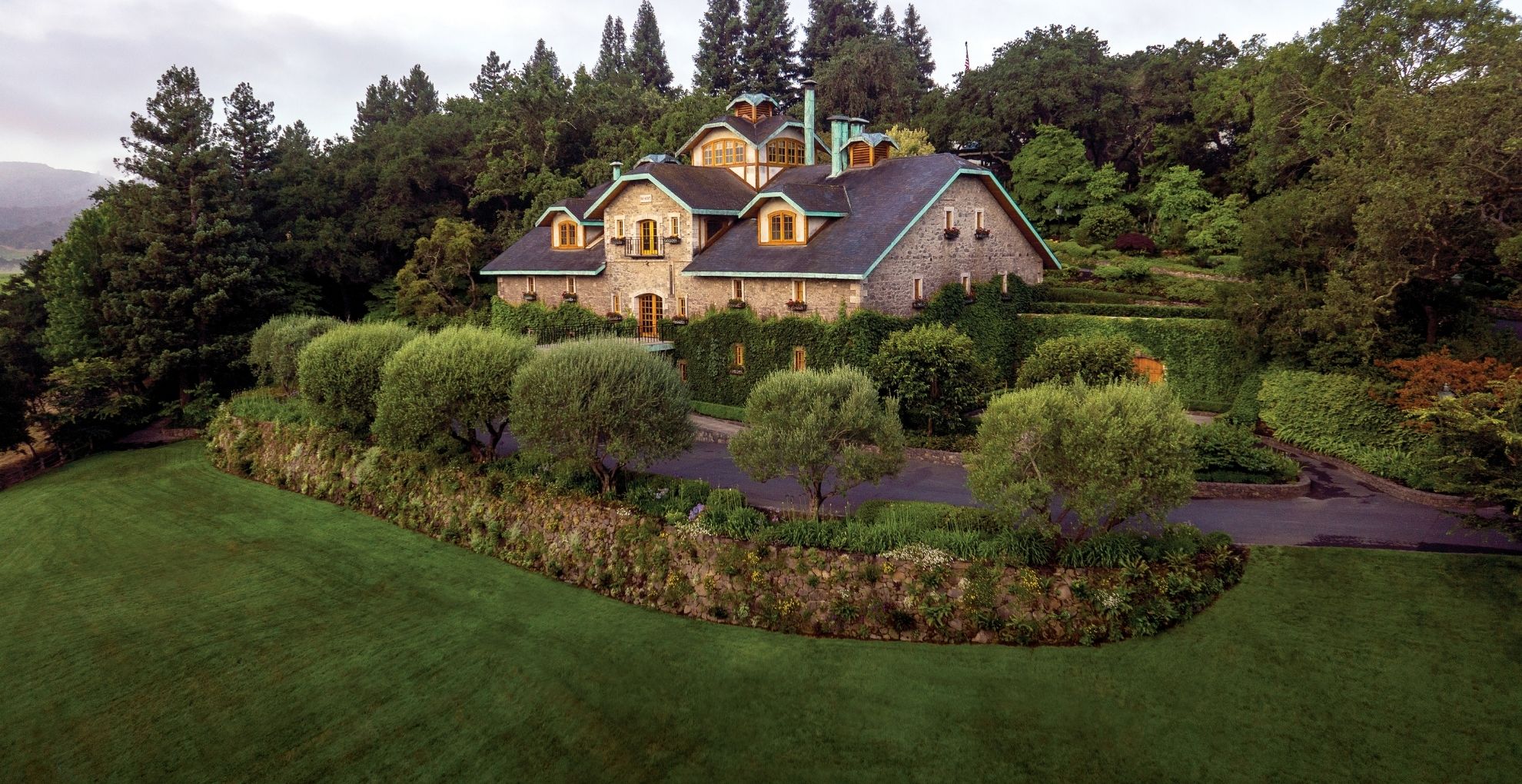
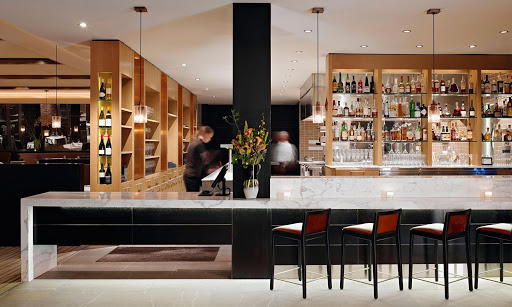
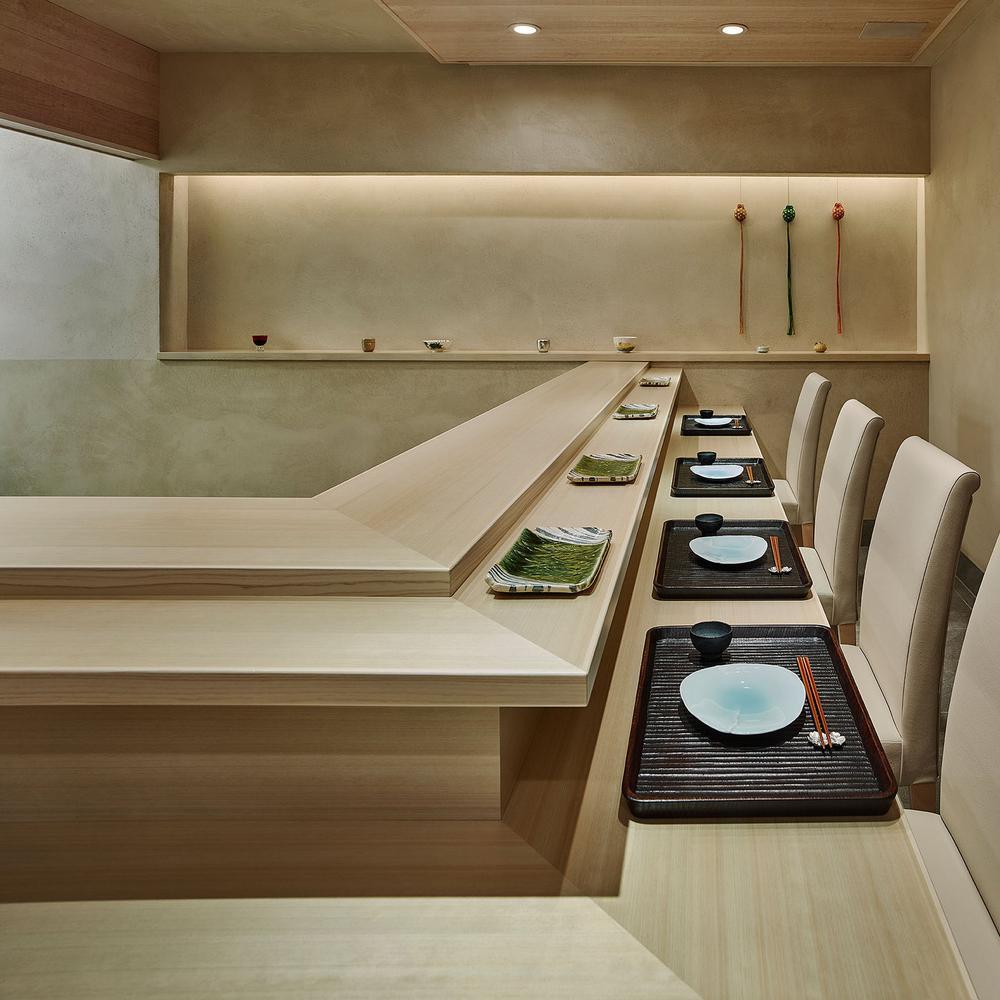
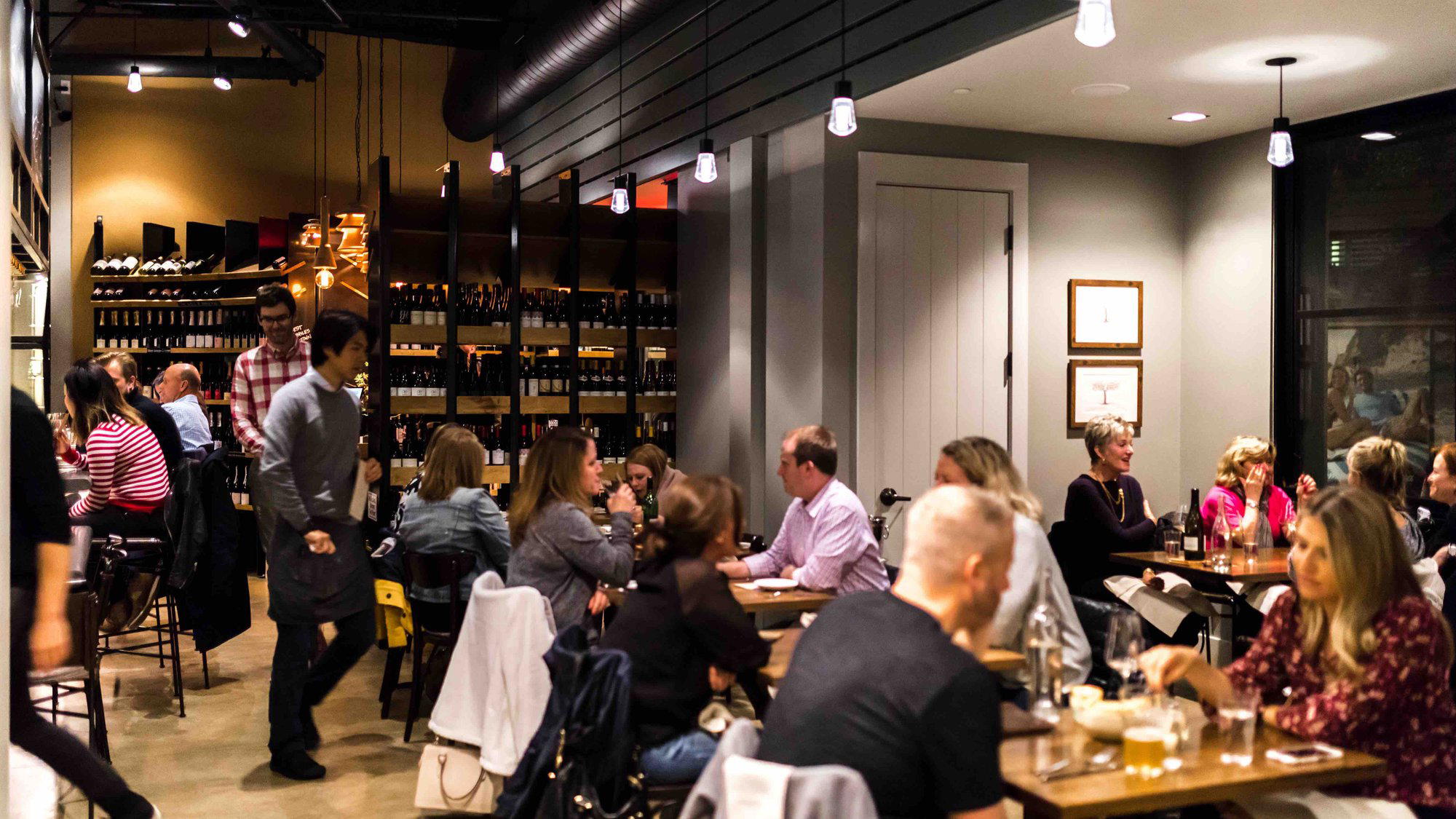
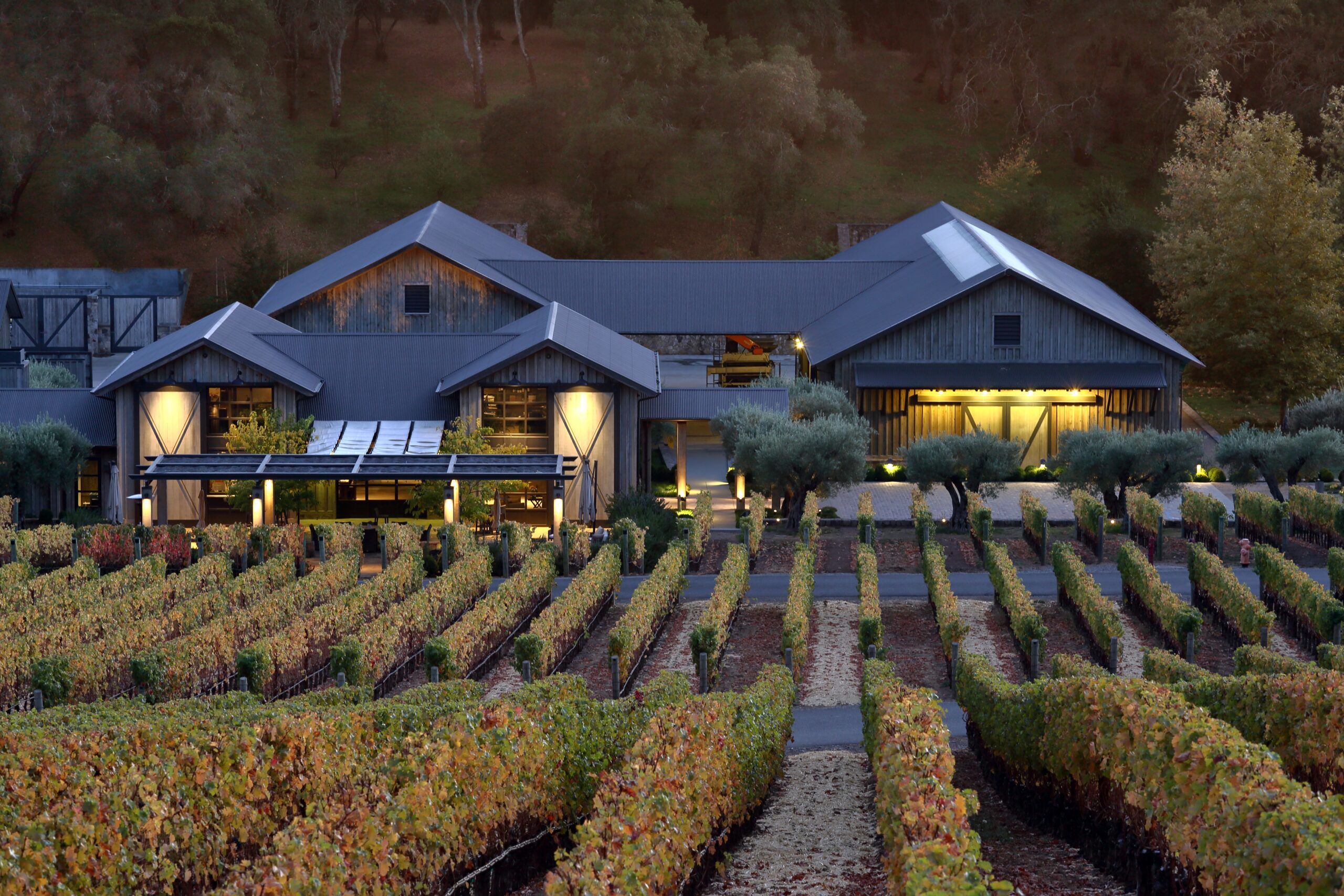
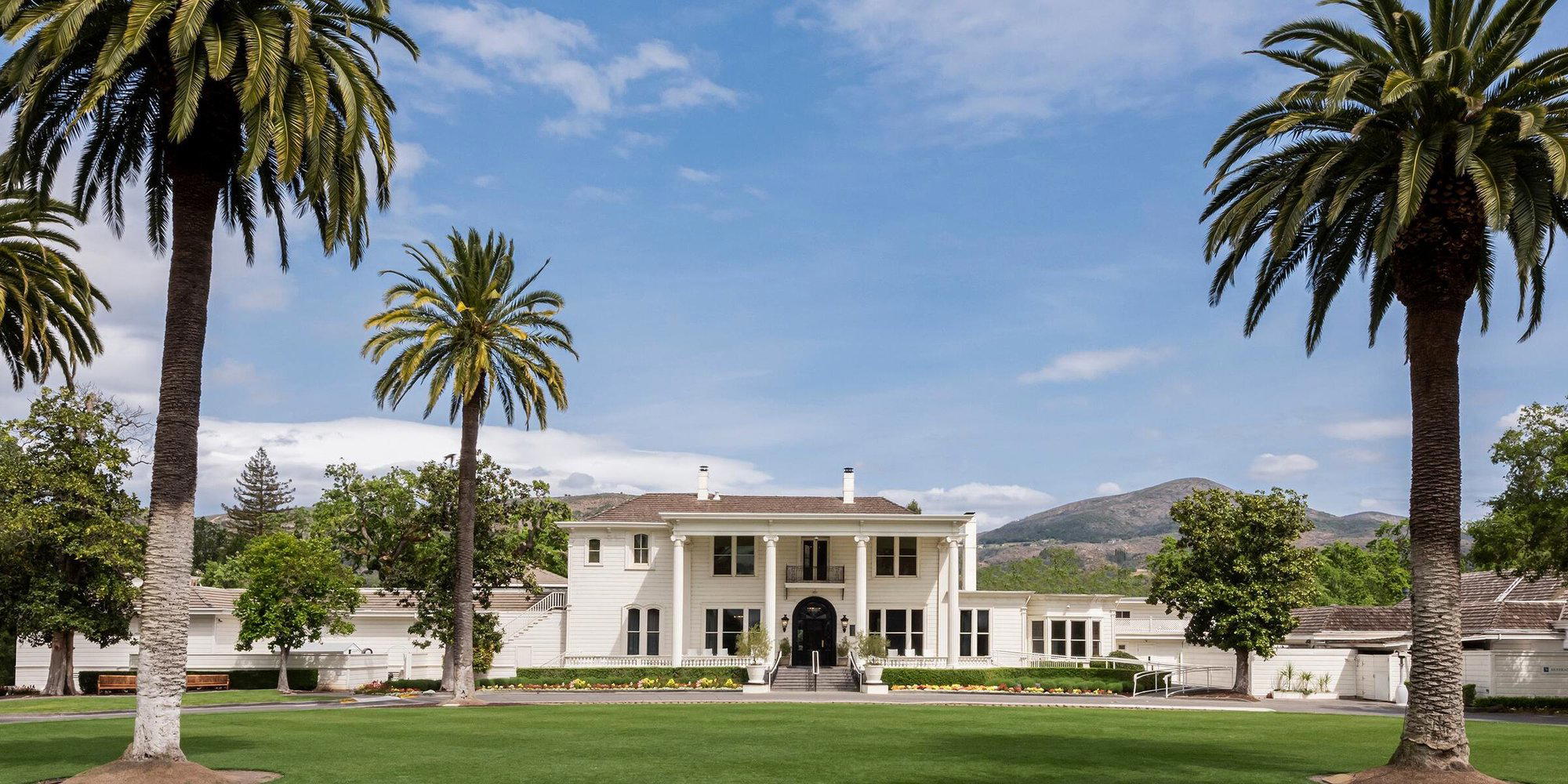
Scenic mountainside setting with sweeping vineyard views, relaxed hospitality blending California and Provence under olive groves.