Google: 4.4 · 1,415 reviews
Angele Restaurant & Bar
On Napa's Main Street, Angele Restaurant & Bar occupies a converted boathouse on the Napa River, drawing a crowd that runs from winery workers to weekend visitors looking for something less reverential than the valley's tasting-room circuit. The bar functions as a genuine local anchor, where the wine list skews regional and the room carries the easy noise of a place people actually return to.
 Discover on Pearl
Pearl is the En Primeur Club membership app — saves, bookings, and concierge access live there. Same editors, same standards.
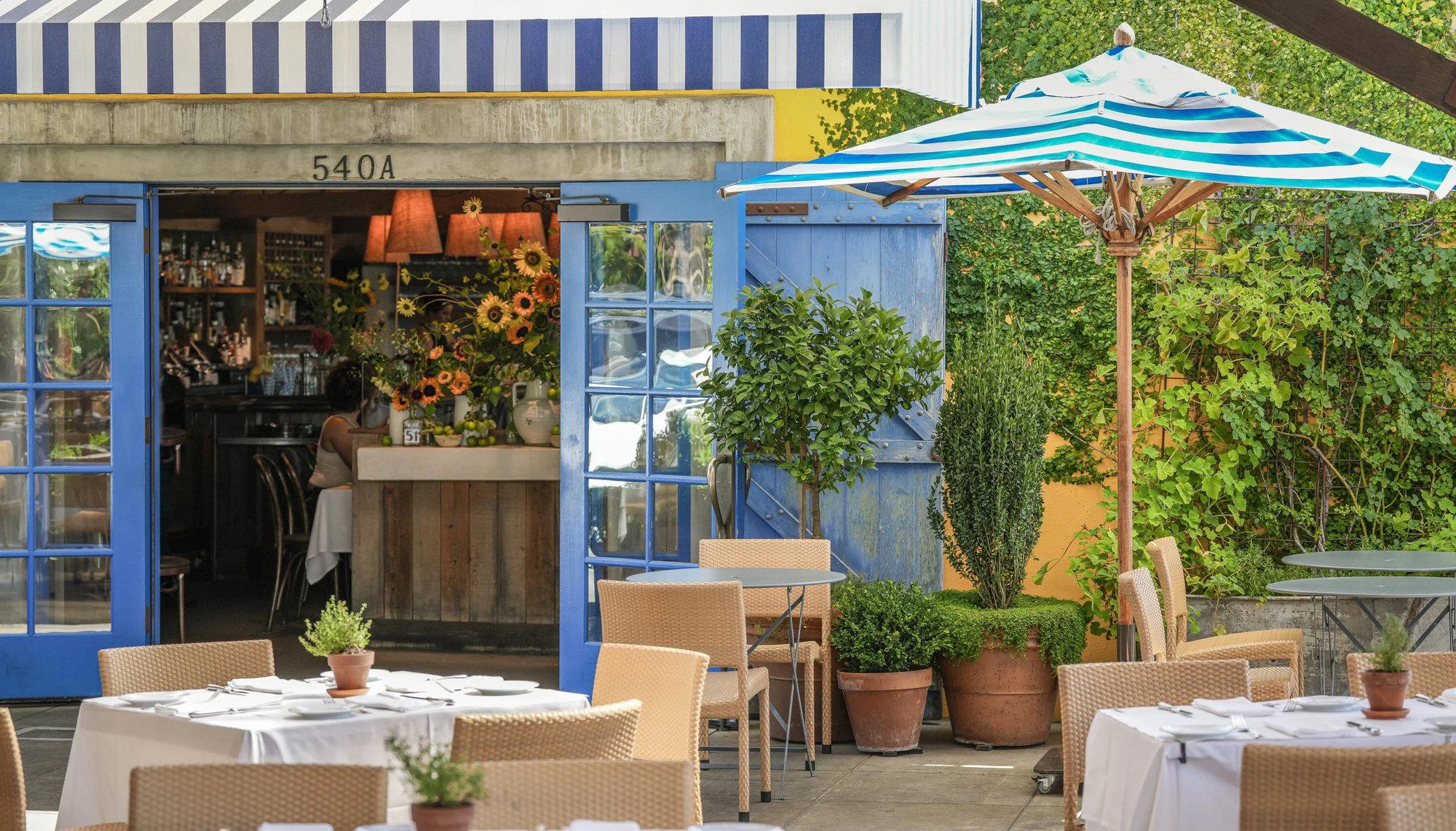
The River Bar That Napa Built Around
Downtown Napa's dining scene has spent the past decade sorting itself into two camps: the destination restaurants calibrated for out-of-town visitors who flew in for a weekend of Cabernet, and the smaller, lower-key rooms where locals actually eat on a Tuesday. Angele Restaurant & Bar, sitting at 540 Main St in a converted boathouse on the Napa River, occupies an increasingly rare middle position. It draws both groups without fully surrendering to either, which is harder to pull off than it sounds in a city where wine tourism sets the commercial temperature for almost everything on the plate.
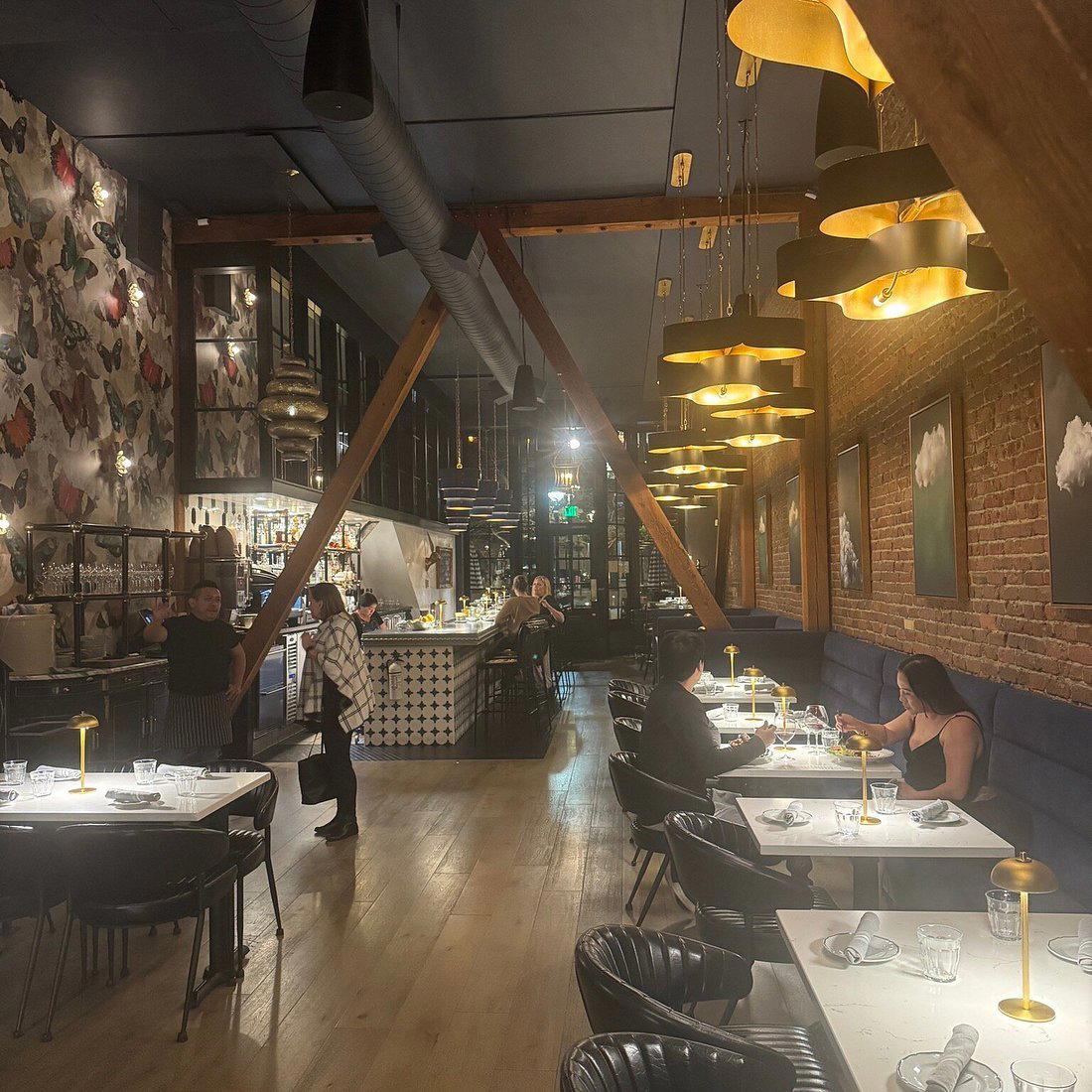
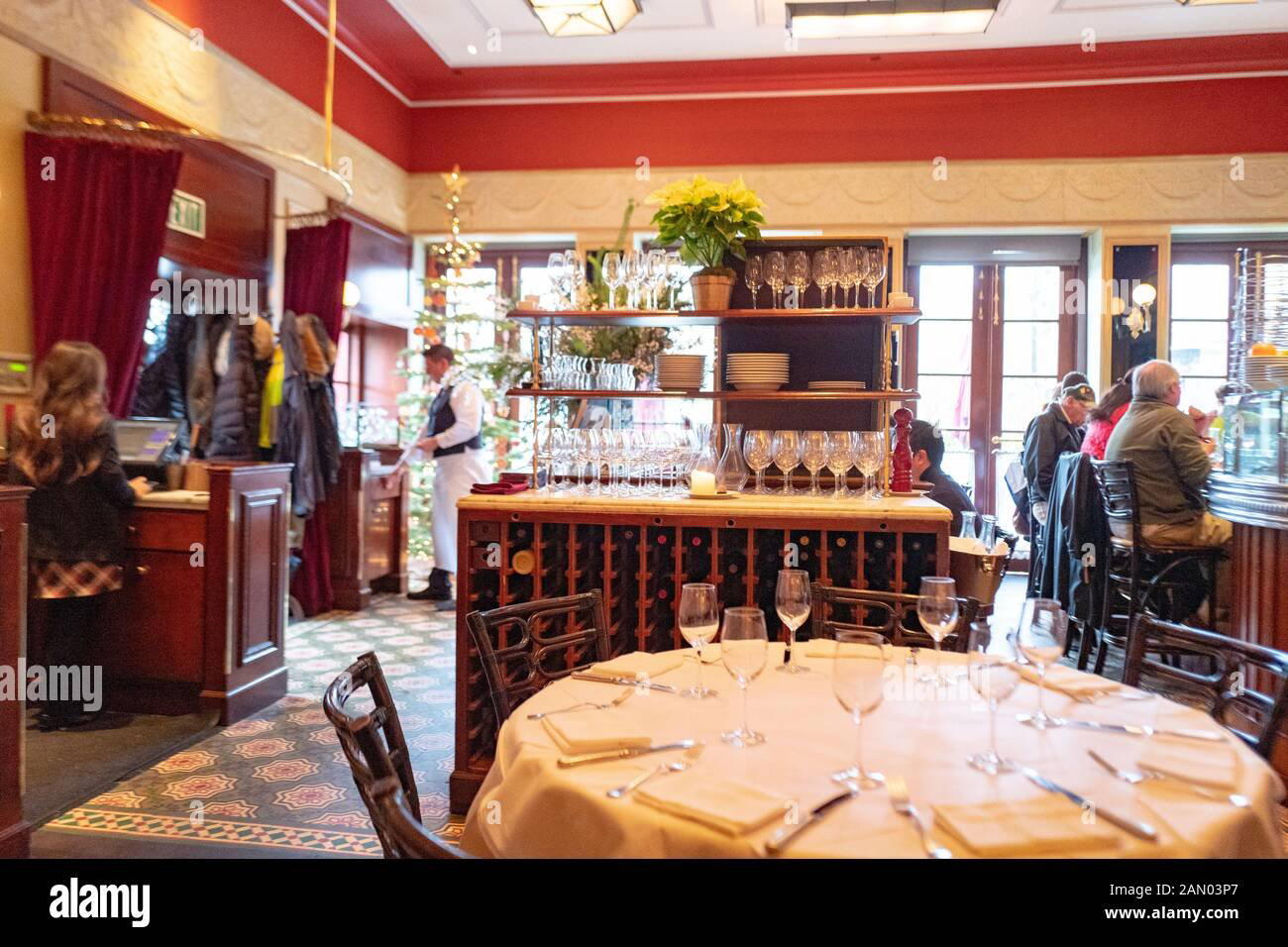
The waterfront setting matters here in a functional rather than decorative way. The boathouse structure gives the room a physical character that most of downtown Napa's newer builds can't replicate: exposed timber, a covered terrace that faces the river, and a bar that feels anchored to its address rather than dropped into it. That physical rootedness shapes the room's atmosphere and, over time, its regulars.
A Bar With a Local Use Case
The editorial angle on Angele is less about what's on the menu and more about what the bar does for the neighbourhood. In wine country, most bars in this price tier are designed around the tasting-room visitor experience: curated pours, educational framing, staff who want to walk you through the valley's appellations. Angele's bar functions differently. It operates closer to the neighbourhood-watering-hole model, the kind of room where the wine list is serious but not performative, and where showing up alone at the bar counter doesn't require a reservation or a reason.
That role has genuine value in a city that can feel, at peak season, like it's been organised entirely for people passing through. Comparable spots in Napa that operate in a similar register include Cadet Wine & Beer Bar, which skews younger and more casual, and Celadon, which sits slightly more formal. Angele lands somewhere between the two in terms of formality, with the riverside terrace giving it an outdoor dimension that neither of those has in the same way.
For a different register entirely, Charlie Palmer Steak Napa and Blue Note Napa both sit in downtown's more event-oriented tier, where the occasion drives the visit. Angele's pitch is the opposite: it's the kind of place you go when you don't have an occasion.
Wine Country Without the Seminar
The wine program at a restaurant like this carries particular weight in the Napa context. The valley's premium identity is so thoroughly Cabernet-focused that bars and restaurants operating below the formal tasting-room tier often end up either mimicking that framework or ignoring wine almost entirely in favour of cocktails. Angele has historically leaned into a wine-forward list that reflects regional production without turning the experience into an education. That balance, keeping wine present and serious without making it the price of admission to the room, is what separates a genuine local bar from a venue that happens to serve locals.
The cocktail culture in Napa has been slower to develop than in comparably sized California cities, partly because the valley's economic identity runs so thoroughly through wine. The shift toward serious bar programs in places like ABV in San Francisco reflects a West Coast trend that Napa has absorbed gradually. Angele sits within that trajectory without being defined by it. The bar isn't making a manifesto about cocktail craft; it's providing a functional, well-stocked counter for a room that uses it properly.
For context on what a genuinely technique-focused cocktail bar looks like in this tier, comparison with Kumiko in Chicago or Jewel of the South in New Orleans is useful. Those rooms are built around the bar program as the primary editorial statement. Angele's bar is more integrated into the dining room's overall offer, which is a different and equally legitimate model. Similar integration appears at Bar Leather Apron in Honolulu and, in a more casual register, at Julep in Houston.
The Terrace and the Timing
The covered riverside terrace is the room's operational centre of gravity from spring through early fall. Napa's climate in that window, warm dry evenings with temperatures that drop usefully after sundown, suits outdoor dining more reliably than almost anywhere else in Northern California. The terrace at Angele faces the river directly, which means the ambient noise comes from water rather than traffic, a meaningful distinction in a downtown that's been getting busier as Napa's visitor numbers have grown through the past decade.
Timing a visit matters. Weekend lunches and Friday evenings run at higher volume and draw a more visitor-heavy crowd. Midweek dinners, particularly in the shoulder months of March, April, October, and November, shift the room's composition toward the local end of the spectrum, which is when the neighbourhood-watering-hole character is most legible. The outdoor terrace is the asset in summer; the interior's timber and river-facing windows carry the room through winter months when the terrace closes or operates at reduced capacity.
Angele sits on Main Street within walking distance of downtown Napa's other evening options. Superbueno in New York City and The Parlour in Frankfurt on the Main represent how neighbourhood-anchor bars operate in denser urban contexts, where foot-traffic diversity and repeat-local business are structural facts of life. In Napa, achieving that kind of anchor status requires actively resisting the pull toward the tasting-room experience format, which Angele has managed through its address, its room, and its positioning within the local dining circuit. See the full Napa restaurants guide for the broader picture on where this fits in the valley's dining hierarchy.
Planning Your Visit
Angele Restaurant & Bar is at 540 Main St, Napa, CA 94559, on the east bank of the Napa River. The address puts it in the walkable core of downtown, which means it's accessible from most downtown hotels without a car, useful in a city where driving is the default. For current hours, reservation availability, and any seasonal menu updates, the venue's own website and booking platforms carry the most reliable current information. The room works both as a standalone bar visit and as a dinner destination, and the bar counter is generally available for walk-ins when the dining room is running full bookings.
Reputation Context
A short peer set to help you calibrate price, style, and recognition.
| Venue | Awards | Cuisine | Notes |
|---|---|---|---|
| Angele Restaurant & Bar | This venue | ||
| Cadet Wine & Beer Bar | |||
| Charlie Palmer Steak Napa | |||
| Chispa | Food + Drink | |||
| Kenzo | |||
| Blue Note Napa |
Continue exploring
More in Napa
Bars in Napa
Browse all →
Restaurants in Napa
Browse all →
Hotels in Napa
Browse all →
At a Glance
- Romantic
- Rustic
- Cozy
- Elegant
- Date Night
- Special Occasion
- Waterfront
- Historic Building
- Lounge Seating
- Outdoor Terrace
- Classic Cocktails
- Craft Cocktails
- Conventional Wine
- Waterfront
Cozy and romantic with simple French brasserie romance indoors and relaxed riverfront patio atmosphere.