Savigliano

Falstaff Winery - Listed
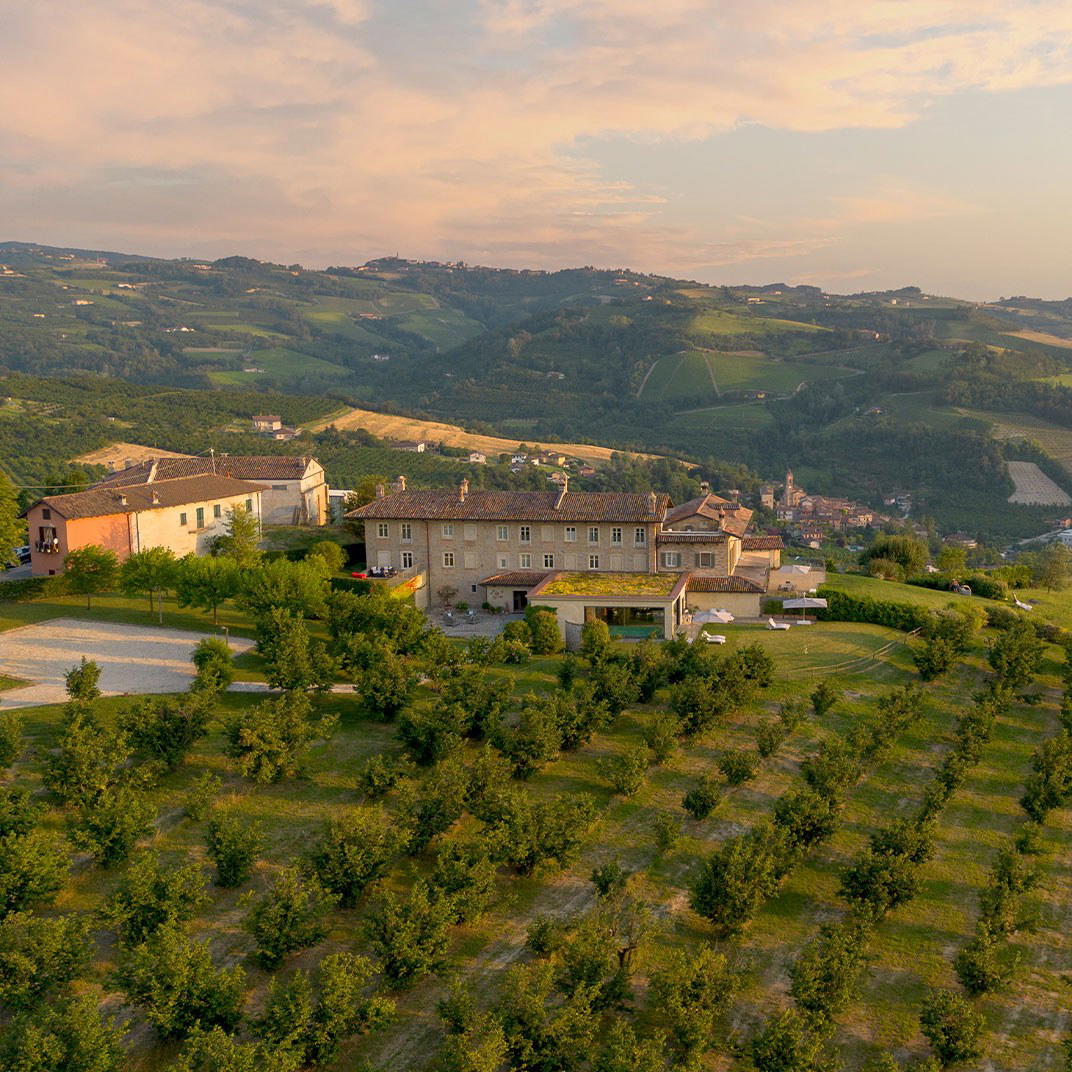
Savigliano is a family-run Langhe winery in Diano D Alba, with roots reaching back to the mid-eighteenth century and a formal estate history from 1935. Its strongest argument is terroir: 20 hectares across vine and hazelnut land, vineyards tied to Diano d’Alba, La Morra, Montelupo and Treiso, and a portfolio built around Dolcetto, Barbera, Nebbiolo, Barolo, Moscato and other Piedmontese grapes.

Pearl is the En Primeur Club membership app, where members save venues, book tables and use the concierge.

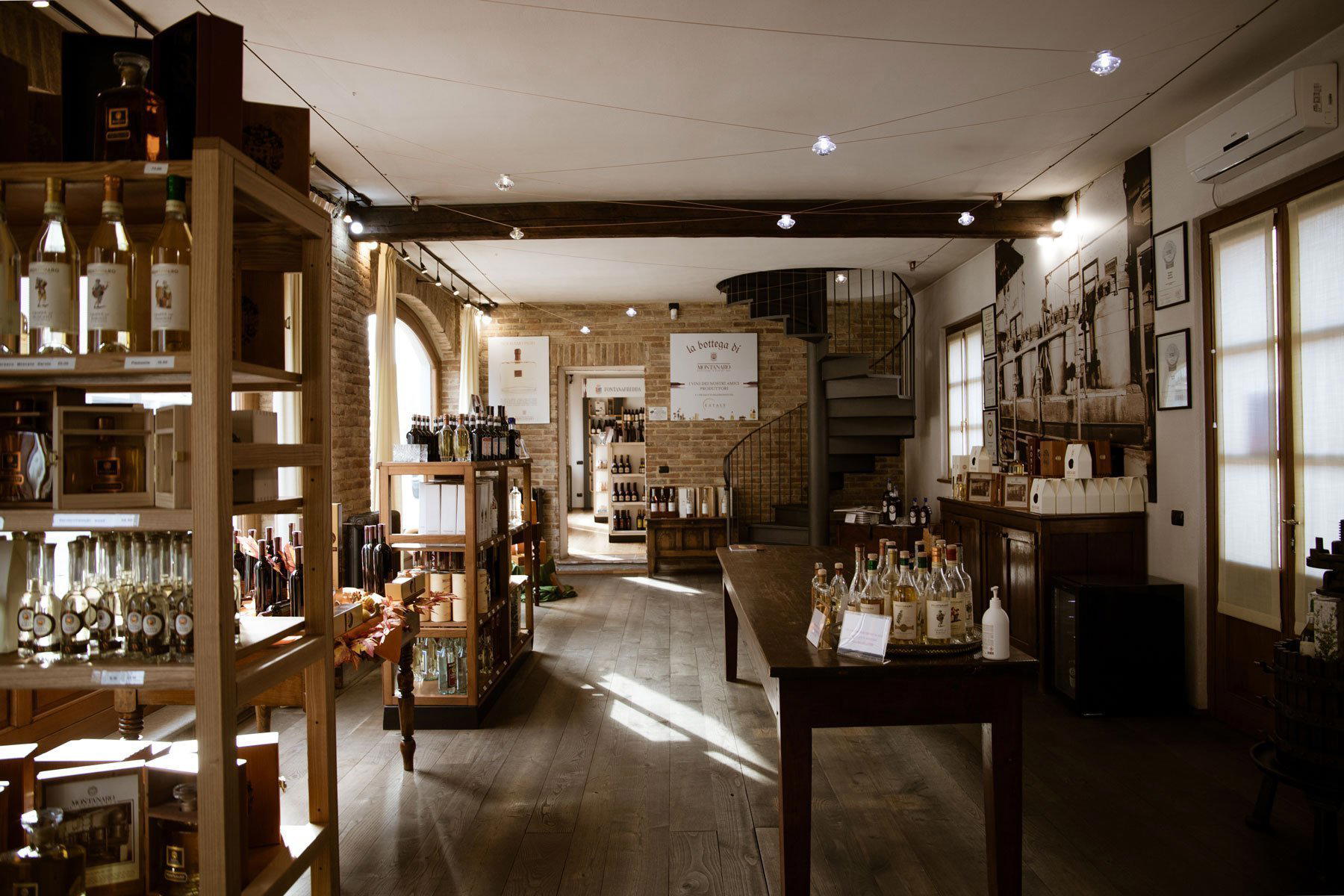
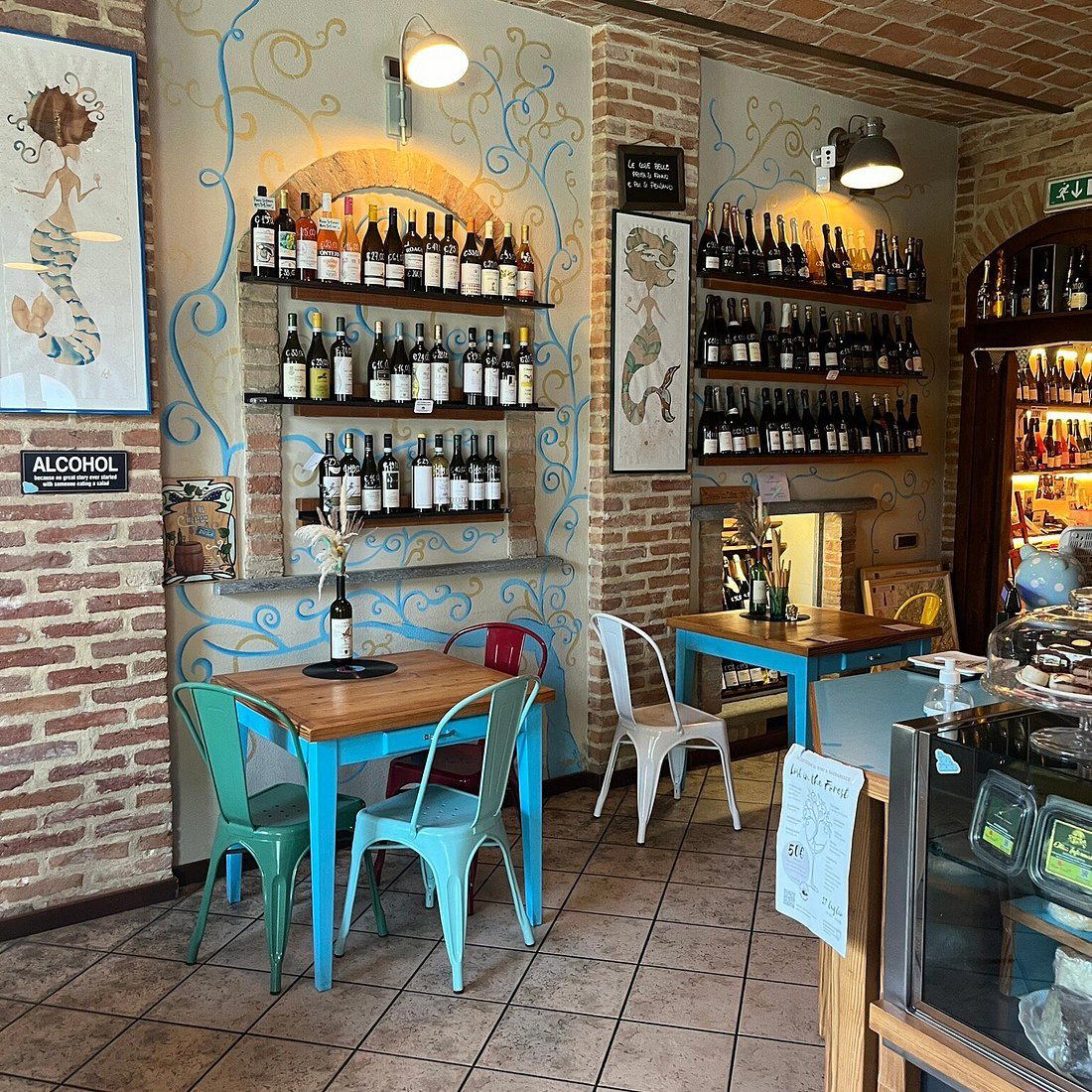
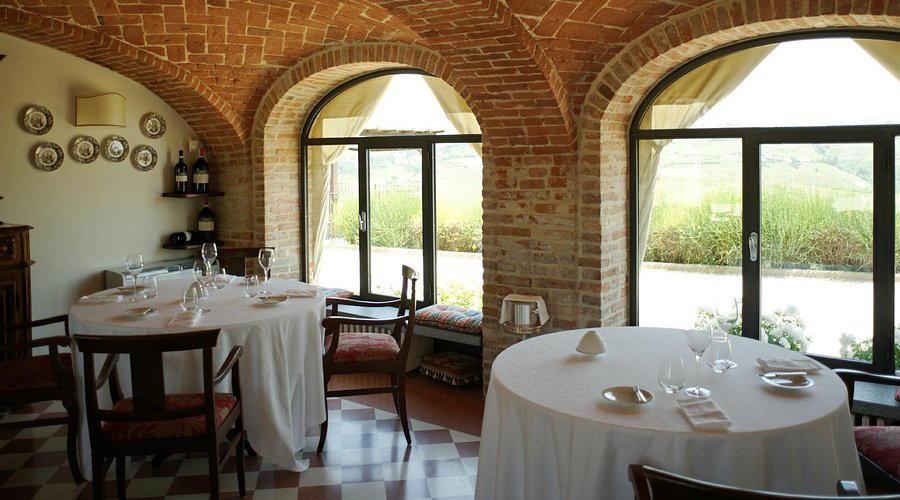
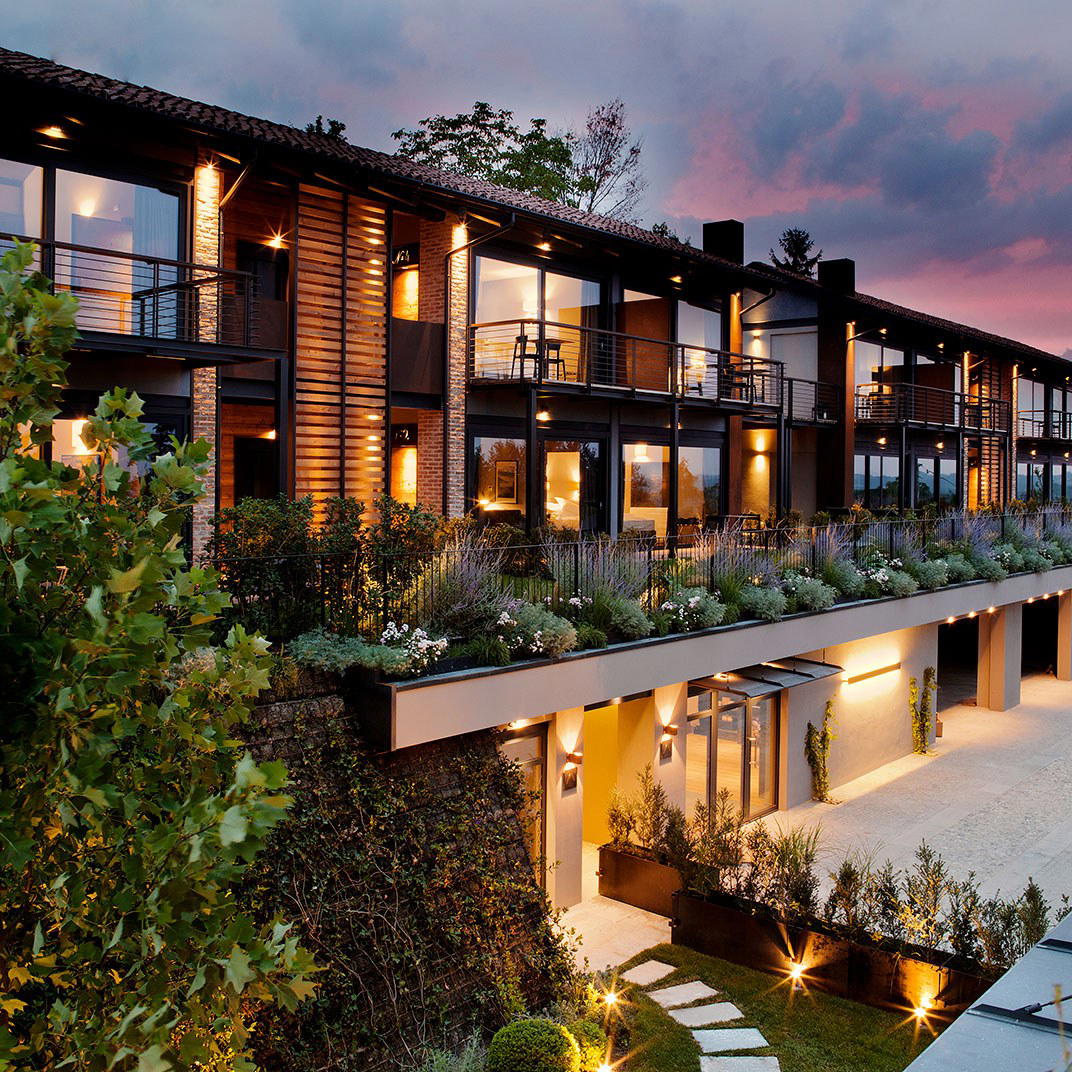
Savigliano in Diano D Alba is best framed as a traditional family-run winery rather than a luxury dining stop. The appeal is simple and direct: a welcoming tasting-room experience, vineyard visits, and a setting shaped by the Langhe hills and old village wine heritage. It is the kind of venue whose value comes less from polished spectacle and more from the feeling of being in a wine landscape that still reads as local, rural and closely tied to the village around it.
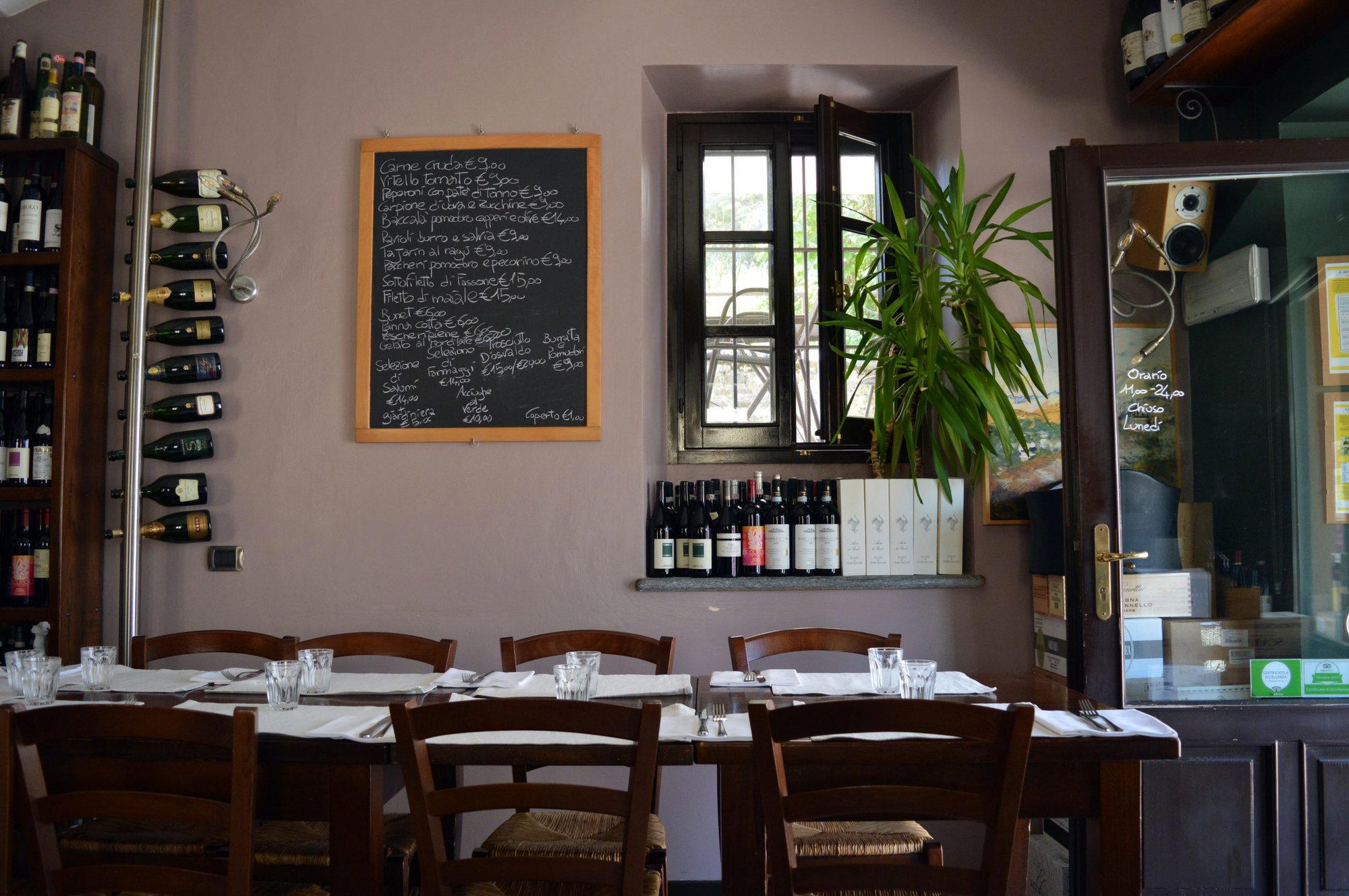
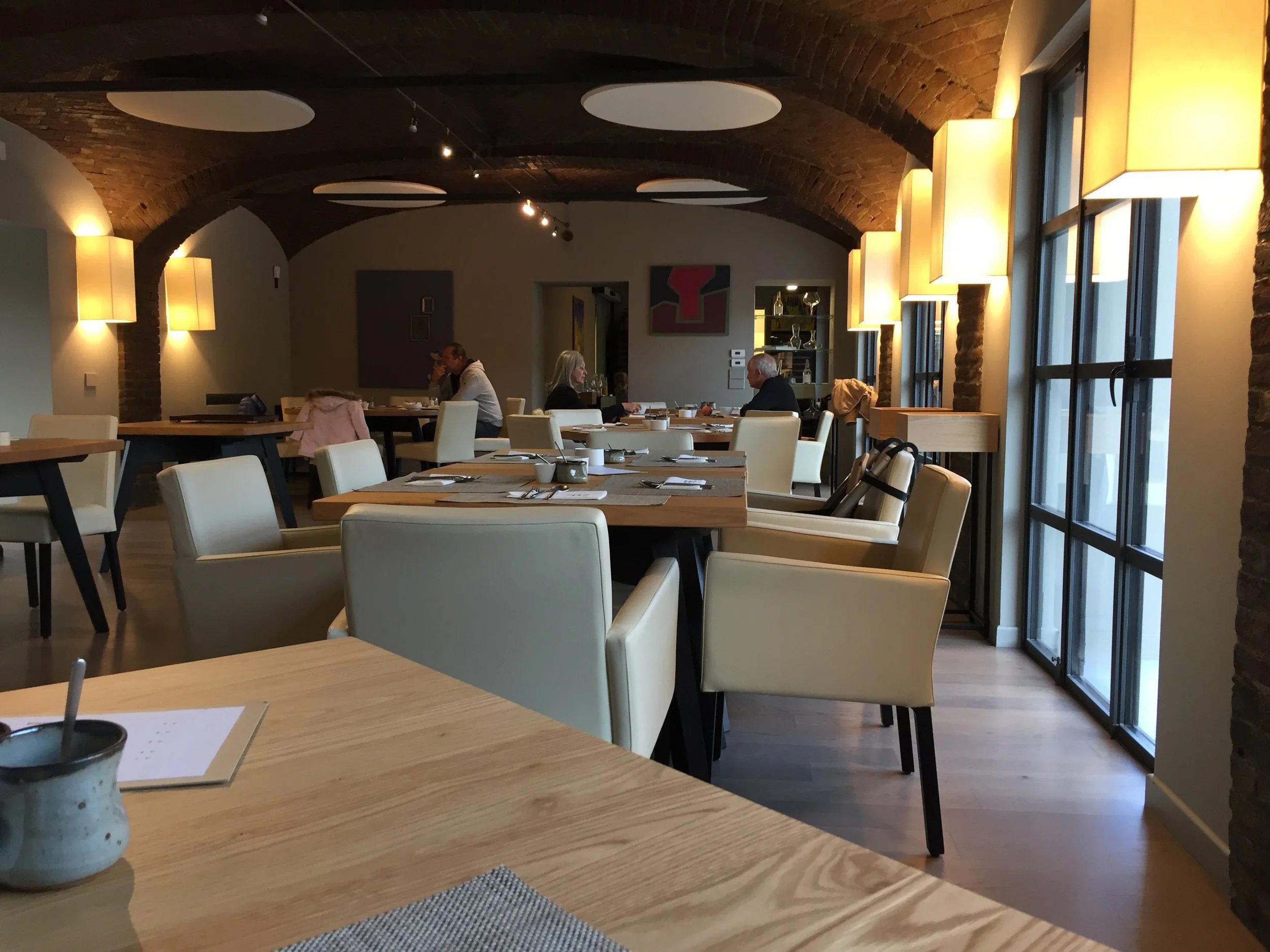
The atmosphere is rustic, classic and cozy, with a scenic quality that suits travelers looking for a quieter hidden-gem stop in Diano D Alba. Rather than relying on claims about menus, awards, production details or specific services, the safest way to understand Savigliano is as a family-run wine venue with a grounded sense of place. That framing is useful because it keeps expectations aligned with what is actually confirmed: a traditional winery environment, a tasting-room focus, and the broader appeal of spending time among vineyards in the Langhe.
A Langhe setting matters more than technical details
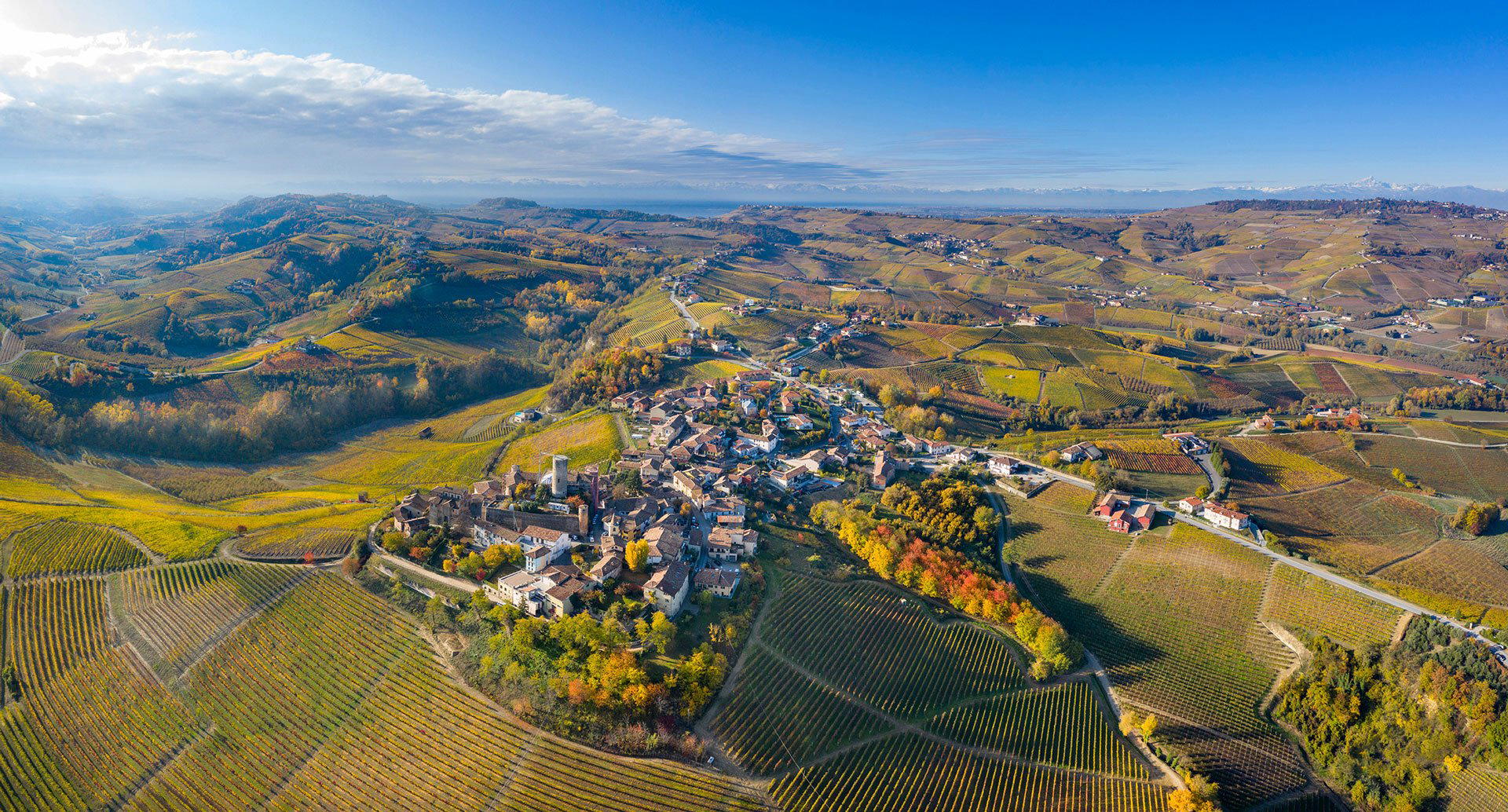
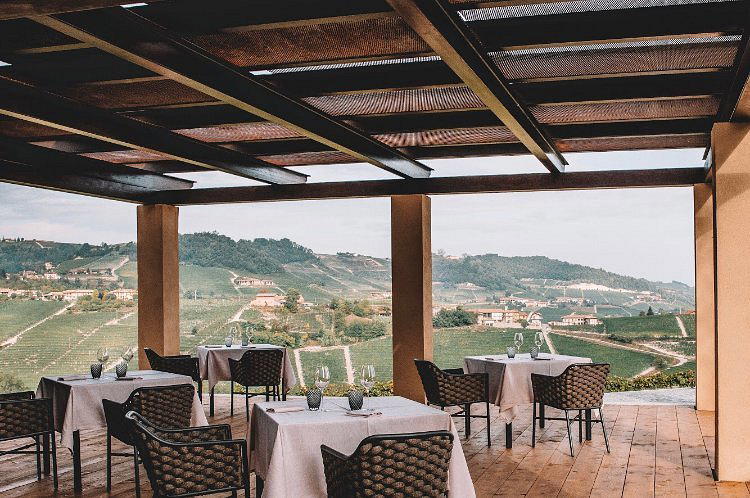
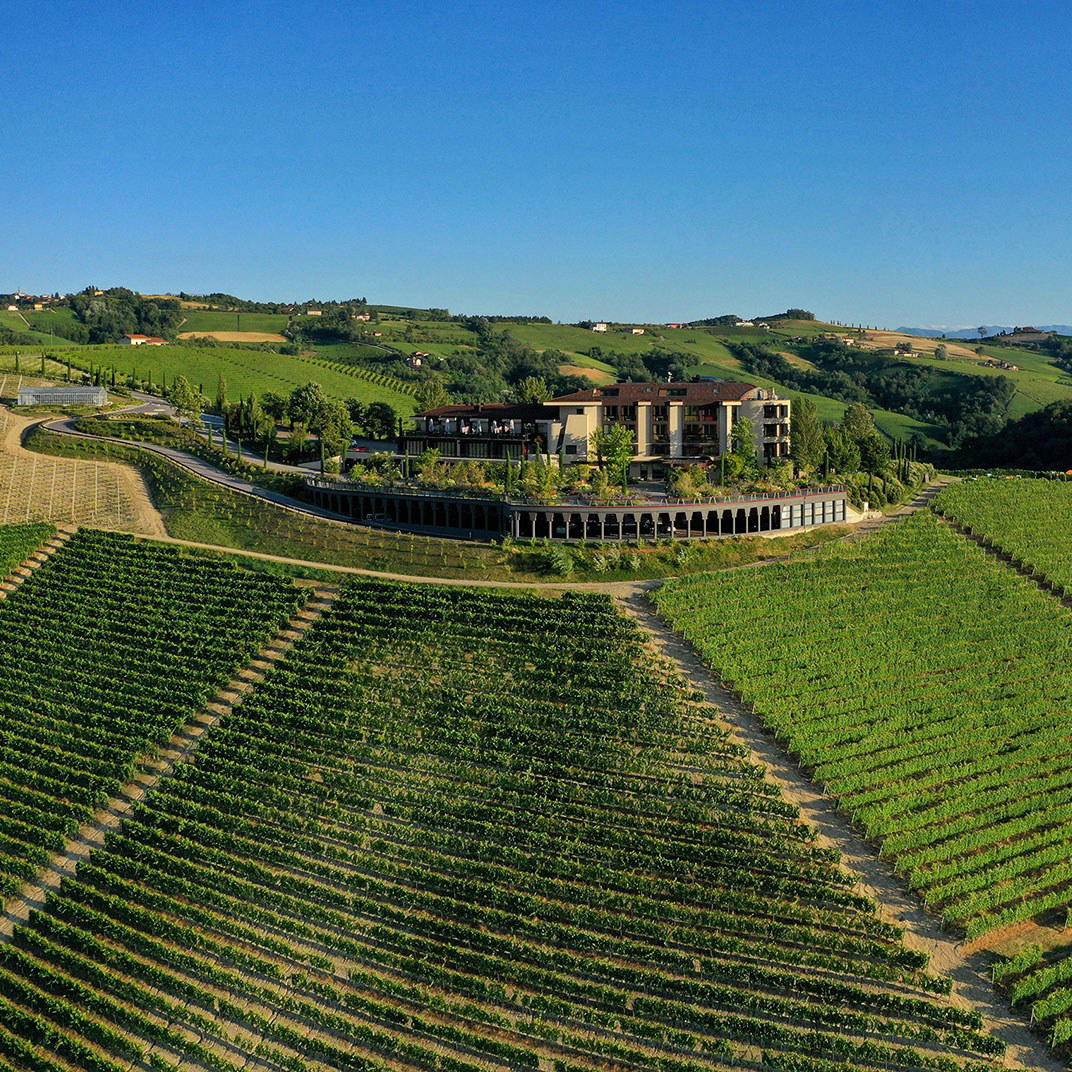
What matters most is the broader setting: Savigliano belongs to the Langhe landscape around Diano D Alba, where hills, vineyards and village wine heritage shape the visitor experience. In this context, the scenery is not just background decoration. It is a major part of why a traveler would choose a stop like this, especially if the goal is to slow down, look around, and connect a tasting with the place where the wine culture sits.
For guests, that means the main reason to visit is not a claimed technical profile or a named bottle range, but the chance to spend time in a traditional winery atmosphere. The experience is best approached as a scenic, family-run tasting-room visit in Diano D Alba. That makes it especially suitable for visitors who value the rhythm of a small, local wine stop over a more formal or heavily curated destination.
Plan instead for a welcoming winery stop with a rustic and classic feel. The absence of confirmed technical detail does not reduce the usefulness of the venue; it simply shifts the emphasis toward atmosphere, hospitality and setting rather than precise production claims.
A tasting-room format for people who want the vineyard logic
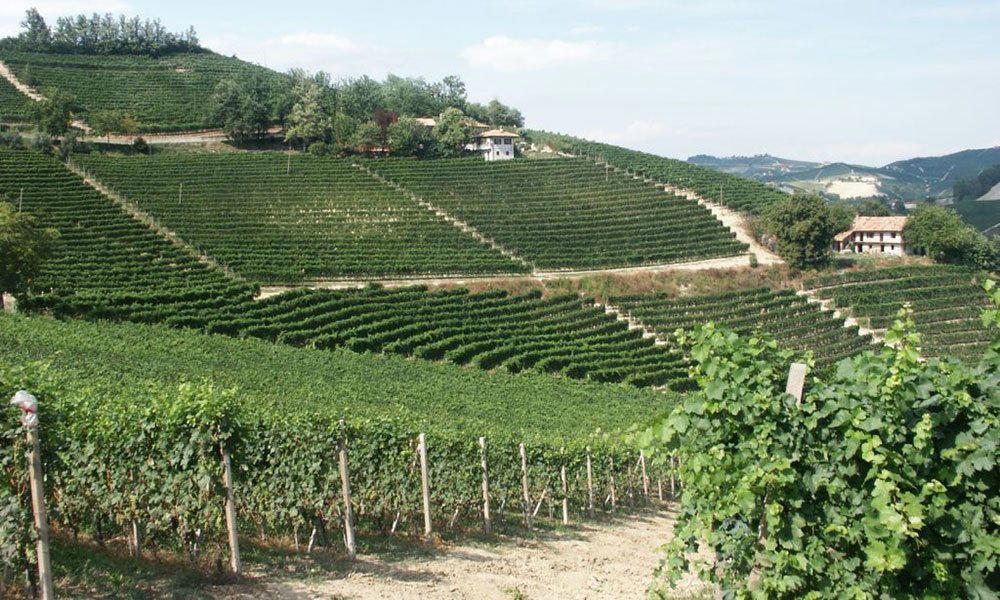
Savigliano’s format includes a tasting-room experience and vineyard visits. That makes it a good fit for visitors who want the setting and hospitality of a family-run winery, with the Langhe hills as part of the appeal. The vineyard element matters because it gives the visit a sense of context: you are not only tasting in isolation, but spending time in the landscape that explains why this area is so closely associated with wine.
The tone is traditional rather than showy: cozy, scenic and rooted in old village wine heritage. It should suit travelers who prefer a relaxed, place-focused visit over a highly designed or nightlife-style venue. In practical terms, this means Savigliano is better read as a calm daytime wine stop than as a restaurant substitute or a high-energy social scene. The charm lies in the quieter register: the rustic feel, the family-run identity, and the sense that the visit is tied to the surrounding countryside.
Guests who need those details should confirm them directly before visiting. That is especially important for anyone trying to plan around exact tasting formats, language needs, timing, accessibility, group size, food options or specific wines, since those details are not established in the available description. A direct check helps keep the visit smooth while preserving the right expectation: come for a traditional winery atmosphere, not for assumptions that have not been confirmed.
How to place it in a Diano D Alba wine day
Diano D Alba works well for travelers who want a Langhe wine stop with a quieter, village-linked atmosphere. Savigliano can be planned as a rustic family-run winery visit centered on tasting-room hospitality, vineyard context and the surrounding hills. It is a natural fit for an itinerary that favors scenic pauses and local texture rather than a schedule built only around headline restaurants or highly specified cellar programs.
For the rest of the day, pair the visit with other dining, lodging or experiences in Diano D Alba generically, depending on your route and timing. The price level for Savigliano is $$, which helps set expectations without implying any unconfirmed menu, bottle list or service format. That price cue should be treated as broad guidance only: the more important planning point is that Savigliano belongs in the day as a traditional winery stop, with a cozy tasting-room feel and vineyard surroundings as the core draw.
Recognition history
Dated appearances from independent guides and award organizations, with the underlying list record or original source where available.
Falstaff Winery - Listed
Falstaff
Continue exploring
More in Diano D Alba
Wineries in Diano D Alba
All wineries in Diano D Alba →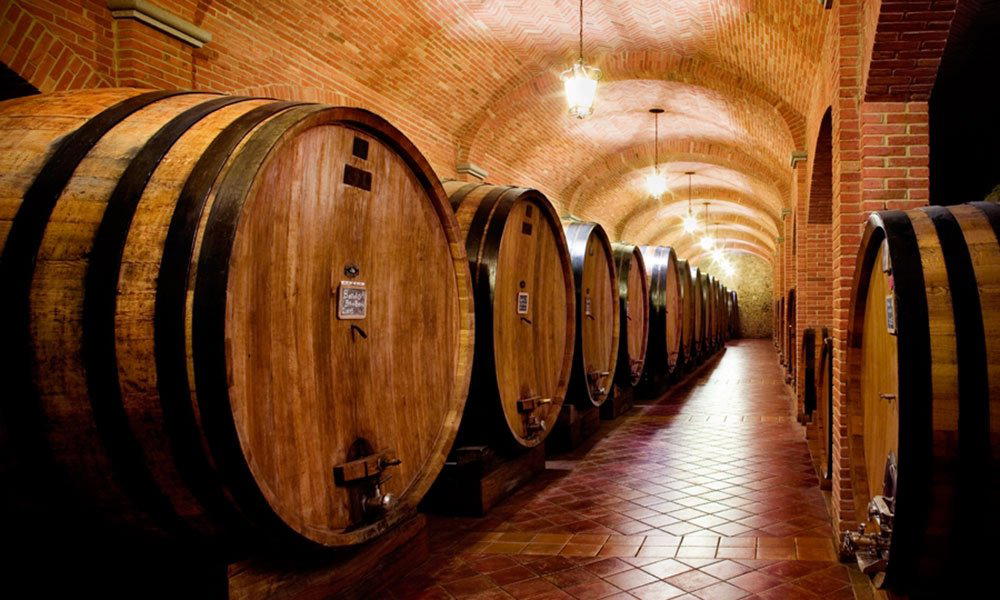
Bars in Diano D Alba
Browse all →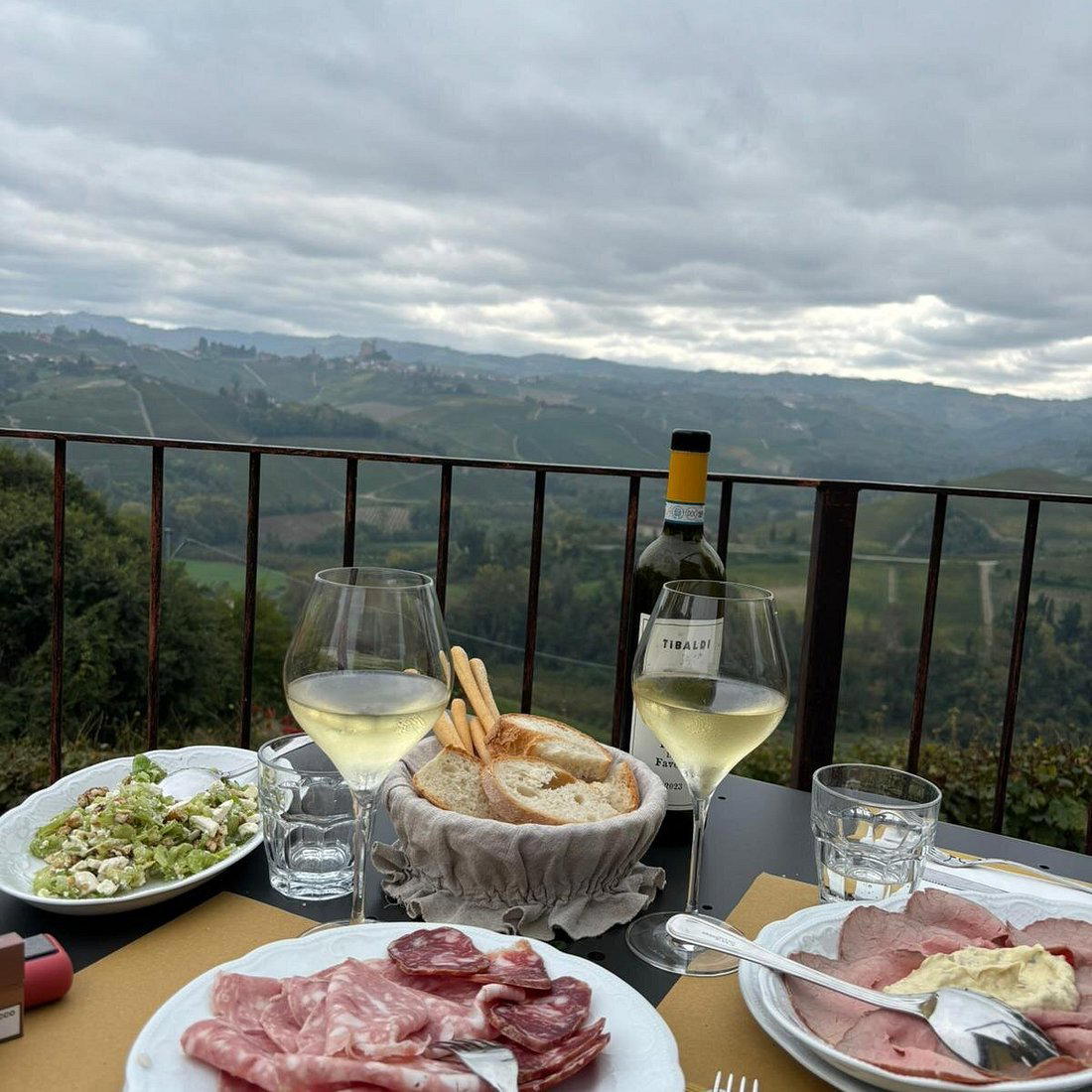
Details
- Rustic
- Classic
- Scenic
- Cozy
- Group Outing
- Wine Education
- Special Occasion
- Family
- Solo Exploration
- Vineyard Tour
- Estate Grounds
- Historic Building
- Private Tasting
- Vineyard
- Mountain
- Dolcetto
- Barbera
- Nebbiolo
- Barolo
- Chardonnay
- Favorita
- Moscato
- Rosato
- Grignolino
- Still Red
- Still White
- Still Rosé
- Guided Tasting
- Wine And Local Products Tasting
- Italian
- English
- French
Traditional family-run winery atmosphere with a welcoming tasting-room experience, vineyard visits, and a setting shaped by the Langhe hills and old village wine heritage.