Quinta do Tedo sits on the N-222 corridor through Armamar, one of the Douro's most dramatic river-bend stretches, where schist slopes and Atlantic-Atlantic temperature swings produce wines of genuine structural tension. For anyone tracing the valley's winemaking geography, Tedo is a serious reference point.
Pearl is the En Primeur Club membership app — saves, bookings, and concierge access live there. Same editors, same standards.
- Address
- N-222, EM512, 5110-204
- Phone
- +351 254 789 165
- Website
- quintadotedo.com
- Directions
- Get directions
 Saves & bookings on Pearl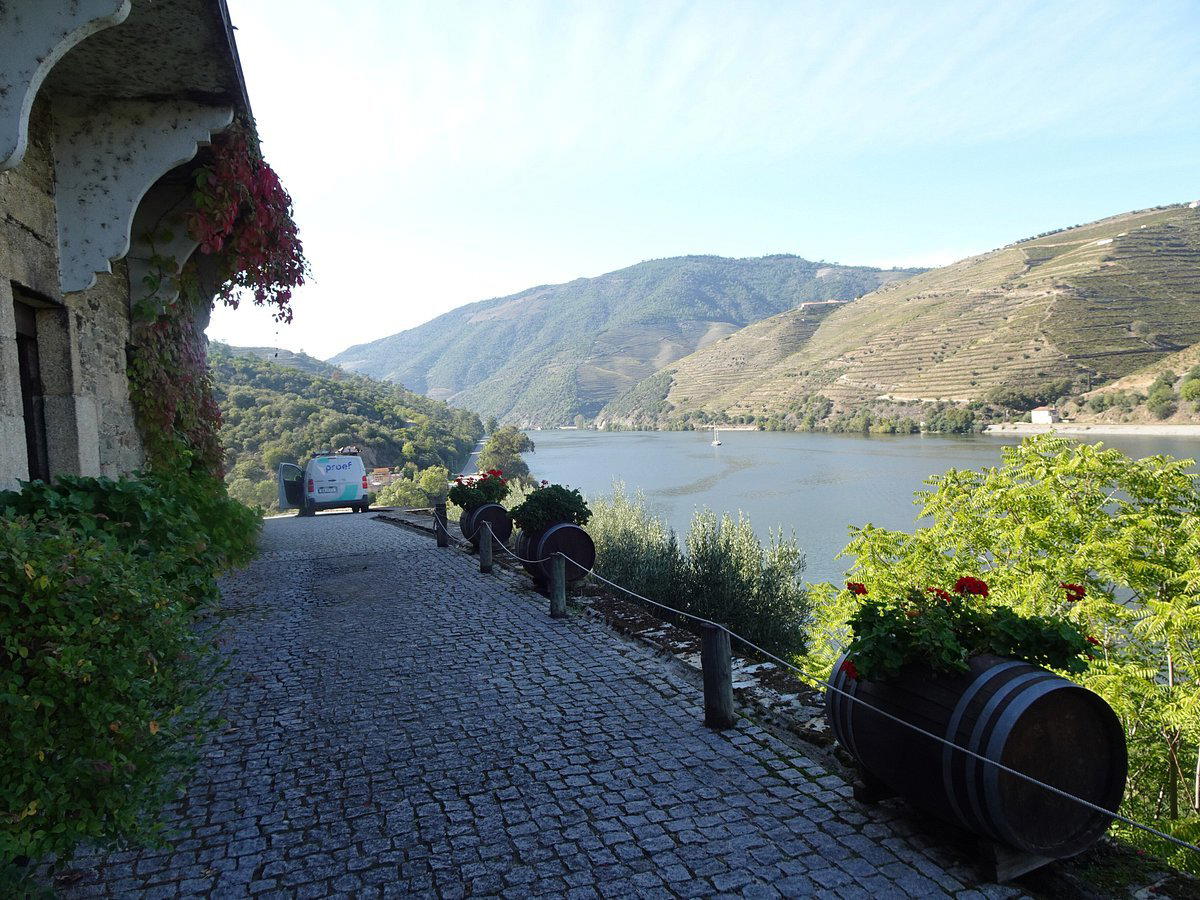
Where the Tedo River Meets the Douro
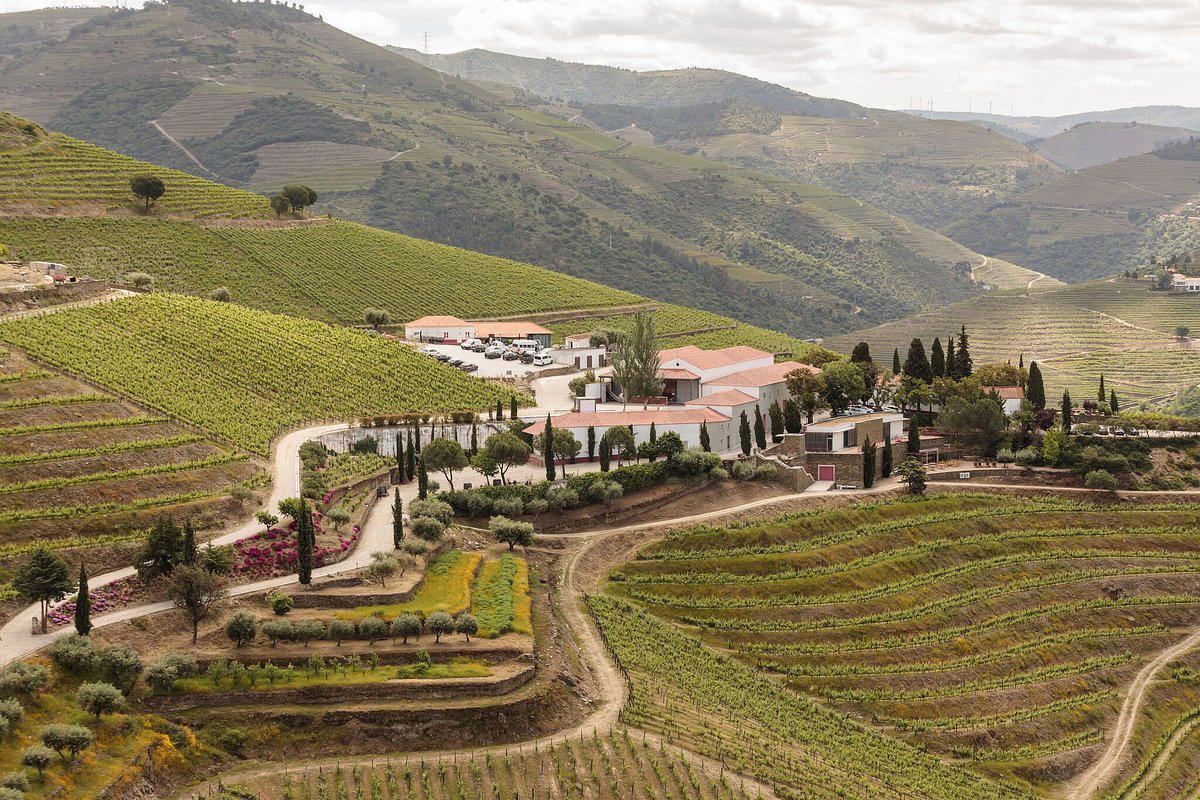
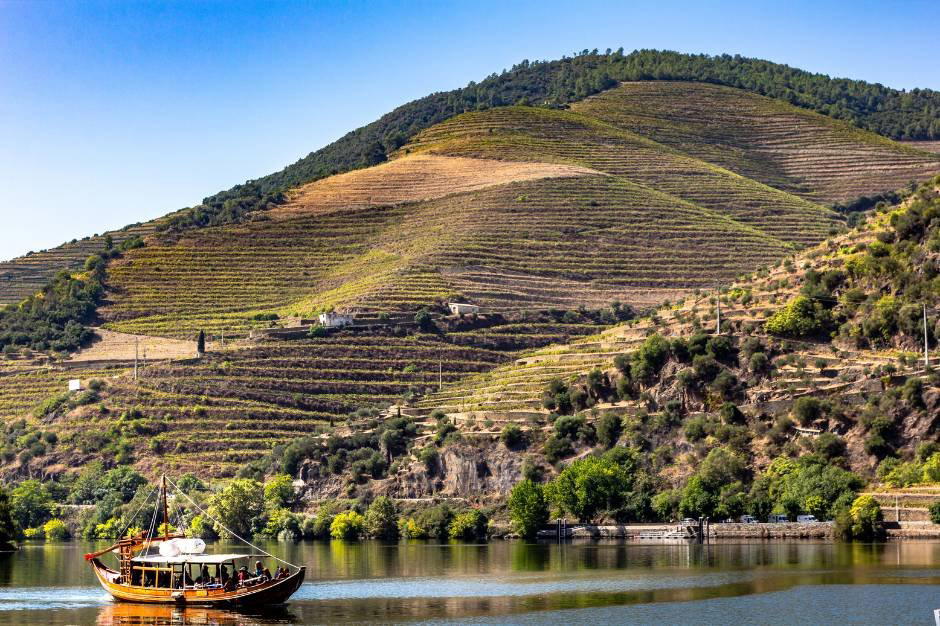
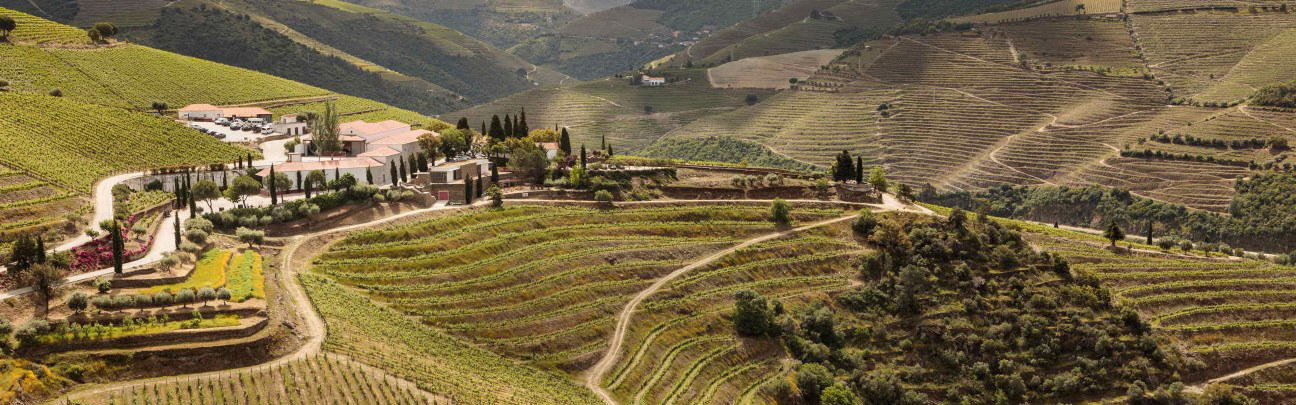
The approach along the N-222 through Armamar gives you the case before you even arrive. Terraced schist walls drop in tight bands toward the river confluence, the stone so pale in afternoon light it reads almost silver against the dark green of the vines. This is the Douro Superior's western edge, where the valley narrows and the diurnal temperature swings that define Douro viticulture are felt most sharply. The Quinta do Tedo estate sits within that topography, framed by the river it takes its name from, and the physical setting is not incidental: it is the primary fact of every wine made here.
For context on where Tedo fits within the broader Douro canon, consider that the valley has spent the past two decades sorting itself into distinct production tiers. At one end sit the large shippers historically anchored in Vila Nova de Gaia, estates like Churchill's and Quinta do Seixo (Sandeman), whose volumes and blend strategies serve international port markets at scale. At the other end, smaller single-quinta operations have increasingly made the case for terroir specificity over consistent house style. Quinta do Tedo belongs to that second current.
Schist, Slope, and Structural Tension
Douro wines trained on schist bedrock carry a mineral signature that is not easily replicated elsewhere in Portugal. The rock fractures vertically, forcing vine roots deep in search of water through a subsoil that drains aggressively and retains heat through the night. That heat retention extends the ripening window and compresses phenolic development in ways that produce wines with concentration at the core and acidity at the edges simultaneously.
This tension between ripeness and structure is the defining quality argument for the Douro sub-region around Armamar and the Tedo tributary. It separates these wines from the rounder, sun-softened profiles of the Alentejo, where estates like Herdade do Esporão and Adega Cartuxa work in a fundamentally different thermal register. It also contrasts with the Atlantic-cooled, limestone-driven wines of Colares, where Adega Regional de Colares operates on sandy soils that demand a wholly different technical response.
For a reference on how that maps against a neighbouring Douro benchmark, Quinta do Bomfim in Pinhão and Quinta do Vallado in Peso da Régua operate in roughly comparable territory, both representing the single-estate, terroir-forward approach that has come to define the valley's critical conversation.
The Douro Valley's Wider Winemaking Geography
Understanding Quinta do Tedo requires some sense of where the Douro sits within Portugal's wine production spectrum. Portugal's vineyards span a wide climatic and geological range, from the granitic soils of the Dão, where Casa de Santar in Nelas produces cooler-climate reds, to the limestone-chalky terrains of the Setúbal Peninsula, where Bacalhôa Vinhos works with a different textural palette entirely. The Douro occupies the continental extreme of that range: hotter, drier summers, and soils that push vines toward stress-driven concentration rather than easy fruit expression.
Within the Douro, the Armamar area sits in a transition zone. The Tejo and Tedo tributaries create microclimatic pockets where Atlantic moisture occasionally penetrates further inland than in the drier eastern reaches of the valley. Producers in this zone have historically argued that this modulation produces wines with greater aromatic complexity alongside the schist-driven structure. Whether that case holds across a given vintage depends heavily on how the Atlantic weather systems track in any given growing season, which makes the area's wines more variable than those from the more consistently arid eastern Douro, but also more interesting in strong years.
This contrasts meaningfully with the consistency-oriented model that drives fortified wine production. Madeira's historic lodges, typified by the approach at Blandy's Wine Lodge in Funchal, are built around blending and controlled oxidation as a means of transcending vintage variation. The Douro's shift toward single-quinta, vintage-specific table wines runs in the opposite direction, treating variation as data rather than as a problem to solve.
Visiting Quinta do Tedo: Planning Your Visit
The winery is located on the N-222/EM512 in the Armamar municipality, postal code 5110-204. The N-222 itself has acquired a reputation among driving enthusiasts as among the more scenic river-road routes in Iberia, and timing a visit to Tedo within a broader Douro itinerary is direct if you are already travelling the valley by car.
For those building a longer Douro itinerary, pairing a visit to the winery with stops at Quinta do Seixo in nearby Tabuaço and Quinta do Vallado in Peso da Régua maps the range of production styles across the middle Douro in a single day's drive. Those extending the trip into Portugal's other wine regions might also consider the Borba cooperative model, represented by Adega Cooperativa de Borba, or the central Bairrada region through Aliança Vinhos in Sangalhos, for a comparison that puts the Douro's particular intensity into relief. For those curious about premium single-estate production in an entirely different global context, Accendo Cellars in St. Helena and Aberlour in Aberlour offer instructive points of contrast across Napa Cabernet and Speyside whisky respectively.
At-a-Glance Comparison
Comparable venues nearby, for context on price, style, and recognition.
| Venue | Cuisine | Price | Notes |
|---|---|---|---|
| Quinta do TedoThis venue — the venue you are viewing | Touriga Nacional, Touriga Franca | $$$ | Not listed |
| Ferreira | Touriga Nacional, Touriga Franca | $$$ | Vila Nova de Gaia |
| Dow's Port | Touriga Nacional, Touriga Francesa | $$$ | Vila Nova de Gaia |
| Quinta do Vesúvio | Touriga Nacional, Touriga Franca | $$$ | Douro Superior |
| Bacalhôa Vinhos | Cabernet Sauvignon, Merlot | $$$ | Azeitão |
| Niepoort | Touriga Nacional, indigenous Douro varieties | $$$ | Vila Nova de Gaia |
At a Glance
- Romantic
- Scenic
- Elegant
- Rustic
- Romantic Getaway
- Wine Education
- Group Outing
- Family
- Vineyard Tour
- Estate Grounds
- Barrel Room
- Terrace
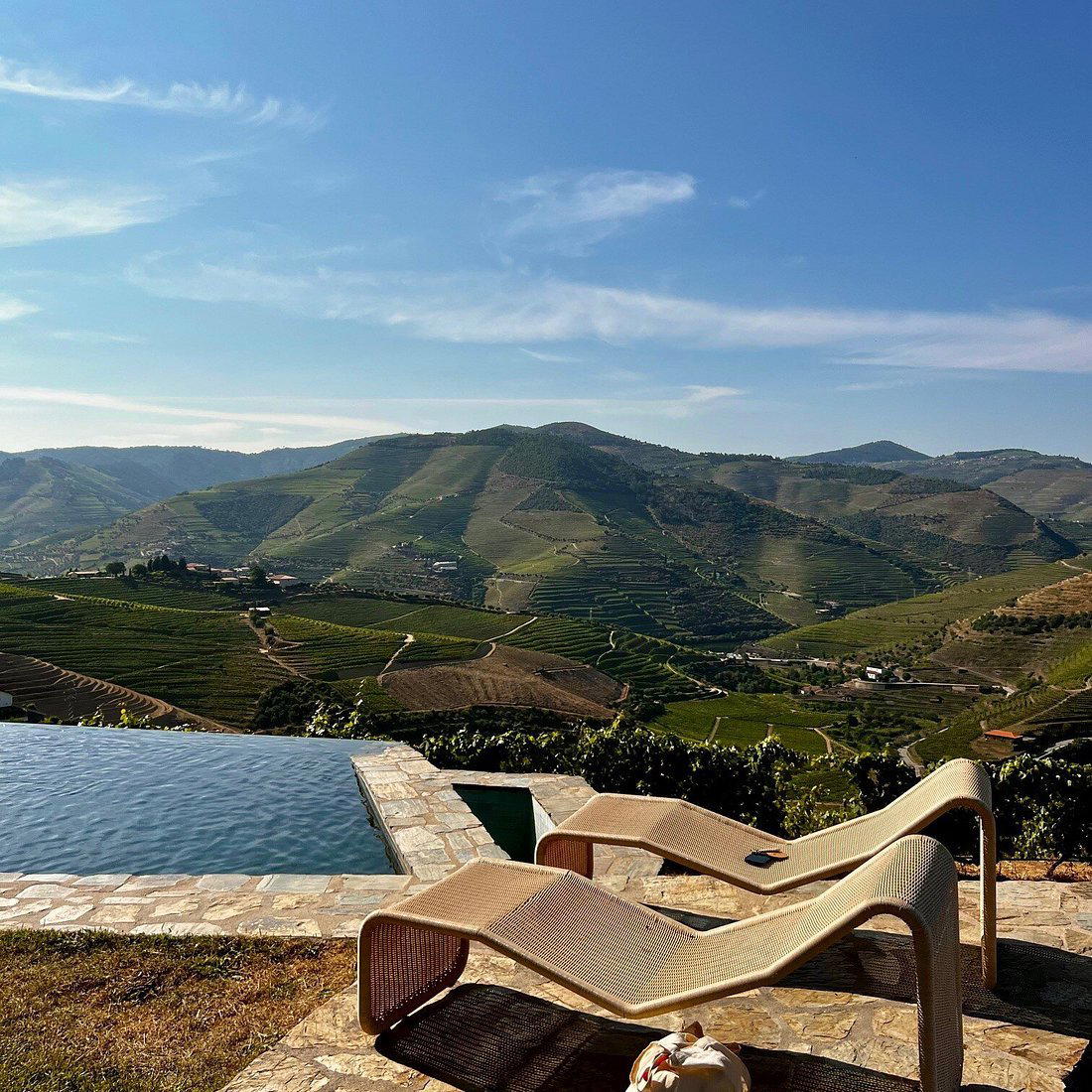
- Panoramic View
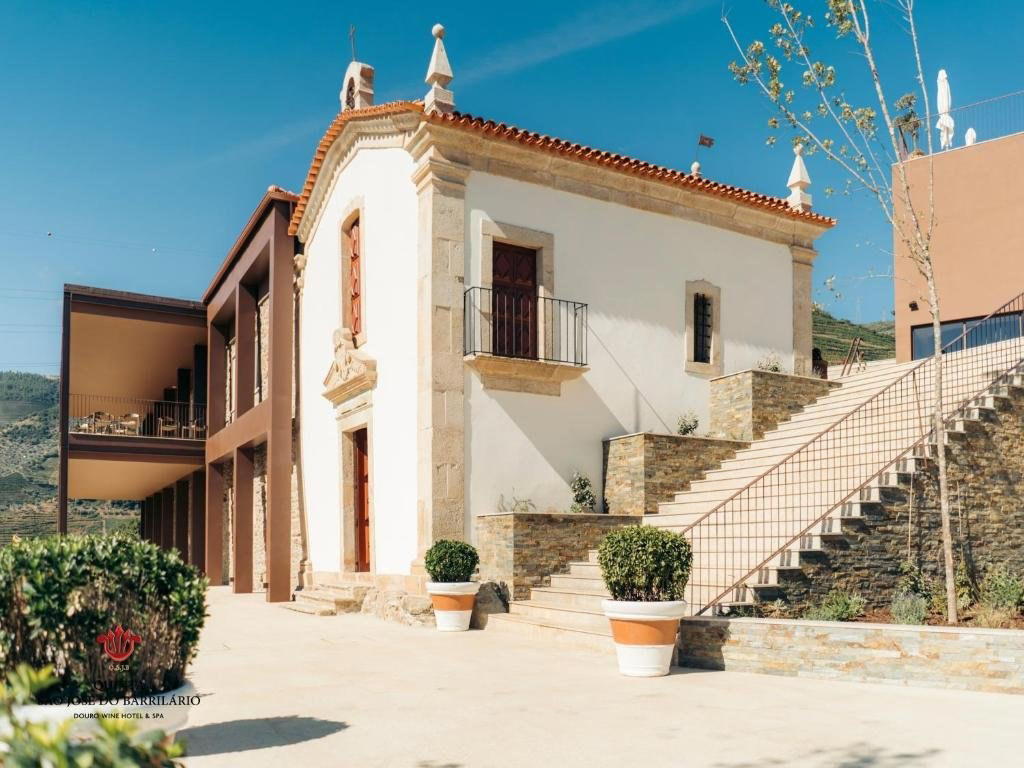
- Historic Building
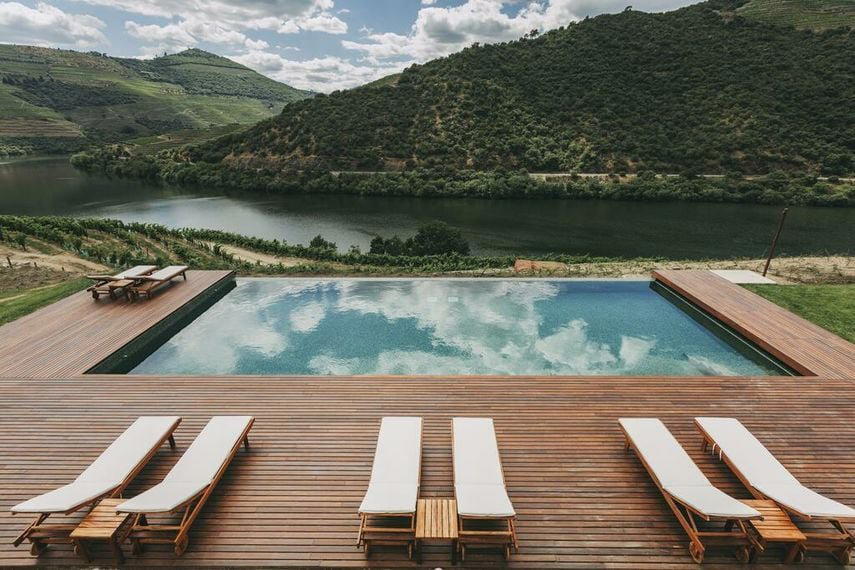
- Waterfront
- Organic
- Dry Farmed
- Sustainable
- Vineyard
- Waterfront
- Douro DOC
- Touriga Nacional
- Touriga Franca
- Tinta Roriz
- Tinta Cão
- Tinta Barroca
- Still Red
- Fortified
- Guided Tasting
- Estate Tour With Tasting
- Collector Wine Tasting
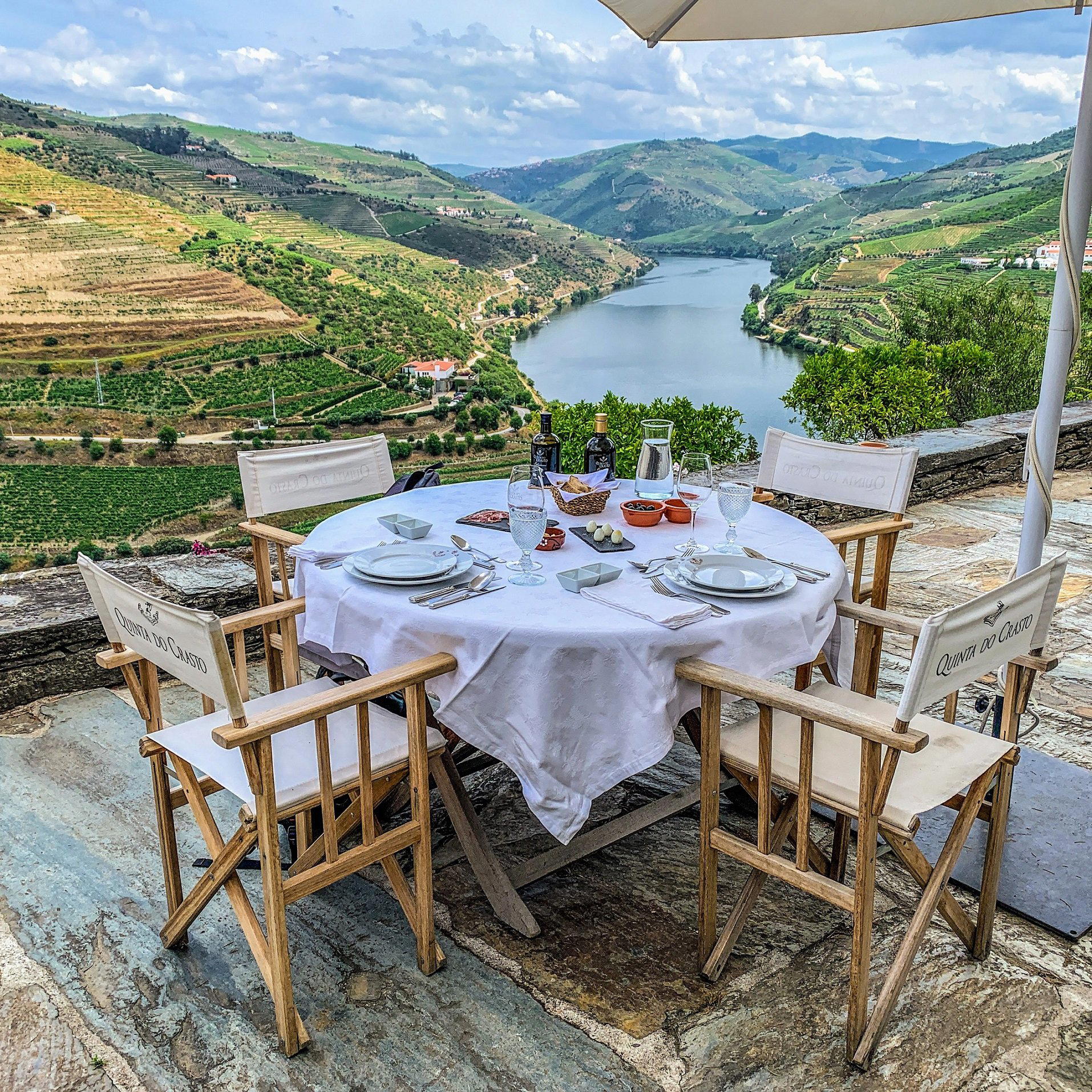
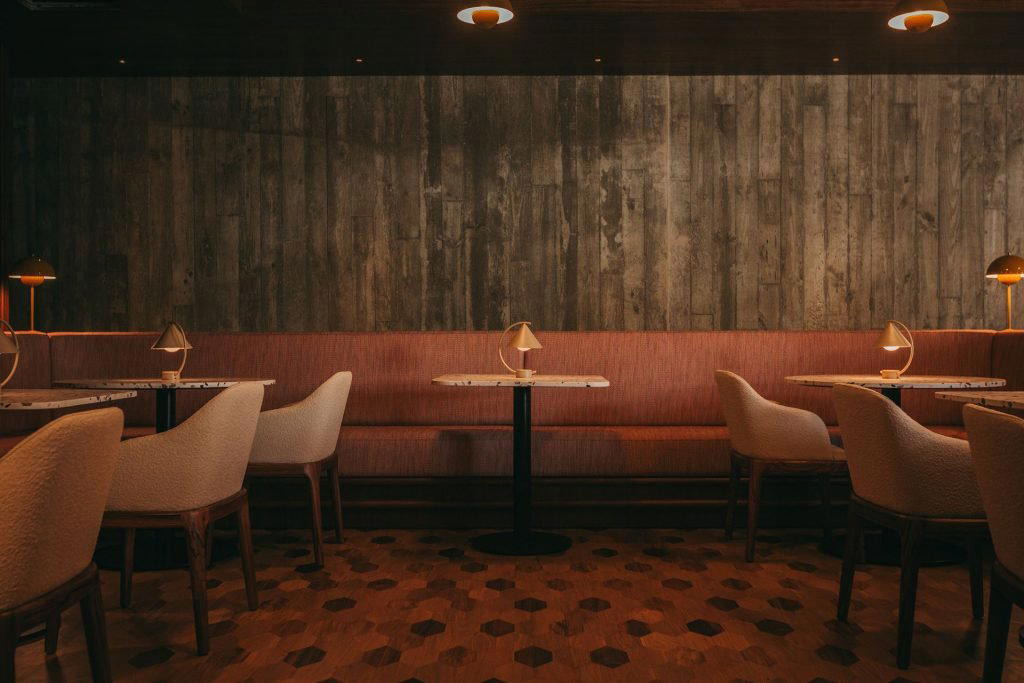
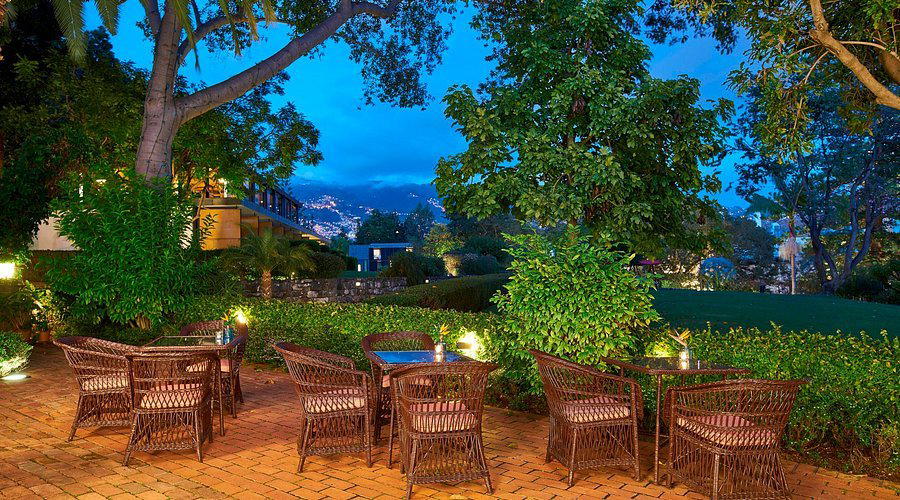
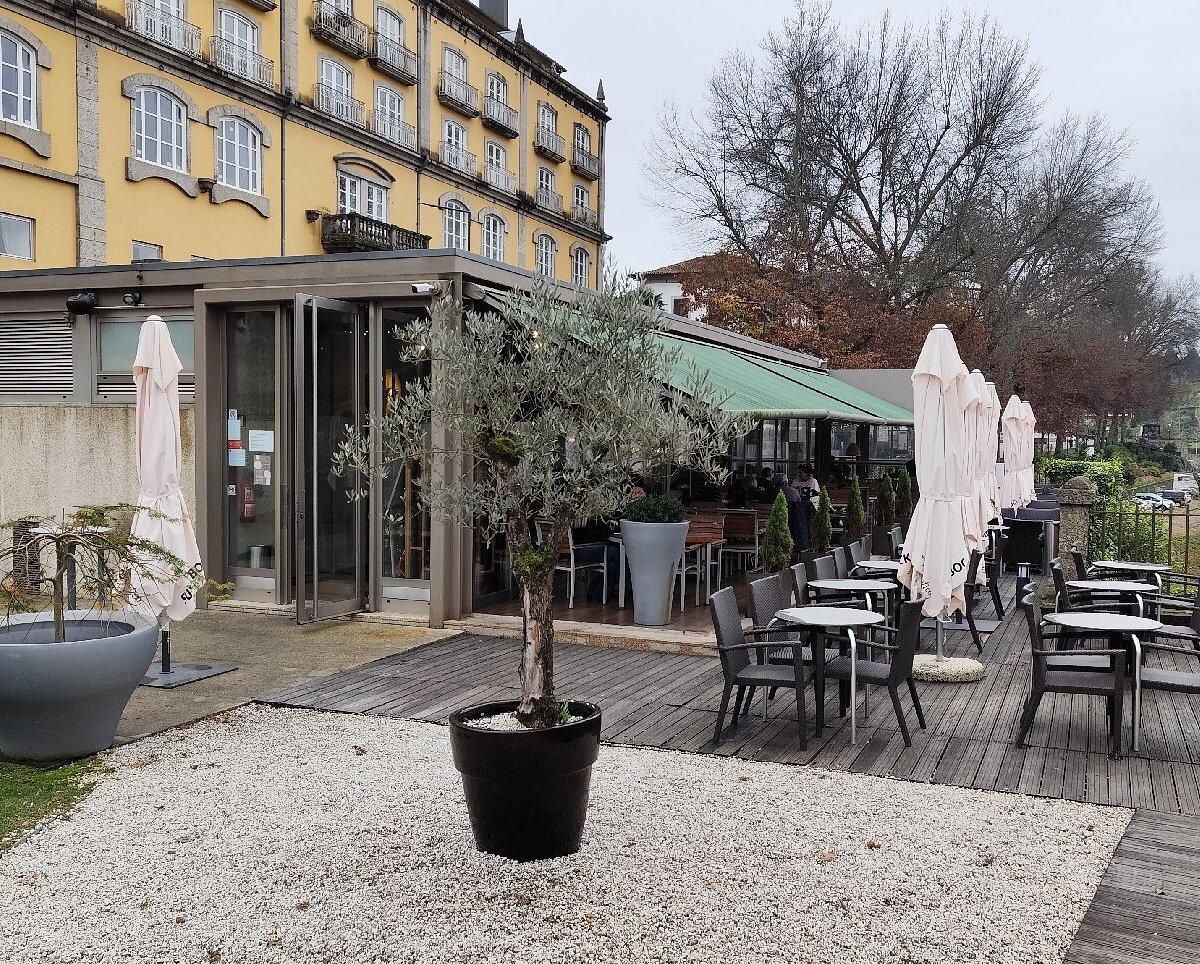
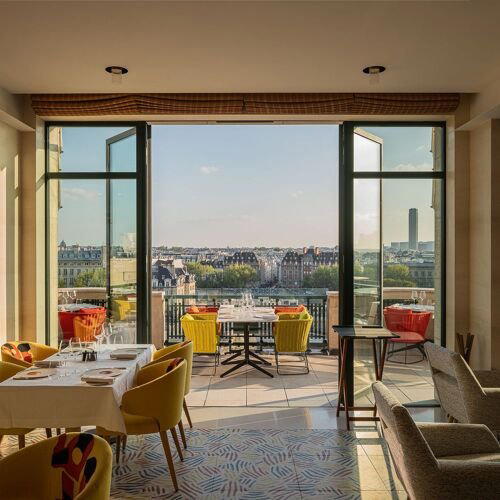
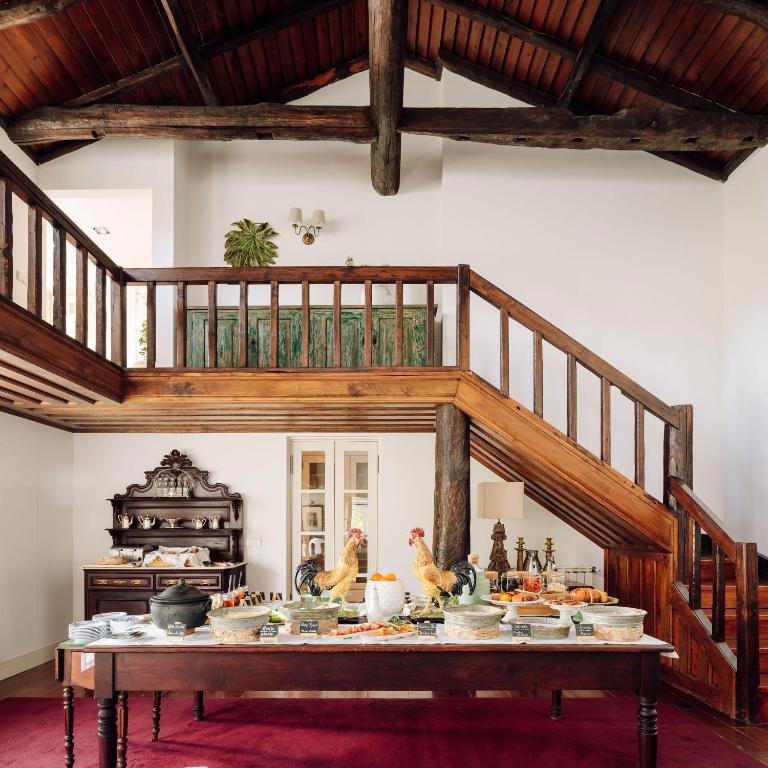
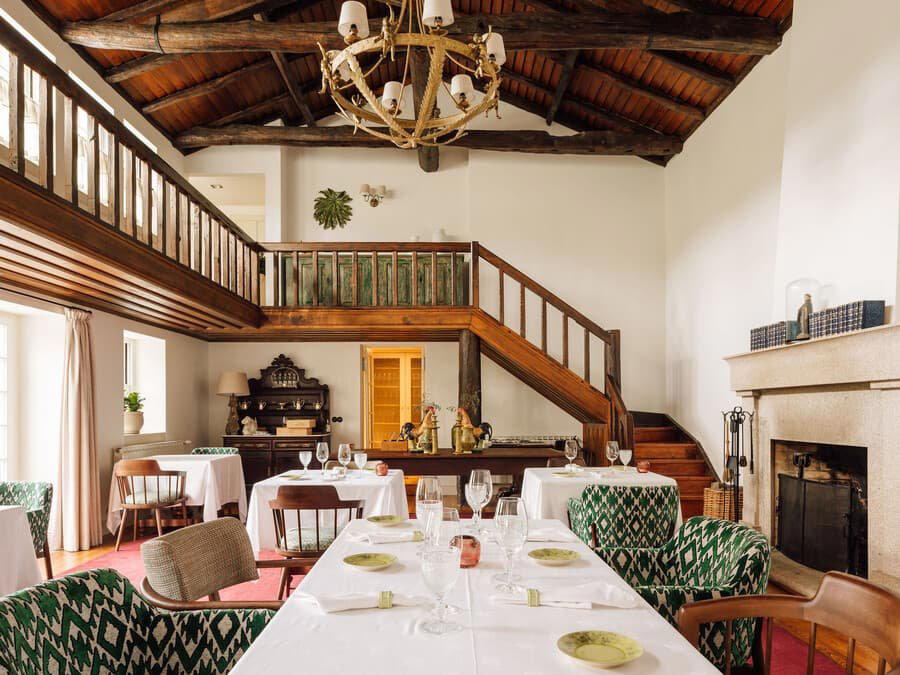
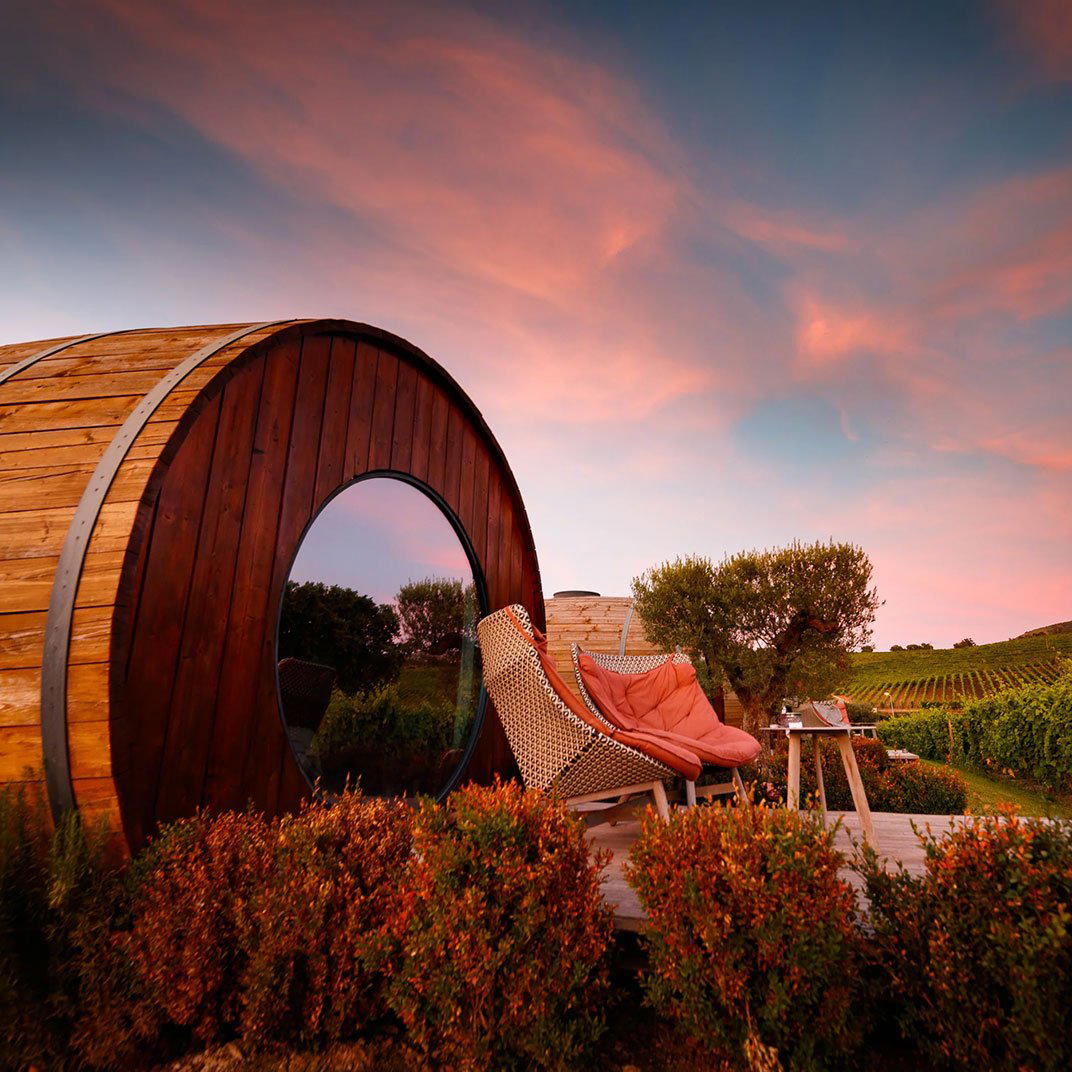
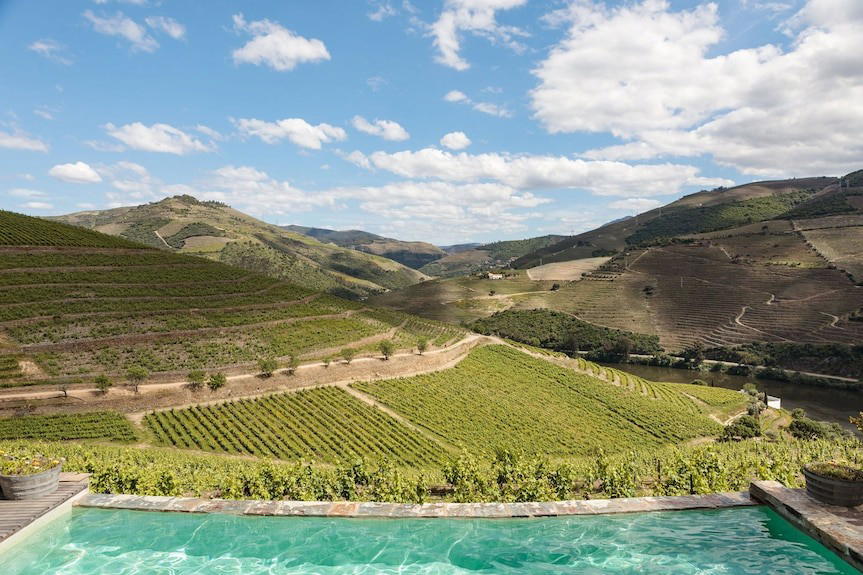
Far-reaching natural light with panoramic vineyard and river views; warm, welcoming atmosphere enhanced by knowledgeable guides and rustic-elegant dining spaces.