
Falstaff Winery - Listed
The address at the edge of a UNESCO-listed city places it in conversation with the region's long tradition of cork, wheat, and vine — three crops that have shaped this plateau for centuries.

Pearl is the En Primeur Club membership app — saves, bookings, and concierge access live there. Same editors, same standards.
- Address
- Q.ta de Valbom, 7001-901 Évora
- Phone
- +351 266 748 383
- Website
- cartuxa.pt
- Directions
- Get directions
Where the Alentejo Plateau Meets the Glass
Approaching the Alentejo from Lisbon, the landscape shifts around the midpoint of the journey in a way that feels almost deliberate. The rolling hills of the Ribatejo give way to an open, ochre plateau — cork oaks spaced evenly across red-clay earth, olive groves threading between wheat fields, and a sky that in summer presses down with an intensity that has no counterpart further north. By the time Évora's Roman temple appears on the horizon, you are already inside one of Portugal's most climatically extreme wine regions, and that extremity is precisely what defines the wines produced here.
Adega Cartuxa, part of the Fundação Eugénio de Almeida and located at Quinta de Valbom on the outskirts of Évora, operates within this context rather than despite it. The estate's address — Q.ta de Valbom, 7001-901 Évora, places it at the intersection of institutional heritage and agricultural tradition, a combination that is less common than it sounds. Most Alentejo estates built their identities during the post-1986 modernisation wave, when Portugal's EU membership brought investment and technical equipment to a region that had been producing wine largely for domestic, bulk consumption. Cartuxa's foundation predates that wave and gives it a different relationship to the land.
Alentejo Terroir and Why It Demands Attention
The Alentejo wine region covers roughly a third of Portugal's landmass but produces a disproportionately influential share of the country's premium red wine identity. The conditions are severe by European standards: summer temperatures routinely exceed 40°C, annual rainfall drops below 500mm in many sub-zones, and the granite and schist soils that dominate further north give way here to clay-limestone and loam, sometimes with quartz veins running through older plots. These are soils that stress vines effectively when yields are managed, and that stress is legible in the resulting wines.
The dominant red varieties grown across this plateau, Aragonez (Tempranillo's Alentejo expression), Trincadeira, Alicante Bouschet, and Touriga Nacional, respond to the heat and water deficit by producing wines with concentrated fruit, firm tannins, and an aromatic profile that sits somewhere between the sun-dried richness of southern Spain and the structural tension of northern Portugal. Alicante Bouschet, a teinturier variety rare outside of Alentejo and the Algarve, is particularly expressive here: its deep colour and dark-berry density give blends a distinctive weight that has helped establish the region's international reputation since the early 2000s.
Within Évora's sub-zone specifically, the elevation above sea level, the city sits at approximately 300 metres, provides marginal temperature relief that preserves acidity in ways the lower-lying Vidigueira or Reguengos sub-zones cannot always match. This gives Cartuxa's terroir a slightly tighter structural register than Alentejo wines from further south, a detail that becomes apparent when comparing across the region's premium tier. For a broader view of Alentejo's winery landscape, Herdade do Esporão in Reguengos de Monsaraz and Adega Cooperativa de Borba in Borba represent two contrasting models, the former a modernist estate with significant export recognition, the latter a co-operative anchored in local tradition.
In the context of the Alentejo, where the number of estates seeking and receiving formal recognition has grown significantly over the past decade, a prestige-level rating carries real signal value: it distinguishes estates producing wines with demonstrable complexity and consistency from the much larger volume of competent but unremarkable regional production.
At this prestige level, the relevant comparisons shift away from regional generics toward other award-recognised Portuguese estates across different regions. Bacalhôa Vinhos in Azeitão and Casa de Santar in Nelas sit in analogous positions within their respective regions, operating estates with institutional depth and formal recognition. Aliança Vinhos in Sangalhos represents a different model, a multi-regional producer whose breadth contrasts with the single-estate focus at Cartuxa.
The Foundation Model and Its Implications for Visitors
The Fundação Eugénio de Almeida is a Portuguese cultural and social foundation with roots in one of the Alentejo's most significant private landholding families. Operating a wine estate through a foundation structure is relatively uncommon in Portugal, and it shapes the visitor experience in ways that a purely commercial winery does not. The priorities of a foundation tend toward long-term stewardship, of land, of architectural heritage, of local social infrastructure, rather than short-term revenue maximisation. This orientation is usually visible in how the estate presents itself: less pressure toward upselling, more attention to historical context.
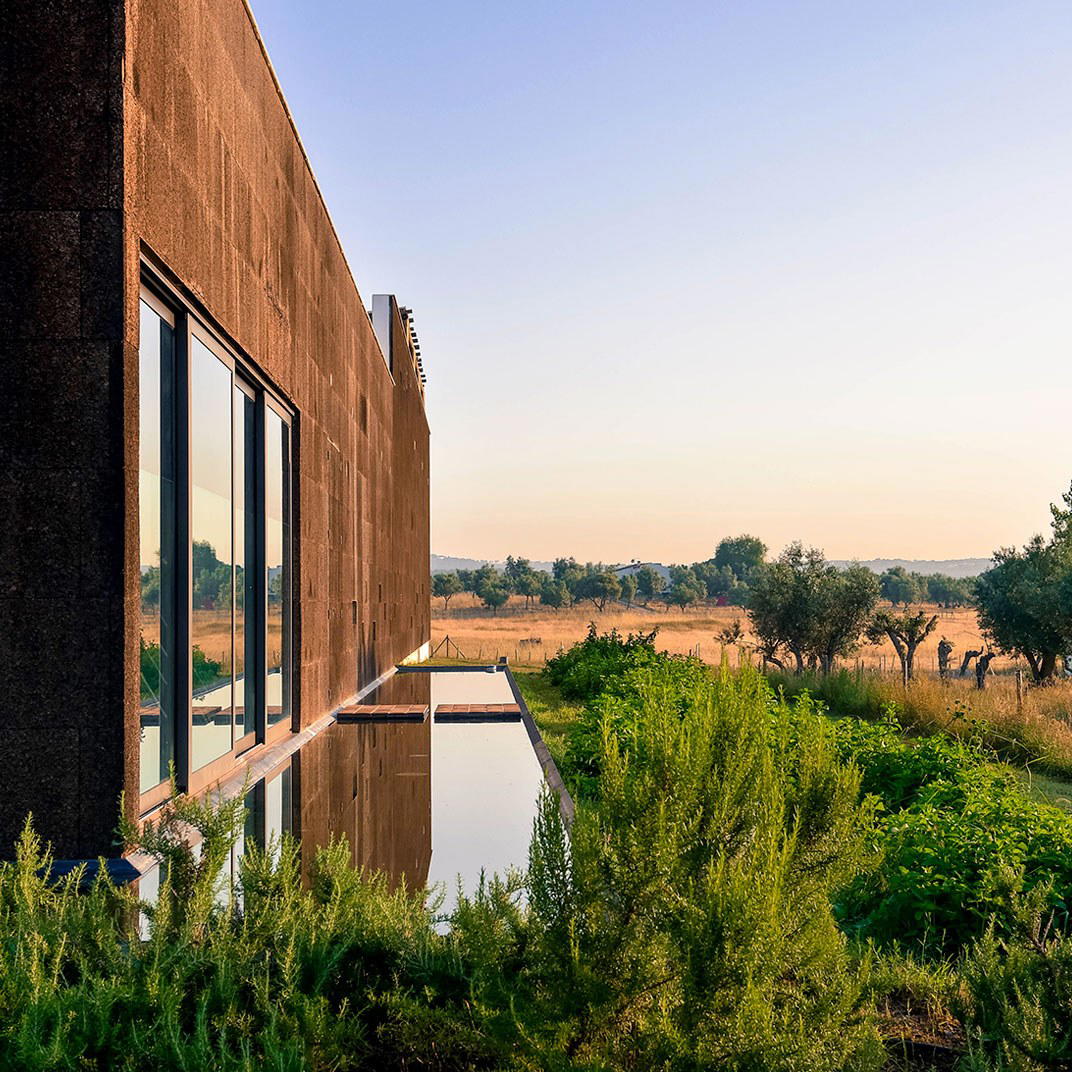
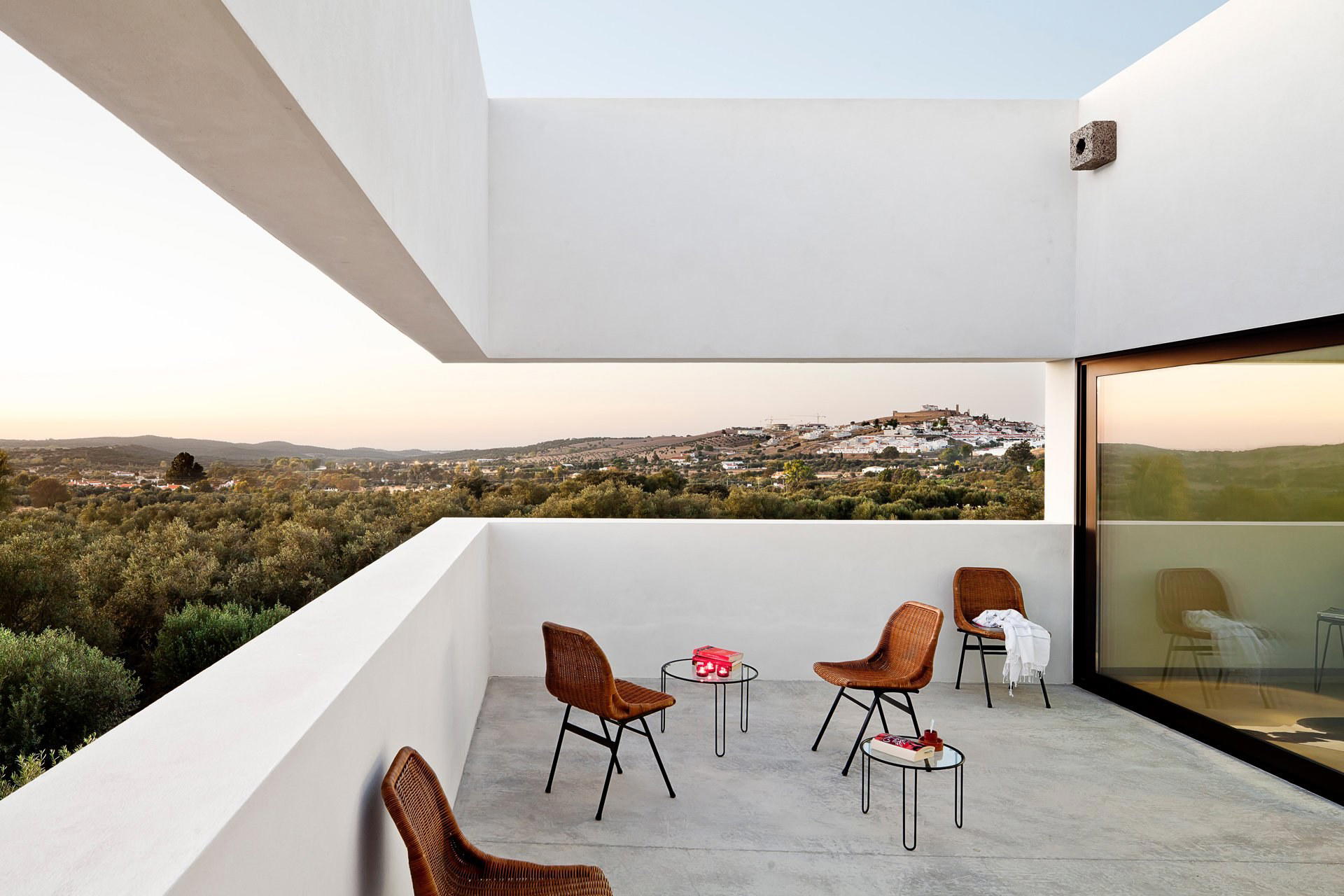
For the visitor, this means arriving at a property where the wine is the culmination of a broader relationship with place rather than the primary commercial product in isolation. The Quinta de Valbom setting, adjacent to Évora, allows the estate visit to be paired naturally with time in the city itself, the Roman temple, the medieval cathedral, the UNESCO-listed old town, without requiring significant additional travel. Évora functions as a full destination in its own right, and a morning or afternoon at Cartuxa pairs logically with an evening in the city. Our full Évora restaurants guide covers where to eat after the visit.
Cartuxa in the Portuguese Winery Landscape
Portuguese wine tourism has expanded substantially since the mid-2010s, with the Douro Valley and Alentejo attracting the largest share of international visitors. The Douro remains the reference point for estate visits, Quinta do Bomfim in Pinhão, Quinta do Vallado in Peso da Régua, and Quinta do Seixo (Sandeman) in Tabuaço all draw significant visitor numbers on the back of terraced vineyard scenery and Port wine heritage. The Alentejo's appeal is different: flatter, more austere, defined less by photogenic landscape and more by the sensory weight of heat and open sky.
For visitors approaching Portugal's wine regions from a fortified wine angle, Blandy's Wine Lodge in Funchal, Churchill's in Vila Nova de Gaia, and Henriques & Henriques in Câmara de Lobos represent the island and Port wine traditions respectively, a fundamentally different style of production from Cartuxa's still table wine focus. Adega Regional de Colares in Colares occupies its own historical niche, with pre-phylloxera vines on sand dunes near Lisbon, making it the most unusual counterpoint in the Portuguese context.
Planning a Visit
Cartuxa is located at Quinta de Valbom, 7001-901 Évora, within direct driving distance from the city centre. Évora is approximately 130 kilometres east of Lisbon on the A6 motorway, a journey of roughly 90 minutes by car. The estate's position near a major UNESCO heritage city means accommodation options in Évora are well-developed across multiple price tiers, and a visit to Cartuxa works well as part of a broader Alentejo itinerary that includes at least one overnight stay. The summer months bring intense heat to the plateau, visits in late spring or early autumn allow the landscape and wines to be appreciated under more measured conditions.
In Context: Similar Options
Comparable venues nearby, for context on price, style, and recognition.
| Venue | Cuisine | Price | Awards | Notes |
|---|---|---|---|---|
| Adega Cartuxa (Fundação Eugénio de Almeida)This venue — the venue you are viewing | Trincadeira, Aragonez | Not listed | Falstaff Winery - Listed | Not listed |
| The Factory House | Touriga Nacional, Touriga Francesa | Not listed | Not listed | Porto docks |
| Adega Cooperativa de Borba | Aragonez, Trincadeira | $30–50 | Not listed | Borba |
| Casa de Santar | Touriga Nacional, Encruzado | Not listed | Falstaff Winery - Listed | Santar |
| Herdade do Mouchão | Alicante Bouschet, Trincadeira | $30–50 | Falstaff Winery - Listed | Casa Branca, Portalegre District |
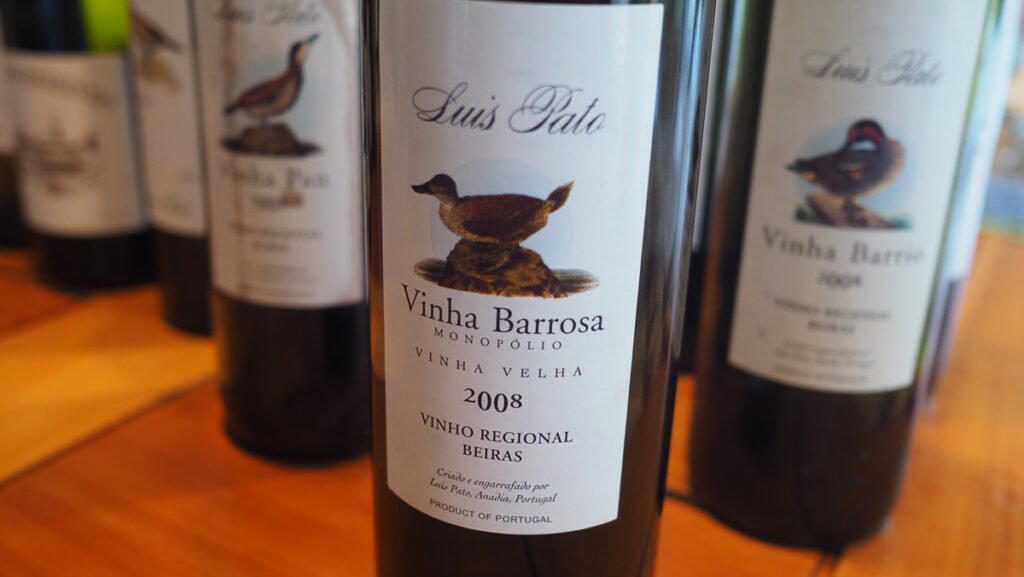
| Luis Pato | Baga, Touriga Nacional | Not listed | Not listed | Amoreira da Gândara |
Recognition history
Dated appearances from independent guides and award organizations, with the underlying list record or original source where available.
Falstaff Winery - Listed
Falstaff
Continue exploring
More in Évora
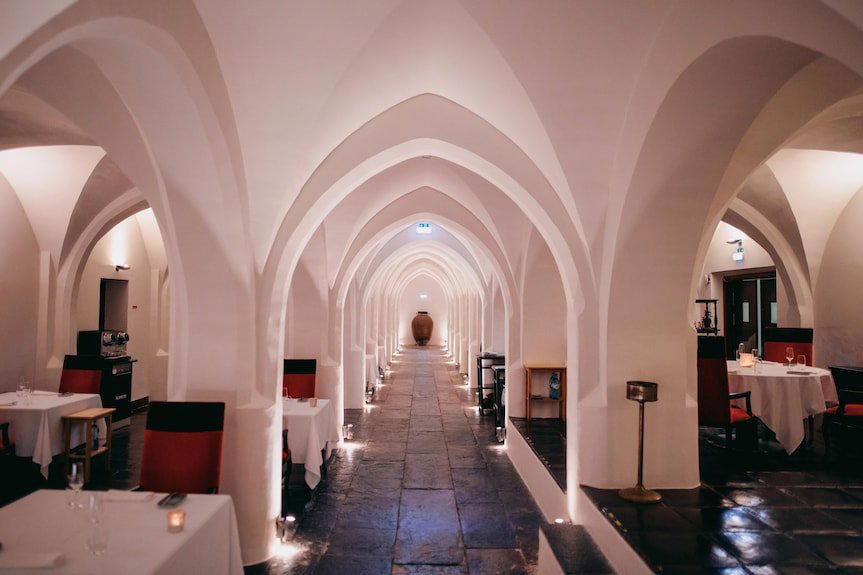
Wineries in Évora
Browse all →

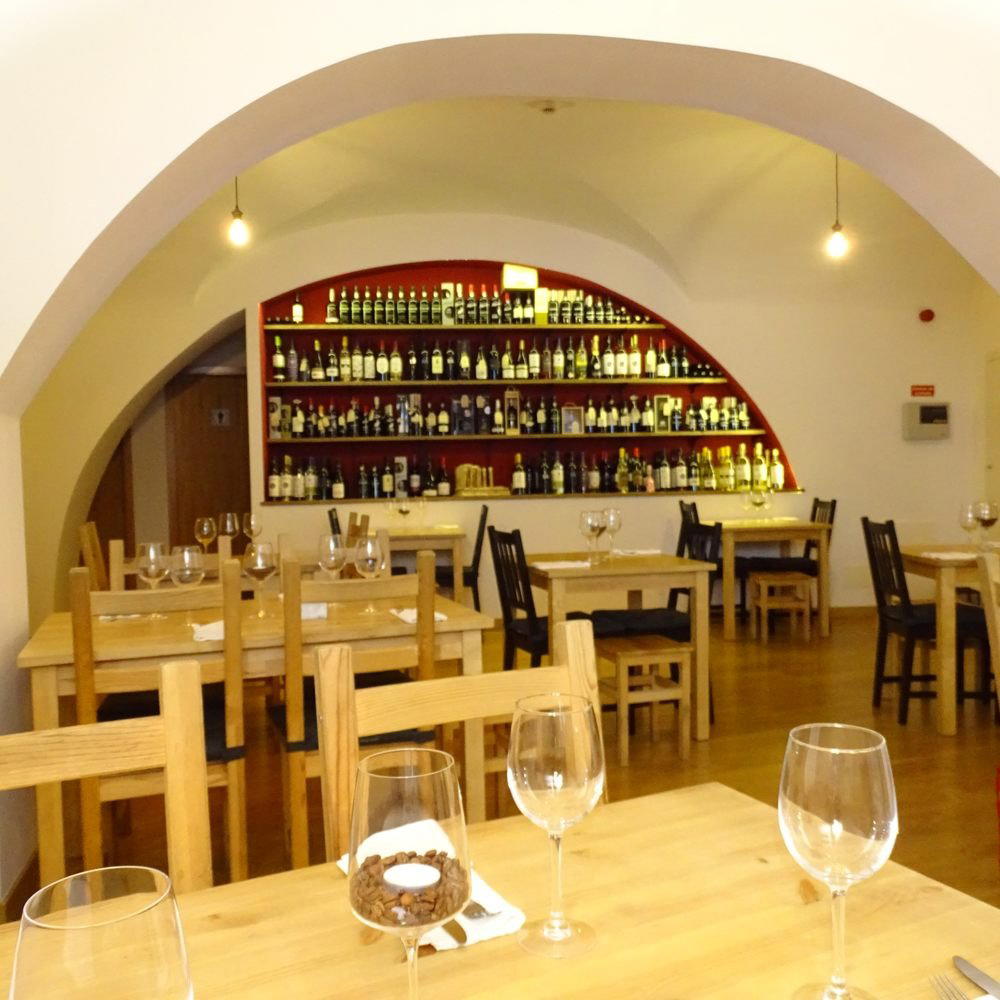
Bars in Évora
Browse all →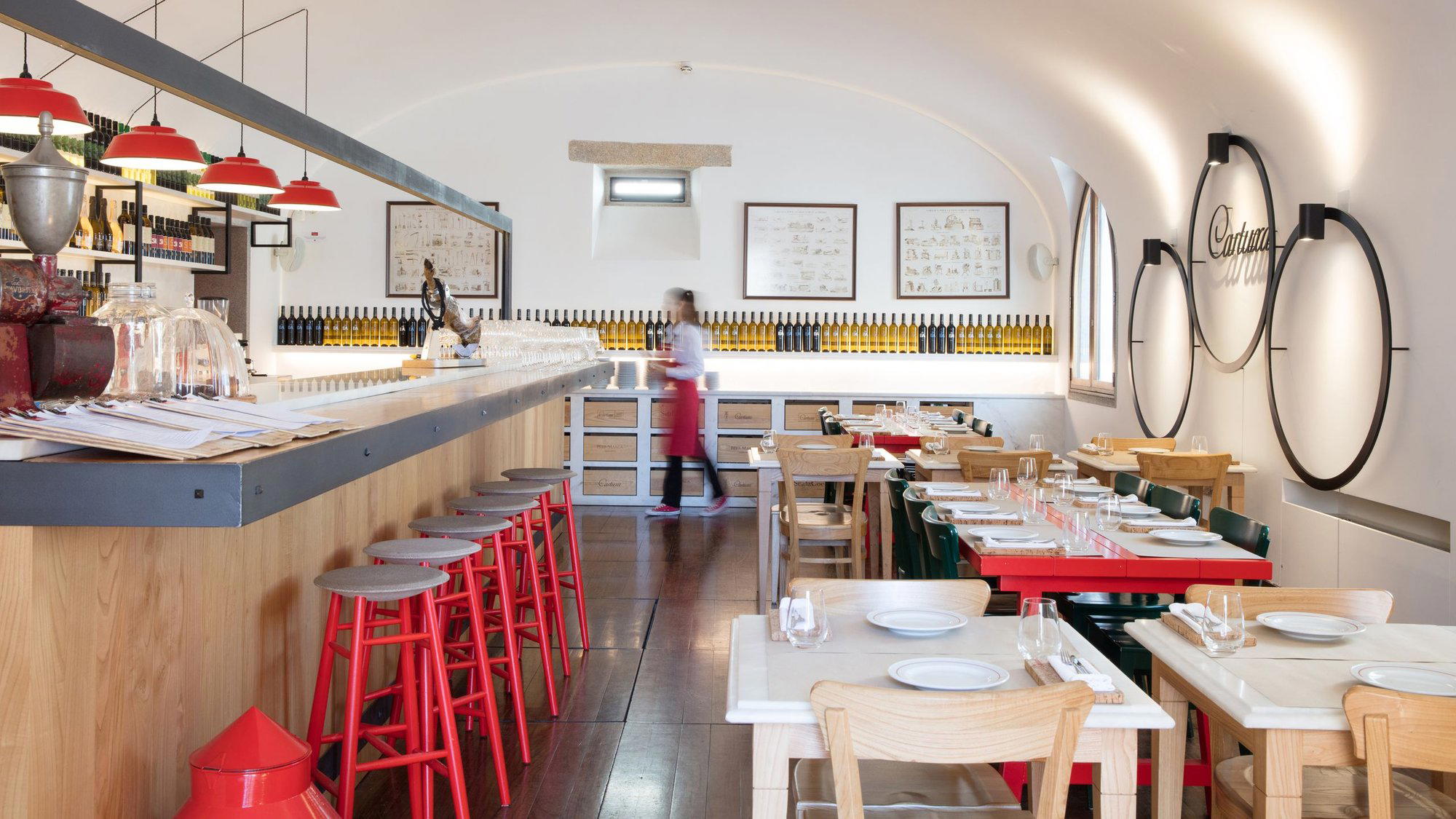
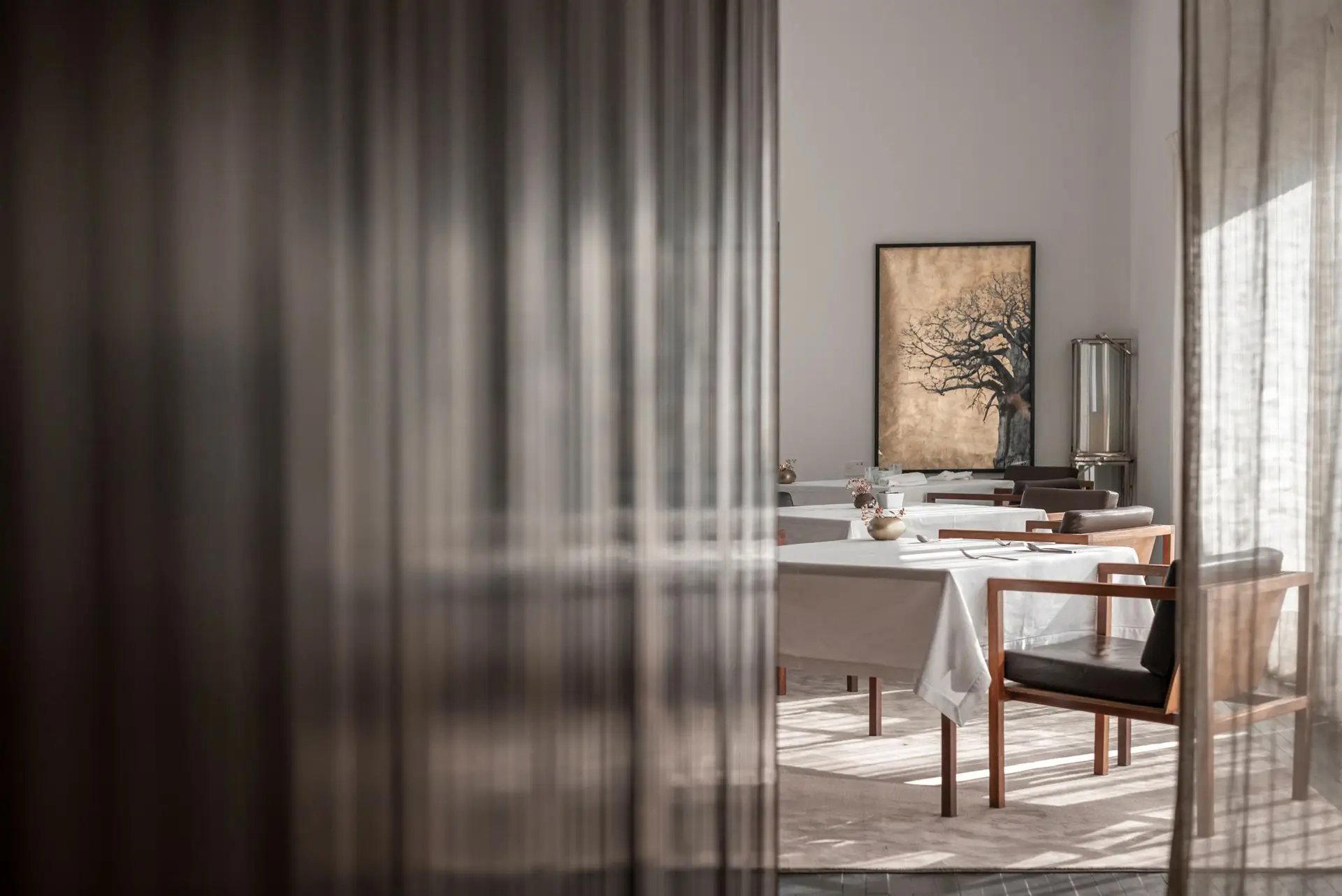
Restaurants in Évora
Browse all →
Details
- Historic
- Elegant
- Rustic
- Scenic
- Intimate
- Wine Education
- Special Occasion
- Solo Exploration
- Historic Building
- Vineyard Tour
- Cave Tasting
- Estate Grounds
- Organic
- Vineyard
- Garden
- Trincadeira
- Aragonez
- Antão Vaz
- Roupeiro
- Alicante Bouschet
- Castelão
- Arinto
- Still Red
- Still White
- Guided Tasting
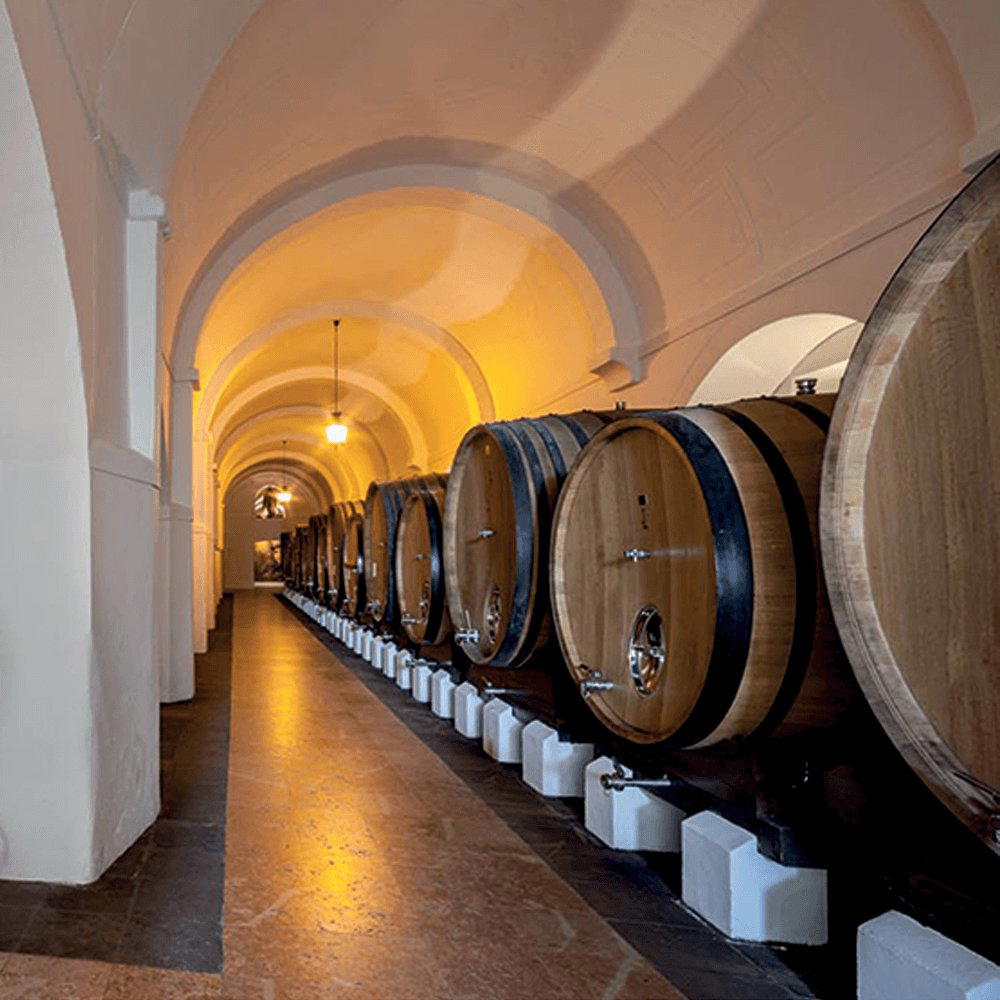
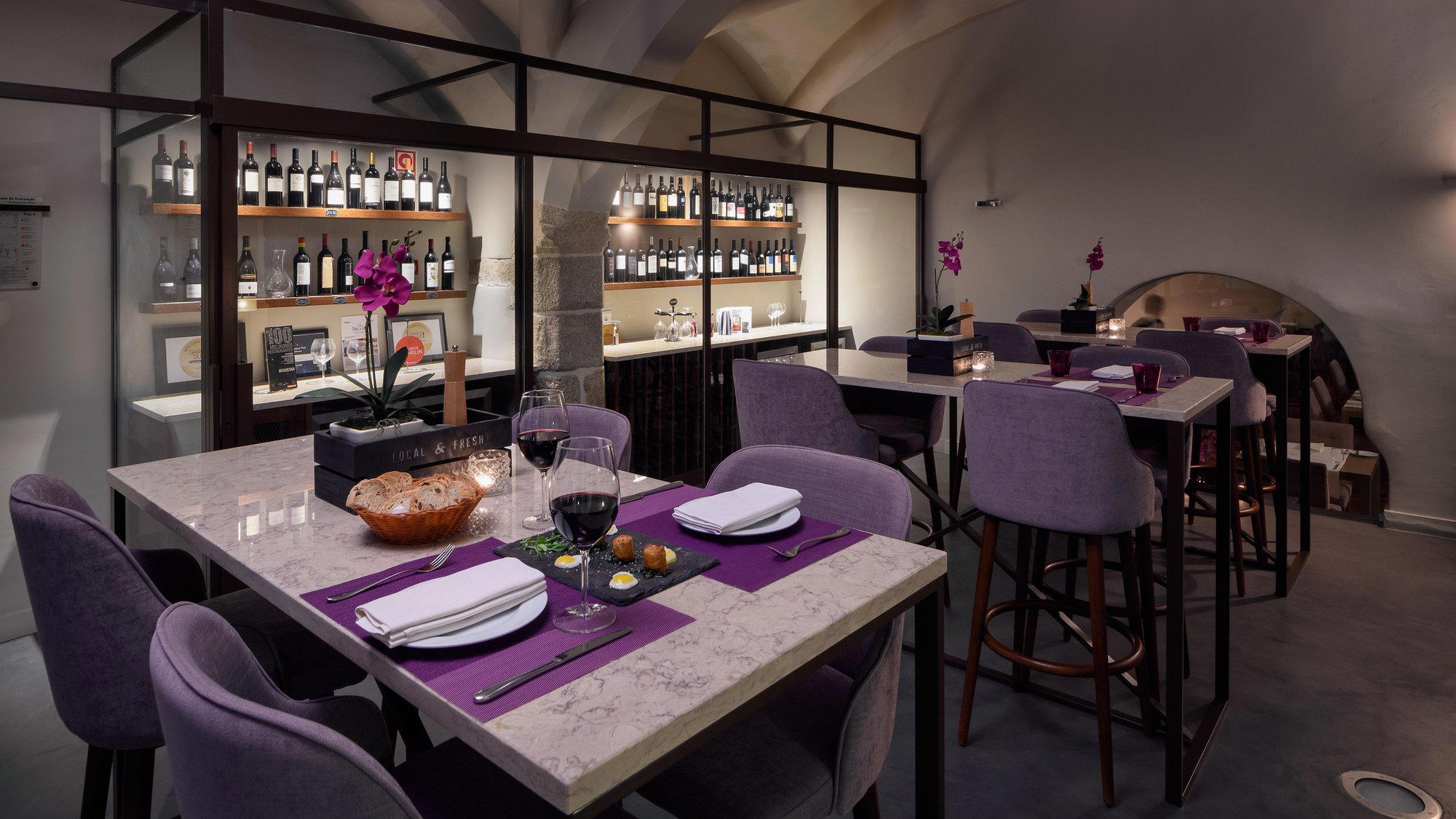
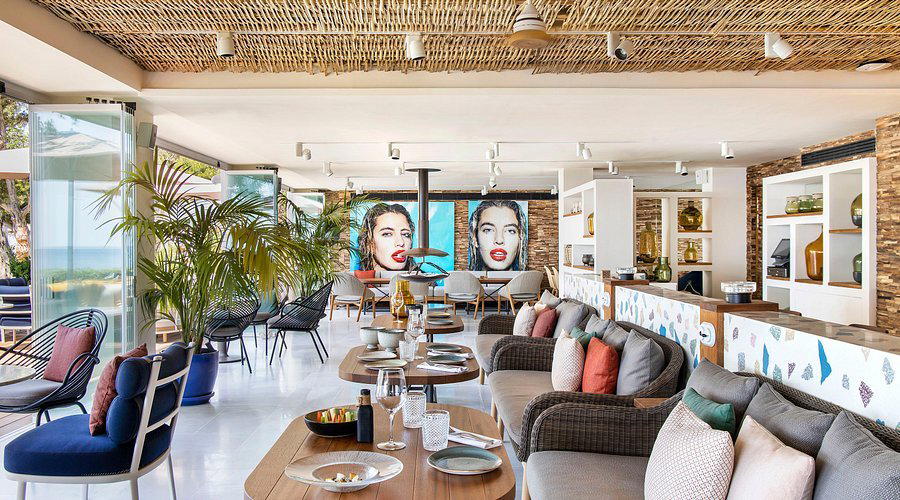
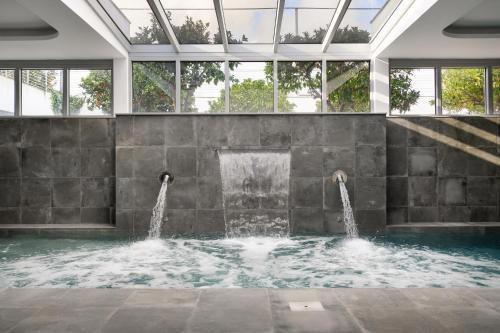
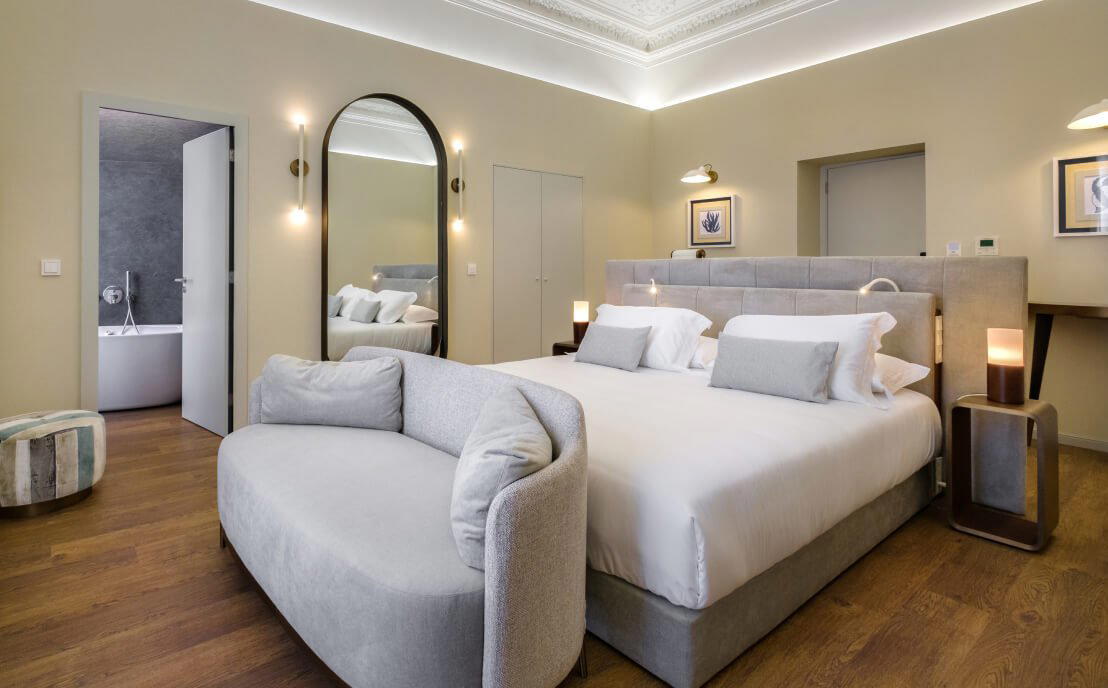
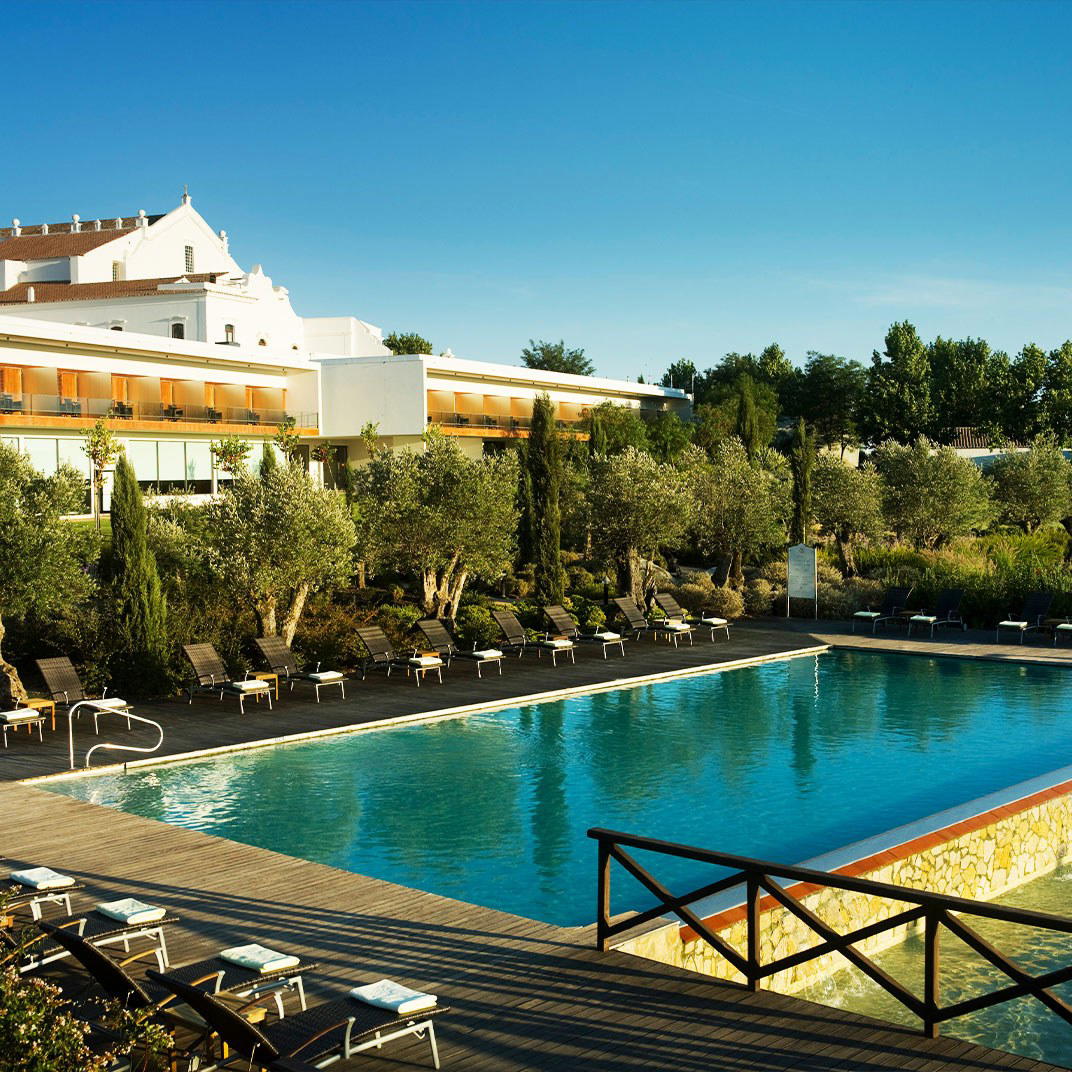
Atmospheric historic cellars with beautifully preserved architecture, offering a serene and welcoming tasting experience amid picturesque estate grounds.