Quinta do Vesúvio

Falstaff Winery - Listed
The quinta operates in a region defined by schist terraces, extreme continental temperatures, and deeply concentrated fruit. Planning ahead is advisable given the estate's award profile and the limited visitor access typical of this stretch of the upper Douro.
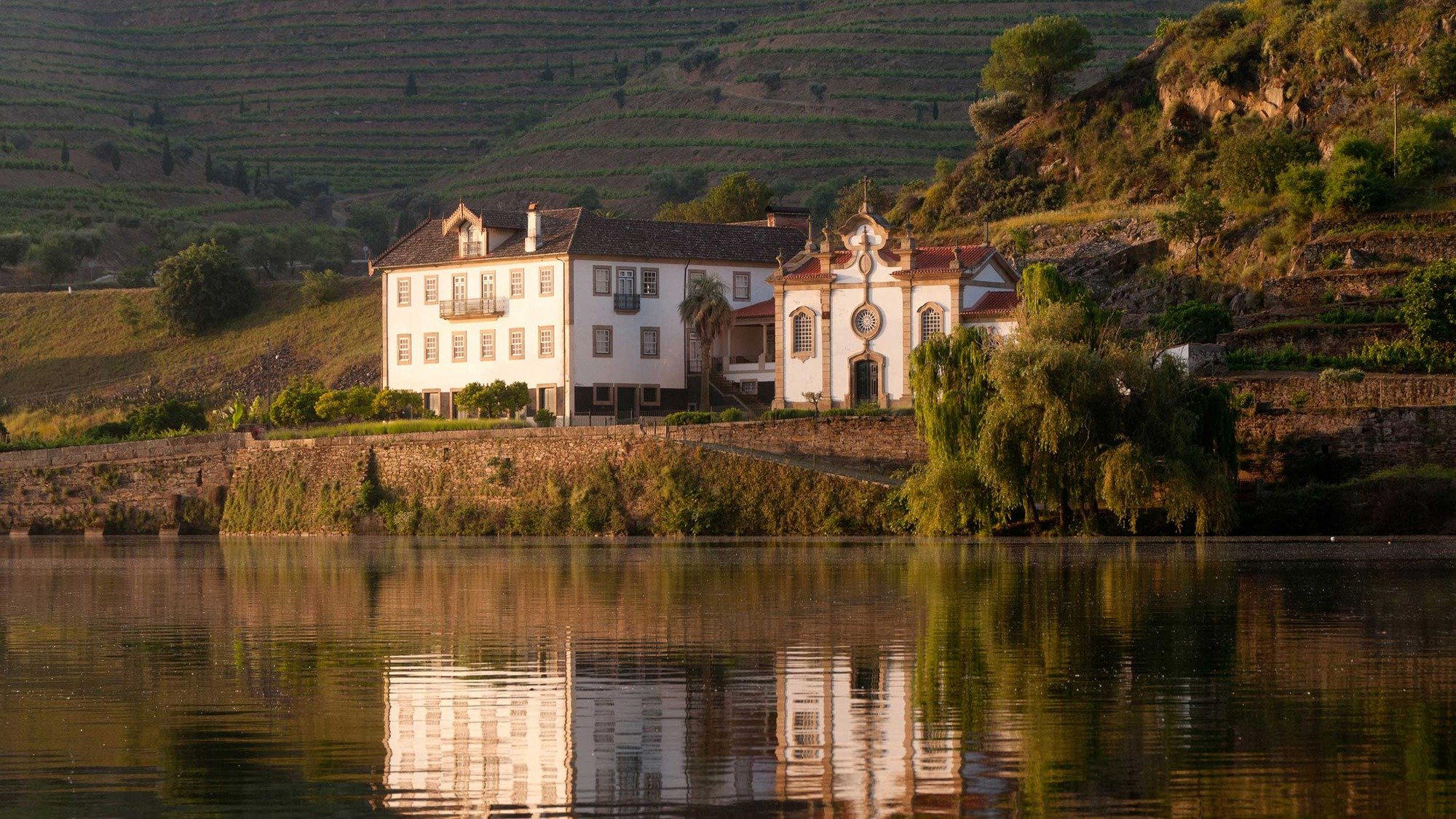
That credential matters here because the Douro Superior is not the region visitors reach first. Foz Côa sits further east than the more-visited Pinhão corridor, where estates like Quinta do Bomfim in Pinhão and Quinta do Seixo (Sandeman) in Tabuaço draw more casual tourism traffic. The distance filters the audience. Visitors who make it to this stretch of the EN222 tend to arrive with specific intent.
What the Douro Superior Demands of Its Winemakers
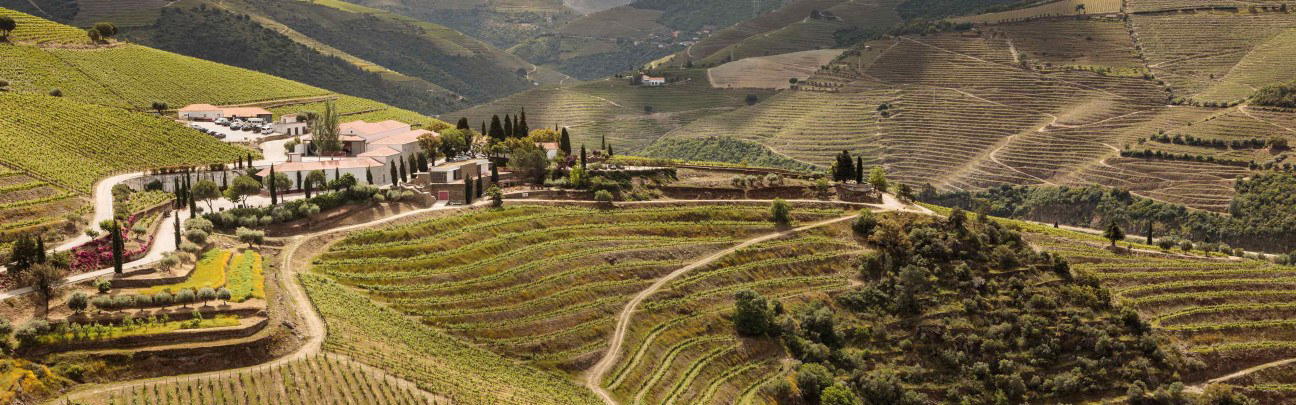
Understanding Quinta do Vesúvio requires understanding what this subregion asks of everyone who works within it. The Douro Superior is drier and hotter than the Baixo Corgo or Cima Corgo subregions downstream, and it produces wines with a structural density that marks them clearly within any comparative tasting of Portuguese reds. The schist soils drain rapidly, limiting vine vigour and concentrating berry size. Phenolic ripeness arrives at high sugar levels, which historically made this territory Port country before the modern table wine movement found value in that same concentration channelled into dry reds.
Winemaking in this environment requires a specific kind of discipline: managing extraction without over-extraction, preserving freshness against the heat, and respecting the raw material rather than correcting it. Estates in the Douro Superior that pitch at the prestige tier, a group that includes Quinta do Vesúvio alongside nearby producers such as Quinta do Vale Meão, operate with a philosophy that the vineyard sets the limits and the cellar's job is to stay inside them. That approach contrasts with heavier-intervention models found in warmer New World regions, and it places these estates in a European tradition of site expression over producer imprint.
The comparison set for prestige-level Douro producers extends across Portugal. Herdade do Esporão in Reguengos de Monsaraz and Adega Cartuxa in Évora represent the Alentejo's approach to sustained prestige recognition, while Bacalhôa Vinhos in Azeitão anchors the Setúbal Peninsula's tradition. What differentiates the Douro Superior estates from all of these is geography: no other Portuguese wine subregion imposes quite this combination of altitude, heat, and mineral-heavy schist across such a concentrated area.
Port Heritage and the Dry Wine Pivot
The Douro's identity spent most of the twentieth century defined by Port, and the estates of the Superior subregion were historically among the most prized sources of fortified wine fruit. The shift toward premium dry table wines, which accelerated through the 1990s and into the 2000s, required producers in this part of the valley to reassess what they were growing and how they were growing it.
That transition reshaped how prestige was calculated in the valley. Estates that made the pivot successfully built reputations on the quality of their dry reds, while Port production often continued in parallel as a distinct strand of the business. The Port side of this heritage connects the Douro to a broader Portuguese wine identity that includes operations like Churchill's in Vila Nova de Gaia, Quinta do Vallado in Peso da Régua, and Blandy's Wine Lodge in Funchal, each of which navigates the relationship between fortified heritage and contemporary fine wine ambition in its own way.
The Foz Côa Factor
Vila Nova de Foz Côa carries cultural weight beyond wine. The municipality is home to the Côa Valley Archaeological Park, a UNESCO World Heritage site containing one of the largest concentrations of open-air Palaeolithic rock art in the world. That context is not incidental to the wine experience here. Visiting this corner of the Douro means moving through a landscape with layers of human history that extend far beyond the seventeenth century demarcation of the wine region. Estates that sit within this geography operate against that backdrop, whether or not they acknowledge it directly.
For visitors planning a circuit of prestige-level Portuguese wine estates, the Foz Côa area rewards those who build time into the itinerary rather than treating it as a detour. The town itself provides practical orientation, and the EN222 offers a coherent route north and west toward the more densely visited Douro valley towns. Our full Vila Nova de Foz Côa restaurants guide covers the broader range of where to eat and what to do in the area around the estate. The EN222 is navigable by car from both the Douro Valley towns to the west and the Spanish border to the east, though the road is narrow and demands attention. Visitors arriving without prior arrangement should expect that access to production areas and tastings follows scheduled formats rather than open-door policies.
Seasonally, the Douro harvest period, typically running through September and into early October, is both the most atmospheric time to visit and the most operationally demanding for estate teams. Late spring and early summer, when vine canopies are full but the harvest pressure has not yet arrived, often represent a more relaxed entry point for visits. Those interested in comparing this estate within a broader Portuguese wine itinerary might also consider producers operating at similar prestige tiers in other regions, including Aliança Vinhos in Sangalhos, Adega Cooperativa de Borba, or Adega Regional de Colares for a sense of how different Portuguese terroirs express themselves at the recognised tier.
Frequently Asked Questions
- Is Quinta do Vesúvio more low-key or high-energy? The Douro Superior runs at a different register than Portugal's more tourist-oriented wine zones. Estates at this end of the EN222 tend toward structured, appointment-led visits rather than drop-in tastings or events programming. If you are arriving from a more active town like Pinhão or Régua, treat this as a considered destination rather than a casual stop.
- What wines is Quinta do Vesúvio known for? The estate sits in the Douro Superior, a subregion historically associated with the most concentrated and structured wines in Portugal's oldest demarcated zone.
- What is the defining thing about Quinta do Vesúvio? Its position, both geographic and in terms of recognition. That combination of award-level recognition and relative remoteness defines its character: this is a wine-first destination in a part of Portugal that has not been smoothed for mass tourism.
- How far ahead should I plan for Quinta do Vesúvio? Prestige-tier estates in the Douro Superior are not structured for spontaneous visits. Allow at minimum several weeks of lead time, and during harvest season (September to early October) expect that access will be limited or unavailable regardless of advance notice.
- How does Quinta do Vesúvio compare to other prestige Douro estates along the EN222? The EN222 corridor through the Douro Superior includes a cluster of estates operating at recognised quality tiers, with Quinta do Vale Meão being the most internationally profiled neighbour in the Foz Côa zone. The distinction between estates at this level tends to come down to vineyard age, blend composition, and the specific approach to managing the heat and concentration that define Superior subregion fruit, factors that reward tasting across multiple producers rather than treating any single estate as the definitive address.
Frequently asked questions
Is Quinta do Vesúvio more low-key or high-energy?
Low-key, without question. The estate sits on the Estrada Nacional 222 in the Douro Superior, a subregion defined by isolation and extreme growing conditions rather than wine tourism infrastructure. The visit is shaped by the land more than by hospitality theatre, this is working estate territory, not a weekend events venue.
What wines is Quinta do Vesúvio known for?
The Douro Superior has historically been Port country, and Vesúvio carries that heritage, while the broader region has shifted significantly toward structured dry reds made from indigenous varieties such as Touriga Nacional, Touriga Franca, and Tinta Roriz. Specific current labels are best confirmed directly with the estate.
Where can I find Quinta do Vesúvio?
Quinta do Vesúvio is located at Estrada Nacional 222 4, 5155-601, Vila Nova de Foz Côa.
What's the defining thing about Quinta do Vesúvio?
Location and consequence. Sitting in the Douro Superior near Vila Nova de Foz Côa, the estate operates in one of the driest and hottest wine-growing zones in Portugal, where yields are low and ripening is fast.
How far ahead should I plan for Quinta do Vesúvio?
The Douro Superior draws a fraction of the visitor traffic that the Baixo Corgo and Cima Corgo receive, so availability is generally less pressured than at better-known valley estates. That said, contact details are not publicly listed for Quinta do Vesúvio, so reaching the estate directly in advance, particularly for harvest-season visits, is the practical approach rather than assuming walk-in access.
Price and Recognition
Comparable venues nearby, for context on price, style, and recognition.
| Venue | Cuisine | Price | Awards | Notes |
|---|---|---|---|---|
| Quinta do VesúvioThis venue (the venue you are viewing) | Not listed | Not listed | Falstaff Winery - Listed | Not listed |
| Quinta do Vale Meão | Not listed | Not listed | Falstaff Winery - Listed | Vila Nova de Foz Côa, Touriga Nacional, Touriga Franca |
| Casa de Santar | Santar, Touriga Nacional, Encruzado | Not listed | Falstaff Winery - Listed | Not listed |
| Offley | Not listed | Not listed | Not listed | Vila Nova de Gaia, Touriga Nacional, Touriga Franca |
| Herdade do Mouchão | Not listed | $30–50 | Falstaff Winery - Listed | Casa Branca, Portalegre District, Alicante Bouschet, Trincadeira |
| Adega Cartuxa (Fundação Eugénio de Almeida) | Quinta de Valbom, Trincadeira, Aragonez | Not listed | Falstaff Winery - Listed | Not listed |
Recognition history
Dated appearances from independent guides and award organizations, with the underlying list record or original source where available.
Falstaff Winery - Listed
Falstaff
Enquire about visiting Quinta do Vesúvio or buying its wine
Visits to Quinta do Vesúvio are usually kept for the estate's regular buyers and the wine trade. Tell us when you would like to go and a little about how you buy, and we put the request to the estate and reply to you by email. For buying, we source directly from the producer or from a licensed seller we know and vouch for, and tell you the route before you pay.
Continue exploring
More in Vila Nova de Foz Côa
Wineries in Vila Nova de Foz Côa
All wineries in Vila Nova de Foz Côa →
Details
- Historic
- Rustic
- Scenic
- Well Known
- Wine Education
- Special Occasion
- Vineyard Tour
- Historic Building
- Panoramic View
- Sustainable
- Vineyard
- Mountain
- Touriga Nacional
- Touriga Franca
- Tinta Roriz
- Tinta Barroca
- Alicante Bouschet
- Fortified
- Still Red
- Private Tasting
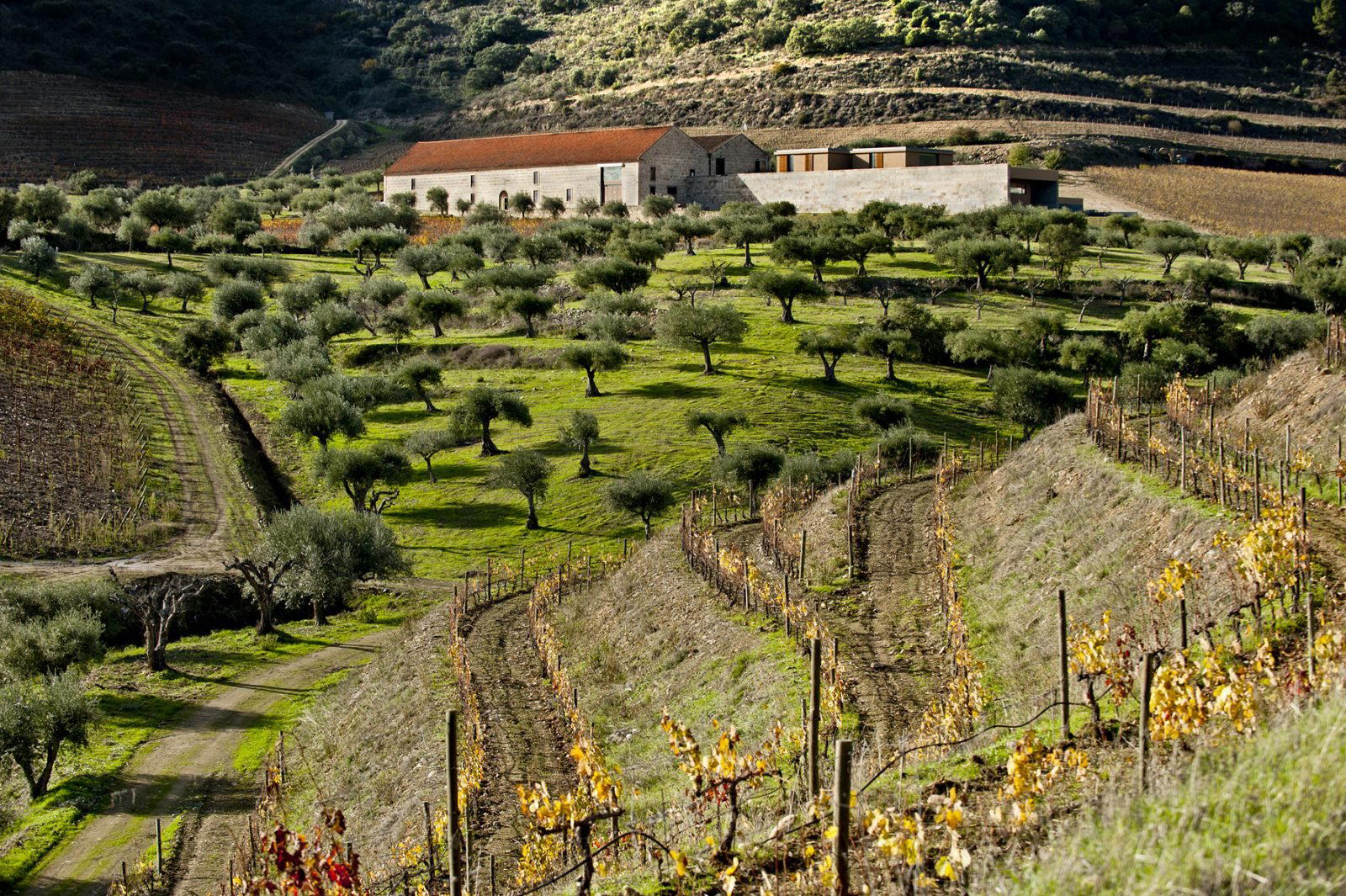
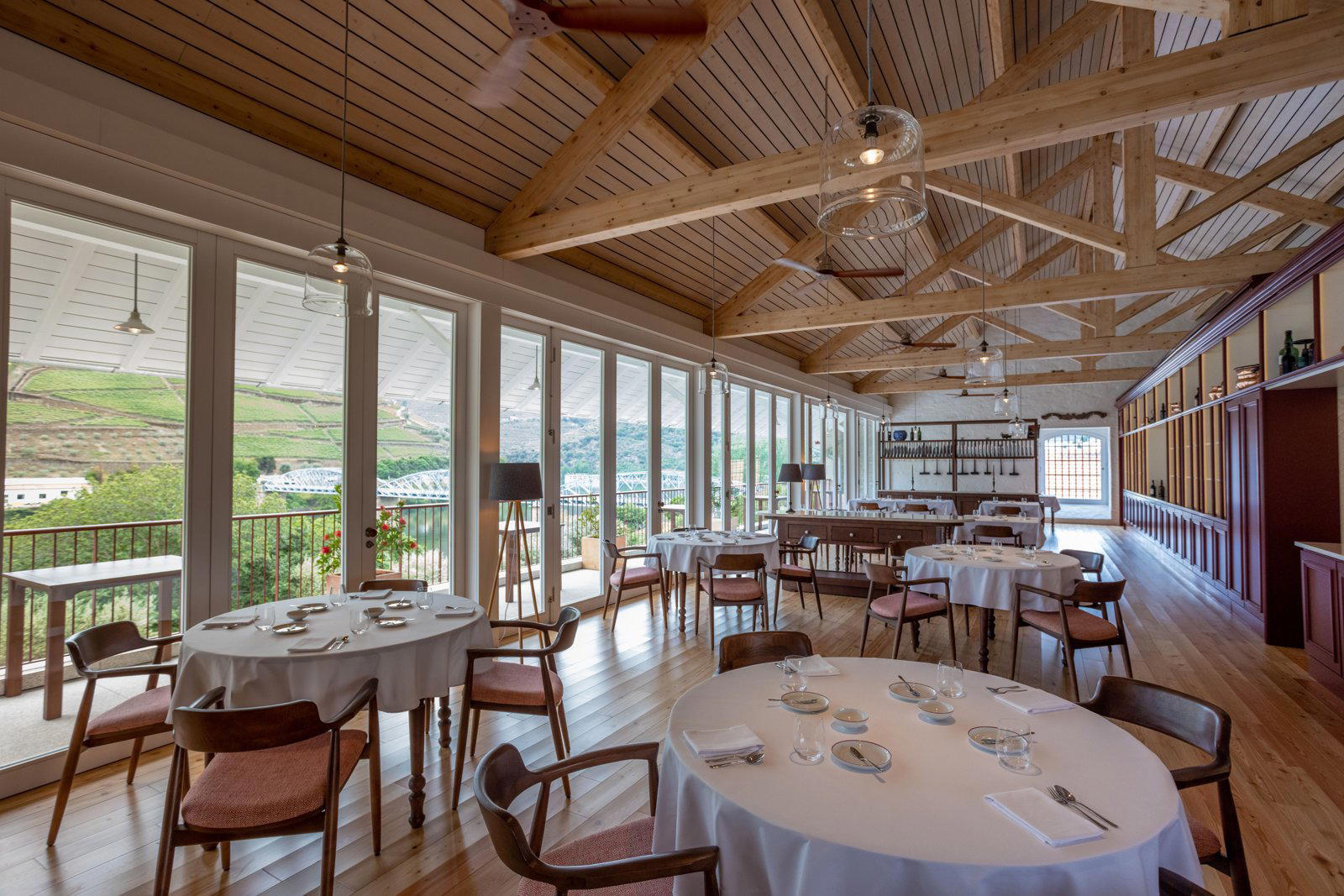
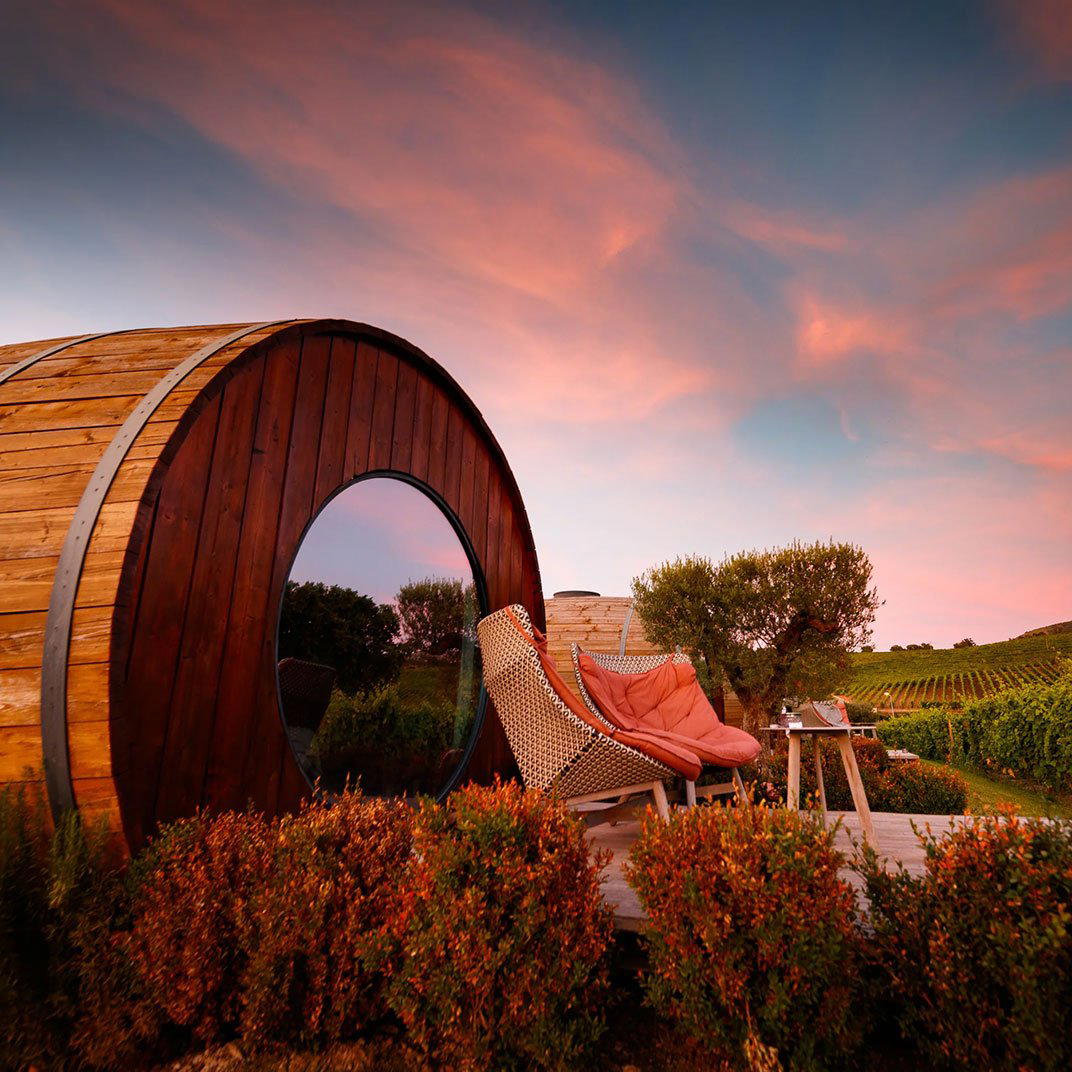
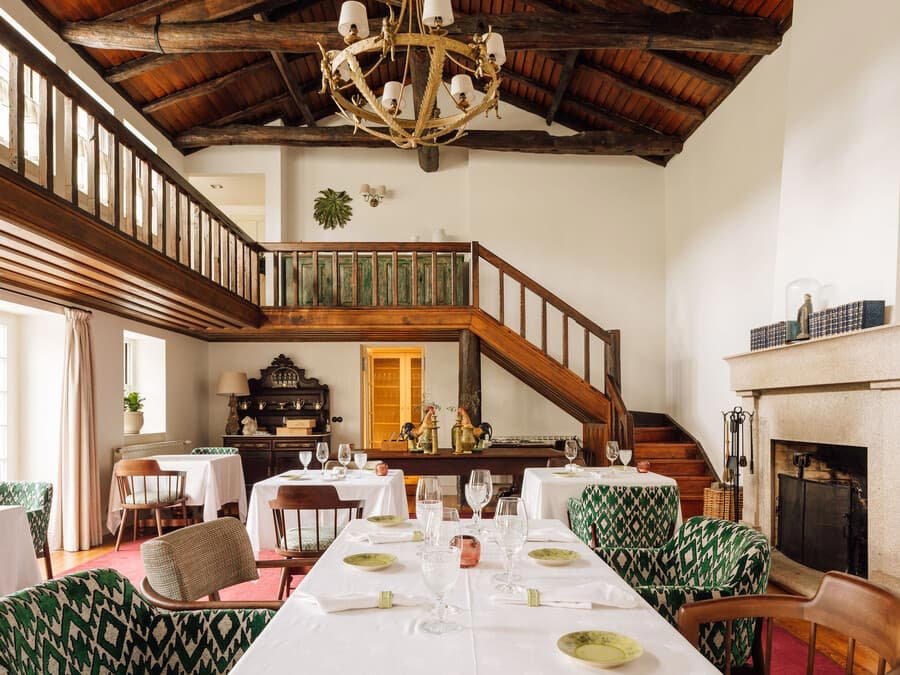
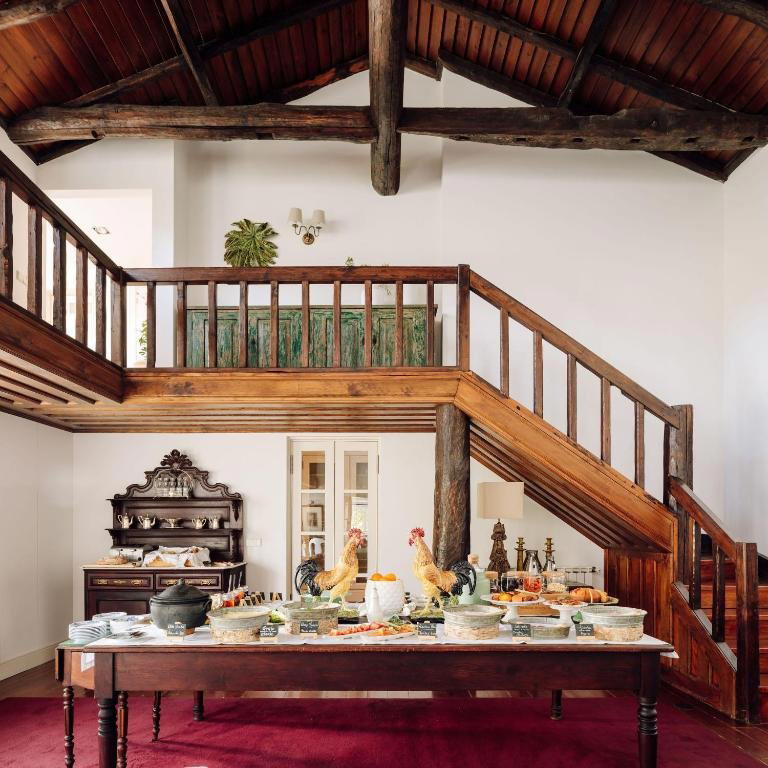
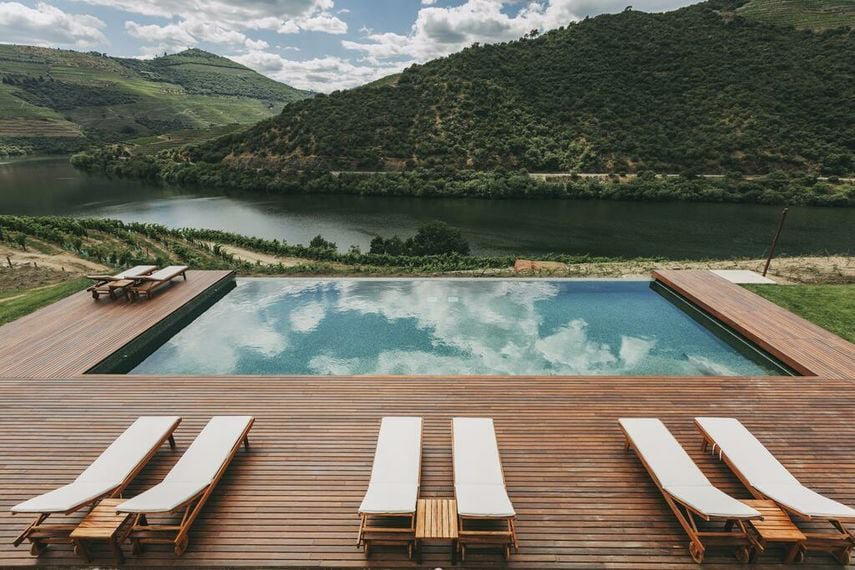
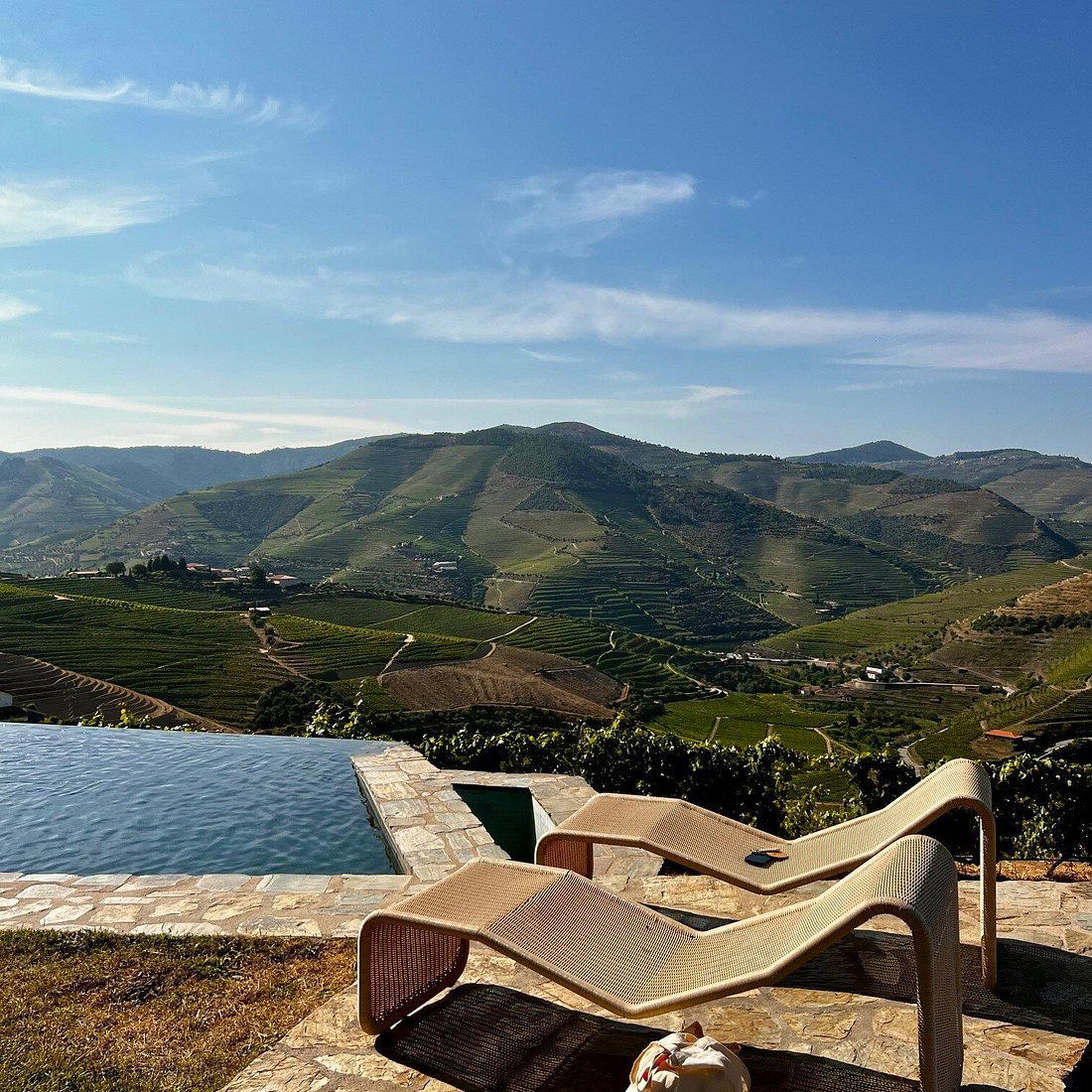
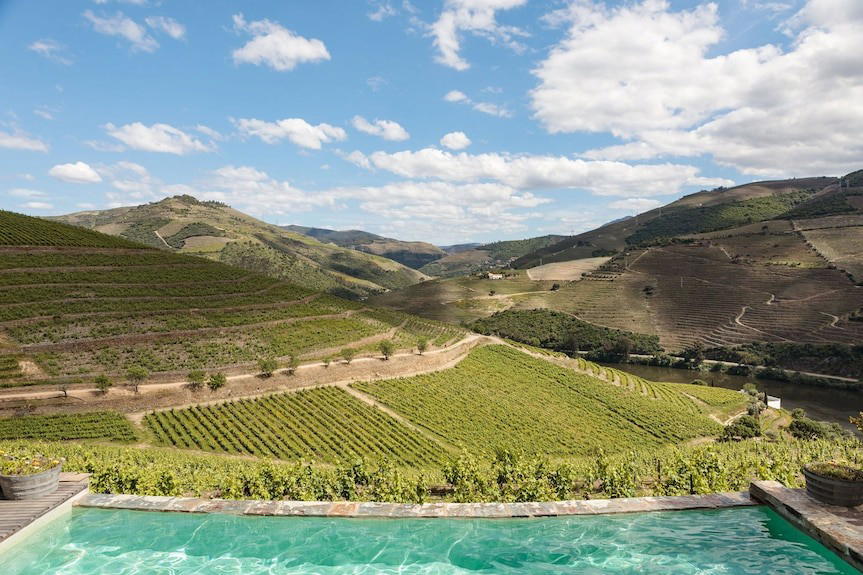
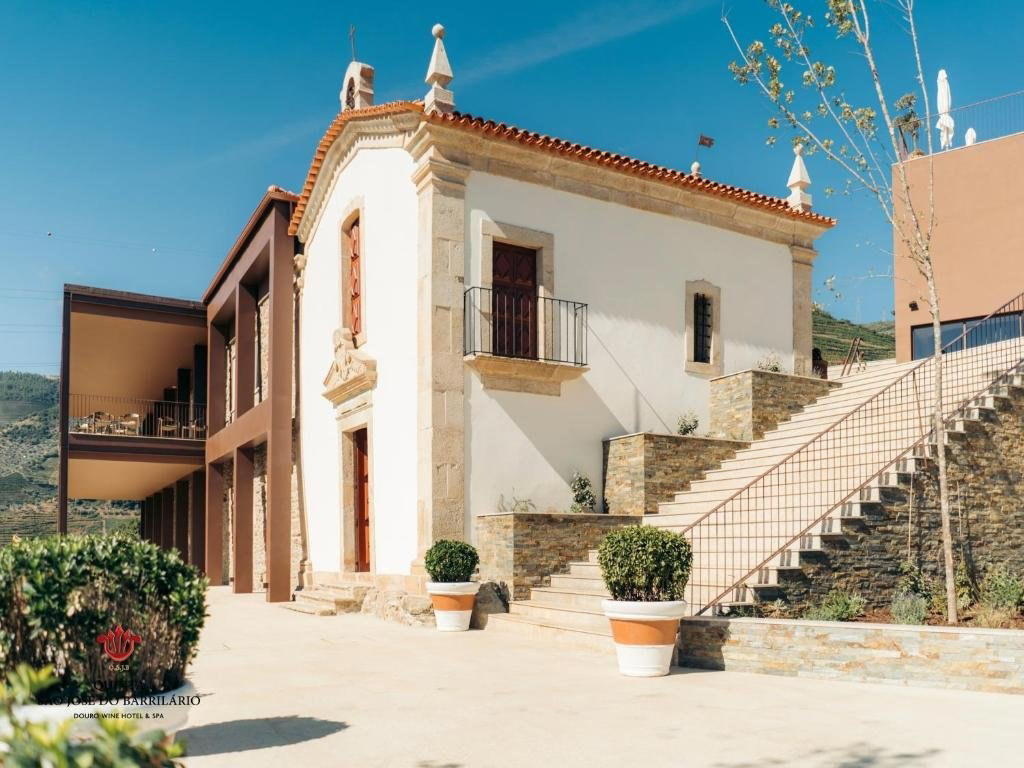
Historic and grand with preserved 19th-century winery, evoking timeless tradition amid dramatic vineyard landscapes.