The address at Largo Gago Coutinho e Sacadura Cabral places it at the centre of a town whose limestone soils and continental heat define its wines as clearly as any single estate in the region.
Pearl is the En Primeur Club membership app — saves, bookings, and concierge access live there. Same editors, same standards.
- Address
- Largo Gago Coutinho e Sacadura Cabral 25, 7151-913 Borba
- Phone
- +351 268 891 660
- Website
- adegaborba.pt
- Directions
- Get directions
 Saves & bookings on Pearl
Borba and the Land That Shapes Its Wine
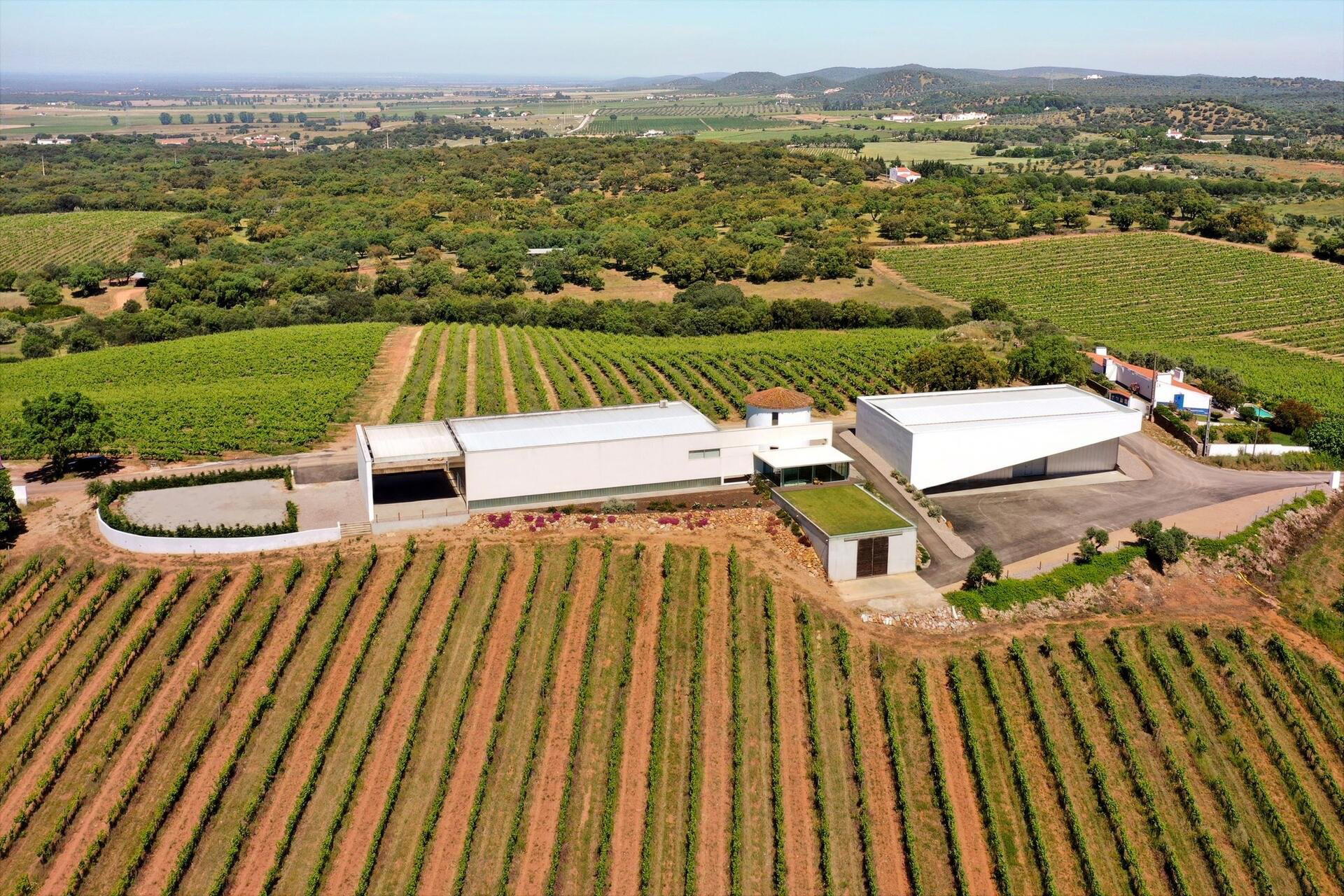
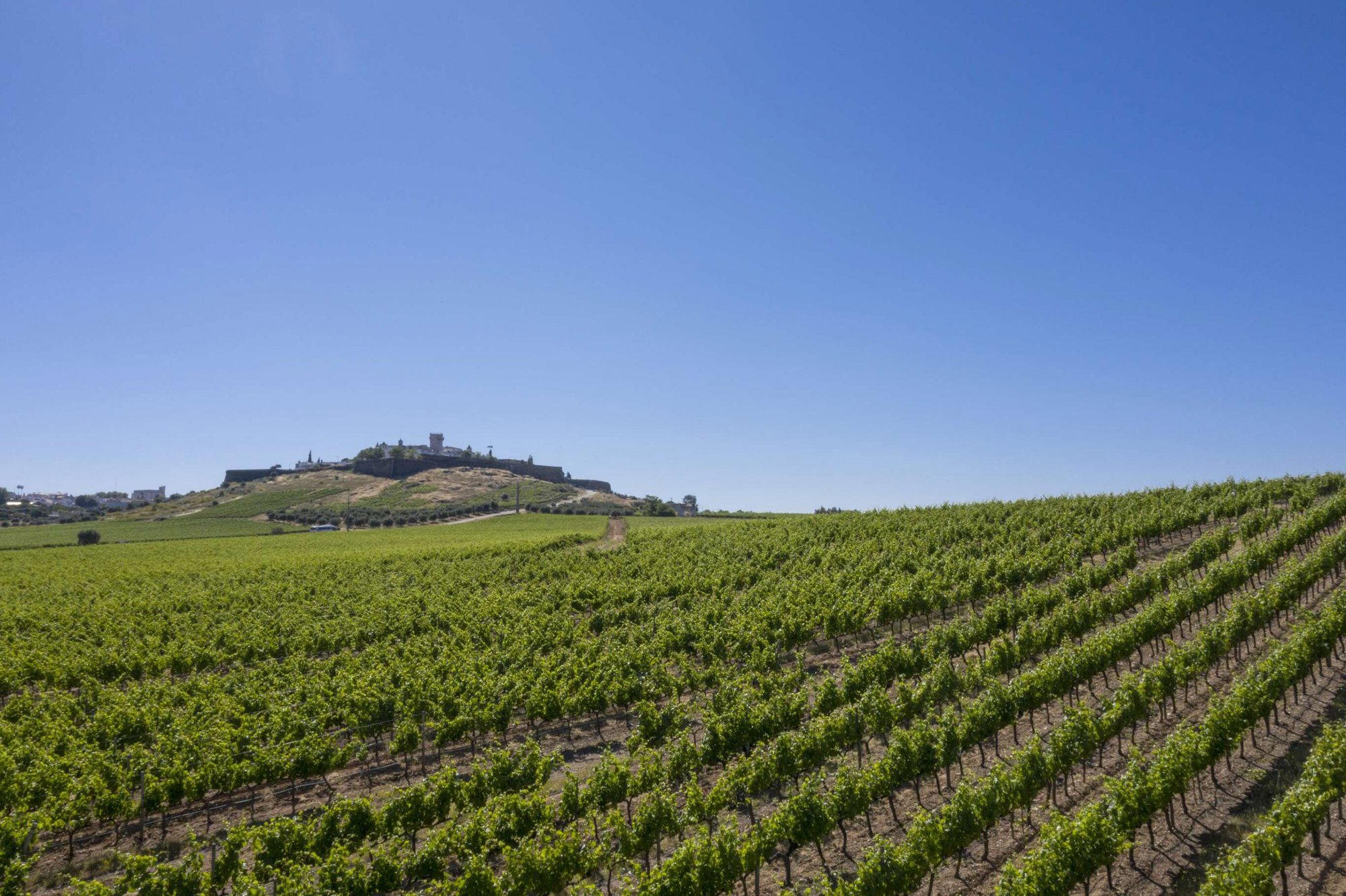
In the Alentejo interior, about 180 kilometres east of Lisbon, the town of Borba sits in a zone defined by two overlapping facts: marble and wine. The same limestone-rich geology that has made Borba one of Portugal's foremost marble-quarrying centres also conditions the soils beneath its vineyards, moderating water retention and influencing the mineral character that serious Alentejo producers have spent decades learning to read and translate into the glass. This is not incidental geography. The relationship between the stone underfoot and the wine in the bottle is the central argument of Borba's viticulture, and it is an argument the region makes without equivocation.
The Borba sub-region sits within the broader Alentejo DOC framework, sharing the appellation with better-known neighbours like Reguengos de Monsaraz (home to Herdade do Esporão) and the cathedral city of Évora (where Adega Cartuxa operates under the Fundação Eugénio de Almeida). Each sub-zone within Alentejo carries its own micro-expression of the regional character: heat-driven ripeness, low rainfall, and a diurnal temperature swing that preserves acidity in grapes that might otherwise arrive flat and overripe. Borba's limestone adds a further variable, a textural and structural signature that distinguishes its wines from the schist-heavy soils further south.
The Cooperative Tradition in Alentejo
Portugal's cooperative winery system, built largely in the mid-twentieth century, created a network of collective producers that pooled fruit from smallholders who could not individually justify the capital cost of winemaking infrastructure. In the Alentejo, this model proved particularly durable. Cooperatives here were not merely logistical solutions; they became custodians of local grape varieties and regional styles at a time when international varieties and global winemaking consultants were reshaping production elsewhere in the country.
Adega Cooperativa de Borba sits inside that tradition. Its address on Largo Gago Coutinho e Sacadura Cabral places it at the civic heart of Borba, the kind of central position that reflects the institutional weight these cooperatives once carried in their communities. The cooperative model aggregates fruit from member growers across the Borba sub-region, meaning the wines it produces draw on a wider spread of vineyard sites than most single-estate producers can access. That breadth, when managed well, can produce wines with a more complete expression of the sub-region's terroir rather than a single plot's character.
The comparison with Portugal's other cooperative institutions is instructive. Adega Regional de Colares in the Atlantic-influenced Colares appellation represents a similar model — collective production preserving a regional identity that would be commercially marginal for individual producers. Both institutions carry a kind of archival function, maintaining grape varieties and wine styles that the market alone might not have sustained.
For a cooperative producer, this kind of formal recognition matters differently than it does for a boutique estate. It is not primarily a marketing credential; it is a signal that the collective's output, drawn from multiple growers and processed at scale, meets a standard of quality that the evaluation criteria recognise as coherent and deliberate rather than accidental.
Within the Portuguese wine scene, Alentejo cooperatives occupy a complicated position. The region's premium identity in export markets has been built largely by estate producers with the resources to invest in wine tourism infrastructure and international distribution. Cooperatives like Borba have historically supplied volume rather than prestige. A Prestige-tier rating in this context represents a departure from that pattern, suggesting that the winemaking decisions being made here are positioning the output at a different level of the market. That shift is consistent with a broader movement across Alentejo, where even large-scale producers have been investing in quality tiers that can sustain higher price points and critical attention. For comparison, other Portuguese producers recognised in structured evaluation frameworks include Aliança Vinhos in Sangalhos and Casa de Santar in the Dão region of Nelas.
Terroir Expression: Reading the Glass
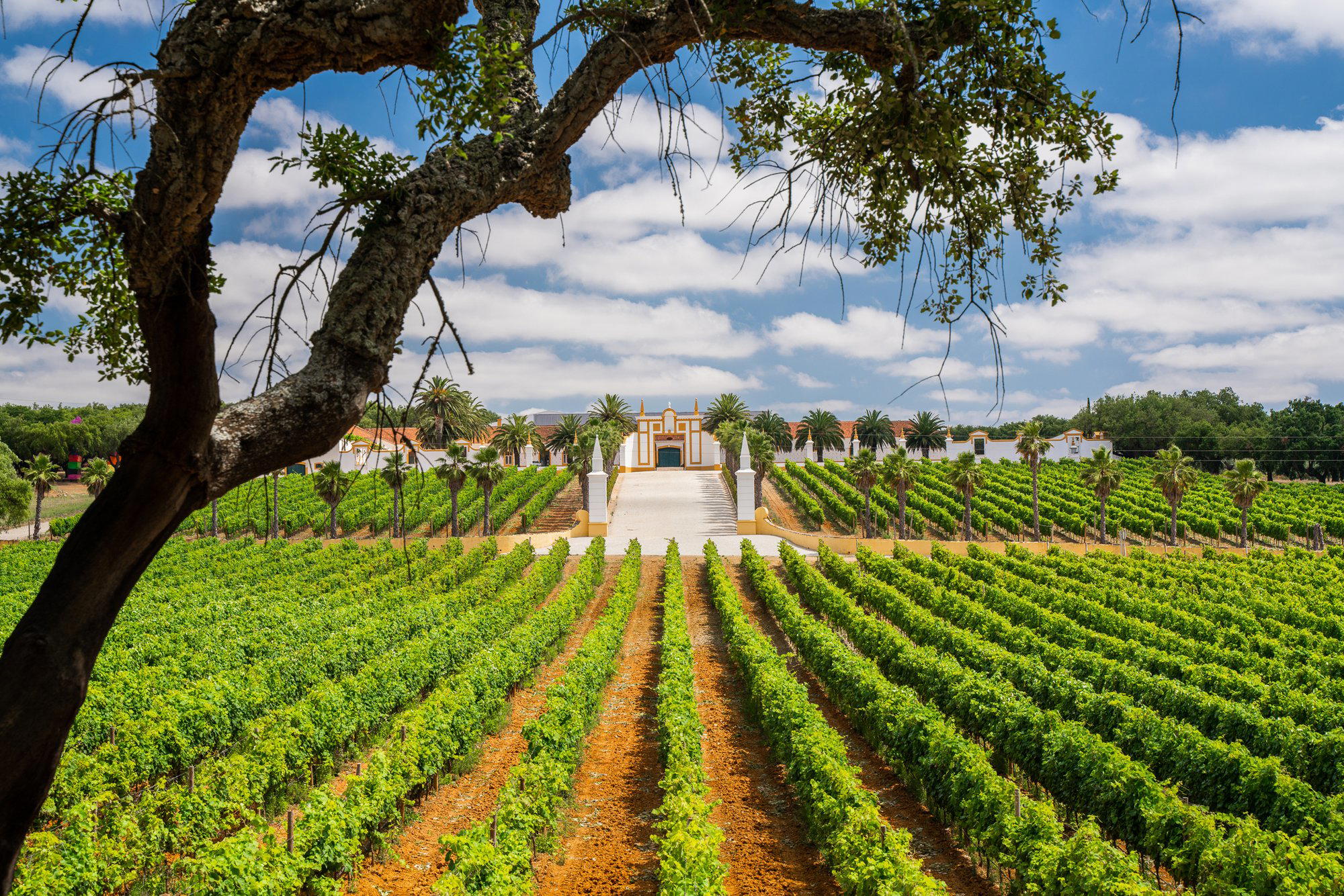
The Alentejo's continental climate, with summer temperatures regularly exceeding 35°C and annual rainfall concentrated in the winter months, creates conditions that demand careful viticultural management to preserve freshness. The varieties traditionally planted in the Borba sub-region, Aragonez (the local name for Tempranillo), Trincadeira, and Alicante Bouschet alongside white varieties like Antão Vaz and Roupeiro, are adapted to this stress. They produce wines with weight and concentration, but the leading examples from Borba carry an underpinning of structure that separates them from the more plush, immediately accessible style associated with warmer southern Alentejo zones.
The limestone influence in Borba's soils is the geological argument for that structure. Limestone drains freely but retains moisture at depth, forcing vine roots downward and slowing ripening marginally. The effect on the wine is a tightening of texture and, in well-executed examples, a mineral thread that runs through the fruit. This is not the dramatic minerality of, say, Atlantic-influenced Colares, but a subtler presence that rewards attention. It is also the feature that most clearly distinguishes Borba wines from those of other Alentejo sub-regions and gives the cooperative's output a legible sense of place.
For context on how terroir expression works across different Portuguese wine traditions, the contrast with Douro producers like Quinta do Vallado and Quinta do Bomfim in Pinhão, or the schist-rooted wines of Quinta do Seixo in Tabuaço, is clarifying. Each Portuguese sub-region translates its geology into wine differently, and understanding Borba's limestone signature requires placing it in that wider map. Further afield in Portugal's wine geography, the Atlantic-cooled profiles of Bacalhôa Vinhos in Azeitão or the fortified traditions of Blandy's Wine Lodge in Funchal and Henriques and Henriques in Câmara de Lobos illustrate how varied the country's wine identity remains. For visitors building a broader itinerary, Churchill's in Vila Nova de Gaia offers a Port perspective that contrasts sharply with Borba's still red and white focus.
Planning a Visit to Borba
Borba is a small town, and a visit to the cooperative sits naturally within a wider Alentejo wine itinerary. The region is most accessible by car from Évora (approximately 45 minutes east) or from the Spanish border crossing at Badajoz. The town itself is compact enough to explore on foot; the cooperative's location on the main square means it is easy to combine with a walk through Borba's marble-paved streets. The Alentejo interior is most comfortably visited in spring (April to June) or autumn (September to October), when temperatures sit in a range that makes extended time outdoors manageable. Summer visits are possible but require adjustment: midday heat in July and August is serious, and any wine tasting benefits from morning scheduling. For broader context on what the Borba area offers, see our full Borba restaurants guide.
At a Glance
- Rustic
- Classic
- Scenic
- Wine Education
- Group Outing
- Special Occasion
- Vineyard Tour
- Barrel Room
- Estate Grounds
- Historic Building
- Sustainable
- Vineyard
- Alentejo DOC
- Aragonez
- Trincadeira
- Touriga Nacional
- Castelão
- Tinta Caiada
- Cabernet Sauvignon
- Roupeiro
- Antão Vaz
- Arinto
- Rabo De Ovelha
- Still Red
- Still White
- Fortified
- Dessert
- Guided Tasting
- Vineyard Tour
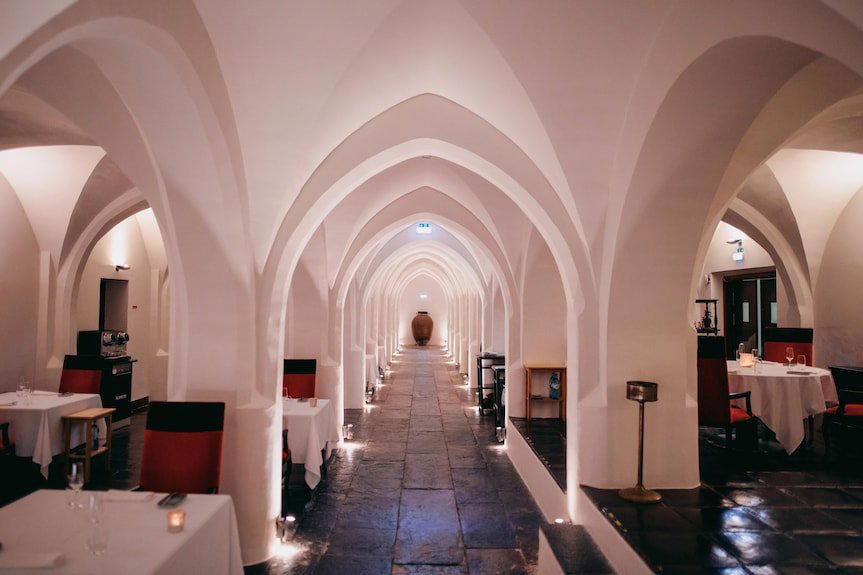
Industrial-meets-traditional atmosphere with visible fermentation tanks, wooden vats, and barrels showcasing both contemporary vinification technology and heritage cellar techniques.
Know Before You Go
- Getting there
- Largo Gago Coutinho e Sacadura Cabral 25, 7151-913 Borba