
Relais Chateaux Award
A 300-acre wine estate in the Douro Valley, Quinta Nova Winery House pairs unobstructed river views with an intimate retreat format that places guests inside a working vineyard rather than beside one. Rates from US$369 per night position it within Portugal's mid-to-upper wine tourism tier, where estate access and agricultural setting carry as much weight as room finish.

Pearl is the En Primeur Club membership app, where members save venues, book tables and use the concierge.
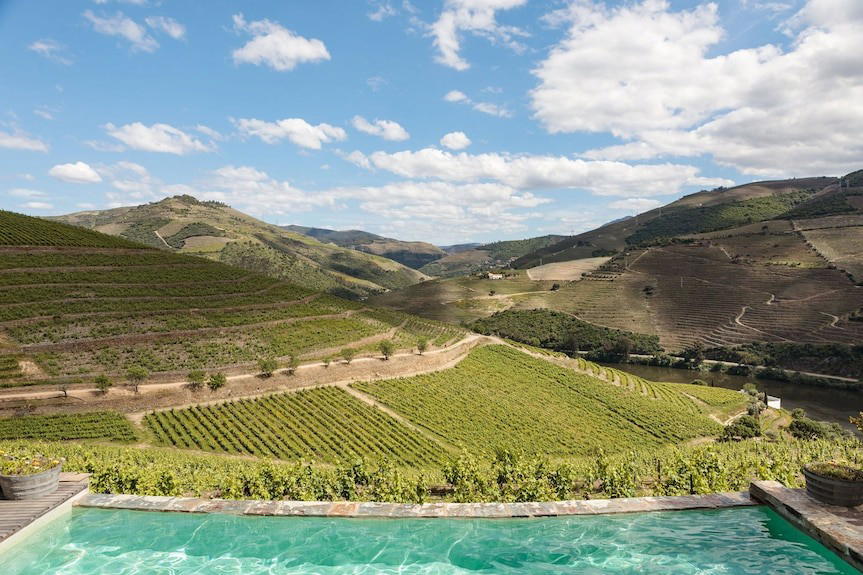
A Working Estate in the Douro's Upper Reaches
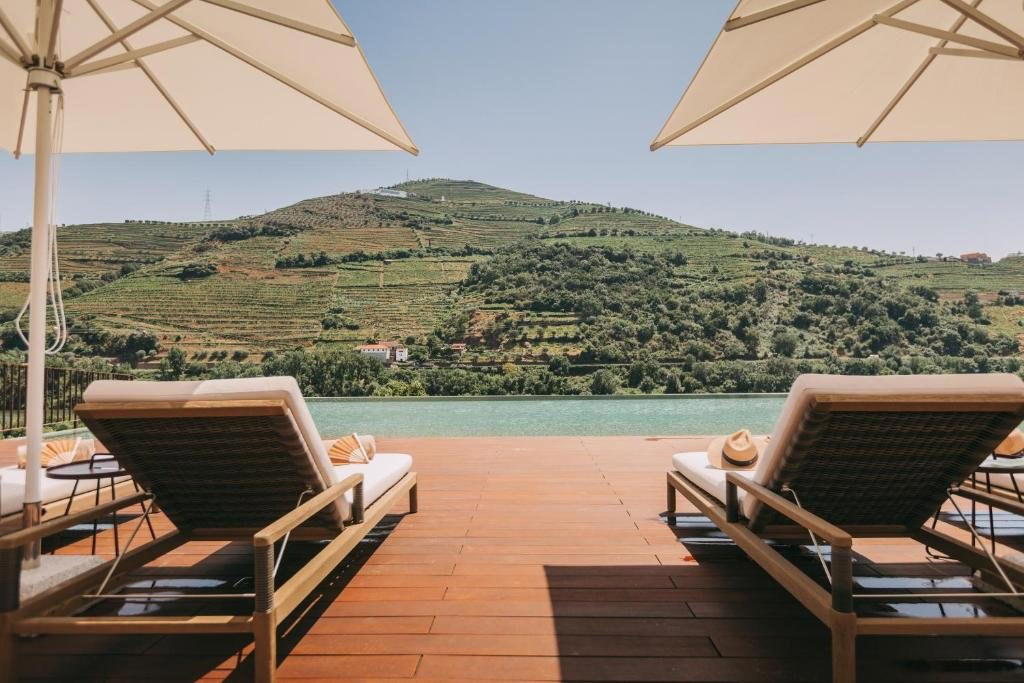
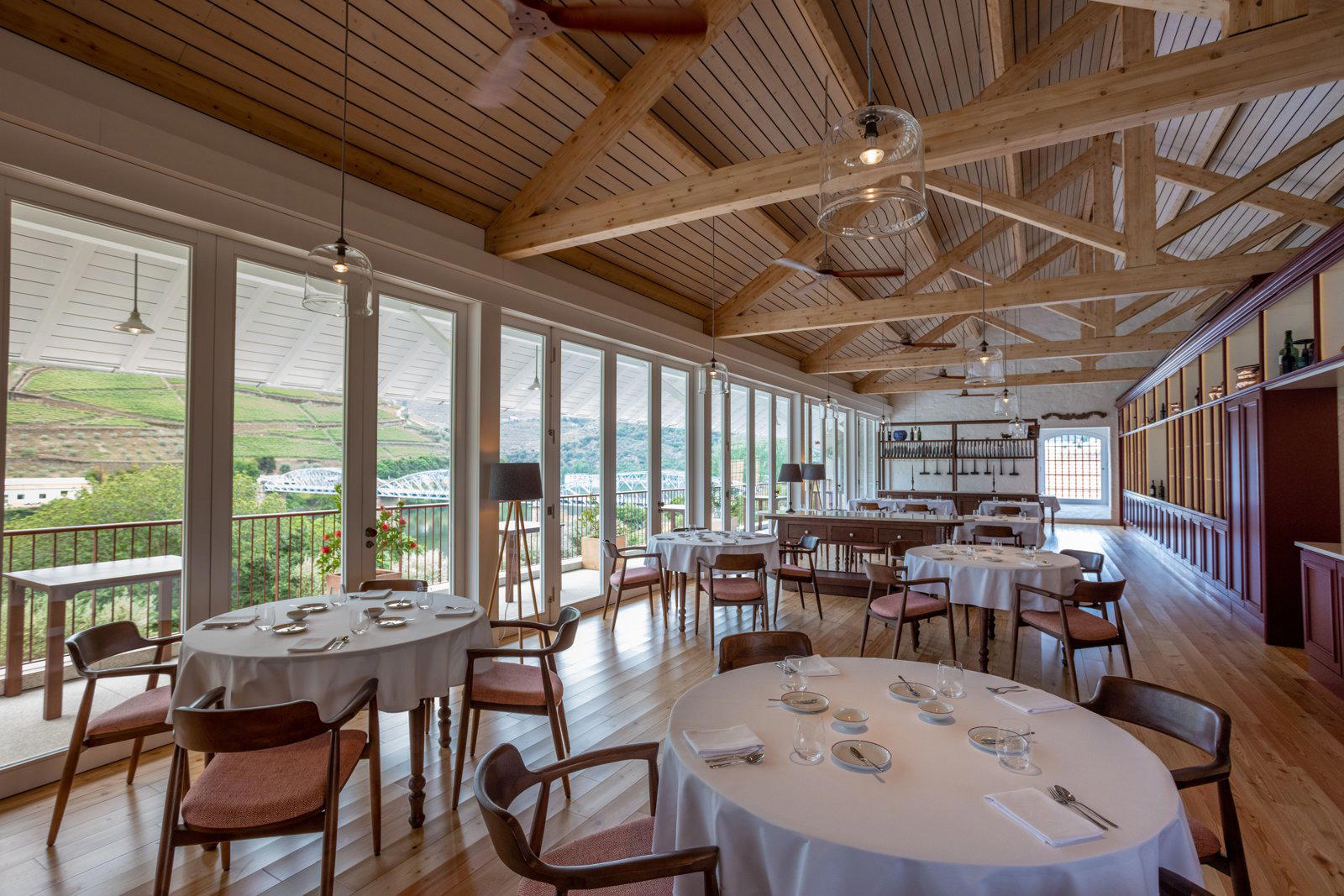
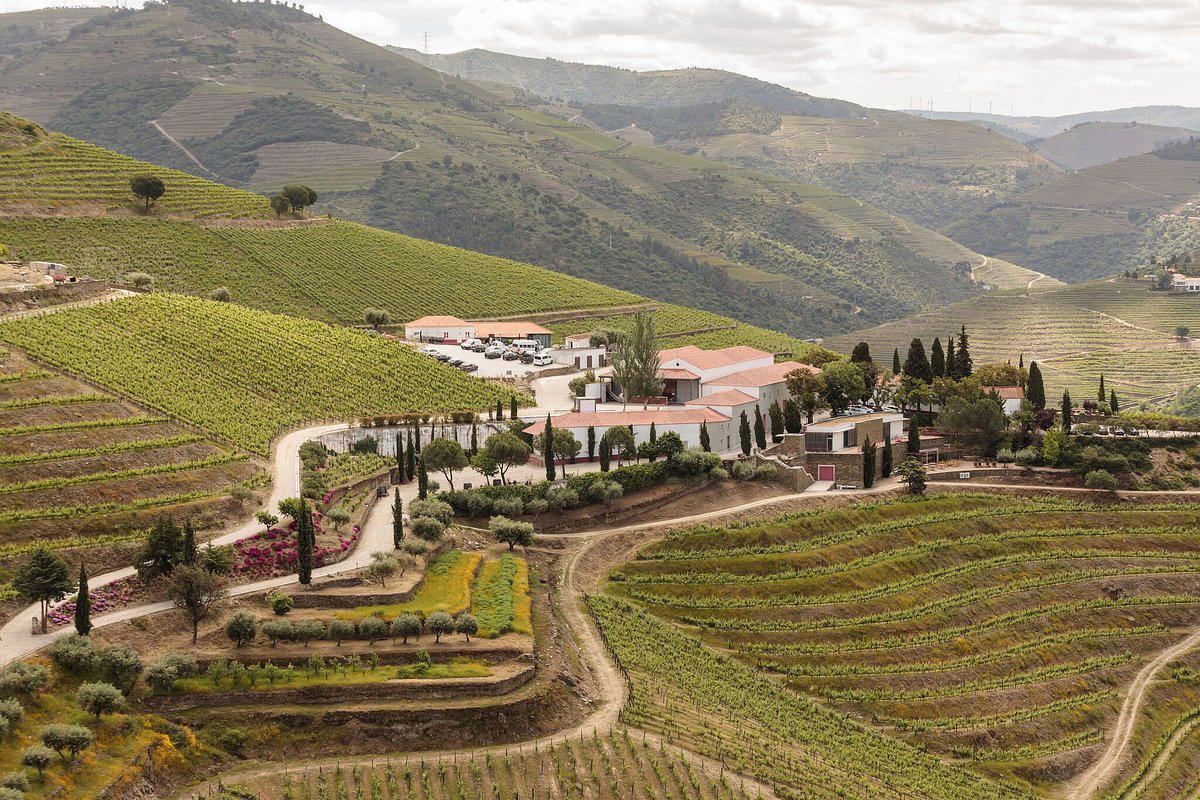
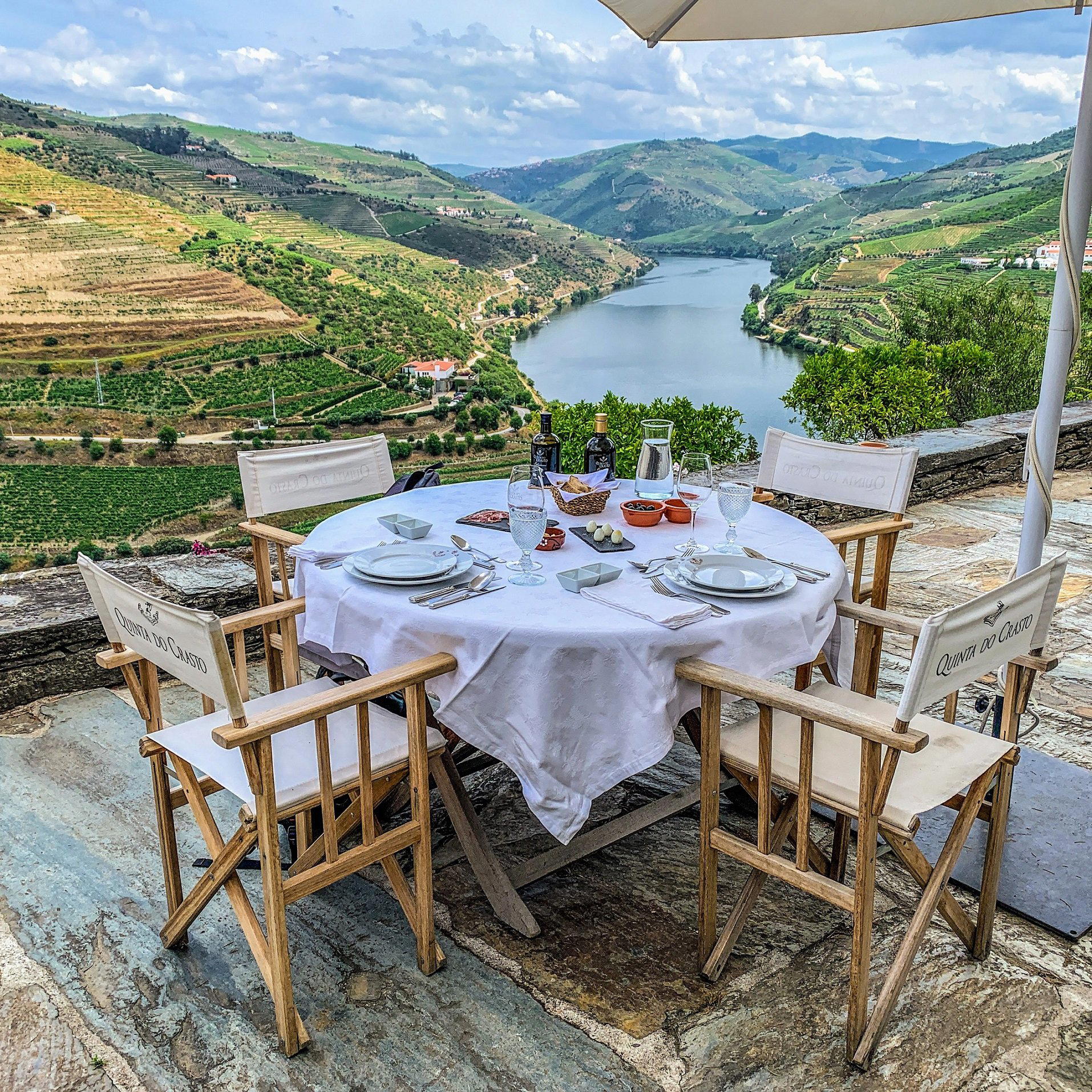
The Douro Valley's wine estates divide into two broad categories: those that have added hospitality as an afterthought, and those where the guest experience is structurally inseparable from the agricultural operation. Quinta Nova Winery House, on a 300-acre estate in Covas do Douro near the village of Sabrosa, belongs to the second group. Arriving from Porto, the drive takes roughly two hours along the N222, a road that traces the river's southern bank through terraced vineyards stacked on schist slopes before the property's elevation opens the panorama that defines the experience here: the Douro River in an unbroken sweep below, the vine rows of the opposite bank catching morning light in a way that no hotel balcony in the valley quite replicates.
This part of the Douro sits within the Cima Corgo subregion, historically associated with some of the valley's more structured port wines and increasingly with ambitious still red production. Sabrosa is a small municipality with a low tourist footprint relative to the better-known wine towns further downstream, which means the estate operates in relative quiet. For guests accustomed to wine country properties in regions where visitor volumes are higher, the contrast is significant.
The Physical Setting as the Primary Design Statement
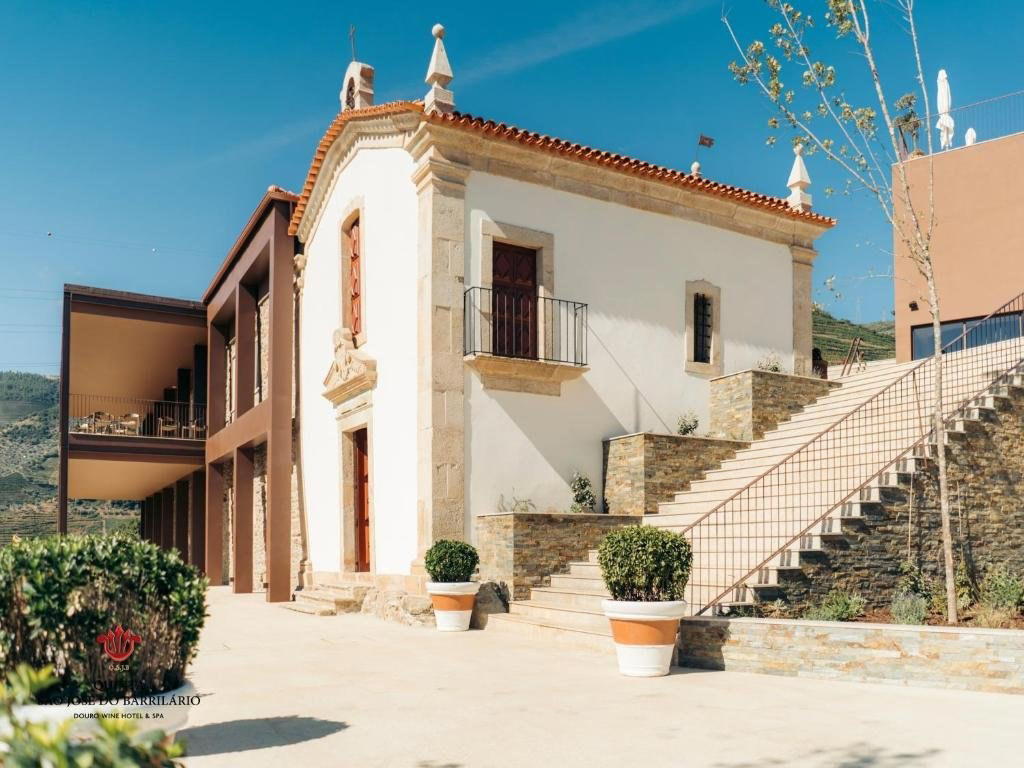
Wine estate hotels in Portugal's interior tend to occupy one of two architectural registers: restored manor houses with period interiors, or converted agricultural buildings where the structure's working history is allowed to read through the renovation. Quinta Nova sits in that second tradition. The 300 acres of vineyard surrounding the guest buildings are not decorative backdrop; they set the orientation of the property's main sight lines, with unimpeded views of the Douro River forming the consistent visual axis from the estate's position above the valley floor.
The design approach at Douro estate properties of this generation prioritises placement over elaboration. Where urban hotels in Lisbon, like the Hotel Britania Art Deco, read through their interiors and period architectural detail, a property like Quinta Nova is largely shaped by what it looks toward. The estate's coordinates (41.1623, -7.5979) place it at an elevation that captures the river's bend in a way that lower-lying properties cannot. That positioning is not incidental; it is the defining spatial decision the estate makes.
Among Douro Valley wine retreat options, the comparison set includes properties like Ventozelo Hotel and Quinta in Ervedosa do Douro and Q.ta da Corte in Valenca do Douro, each occupying working agricultural estates with distinct elevations and river orientations. What separates them is primarily the specific relationship between built structure and vineyard, and the angle from which the river appears. At 300 acres, Quinta Nova is among the larger estates offering this format in the region, which gives guests space from one another in a way smaller quintas cannot.
Retreat Format and the Intimacy Question
The category of wine retreat hotel has expanded across Portugal's wine regions in the past decade, from the Alentejo plains to the Lima Valley in the Minho. The Douro remains the most spatially dramatic of these regions, and the intimacy of the guest operation matters more here than in most. The valley's topography means that river-view rooms face the same direction and compete for the same visual resource; the difference lies in how many rooms are doing so and how the property manages its guest density.
Quinta Nova's positioning as an intimate retreat, rather than a scaled resort, is what separates it from larger operations in the valley. Portugal's wine estate hotels span a wide range: at one end, properties that function essentially as small luxury resorts with extensive facilities; at the other, quintas with a handful of rooms where the guest experience is close to staying in a private estate. Quinta Nova sits closer to the latter end of that spectrum.
Guests planning the Douro alongside a Porto base might consider pairing the estate with an urban property like M Maison Particuliere Porto, which offers a design-led boutique format within the city before the drive into the valley. Porto's Francisco Sa Carneiro International Airport serves as the primary entry point, at 130 kilometres from the estate, making it the practical starting point for most international arrivals. The nearest train station is at Ferrao, 2 kilometres away, though the mountain roads of the Cima Corgo make a car the more practical option for reaching and moving around the property.
Wine Country Context and Regional Calibration
The Douro Valley earned UNESCO World Heritage status in 2001 as a cultural landscape shaped by centuries of terraced viticulture, and that designation carries practical implications for how estates develop and how the valley absorbs tourism. It means the built environment is constrained in ways that preserve the agricultural character guests are seeking, but it also limits what any individual property can add or alter. The visual experience of the valley is, in a meaningful sense, collectively managed by the heritage designation.
For travellers comparing Portugal's wine estate offer more broadly, the Douro's specific appeal is its vertical drama: the river runs through a deep gorge, and properties positioned on the slope above it experience the landscape very differently from those on the valley floor. This contrasts with flatter wine regions elsewhere in Portugal where the accommodation relationship to the land is horizontal rather than refined. Quinta Nova's river views are a product of this topography, not a design feature that can be replicated at lower elevations.
For those considering Portugal's wider estate hotel options, the country's range extends from rural farmhouse retreats like Craveiral Farmhouse in Sao Teotonio and Hospedaria da Pensao Agricola in the Algarve to coastal properties like Villa Epicurea in Sesimbra and Casa Mae Hotel in Lagos. Within that national spread, the Douro Valley wine estate format occupies a specific niche where the agriculture, not the architecture, is the primary draw. For readers planning a wider Douro itinerary, our full Sabrosa restaurants and travel guide maps the wider region in more depth. The Douro Valley Casa Vale do Douro in Cambres is another estate-format reference point worth considering for comparison.
Planning Your Stay
Rates at Quinta Nova Winery House start from US$369 per night, placing the property within the mid-to-upper tier of Douro Valley estate accommodation, below the pricing of larger resort-format properties but above entry-level quinta guesthouses. The estate is reached most easily by car from Porto, with the drive taking approximately two hours depending on the route through the valley. The Ferrao train station, 2 kilometres away, provides a rail option from Porto for those who prefer not to drive. The optimal visiting window for the Douro is typically late summer through harvest in September and October, when vine activity is at its most visible and the valley's colours shift from green to gold. Spring visits offer cooler temperatures and flowering vines, with fewer visitors than the harvest season peak.
Comparable Spots, Quickly
Comparable venues nearby, for context on price, style, and recognition.
| Venue | Cuisine | Price | Awards | Notes |
|---|---|---|---|---|
| Quinta Nova Winery HouseThis venue (the venue you are viewing) | Historic winery manor house with sophisticated communal areas and privileged vineyard views. | $300–500 | Relais Chateaux Award | Not listed |
| Quinta Nova de Nossa Senhora do Carmo | Historic wine estate manor house blending authentic Portuguese heritage with refined luxury | $300–500 | Michelin Selected · Mr & Mrs Smith Seal of Approval | Covas do Douro |
| Pedras Salgadas Spa & Nature Park | Sustainable eco-resort with treehouses and eco-houses in historic nature park | Not listed | Michelin Selected | Pedras Salgadas |
| Octant Furnas | Contemporary luxury eco-conscious retreat blending modern design with volcanic landscape heritage, converted from a historic thermal center. | $100–200 | Michelin Selected · Virtuoso Luxury Hotel Partner | Furnas |
| Valverde Santar Hotel & Spa | Historic palace blending noble Portuguese heritage with modern luxury | $300–500 | Michelin Selected · Relais Chateaux Award | Santar |
| Casa de São Lourenço | Contemporary luxury boutique hotel blending heritage preservation with minimalist modern design, celebrating Portuguese culture and mountain landscape. | $300–500 | 1 Michelin Key · La Liste Top Hotels | Serra da Estrela |
Recognition history
Dated appearances from independent guides and award organizations, with the underlying list record or original source where available.
Relais Chateaux Award
Relais Chateaux
Full recognition history (2 entries)
Relais Chateaux Award
Relais Chateaux
Continue exploring
More in Sabrosa
Hotels in Sabrosa
All hotels in Sabrosa →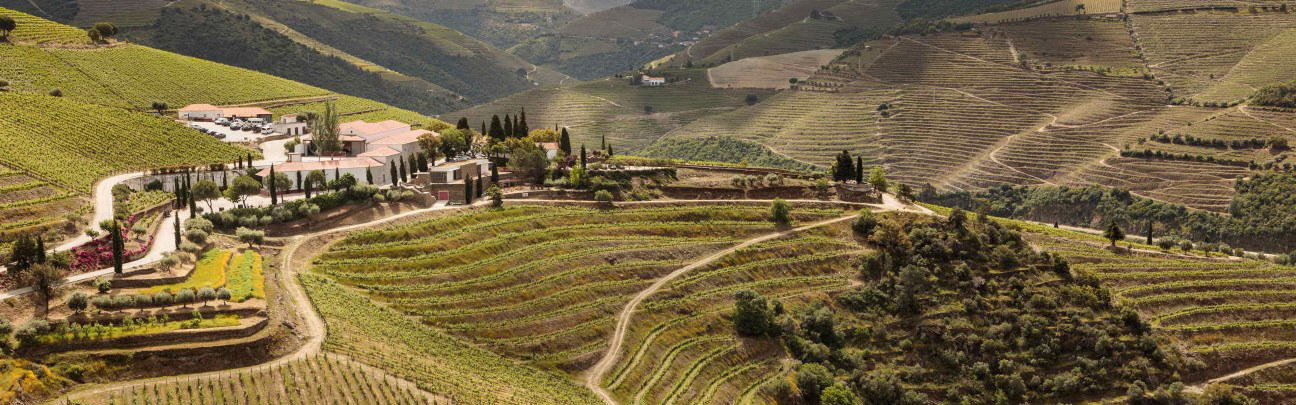
Bars in Sabrosa
Browse all →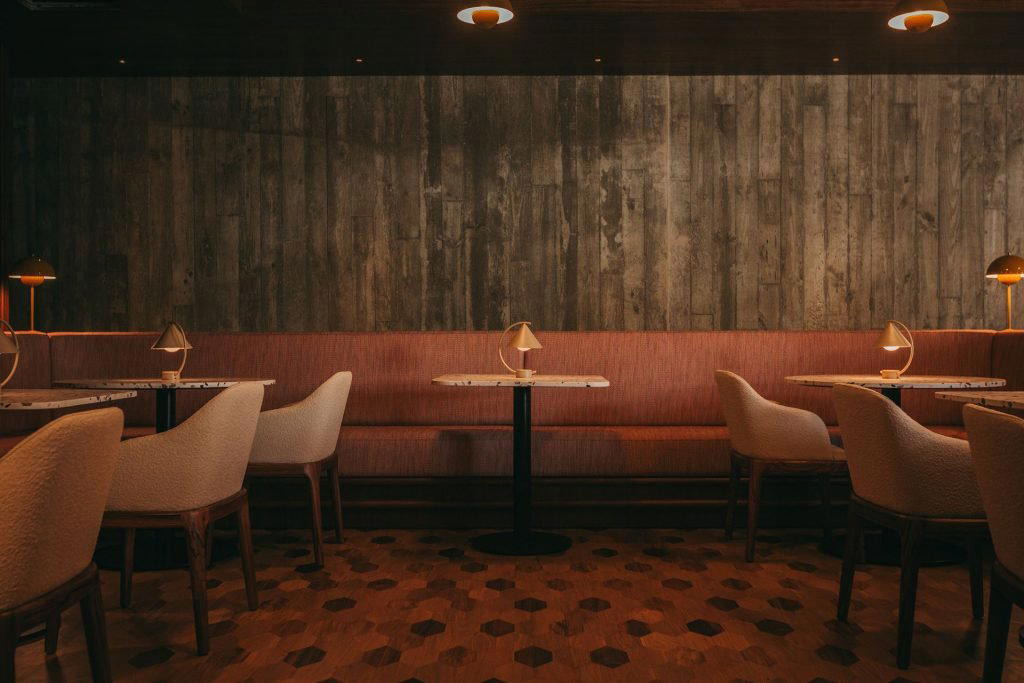

Details
- Romantic
- Scenic
- Elegant
- Rustic
- Quiet
- Intimate
- Sophisticated
- Romantic Getaway
- Honeymoon
- Anniversary
- Weekend Escape
- Panoramic View
- Historic Building
- Terrace
- Garden
- Pool
- Outdoor Pool
- Wi Fi
- Restaurant
- Room Service
- Concierge
- Laundry Service
- Vineyard
- Mountain
- Step Free Entrance
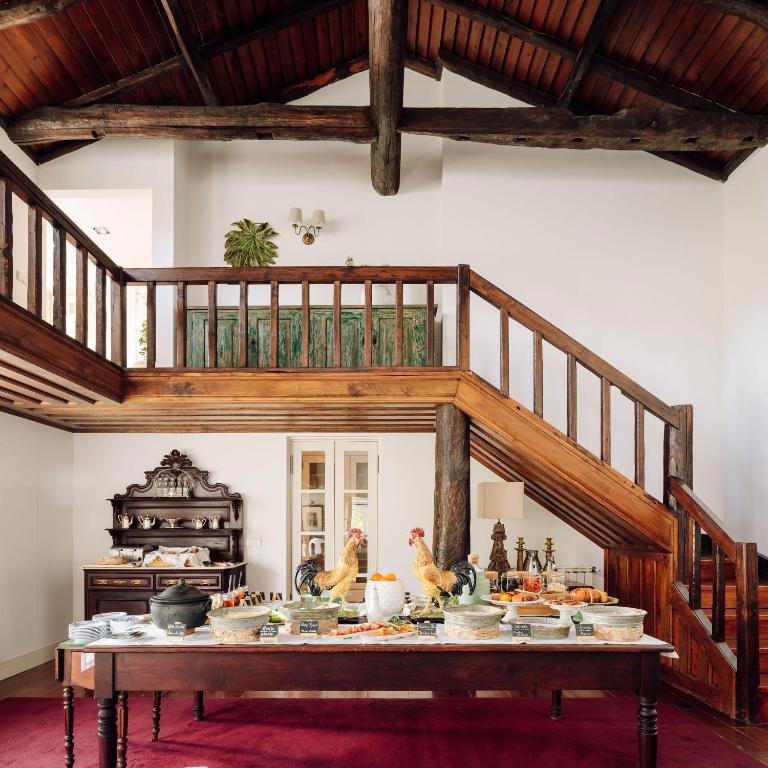
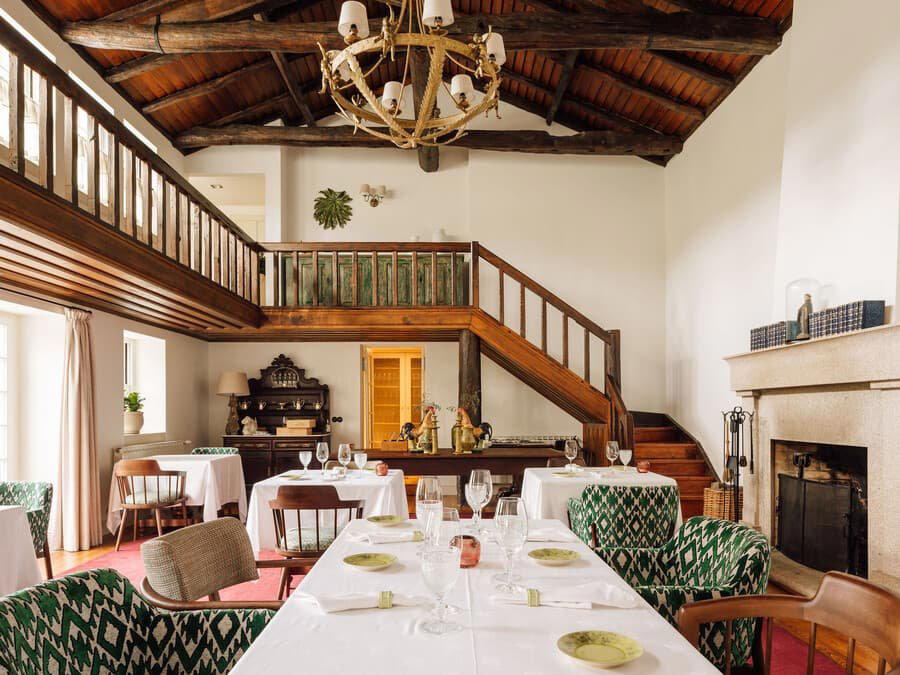
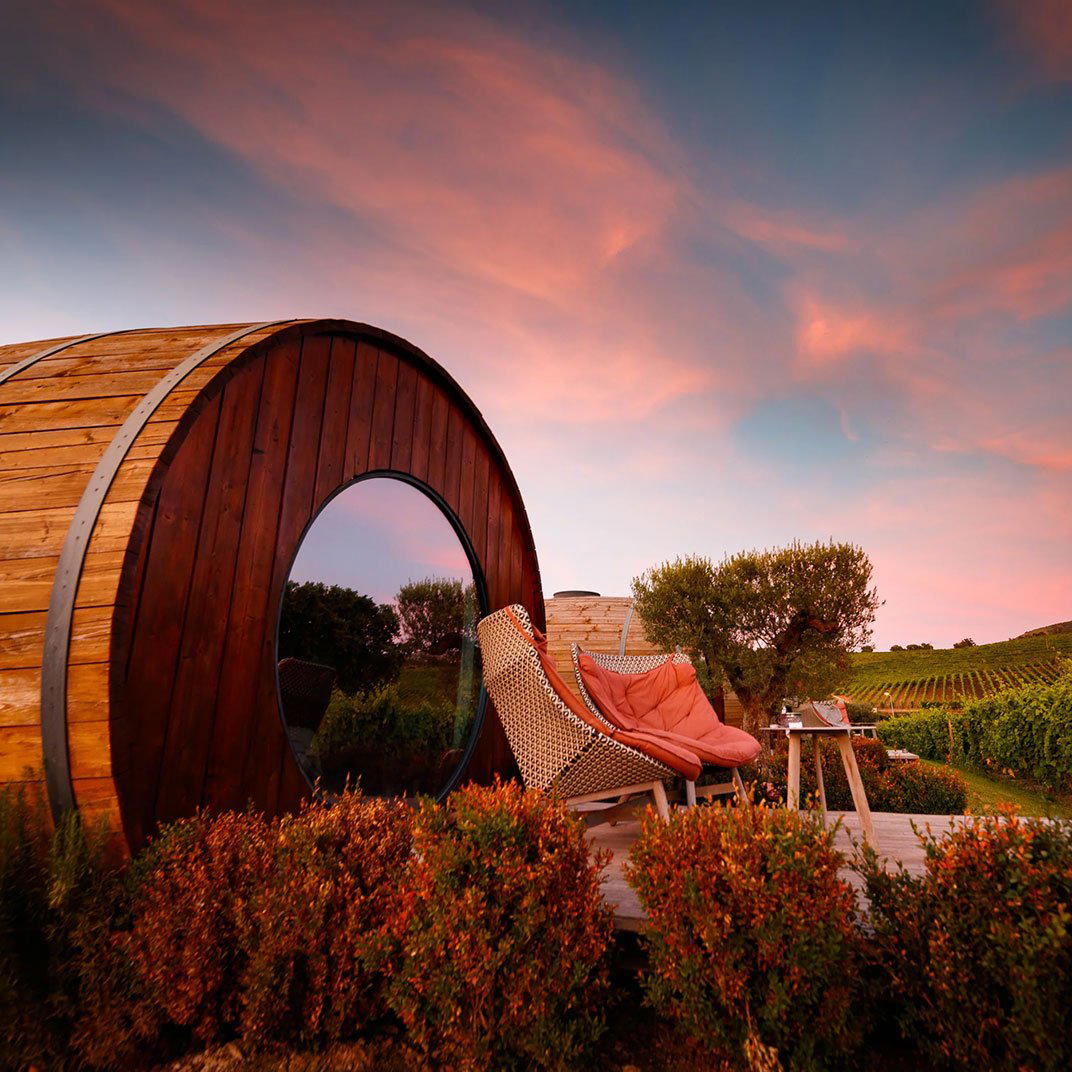
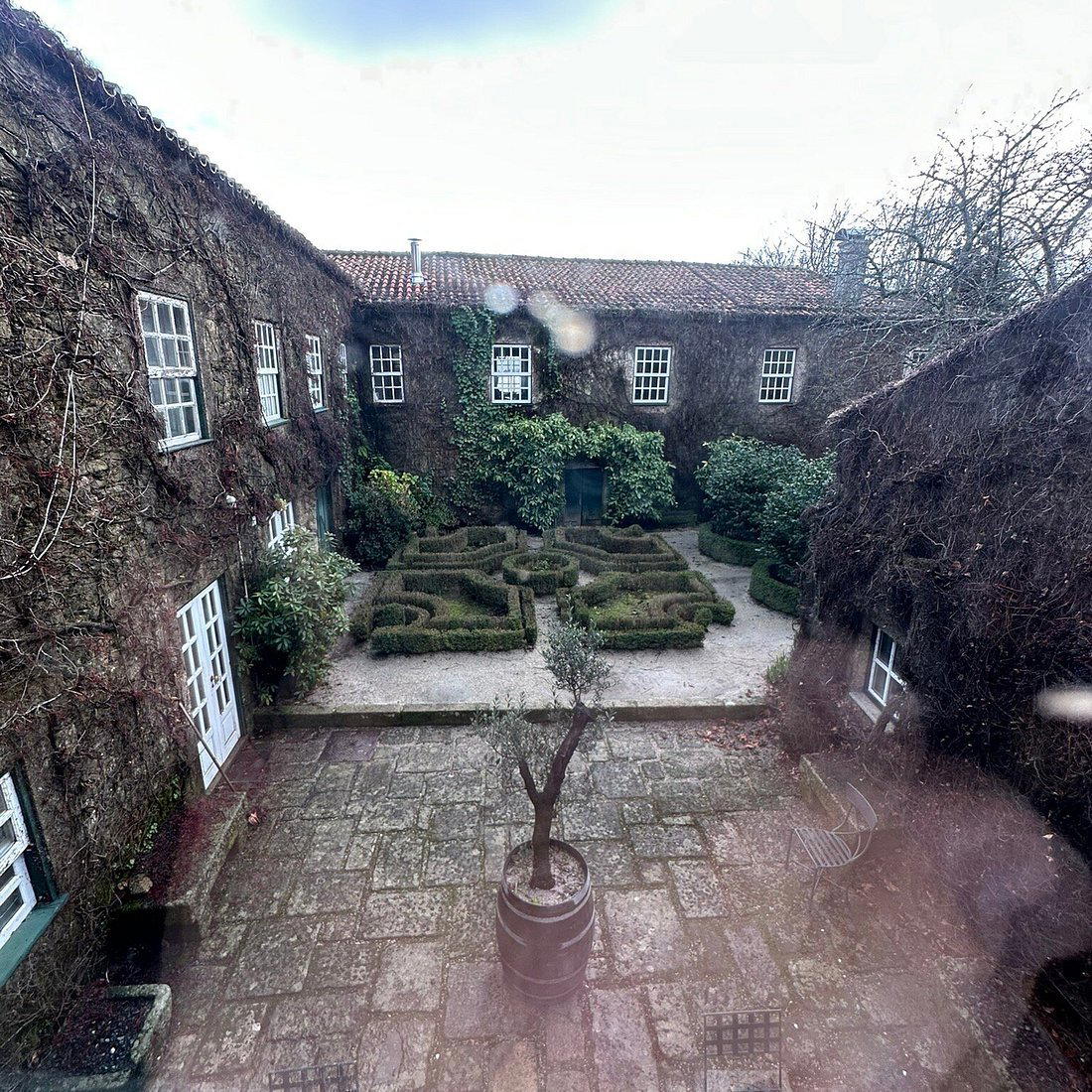
Sophisticated and welcoming manor house atmosphere with relaxing communal areas, beautiful gardens, and a calm, soothing environment ideal for unwinding amid dramatic vineyard landscapes.