
One of the Douro Valley's earliest certified organic producers, Quinta do Infantado offers a harvest-season working visit that places guests in the vineyards with secateurs in hand before joining the winemaking team post-pick.
Pearl is the En Primeur Club membership app — saves, bookings, and concierge access live there. Same editors, same standards.
- Address
- Cemitério de Covas do Douro, 5085-205 Pinhão
- Website
- quintadoinfantado.pt
- Directions
- Get directions
 Saves & bookings on Pearl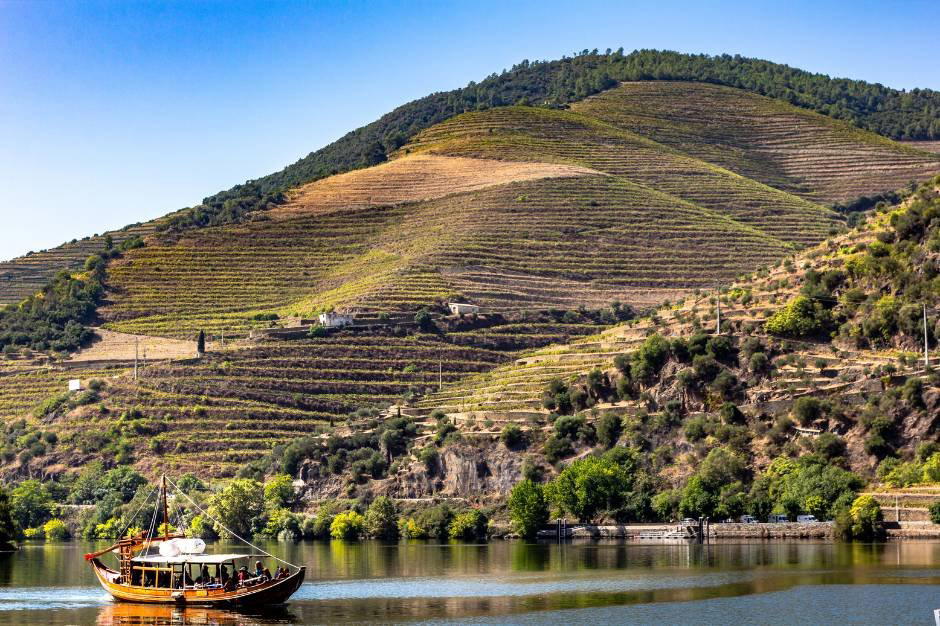
Organic viticulture in the Douro, before it was fashionable
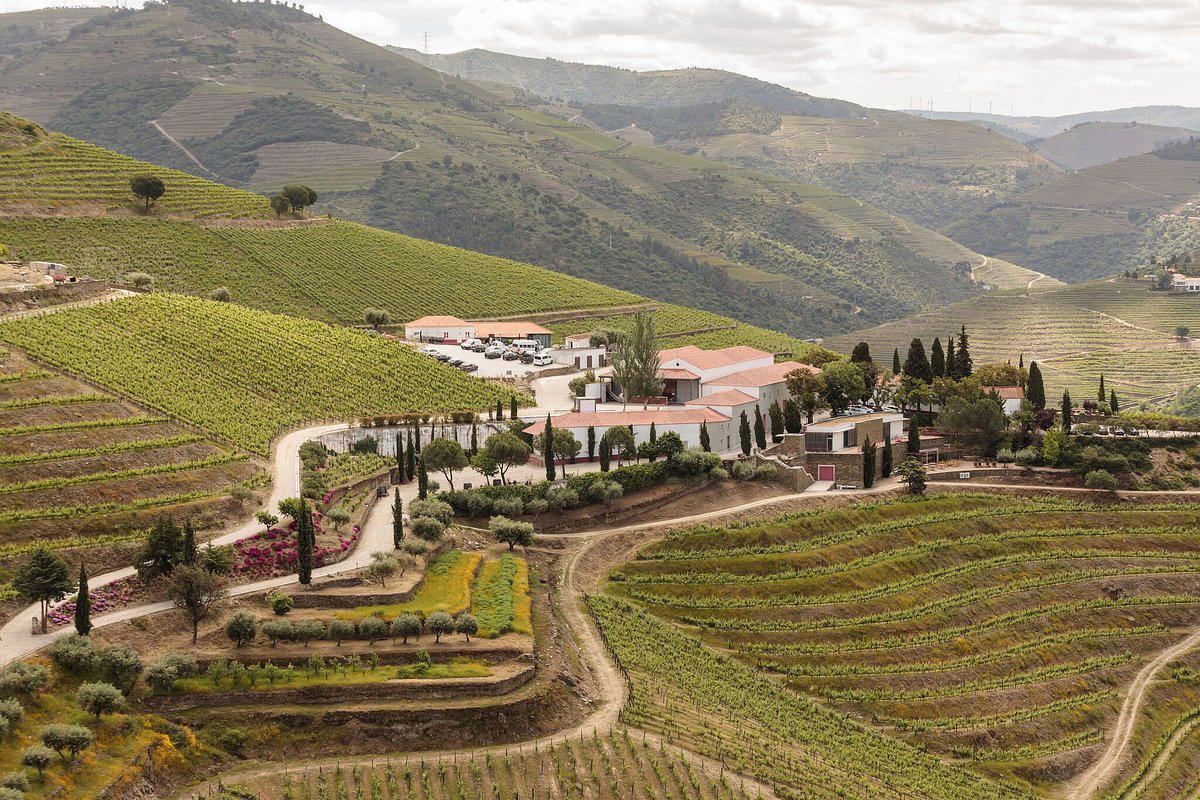
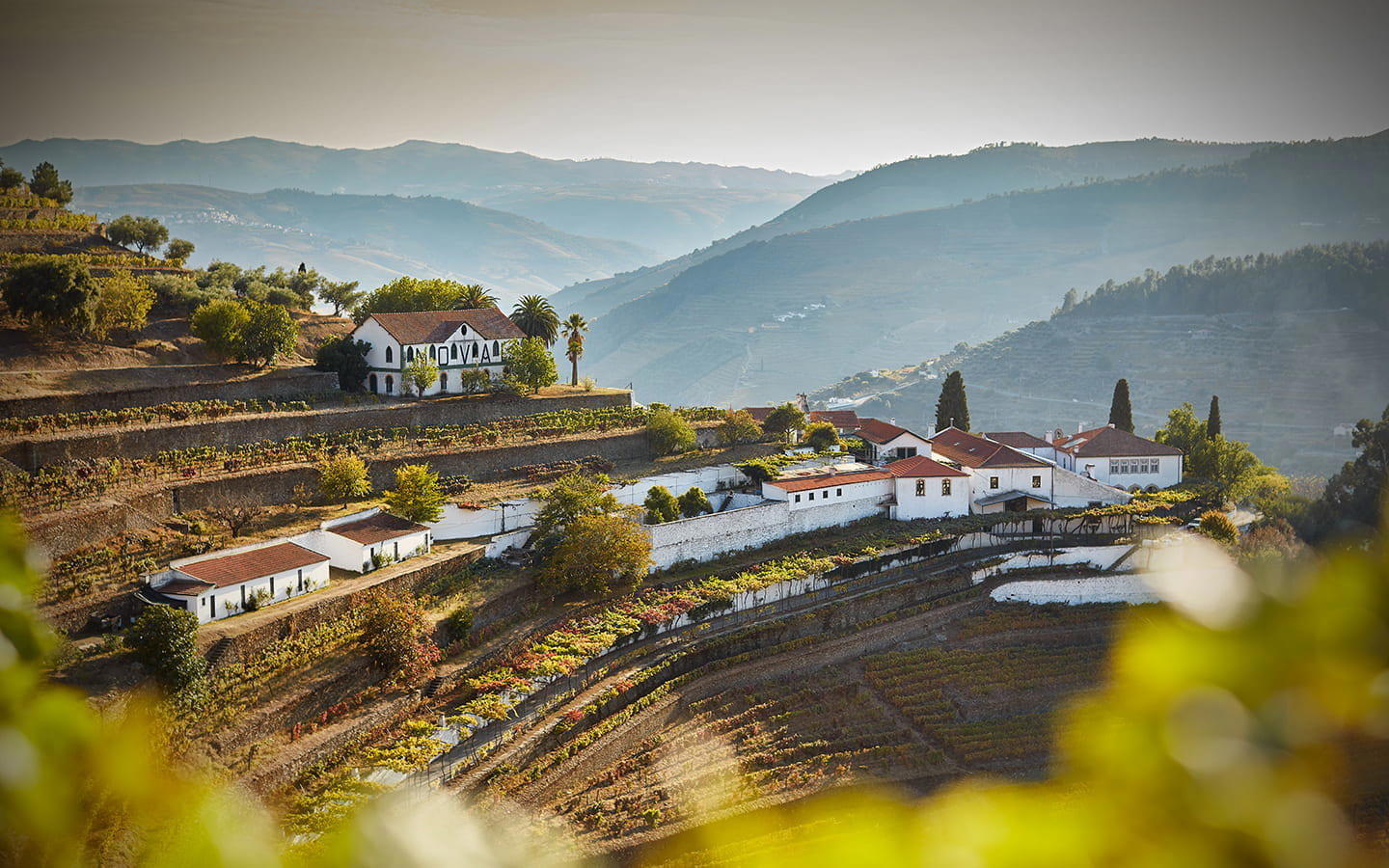
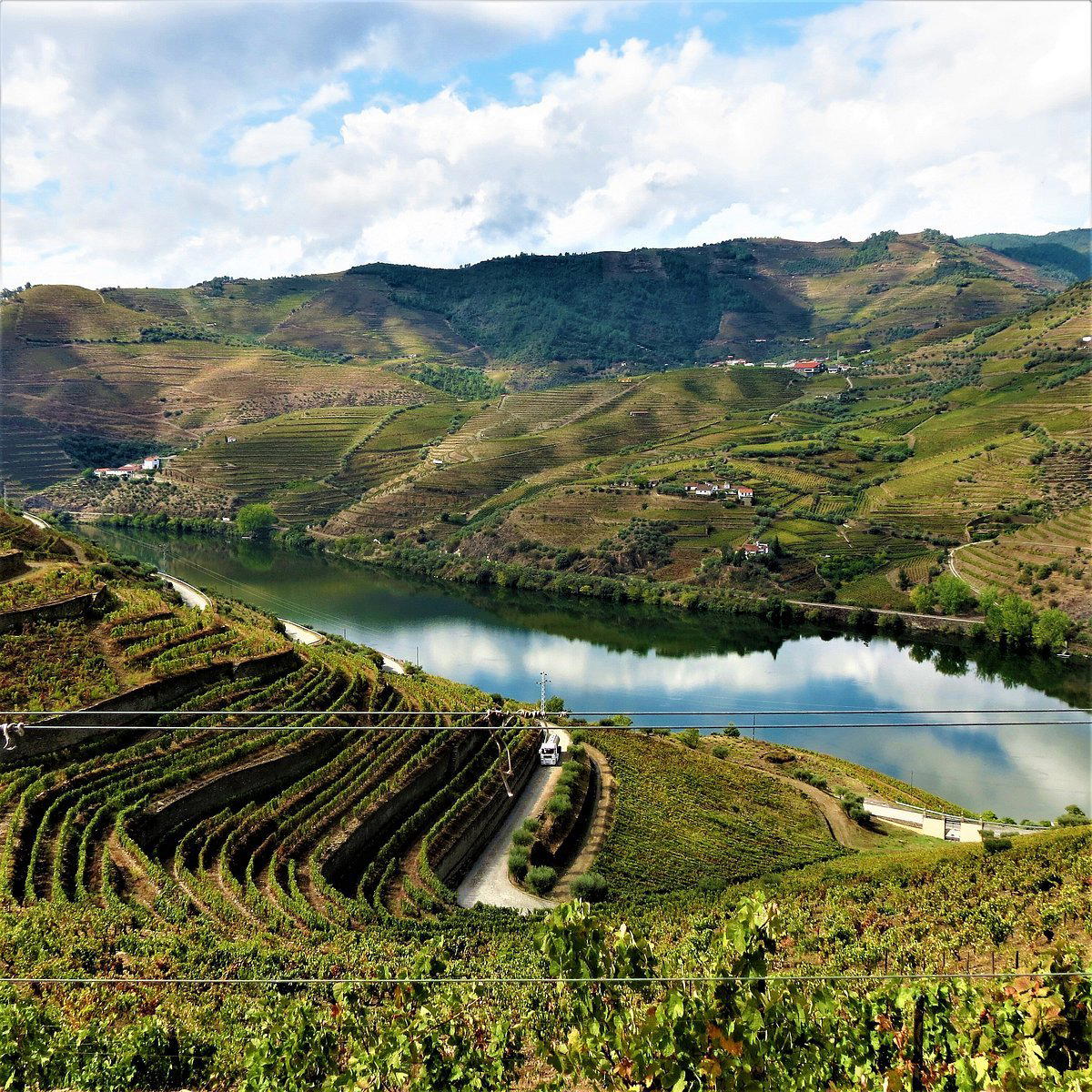
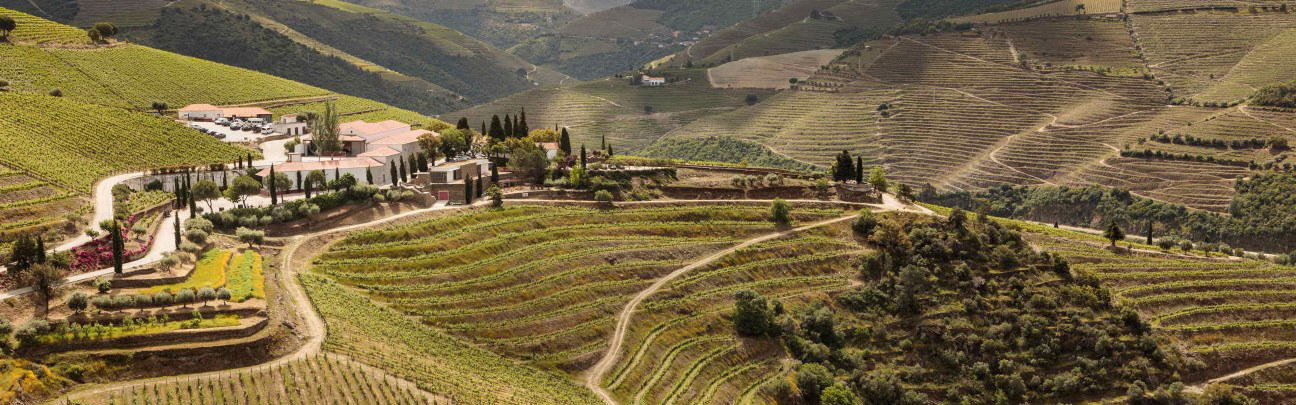
The Douro Valley's reputation was built on extracted, fortified power: thick-skinned Touriga Nacional, schist-fractured soils, and harvests conducted at temperatures that test both fruit and picker. What was rarely part of that story, at least until recently, was organic farming. For most of the twentieth century, the valley's co-operatives and major shippers relied on the kind of chemical inputs that kept yields predictable across steep, difficult terrain. Quinta do Infantado stood apart from that pattern early. The estate, positioned near Pinhão in the Cima Corgo sub-region, converted to organic viticulture long before the broader Portuguese wine industry began rethinking its relationship with synthetic agrochemicals. That early commitment is now the most legible thing about the quinta's identity, and it shapes the visit from the moment you arrive.
For context on how this fits the wider Douro producer map, it helps to know where Infantado sits relative to its neighbours. Estates like Quinta do Portal and Quinta do Crasto represent the Sabrosa-area quintas that have built international profiles through consistent critical recognition and significant export volume. Infantado's profile is different: quieter in terms of marketing, more pronounced in terms of agricultural philosophy, and specifically structured around the harvest experience as a visitor touchpoint rather than a passive tasting room encounter.
What harvest participation actually looks like
The editorial angle that matters most for visitors considering a trip to Quinta do Infantado is not the wine list or the tasting room format. It is the harvest visit itself, which the quinta positions as its primary experiential offer. Come vintage season, typically across September and into October depending on how the year has played out climatically, the estate invites visitors to work alongside the team in the vineyard. You are handed secateurs. You are put to work.
This format sits in a specific tier of Douro visitor programming. At one end of the spectrum, large shipper operations in Vila Nova de Gaia, such as Churchill's, offer polished cellar tours and guided tastings that prioritize accessibility and volume. At the other end, working harvest participation at an organically farmed quinta demands a different kind of engagement from the visitor. You are not observing viticulture; you are inside it, on terraces where the farming decisions have been made without synthetic chemistry for decades. After picking, guests join the winemaking team, which means the experience extends from the vineyard into early-stage production and gives a more complete sense of how fruit becomes wine in this specific environment.
That post-pick access is what differentiates this format from most Portuguese estate visits. Quinta do Bomfim in Pinhão offers structured tours and tasting programs that are well-regarded, but visitor access stops well short of winemaking participation. Similarly, Quinta do Seixo (Sandeman) in Tabuaço provides an architecturally considered visitor experience oriented around the brand's history. Infantado's offer is less polished by comparison and intentionally so. The draw is proximity to the work itself, not the presentation layer around it.
The significance of organic certification in this context
Organic viticulture in the Douro is not simple to achieve. The region's climatic variability, combined with the challenge of farming on near-vertical schist terraces that were never designed with machinery in mind, makes chemical-free farming a genuinely demanding commitment. Powdery and downy mildew pressure can be severe in wetter years, and the labour intensity of organic management on terraced vineyards is substantially higher than on flatter, more mechanizable ground.
Against that backdrop, Quinta do Infantado's early adoption of organic farming carries real weight. It is not a recent marketing pivot toward sustainability credentials. The conversion predates the current wave of consumer interest in certified organic wine, which means the farming systems have had time to mature. Soil biology develops over years and decades, not seasons, and that timeline matters when assessing what organic certification actually means for the vines and, ultimately, the wines produced from them.
The broader Portuguese wine world has been moving toward lower-intervention farming more visibly in recent years. Estates like Herdade do Esporão in Reguengos de Monsaraz have made organic conversion a publicly stated part of their identity and have the scale to communicate it loudly. Bacalhôa Vinhos in Azeitão operates across multiple properties with a different set of production priorities. Infantado's position is smaller and more focused, which gives the organic commitment a different register: less corporate program, more agricultural conviction embedded in daily practice.
The Douro context and what it frames
Pinhão is the Douro's most visited sub-hub, and the range of visitor experiences radiating out from the town spans everything from boat trips along the river to formal tasting rooms at heritage quintas. The Cima Corgo, where Infantado sits, is widely regarded as the Douro's quality heartland for unfortified table wines as well as Port, with altitude variation and concentrated schist soils producing wines with more aromatic precision than the lower, hotter Baixo Corgo can typically manage.
For those building a broader Douro or Portuguese wine itinerary, the regional picture extends well beyond the valley itself. Adega Regional de Colares in Colares represents one of Portugal's most historically specific wine identities, with ungrafted vines in coastal sand that produce wines with an entirely different structural profile. Adega Cartuxa in Évora connects wine production to a broader charitable and cultural institution in the Alentejo. Adega Cooperativa de Borba shows how cooperative winemaking has maintained relevance in the same region. And further afield, Blandy's Wine Lodge in Funchal offers the Madeira perspective on fortified Portuguese wine with a visitor format that prioritizes cellar depth and aged stock. Each sits in a different part of what Portuguese wine actually is.
Quinta do Infantado belongs specifically to the working-quinta end of that spectrum: a producer where the visit is structured around understanding the agricultural reality of a specific place, rather than the ceremony of a tasting room encounter.
Planning a visit
Quinta do Infantado is located at Cemitério de Covas do Douro, 5085-205 Pinhão, placing it within reach of the town's accommodation options and the wider Cima Corgo visitor network. The harvest-participation format is seasonal by definition, so timing a visit to align with the September-October picking window is the central logistical consideration. Visitors intending to join the vineyard team should contact the quinta directly to confirm availability for the relevant vintage period, as capacity is limited by the scale of the estate's own harvest operation rather than by any formal booking system. For a fuller picture of what else the area offers, see our full Sabrosa restaurants guide.
Those interested in comparing the harvest-participation format with more structured Port-country visitor experiences might also consider Quinta do Vallado in Peso da Régua, which combines accommodation with a more polished tasting program, or look further afield to Accendo Cellars in St. Helena and Aberlour for how different wine and spirits traditions handle the working-visit format in their own contexts.
Recognition history
Dated appearances from independent guides and award organizations, with the underlying list record or original source where available.
World's 50 Best Best Vineyards #28
World's 50 Best
World's 50 Best Best Vineyards #50
World's 50 Best
At a Glance
- Rustic
- Scenic
- Classic
- Wine Education
- Solo Exploration
- Vineyard Tour
- Barrel Room
- Organic
- Sustainable
- Vineyard
- Mountain
- Douro DOC
- Touriga Nacional
- Touriga Franca
- Tinta Roriz
- Gouveio
- Rabigato
- Viosinho
- Moscatel Galego
- Tinta Barroca
- Still Red
- Still White
- Fortified
- Still Rosé
- Orange
- Cave Tasting
- Private Tasting
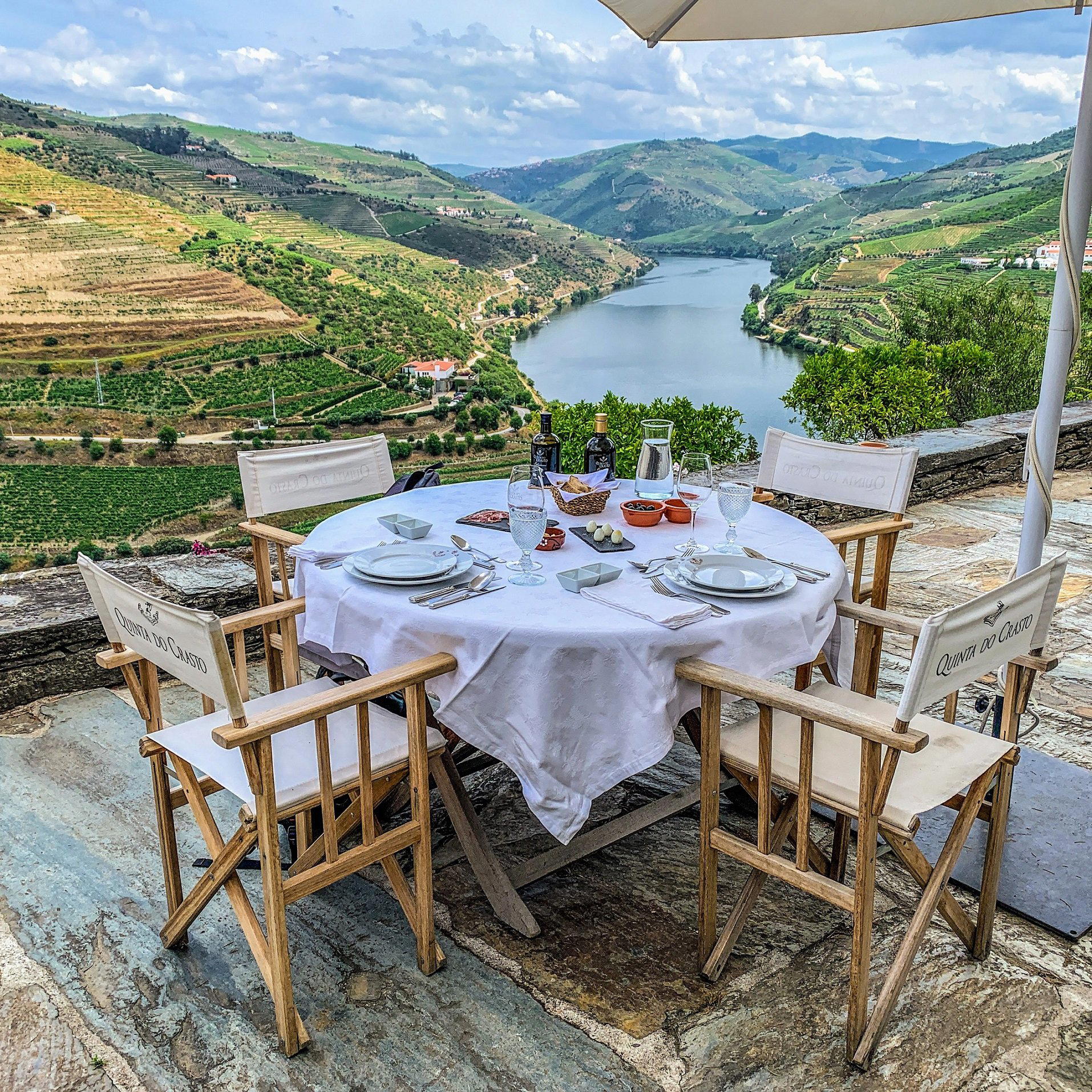
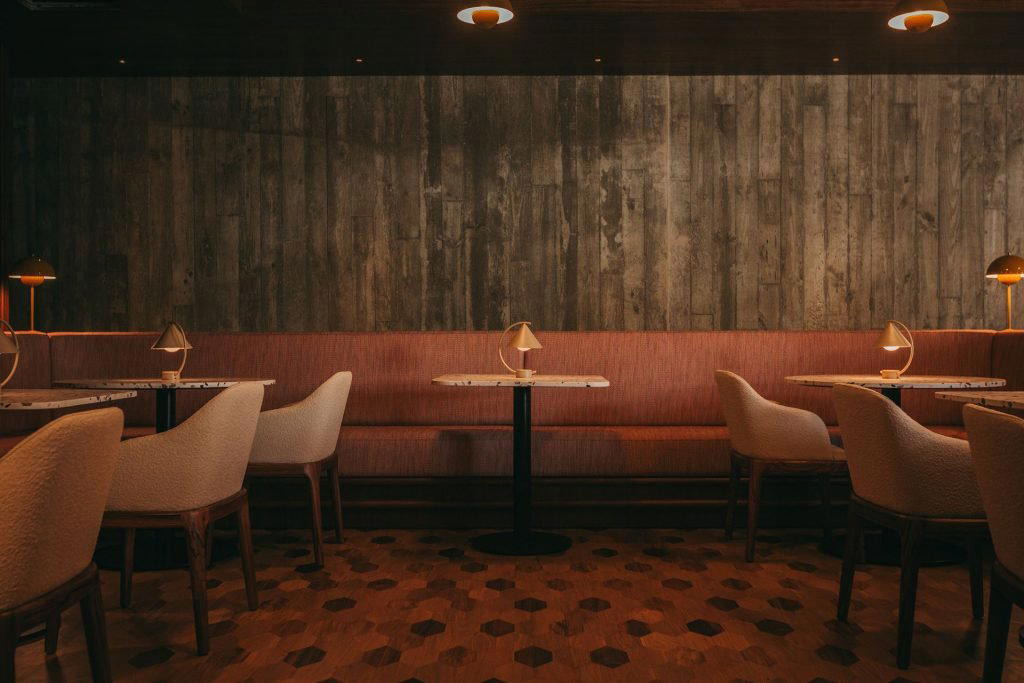
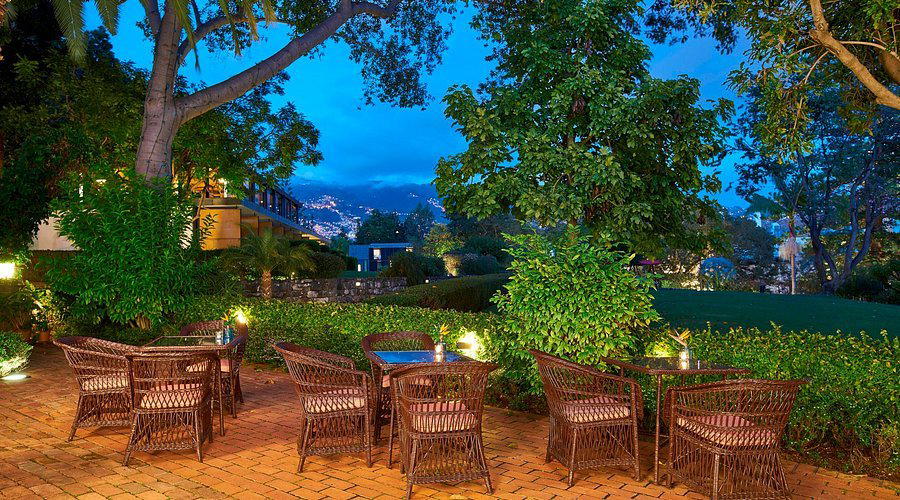
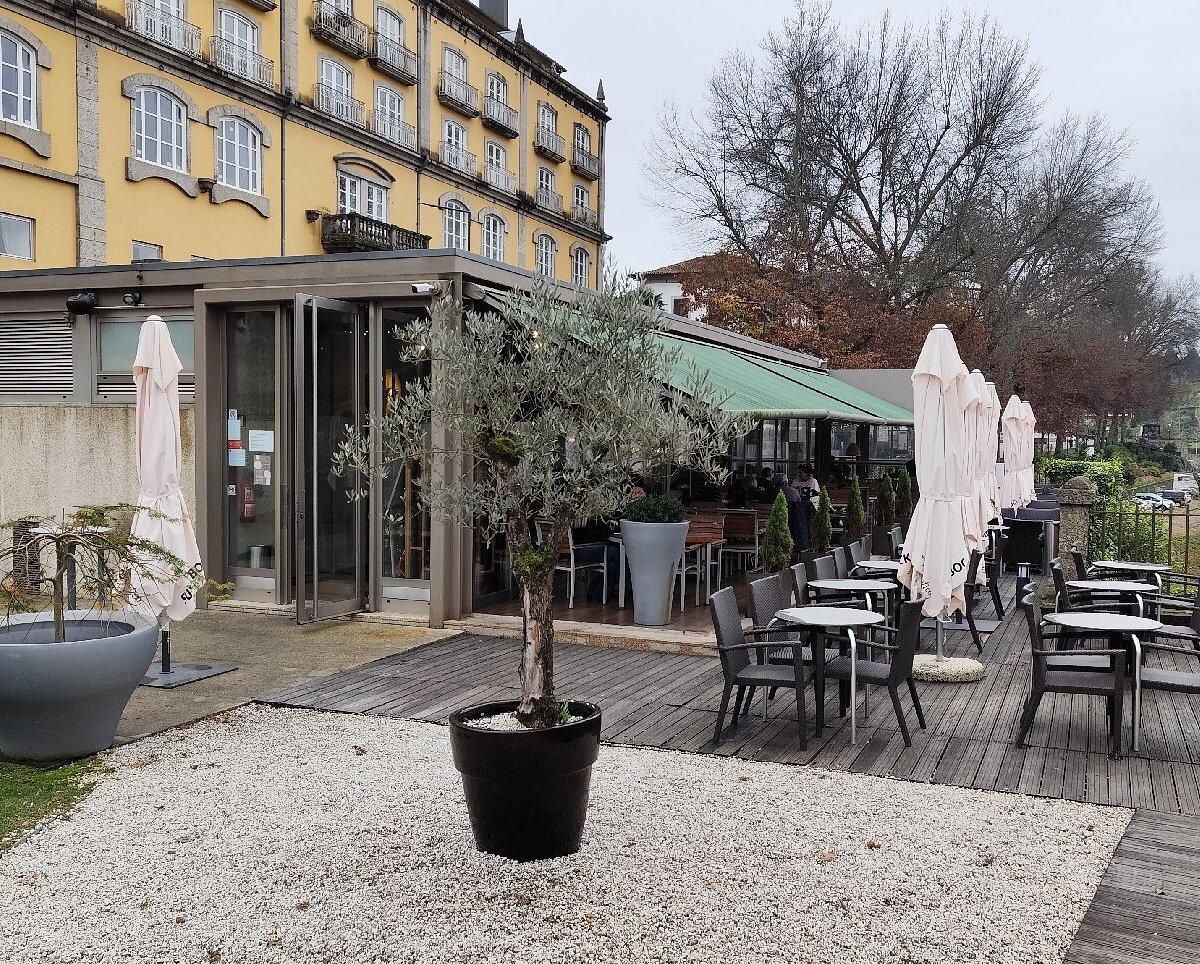
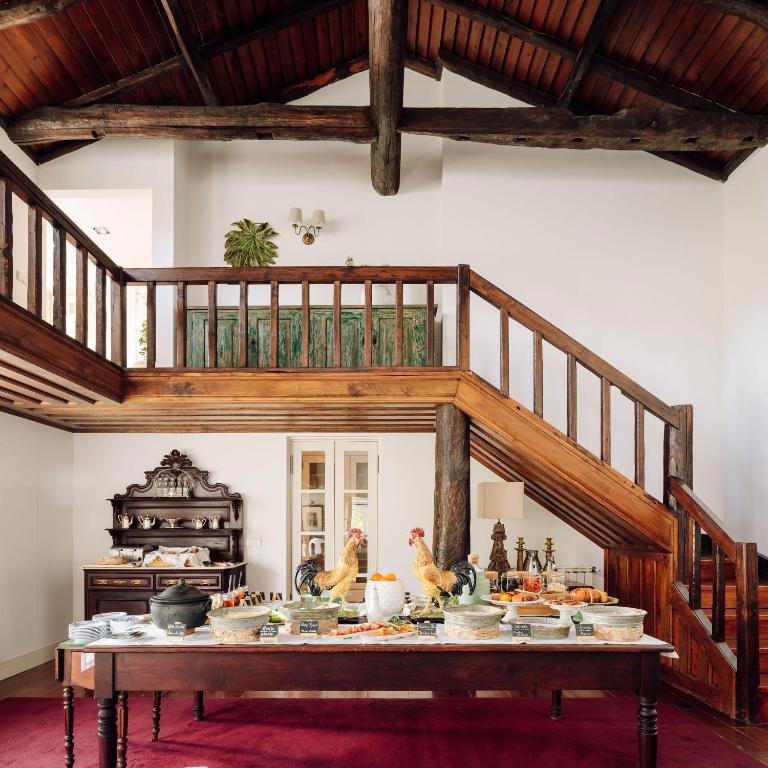
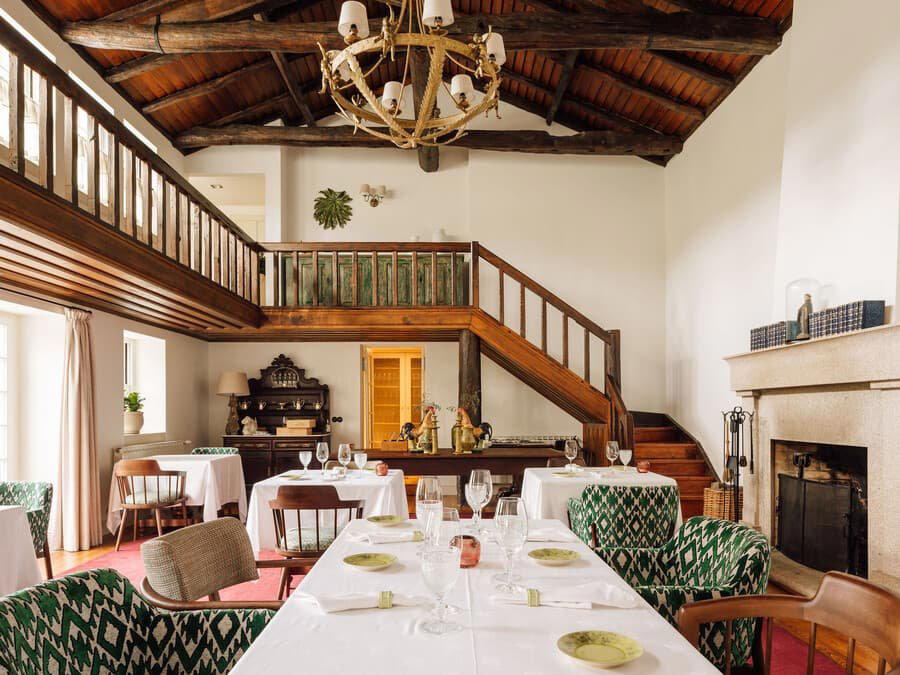
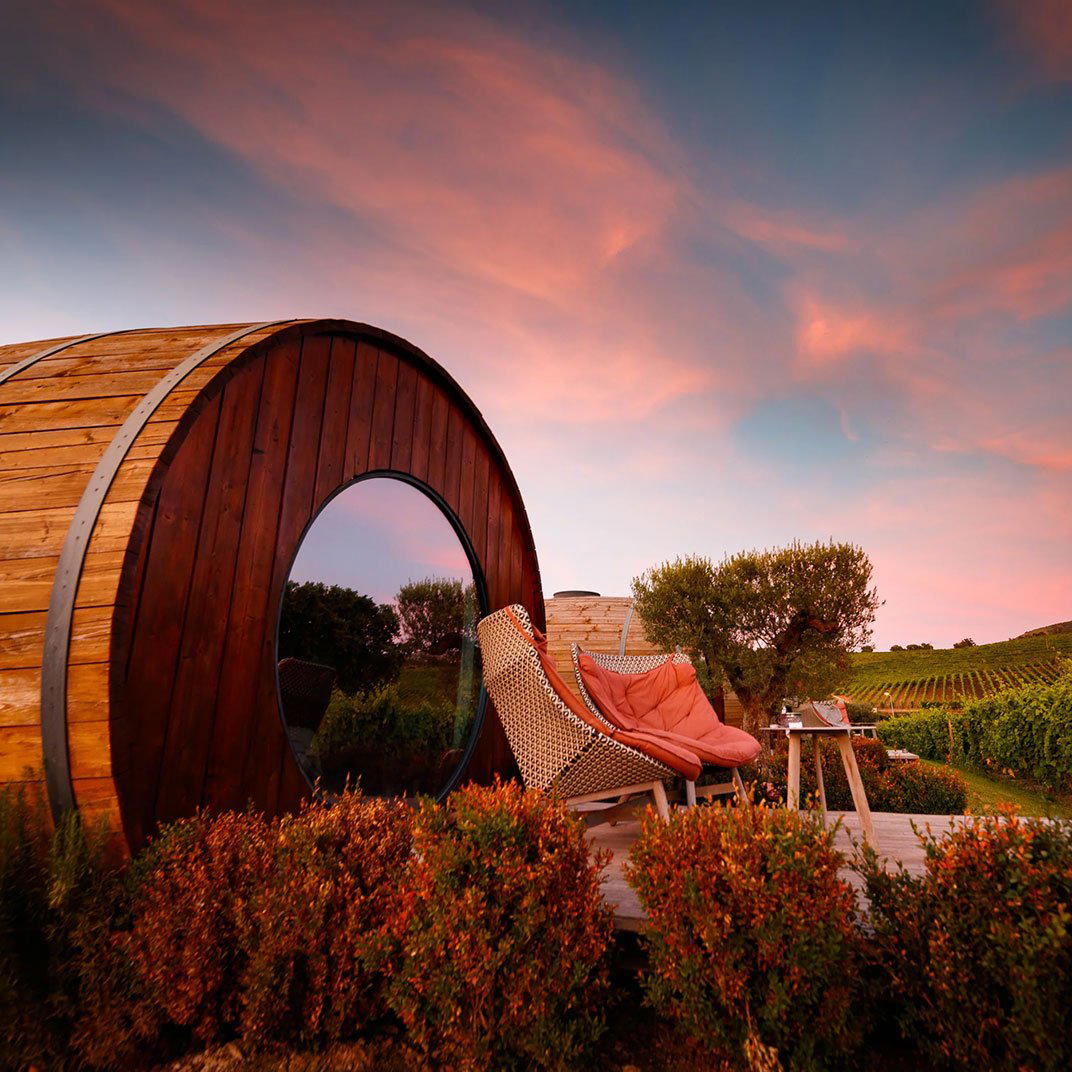
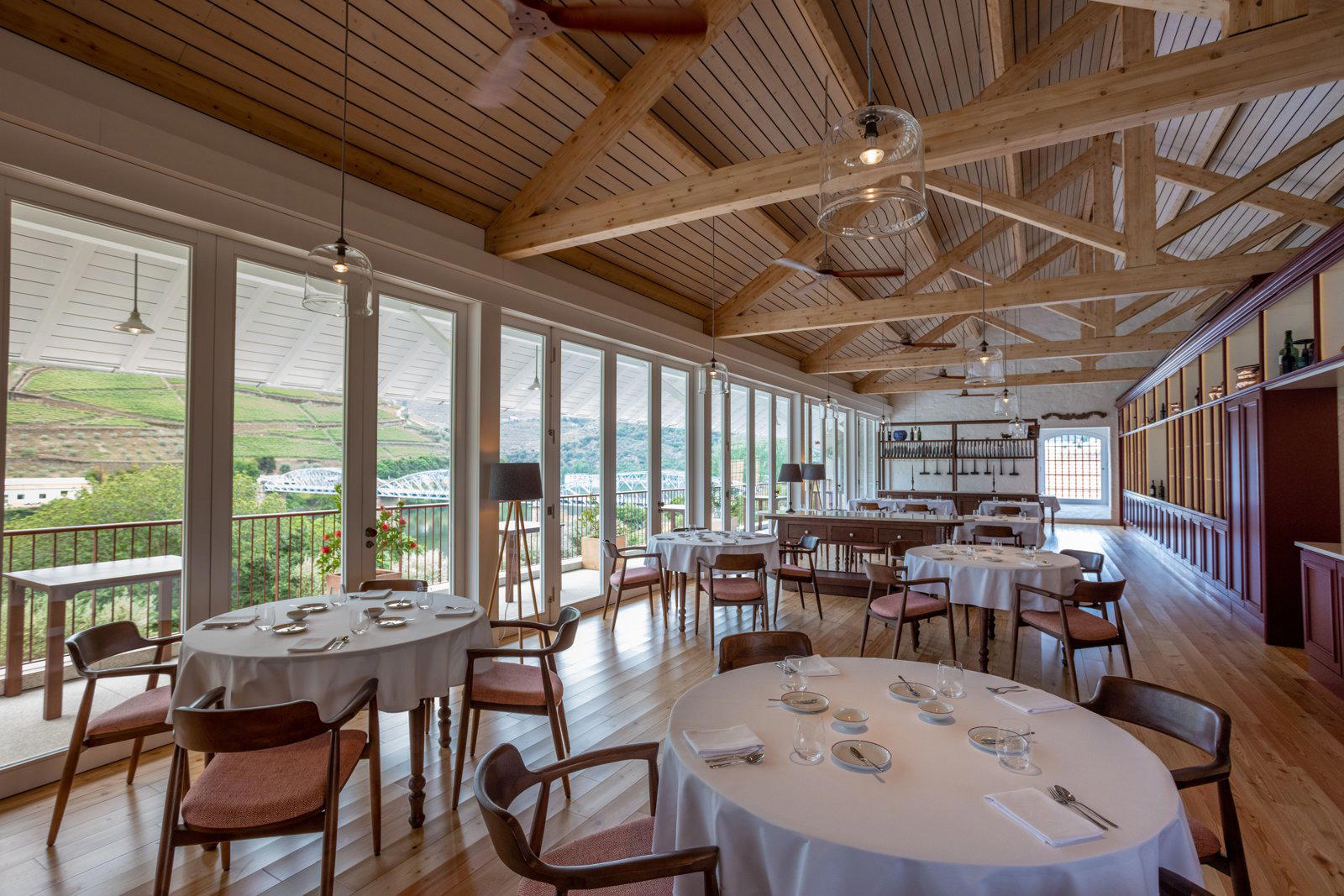
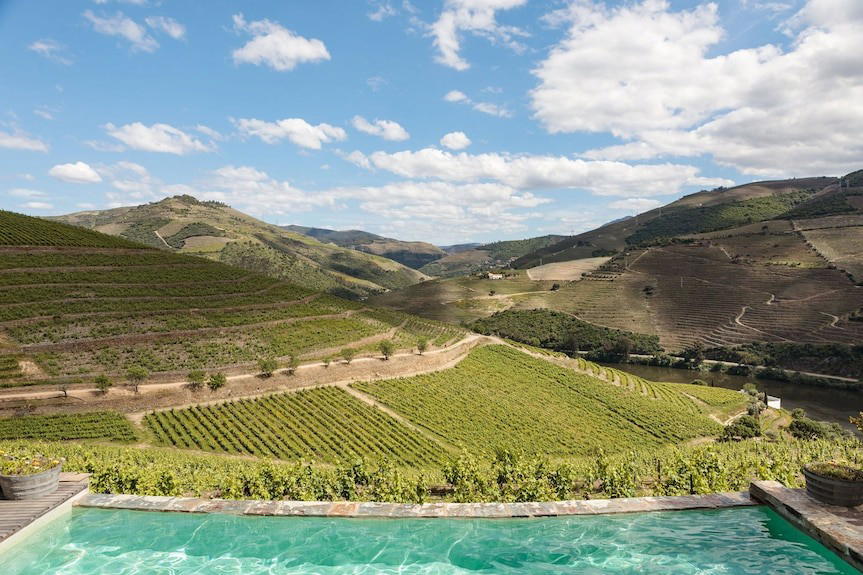
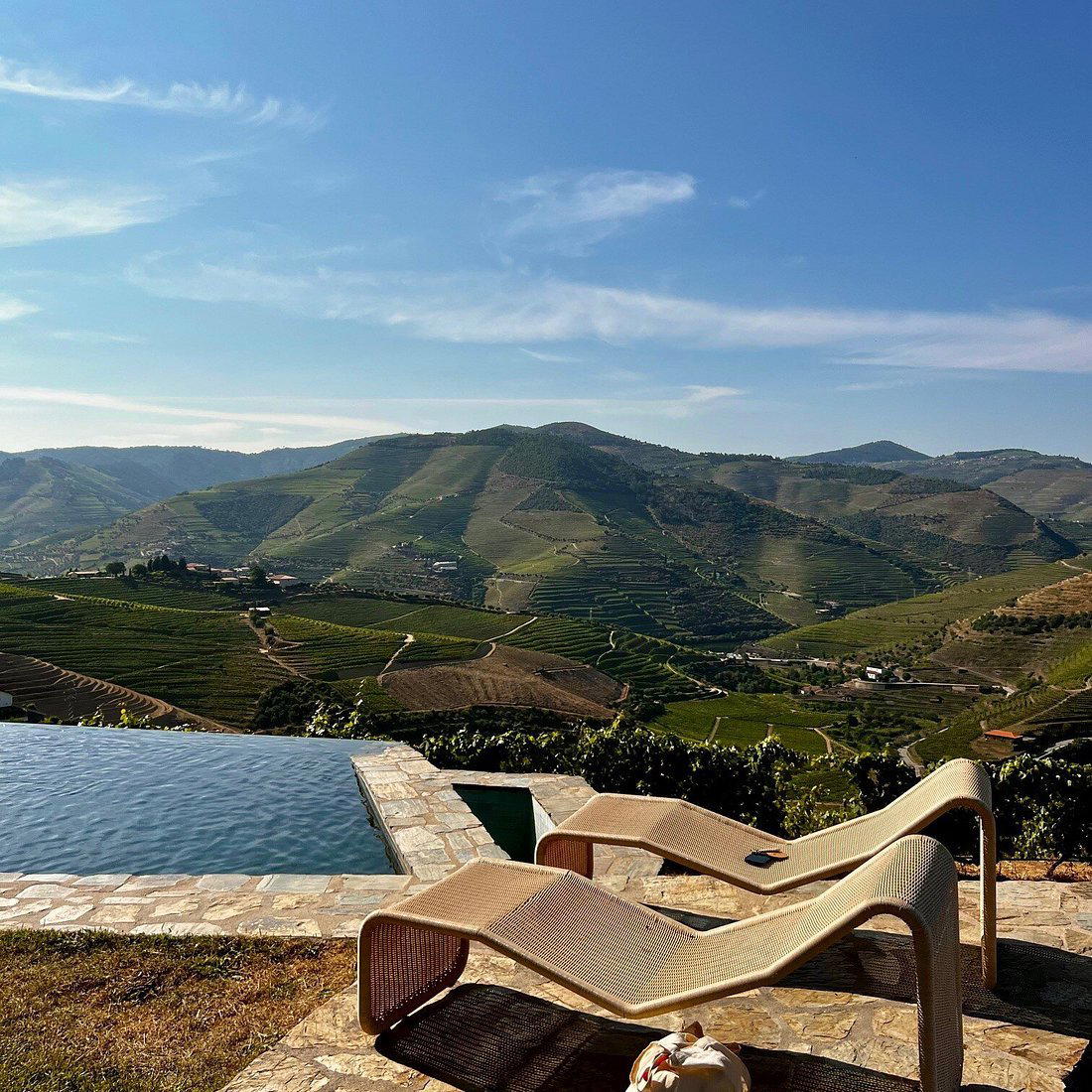
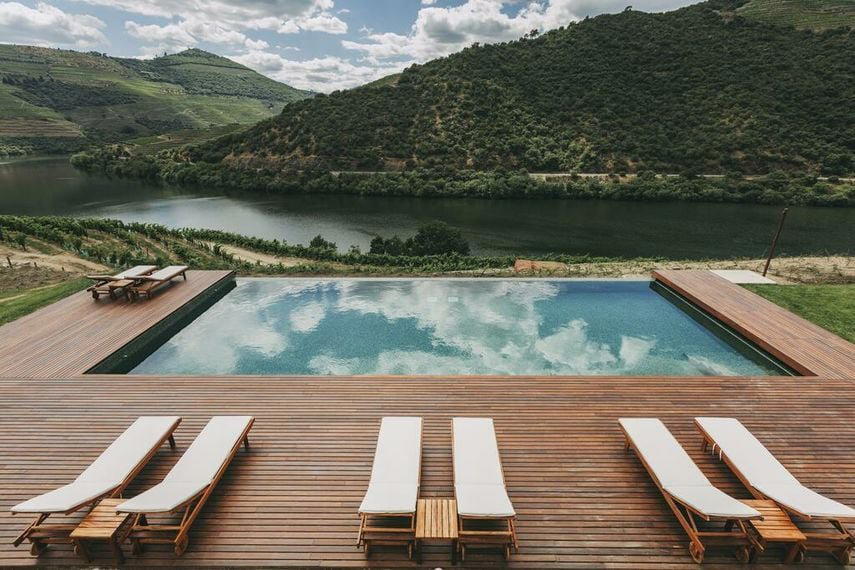
Traditional rustic setting amid terraced schist vineyards with historic adega featuring wooden barrels and stone lagares, offering a serene, authentic Douro atmosphere.
Know Before You Go
- Getting there
- Cemitério de Covas do Douro, 5085-205 Pinhão