
Relais Chateaux Award
Our verdict
Terraçu's at Quinta Nova in Covas do Douro brings Portuguese Coastal cuisine to the vine-terraced heart of the Douro Valley, with chef Keiji Nakazawa leading a kitchen recognised for expression of terroir. Holding, the restaurant operates where winemaking tradition and coastal culinary instinct converge, a pairing that makes sense only in a country where river and sea have always traded ingredients.

Pearl is the En Primeur Club membership app, where members save venues, book tables and use the concierge.
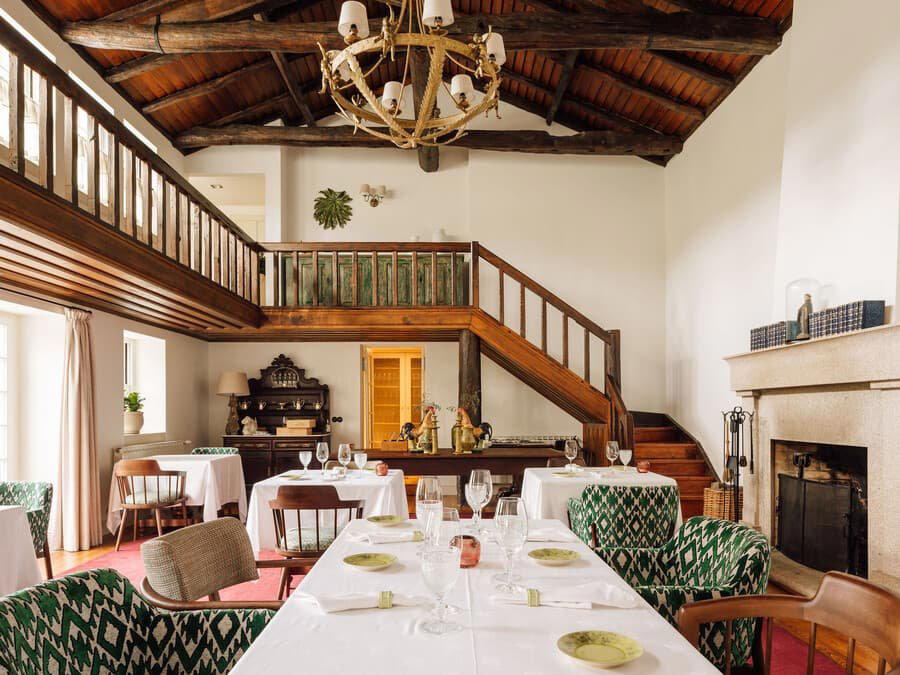
Where the Douro Valley Meets the Portuguese Coast
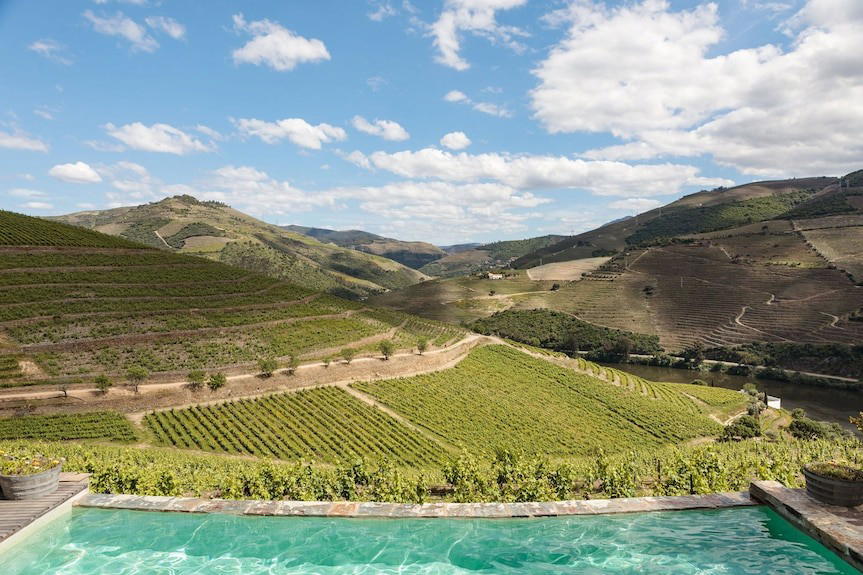
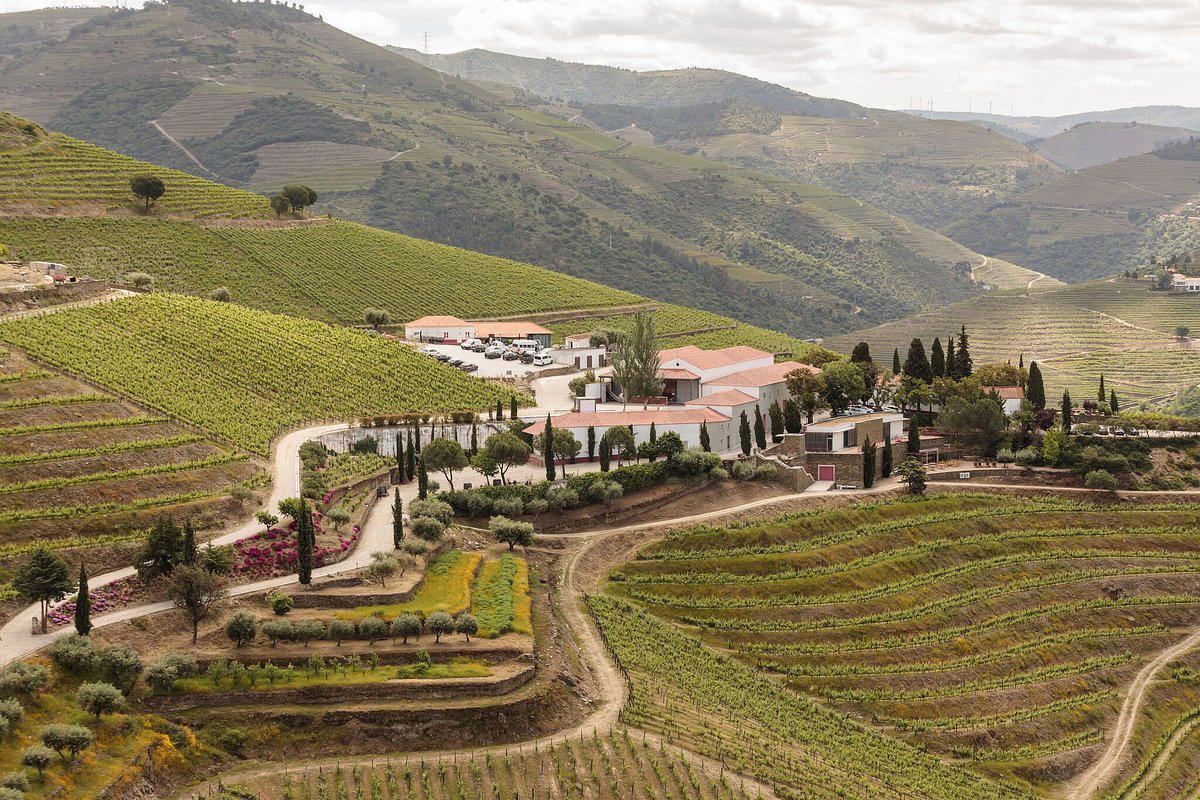
The Douro Valley is not where you expect to find Portuguese Coastal cuisine. The valley runs inland, carved by a river that has spent centuries in the business of wine, not fish. The terraced vineyards climbing from the water's edge at Quinta Nova, in Covas do Douro outside Sabrosa, are among the most dramatically cultivated in the country, schist walls holding soil that would otherwise slide into the current below. When a kitchen in this setting applies the label "Portuguese Coastal," it raises an immediate question: what does the coast mean here, and where does its produce actually come from?
That question is, in many ways, the most productive one a diner can bring to Terraçu's. The restaurant's recognition for expression of terroir, its single noted highlight, points toward an answer. Terroir, in its winemaking sense, means the land's accumulated character transferred directly into what you eat or drink. Applied to a kitchen, it implies that the sourcing and preparation choices are designed to make place legible on the plate. In a wine estate context, that ambition carries a specific meaning: the ingredients should trace back to the surrounding valley and to producers whose relationship with the land is as considered as the viticulture around them.
Ingredient Sourcing as the Central Argument
Portuguese Coastal cooking is defined, at its core, by proximity to raw material. Along the Atlantic littoral, from the Algarve to the Lima valley, the tradition depends on fish landed that morning, salt produced at nearby pans, and vegetables grown close enough to arrive in good condition. Applied inland, this logic has to travel. What arrives at a Douro kitchen from the coast has been selected rather than simply gathered, which shifts the emphasis from the convenience of proximity to the intention of curation.
Chef Keiji Nakazawa's presence in this kitchen adds another axis of consideration. Japanese culinary training, at its more disciplined levels, places extreme emphasis on the provenance and condition of raw material, on how fish has been handled between catch and service, on the temperature and texture that define whether a product is being respected or merely processed. That background, brought to a Portuguese estate kitchen framed around terroir expression, suggests a kitchen where sourcing decisions carry genuine weight rather than serving as narrative decoration on a menu.
This kind of cross-cultural precision has precedents in Portugal's more discussed dining rooms. Casa de Chá da Boa Nova in Leça da Palmeira places its sourcing front and centre, fish pulled from the Atlantic just beyond its terrace windows, while Antiqvvm in Porto builds Portuguese tradition through regional ingredient selection. At Terraçu's, the equivalent argument is made from a wine estate in the interior, which means the coastal component arrives through deliberate supply choices rather than geographical accident.
The Douro Table in Context
Fine dining in the Douro Valley has developed substantially over the past two decades, largely in parallel with the region's rise as a wine tourism destination. The pattern across the valley's estate restaurants tends toward one of two approaches: kitchens that serve as capable accompaniments to wine programming, where the food is competent but secondary to the tasting experience; and kitchens that hold genuine independent ambition, where the cuisine would make an argument for itself regardless of whether the surrounding estate produced wine at all.
Terraçu's, positioned on the Quinta Nova estate and carrying its terroir-expression designation, sits closer to the second category than the first. Portugal's most discussed dining rooms, Belcanto in Lisbon, Ocean in Porches, The Yeatman in Vila Nova de Gaia, Vila Joya in Albufeira, operate in urban or coastal contexts where competitive density pushes continuous refinement. An estate kitchen in the Douro interior plays by different rules: it draws visitors who have committed to the journey, and it needs to reward that commitment across the full experience of place, not just the plate.
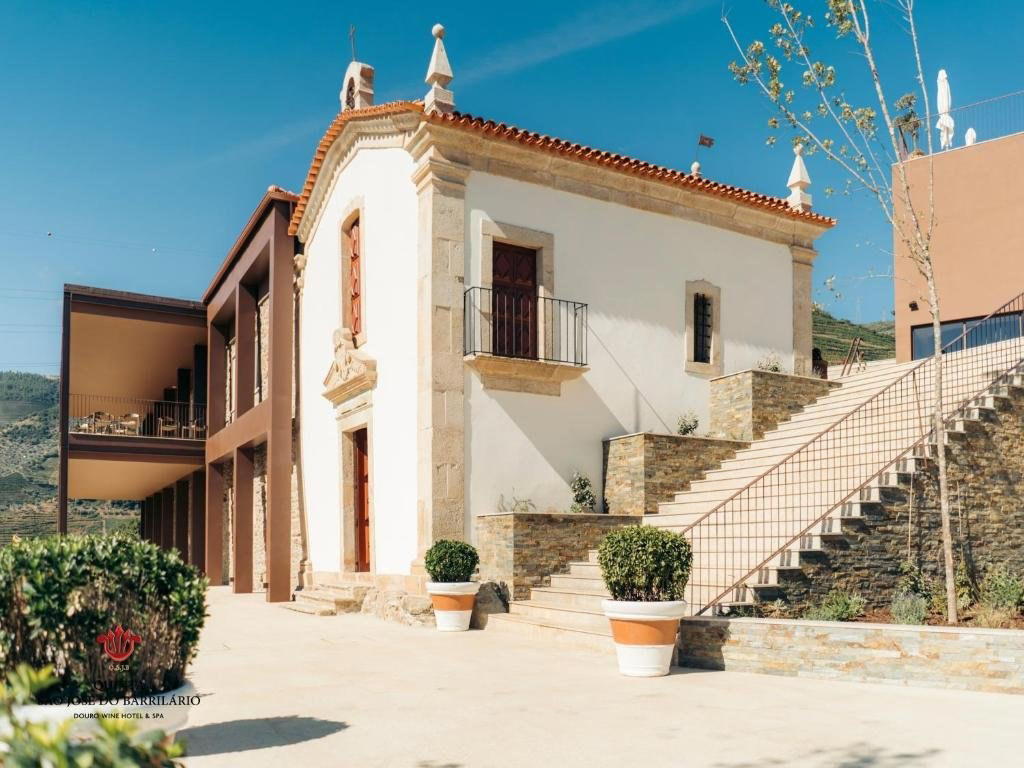
Elsewhere in Portugal, the pairing of wine estate and serious kitchen has produced some of the country's most coherent dining propositions. The relationship between viticulture and cuisine in the Douro carries its own specific logic: the same schist soils, Atlantic-influenced climate, and altitude variations that define wine character here also shape the local produce available to a kitchen willing to source tightly. Quinta Nova Winery House, sharing the same estate address, extends this proposition across its own format, the two together making Quinta Nova one of the more complete hospitality addresses in the valley.
Portuguese Coastal Cuisine Beyond the Shoreline
The category of Portuguese Coastal cooking, when practiced at a remove from the sea, demands that its practitioners be explicit about what they are doing and why. Portugal's culinary identity is built substantially on Atlantic produce, the bacalhau tradition, the grilled sardine, the caldeirada stews of the fishing communities, and transporting that identity inland requires a position, not just an aspiration. The most considered version of this approach treats the coast not as a style to replicate but as a supply network to maintain: relationships with specific fishermen, specific salt producers, specific smokehouses, whose products travel to the valley because the kitchen has judged them worth the distance.
That framing aligns with what the terroir-expression recognition implies at Terraçu's. Terroir, in this context, is not only about what the immediate land produces, the valley's tomatoes, the estate's olive oil, the herbs on the hillside, but about the chef's argument for why every element on the plate belongs there, traced back to a specific origin that can withstand scrutiny. In a kitchen with Japanese-trained precision at its head, that argument is likely made with some rigour.
For readers exploring the broader Portuguese dining scene, the range extends from the Algarve's seafood-forward kitchens, including Al Sud in Lagos and A Ver Tavira in Tavira, to the Atlantic-facing rooms of the Alentejo coast at Hôtel Vermelho in Melides and Xtian in Melides. A Cozinha in Guimaraes and Il Gallo d'Oro in Funchal represent the format operating under different regional pressures. Terraçu's occupies a position none of them share: Portuguese Coastal applied inside a Douro wine estate, where terroir is not a supporting concept but the central claim.
Planning Your Visit
Terraçu's is located at Quinta Nova, Covas do Douro, in the municipality of Sabrosa, a drive from Porto of roughly two hours along the Douro corridor, with the landscape shifting incrementally from coastal flatlands to the tiered valley walls of the upper river. The estate setting means the restaurant functions as part of a broader Quinta Nova visit rather than a standalone urban booking: combining a meal here with wine programming or the winery house accommodation makes the most of the journey. For those building a wider itinerary across the region, our full Sabrosa restaurants guide, Sabrosa hotels guide, bars guide, wineries guide, and experiences guide provide coverage of what surrounds the estate. Booking directly through the Quinta Nova estate is the advised approach; given the destination nature of the address, advance planning is sensible, particularly during the harvest months of September and October when the valley draws significant wine-tourism volume.
Frequently asked questions
Which chef is Terraçu's associated with?
The chef associated with Terraçu's is Keiji Nakazawa.
Budget and Context
Comparable venues nearby, for context on price, style, and recognition.
| Venue | Cuisine | Price | Awards | Notes |
|---|---|---|---|---|
| Terraçu'sThis venue (the venue you are viewing) | Douro Valley Fine Dining | Not listed | Relais Chateaux Award | Not listed |
| Quinta Nova Winery House | Portuguese Fine Dining | Not listed | Relais Chateaux Award | Covas do Douro, Portuguese Fine Dining |
| Restaurant The Vale de Abraao | Portuguese Farm-to-Table | $100–150 | We're Smart World 1 Radish | Samodães, Portuguese Farm-to-Table |
| Largo do Paço | Modern Mediterranean with Portuguese influences | Not listed | 1 Michelin Star · Wine Spectator Best of Award of Excellence | Amarante, Modern Mediterranean with Portuguese influences |
| The Orangerie | Contemporary Portuguese & Mediterranean fine dining | $50–100 | Relais Chateaux Award | historic centre of Vila Nova de Gaia, Contemporary Portuguese & Mediterranean fine dining |
| Wow | Mediterranean with Portuguese influences | Not listed | Star Wine List | Vila Nova de Gaia, Mediterranean with Portuguese influences |
Recognition history
Dated appearances from independent guides and award organizations, with the underlying list record or original source where available.
Relais Chateaux Award
Relais Chateaux
Full recognition history (2 entries)
Relais Chateaux Award
Relais Chateaux
Continue exploring
More in Sabrosa
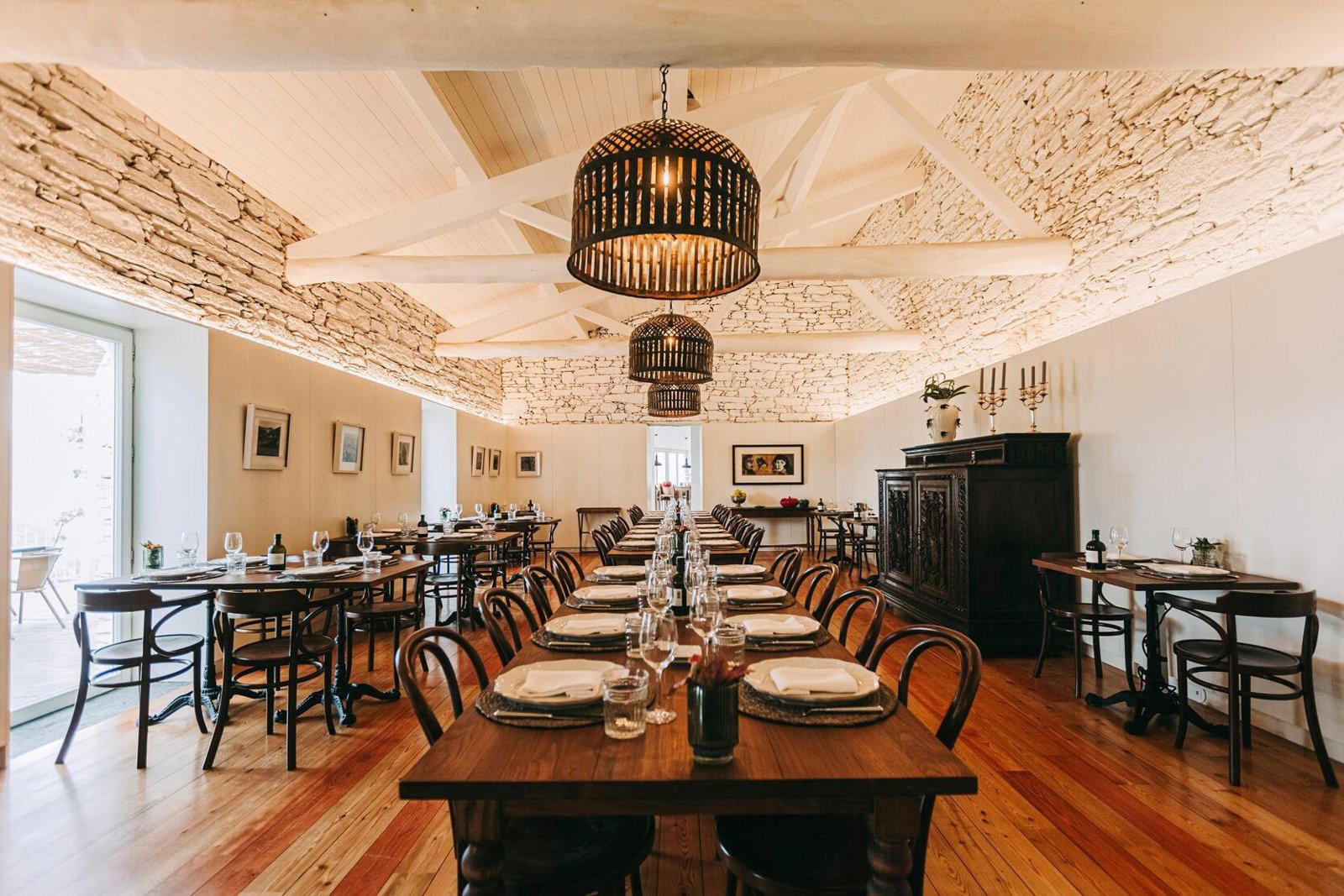
Restaurants in Sabrosa
All restaurants in Sabrosa →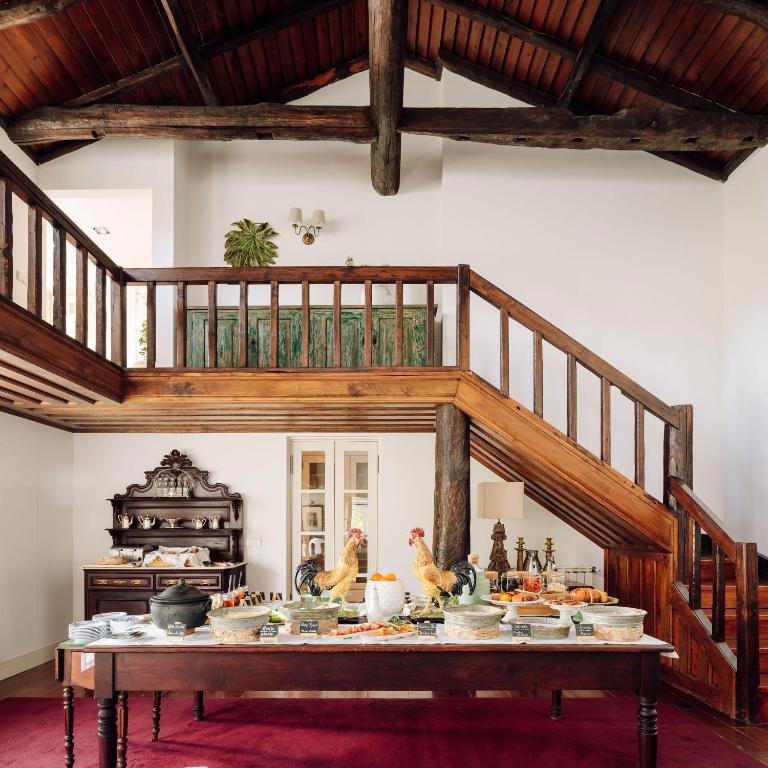
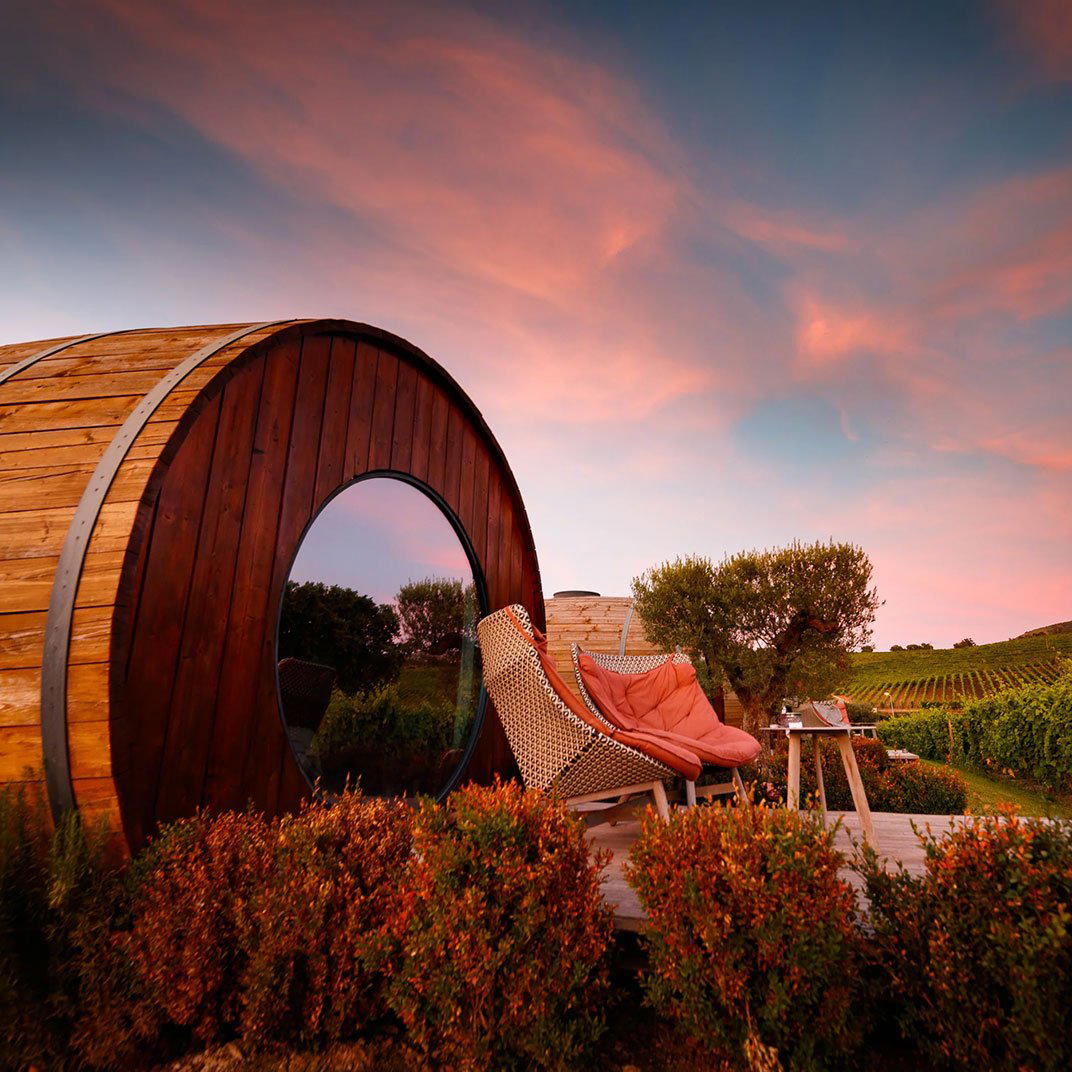
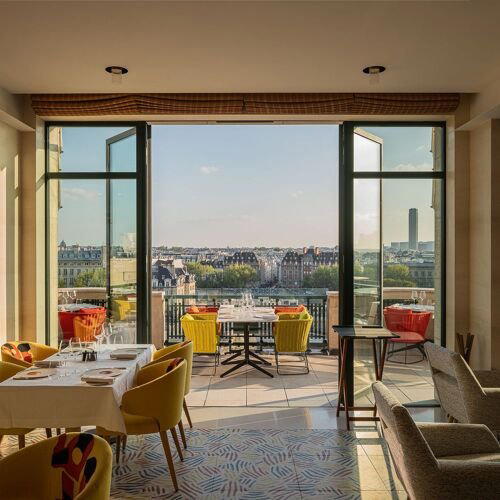
Bars in Sabrosa
Browse all →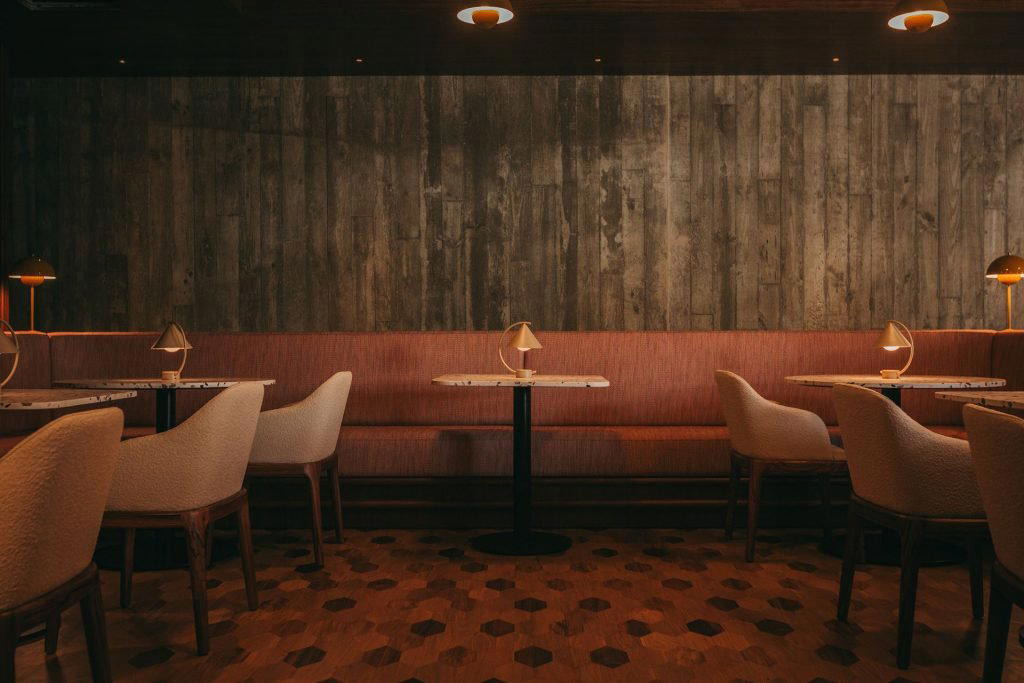

Details
- Romantic
- Rustic
- Scenic
- Elegant
- Intimate
- Date Night
- Special Occasion
- Historic Building
- Wine Cellar
- Extensive Wine List
- Local Sourcing
- Farm To Table
- Vineyard
- Mountain
- Tasting Menu
- Vegetarian Friendly
- Vegan Options
Current opening hours
- Monday
- 12:30–3 PM, 7:30–10 PM
- Tuesday
- 12:30–3 PM, 7:30–10 PM
- Wednesday
- 12:30–3 PM, 7:30–10 PM
- Thursday
- 12:30–3 PM, 7:30–10 PM
- Friday
- 12:30–3 PM, 7:30–10 PM
- Saturday
- 12:30–3 PM, 7:30–10 PM
- Sunday
- 12:30–3 PM, 7:30–10 PM
Hours can change for holidays and private events. Hours as of .
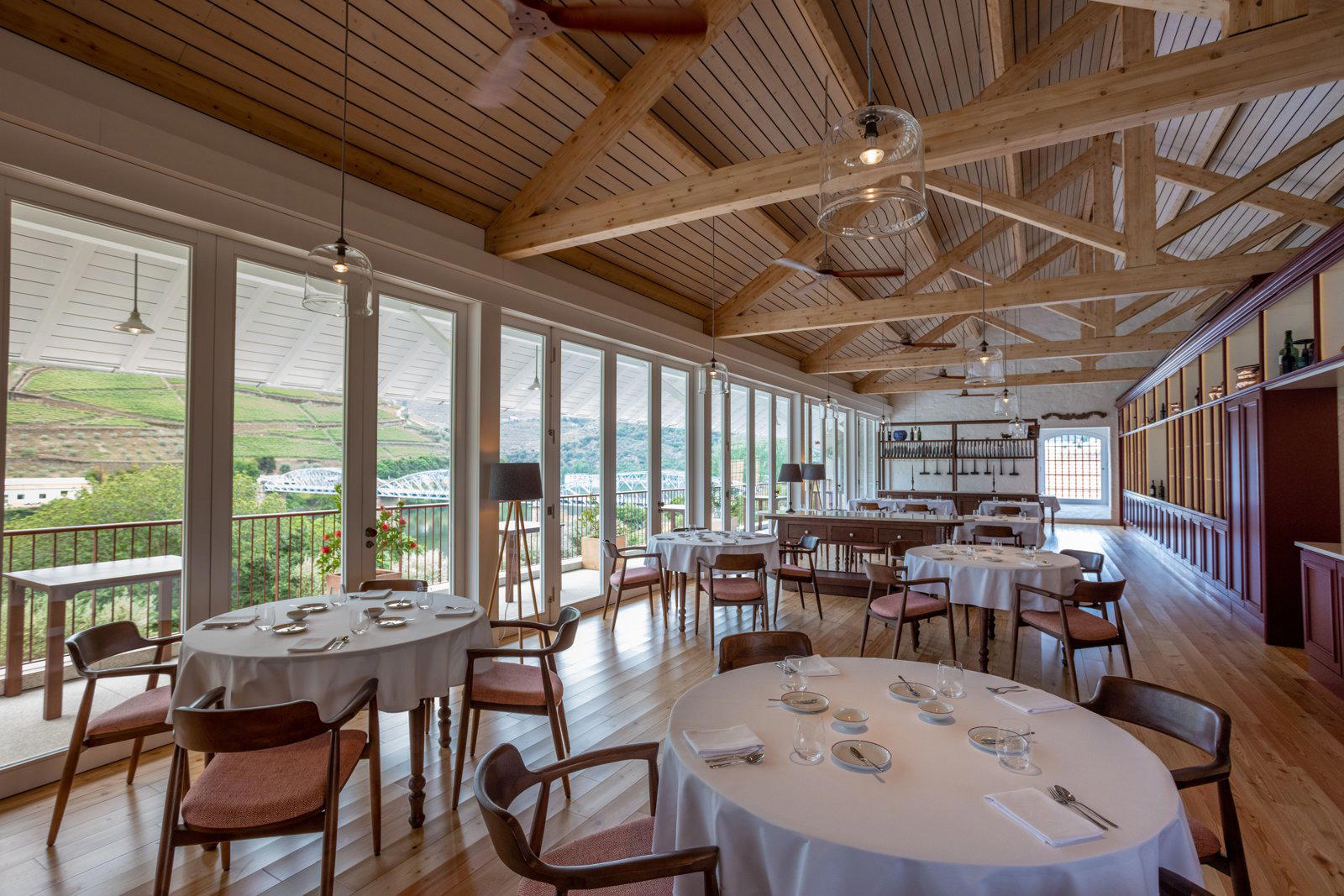
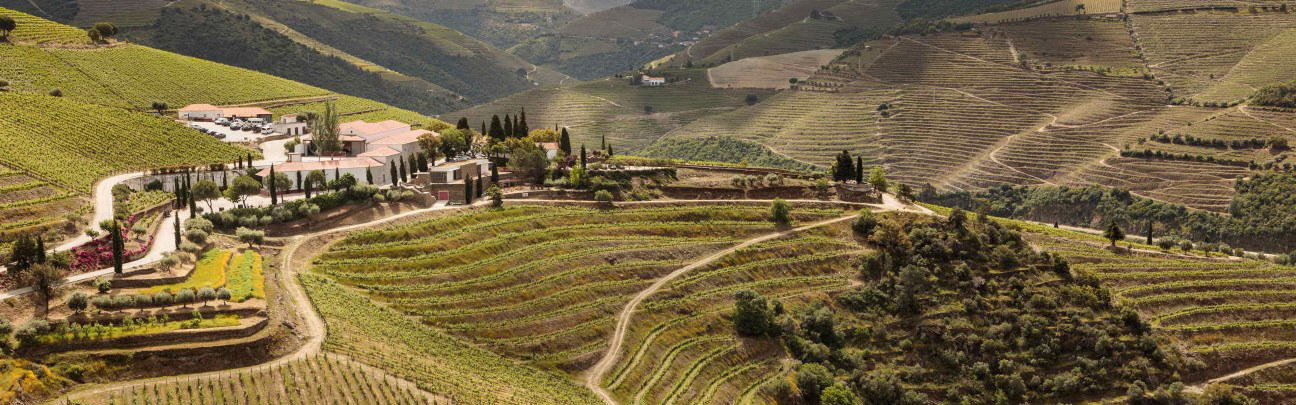
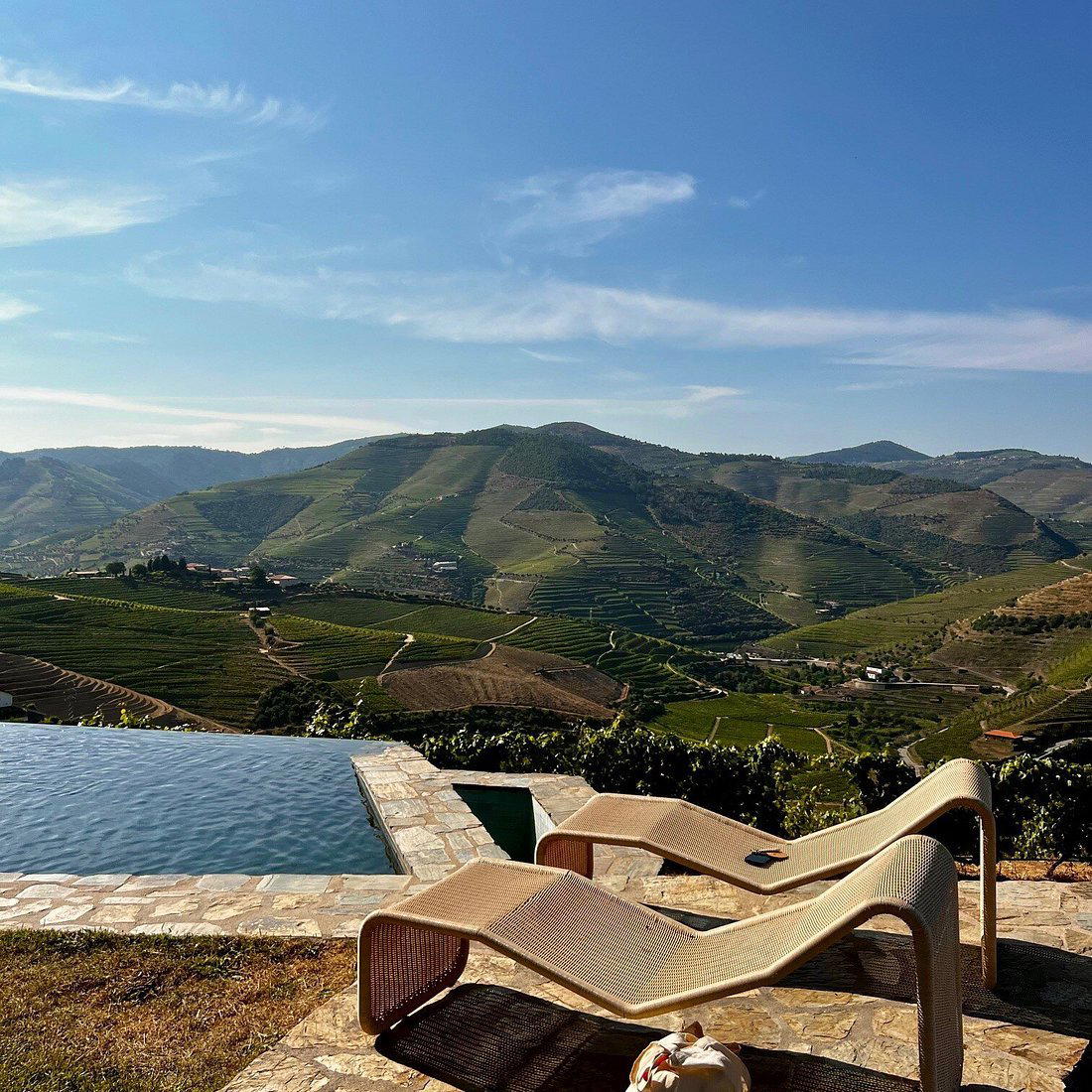
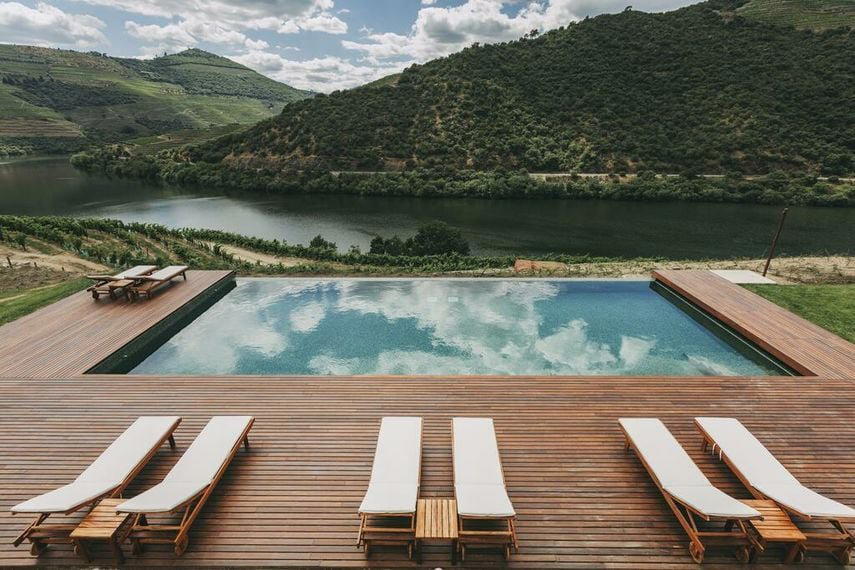
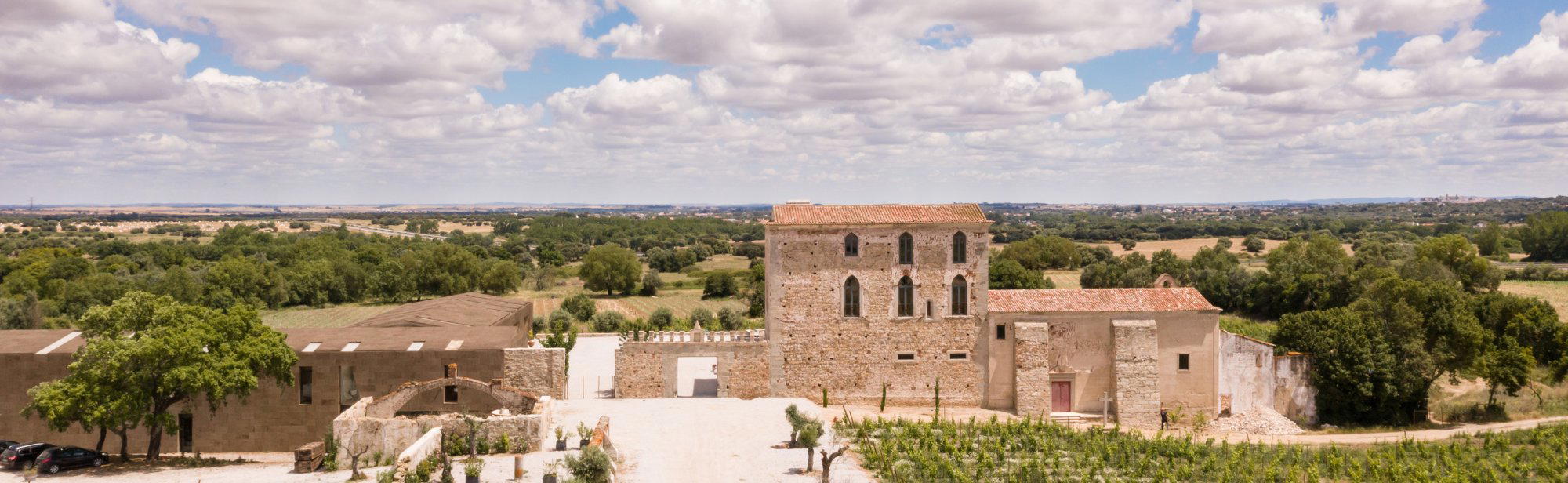
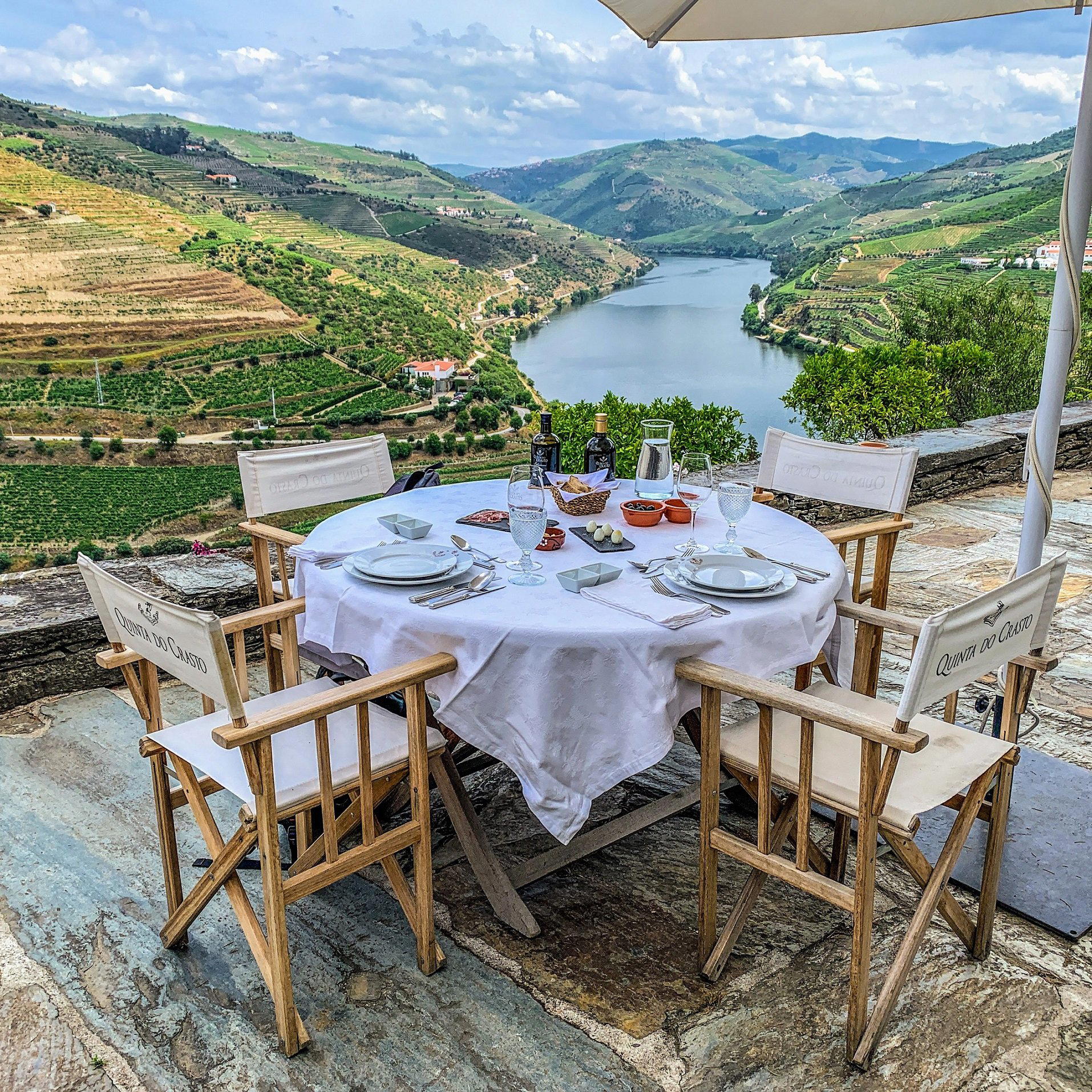
Relaxed and romantic atmosphere with bucolic charm, overlooking cascading vineyards and the Douro River.